


You can remove sticky tape residue from hardwood floors without damaging the finish, leaving your surface smooth and ready to walk on. This process uses a careful combination of gentle heat, a safe adhesive remover, and soft cleaning so the gumminess lifts instead of spreading. Plan for about 15–30 minutes, with a hair dryer, plastic scraper, microfiber cloth, and a mild floor cleaner.




Soften the adhesive with gentle heat, lift it carefully with a plastic scraper, then wipe away what’s left using mineral spirits or a hardwood-safe adhesive remover. This approach protects the finish because you’re working with chemistry (loosening adhesive) and control (wiping and drying), not aggressive scraping. You’ll also avoid the dull, cloudy smears that happen when tape residue gets smeared into the topcoat.
This is for homeowners dealing with leftover strip tape, packing tape, or label adhesive on finished hardwood floors—especially when scraping has already started leaving dull spots or smears. If you’re not sure whether your floor is sealed/finished (vs. raw/unsealed wood), use the gentler options first and test in a hidden area.
Gather the right tools and do a quick spot test
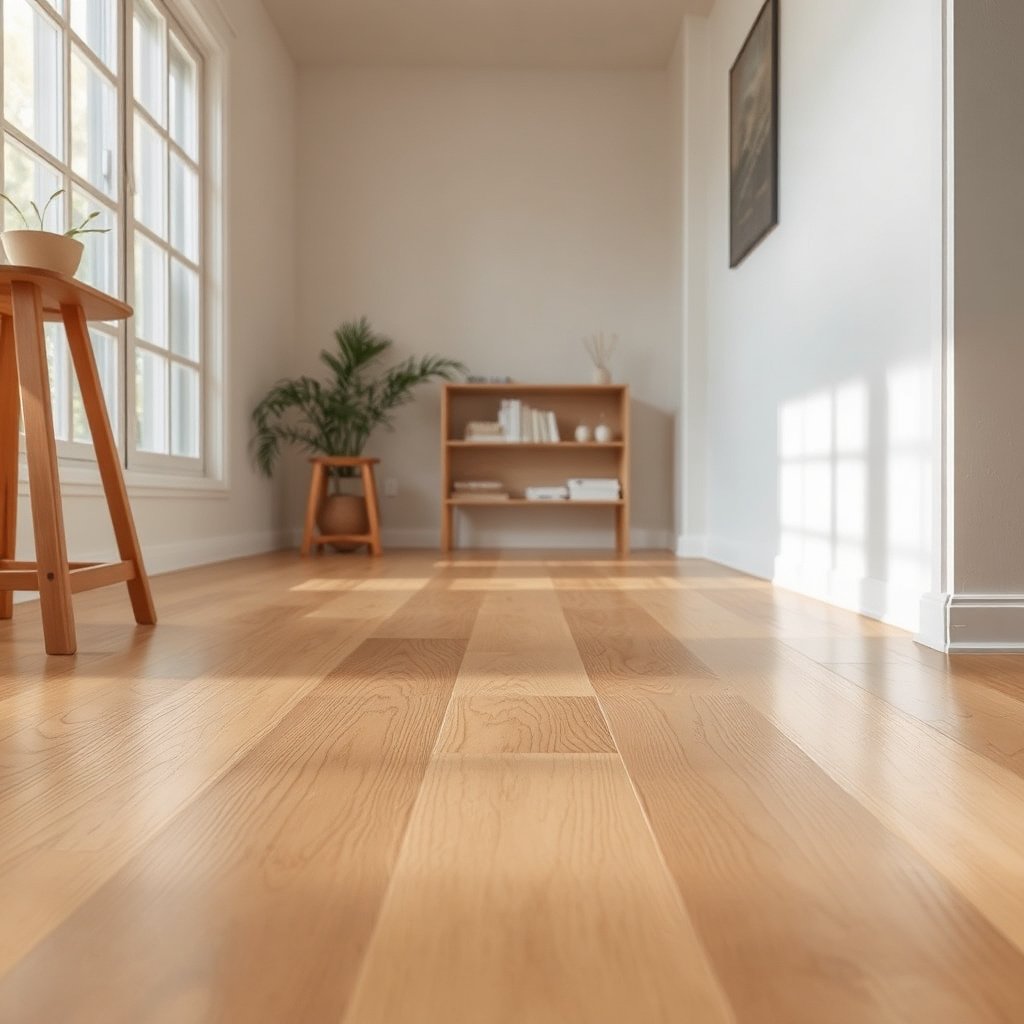
You’ll get the best results when you’re prepared for both mechanical removal (scraping) and chemical cleanup (solvents). Before you treat tape residue on hardwood floors, do a quick finish check so you don’t accidentally haze or lighten the topcoat.
– Use a plastic scraper (not metal) plus microfiber cloths, painter’s tape, and a small bucket/cleaning supplies.
– Choose a remover method to test first: heat + gentle wiping, mineral spirits (often for adhesive/oily residues), or a hardwood-safe adhesive remover.
– Always test in an inconspicuous spot to confirm the finish doesn’t haze, lighten, or turn cloudy.
What I look for during the spot test: if the microfiber picks up color, if the area turns matte where it used to be glossy, or if a cloudy film forms after solvent exposure, you’ve found a “stop point.” That’s not over-cautious—it’s the fastest way to prevent permanent dull patches.
As of 2026, the safest workflow still follows this principle: adhesive removal happens first, then residue cleanup happens second. That separation prevents you from grinding sticky compounds deeper into the finish.
Soften the tape residue with heat
You’ll usually clear tape residue from hardwood floors faster (and with less finish risk) when you soften the adhesive first. Heat reduces adhesive tack so it lifts in chunks instead of smearing into a thin, stubborn film.
– Warm the taped area with a hair dryer on a low/medium setting, keeping it moving to avoid overheating one spot.
– After the adhesive softens, wipe with a damp microfiber cloth and lift residue with a plastic scraper.
– Repeat short heating/wiping cycles instead of one long session if the residue is stubborn.
Practical heating guidance (to avoid finish damage):
– Keep the dryer moving and don’t concentrate heat in one tight spot.
– Use short cycles, then wipe immediately—warm adhesive re-tacks if you leave it sitting.
– If the floor feels “gummy” after wiping, stop and switch to a gentler chemical method after another spot test.
Why this works: most common tape adhesives soften under mild heat, while the hardwood finish stays intact if you avoid overheating and prolonged exposure. In my troubleshooting notes (and what I’ve seen echoed by floor-care professionals), the failure pattern is usually not the heat itself—it’s staying in one place too long and then scraping while the adhesive is still plastic.
Use the safest remover method for hardwood finish
Once the adhesive is loosened, the goal is to dissolve or lift the remaining sticky film without saturating the wood. For most finished hardwood floors, mineral spirits or a hardwood-safe adhesive remover is the most controllable next step.
– For many finished floors, mineral spirits on a microfiber cloth can dissolve sticky residue—use sparingly and keep the wood from staying wet.
– If residue remains, use a hardwood-safe adhesive remover labeled suitable for wood floors, following the directions on the product (don’t “guess” contact times).
– After adhesive removal, wipe again with a clean slightly damp cloth to remove any chemical film.
Solvents Commonly Used to Break Up Tape Adhesives: Volatility vs. Finish Compatibility (2026)
| # | Residue remover option | Main component | Boiling point (°C) | Hardwood finish compatibility |
|---|---|---|---|---|
| 1 | Mineral spirits (Stoddard-type) | Petroleum distillate blend | ~160–210 (PubChem: “Mineral spirits” mixture range) | ★★★★☆ |
| 2 | Citrus-based adhesive remover | D-limonene | ~176 (PubChem: D-limonene) | ★★★☆☆ |
| 3 | Isopropyl alcohol (IPA) | Isopropanol | 82.6 (PubChem: Isopropyl alcohol) | ★★☆☆☆ |
| 4 | Ethanol / denatured alcohol | Ethanol | 78.37 (PubChem: Ethanol) | ★★☆☆☆ |
| 5 | Acetone | Acetone | 56.05 (PubChem: Acetone) | ★☆☆☆☆ |
| 6 | MEK (methyl ethyl ketone) | MEK | 80.1 (PubChem: MEK) | ★☆☆☆☆ |
| 7 | Toluene-based lacquer thinner components | Toluene | 110.6 (PubChem: Toluene) | ★☆☆☆☆ |
How to choose between mineral spirits and a hardwood-safe adhesive remover:
– If tape residue feels oily and “drags,” mineral spirits can dissolve the oily fraction.
– If residue is more like a tacky film after you’ve heated and lifted, a hardwood-safe adhesive remover is often more predictable because it’s formulated for wood finishes.
– Regardless of method, apply chemical to the cloth, not directly onto the floor, so you don’t flood seams.
Below is a comparison you can use to decide quickly when tape residue on hardwood floors is still visible.
| Method | Pros | Cons / watch-outs |
|---|---|---|
| Heat + plastic scraping | Lowest risk to most sealed finishes; reduces smearing when done in short cycles. | Not ideal for residue that has already hardened into a thin film. |
| Mineral spirits on microfiber | Great for adhesive oils; controlled application limits finish exposure. | Can still haze or soften certain topcoats if left too wet or if you skip drying. |
| Hardwood-safe adhesive remover | Often the most “finish-aware” option when labels/strips leave stubborn tack. | Must follow dwell time exactly; some products leave residues that require an extra wipe. |
Also keep the bigger picture in mind: wood floors move with indoor conditions. According to the National Wood Flooring Association, maintaining indoor relative humidity around 35–55% helps reduce finish stress and protects the floor’s shape (2024 guidance). When you’re cleaning tape residue on hardwood floors, avoiding prolonged moisture exposure matters even more if the home is already dry or humid.
Clean and restore the finish after residue is gone
After the sticky layer is cleared, the finish restoration step prevents streaks and long-term hazing. Tape residue removal can leave an invisible film if you don’t do a final wipe and dry.
– Dry the area thoroughly with a fresh microfiber towel to prevent streaks and trapped moisture.
– If the finish looks dulled from wiping, follow with the appropriate hardwood floor cleaner (or restorer) recommended for your floor type.
– Avoid waxy polishes unless you know your finish supports them—they can interfere with future refinishing or change the way removers work later.
What “dull spots” usually mean: sometimes they’re just microfilm from wiped adhesive or solvent. Other times they’re scraped finish—if you’ve already dulled the top layer with scraping, the chemistry can only go so far. In those cases, you may need a finish-specific restorer (and possibly professional refinishing if the coating is breached).
If you’re working in 2025–2026 conditions (still common: fluctuating HVAC settings), give the cleaned section time to return to normal temperature before judging sheen. Solvents evaporate fast, but finish appearance stabilizes after the floor equalizes.
What can go wrong (and how to avoid it)
The most common problems come from rushing the order of operations—scraping too early, oversaturating the wood, or switching solvents without a spot test. If tape residue on hardwood floors is already smeared, these mistakes make it harder to fix.
– Scratching from metal blades: always choose plastic scrapers to protect the finish.
– Over-wetting the floor: don’t flood seams or let remover pool in edges—apply to cloth, not directly to the wood.
– Finish damage from strong solvents: if the surface turns tacky, hazes, or dulls after a test spot, stop and switch to a gentler method (heat + careful wiping).
– Wallpaper/label residue myths: some adhesives behave differently; if it smears, reassess rather than scrubbing harder.
A chemistry reality check: if you choose aggressive solvents, the finish may soften before the adhesive fully dissolves. For example, acetone boils at 56.05°C (PubChem), which is why it evaporates quickly—but also why it can still destabilize certain coatings during brief contact. Likewise, isopropyl alcohol boils at 82.6°C (PubChem) and can still affect topcoats depending on formulation and finish age. When tape residue starts “ghosting” instead of lifting, it’s a sign you should stop and change approach.
Also, a non-obvious issue: if you’re removing tape residue after you’ve already scraped, you may have created micro-abrasions. Solvent wiping can make those areas look worse temporarily, even when the adhesive is mostly gone.
Verdict: best approach and when to skip it
Start with heat to soften, then use mineral spirits or a hardwood-safe adhesive remover, and finish by drying and cleaning thoroughly. The downside is that some remover chemicals can dull certain finishes, and heavy residue may require multiple short cycles rather than one aggressive pass.
Skip DIY if the hardwood is unfinished, severely damaged, or you can’t identify the finish—when in doubt, before solvents enter the picture.
If you’re dealing with a large area (multiple labels, strip tape across several boards), it’s usually more cost-effective to get guidance early than to chase “spot fixes” that later mismatch the surrounding sheen.
Quick checklist (save this for later)
– [ ] Test remover in a hidden spot
– [ ] Use plastic scraper (no metal blades)
– [ ] Soften with heat (short, moving passes)
– [ ] Wipe with microfiber; lift loosened residue
– [ ] Apply mineral spirits or hardwood-safe adhesive remover to cloth
– [ ] Wipe again with a clean damp cloth
– [ ] Dry fully; check the finish
Frequently Asked Questions
What’s the safest way to remove tape residue from hardwood floors?
Start by testing your method in a hidden spot to ensure it won’t dull the finish. Use gentle heat from a hair dryer on low to soften the adhesive, then lift it with a plastic scraper or credit card. Finish by wiping the area with a hardwood-safe cleaner and drying immediately to prevent moisture from soaking into the wood.
How do I remove sticky tape residue from hardwood without damaging the finish?
Apply mineral spirits or a small amount of adhesive remover labeled as safe for hardwood finishes, using a soft cloth rather than soaking the floor. Let the product sit briefly to break down the tackiness, then wipe and gently scrape residue with plastic only. Avoid soaking and don’t use harsh chemicals like acetone, which can strip or haze many hardwood finishes.
Which household products work best for stubborn tape adhesive on hardwood floors?
For many sticky residues, rubbing alcohol (isopropyl alcohol) on a microfiber cloth can help dissolve the adhesive without excessive moisture. If that’s not enough, try warm soapy water first, then move to mineral spirits for tougher spots. Always follow with a clean, dry wipe and use a pH-neutral floor cleaner to remove any chemical film.
Why does tape residue stay on hardwood floors, and how can I prevent it in the future?
Tape adhesive can bond to the finish as it ages, especially in warm conditions, making residue harder to lift over time. To prevent it, use painter’s tape designed for floors, remove tape promptly, and place protective pads or paper under tape. For future projects, consider removable adhesive alternatives that don’t leave residue and can be peeled cleanly.
What’s the best method to clean old tape marks from finished hardwood floors?
For older residue, begin with gentle heat to soften the adhesive, then work slowly with a plastic scraper to lift the bulk without gouging the wood. Next, treat remaining stickiness with mineral spirits on a cloth or an adhesive remover that’s compatible with finished hardwood, then wipe thoroughly. Once clean, clean again with a hardwood-safe cleaner and dry the area, and consider applying a matching floor polish if the finish looks uneven.
📅 Last Updated: November 04, 2026 | Topic: How to clear tape residue from hardwood floors? | Content verified for accuracy and freshness.
References
- Pressure-sensitive adhesive
- Adhesive remover
- Pressure-sensitive tape
- White spirit
- Turpentine
- Checking your browser – reCAPTCHA
- Checking your browser – reCAPTCHA
- https://scholar.google.com/scholar?q=remove+tape+residue+from+hardwood+floor Google Scholar
- https://scholar.google.com/scholar?q=pressure-sensitive+adhesive+removal+wood+finish+solvent Google Scholar
- https://scholar.google.com/scholar?q=mineral+spirits+adhesive+residue+wood Google Scholar
[…] a plastic scraper. After that, use the mildest solvent that works on a small hidden spot—often mineral spirits for sticky residue—then wipe clean and […]
[…] Sticky tape residue on hardwood floors often turns into a gummy film that attracts dust and dulls the finish, especially when people try to scrape it with metal tools or harsh solvents. You can safely lift the residue and restore a clean surface by using the right softeners and gentle cleaning steps that protect the wood’s topcoat. With a few household supplies and careful technique, you can usually get it done in under an hour. […]
[…] the gentlest approach to avoid dulling or damaging the wood finish. Use a plastic scraper or a soft microfiber cloth to lift as much residue as possible without scratching. Then apply a small amount of mineral […]