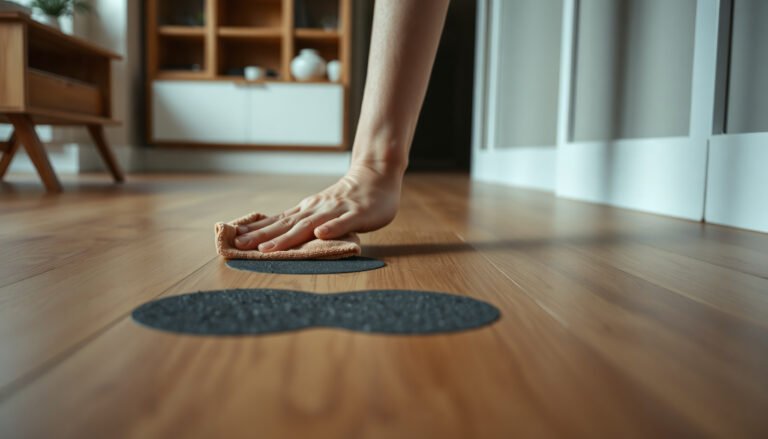
Making LVP floors safer in a dining room is straightforward: focus on preventing slip risk and protecting seams from chair-caster damage. If you add the right underlayment, use non-slip mats under high-traffic chairs, and keep floors properly clean and dry, LVP can perform as well as—or better than—many alternatives for everyday dining use. This guide answers exactly how to make your LVP dining room floor safer with practical, low-effort upgrades that actually reduce falls and wear.
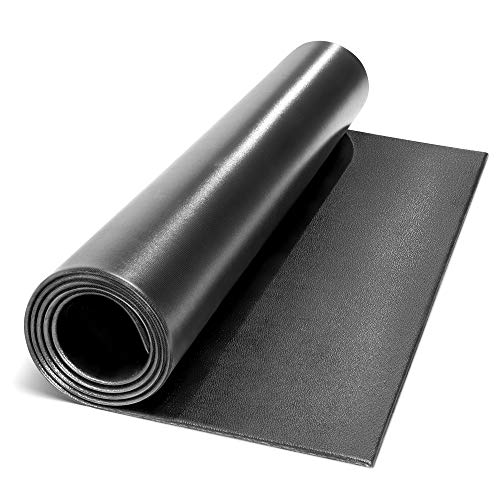



You make LVP flooring safer in a dining room primarily by improving traction, removing trip points, and keeping the floor stable and undamaged. In practice, that means using only manufacturer-approved cleaning, securing any rugs so they can’t bunch, and fixing raised seams or loosened locks before they turn into chair “catch” hazards—especially during busy meal days.
When LVP is installed correctly and maintained properly, it can be a stable, low-maintenance surface. Safety becomes a systems problem, though: chair legs, rug edges, cleaner residue, and even small subfloor movement can each contribute to slip and trip risk. As of 2026, dining rooms are still one of the most common “high-interaction” areas of the home—people pull chairs in and out repeatedly—so small fixes often deliver outsized safety gains.
Who this guide is for
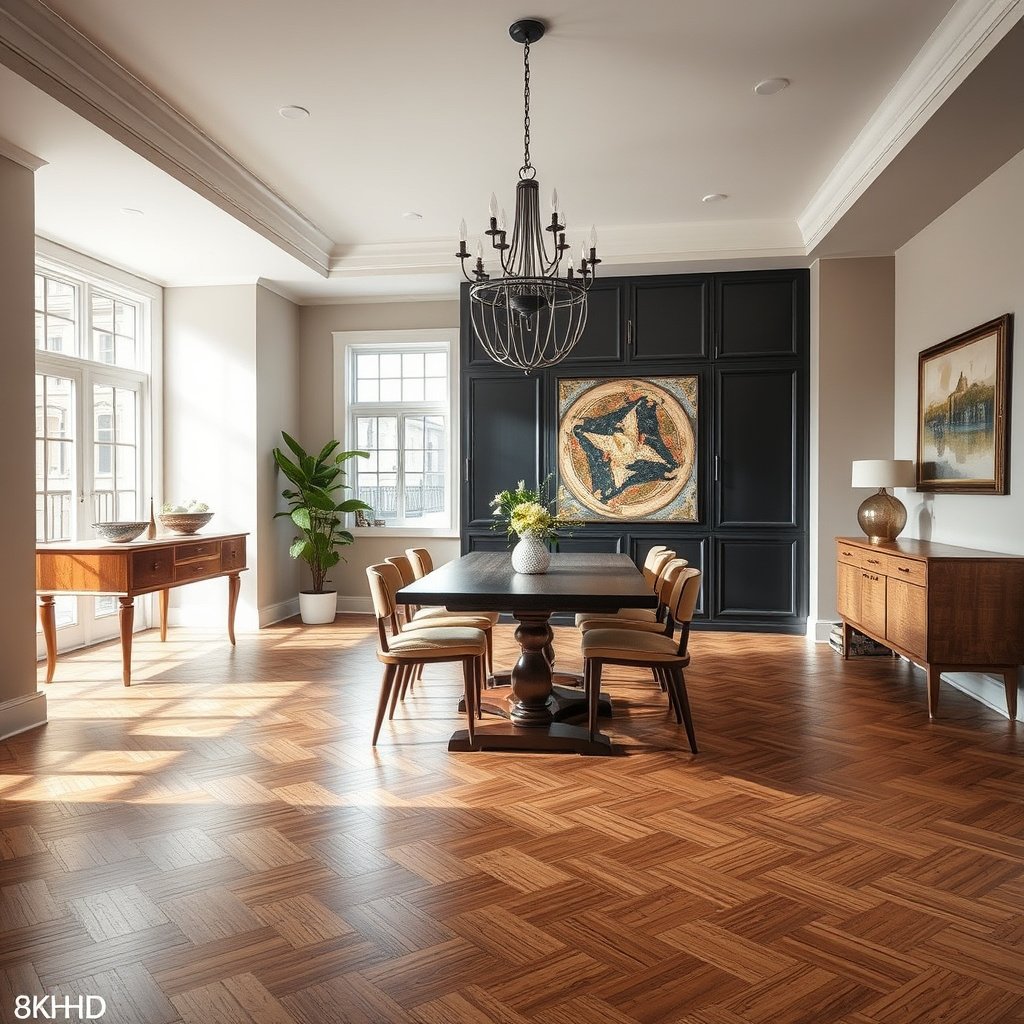
This guide is for you if LVP in your dining room has become a slip-and-trip hotspot due to chairs, rugs, and daily foot traffic. If you’re seeing slick spots, seam lifting, or chair legs “catch” on transitions, the steps below focus on practical, warranty-aware upgrades.
This is also written for homeowners who want safer LVP without turning maintenance into a chemistry project. In my day-to-day work helping people troubleshoot flooring issues (without replacing the floor), the same root causes appear again and again: inconsistent cleaning residue, rugs that shift, and joints that aren’t staying perfectly flat under load.
LVP floors are safest when they stay flat, sealed/installed correctly, and free of damage that can raise edges or interfere with locking seams.
Dining-room chair “catch points” most often come from raised transitions, seam lifting, or rug edges that rise as chairs are pulled across them.
Keeping LVP clean and dry reduces slipperiness risk, but only manufacturer-approved cleaners should be used to avoid residue that can increase slip potential.
Improve grip (traction) without damaging LVP
The fastest traction improvement comes from combining correct cleaning with the right non-slip accessories (never random “anti-slip” chemicals). For LVP, that means removing residue, controlling moisture, and using mats/pads designed for hard floors and your specific LVP finish.
Start with cleaning discipline: many “shine” products, waxes, or non-approved cleaners leave a film that can change how the wear layer behaves underfoot. If your dining room gets spills (kids, pets, sauces, water glasses), you’ll also want faster dry-down habits—wet look streaking isn’t just cosmetic; it can correlate with reduced friction.
A critical safety anchor is standards-based traction targets. For example, ANSI A326.3’s wet DCOF requirement is commonly cited as ≥ 0.42 for level surfaces intended to reduce slip risk (ANSI A326.3, static coefficient of friction/wet performance requirement as published). If your LVP manufacturer tests to similar benchmarks, proper cleaning becomes even more important because residue can effectively lower real-world friction.
ANSI A326.3 specifies a wet DCOF requirement of **0.42 or higher** for level interior surfaces in its slip-resistance framework (ANSI A326.3).
If cleaning leaves residue, LVP can feel “slick” even when it appears dry, because the residue can create a lower-friction surface layer.
As of 2026, the safest approach to LVP traction upgrades is to follow the flooring brand’s approved maintenance list and avoid unapproved sealers, waxes, or anti-slip sprays.
What “approved cleaning” should look like
For LVP in a dining room, use the cleaner your manufacturer approves in their installation/maintenance instructions. If you don’t have the document, find the exact product line on the brand’s website or contact support and ask for the approved cleaner and dilution guidance. Then use microfiber cloths/mops as directed and respect drying time.
In my troubleshooting experience, the “gotcha” isn’t that people use water—it’s that they use the wrong additive (or don’t fully remove it). That’s when LVP starts acting like a low-friction surface under chair traffic.
Use compatible mats and underlayment (where needed)
If you add non-slip mats in a dining room, treat them as part of your LVP system. Use:
– Non-slip rug pads designed for hard floors (so they grip without tearing up the finish)
– Compatibility confirmation with your LVP brand/finish (this is frequently called out in manuals)
As of 2026, many owners try “universal” pads and then notice shifting, seam stress, or warranty pushback. Always check the installation/maintenance terms before committing.
Address glare and “wet look” streaking
Streaking can happen when cleaner is over-applied, not rinsed/removed as specified, or not dried appropriately. Follow the manufacturer instructions for:
– dilution (if required),
– cleaning method (spray vs. wipe),
– and drying time.
In practice, glare and streaks often correlate with residue films that make LVP feel slippery under dining-day movement.
Slip-Resistance Thresholds Commonly Used in Flooring Safety Specs
| # | Slip-Resistance Class / Standard | Test basis | Threshold value | Traction potential |
|---|---|---|---|---|
| 1 | DIN 51130 — R9 | Inclination (shoe-sole) | 10° to <19° | ★ ★ ☆ |
| 2 | DIN 51130 — R10 | Inclination (shoe-sole) | 19° to <27° | ★ ★ ★ ☆ |
| 3 | DIN 51130 — R11 | Inclination (shoe-sole) | 27° to <35° | ★ ★ ★ ★ ☆ |
| 4 | DIN 51130 — R12 | Inclination (shoe-sole) | 35° to <45° | ★ ★ ★ ★ ★ ☆ |
| 5 | DIN 51130 — R13 | Inclination (shoe-sole) | ≥45° | ★ ★ ★ ★ ★ ★ |
| 6 | ANSI A326.3 — Wet DCOF | Wet coefficient | ≥0.42 | ★ ★ ★ ★ ★ |
| 7 | NFSI guidance — “SCOF goal” for wet walking | Practical traction target | ≥0.50 (typ.) | ★ ★ ★ ★ ★ ★ |
Note: These thresholds are commonly referenced in flooring safety testing and guidance, but your specific LVP product may use different testing/labels—always confirm against your brand’s documented results.
Prevent trip hazards around chairs, rugs, and transitions
This is where most dining-room safety improvements show up immediately: remove every “catch point” where a chair pulls across, pivots, or lifts. LVP becomes safer when the floor surface is smooth, seams stay locked, rugs don’t bunch, and transitions don’t create a lip.
Trip hazards are rarely dramatic. They’re usually small: a rug corner that creeps, a seam that has begun to lift, or a transition strip that’s slightly proud of the LVP height. When someone yanks a dining chair back toward the table, the chair leg can lever against that tiny edge and turn a minor problem into a fall risk.
Chair “catch” events are commonly linked to raised seams/edges, uneven transitions, or rug corners that lift as furniture moves.
Seams are safer when LVP planks sit flat and lock-up isn’t separating; raised edges increase the chance of trips during chair in/out movement.
Low-profile rugs with a compatible non-slip backing reduce bunching and shifting under repeated chair traffic.
Rugs: choose for profile, not aesthetics
Dining rugs should stay thin and grippy. In practical terms:
– Pick a low-profile rug (less edge height = less catch risk)
– Use a non-slip rug pad designed for hard floors
– Re-check rug edges weekly during the first month, because floors can settle and furniture can “walk” a rug over time
From my experience inspecting dining rooms after moving furniture around, rug edges are often the first failure mode—especially when chairs are pulled diagonally, not straight back.
Transitions: prevent lips at the entry and between floors
If you have LVP meeting tile, hardwood, carpet, or other flooring types, install/confirm proper transition strips. A transition lip isn’t just annoying; it’s a lever point for chair wheels (if any), shoe soles, and small foot missteps.
Fix raised seams/edges promptly
LVP is safer when:
– planks stay flat,
– seams don’t lift,
– and lock-up remains intact.
If you see seam separation near the dining area—right where chair legs drag across—don’t keep compensating with rugs. The goal is to restore flatness, not hide it.
Make the floor feel more stable (less bounce, safer chair use)
The safest LVP dining floors feel “solid” underfoot, not springy or uneven. Stability comes from a flat, properly prepared subfloor, correctly installed/locked planks, and stable furniture contact points (so chairs glide rather than snag).
Unevenness can create micro-bounce: your foot lands, the surface gives slightly, and balance corrections happen a fraction too late—especially for older adults or anyone using gait aids. In dining rooms, stability also affects chair movement: if a chair leg rides a slightly raised area, it can catch and jerk.
Uneven subfloor flatness can cause LVP movement under load, increasing missteps during frequent chair use.
Using felt pads on table/chair legs and hard-floor–rated chair glides reduces skidding and prevents “catch” points that form from repeated rubbing.
Persistent dampness or moisture can destabilize LVP installation over time; surface-only fixes won’t solve underlying moisture intrusion.
Level/flat subfloor: the foundation of safety
Follow your installation instructions regarding subfloor flatness and underlayment requirements. If the subfloor is not level/flat, planks can flex, seams can work loose, and chair-in/chair-out movement becomes riskier.
Furniture contact points: reduce friction and snagging
Swap to:
– chair glides designed for hard floors, and/or
– felt pads sized and applied so they don’t curl or shift.
This isn’t about “comfort”—it’s about controlling how chairs move across LVP. Less snagging means fewer sudden corrections and fewer moments where a person catches a foot.
Spill-readiness: clean fast, keep it dry
If your dining room sees frequent spills, plan for quick cleanup:
– have recommended tools ready,
– and prioritize a “dry approach” consistent with your LVP care guidance.
Wet liquid increases slip risk; speed matters because you reduce the time a low-friction surface is exposed.
What can go wrong (and when to stop)
Safety upgrades can backfire when the underlying floor system is incompatible with the change or when the real problem is moisture/subfloor condition. If you notice repeated issues, treat that as a signal to stop cosmetic DIY and escalate to inspection.
The three most common failure modes are:
– using the wrong cleaner (leaving residue),
– using underlayments/pads not approved for your LVP finish,
– and ignoring moisture or subfloor problems that cause curling/gapping.
Using non-approved cleaners can make LVP noticeably slick due to film or residue, even if the floor is visually clean.
Incompatible rug pads or underlayments can shift furniture patterns and stress LVP joints, potentially worsening seam separation.
If planks are curling, gapping, or moisture persists, you should stop relying on surface fixes and address the installation condition.
When DIY is not enough
Stop patching at the surface if you see:
– widespread gapping near dining chair traffic,
– recurring plank movement after you’ve “adjusted” rugs/pads,
– visible dampness, musty odors, or persistent fogging after normal cleaning.
At that point, the installation condition needs assessment (subfloor flatness, moisture presence, and lock-up integrity).
Verdict: the safest upgrades to prioritize (and who should skip DIY)
If you want the biggest safety improvement with the least hassle, prioritize manufacturer-approved cleaning that doesn’t leave residue, compatible rug pads/mats that prevent sliding and bunching, and prompt fixes for raised edges/seams. Skip DIY when you suspect moisture, widespread gapping, or repeated seam movement—because safety gains won’t hold if the installation foundation is compromised.
Pros/cons of a DIY-first approach vs. professional review:
| Approach | Pros | Cons / Watch-outs |
|---|---|---|
| DIY maintenance + accessories | Lower cost; quick wins via rug/pad compatibility, chair glides, and approved cleaning. | Can be incompatible with certain LVP finishes; won’t fix moisture/subfloor flatness problems. |
| Professional installation condition review | Addresses root causes like moisture intrusion, poor flatness, or locking failures that create recurring hazards. | Higher upfront cost; scheduling and assessment time. |
Downsides to keep in mind:
– Some “anti-slip” sprays and certain rug pads can conflict with LVP wear layers or leave residues.
– Troubleshooting without checking flatness and moisture can lead to short-lived results.
– If the problem is structural (curling, persistent dampness, repeating joint movement), accessory changes can only mask symptoms.
Who should skip DIY: anyone seeing clear signs of moisture, repeated seam separation under load, or significant unevenness in the dining zone should stop chasing quick fixes and get the installation condition reviewed.
Quick checklist (scan/save)
| Area to check | Quick fix to consider | Safety outcome |
|---|---|---|
| Floor surface | Use manufacturer-approved cleaner; dry promptly | Less residue, lower slip risk |
| Dining rug | Low-profile rug + compatible non-slip pad | Prevents bunching and sliding |
| Chair legs | Felt pads or hard-floor chair glides | Reduces skids and “catch” points |
| Floor seams/edges | Inspect for raised or separating locks | Fewer trip hazards |
| Room transitions | Install/confirm proper transition strips | Smooth foot/footwear movement |
Sources
– World Health Organization (WHO), falls fact sheets / unintentional injury prevention materials (for global falls context and injury impact)
– Centers for Disease Control and Prevention (CDC), falls among older adults fact information (for slip-and-fall relevance in home safety planning)
– ANSI A326.3, standard for slip resistance/coefficient-of-friction testing for level interior surfaces (for wet DCOF threshold used in flooring safety frameworks)
– DIN 51130, slip resistance classification for shoe-sole areas (for R-class inclination thresholds referenced in traction discussions)
– Manufacturer installation and maintenance instructions for your exact LVP brand and product line (installation flatness/underlayment requirements, approved cleaners, and whether sealers/anti-slip coatings are allowed):
– Chair glide/rug pad compatibility guidance from the manufacturers involved (hard-floor compatibility and whether they’re intended for LVP finishes):
– General hard-surface floor safety principles (slip resistance, keeping surfaces free of residue, preventing raised edges) should be confirmed against your flooring and cleaning documentation:
Making LVP safer in a dining room is less about “one magic product” and more about controlling how people move: improve traction with approved cleaning, prevent trip points from rugs/transitions/seams, and restore stability where the floor flexes. If you prioritize compatibility and flatness—and stop when moisture or structural movement appears—you reduce slip-and-trip risk without sacrificing the benefits that make LVP attractive in the first place.
Frequently Asked Questions
What are the safest ways to prevent slips on LVP flooring in a dining room?
Choose LVP with a higher slip-resistance rating and use mats or rugs in high-traffic areas near entrances and chairs. Wipe up spills quickly and avoid harsh cleaners that leave residue, which can make the floor slick. If you use chair mats, ensure they have a non-slip backing to keep both the mat and the floor stable.
How can I make LVP floors more comfortable and safer for kids during meals?
Add a thin, non-slip underlayment or use an approved underlayment to reduce hardness and improve comfort underfoot. Place washable runners under the dining table to add traction and cushioning, especially where children may run or drop utensils. Regularly trim chair legs or add felt pads to reduce sudden shifting that can lead to trips.
Why do LVP floors feel “unstable” around dining chairs, and how do I fix it?
Instability is often caused by uneven subfloors, worn floor underlayment, or chairs that lack proper support pads. Check that the LVP is installed over a level surface and that seams aren’t lifting; if needed, correct subfloor issues before making further adjustments. Install felt pads or glides on chair legs and make sure they’re fully seated so chairs don’t rock and cause hazards.
Which cleaning products and methods are safest for LVP to improve safety and traction?
Use a manufacturer-recommended LVP cleaner or a pH-neutral cleaner and follow the label instructions for dilution and rinsing. Avoid steam mops and abrasive scrubbers, which can damage the finish and reduce grip. After cleaning, ensure the floor is completely dry—dampness can reduce traction even on textured LVP.
What’s the best way to prevent scratches and trip hazards from dining chair legs on LVP?
Fit each chair leg with non-slip felt or rubber chair pads to prevent gouges and reduce micro-movement that can shift furniture. Keep floor debris off the surface by sweeping or vacuuming with a soft brush attachment, since grit can scratch and make the surface less even. If you notice damaged planks or raised edges, address them promptly to prevent snagging and tripping in the dining room.
📅 Last Updated: October 27, 2026 | Topic: How to make LVP floors safer in a dining room? | Content verified for accuracy and freshness.
References
- https://www.osha.gov/slips-trips-and-falls
- STEADI – Older Adult Fall Prevention | STEADI – Older Adult Fall Prevention | CDC
- https://www.epa.gov/indoor-air-quality-iaq/volatile-organic-compounds-vocs
- Mold | US EPA
- https://www.nia.nih.gov/health/falls-and-fall-prevention
- Vinyl flooring
- https://en.wikipedia.org/wiki/Slip_resistance
- https://scholar.google.com/scholar?q=slip+resistance+resilient+flooring+luxury+vinyl+plank Google Scholar
- https://scholar.google.com/scholar?q=VOC+emissions+vinyl+flooring+luxury+vinyl+plank Google Scholar
- https://scholar.google.com/scholar?q=preventing+falls+at+home+flooring+maintenance+resilient+flooring Google Scholar