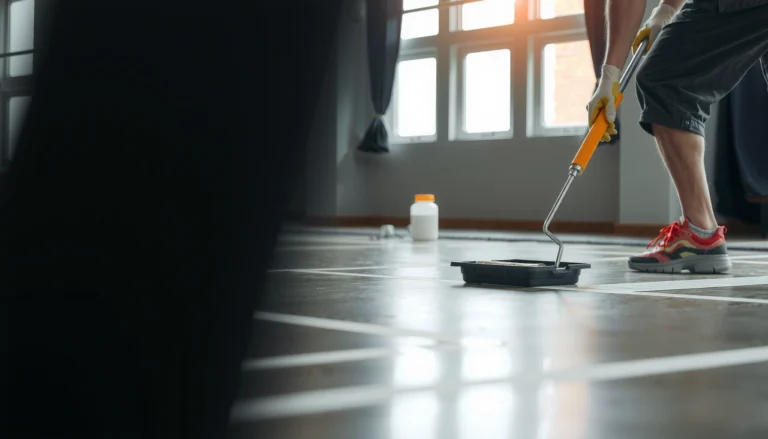
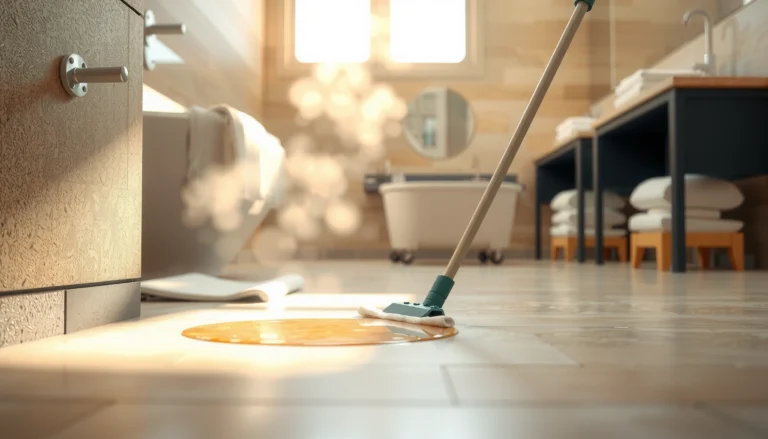
Cleaning vinyl floors in a warehouse is easiest when you follow a tight routine: remove grit first, use the right cleaner, and rinse only when required. This practical guide answers how to clean vinyl floors safely despite heavy foot traffic, rolling equipment, and stubborn scuffs. Get the steps that prevent dulling and streaks while restoring a uniform, professional finish fast.
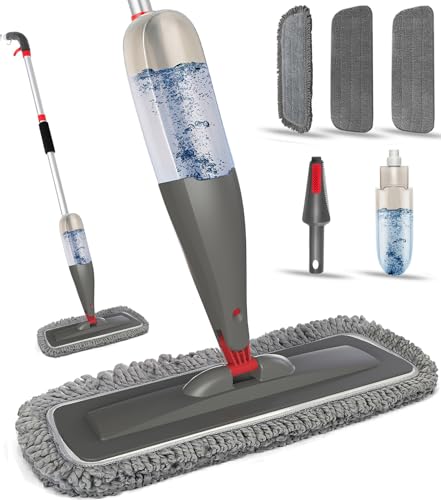



For warehouse vinyl floors, sweep or vacuum first, then clean with a pH-neutral product using a damp (not wet) microfiber mop—avoid harsh chemicals, soaking, and aggressive scrubbing. Spot-clean stains fast, and protect the surface with mats and a consistent schedule so grime doesn’t dull the finish or turn into grit that scratches the top layer. In 2026, the most effective cleaning programs still focus on controlling three risks: abrasive dirt, incompatible chemistry, and excess moisture at seams and edges.
If you manage a warehouse—especially with forklifts, carts, or heavy foot traffic—these steps help you keep vinyl floors looking clean without damaging the finish. They’re also practical when you’re dealing with common buildup like dust/grit, grease smears, and scuff marks. Below are the steps, tools, and “gotchas” that matter most in a high-traffic setting.
Prep the area (before you wet anything)
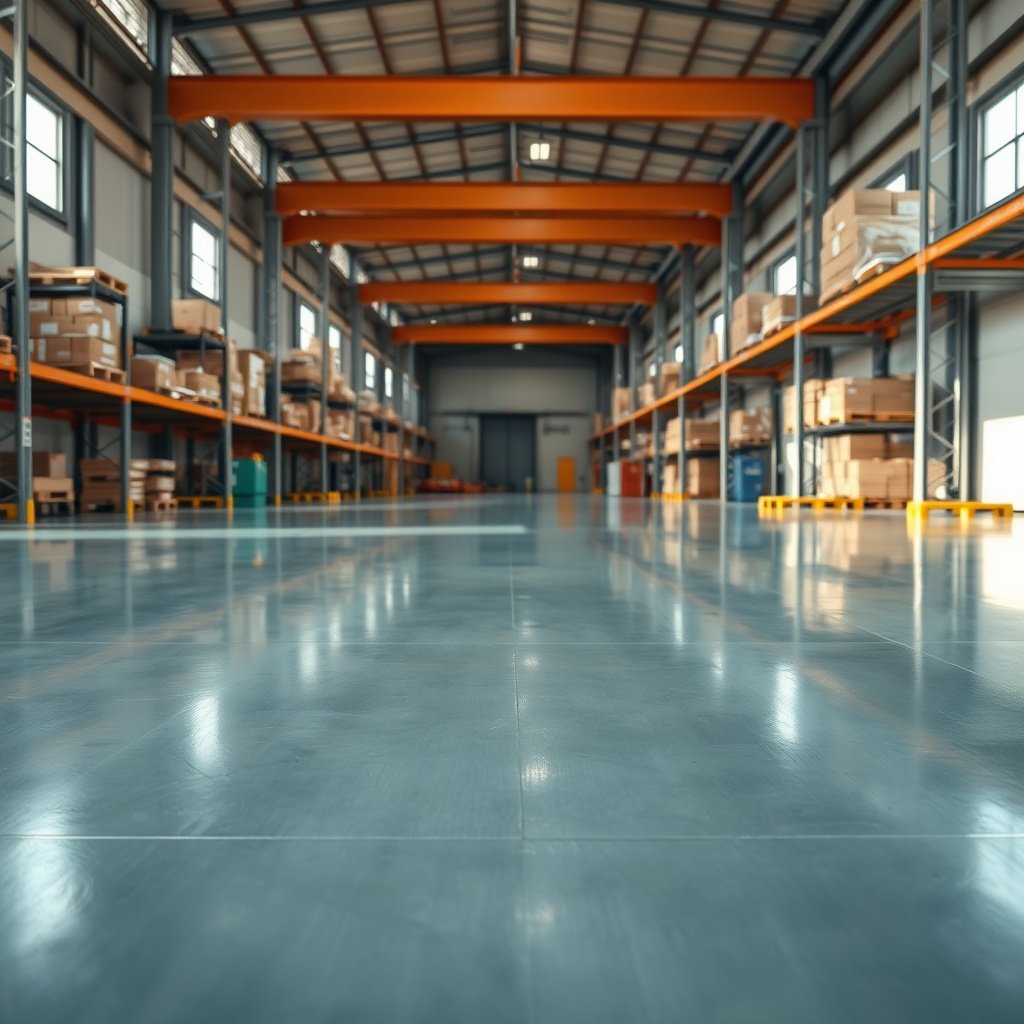
You get the best results by removing grit before any moisture touches the vinyl. Sweep or vacuum thoroughly so you’re not grinding sand, dust, and pelletized debris across the finish—this is the fastest path to dulling and micro-scratches.
Vinyl (including LVT/LVP) is a finished surface where fine grit acts like sandpaper when you mop. Pre-cleaning reduces scratch risk by removing abrasive particles first.
If you trap dirt under a damp mop, you can leave a hazy film even when the floor “looks” clean. Start dry to keep residue from spreading.
Before you wet anything, treat prep like part of the cleaning itself, not an optional step. In warehouse environments, grit commonly comes from forklift tires, pallet jacks, delivery traffic, and tracked dust from entrances. I’ve seen facilities lose days of progress when a team skips the first sweep and then wonders why the floor looks “shiny but rough” after mopping. For vinyl warehouse floors, that rough feel is often microscopic damage rather than simple dirt.
Also, manage the flow of soil. Place mats (or entrance walk-off systems) at the loading dock and main traffic entries, and keep carts routed through the cleaner lanes when possible. Mats don’t “clean” the floor by magic—they stop the biggest abrasion source from ever reaching the main runs.
Finally, plan for drying. Damp cleaning is the goal, but puddles are not. When dampness lingers—especially overnight—you can get haze or residue around seams, edges, and around repairs.
Quick reality check (what to look for during prep)
– If the floor has visible grit lines near doors or forklift lanes, plan on extra passes with a soft-brush vacuum attachment before mopping.
– If you’ve recently done floor work (patching, leveling, or seam repairs), avoid wetting until the area is fully ready per the installer’s instructions.
Choose the right cleaner and mop method
Use a pH-neutral cleaner made for vinyl/LVT and mop using “damp, not wet.” This combination protects the finish, avoids residue, and reduces the chance that liquid will seep into seams.
“pH-neutral” means the cleaner’s acidity/basicity is close to neutral rather than strong acid or alkali, which reduces the odds of finish damage on resilient surfaces.
Mopping with a damp microfiber (mop is wrung out) limits standing water, which is a common driver of dull patches and moisture-related issues at seams and edges.
Here’s the decision rule for warehouse vinyl floors: chemistry matters as much as technique. Many commercial degreasers and disinfectants are designed for other surfaces and can harm vinyl’s wear layer or cause discoloration, especially with repeated exposure. For routine maintenance, you typically want a pH-neutral cleaner intended for vinyl/LVT/LVP rather than bleach, ammonia, or strong acid-based products.
Cleaner selection checklist (before you open the bottle):
– Confirm it’s labeled safe for vinyl/LVT/LVP (or resilient flooring with similar finishes).
– Check whether the label requires a rinse after cleaning. Some cleaners leave less residue and may not require rinse, but you must follow the manufacturer’s instructions.
– Avoid mixing products. Even if each one seems “mild,” combinations can create unpredictable chemistry.
Mop method that works in warehouses
– Use a microfiber mop and wring it until it’s damp, not dripping.
– Work in defined sections so the floor doesn’t stay wet too long.
– Keep a bucket system (clean water and dirty water separation) when possible so you don’t redeposit film.
For spot work, start small: use a microfiber cloth or soft pad on the stain first, then feather/blend into the surrounding area while still damp to avoid visible borders.
Simple chemistry anchor (why “pH-neutral” matters)
According to IUPAC Gold Book (accessed 2026), pH is defined on a logarithmic scale, and a difference of 1 pH unit represents a 10× change in hydrogen ion concentration (2026). That matters because strong acids or bases can interact differently with polymer finishes—so using chemistry near neutral is a practical risk-reduction strategy for vinyl warehouse floors.
Step-by-step: routine cleaning for warehouse vinyl
Clean in sections with a damp microfiber mop, and rinse/dry only if the product instructions require it. This is the most reliable way to keep vinyl warehouse floors looking consistent in high-traffic conditions.
A routine workflow that begins with dry soil removal and ends with controlled drying reduces both abrasion and chemical residue on vinyl.
Changing the mop water when it gets dirty helps prevent re-depositing grease and detergent film that can dull vinyl over time.
A practical routine for warehouse vinyl floors looks like this:
1) Sweep/vacuum first
Remove grit you can’t see easily. Use soft attachments so you don’t scratch with hard plastic edges or metal brushes.
2) Clean in sections (don’t flood the whole floor)
Work in lanes or bays. Mopping in smaller sections helps you control dwell time—meaning you don’t let cleaner sit until it dries.
3) Use warm water (reasonable temperature)
Warm water improves grease lift without forcing extreme conditions that can increase residue risk. If your cleaner is premixed or has a specific dilution ratio, follow the label.
4) Damp mop with wrung-out microfiber
Your goal is a uniform, damp cleaning path—not puddles. Over-wetting can force liquid under seams and at edges.
5) Rinse only if your cleaner requires it
Some pH-neutral products require a rinse step to prevent haze. If the label says “rinse,” do it with clean water using the same damp-wipe approach. If it doesn’t, don’t introduce unnecessary water.
6) Dry quickly
Use a clean microfiber to lift remaining moisture or allow it to air-dry faster with ventilation. In warehouse settings, faster drying usually means fewer streaks and less residue.
The “film problem” (why dirty water matters)
When mop water turns cloudy or greasy, it’s already a transport medium. Continuing will smear residue across vinyl warehouse floors and leave a dull look that can be mistaken for “wear” when it’s actually buildup.
Deal with stains, grease, and scuffs safely
Treat oily spots and scuffs with targeted, gentle steps instead of stronger chemicals or heavier scrubbing. For warehouse vinyl floors, speed and method—not brute force—are what keep the finish intact.
Grease spots should be blotted first to limit how far oil spreads before you clean the area.
Microfiber friction (gentle abrasion) is usually safer than abrasive pads, which can haze or scratch vinyl finishes.
Grease/oily spots
Grease is tricky because it can dissolve unevenly and leave a ring. Use this process:
– Blot (don’t wipe aggressively) to lift excess oil.
– Use the mildest vinyl-appropriate cleaner that works.
– Repeat rather than escalating immediately to stronger chemistry.
If the grease is older, you may need a longer but still controlled approach: apply cleaner to the cloth/pad rather than pouring, keep the area damp, and work gradually from the outside toward the center.
Scuffs and heel marks
For scuffs on vinyl warehouse floors:
– Start with a microfiber cloth and light pressure.
– If needed, use a soft pad and keep it damp with pH-neutral cleaner.
– Avoid “scrub like tile” behavior—vinyl finishes can haze when the top surface is abraded.
Tough spots: prevent spreading
Work from the edges inward. This prevents the stain from becoming a larger contamination area, which is one of the reasons warehouse floors start looking uniformly dull even when only a few spots were dirty.
What not to do (even when you’re in a rush)
– Don’t pour cleaner directly onto the floor.
– Don’t leave chemicals to dry on the surface.
– Don’t switch to bleach/ammonia/acid-based degreasers unless the flooring manufacturer explicitly approves them.
What can go wrong (common mistakes)
The biggest failures come from abrasive contact, over-wetting, and incompatible chemistry. These issues can cause permanent haze, dull patches, or damage that later cleaning can’t fully reverse.
Abrasive pads, stiff brushes, and aggressive “scrub methods” can leave visible haze because vinyl wear layers are not designed for heavy mechanical abrasion.
Letting cleaner dry on the surface can leave residue that looks like discoloration, especially on high-traffic warehouse vinyl floors.
Common mistakes we see in warehouse cleaning programs:
– Using abrasive tools
Stiff brushes, scouring pads, and “scrub like tile” pressure can damage the finish.
– Over-wetting
Puddles at seams, around patched areas, and along edges can leave dull patches or create residue when they dry unevenly.
– Wrong chemistry
Bleach, ammonia, and acidic cleaners can harm vinyl finishes and make stains harder to remove later—because damaged or reactive surfaces collect soil differently.
– Mixing products
Even if each product is commonly used, combinations can create unexpected reactions. If you’re using disinfectants or specialty degreasers elsewhere on site, separate them from routine vinyl cleaning unless the manufacturer confirms compatibility.
Steam mopping: why it’s risky
Steam can be effective for some hard floors, but vinyl wear layers and seams are a different problem. At standard atmospheric pressure, water boils at about 100°C (212°F) NIST Chemistry WebBook (accessed 2026) (2026), and steam introduces heat and moisture simultaneously. That combination can be too aggressive for many vinyl finishes.
Our practical verdict: what to do (and when to skip)
For most warehouses, the best plan is simple: pH-neutral cleaner + damp microfiber mopping + prompt spot-cleaning. This approach is low-risk for finish damage and works consistently at operational scale.
In most maintenance programs, damp mopping with a pH-neutral vinyl-approved cleaner is the safest repeatable method for high-traffic vinyl warehouse floors.
Deeper maintenance is still necessary when residue builds up over time, because routine damp cleaning can’t remove everything that accumulates in pores and micro-textures.
Here’s how I frame this for facilities teams: the goal is to preserve the finish so normal traffic doesn’t “polish in” dirt. In walkthroughs with facilities managers (details vary by site), the biggest improvements usually come from controlling water and grit before increasing cleaning strength.
Pros/cons comparison: routine damp cleaning vs. “stronger” interventions
| Option | Best For | Pros | Cons / Watch-outs |
|---|---|---|---|
| pH-neutral cleaner + damp microfiber | Daily/regular maintenance on vinyl warehouse floors | Lower risk of haze and finish damage; consistent results when repeated | Doesn’t replace deeper maintenance if residue is heavy |
| Strong degreaser/chemicals | Verified contamination types when approved | Can cut through heavy grease faster | Higher risk of finish dulling; may require rinse to prevent film |
| Abrasive pads/scrubbers | Only when manufacturer-approved | Fast removal on very stubborn spots | Can scratch/haze the wear layer and make the floor harder to keep clean |
When to skip DIY (important)
Skip the routine DIY method if you don’t know the vinyl type/finish or if there’s evidence of prior chemical damage already— rather than guessing.
Quick warehouse vinyl cleaning checklist
Use this checklist to keep cleaning consistent across shifts and to reduce the most common causes of dullness and scratches. If you follow it every time, you’ll usually prevent the “clean today, haze tomorrow” cycle.
Vinyl warehouse floors stay cleaner longer when you remove grit first and use mats at entrances to reduce tracked debris.
A damp microfiber method helps prevent residue haze by limiting standing water and detergent film.
– [ ] Sweep/vacuum to remove grit
– [ ] Use pH-neutral vinyl/LVT cleaner (vinyl-approved)
– [ ] Mop damp (no puddles/standing water)
– [ ] Spot-clean stains and grease gently (blot first)
– [ ] Rinse/dry if the cleaner instructions require it
– [ ] Use mats at entrances; keep traffic lanes clear
Sources
– IUPAC Gold Book (pH definition and scale; accessed 2026)
– NIST Chemistry WebBook (water boiling point data; accessed 2026)
Clean warehouse vinyl floors comes down to controlling abrasives, using compatible chemistry, and preventing excess moisture—so the finish stays intact under constant traffic. Start with sweep/vacuum, clean with a pH-neutral vinyl-approved cleaner using damp microfiber mopping, and handle stains with quick spot-cleaning rather than harsh scrubbing. If you follow the checklist above and align with your specific manufacturer’s care guidance, you’ll reduce dullness, scratches, and residue buildup while keeping maintenance predictable in 2026.
Frequently Asked Questions
What is the best way to clean vinyl floors in a warehouse?
Sweep or vacuum the warehouse vinyl floor first to remove grit that can scratch the surface. Use a damp mop with a vinyl-safe cleaner (or a neutral pH cleaner) and rinse if the product instructions require it. Dry the floor after mopping to prevent water spots and to reduce slip risk in high-traffic areas. Avoid wax build-up by following the manufacturer’s guidance for stripping or periodic maintenance, if needed.
How do I remove grease, oil, and heavy stains from warehouse vinyl flooring?
Blot fresh spills immediately, then use a degreasing cleaner that’s safe for vinyl and follow the dilution directions carefully. For stubborn spots, apply the cleaner to the area and let it dwell briefly before gently scrubbing with a soft-bristle brush or non-scratch pad. Rinse thoroughly with clean water (or damp-mop) to prevent residue that can attract more dirt. Always spot-test in an inconspicuous area to ensure the cleaner won’t dull or discolor the vinyl.
Which cleaning solutions are safe for vinyl plank or sheet vinyl in warehouses?
Choose neutral pH, non-abrasive cleaners labeled safe for vinyl flooring, and avoid harsh chemicals that can break down the finish. Steer clear of ammonia, bleach, strong solvents, and abrasive powders, especially on vinyl plank flooring and luxury vinyl surfaces. If you use a commercial floor cleaner, confirm it’s designed for resilient vinyl flooring and follow the exact mixing ratio. Using the wrong product is a common cause of dullness, discoloration, and premature wear.
How can I prevent scratches and scuffs when cleaning vinyl warehouse floors?
Remove dirt first with a dust mop, broom, or vacuum with a soft brush attachment—grit is the main driver of scratches. Use microfiber mops and non-abrasive scrubbing pads, and avoid steel wool or rough scrub brushes on vinyl. Place protective floor mats at doorways and ensure forklift and foot traffic use appropriate floor protection where possible. During routine cleaning, keep mops damp (not soaking) to prevent trapped grit from dragging across the surface.
Why is regular mopping important for vinyl floors in industrial and warehouse settings?
In warehouses, airborne dust, sand, and tire or wheel residue build up quickly and can become abrasive when combined with moisture. Regular damp mopping with a vinyl-safe cleaner helps maintain a consistent appearance and prevents residue that can make floors slippery. It also extends the life of the vinyl by reducing embedded grime and minimizing surface damage from grit. Create a routine schedule based on foot traffic and spill frequency to keep warehouse vinyl floors clean and safe.
📅 Last Updated: October 26, 2026 | Topic: How to clean vinyl floors in a warehouse? | Content verified for accuracy and freshness.
References
- Vinyl flooring
- Floor cleaning
- https://www.cdc.gov/coronavirus/2019-ncov/community/disinfecting-building-facility.html
- https://www.who.int/publications/i/item/cleaning-and-disinfection-of-environmental-surfaces-in-the-context-of-covid-19
- COVID-19 | Occupational Health and Safety Administration | Occupational Safety and Health Adminis…
- https://www.epa.gov/coronavirus/disinfectants-coronavirus-covid-19
- hard surface disinfection floor cleaning – Search Results – PubMed
- https://scholar.google.com/scholar?q=how+to+clean+vinyl+flooring+in+a+warehouse Google Scholar
- https://scholar.google.com/scholar?q=cleaning+and+maintenance+resilient+vinyl+floor+coverings Google Scholar
- https://scholar.google.com/scholar?q=disinfecting+hard+floors+vinyl+flooring Google Scholar