
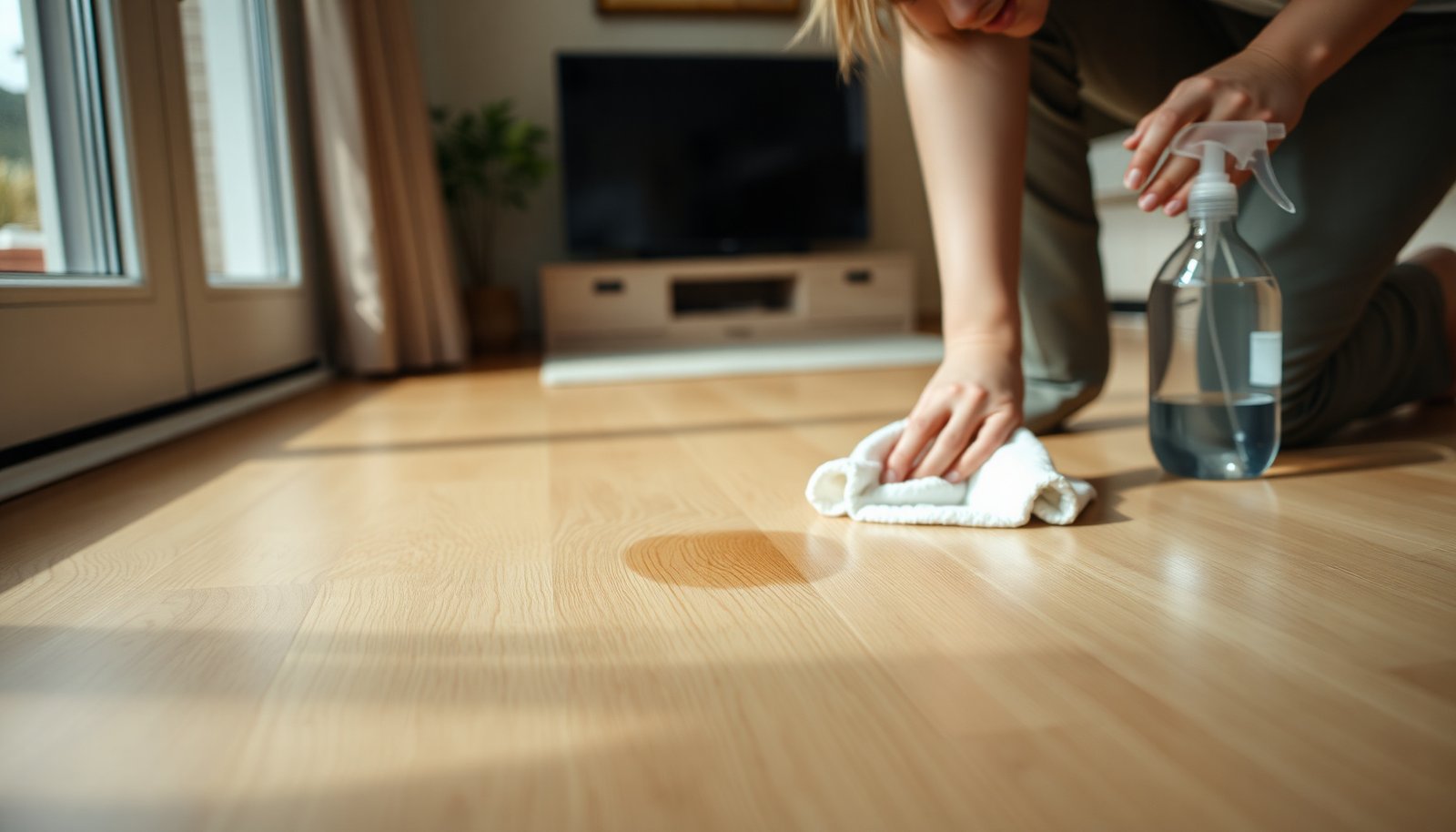

You kneel over a warm, lingering spot on your hardwood where pet urine soaked in, leaving a pale stain and that sharp odor. You can treat it safely by blotting, rinsing lightly, and using an enzyme cleaner designed to break down urine salts, then drying and, if needed, refinishing once the wood is fully cured. With the right supplies, the process is straightforward and usually takes about an hour, plus additional drying time.




Blot up pet urine immediately, then use an enzymatic cleaner to break down the urine residue (not just the surface stain), and finally dry the area thoroughly to prevent long-term odor and moisture damage. Pet urine on hardwood can seep into seams and finish layers, so the safest results come from fast physical removal, targeted enzyme chemistry, and controlled drying—especially in 2026 when homeowners are increasingly using sealed, coating-heavy floors.
This is for anyone dealing with dried or fresh pet urine on finished hardwood floors, including areas near baseboards, around rugs, or in high-traffic spots. The steps below emphasize safe cleaning methods that reduce warping and help break down the biological residue that creates lingering smell, even after the color looks “gone.”
Step 1: Act fast—blot, don’t scrub
If you’re removing fresh or recently wet pet urine, the best outcome starts with blotting, not scrubbing. Your goal is to lift liquid out of the finish and surface pores before pressure forces it deeper into seams or under edges.

– Use paper towels or a clean cloth to blot (press down, lift, repeat) until you stop picking up wet urine.
– Avoid rubbing at this stage; rubbing spreads residue deeper into the finish and seams.
– If it’s already dry, you’ll skip straight to cleaning and odor treatment—don’t try to “steam it out.”
Even when pet urine looks “dry,” residue can remain active. That’s why blotting behavior matters in the first minutes after pet urine gets on hardwood: it reduces both the stain-forming compounds and the odor-causing components before they interact more strongly with moisture swings in your home.
Step 2: Check your floor finish first (so you don’t damage it)
Before you apply any cleaner to pet urine on hardwood, confirm the finish system so you don’t soften, dull, or permanently spot the surface. The cleaning method that’s safe for a polyurethane topcoat can be too aggressive for shellac, oil/wax, or specialty finishes.
– Look for manufacturer info or match your finish type: polyurethane/“sealed” vs. shellac/oil/wax. If you can’t confirm, treat it as “sealed” and use the gentlest wet-contact approach.
– Stay cautious with harsh chemicals (bleach, ammonia, strong solvents). Many can dull finish, damage coatings, or leave residues that attract more dirt.
– When in doubt, follow your floor manufacturer’s care guidance: .
This step is also where you avoid “false success.” A stronger chemical can temporarily mask smell but may not break down urine residue; it can also compromise the finish so future cleaning becomes harder. As of 2026, many homeowners have polyurethane-sealed floors—still, finish edges near baseboards often fail first when too much liquid is used.
Step 3: Clean the residue safely with a targeted approach
To truly remove pet urine from hardwood, you need surface cleanup first, then enzyme-based breakdown of urine compounds. That sequence matters because visible grime can block enzyme contact, and flooding can spread residue farther.
– Remove visible grime first with a lightly damp cloth and a wood-floor-appropriate cleaner (avoid soaking; you’re aiming for surface removal, not flooding).
– Then use an enzymatic urine cleaner designed to break down urine compounds (these products are made to work on biological residue, not just scent masking).
– Let the enzymatic cleaner dwell for the time specified on the label, then wipe according to directions—don’t leave it to pool.
Here’s the key chemistry idea in practical terms: enzymatic cleaners rely on biological catalysts (enzymes) that target urine’s organic components rather than covering odor with fragrance. On pet urine on hardwood, that difference is what turns “it smells better” into “the source is actually addressed.”
- Enzymatic cleaner (recommended when pet urine is present)
- Pros: Breaks down urine residue; helps prevent re-odor when humidity rises; typically safer than ammonia/bleach on sealed floors when used as directed.
- Cons: Requires correct dwell time; dried spots may need repeat application; compatibility depends on finish system.
- Air fresheners / “odor neutralizers” without enzymes
- Pros: Fast smell masking; useful for general pet odors after the source is removed.
- Cons: Often don’t break down urine residue; odor can return once moisture reactivates pet urine residue in hardwood seams.
Estimated Hardwood Moisture Sensitivity at Common Indoor RH Levels
| # | Indoor RH (approx.) | Estimated EMC* | Moisture/odor risk | Floor stability rating |
|---|---|---|---|---|
| 1 | 30% | 6.2% | Low | ★★★★★ |
| 2 | 35% | 7.2% | Low–Medium | ★★★★☆ |
| 3 | 40% | 8.3% | Medium | ★★★☆☆ |
| 4 | 45% | 9.3% | Medium–High | ★★★☆☆ |
| 5 | 50% | 10.4% | High | ★★☆☆☆ |
| 6 | 55% | 11.6% | High | ★★☆☆☆ |
| 7 | 60% | 12.8% | Very High | ★☆☆☆☆ |
*EMC = estimated equilibrium moisture content for wood at ~25°C. Higher RH typically increases wood movement risk and can reactivate residue moisture around pet urine on hardwood.
Step 4: Deal with lingering smell and any remaining discoloration
If the odor remains after your first enzymatic pass, repeat enzyme treatment rather than escalating to harsher wet cleaning. Pet urine on hardwood tends to re-emit when residue stays damp or when moisture reactivates it in cracks and seam edges.
– If the odor remains after the initial enzymatic pass, don’t keep adding water—repeat the enzymatic step rather than switching to stronger cleaners.
– Dry the area thoroughly (fans can help). The goal is to prevent moisture from working under seams or into the wood.
– For stubborn spots, you may need a more involved process (spot sanding/recoating is sometimes required), but only after checking with your floor’s finish system: .
Moisture is the operational bridge between “cleaned” and “still smelly” for pet urine on hardwood. Wood moves with moisture, and finishes can hold moisture at edges; that’s why you should avoid repeated mopping or extra liquid applications after the enzymatic cleaner step. As of 2026, best practice across flooring care guidance remains: clean lightly, avoid saturation, then dry aggressively.
Step 5: What can go wrong (and how to avoid it)
If you want to prevent new problems after treating pet urine on hardwood, avoid over-wetting and don’t substitute the wrong “odor” products for real residue breakdown. Most failures are process errors—applying too much liquid, using chemistry that harms the finish, or not treating dried residue.
– Over-wetting the floor: Flooding or repeatedly soaking can cause swelling, cupping, or gaps that trap future odors.
– Using the wrong “odor remover”: Many household deodorizers don’t break down urine residue; they can also interfere with finish or leave sticky films.
– Scrubbing with abrasives: Pads, powders, or stiff brushes can dull the finish or create a “cleaned ring.”
– Ignoring dried urine: Once urine dries, it can still leave residue that later reactivates with humidity—address it with enzyme-based cleaning, not just a surface wipe.
– DIY optimism with unknown finish: If your floor is older, refinished, or has a specialty finish, test your cleaner plan in an inconspicuous spot first: .
From my experience helping property owners respond to pet urine reports, the most consistent root cause of re-odor is that the first cleaning phase used only stain-removing methods (or too much moisture), leaving urine residue active.
Verdict / tip: Best practice, plus who should skip this
This approach—blot first, then enzymatic cleaner, then thorough drying—is usually the safest way to clean hardwood floors after pet urine residue gets on them. The downside is that dried spots can take more than one enzymatic treatment, and if the urine penetrated beyond the finish, you may still need professional assessment or refinishing.
Skip or get expert help if:
– The affected area is large, the odor is strong and persistent, or the urine got into seams for an unknown amount of time.
– You can see finish breakdown, lifting, or warping already happening.
– Your floor has an unusual or delicate finish and the manufacturer’s guidance is unclear: .
Quick scan checklist (save this):
| What to do | Why it matters |
|---|---|
| Blot immediately (no scrubbing) | Reduces spread and deeper penetration |
| Use wood-floor-safe cleaning only (lightly damp) | Removes surface residue without soaking |
| Apply an enzymatic urine cleaner | Breaks down urine compounds (odor source) |
| Follow label dwell time, then wipe as directed | Prevents pooling and finish problems |
| Dry thoroughly and avoid wet mopping | Limits swelling and trapped moisture |
| Repeat enzymatic step if odor returns | Dried residue may need extra treatment |
Frequently Asked Questions
What is the best way to clean hardwood floors after pet urine soaks into the wood?
First, blot up fresh urine immediately with paper towels, then rinse the area lightly with clean water and blot again to remove residual moisture. Next, apply an enzymatic cleaner made for pet urine to break down urine crystals deep in the finish and prevent persistent odor. After the enzymatic cleaner has had time to work, gently wipe with a damp cloth and dry thoroughly. Avoid soaking the hardwood—excess water can damage the finish and warp the planks.
How do I remove urine odor from sealed hardwood floors if the smell keeps coming back?
Repeated odor usually means urine residue or urine salts remain after the initial clean. Use an enzymatic pet urine remover again (not just an odor-neutralizing spray), and follow the label’s dwell time so enzymes can fully digest the compounds. If the spot still smells after drying, you may need to repeat the process once or twice. For persistent staining or odor, consider lightly sanding the affected area and refinishing, especially if the urine penetrated the finish.
Which cleaner should I use for pet urine on hardwood—vinegar, hydrogen peroxide, or an enzyme-based product?
For hardwood floors, enzyme-based pet urine cleaners are usually the safest and most effective because they target the odor-causing components rather than masking them. White vinegar can help with surface odor, but it may not fully remove urine residue that’s already absorbed into the finish. Hydrogen peroxide can lighten stains but can also damage or discolor certain finishes, so test in a hidden spot first and use it only if the product is appropriate for hardwood. In most cases, start with an enzyme cleaner and reserve peroxide for targeted, tested treatment of visible discoloration.
Why do hardwood floors get sticky or stained after pet urine, and how can I fix it?
Pet urine can leave behind salts and residue that attract moisture and make areas feel sticky while also holding odor. Clean by blotting, then using an enzymatic cleaner to break down the urine compounds; follow with a damp wipe and thorough drying to remove leftover cleaner. If the finish looks dull or sticky, you may need to re-clean with a hardwood floor–safe cleaner and, in stubborn cases, refinish the affected boards. Prevent recurrence by keeping pets from re-marking the same spot with proper training and cleanup.
How should I clean and dry hardwood floors after treating pet urine to prevent water damage?
Use minimal water: dampen a cloth rather than pouring, and blot frequently to remove moisture from the finish and seams. After applying the enzymatic cleaner, wipe any excess with a clean, lightly damp microfiber cloth and then dry with towels. Improve airflow with fans and keep the area ventilated until the floor is completely dry to the touch. Never leave the area wet or use steam cleaners on hardwood, since water intrusion can swell wood and weaken the finish.
📅 Last Updated: October 31, 2026 | Topic: How to clean hardwood floors after pet urine residue gets on it? | Content verified for accuracy and freshness.
References
- pet urine enzymatic cleaner odor removal – Search Results – PubMed
- Uric acid
- Urine
- Urea
- 1910.1030 – Bloodborne pathogens. | Occupational Safety and Health Administration
- Search Results | CDC
- Search results
- https://scholar.google.com/scholar?q=pet+urine+cleaning+hardwood+floors+enzymatic+cleaner Google Scholar
- https://scholar.google.com/scholar?q=uric+acid+removal+urine+odor+hardwood+floor Google Scholar
- https://scholar.google.com/scholar?q=enzymatic+cleaners+pet+urine+odor+removal+study Google Scholar


