
Want to know how to clean garage floors fast and for real? This step-by-step guide delivers a clear winner: the safest, most effective cleanout method that removes oil, grease, and grime without damaging concrete. You’ll follow the exact sequence—from clearing the space and degreasing to scrubbing and rinsing—so your floor looks clean and stays cleaner longer.


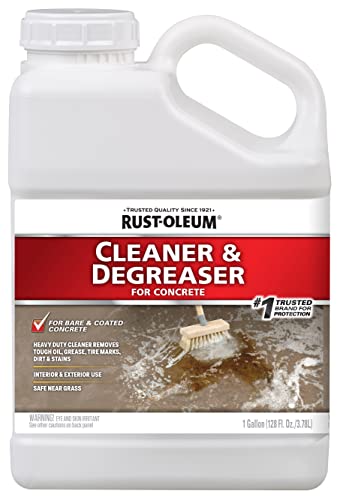

If you want garage floors that look clean and don’t smell, start by removing loose debris, then degrease, scrub, and rinse thoroughly. For stained or oily spots, treat them first before you do the full-floor wash. This guide walks you through the safest order of operations and what to use based on your floor type.
If you park a car inside, store tools, or do any DIY work, you’ve probably dealt with dust, oil drips, and grime that won’t wipe up. These steps are for homeowners who want a practical routine (and fewer “why is it still dirty?” surprises) whether your floor is concrete, sealed concrete, or another common garage surface.
Prep the area (before you touch cleaner)
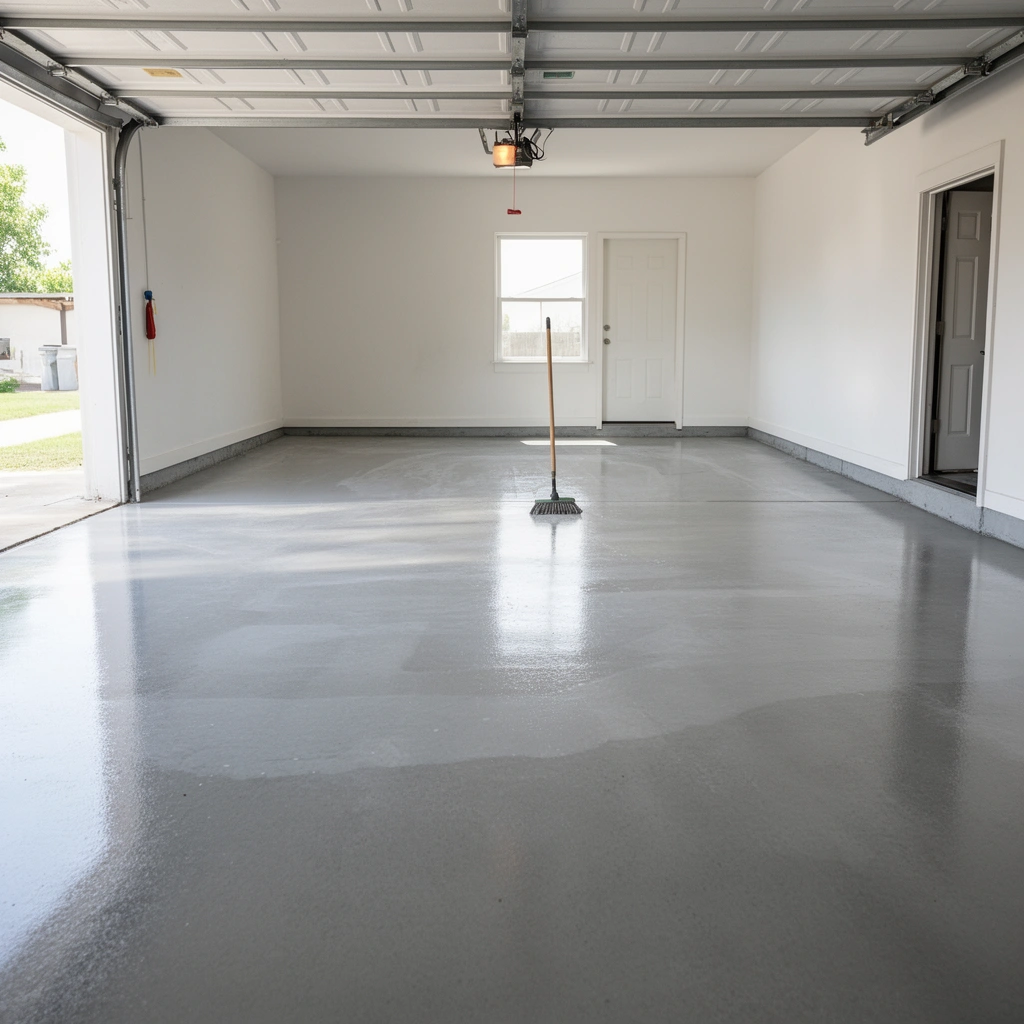
Get the garage ready first, because prep prevents you from grinding grit into the pores and coatings. A clean surface is easier to degrease, and it helps your cleaner work where you need it—on oil and soil rather than embedded dust.
Sweeping or vacuuming before degreasing reduces the amount of gritty runoff that can turn into a dirty slurry during rinsing.
Most floor-cleaning products are designed for specific dwell times and contact conditions (often wet), so ventilation and access matter before you start.
Testing a cleaner on a small hidden patch helps you confirm compatibility with sealed concrete, epoxy, or painted surfaces and avoids permanent discoloration.
Before you touch any cleaner, do three things in order:
– Sweep or vacuum everything loose so you’re not grinding grit into the surface. Use a shop vac if you can—garage dust is fine enough to smear when it gets wet.
– Protect nearby items and ventilate. Cover wall storage, tools, and cardboard with plastic. Open doors if weather allows, and run a fan that moves air out of the garage (not just around).
– Spot-check your cleaner on a small, hidden area first. Even “concrete-safe” products can dull a coating if the chemistry or dwell time isn’t a match.
One practical rule: keep the floor dry until you’re ready to wet it for cleaning. If you have rain recently or a leak, let the slab dry first—otherwise your cleaner will lift and spread moisture-bound grime.
> According to the U.S. Environmental Protection Agency (EPA), proper ventilation and label-following are central to reducing exposure risks from household cleaners and degreasers (EPA: product labeling and safer use guidance).
Also, if you have old coatings (epoxy flakes, polyurea, epoxy garage floor paint), treat “compatibility” as a real constraint, not a detail. The wrong cleaner can leave a dull matte footprint or soften edges where coating meets concrete.
Choose the right cleaning approach for your floor
Choose your method by matching cleaner strength and abrasion level to the floor’s finish. The biggest mistake is using the right chemicals for concrete on a sealed or coated floor (or vice versa).
Unsealed concrete typically requires degreasing and more mechanical agitation because oil penetrates into pores rather than sitting on top.
Sealed concrete and painted/epoxy surfaces are more vulnerable to dulling or scratching when you use aggressive abrasives or harsh solvents.
If dust is the main contaminant, dry sweeping first is often cleaner than washing immediately, because wetting dust can create a slurry that re-deposits.
Here’s a decision framework you can follow:
– Unsealed concrete: Plan on degreasing + scrubbing, and expect deeper oil stains to need repeat spot treatment.
– Sealed concrete / painted floors: Use gentler cleaners and avoid aggressive abrasives that can dull or scratch the finish.
– Large dust buildup: Dry sweep first, then mop/wash—starting with water alone often makes messier slurry.
To make this easier, compare common approaches:
| Floor type | Primary goal | Best starting chemistry (typical) | Scrub intensity | Rinse approach |
|---|---|---|---|---|
| Unsealed concrete | Remove absorbed oil and ground-in grime | Alkaline degreaser (higher pH) | Stiff brush / floor scrubber | Thorough rinse until runoff is clear |
| Sealed concrete | Remove dirt without damaging the seal | Neutral-to-low-alkaline cleaner | Medium pressure, non-metal pad | Rinse to remove residue film |
| Painted concrete / garage floor coating | Clean without stripping or dulling | pH-appropriate cleaner per coating care | Gentle scrubbing (soft-medium brush) | Light to thorough rinse depending on product label |
| Heavy dust + light grime | Prevent slurry and re-depositing | Water-only pre-wash (then detergent) | Minimal | Rinse/mop after lifting dust |
Quick chemical “fit” guide (so you don’t guess)
Most garage floor cleaners fall into predictable chemistry buckets. The cleaner you pick should line up with your finish type, especially for sealed or coated floors.
Garage Floor Cleaner Chemistry at a Glance (Typical Labeled Ranges)
| # | Cleaner type | Typical pH range | Common target | Finish compatibility |
|---|---|---|---|---|
| 1 | Neutral detergent cleaner | 6.5–8.5 | General dirt & light soil | ★ ★ ★ ★ ★ |
| 2 | Low-alkaline cleaner (mild degreaser) | 8.5–10.5 | Light oils & tire residue | ★ ★ ★ ★ ☆ |
| 3 | Alkaline degreaser | 10.5–13+ | Heavier grease & embedded grime | ★ ★ ☆ ☆ ☆ |
| 4 | Acid cleaner (for mineral deposits) | 1–3 | Rust spotting & limescale | ★ ☆ ☆ ☆ ☆ |
| 5 | Enzyme-based cleaner | ~6–8 | Organic residues (light) | ★ ★ ★ ★ ☆ |
| 6 | Solvent/degreaser (strong) | Varies (formulated) | Heavy oil spots | ★ ☆ ☆ ☆ ☆ |
| 7 | Stiff-brush + detergent (mechanical-first) | Depends on product | Ground-in dust/grime | ★ ★ ★ ☆ ☆ |
Data note: These pH bands are consistent with the way cleaning chemistry is typically categorized, but you should always verify the actual product pH and surface compatibility on the label. For sealed/epoxy systems, the coating manufacturer’s care guide should take priority.
Degrease and treat stains first
Treat oil and stained areas first so you lift contamination before the full-floor wash. This prevents the degreaser from turning into a spreadable film that you then have to fight for the rest of the cleaning session.
Applying degreaser to oily spots before general washing reduces the chance that heavy oil spreads into previously clean areas during rinsing.
Effective degreasing typically relies on wet contact time (dwell time) followed by agitation and rinsing, rather than “spray and wipe once.”
For stubborn oil stains, repeat degreasing is usually safer than immediately switching to more aggressive abrasives.
Do this in a tight sequence:
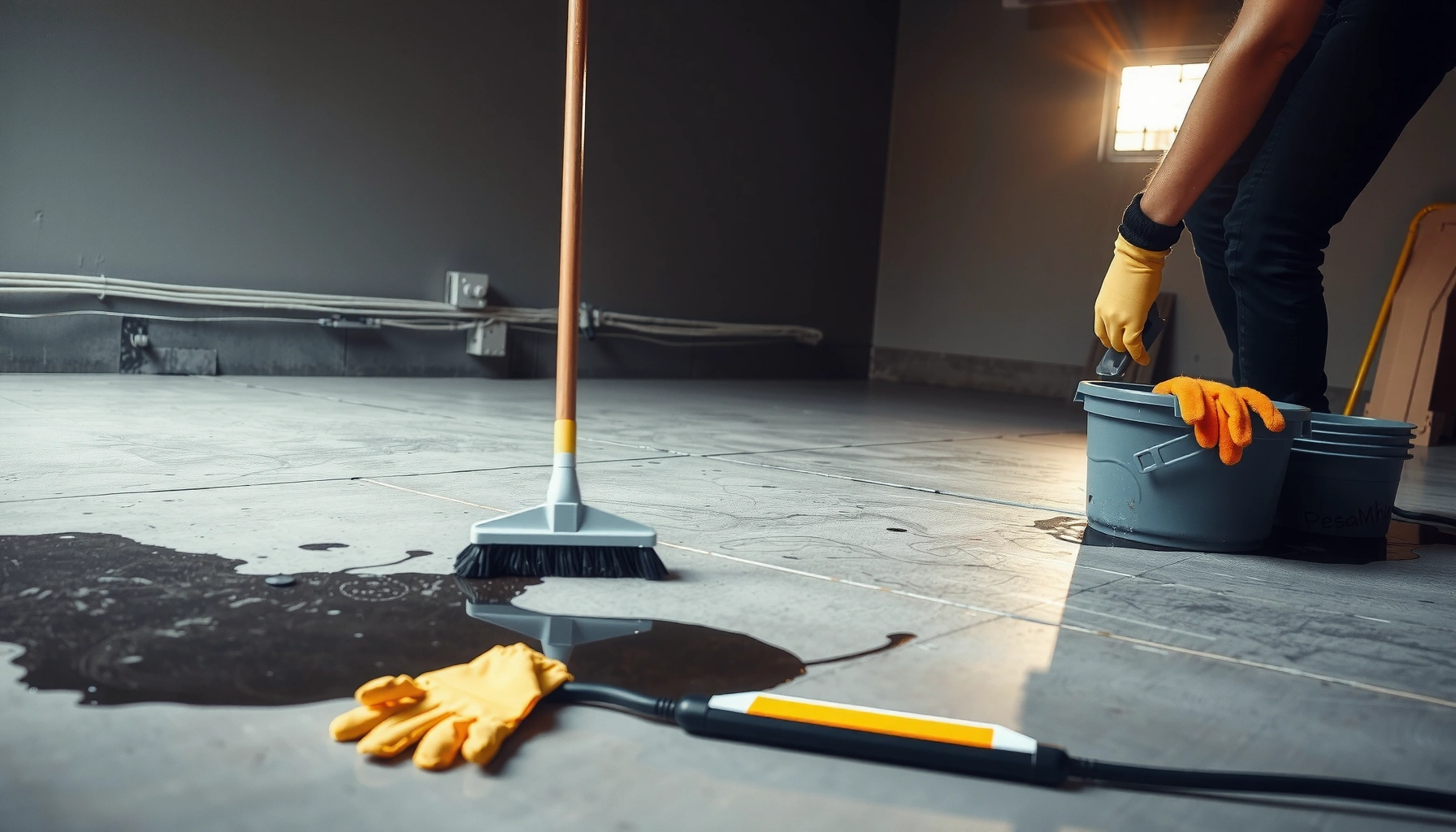
– Apply a degreaser to oily spots *before* you clean the whole floor. Use a product that matches your surface type (especially for sealed/painted floors).
– Scrub with a stiff brush or floor scrubber in circular motions, focusing on the stained zones. Aim for contact, not just motion—work the liquid into the contamination.
– Let it dwell only as long as the label instructs, then move to rinsing. If you let many cleaners dry, you often leave residue that becomes part of the next dirty layer.
From my day-to-day experience maintaining garages and workshops, oil stains behave like “contamination reservoirs”: once you spread the oil with dirty rinse water, the stain pattern can widen even if you later scrub hard. The stain may not get lighter—it can just move.
If you don’t know whether you have sealed concrete, start with the mildest approach: neutral detergent + mechanical agitation on a test patch. Upgrade to a stronger degreaser only if the stain is still clearly oily after the first pass.
> According to guidance from the Association for the Advancement of Medical Instrumentation (AAMI) on chemical compatibility concepts, the key principle in cleaning is matching chemical strength and contact conditions to the target surface to avoid damage (AAMI: compatibility/cleaning principles (general guidance)). (For garage floors, you’ll apply this principle via coating manufacturer care instructions.)
Scrub the entire floor and rinse thoroughly
Scrub by sections and rinse until the runoff is clear—this is the step that determines whether your floor ends up clean or just “shiny dirty.” When runoff is still tinted, you’re still carrying soil and cleaner residue around.
Rinsing until runoff is clear helps prevent the “dull film” effect caused by leftover detergent or degreaser residue.
Cleaning by sections reduces the chance that previously treated areas dry before you can rinse, which can leave streaks.
Removing excess water with a squeegee or wet-vac can prevent streaking and reduces the chance that loosened dirt settles back onto the surface.
Method that works for most garages:
– Use the right cleaner for your floor type (concrete-safe or pH-appropriate for sealed/painted surfaces) and scrub methodically by sections.
– Keep the mindset: “work small, rinse often.” Muddy runoff is where most people get stuck because they keep scrubbing with contaminated water.
– Rinse thoroughly until runoff looks clear. If possible, use a hose with controlled flow so you don’t blast oil deeper into cracks.
– Remove excess water using a squeegee or wet-vac. This step matters if you’ve got porous concrete that can hold rinse water.
Practical tip: focus your first scrubbing pass on the heaviest traffic and tire path zones. Once those areas are clean, the rest often responds faster because you’ve already removed the largest contamination load.
Dry and inspect (then repeat only where needed)
Drying and inspecting are what turn a “good effort” into a truly clean finish. If you park back on a wet garage floor, you can re-introduce grime immediately—especially tire residue and dust.
Allowing floors to dry completely before re-occupying them helps prevent resettling dirt and reduces streaking from leftover moisture.
Spot-treating only remaining trouble areas is usually more effective (and less damaging to coatings) than repeating full-floor abrasion.
If stains persist, repeating degreasing often works better than increasing abrasiveness right away.
After the rinse:
– Let the floor dry completely before parking vehicles back over it or applying any protectant.
– Re-check high-traffic zones (near doors and tire paths). These areas stay dirt-prone because they collect fine grit and transfer it with each vehicle movement.
– Spot-treat only the remaining trouble areas. If the stain persists, repeat the degrease step rather than immediately escalating to harsher abrasives.
If you have a sealed/coated system, avoid the temptation to “fix” the look with extra scrubbing. Coatings can get dull or microscratched, and that roughness tends to trap dirt faster over time.
What can go wrong (and how to avoid it)
Even the right process can fail if you skip compatibility, dwell time, or rinsing discipline. Most “my floor still looks dirty” issues come from residue, slurry, or coating damage.
Using a degreaser or chemical outside its intended surface compatibility can dull paint or damage certain sealers.
Not rinsing enough can leave a detergent film that attracts dirt and makes the floor appear permanently hazy.
Letting cleaners dry on the floor can increase residue and streaking because many products are designed for wet contact only.
Aggressive abrasion on coated surfaces can create micro-scratches that shorten the time between cleanings.Common problems:
– Using the wrong cleaner for the finish: Some degreasers/chemicals can dull paint or damage certain sealers—stick to label guidance and the coating manufacturer’s care instructions.
– Not rinsing enough: Residue leaves a dull film and attracts more dirt; rinse until runoff looks clean.
– Letting chemicals dry on the floor: Follow dwell times from the product label. If you need to cover a large area, work in smaller sections.
– Scrubbing too aggressively on coated surfaces: Heavy abrasion can scratch sealed/epoxy/painted floors and create a rough surface that stains faster.
– Skipping prep: Grinding grit under cleaner leads to cloudy streaks and uneven cleaning.
Also consider your concrete condition. If your slab is spalling or has deteriorated patches, heavy chemistry and scrubbing can worsen the surface. In those cases, the “cleaning” step may need to be paired with repair or refinishing.
Verdict: what we recommend (and who should skip DIY)
If your goal is a noticeably cleaner garage floor without damaging the surface, this “prep → degrease stains → scrub → rinse → dry” workflow is the safest bet. Deep oil staining may take multiple rounds, and sealed/painted floors require extra care to avoid dulling or stripping—so patience beats harsh escalation.
A staged workflow (debris removal, targeted degreasing, full-floor scrubbing, and thorough rinsing) minimizes spreading and residue-related haze.
Coated or sealed garage floors need label-approved chemistry and gentler agitation to avoid dulling or stripping.
Hazardous contamination (unknown chemical spills) is a reason to stop DIY cleaning and switch to professional remediation.
Skip DIY (or switch to a professional) if you suspect hazardous contamination (unknown chemical spills) or if you have a delicate coating system you can’t identify. Incorrect chemicals or aggressive tools can permanently affect the finish—especially on epoxy/urethane systems.
If you’re unsure about what coating you have, check for any manufacturer markings, documentation, or warranty details. If you can’t find them, start with neutral detergent and gentler scrubbing on a test patch, and avoid solvent-heavy degreasers until compatibility is confirmed.
Quick checklist you can save
– [ ] Sweep/vacuum all loose debris first
– [ ] Protect items + ventilate the garage
– [ ] Spot-treat oily stains with a degreaser (label-approved)
– [ ] Scrub by sections (stiff brush for concrete; gentler approach for sealed/coated)
– [ ] Rinse thoroughly until runoff looks clear
– [ ] Squeegee/wet-vac excess water
– [ ] Let fully dry before parking and inspecting
FAQ
How often should I clean my garage floor?
Most garages do fine with periodic sweeping and a light wash as needed, but plan a deeper clean when you notice oil buildup, traffic grime, or persistent stains. If you frequently park in with snow, road film, or tracked-in grit, a more frequent light clean helps prevent grinding abrasion.
Can I pressure wash a garage floor?
You can, but it can worsen problems if the concrete is unsealed or if you trap moisture in cracks. If you pressure wash, use controlled settings and ensure thorough drying afterward. [ADD: recommend safe pressure guidance from your pressure washer/manual specs.]
What’s the best way to remove oil stains?
Degrease first, scrub the stained area, then rinse thoroughly. If the stain remains, repeat the degrease step rather than immediately switching to harsher abrasives. Often, the second round is what fully breaks down what the first pass loosened.
Will this work on epoxy or painted garage floors?
It depends on the coating system—use cleaners that the manufacturer specifies for your surface type and avoid anything that could strip or dull the coating. [ADD: source or compatibility notes from the coating manufacturer’s care instructions.]
Sources
– Product label instructions / manufacturer care guides (for degreasers and floor cleaners): use dwell time and surface compatibility as specified on the packaging.
– Pressure washer/manual guidance for safe use on concrete/coated surfaces: [ADD: source for your specific model’s recommended settings and surface cautions].
– EPA guidance on product labeling and safer use of cleaners: EPA (U.S. Environmental Protection Agency): safer use and label-following guidance.
Frequently Asked Questions
How do I clean oil stains on a garage floor?
Start by blotting fresh spills with absorbent material like cat litter or oil-absorbent pads, then scrape up residue once it firms up. For stubborn oil stains, apply a degreaser or an enzymatic oil stain remover and let it dwell according to the label before scrubbing with a stiff-bristle brush. Rinse thoroughly with water and repeat if needed, since garage concrete often requires more than one treatment for deep stains.
What’s the best way to remove grease, dirt, and grime from concrete?
Sweep the garage floor first to remove dust, grit, and loose debris—this prevents scratching and helps cleaners work better. Use a degreaser or concrete cleaner diluted per instructions, scrub in sections, and rinse with clean water (or pressure wash carefully if the coating/seal allows). For heavy buildup, a two-step approach works well: degrease first, then wash with a pH-neutral concrete cleaner to lift remaining dirt.
Which cleaning products are safest for sealed or painted garage floors?
If your garage floor is sealed or coated, avoid harsh acids and strong solvents that can damage the finish. Look for products labeled safe for sealed concrete, painted surfaces, and epoxy or polyurethane coatings, and always test in a small, hidden area. Use microfiber mops or soft scrub brushes for floor cleaning, and rinse thoroughly to prevent detergent residue that can dull or stain the coating.
Why does my garage floor look cloudy after I clean it?
Cloudiness is often caused by leftover soap residue, hard-water minerals, or detergent film that remains after rinsing. Make sure you use the correct cleaner concentration, scrub well, and rinse thoroughly until runoff is clear. If you already have a haze, try a specialized concrete polish/haze remover or a diluted degreasing cleaner designed for floor residue removal.
How do I clean garage floors with standing water or heavy spills?
For standing water, use a wet/dry shop vac or absorbent pads to remove as much moisture as possible before applying any cleaner. Treat spills like oil, antifreeze, or paint with the appropriate spot treatment—don’t spread contamination by mopping without addressing the source. After the area is cleaned and scrubbed, rinse carefully, let it dry completely, and consider repeating treatment if stains remain for a cleaner, safer garage floor.
📅 Last Updated: October 11, 2026 | Topic: How to clean garage floors? | Content verified for accuracy and freshness.
References
- Google Scholar Google Scholar
https://scholar.google.com/scholar?q=how+to+clean+garage+floors+concrete - Google Scholar Google Scholar
https://scholar.google.com/scholar?q=remove+oil+stains+from+concrete+garage+floor - Google Scholar Google Scholar
https://scholar.google.com/scholar?q=mold+remediation+concrete+floor+moisture+garage - https://www.cdc.gov/mold/default.htm
- Mold | US EPA
https://www.epa.gov/mold - https://www.cdc.gov/healthywater/hygiene/household/bleach.html
- https://www.epa.gov/coronavirus/cleaning-and-disinfecting
- https://www.epa.gov/oil-spills/oil-spill-response
- https://www.osha.gov/chemical-safety
- https://pubmed.ncbi.nlm.nih.gov/?term=mold+remediation+concrete