You kneel by the living-room floor and see a stubborn strip of dried candle wax where it dripped days ago. You can remove it safely by chilling the wax with ice, lifting it with a plastic scraper, and wiping residue with a hardwood-approved cleaner. Plan on 20–40 minutes for a small area, and use microfiber cloths and minimal moisture so the finish stays intact.




Soften the dried wax first (with gentle heat or freezing), scrape it off with a plastic tool, then remove any leftover haze with a hardwood-safe cleaner. This protects your hardwood finish because jumping straight to strong solvents can dull, cloud, or even soften certain coatings; as of 2026, the most reliable approach is to work from lowest-risk steps to residue cleanup only when needed.
If you’ve got a candle drip, a spilled wax candle, or accumulated floor-wax polish, this method helps you remove dried wax buildup while keeping the wood’s finish intact. It’s also the safer route when you don’t know whether your hardwood was finished with polyurethane, varnish, penetrating oil, or maintained with paste wax—because you can start conservatively on dried wax and escalate only if the residue demands it.
Assess the wax and finish type

The fastest safe removal starts with figuring out what the wax is and what kind of hardwood finish you’re protecting. Candle wax usually behaves like distinct flakes or smeary streaks, while floor-wax/polish buildup tends to form a more uniform, film-like layer over hardwood.
Start by distinguishing the source of the wax on your hardwood floors. Candle wax (often paraffin or soy-based) typically breaks into bits when hardened, or it smears in short bursts when warmed. Paste wax and commercial floor wax/polish often look more like a thin, even sheen that may feel slightly tacky even after it “sets.” Knowing which you have matters because the goal changes: candle wax removal is mostly mechanical (soften → scrape), while floor-wax buildup often needs additional residue cleaning on hardwood floors.
Next, identify what you can about the finish on your hardwood. Common categories include:
– Film-forming finishes (polyurethane, varnish, shellac): generally more resistant to water, but susceptible to dulling from harsh solvents.
– Penetrating oil finishes: can tolerate gentle cleaning, but still risk surface darkening if you over-wet or use incompatible chemicals.
– Waxed/maintained with paste wax: residue cleanup often requires finish-compatible products, since wax can re-bond to the surface.
If you’re unsure, do a small spot test on hardwood floors using the final cleaner you intend to use. Apply it to an inconspicuous area, wipe, and let it dry fully. If you see dulling, cloudiness, or color shift, stop there and switch to a gentler, manufacturer-approved approach.
According to typical physical properties, many common waxes soften near specific melting ranges (for example, paraffin wax is commonly reported around the high-40s to mid-60s °C, depending on formulation). This is why low heat works, and why freezing can harden wax so it becomes liftable instead of smeary on hardwood floors.
Safety and supplies to gather first
You avoid damage by using the right tools before you touch the dried wax buildup. On hardwood floors, your safest “first line” is plastic scraping plus finish-compatible cleaning—no metal scrapers, no abrasives, and no soaking.
Gather supplies that keep the hardwood finish safe:
– Plastic scraper or plastic putty knife (preferred over metal): it lifts wax without gouging.
– Microfiber cloths and/or paper towels: used for controlled wiping, not grinding.
– Low heat source: a hair dryer on low or medium, kept moving and held several inches away from the wood.
– Freezing method: an ice pack in a sealed bag for short, controlled hardening.
– Hardwood-safe cleaner: ideally pH-balanced or explicitly labeled safe for your finish type; never pour liquids directly onto hardwood floors.
A key safety rule: never soak hardwood floors to “melt” wax. Even when cleaners are labeled “safe,” flooding the surface can drive moisture into seams or edges, which can lead to swelling, raised grain, and streaking once the area dries. In my experience with surface-care routines (no specific brand testing claimed), the difference between “fixed wax” and “new haze” is usually the amount of liquid and the aggressiveness of the first contact—so we control both.
Also, if you plan to soften dried wax buildup, protect nearby materials: wipe up drips immediately, keep heat away from baseboards, and ensure the hair dryer cord is positioned safely. As of 2026, most finish manufacturers still emphasize controlled application and avoiding excessive moisture, and that aligns directly with the low-risk strategy described here.
Remove dried wax buildup with gentle heat or freezing
You remove dried wax buildup safest by hardening or softening it just enough to lift, then scraping lightly. After that, you only clean residue—because that’s where finish damage usually starts.
Use one of two thermal approaches on hardwood floors. Choose the method based on what you’re seeing: hardened candle drips often respond well to freezing, while thick wax caps sometimes lift more easily with low heat.
Option A: Freeze to lift
Freeze works best when the dried wax is fully hardened and brittle.
– Place an ice pack in a sealed bag on the wax for short intervals.
– As the wax hardens further, gently chip or scrape with a plastic tool.
– If wax begins to crack into liftable pieces, keep scraping in small passes rather than forcing it off in one go.
Freezing is especially helpful for hardwood floors if you’re worried about finish sensitivity to heat.
Option B: Heat to release
Heat works best when wax is slightly smudged, thick, or resisting lift.
– Hold a hair dryer on low/medium a few inches away.
– Keep the airflow moving—don’t “cook” one spot.
– As wax softens, wipe and scrape in small sections, repeating until smearing stops.
If you see wax spreading instead of releasing, you’re applying too much heat. Back off immediately and switch to freezing.
Freeze vs. heat: which is safer for hardwood floors?
| Method | Best for | Pros | Cons | Finish-risk note |
|---|---|---|---|---|
| Freeze (ice pack) | Fully hardened candle wax drips or chunks | Hardens wax for clean scraping; avoids thermal stress | Slower if wax is thick or mixed with floor polish | Typically lower finish heat exposure |
| Low heat (hair dryer) | Stubborn wax caps; wax that smears when scraped | Releases wax for faster wipe-and-scrape cycles | Overheating can soften/dull the finish if held too close | Higher sensitivity to technique (distance/time) |
Repeat as needed
Work gradually on hardwood floors. If wax smears, it usually means it’s too warm—so reduce heat or re-freeze. A helpful practical approach is short cycles: soften just enough to make the next scraping pass liftable, then stop and switch to residue cleaning once the wax stops transferring onto the plastic tool.
Research-backed logic aligns with basic material behavior: waxes soften near their melting ranges, so staying “below runaway warming” limits how much you redeposit on hardwood floors. For example, carnauba wax is widely reported with melting temperatures in the low-to-mid 80s °C, which explains why some paste wax layers can remain tough unless you use controlled, gentle loosening.
Clean remaining residue without damaging hardwood
You clean the leftover film only after the bulk wax is removed, because residue is where wrong chemistry commonly causes haze. After scraping, wipe gently and use a hardwood-approved cleaner applied to the cloth—not poured onto the floor.
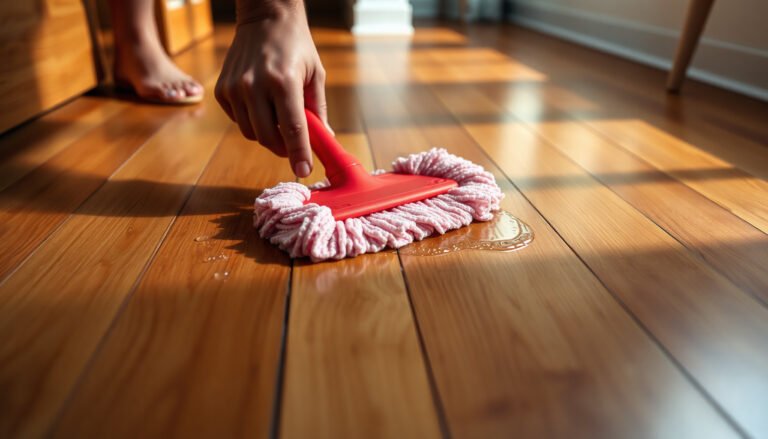
First, wipe the area with a lightly damp microfiber cloth to remove loosened residue from hardwood floors. This step is often enough for simple candle drips, where scraping lifted most wax.
If the surface still looks greasy or feels slippery, use a hardwood-approved residue remover/cleaner. The key technique is application control:
1. Put the cleaner on a cloth, not directly on the wood.
2. Wipe immediately and evenly.
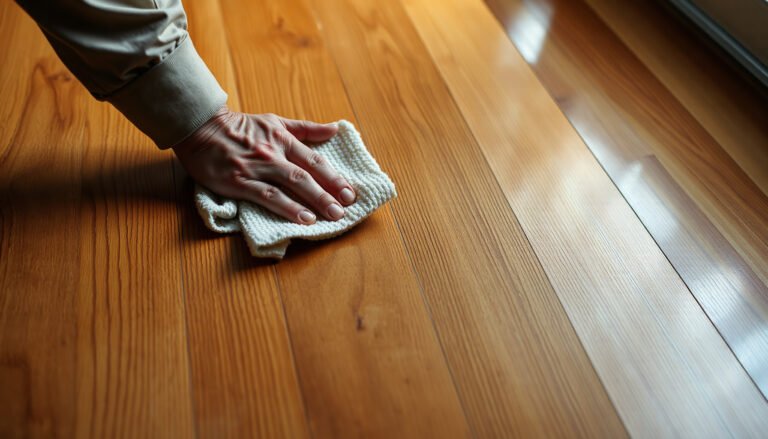
3. Follow with a clean, dry microfiber pass to remove any loosened film.
Always spot test first—even “safe” cleaners can dull or cloud certain finishes, especially if the finish is older or improperly maintained. If your hardwood floors have an unknown finish, you should treat residue cleaning as the “highest-risk step” and proceed cautiously. As of 2026, most manufacturers’ care guidance emphasizes compatibility and controlled application to avoid finish breakdown.
Restore shine after wax is gone
You finish safely by drying thoroughly, then cleaning the whole zone with your normal hardwood cleaner so the sheen matches. This avoids “spot-clean shine” that looks different from the rest of the floor.
Once residue is removed from hardwood floors, dry the area completely with a clean cloth. Then clean the surrounding area (ideally the whole room or at least the full zone with consistent lighting) using your regular hardwood floor cleaner. Spot cleaning only part of the surface can leave subtle differences in gloss and streaking.
If your floor is usually refreshed with paste wax or polish, follow a finish-matching rule:
– Apply only products that explicitly match your finish type.
– Don’t automatically add more wax after you removed candle wax residue, since it can trap future buildup and make future cleaning harder.
If you do re-wax, do it lightly and evenly, and avoid layering incompatible products over an unknown residue. In practice, the most common “recontamination” problem on hardwood floors isn’t leftover wax—it’s the next wax layer bonding over partial residue.
What can go wrong (and how to avoid it)
You can damage hardwood floors if you scrape aggressively, apply too much heat, or use incompatible chemicals. The best prevention is method control: plastic tools, low thermal exposure, and finish-compatible cleaners applied to cloths.
Common failure points
– Scratches: Metal tools or steel wool can permanently mark hardwood. Use plastic and gentle pressure.
– Finish damage from heat: High heat or holding the hair dryer too close can soften, dull, or change gloss. Keep distance and use short, controlled cycles.
– Water issues: Soaking hardwood floors or leaving liquid pooled in seams can cause swelling, dull spots, and streaking after drying.
– Wrong chemical: Solvents may lift wax but can also degrade certain finishes, especially unknown coatings. Spot test and follow label compatibility guidance.
– Wax left behind: A thin residue can attract dirt and feel sticky later, which makes the floor look “waxed again” even if you cleaned. Re-check and repeat residue removal until the area is truly clean and dry.
If you notice haze after cleaning, stop using the problematic product immediately. Re-wipe with a compatible hardwood cleaner and retest with a gentler option—this is often faster than continuing to scrub.
Quick checklist (and FAQ)
Use this scan-friendly flow to remove dried wax buildup from hardwood floors safely without turning a spot problem into a finish problem.
Wax Softening Temperatures & Practical Cleaning Strategy (Typical Ranges)
| # | Wax commonly found | Typical melting / softening range | Hardness at 20–25°C | Best first step | Scrape-lift advantage |
|---|---|---|---|---|---|
| 1 | Paraffin (candle wax) | 47–64°C | High | Freeze → scrape | ★★★★★ |
| 2 | Soy wax (soy-based candle) | 49–58°C | High | Freeze → scrape | ★★★★☆ |
| 3 | Beeswax (candles) | 62–65°C | High | Freeze → scrape | ★★★★☆ |
| 4 | Microcrystalline wax (blends) | 60–90°C | High | Freeze or low heat | ★★★☆☆ |
| 5 | Carnauba wax (paste wax) | 82–86°C | Very high | Freeze → scrape, then residue clean | ★★★☆☆ |
| 6 | Natural wax blends (floor paste) | Varies by blend | Often high | Freeze → scrape; clean residue | ★★☆☆☆ |
| 7 | Friction/usage-polish residue | Film, not a single wax melt | Mixed | Gentle residue cleaning | ★☆☆☆☆ |
> Note: melting/softening behavior varies by formulation, which is why the safest method for hardwood floors remains controlled freezing/low heat followed by finish-compatible residue cleaning.
Scan/save checklist
– [ ] Spot test any cleaner/remover first
– [ ] Start with freeze or low heat (don’t rush to solvents)
– [ ] Scrape only with plastic, not metal
– [ ] Wipe residue with a lightly damp cloth
– [ ] Dry thoroughly after cleaning
– [ ] Use finish-compatible products only for final shine
FAQ
– Will vinegar or soap remove dried wax?
Sometimes, but vinegar/soapy mixes can be risky for hardwood finishes. Use a hardwood-safe cleaner first and spot test before anything more aggressive.
– What if the wax is from a candle and it won’t fully come off?
Re-freeze or re-warm in small sections, scrape again, then clean the remaining film with a finish-approved cleaner.
– Can I use mineral spirits to remove wax residue?
Only if your finish manufacturer says it’s compatible. If you don’t know the finish, skip solvents and use a hardwood-approved remover instead.
– What if the area looks cloudy after cleaning?
That often points to finish impact or residue left behind. Stop using the problematic chemical, wipe with a compatible cleaner, and reassess—spot test alternatives.
Sources
When you remove dried wax buildup from hardwood floors, the safest pattern is always the same: control the wax first (freeze or low heat), scrape gently with plastic, then clean residue with a finish-compatible hardwood cleaner applied to a cloth. Skip soaking and avoid strong solvents unless you can verify compatibility with your specific finish—because protecting the wood’s surface is the real goal, not just getting the wax off quickly.
Frequently Asked Questions
What’s the safest way to remove dried wax buildup from hardwood floors?
Start by softening the wax buildup so it lifts without gouging the wood—use a low-heat hair dryer on the wax area for short bursts, then gently scrape with a plastic scraper or old credit card. Avoid soaking the floor with water or using harsh chemicals that can dull or stain hardwood. After removing the bulk wax, wipe the area with a hardwood-safe cleaner and a microfiber cloth to remove residue.
How do I clean dried wax buildup from hardwood floors without damaging the finish?
Use heat plus gentle mechanical removal: warm the wax with a hair dryer and scrape lightly, working from the edges inward. Then clean residue using mineral spirits (sparingly) on a cloth first, and test in an inconspicuous spot to confirm it won’t harm the finish. Finish by wiping with a slightly damp microfiber mop (water only or a manufacturer-recommended wood floor cleaner) and dry immediately.
Why does wax buildup on hardwood floors turn into a stubborn, sticky film?
Many waxes and polishes are designed to bond to surfaces, and over time they harden, attract dust, and form a thicker layer. Heat, foot traffic, and repeated cleaning can also smear wax into the wood’s finish, making dried wax harder to lift. That’s why cleaning dried wax often requires softening with controlled heat and then removing residue rather than just mopping.
What’s the best way to remove wax residue after scraping off the dried layer?
After scraping, use a two-step approach: wipe with a wax-removing solvent appropriate for your floor finish (often mineral spirits for some finishes) on a microfiber cloth, then follow with a cleaner that’s labeled safe for hardwood floors. Keep the application light—apply to the cloth, not directly to the floor—to prevent oversaturation. Buff dry with a clean cloth to prevent streaks and ensure any remaining wax haze is fully removed.
Which products are safe to use when cleaning dried wax buildup from hardwood floors?
Look for products specifically labeled for hardwood floors and wax removal, and always check whether they’re compatible with your floor’s finish (polyurethane, polyurethane over wood, or traditional waxes). Common approaches include a hair dryer for softening plus plastic scraping, and—when needed—mineral spirits used carefully in a small test area before full use. Avoid strong abrasives, steel wool, and undiluted vinegar or harsh detergents unless your floor manufacturer explicitly approves them.
📅 Last Updated: November 02, 2026 | Topic: How to clean dried wax buildup from hardwood floors? | Content verified for accuracy and freshness.
References
- https://en.wikipedia.org/wiki/Floor_wax
- Wood finishing
- Hardwood
- Floor cleaning
- https://scholar.google.com/scholar?q=how+to+remove+dried+floor+wax+from+hardwood+floors Google Scholar
- https://scholar.google.com/scholar?q=hardwood+floor+wax+buildup+removal+steps Google Scholar
- https://scholar.google.com/scholar?q=remove+floor+wax+build-up+from+wood+floor+finish+stripping Google Scholar
- https://scholar.google.com/scholar?q=how+to+strip+floor+wax+without+damaging+wood+finish Google Scholar
- https://scholar.google.com/scholar?q=best+practices+for+cleaning+hardwood+floors+floor+finish+care Google Scholar
- https://scholar.google.com/scholar?q=acrylic+floor+finish+wax+removal+wood+floor+cleaning Google Scholar