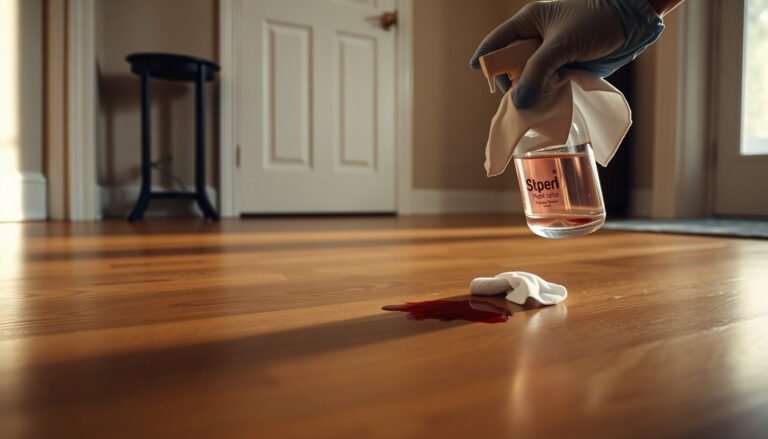

Dried dirt on engineered wood floors can be removed safely by loosening it dry first, then wiping with a barely damp, pH-neutral cleaner so grit never gets ground into the finish. This straightforward process usually takes about 20–30 minutes and only requires gentle tools and careful drying to prevent streaking or swelling. Gather a soft-bristle broom or vacuum, a plastic scraper, microfiber cloths, a pH-neutral wood-floor cleaner, and a dry towel.



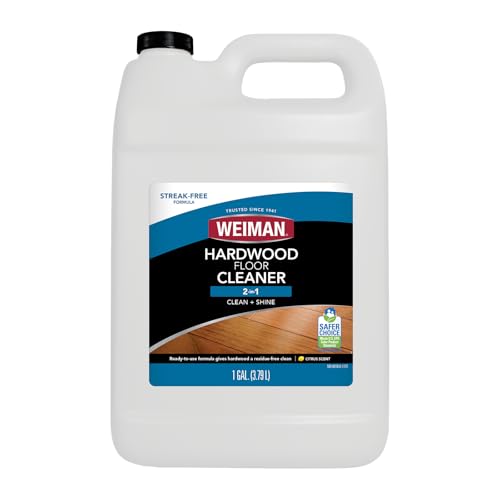
If the dirt is dry, start with gentle dry removal—vacuuming and lifting debris with a soft brush—before you add any moisture. Then use a slightly damp (not wet) microfiber cloth with a wood-floor–safe cleaner to dissolve the remaining residue. This approach helps prevent grit from scratching the engineered wood surface and reduces the risk of water getting into seams.
If you’re dealing with engineered wood floors that have dried-on soil, tracked mud, or a film left after spills, this step-by-step method is the safest way to restore the surface without damaging the finish or edges. As of 2026, most engineered wood care guidance still centers on “minimal moisture” and “finish-safe products,” because the top wear layer and the construction seams are sensitive to prolonged wetting.
Gather the right tools (before you scrub)
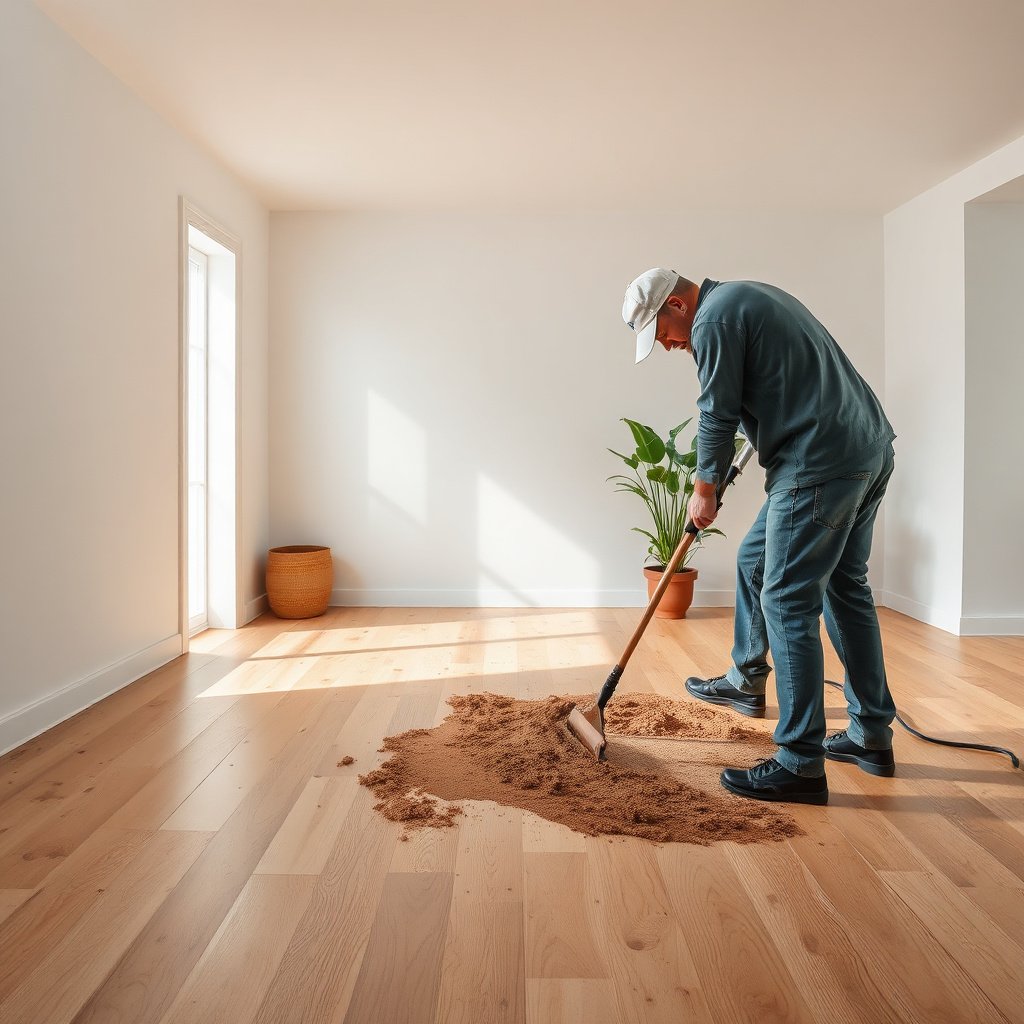
You’ll clean dried dirt faster and with less risk when you set up the correct tools before you touch the floor. For engineered wood floors, the goal is simple: lift abrasive particles dry first, then dissolve residue with barely-there moisture.
– Use a vacuum with a soft floor attachment (bristles or a felt/rubber glide) to remove loose grit without grinding it into engineered wood floors
– Use microfiber cloths (at least 2–3 so you can switch to a clean section as residue transfers)
– Use a soft-bristle brush for dry lifting—think gentle sweep-ups, not scrubbing
– Have a bowl of clean water and a small trash bag for collected debris
– Choose a cleaner labeled safe for “engineered wood floors” (or follow the exact product requirements from your floor manufacturer)
Two quick “why this matters” points for engineered wood floors: first, loose grit is effectively sandpaper once it’s embedded in the finish; second, moisture that lingers can migrate toward seams. According to the U.S. Environmental Protection Agency, HEPA vacuums are rated to capture at least 99.97% of particles at 0.3 microns ([citation: U.S. EPA]). That kind of filtration helps you remove the fine particles that often cause dulling on engineered wood floors after repeated dry-wipe attempts.
Remove dried dirt without scratching
You should treat dried-on soil as a “dry debris first” problem, not a “scrub immediately” problem. For engineered wood floors, the scratch risk is highest when grit is still present, so vacuuming and careful lifting come before any damp cloth touches the plank.
– Vacuum thoroughly to pull up loose grit before anything else contacts the surface
– Brush in the direction of the planks to lift dry particles (avoid aggressive scrubbing that can scuff engineered wood floors)
– For small crusty areas, use a plastic scraper held at a low angle to lift the build-up, then re-vacuum
– Periodically empty the vacuum canister or bag so suction doesn’t drop mid-clean
In my own routine care for engineered wood floors, the difference between “looks cleaner” and “looks professionally restored” is usually whether I removed every loose grain before I ever wiped. If you skip that initial step, you may end up polishing the grit into the finish—especially noticeable on satin or matte surfaces.
Particle size matters (and vacuuming is the first line of defense)
Different soil types behave differently; finer debris clings more stubbornly. The table below connects common soil particle-size classes to why dry removal and gentle vacuuming matter on engineered wood floors.
Why Dry Debris Removal Works on Engineered Wood Floors (Particle Size & Vacuum Capture)
| # | Soil/debris fraction | Typical particle size | Example on floors | Expected vacuum capture (HEPA min) |
|---|---|---|---|---|
| 1 | Clay | < 2 µm | Fine street dust | ★★★★★ 99.97% |
| 2 | Very fine silt | 2–20 µm | Dry tracked residue | ★★★★★ 99.97% |
| 3 | Coarse silt | 20–50 µm | Fine grit film | ★★★★★ 99.97% |
| 4 | Very fine sand | 50–100 µm | Light “gravel dust” | ★★★★★ 99.97% |
| 5 | Fine sand | 100–250 µm | Mud-dry sand mix | ★★★★★ 99.97% |
| 6 | Medium sand | 250–500 µm | Tracked shoe granules | ★★★★★ 99.97% |
| 7 | Coarse sand | 500–2,000 µm | Dry grit clumps | ★★★★★ 99.97% |
Clean the residue with a damp method
You remove the “stuck-on” part by using moisture strategically: lightly damp, short contact, and immediate drying. For engineered wood floors, this stage is where you dissolve the remaining residue without soaking seams.
– Lightly dampen a microfiber cloth—wring it out so it’s just moist, not dripping
– Wipe the spot in straight passes (avoid circular scrubbing if you’re trying to preserve a uniform finish appearance)
– As soil transfers, switch to a cleaner part of the cloth to avoid re-depositing dirt on engineered wood floors
– Dry immediately with a dry microfiber cloth so water doesn’t linger along edges, bevels, or plank gaps
If you’ve ever left a damp paper towel on a spill “to work overnight,” resist that urge on engineered wood floors. Water sitting in place is different from brief damp contact, especially near seams.
As you consider alternatives, note why heat-and-steam approaches can be risky: steam is typically at or near 100°C / 212°F at the point of boiling under standard conditions ([citation: NIST]). Even when steam cleaners are sold for hard floors, that moisture/heat exposure can be hard to control for engineered wood seams and backing layers—so stick with lightly damp wiping unless your manufacturer explicitly allows steam.
Handle stubborn dried-on spots safely
You can defeat tougher residues safely, but only by softening them first and using the gentlest mechanical action needed. On engineered wood floors, stubborn spots often respond to “dwell time” with the right cleaner rather than brute-force scrubbing.
– Let a wood-floor–safe cleaner sit briefly (follow label directions) to soften residue before wiping
– Use a very gentle non-scratch pad only if needed (for example, a nylon-type pad) and do not press hard
– For waxy or sticky buildup, use only cleaners specifically meant for that residue type—avoid random DIY mixes that can damage finishes
Quick tool trade-offs for engineered wood floors
| Approach | Pros (why it helps) | Cons (what can go wrong) |
|---|---|---|
| Slightly damp microfiber + wood-floor–safe cleaner | Controls moisture; dissolves many spill films without grinding | Won’t remove heavy crust in one pass |
| Plastic scraper (low angle) + re-vacuum | Lifts brittle crust safely when used gently | Too-steep angle can gouge or scuff the top wear layer |
| Non-scratch nylon pad with approved cleaner | Works for lingering haze or residue | Overuse can reduce sheen on engineered wood floors |
| DIY acidic/solvent mixes | Sometimes “cuts” grime quickly | Can discolor, haze, or weaken coatings; void warranty risk |
One more key point: engineered wood floors may have finish types (matte/satin/gloss) that react differently to cleaners. If you’re unsure, start with the least aggressive option that’s still appropriate—damp microfiber with a manufacturer-approved product—then escalate only if needed.
What can go wrong (and how to avoid it)
You can get scratches, dullness, or edge swelling if you skip the dry-first principle or over-wet the plank surface. The mistakes below are the most common reasons engineered wood floors look worse after “cleaning.”
– Scratches: skipping vacuuming/loose-debris removal can grind grit into the finish
– Water damage: soaking, leaving puddles, or repeatedly wet-wiping can seep into seams and edges
– Finish problems: harsh cleaners (like bleach, strong degreasers, or abrasive powders) can dull or discolor the surface
– Wrong assumption: “engineered wood” still has a finish/top layer—what works on tile or solid hardwood may not be safe here
A note on one popular DIY shortcut: vinegar. Household distilled white vinegar is commonly around 5% acetic acid by volume and is strongly acidic (typical pH is roughly in the 2–3 range), which is why it can be risky for some coated wood finishes ([citation: USDA]). If you’re cleaning engineered wood floors, acidic cleaners can contribute to dulling or finish haze over time—especially on satin/matte coatings where texture makes uneven absorption more visible.
Verdict: what usually works best (and who should skip this)
Most dried dirt on engineered floors responds best to a two-stage process: lift dry debris first, then use only lightly damp cleaning followed by immediate drying. The downsides are also real: this method may take multiple gentle cycles for thick crusts, and it won’t be ideal if the residue is actually something the finish can’t dissolve (like deeply polymerized spills).
Skip this approach—or at least slow down—if your engineered wood floors have visible loose seams, raised edges, bubbling planks, or you can’t identify the finish type. If the manufacturer warns against certain cleaners or specific moisture levels (and many do), follow those instructions first. If you’re unsure whether your floor tolerates even lightly damp wiping, pause and contact the flooring company or a qualified flooring professional.
Quick checklist (scan/save)
| Step | Do this | Avoid |
|---|---|---|
| 1 | Vacuum + soft brushing | Scraping deep into the finish |
| 2 | Lift crusty bits gently (plastic scraper if needed) | Metal tools that can gouge |
| 3 | Wipe with a **damp, wrung-out** microfiber | Soaking or leaving puddles |
| 4 | Clean, then dry immediately | Harsh chemicals/abrasive powders |
| 5 | Repeat lightly if needed | Aggressive scrubbing in one spot |
Frequently Asked Questions
What’s the safest way to remove dried dirt from engineered wood floors?
Start by loosening the dried dirt with a soft-bristle broom or a dry microfiber dust mop—avoid aggressive scrubbing that can scratch the finish. If debris is stuck, gently lift it with a plastic scraper or a nylon brush, keeping the tool flat to the floor. Once loose particles are removed, follow up with a slightly damp microfiber cloth and dry immediately to prevent moisture from seeping into seams.
How do you clean dried mud or grime from engineered wood without damaging the finish?
First, let the dried mud soften slightly by placing a lightly damp microfiber cloth over the area for a few minutes, not soaking the floor. Then wipe away the loosened grime with the cloth, working from edges toward the center, and dry the spot thoroughly. Use a pH-neutral cleaner made for engineered wood if residue remains, and never flood the area with water.
How can you remove grit that’s ground into engineered hardwood when it won’t wipe off?
For gritty, embedded particles, use a dry microfiber mop or vacuum with a floor-brush attachment to avoid dragging sand across the surface. If you still feel roughness, carefully use a damp microfiber cloth to lift residue, then dry with a second clean cloth. Avoid abrasive pads (like steel wool or rough scouring sponges), because they can dull the top wear layer.
Which cleaning products are best for dried dirt on engineered wood floors?
The safest options are pH-neutral, non-alkaline cleaners specifically labeled for engineered wood or hardwood floors. A small amount applied to a microfiber cloth (not directly onto the floor) helps tackle dried dirt while minimizing the risk of excess moisture. Skip harsh chemicals, vinegar-based solutions, ammonia, and steam cleaners, as these can degrade finishes and cause warping at seams over time.
Why should you avoid soaking or steam cleaning engineered wood when cleaning dried dirt?
Engineered wood has layers that can be affected by excess moisture, especially if water gets into joints, edges, or micro-gaps. Soaking can lead to swelling, cupping, or finish damage, and steam cleaning can drive moisture deeper than intended. Instead, focus on dry removal first, then use only lightly damp microfiber cleaning and quick drying to protect the floor’s wear layer and appearance.
📅 Last Updated: November 04, 2026 | Topic: How to clean dried dirt from engineered wood floors? | Content verified for accuracy and freshness.
References
- Engineered wood
- Wood flooring
- https://www.epa.gov/coronavirus/cleaning-and-disinfecting-your-facility
- https://www.cdc.gov/coronavirus/2019-ncov/community/disinfecting-building-facility.html
- https://www.brucefloor.com/support/care-and-cleaning/
- https://scholar.google.com/scholar?q=how+to+clean+dried+dirt+from+engineered+wood+floor+without+damaging+finish Google Scholar
- https://scholar.google.com/scholar?q=engineered+wood+floor+cleaning+maintenance+grit+abrasion+moisture Google Scholar
- https://scholar.google.com/scholar?q=hardwood+floor+cleaning+techniques+remove+dried+soil+pH+neutral+cleaner Google Scholar