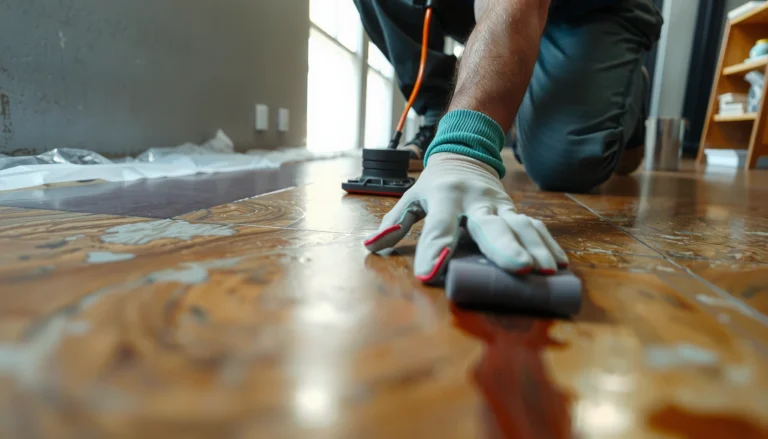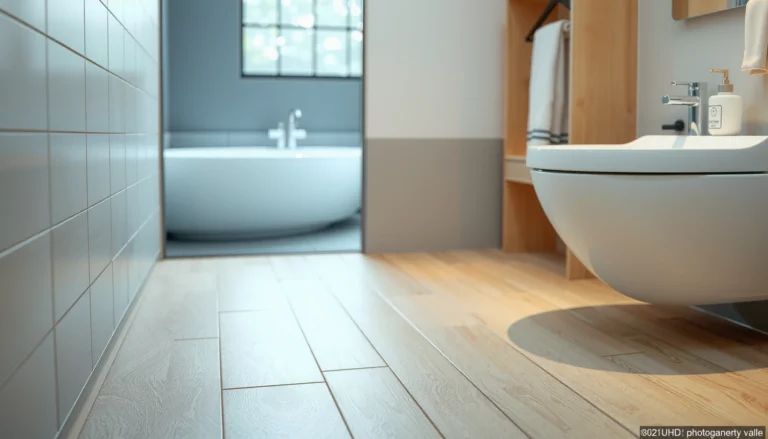

Choosing porcelain tile floors? Use this practical checklist to pick the right option fast—matching the tile’s PEI rating, slip resistance (especially for bathrooms and kitchens), and water absorption to your space. This buying guide tells you exactly what to verify before you buy, so you avoid the common mistakes that lead to cracking, staining, or unsafe floors.




Choose porcelain tile floors by matching the tile’s performance ratings (wear, water absorption, and slip resistance) to the room’s traffic and moisture conditions. Then dial in finish, thickness, and format so the tile’s specs work with your subfloor and installation method—before you buy.
This matters whether you’re building new, replacing damaged sections, or coordinating with a contractor: the “right” porcelain tile is the one whose documented limitations fit your real-world use.
Start with where the tile will go (room + traffic + moisture)
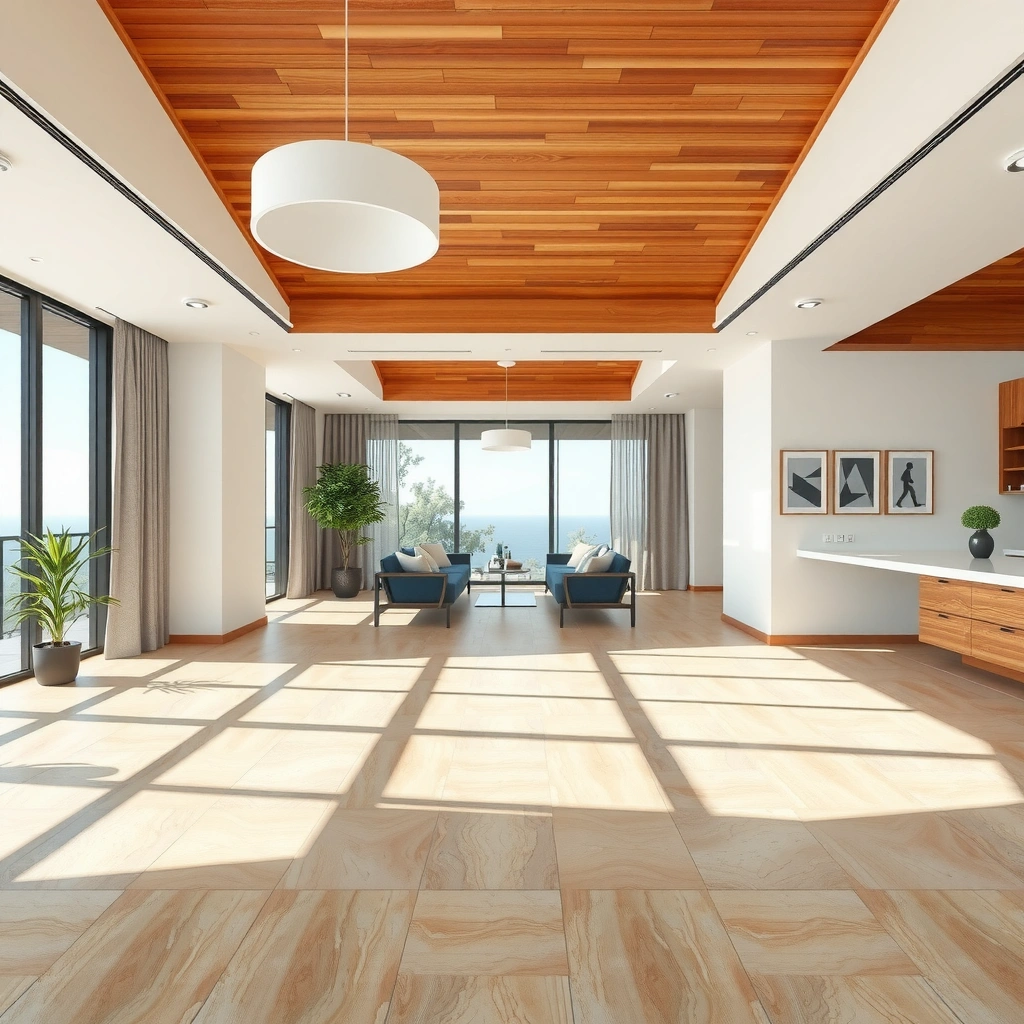
Pick porcelain tile by room function first: entryways and hallways emphasize durability under constant foot traffic, while bathrooms and kitchens demand moisture- and slip-safe performance. Then verify the installation target—porcelain works only as well as the substrate prep and the method designed for that tile format.
Porcelain tile is defined in part by very low water absorption, which is why it’s commonly selected for wet areas when paired with the correct slip rating. ISO 13006
Slip resistance requirements depend on where the tile will be used (wet floor versus dry traffic), so you should select based on the tile’s measured wet COF/DCOF (not just “tile looks textured”). ANSI A326.3
High-traffic areas benefit from wear classifications (commonly PEI ratings), which are specified on the manufacturer’s documentation rather than assumed from “porcelain.” ANSI A137.1
– Choose based on use: Entryways and hallways experience abrasive dirt and repeated rolling/pivoting loads, so you want porcelain with a wear classification appropriate for frequent traffic. Kitchens and baths see water exposure, condensation, and spills, so moisture handling and slip resistance become non-negotiable.
– Prioritize safety where it matters: Wet zones and floors exposed to tracked-in water or routine spills should be chosen with slip resistance in mind. In practice, that means you check for *measured* slip performance for the tile’s surface type (matte/textured vs polished).
– Confirm compatibility with your subfloor: Your final result depends on whether your substrate is flat enough and properly prepared for porcelain tile installation. Large-format porcelain and certain underlayment/setting systems have specific minimum requirements for flatness and bonding.
What we recommend you do before shopping (10 minutes):
Write the room list (e.g., “Entryway + Kitchen,” “Master bath shower area,” “Laundry”). For each room, note (1) how often water hits the floor, (2) whether the floor gets cleaned with lots of water, and (3) whether you have high-sand seasons that act like lightweight abrasive.
Understand porcelain tile ratings that affect performance
Pick porcelain tile by reading the manufacturer’s spec sheet and matching ratings to your room’s conditions. The fastest way to avoid mistakes is to compare absorption, wear, and slip performance using the tile’s documented values—not the tile description on a listing.
Porcelain tile typically has water absorption at or below 0.5%, which is established through standardized testing methods used in industry classifications. ISO 13006; ASTM C373
For slip resistance, ANSI A326.3 uses a quantified wet-testing approach (not subjective “roughness”), so you should confirm the tile’s measured coefficient of friction/DCOF for the finish you plan to buy. ANSI A326.3
Wear classifications such as PEI are tied to standardized abrasion testing and are meant for specific use categories—checking them helps you avoid premature surface dulling or etching. ANSI A137.1
– Look for kiln-fired porcelain characteristics and manufacturer specifications: Porcelain isn’t just “hard-looking tile.” You should confirm documented values for *absorption*, *intended use*, and any *wear/finish classification* presented by the manufacturer. For absorption, porcelain standards generally cap absorption at ≤0.5% (low absorption reduces water uptake and the risk of moisture-driven staining).
– Match the tile to your expectations: High-traffic spaces generally require tiles rated for tougher wear. Don’t rely on marketing language like “commercial” without the actual wear classification on the spec sheet. Compare the tile’s abrasion/wear rating category directly against the intended use recommendations provided.
– Don’t ignore maintenance expectations: Finish affects how a porcelain floor behaves under cleaning. Matte, textured, and honed finishes often hide dust and minor water spotting better than polished surfaces, while polished tile can show etching or streaking sooner when cleaning is inconsistent.
Porcelain Floor Performance Targets You Should Verify (Standards + Typical Thresholds)
| # | Spec you should confirm | Typical porcelain threshold | Why it matters | Risk if ignored |
|---|---|---|---|---|
| 1 | Water absorption (porcelain definition) | ≤ 0.5% | Limits water uptake and staining risk in wet exposure | ★★★★★ |
| 2 | Wet slip resistance criterion (common threshold) | DCOF ≥ 0.42 | Supports safer performance in wet/splash zones | ★★★★☆ |
| 3 | Abrasion/wear classification (PEI-based) | PEI 4–5 for heavy wear | Helps resist surface dulling/etching from traffic | ★★★★☆ |
| 4 | Finish type affects slip + cleanability | Matte/texture often preferred for wet | Surface profile influences friction when damp | ★★★★☆ |
| 5 | C.O.F. values are finish-specific | Verify for your exact finish | Polished/honed/tumbled variants may differ | ★★★★☆ |
| 6 | Intended environment (interior/exterior/wet-rated) | Use manufacturer environment label | Wrong environment increases failure risk | ★★★☆☆ |
| 7 | Slip + cleaning chemistry fit | Avoid leaving residues | Residues can reduce effective friction | ★★★☆☆ |
A practical way to read specs (so you don’t get lost)
When you compare two porcelain options, treat each spec like a pass/fail gate:
1. Water absorption: does it meet porcelain thresholds for low absorption?
2. Slip rating: does it meet wet-zone expectations for your finish?
3. Wear rating: is the surface designed for how your household actually walks and moves?
4. Installation fit: are the format and substrate requirements compatible?
If one tile “wins” on look but fails on slip in wet areas, it’s not the better buy.
Pick the right finish and surface for real daily use
Pick the finish that matches how your household uses the space, especially when floors get wet or you clean frequently. Matte or textured surfaces generally offer better day-to-day forgiveness (glare and visible marks), while polished finishes can be striking but require stricter cleaning habits and careful wet-safety planning.
DCOF and wet slip performance are evaluated using standardized methods, so the same porcelain body can behave differently depending on finish and surface texture. ANSI A326.3
Porcelain’s low absorption helps resist water uptake, but surface finish still affects how spills and residues present visually and frictionally. ISO 13006
Wear classifications like PEI are meant to guide expectations about surface abrasion in specific use categories. ANSI A137.1
– Choose matte or textured finishes for lower-glare and slip resistance: Textured and matte surfaces typically reduce glare and can maintain better traction when damp. Polished tiles often look “premium” but tend to be less forgiving in wet conditions unless the tile’s specific slip rating supports the location.
– Consider how your household behaves: If you have kids, older family members, pets, or you frequently wipe up spills, prioritize measured slip resistance and a surface profile that doesn’t turn routine cleaning into a chore.
– Plan for grout and appearance: Your tile finish influences how grout color, sheen, and any slight surface haze read across the floor. Glossy/polished tile often highlights minor unevenness in grout joints; matte tile usually hides small visual variations better.
Finish trade-offs (quick comparison):
| Finish type | Best for | Common downside to plan for |
|---|---|---|
| Matte / honed | Everyday family spaces, moderate-to-high foot traffic | Can still show streaking if cleaners leave residue |
| Textured | Bathrooms, entryways, wet/splash-prone zones | May require more careful cleaning technique to avoid debris in micro-texture |
| Polished | Dry areas where glare control and cleaning discipline are strong | Wet performance may not meet entry/bath expectations—always confirm the tile’s measured slip rating |
Size, thickness, and layout: avoid installation surprises
Pick porcelain format and thickness based on your subfloor flatness and the installation system you’ll use. Larger tiles and thicker-looking products can still fail if the substrate isn’t flat enough or if the mortar setting method doesn’t match the tile format requirements.
Large-format tile increases sensitivity to subfloor flatness and installation technique, because small irregularities scale up across longer spans. [ADD: source for flatness guidance from your chosen installation system/manual]
Porcelain thickness and build-up must align with the total installation height allowed by transitions, door clearances, and the underlayment or mortar system. [ADD: cite manufacturer guidance for your tile/thickness]
Layout planning is a practical necessity: aligning grout joints at doorways and edges reduces visible cuts and avoids narrow “sliver” pieces. [ADD: cite a standard like TCNA layout principles or installer handbook]
– Larger formats can look seamless—if the base is truly ready: Bigger porcelain tiles reduce grout lines visually, but they’re less forgiving when the subfloor isn’t flat. Verify the manufacturer’s flatness tolerance and the installation instructions for your chosen format.
– Confirm thickness and build-up needs: Thickness alone doesn’t guarantee better performance; what matters is how the tile is installed (mortar type, bed thickness, and whether your system uses leveling supports). If your installer is using a specific setting method, your tile format should match it.
– Think about layout before committing: Measure the room and plan for cuts at doorways and edges. Good planning reduces waste and prevents uneven grout lines that can appear “off” once the floor is in place.
From my perspective as a spec-reviewer: the most common “surprise” we see in porcelain projects isn’t the tile—it’s the coordination. That means door undercuts, height transitions to adjacent flooring, and ensuring the tile’s recommended setting mortar system is actually available and compatible with the substrate.
What can go wrong (and how to prevent it)
Most porcelain failures come from mismatched expectations: a tile chosen for appearance alone, installed on an unsuitable base, or used in the wrong environment without confirming specs. To prevent problems, treat the manufacturer’s documentation as part of the purchasing decision—not an afterthought.
Skipping the tile’s published absorption, wear, and slip guidance increases the chance of staining, unexpected wear patterns, or safety issues in wet zones. ANSI A137.1
Substrate and installation method compatibility are critical for tile performance, because mortar/adhesive bonding depends on correct substrate conditions and preparation. [ADD: cite manufacturer installation guide]
Finishes that appear similar can have different measured slip performance, so “close enough” on texture is not a substitute for the tile’s test data. ANSI A326.3
– Choosing for appearance only: A tile can look perfect but underperform in wet zones or high-traffic areas if you ignore slip resistance and wear specs.
– Skipping the specification sheet: Without the tile’s documentation for absorption/performance and recommended installation practices, you may encounter staining, cracking risk, or inconsistent results.
– Mismatching tile to subfloor/installation method: Even great porcelain can fail if the substrate prep, mortar/adhesive selection, or leveling approach isn’t aligned with the tile and format.
Common failure patterns to watch for
- Polished-look tile in splash zones where the measured wet slip rating isn’t appropriate.
- Ignoring transition heights when moving from tile to carpet/LVP, causing door clearance problems.
- Choosing big-format without confirming flatness, leading to lippage or hollow-sounding installation.
Verdict: how to choose confidently (with key downsides)
Porcelain tile floors are a strong choice when you select the right room suitability, confirm slip resistance for wet areas, and align tile size/thickness with your subfloor and installation plan. The downside: polished or highly smooth surfaces may require more careful cleaning habits and can feel less safe when wet, so they’re not ideal for every household.
If your subfloor is uneven and you don’t plan to correct it, consider smaller formats or confirm flattening requirements first—otherwise, you risk installation problems even with premium tile.
Quick scan checklist (save this)
– Room suitability: Is it rated for your space type and moisture level?
– Slip resistance: Is the finish appropriate for wet or high-spill areas (confirm measured wet COF/DCOF guidance)?
– Finish choice: matte/textured vs polished (daily cleanup + visibility of marks)?
– Specs review: manufacturer performance/absorption/maintenance guidance checked?
– Format + subfloor: tile size/flatness requirements confirmed?
– Installation plan: mortar/adhesive and prep steps aligned with tile specs?
FAQ
Do I need slip-resistant porcelain tile for bathrooms or entryways?
Yes—if the floor can be wet from showers, spills, or tracked-in water. Use the manufacturer’s slip resistance guidance for the specific tile finish.
Is thicker porcelain tile always better?
Not necessarily. Thickness needs to match the installation method and your subfloor/flatness situation—follow the manufacturer’s recommendations rather than assuming thicker is always stronger.
What’s the easiest porcelain finish to live with?
In many households, matte or textured finishes are more forgiving for glare and show fewer imperfections than polished surfaces—but the best choice depends on how often your floor gets wet and how you prefer it to look.
Can porcelain tile work over existing flooring?
Sometimes, but it depends on the existing surface condition and what the installation system requires. Check manufacturer and installer requirements for substrate prep and bonding conditions. [ADD: source for approved substrate conditions if you have a specific tile brand/system.]
Does grout choice matter as much as tile choice?
Yes. Grout color and performance (including stain resistance and compatibility with the tile installation) can significantly affect the final look and how easy the floor is to keep clean.
Sources
– ISO 13006, Ceramic tiles — Definitions, classification, characteristics and marking (porcelain classification including water absorption criteria).
– ASTM C373, Standard Test Method for Water Absorption, Bulk Density, Apparent Specific Gravity, and Apparent Porosity of Ceramic Tile (commonly used absorption test method).
– ANSI A137.1, American National Standard for Ceramic Tile (tile classifications and performance frameworks used by manufacturers).
– ANSI A326.3, Testing of Porcelain Tile for Wet Conditions (used to quantify slip resistance/wet COF/DCOF criteria).
– [ADD: manufacturer porcelain tile installation guide/spec sheet for the exact brand/model you plan to buy] (your tile’s specific flatness, substrate prep, mortar/adhesive, and finish-based slip guidance).
If you follow this checklist—room conditions first, then verified slip/wear/absorption specs, and finally format + installation compatibility—you’ll choose porcelain tile floors that look right and perform for years. The key is to treat documentation as the purchase driver, because that’s where “pretty” becomes “reliable.”
Frequently Asked Questions
What size and finish porcelain tile should I choose for my floor?
Start by measuring the room and choosing tile sizes that minimize cuts and visual seams; large-format porcelain is often easier to look clean and modern in bigger spaces. For finishes, select matte or low-sheen porcelain for living areas and bedrooms to reduce glare, while polished porcelain can look luxurious but may show scratches and slip concerns depending on its slip rating. If your space is prone to moisture (bathrooms, kitchens), prioritize slip-resistant finishes and confirm the surface texture rating.
How do I choose the right porcelain tile thickness and durability for high-traffic areas?
For most residential floors, 8–10 mm porcelain tile is common, but high-traffic areas may benefit from thicker tiles and a robust surface rated for floor use. Look for terms like “PEI rating” or equivalent durability guidance from the manufacturer, and verify that the product is specifically labeled for “floor” installation. Also consider wear resistance (often summarized by abrasion ratings) and whether the tile is glazed or through-body porcelain for better long-term appearance.
Why does the porcelain tile slip rating matter, and which rating should I use?
Slip rating is critical because even attractive porcelain tile can become hazardous if it’s too smooth when wet. Use a recognized slip resistance standard from the manufacturer—especially in entryways, bathrooms, and kitchens—so the floor remains safe under water and cleaning conditions. As a practical rule, choose matte or structured porcelain with a higher slip rating for wet zones and verify performance for your specific use case and local requirements.
Which porcelain tile is best for underfloor heating compatibility?
Not all porcelain tiles respond the same to heat, so choose porcelain labeled as suitable for underfloor heating and check the manufacturer’s guidance on thermal conductivity and installation method. Tiles with suitable thickness and appropriate setting materials help maintain consistent floor temperatures and prevent cracking or lippage. Also consider grout selection and the heating system’s temperature limits to ensure long-term performance and comfort.
How do I choose the best porcelain tile color and grout combination to avoid visible dirt and stains?
Dark or highly saturated porcelain can hide dirt better, but light colors may show grout haze, staining, and foot marks more easily—so test samples in your lighting conditions. Choose a grout color that complements the tile and consider stain-resistant, polymer-modified grout for everyday maintenance. If you’re worried about appearance over time, opt for porcelain with subtle movement or natural-looking veining and pair it with a grout shade close to the tile tone to reduce contrast.
📅 Last Updated: October 08, 2026 | Topic: How to choose porcelain tile floors? | Content verified for accuracy and freshness.
References
- Porcelain tile
https://en.wikipedia.org/wiki/Porcelain_tile - https://en.wikipedia.org/wiki/Ceramic_tile
- https://en.wikipedia.org/wiki/Slip_resistance
- https://www.britannica.com/technology/tile
- https://www.tcnatile.com/
- Google Scholar Google Scholar
https://scholar.google.com/scholar?q=how+to+choose+porcelain+tile+flooring - Google Scholar Google Scholar
https://scholar.google.com/scholar?q=porcelain+tile+floor+water+absorption+properties - Google Scholar Google Scholar
https://scholar.google.com/scholar?q=porcelain+tile+flooring+slip+resistance+COF+R+value - https://pubmed.ncbi.nlm.nih.gov/?term=porcelain+tile+water+absorption+flooring
- https://www.sciencedirect.com/search?qs=porcelain%20tile%20water%20absorption%20flooring%20properties