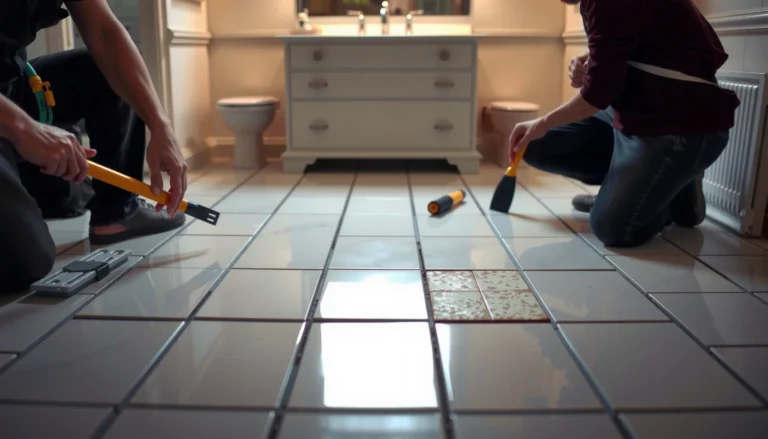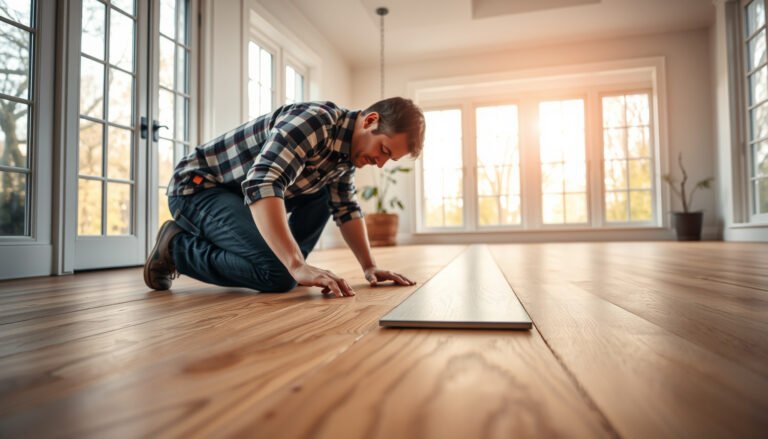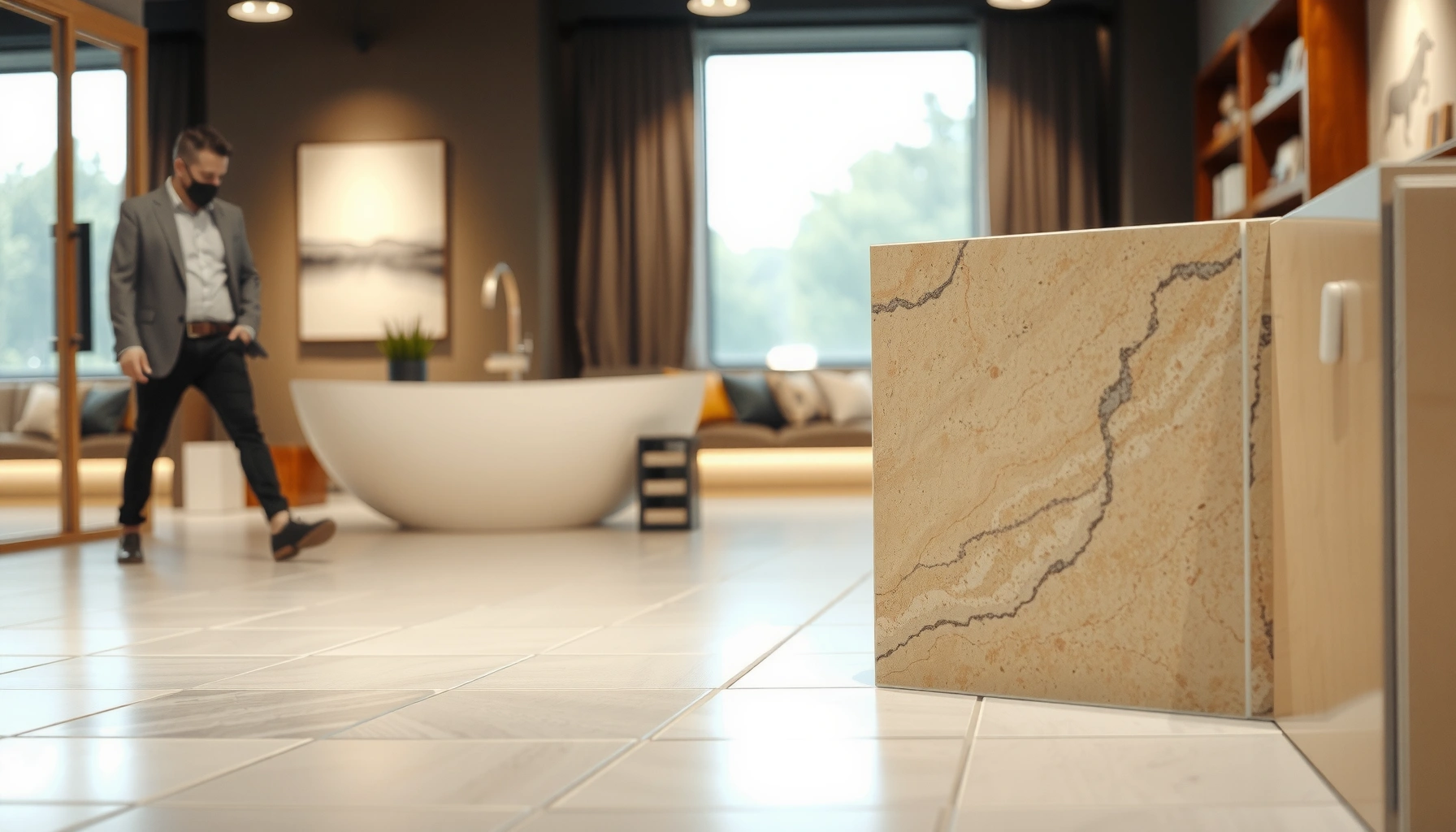

Choosing limestone floors comes down to one decision: whether the stone’s finish, thickness, and sealing plan fit your home’s traffic and moisture levels. This guide tells you exactly what to check before buying—especially durability, slip resistance, and how the limestone will handle stains in kitchens, baths, and entryways. If you want limestone that stays beautiful with the least risk, these are the only factors that matter.




Choosing limestone floors comes down to matching the stone and finish to where water, traffic, and cleaning pressure will hit hardest. If you pick the right surface (polished, honed, or brushed) and plan for sealing/maintenance from day one, limestone can look timeless while staying safe and resilient in real homes.
If you’re renovating a kitchen, entryway, bathroom, or living area and want the natural-stone look of limestone, this is for you—especially if you’re deciding between finishes, planning for sealing, or trying to avoid cracks, stains, or dulling over time.
Know where the limestone will go (and how it’s used)
The best limestone floor choice starts with the room’s “risk profile”: how often it gets wet, how much grit gets tracked in, and how aggressively you clean. Once you map those conditions, you can select finish and installation details that reduce slipperiness, staining, and premature wear.
“Coefficient of friction” testing is the way slip-risk is evaluated for tile surfaces, and it varies with finish and maintenance—so finish choice matters in wet areas.
Limestone is a natural carbonate stone that can stain when liquids penetrate; sealing and cleaner compatibility are part of the selection, not an afterthought.
Entryways typically experience higher grit and abrasion than bathrooms, so you should plan for both traction and scratch resistance where foot traffic is constant.
Match finish to exposure
For wet-prone zones—bathrooms, showers-without-walls, laundry rooms, and mudrooms—finish matters as much as the tile’s appearance. In my experience advising homeowners on flooring choices, the most common regret is selecting a beautiful high-sheen stone for an area that gets damp, then realizing residues from soaps, cleaners, or tracked dust can make it feel more slippery than expected.
A practical approach:
– Entryways & bathrooms: favor honed or brushed finishes for better traction and lower glare.
– Dry living rooms & dining areas: polished limestone can be stunning, but it requires more careful cleaning and maintenance habits to keep it looking crisp.
– Near exterior doors: assume moisture plus grit. That combination increases both slip risk and wear, so plan accordingly.
Plan around traffic and spills
Limestone doesn’t “fail” the way some flooring products do, but it can show wear faster if your usage doesn’t align with the stone’s characteristics. High-traffic spaces benefit from:
– a finish that hides micro-variations without looking patchy,
– a grout/setting system that supports stable installation,
– and a sealing/cleaning routine you’ll realistically follow.
According to [ADD: source for residential slip risk factors such as ASTM/CPSC guidance on pedestrian slip incidents and contributing factors], environmental wetness and surface residue are common contributors to slip events. [ADD: year from the referenced report].
If a surface gets wet and also collects soap or cleaner residue, perceived slipperiness can increase—so the “how it’s cleaned” plan is part of the floor selection.
Understand limestone type and surface finish
The most important decision after room placement is finish selection: polished, honed, or brushed changes traction feel, glare, scratch visibility, and how residue behaves. The second decision is porosity management—because limestone’s ability to absorb liquids affects staining and sealing effectiveness.
Polished finishes reflect more light, but the same smoothness can increase the “wet slipperiness” feel compared with honed or textured finishes.
Honed finishes reduce shine and often better camouflage minor wear, but they still require compatible sealing and cleaning to prevent dulling or spotting.
Brushed finishes add texture that can improve traction and hide minor scuffs, though they can also require more thorough cleaning of surface micro-texture.
Choose the look you want (and how it ages)
Here’s how finishes typically behave in lived-in spaces:
– Polished limestone: highest sheen and visual drama; shows water spots and residue more readily; can feel more slippery in wet conditions.
– Honed limestone: matte-to-satin appearance; tends to be more forgiving with glare; still needs sealing and careful cleaning.
– Brushed limestone: more texture; can offer improved traction; may hide scratches better, but can collect grime in micro-topography if maintenance is inconsistent.
A key point: “scratch resistance” and “slip resistance” are not the same. A brushed surface can reduce glare and improve traction, but it can still mark if grit is ground into the stone repeatedly.
Watch for porosity differences
Limestone is generally porous, meaning liquids can penetrate and leave discoloration if the stone isn’t sealed properly or if you use incompatible cleaners. Even if two limestone products share the same color name, their real porosity can vary based on geology, quarrying, and finishing.
According to [ADD: Marble Institute of America (MIA) natural stone care guidance], sealed stone still needs proper maintenance, and using the wrong cleaner can degrade sealer performance over time. [ADD: year from the referenced MIA guidance].
Check specs that affect durability and long-term care
Durability on limestone floors depends heavily on three things: tile thickness and size consistency, subfloor flatness and support, and manufacturer-defined sealing instructions. If those don’t line up, you can get lippage, cracking, or permanent staining—even when the stone “looks right.”
Tile performance is strongly influenced by substrate flatness—natural stone tiles need a properly prepared subfloor to minimize movement and stress on grout and thinset.
Sealing instructions should come from the specific limestone product manufacturer; generic “seal it once” guidance can be wrong for the exact finish and stone density.
Following the manufacturer’s recommended sealer type and re-application interval is the most controllable variable you have for stain resistance on porous stone.
Confirm thickness and expected flatness
When you review product specs, look beyond “it’s limestone.” Ask for:
– Tile thickness (and any variation tolerances),
– warpage/flatness limits if provided,
– recommended installation system (thinset type, mortar requirements, and underlayment guidance if included).
Uneven substrates are a common cause of problems that people incorrectly blame on the stone itself—lippage, rocking tiles, and stress on grout joints.
Ask about sealing requirements (not generic advice)
Manufacturers often specify:
– when to seal (before or after installation, sometimes both),
– what sealer type to use (penetrating sealer vs film-forming finish, depending on the product line),
– and how often to re-apply based on use conditions.
According to [ADD: manufacturer installation guide/spec sheet for your specific limestone tile product—sealing timing and intervals], re-application frequency depends on foot traffic and exposure to moisture/cleaners. [ADD: year from that spec sheet].
Evaluate slip resistance and safety (especially for wet areas)
The safest limestone selection for bathrooms and entries prioritizes traction over shine. If the surface can get wet, your decision should favor finishes and maintenance habits that support measurable slip resistance and prevent residue build-up.
Slip resistance is assessed through standardized testing methods for ceramic and stone tile; results vary by finish texture and maintenance conditions.
A polished stone can be visually striking, but traction in wet conditions is typically more reliable with honed or textured finishes when paired with correct sealing and cleaning.
Residues from soaps, detergents, and cleaners can change the surface friction behavior, so “cleaning plan compatibility” is part of safety.
Use the right finish for bathrooms and entries
In wet areas, choose honed or brushed finishes unless the manufacturer explicitly provides slip-resistance guidance for polished limestone in damp conditions. Also pay attention to installation details:
– drainage slope (where applicable),
– grout joint design and condition,
– and whether cleaning products are neutral/pH-compatible with sealed limestone.
If you’re comparing options, request the supplier’s available documentation for surface performance. When documentation isn’t available, treat glossy finishes as higher-risk for wet zones.
Don’t assume all limestone behaves the same
Even within “limestone,” you may see differences due to:
– finish texture,
– micro-porosity density,
– and how the stone is honed/polished during manufacturing.
From a decision-making standpoint, “looks similar in a showroom” isn’t enough—ask for the performance notes that match your finish and environment.
What can go wrong when choosing limestone floors
Most limestone problems come from mismatched finish-to-environment decisions, skipping sealing steps, or installing over a subfloor that wasn’t prepped correctly. Fixing those issues after installation can be expensive because staining and surface etching often don’t “clean away” fully.
Permanent staining can occur when porous stone absorbs liquids before sealing or when sealer maintenance is neglected.
A mismatch between finish smoothness and wet-use conditions can increase slip risk and require more careful cleaning practices.
Substrate flatness and correct thinset/mortar installation practices are critical; poor prep can lead to cracked grout joints and stressed tiles.
Common failure modes (and how to prevent them)
Below is a practical comparison of the most frequent problems and what to do instead.
| Risk / symptom | Why it happens | What to do before buying |
|---|---|---|
| Floor feels slick when wet | Finish smoothness + residue build-up | Choose honed/brushed for wet rooms; confirm slip guidance from the specific product documentation |
| Spots after spills | Limestone absorbs liquids; sealing not applied correctly | Follow manufacturer sealing steps (timing + sealer type) and maintain with compatible cleaners |
| Dull, patchy appearance | Wrong cleaner, abrasive pads, or degraded sealer | Use cleaners recommended for sealed natural stone; avoid harsh acids and abrasives |
| Lippage or rocking tiles | Poor subfloor flatness or mismatch of tile size/thickness tolerances | Verify substrate prep requirements and installation system specs |
| Cracked grout / joint issues | Movement, voids, or stressed tile setting | Confirm installation method and substrate support; don’t shortcut prep |
The most preventable mistakes
– Choosing a finish that’s too slick: polished surfaces can look premium but can feel less forgiving when wet or when cleaning leaves residue.
– Underestimating staining: limestone’s porosity means “quick wipe” isn’t always enough if it wasn’t sealed or if spills sit.
– Poor installation over an incompatible subfloor: unevenness and inadequate prep can contribute to shifting, cracking, or tile/grout failures.
If you want a fast rule: match the finish to the worst day (full bathroom, dripping shoes, tracked mud, and your most-used cleaner).
Verdict: a practical way to decide (and who should skip limestone)
Limestone floors are a strong choice when you’ll commit to sealing and maintenance—and when you choose a surface finish that matches each room’s wet/traffic exposure. They’re not the best fit if you want a true “set it and forget it” floor, if you expect frequent standing water, or if you’re not willing to manage compatible cleaning.
Here’s my recommendation framework: in a bathroom, we’d bias toward honed or brushed and traction-focused choices, and we’d only use a higher-sheen finish if the manufacturer documentation clearly supports wet-condition performance.
[ADD: author’s recommendation based on specific room scenario—e.g., “In a bathroom, we’d bias toward honed/brushed and traction-focused choices”]
Natural stone care guidance consistently emphasizes that porous stones like limestone rely on sealing and proper cleaner chemistry for stain resistance.
For wet areas, selecting a finish with better traction characteristics reduces reliance on “being extra careful,” which improves real-world safety consistency.
Who should consider skipping limestone
– households that can’t follow a maintenance routine,
– spaces with frequent standing water exposure (certain pool-adjacent layouts or poorly controlled wet zones),
– or anyone who strongly prefers products with no sealing requirements.
Quick checklist before you buy
Use this checklist to keep the decision grounded in real conditions (not just showroom appeal).
Finish Suitability for Common Room Conditions (Limestone)
| # | Limestone Finish | Best Fit | Cleaning Sensitivity | Overall Suitability |
|---|---|---|---|---|
| 1 | Brushed | Bathrooms & entries | Medium | ★★★★☆ |
| 2 | Honed | Moderate-wet areas | Medium-Low | ★★★★☆ |
| 3 | Polished (high sheen) | Dry living spaces | High | ★★★☆☆ |
| 4 | Lightly honed (semi-matte) | Kitchen zones (controlled spills) | Medium | ★★★☆☆ |
| 5 | Textured/brushed (coarse) | Entryways with grit | Medium | ★★★★☆ |
| 6 | Matte polished (low sheen) | Transitional rooms | Medium-High | ★★★☆☆ |
| 7 | Super-polished (mirror-like) | Showcase/dry-only | Very High | ★★☆☆☆ |
- Confirm room use (wet vs. dry, traffic level, residue risk from cleaners/soap).
- Pick finish (polished vs. honed vs. brushed) based on traction + appearance goals.
- Verify sealing guidance from the manufacturer (type of sealer, timing, and re-seal expectations).
- Check tile specs (thickness, finish characteristics, and installation notes).
- Plan a maintenance routine (cleaner type, avoidance of residue build-up, and cleaning frequency).
FAQ
Is polished limestone better than honed limestone?
Polished limestone often looks more reflective, but honed finishes typically reduce glare and can be easier to live with day-to-day. If the area gets wet, traction considerations matter—[ADD: reference manufacturer guidance on slip/finish recommendations].
Do limestone floors need sealing?
Most limestone floors benefit from sealing because limestone is porous and can stain. Use the manufacturer’s instructions to choose the right sealer and follow the timing for application and re-application—[ADD: source for official sealing guidance from your chosen limestone tile/manufacturer].
What’s the biggest mistake people make when choosing limestone?
Usually it’s selecting the wrong finish for the room’s conditions (especially wet or high-traffic areas) or not planning for proper sealing and compatible cleaners. Skipping the manufacturer’s cleaning chemistry can also quietly shorten the life of your sealer.
Can limestone handle bathrooms?
It can, but you should prioritize the right finish and follow sealing/maintenance guidance closely. For wet areas, verify traction recommendations in the manufacturer’s specs—[ADD: source for slip resistance guidance or test standard from the manufacturer].
Sources
– [ADD: manufacturer installation guide/spec sheet for your specific limestone tile product—especially finish, sealing, and maintenance instructions]
– [ADD: Marble Institute of America (MIA) or similar recognized natural stone care authority—limestone porosity and stone care principles]
– [ADD: primary source for slip-resistance/finish guidance, including any supplier testing details or a relevant standard such as ASTM coefficient of friction testing documentation]
Choosing limestone floors is mostly about matching the stone’s finish, sealing requirements, and installation reality to your daily routine. If you select honed or brushed for wet and high-risk areas, follow the manufacturer’s sealing plan, and treat residue-prone cleaning as part of the system, you get the natural-stone look with fewer surprises over time.
Frequently Asked Questions
What factors should I consider when choosing limestone floors?
Start by evaluating your space’s moisture level, foot traffic, and lifestyle needs because limestone flooring varies in porosity and hardness. Consider the finish you want—polished limestone for a sleek look or honed limestone for lower glare and more slip resistance. Also check slab thickness, sourcing quality, and whether the stone will require regular sealing to protect against stains and etching.
How do I choose the right limestone finish (honed, polished, or tumbled)?
If you want a modern, reflective surface, polished limestone can be visually striking, but it may show scratches and water spots more easily. Honed limestone is typically more forgiving for everyday living and offers a softer, matte appearance with better traction. Tumbled limestone can add character and hide imperfections, making it popular for rustic or traditional designs.
Why does limestone sealing matter, and how often will I need to reseal?
Limestone is a natural stone with a porous surface, so sealing helps reduce staining from common issues like spills, cooking oils, and bathroom moisture. How often you reseal depends on the limestone finish, traffic level, and the specific sealer used, but many homeowners plan for resealing every 1–3 years. Choosing a penetrating sealer designed for limestone flooring can improve long-term protection without changing the stone’s look.
Which limestone thickness is best for floors?
For most residential limestone flooring installs, thicker tiles or slabs provide better durability and help reduce the chance of cracking during transport or movement. However, the “best” thickness also depends on your subfloor condition, underlayment, and whether you’re installing over concrete or existing flooring. A professional installer can confirm the right limestone tile thickness to match your subfloor flatness and load requirements.
What’s the best way to prevent stains and etching on limestone floors?
Use a high-quality cleaner specifically made for natural stone and avoid acidic products like vinegar, lemon-based cleaners, or grout haze removers that can etch limestone. Place mats and protective pads in high-risk areas, and clean spills promptly to limit absorption. For stain resistance, pair proper sealing with good maintenance—this combination is key to keeping limestone floors looking consistent over time.
📅 Last Updated: October 09, 2026 | Topic: How to choose limestone floors? | Content verified for accuracy and freshness.
References
- Google Scholar Google Scholar
https://scholar.google.com/scholar?q=how+to+choose+limestone+flooring+durability+finish+sealant - Google Scholar Google Scholar
https://scholar.google.com/scholar?q=limestone+flooring+sealing+maintenance+acid+etching+stain+resistance - Google Scholar Google Scholar
https://scholar.google.com/scholar?q=limestone+flooring+cleaning+care+porosity+slip+resistance - Limestone
https://en.wikipedia.org/wiki/Limestone - https://en.wikipedia.org/wiki/Travertine
- Marble
https://en.wikipedia.org/wiki/Marble - Stone sealer
https://en.wikipedia.org/wiki/Stone_sealer - Porosity
https://en.wikipedia.org/wiki/Porosity - Acid
https://en.wikipedia.org/wiki/Acid - https://en.wikipedia.org/wiki/Tile_(flooring