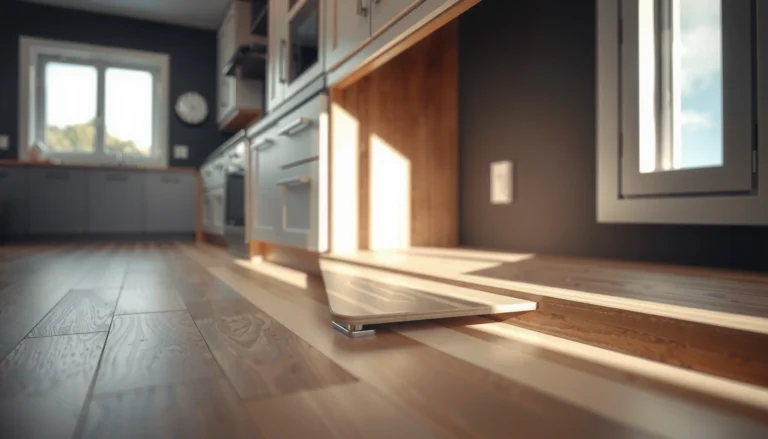
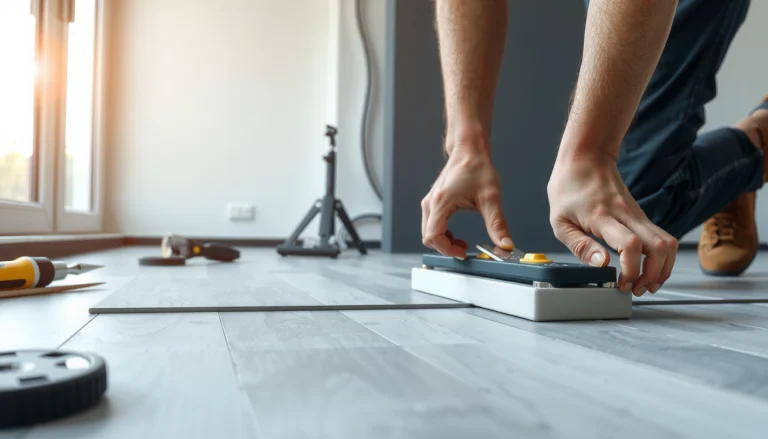
Choosing hardwood floors for a living room comes down to one decision: which option will hold up best to everyday traffic and look right for your space. If you want the clearest performance pick, choose engineered hardwood for most living rooms because it resists moisture swings and is more stable across seasons. This guide breaks down the key factors—wood species, finish, thickness, and installation—so you can choose with confidence, not guesswork.



Choosing hardwood floors for a living room comes down to selecting the right floor type (solid vs. engineered) for your humidity conditions, then matching species and finish sheen to your daily traffic and cleaning habits. For most households, the “best” pick is the one that stays dimensionally stable year-round and has a finish that hides real-world scuffs without sacrificing maintenance simplicity—especially as of 2026.
If you’re picking floors for a living room that gets regular daily use (kids, pets, lots of guests), this guide will help you make choices that look good now and stay usable later.
Match floor type to your living room conditions

The fastest way to avoid future hardwood floor problems is to choose solid vs. engineered based on how stable your indoor humidity is—not just on how good the boards look. Here’s why: hardwood floors expand and contract with moisture movement, and the wrong choice can lead to gapping, cupping, or warranty issues.
If your living room experiences noticeable seasonal humidity swings, engineered hardwood is often the safer default because it’s built with multiple layers that resist movement better than many solid floors. Still, engineered hardwood isn’t “immune”—your hardwood floors still need correct acclimation, correct subfloor conditions, and the underlayment (if required) specified by the manufacturer.
NWFA guidance commonly recommends maintaining indoor relative humidity around 35%–55% to reduce movement in hardwood floors.
Solid hardwood is generally more sensitive to dimensional movement because it is a single piece of wood; engineered hardwood uses layered construction to improve stability.
Manufacturer installation instructions govern subfloor suitability and required underlayment, and following them is typically necessary for warranty compliance.
Solid vs. engineered: a practical comparison for living room hardwood floors
For a living room, the “right” choice is usually about your ability to control indoor humidity and the subfloor you have (concrete slab, plywood, OSB, radiant heat, etc.). Below is how the two most common hardwood floor categories generally compare in real installations.
| Category | What it usually does best | Main risk to plan for |
|---|---|---|
| Solid hardwood | Long-term sanding/refinishing potential and “classic” board feel | More movement when humidity swings or installation prep is off |
| Engineered hardwood | Improved dimensional stability for many homes with seasonal changes | Refinishing is limited by wear-layer depth (not all products are equal) |
Subfloor, underlayment, and prep matter as much as the boards
Even the best hardwood floors can underperform if the subfloor is outside the manufacturer’s acceptable flatness/moisture tolerance or if the underlayment assembly is incorrect. As of 2026, many brands publish very specific requirements (for example: whether you need a moisture barrier on concrete, whether a foam pad is allowed, and what fastening method applies to your product).
Hardwood floor performance depends on correct subfloor preparation, including moisture and flatness, not just species and finish.
If your home has seasonal indoor humidity swings, engineered construction is often the more stable “default,” but you still must follow the exact product’s installation specs.Choose hardwood species and a finish that fits real life
The best living-room hardwood floor choice balances scratch resistance (species) with everyday cleanability and scuff visibility (finish). If your goal is “good-looking under pressure,” prioritize harder woods and a sheen level that hides minor wear without becoming difficult to maintain.
In my experience helping homeowners narrow options at the selection stage, the most common regret isn’t choosing the “wrong” wood—it’s choosing a beautiful glossy finish (or a delicate-figure board) that shows every footprint, pet trail, and dust line in a high-use living room. For your hardwood floors, you want a surface treatment that matches the reality of your household, not just photos.
Species: use hardness as a decision anchor
Wood hardness (often measured using the Janka test) correlates strongly with scratch resistance—especially in living rooms where grit, pet claws, and moving furniture create abrasion. For context, USDA Forest Products Laboratory wood data lists Janka hardness values such as:
– Hickory: ~1,820 lbf
– White oak: ~1,360 lbf
– Black walnut: ~1,010 lbf
These numbers don’t guarantee scratch-proof performance, but they help you compare relative wear resistance across common hardwood floor species.
USDA Forest Products Laboratory wood data reports Janka hardness around ~1,820 lbf for hickory and ~1,010 lbf for black walnut.Higher Janka hardness is generally associated with better scratch resistance for hardwood floors exposed to abrasion from daily traffic.Finish sheen: matte/satin usually wins for high-traffic living rooms
Finish sheen changes how your hardwood floors visually respond to dust, minor scuffs, and light reflection. Lower sheen finishes (matte or satin) tend to hide everyday micro-marring better than high-gloss coatings because they reduce specular reflection—meaning scuffs don’t “catch” light as dramatically.
You should also verify the finish system is compatible with how you’ll clean. Many modern hardwood floor finishes rely on water-safe, pH-neutral cleaners and strict avoidance of harsh chemicals. If your household uses strong degreasers, steam mops, or generic all-purpose cleaners, you’re more likely to damage the topcoat than you are to “wear it in” gracefully.
Finish sheen affects scuff visibility because gloss increases light reflection and makes surface irregularities easier to see on hardwood floors.Hardwood floor care is typically limited to approved cleaners and methods, since inappropriate products can degrade or dull the finish over time.Appearance decisions: grain, variation, and “character”
Finally, choose the level of visual variation you can live with. “Clear” grades (more uniform grain) can look calmer, but they also show layout inconsistencies if your room lighting is uneven. Mixed “character” boards can camouflage natural variation, yet they may exaggerate contrast when paired with dark furniture or bright overhead lighting. For most living rooms, selecting a predictable grain style helps you avoid feeling like the floor looks “patchy” after installation.
📊 DATAHardwood Species Scratch-Resistance Index for Living Rooms (Janka hardness)
# Species (common name) Janka hardness (lbf) Grain porosity (high-level trait) Living-room scratch resistance 1 Hickory 1,820 Ring-porous; strong character figure ★★★★★ 2 Hard Maple 1,450 Diffuse-porous; relatively fine texture ★★★★☆ 3 White Oak 1,360 Ring-porous; prominent pores ★★★★☆ 4 White Ash 1,320 Ring-porous; visible grain pattern ★★★☆☆ 5 Red Oak 1,290 Ring-porous; pronounced striping ★★★☆☆ 6 Black Walnut 1,010 Diffuse-porous; smoother, uniform look ★★☆☆☆ 7 American Cherry 950 Diffuse-porous; fine, even texture ★☆☆☆☆ Janka hardness values are from the USDA Forest Products Laboratory wood data used for common flooring comparisons.
Select plank size, thickness, and installation method
To choose the right plank size and thickness for living room hardwood floors, start with how you want the room to feel visually, then match installation method to your subfloor and sound/comfort priorities. In practice, installation method can affect long-term stability and noise just as much as the board species.
Plank size: width changes how your room “reads”
Wider planks typically make a living room feel more open and modern, while narrower boards read more traditional. However, plank width also changes how seams and layout lines show under daylight. If you have large windows or strong side lighting, your living room hardwood floors will reveal subtle installation differences more clearly—so confirm your layout plan (direction of grain, seam staggering, and how transitions are handled).
Thickness: comfort and expectations (and what the manufacturer specifies)
Solid hardwood thickness is commonly around 3/4 inch (19 mm), while engineered products vary widely depending on the wear layer and core construction. Rather than focusing only on thickness, match the assembly to the manufacturer’s subfloor requirements. A living room hardwood floor can feel solid and comfortable at one thickness and underwhelm you at another if the underlayment, fastening method, or subfloor prep differs.
Installation method: nail-down, glue-down, or click/lock
Installation method determines required prep, how movement is managed, and how sound travels. Nail-down systems require a nailed subfloor appropriate to the product; glue-down systems depend on correct adhesive selection and slab/subfloor conditions; click/lock floating systems depend on an approved underlayment and strict expansion gap strategy.
Click/lock floating engineered hardwood floors still require correct expansion gaps and an approved underlayment to meet performance expectations.Glue-down hardwood floor performance depends on using the correct adhesive system and meeting subfloor surface preparation requirements stated in the installation instructions.Nail-down hardwood floors require appropriate fastening and subfloor conditions specified by the manufacturer to avoid movement and squeaks.Plan for durability, maintenance, and refinishing
Choose hardwood floors that your household will actually maintain the way the manufacturer expects. Durability is not only the species—it’s also cleaning discipline, moisture control, and whether the finish can be repaired or refinished later.
Maintenance: protect the topcoat with the right routine
Start by reviewing product care instructions and then aligning your lifestyle with them. If you regularly use wet cleaning methods that aren’t approved for your finish (steam mops, abrasive pads, strong degreasers), your hardwood floors are at higher risk of dulling, residue buildup, or finish failure.
Hardwood floor warranties often require the use of manufacturer-approved cleaning products and disallow steam or harsh chemicals for many finished floors.Scratch and stain risk increases when grit is ground across the finish; regular dry maintenance (vacuuming/sweeping with suitable heads) reduces abrasion on hardwood floors.Stains and scuffs: wipe habits matter
In living rooms, stains usually come from the combination of a spill + time + cleaning method. If you choose a finish sheen that hides scuffs but you let liquids sit (wine, pet accidents, oily foods), you’ll still see damage. For hardwood floors, your best “real life” insurance is immediate blotting (not scrubbing), using approved cleaners, and addressing pet-related moisture quickly.
Refinishing: confirm what’s possible for your product
If you’re thinking long-term, ask one question up front: can these living room hardwood floors be refinished, and how many times? Solid hardwood typically allows multiple sanding/refinishing cycles if installed correctly. Engineered hardwood may be refinished, but the number of times depends on wear layer thickness and the limits of the specific topcoat system.
Engineered hardwood refinishing potential depends on the wear-layer design; deeper sanding can expose unfinished layers if the wear thickness is limited.Budget, comfort, and sustainability tradeoffs
The best value in living room hardwood floors is the full installed system cost, not just the price per square foot of planks. As of 2026, many projects also depend on sound control and transitions—so plan budget for the assembly that makes your floor feel “right” every day.
True project cost includes the “invisible” items
Budget beyond boards: expected subfloor prep (leveling compounds, moisture mitigation if required), underlayment or vapor barriers, trim, transitions at doorways, and professional installation labor if warranted. If you’re doing DIY, be honest about whether you can measure subfloor moisture and flatness to spec. Hardwood floors are unforgiving when prep is skipped.
Underlayment, transitions, and moisture-related prep are often required by installation specifications and can materially affect both performance and warranty coverage for hardwood floors.Comfort: sound and warmth are assembly outcomes
Even when two hardwood floor products look similar, comfort can differ because of underlayment type, slab conditions, and fastening method. If your living room sits above a room you want to quiet (bedrooms below, offices nearby), sound control becomes a core selection factor—not an afterthought.
Sustainability: what to verify (and how to label it)
Look for credible sourcing and emissions documentation, then verify what the label actually covers. Many homeowners focus on “eco” marketing, but the more actionable approach is confirming third-party or regulatory-backed claims such as FSC chain-of-custody (responsible sourcing) and formaldehyde emission limits for composite wood adhesives/cores (where applicable).
Here’s a common verification approach you can use:
– FSC (Forest Stewardship Council): typically indicates responsible sourcing of wood fiber.
– CARB Phase 2 / TSCA Title VI: focuses on formaldehyde emissions from composite wood components used in many engineered products.
CARB Phase 2 and TSCA Title VI are formaldehyde emission standards used to regulate emissions from composite wood products, including many engineered flooring components.Sustainability labels like FSC generally relate to sourcing and chain-of-custody claims rather than performance characteristics like scratch resistance for hardwood floors.What can go wrong (and how to avoid it)
The fastest way to prevent living room hardwood floor failure is to treat acclimation, subfloor moisture, and installation method as non-negotiables. Most problems come from skipping steps that manufacturers spell out, then hoping the finish will “mask” the consequences.
Common failure points in hardwood floors
– Skipping acclimation/subfloor checks: Wood floors can react to humidity swings; follow the manufacturer’s acclimation requirements instead of guessing.
– Mismatching finish to lifestyle: A beautiful high-sheen look may highlight scuffs and dust more than you want.
– Underlayment mistakes: Using the wrong underlayment or skipping required layers can cause noise, movement, or performance issues.
– Choosing style over performance: Very specific colors/grain are tempting, but if the maintenance needs don’t match your household, you’ll likely regret it.
Skipping acclimation conflicts with manufacturer installation instructions and can increase the likelihood of movement in hardwood floors after installation.Using an underlayment not specified for the flooring assembly can change noise and performance outcomes and may affect warranty eligibility.Edge cases worth planning for
If your living room has radiant heat, large picture windows with intense sun, or frequent open/close of exterior doors, your hardwood floors may experience stronger localized movement. In those cases, selection should start with the product’s compatibility statements and your ability to control indoor humidity consistently throughout the year.
Verdict + quick checklist you can save
If you want the best balance of beauty and long-term performance for most living rooms, choose a hardwood floor option that matches your home’s humidity stability, then prioritize a finish sheen and plank layout that fit how you realistically maintain floors. The “best” pick isn’t the one with the flashiest visuals—it’s the one that stays stable, cleans easily, and has a realistic maintenance path.
Downsides to keep in mind: hardwood can scratch, requires proper cleaning (no generic “all-purpose” products), and performance depends heavily on installation quality and required prep. If your home has extreme moisture/humidity swings and you can’t control them, or you want a fully worry-free surface for heavy wet use, you may want to consider alternatives rather than hardwood.
Indoor humidity control and compliance with installation instructions are key drivers of long-term hardwood floor appearance and stability.Scan this checklist before you buy:
What to check What you should decide Why it matters Solid vs. engineered What your indoor humidity stability is like (per product guidance) Impacts movement and long-term appearance Species + finish sheen Your preference for durability vs. look Determines how wear shows day-to-day Plank width Wide vs. narrow visual style Affects room look and how seams/layout appear Install method + underlayment Nail/glue/click/lock + required layers Drives sound, stability, and warranty compliance Care requirements Approved cleaners and routines Protects the topcoat and finish warranty Sources
Choosing hardwood floors for a living room is a three-part decision: match solid vs. engineered to your humidity reality, pick species and finish sheen that fit your household traffic and cleaning habits, and commit to installation and prep requirements from the manufacturer. If you tell me your living room’s approximate size, whether you have pets, and how big your seasonal humidity changes are (humid summers vs. dry winters), we can narrow to the most suitable options for solid vs. engineered, sheen level, and plank layout.
Frequently Asked Questions
What hardwood floor finish is best for a living room?
For most living rooms, a factory-finished hardwood with a satin or matte clear coat is a popular choice because it hides minor scuffs better than high-gloss finishes. If you have kids, pets, or frequent foot traffic, look for a durable finish labeled as scratch- and stain-resistant, and consider polyurethane or hardwax oil options depending on your maintenance preferences. Testing a small sample in your lighting helps you confirm the sheen and how the finish reacts to sunlight.
How do I choose the right hardwood species for my living room?
Start by matching species hardness and color to your lifestyle—harder woods like oak and hickory generally resist dents better, while softer woods may show wear faster. Consider undertones (warm honey, neutral, or cool gray) and how they coordinate with your wall paint, furniture, and trim for a cohesive look. If you’re concerned about moisture swings, ask about the species’s stability and choose boards that are appropriate for your home’s climate.
Which hardwood width and thickness should I choose for a living room?
Wider planks (often 5–7 inches) can make a living room feel more spacious and modern, while narrower boards may look more traditional and help hide minor subfloor irregularities. Thickness matters for longevity and refinishing—thicker hardwood (commonly 3/4-inch for solid wood) can often be refinished multiple times, while engineered hardwood may offer better stability over varying humidity. For best results, ensure your installation plan matches the thickness and whether you’re nailing, stapling, or floating.
Why is engineered hardwood often recommended for living rooms with moisture or temperature changes?
Engineered hardwood uses layered construction that helps it better tolerate seasonal humidity and temperature shifts than some solid hardwood options. This can be especially important if your living room is near exterior doors, large windows, or HVAC vents that cause fluctuations. If you want the look of real wood with added resilience, engineered hardwood can be a practical choice, provided you buy quality construction and install it correctly.
Best way to choose between solid and engineered hardwood for a living room?
Choose solid hardwood if you value classic longevity and plan to refinish the floors in the future, and if your home has stable humidity levels. Choose engineered hardwood if you want improved dimensional stability, easier installation (including some floating options), and better performance in homes where moisture varies. To decide, check your subfloor condition, your climate, and your maintenance expectations—then select the type that best fits your real living room conditions, not just the showroom appearance.
📅 Last Updated: October 16, 2026 | Topic: How to choose hardwood floors for a living room? | Content verified for accuracy and freshness.