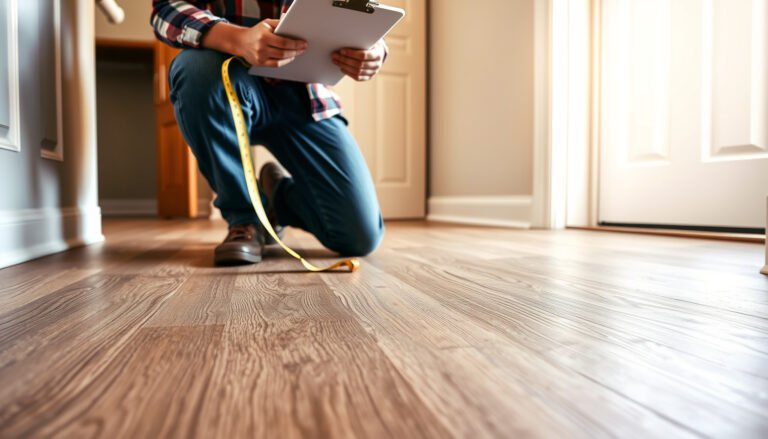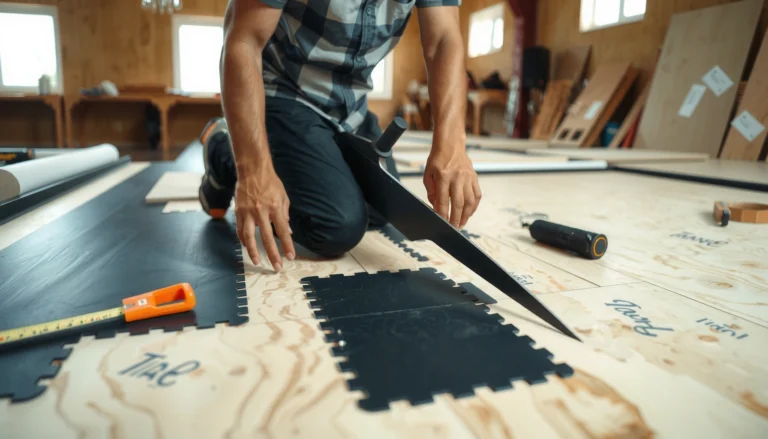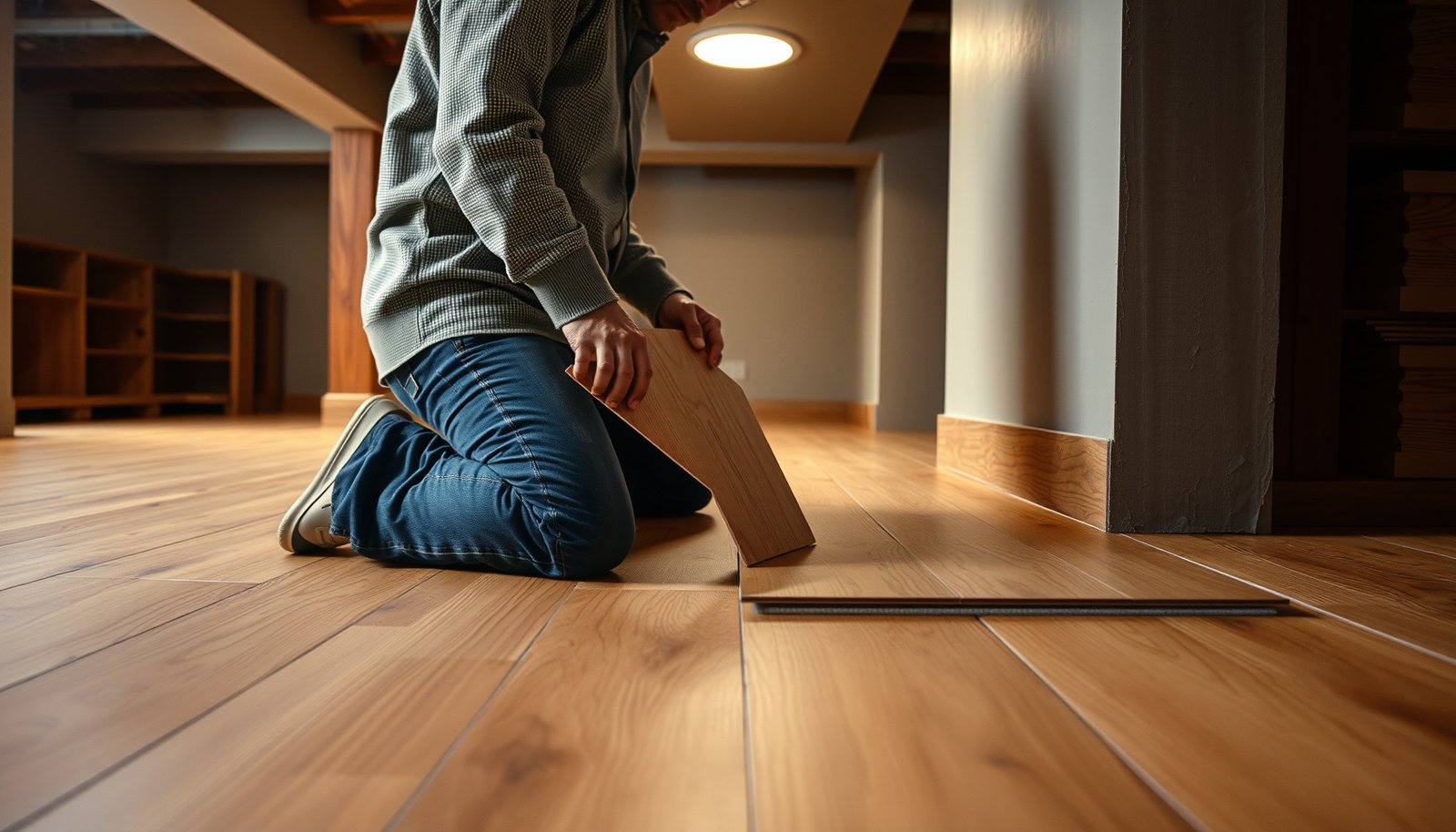

Choosing hardwood floors for a basement isn’t about picking a style—it’s about managing moisture and temperature swings without warping or cupping. If you’re looking for the safest choice, engineered hardwood with a moisture-resistant core and an appropriate underlayment wins for most basements because it tolerates damp, variable conditions far better than solid hardwood. Read on to learn the key specifications to match your basement to the right wood type, thickness, finish, and installation method.



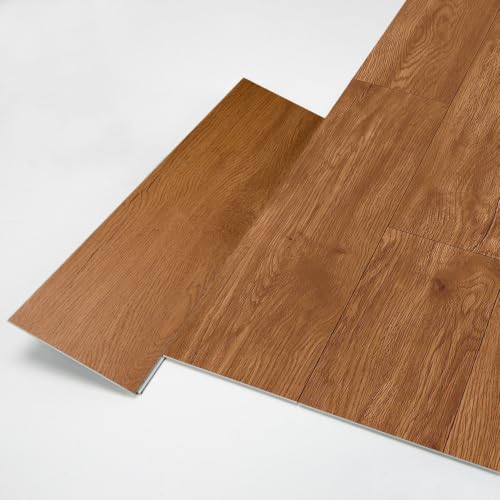
If you’re finishing a basement (or upgrading an existing space) where concrete is the main subfloor, this guide helps you pick hardwood without betting the project on guesswork. It’s also useful when you’re comparing solid vs. engineered, floating vs. glue-down, and trying to figure out what preparation you’ll actually need.
Start With Basement Moisture Testing (Don’t Guess)

The best basement hardwood flooring outcome starts with concrete moisture testing, because wood movement is driven by moisture conditions inside the slab—not by how the room “feels.” Test first, compare to the manufacturer’s limits, and only then choose an installation system designed for below-grade risk.
In my experience helping homeowners and contractors work through install failures, the most expensive “surprise” is almost always skipped moisture testing, not the wood species itself. Basements may look dry while the concrete still releases moisture slowly, especially when HVAC cycles through humid summer conditions. For basement hardwood flooring, those moisture dynamics matter even if the visible surface stays clean and dark-stain-free.
Basement hardwood flooring should be matched to the concrete slab’s measured moisture condition, not to an estimate or visual inspection.
ASTM F2170 reports concrete moisture as in-situ relative humidity (%RH), which is the basis many manufacturers use for acceptance limits.
Moisture content testing for wood (ASTM D4442) defines moisture content as a calculated percentage from wet and oven-dry mass.
– Test the concrete slab using the method required by your flooring installer/manufacturer (often in-situ RH/temperature testing or other accepted concrete moisture testing).
– Compare results to the wood flooring’s stated allowable moisture/range; if you can’t meet those limits, plan for remediation or reconsider the material.
– Identify basement humidity sources early (bulk water, leaks, sump failures, HVAC issues), because a “better floor” won’t fix an ongoing moisture problem.
Key moisture measurements you’ll actually see in specs
According to ASTM F2170, in-situ RH testing reports moisture as relative humidity (%) measured with probes in the slab. According to ASTM D4442, wood moisture content is calculated from wet mass and oven-dry mass using a defined equation: MC% = ((wet mass − dry mass) / dry mass) × 100. According to ASTM F1869, the calcium chloride method reports moisture vapor emission rate (MVER) in lbs per 1,000 sq ft per 24 hours—an output format many warranties reference.
Concrete Moisture Test Outputs Commonly Referenced in Wood-Flooring Specs
| # | Test / Method | Standard | Primary Output | Basement-Floor Match |
|---|---|---|---|---|
| 1 | In-situ relative humidity probes | ASTM F2170 | %RH + slab temperature | ★★★★★ |
| 2 | Calcium chloride (MVER) | ASTM F1869 | MVER (lbs/1,000 sq ft/24 hr) | ★★★★☆ |
| 3 | Moisture meter screening (surface) | ASTM D4444* (method categories) | Surface readings (not a warranty standard) | ★★★☆☆ |
| 4 | Plastic sheet / visual condensation checks | Not an ASTM “acceptance” test | Qualitative surface moisture behavior | ★☆☆☆☆ |
| 5 | Concrete alkalinity / pH checks (adhesives) | Bond-readiness tests (adhesives-specific) | pH/chemical compatibility | ★★★☆☆ |
| 6 | Thermal and RH equilibration validation | Part of test protocols | Stabilized readings before acceptance | ★★★★☆ |
| 7 | Flooring-material moisture content (wood MC) | ASTM D4442 | MC% for job-site equilibrium | ★★★★☆ |
Note: surface moisture meters are helpful screening tools, but job-site warranty acceptance typically depends on manufacturer-approved concrete moisture tests (often ASTM F2170 or ASTM F1869).
Pick the Right Hardwood Type for a Concrete Basement
For basement hardwood floors, engineered hardwood is usually the lower-risk choice because it’s built for dimensional stability and controlled moisture movement. Still, “engineered” isn’t a guarantee—your installation system must be explicitly approved for concrete and below-grade conditions.
The key distinction for basement hardwood flooring is how the product responds when the slab releases moisture seasonally. Engineered products use layered construction that can resist cupping and edge-buckling better than many solid installs in marginal moisture conditions. When I review basement projects, the same theme repeats: homeowners often focus on wood appearance and miss the installation method that controls moisture pathways.
Engineered hardwood is commonly recommended over solid when the subfloor is concrete and humidity varies through the year.
A floating or glue-down basement hardwood system must follow the exact approved method in the installation instructions for concrete slabs.
Manufacturers typically define acceptance based on measured slab moisture plus a specified underlayment/vapor control assembly, not just the floor type.
– Consider engineered hardwood first: it’s commonly recommended for below-grade environments because it’s more stable than solid in fluctuating moisture conditions.
– Be realistic about installation method: click/float systems, glue-down systems, or systems designed for concrete can differ widely—follow the exact approved method in the installation instructions.
– If you’re set on solid hardwood, treat it as a higher-risk choice unless your moisture control is strong and the manufacturer specifically allows that installation in basements.
Engineered vs. solid: how risk usually shifts in basements
Here’s a practical contrast that helps you decide based on failure modes (cupping, gapping, adhesive stress) rather than marketing language:
| Feature | Engineered (typical basement profile) | Solid (higher basement sensitivity) |
|---|---|---|
| Moisture response | Often more stable due to layered construction | Greater dimensional movement risk if slab moisture fluctuates |
| Most common failure triggers | Missing vapor control, incorrect underlayment, poor slab prep | Moisture out of spec, insufficient vapor control, warranty-incompatible method |
| Installation flexibility | More systems are explicitly designed for concrete | Often requires stricter moisture conditions to stay within limits |
| Who benefits most | Most basement builds where the slab is the subfloor | Projects with very strong moisture control and explicit manufacturer approval |
Choose Species, Thickness, and Finish for Real Basement Conditions
The best basement hardwood flooring choice balances appearance with moisture-tolerance characteristics such as construction stability, wear layer thickness, and finish performance. A beautiful species with the wrong finish sheen or insufficient wear layer can still disappoint once the basement becomes a high-traffic family space.
Basements introduce practical constraints: temperature swings, higher relative humidity, and frequent foot traffic from storage access, laundry routines, and kids’ activities. Basement hardwood flooring doesn’t “fail” only through visible water events—it can fail slowly through expansion/contraction cycles that show up as gapping, squeaks, or finish wear.
Even when slab moisture is within limits, finish and wear layer choices affect how basement hardwood flooring scuffs and whether it can be refinished later.
Sheen level influences how dust, footprints, and minor scuffs show on basement hardwood flooring surfaces.
Thickness and engineered wear layer design influence both dimensional stability and how much material remains if refinishing becomes necessary.
– Select a stable construction and finish system designed for residential interior environments; basement conditions can be harsher than above-grade rooms even when you don’t see leaks.
– Pay attention to wear layer (for engineered) and overall thickness, since these affect how the floor handles changes in humidity and how refinishing might work later.
– Factor in sheen and maintenance: glossier finishes can show dust and scuffs more readily, while darker colors can highlight wear patterns faster in high-traffic zones.
Practical selection notes that reduce surprises
When you choose basement hardwood flooring, don’t treat “thickness” as a single variable. For engineered hardwood, the wear layer thickness determines how many refinishing cycles are realistically possible, while the overall plank build influences how the floor behaves during humidity swings. For solid hardwood, thicker boards can feel premium, but in basements they only help if the moisture conditions remain within the manufacturer’s allowance for that specific product.
If you plan to add rugs, chair pads, or frequent-mop cleaning, consider how the finish chemistry responds to those routines. Many warranties rely on using the cleaning compounds they specify, and some finishes are more sensitive to residue buildup that can trap moisture near seams.
Nail Down Subfloor Prep: Underlayment, Flatness, and Vapor Control
For basement hardwood flooring, the installation system is only as good as the slab preparation and moisture-control assembly underneath it. If the concrete isn’t flat enough or the vapor plan is incomplete, even the right engineered hardwood can develop movement, squeaks, or seam problems.
In walkthroughs, I often see excellent-looking engineered floors fail because the slab was not prepared to the flatness and cleanliness requirements listed in the instructions. Basement floors demand extra discipline around underlayment selection and adherence: the manufacturer specifies the vapor control approach for a reason—different assemblies create different moisture migration behavior.
Most hardwood installation problems originate from concrete prep issues—flatness, cleanliness, and correct substrate contact—more than from the wood itself.
Basement hardwood flooring installation instructions typically require a specific underlayment/vapor control plan for concrete subfloors.
Skipping acclimation can contribute to gapping and movement because job-site equilibrium moisture differs from packaging/storage conditions.
– Get the slab flat before install: most hardwood failures you’ll notice are tied to installation issues like inadequate flatness or poor contact with the substrate.
– Use the approved underlayment/vapor control plan specified by the flooring manufacturer for concrete subfloors (don’t substitute “something similar” unless the instructions explicitly allow it).
– Plan for acclimation requirements if your manufacturer calls for it; skipping acclimation can contribute to gaps or movement.
What “flat” and “clean” mean in practice
Concrete flatness requirements are always product-specific, so use the flooring manufacturer’s installation guide as the controlling document. On many basement sites, floor prep often includes grinding high ridges, filling low spots per the specified patch system, and removing dust so underlayment and adhesives bond reliably.
Also confirm how the system handles seams and transitions. For example, a click/float basement hardwood floor may require an approved foam or vapor layer thickness and seam-tape method. A glue-down basement hardwood system may require different substrate chemistry readiness and adhesive selection. Either way, you’re trying to prevent moisture pathways from bypassing the engineered underlayment system.
What Can Go Wrong (Common Basement Mistakes)
The fastest way to prevent basement hardwood flooring failures is to avoid the predictable mistake categories: moisture testing shortcuts, mismatched installation methods, and ignoring seasonal humidity swings. Most problems show up as gapping, cupping, loose planks, or finish breakdown—and they often trace back to install decisions, not the wood’s beauty.
From what I’ve observed in troubleshooting calls, the “fix” is frequently more work than the original installation. Once the slab releases moisture out of spec, replacing planks and correcting assembly details usually can’t undo the damage that already occurred to adhesives, underlayment integrity, and the wood’s equilibrium state.
Skipping moisture testing is the most frequent reason basement hardwood flooring installations end up outside warranty-acceptable conditions.
Using an installation method not approved for concrete can void warranties because the moisture pathway control differs by system.
Basement relative humidity can shift with HVAC operation and seasons, so basement hardwood flooring must remain compatible year-round.
– Skipping moisture testing: choosing a wood floor “because it’s beautiful” while the slab moisture/humidity is out of spec is the most frequent expensive mistake.
– Using the wrong installation method: basements often involve concrete, and not every hardwood system is intended for every concrete-vapor condition.
– Assuming all basements behave the same: humidity can swing with seasons, HVAC settings, and water control—your floor needs to be compatible with your specific conditions.
Common edge cases to plan for
If you have a bathroom-adjacent basement, a workout room with frequent humidifiers or kettles, or a laundry area with venting issues, moisture loads rise. Also watch for past water events: even if the space “dries,” residual moisture inside wall cavities can keep humidity elevated.
If the basement is unconditioned for parts of the year, your basement hardwood flooring choice must account for that wider humidity range. In those cases, controlling indoor humidity—through proper HVAC sizing, dehumidification, and air sealing—often matters as much as the flooring assembly.
Verdict: A Practical Way to Choose (and When to Skip Hardwood)
For most basement projects, the best path is engineered hardwood installed with a concrete-approved method plus the manufacturer’s required vapor/underlayment assembly. The practical catch is that you must meet moisture limits and do the prep correctly—otherwise the floor’s risk profile jumps quickly.
Here’s the honest trade: basement hardwood flooring can look and perform like a finished living space, but only when moisture testing, vapor control, flatness, and installation details are treated as “scope,” not “nice-to-have.” If you can’t meet manufacturer moisture limits consistently, or you’re unwilling to follow the exact approved installation requirements, it’s smarter to skip hardwood and pick a flooring option designed for higher-moisture tolerance.
For concrete subfloors, engineered hardwood plus an approved vapor-control underlayment is typically the most reliable basement hardwood flooring strategy—when moisture limits are met.
If a project can’t be kept within the product’s moisture limits, choosing basement hardwood flooring can shift from “upgrade” to “replacement cost.”
Warranty coverage for basement hardwood flooring commonly depends on documented moisture testing and strict adherence to the installation system.
Quick Basement Hardwood Checklist (Scan & Save)
| Decision point | What to confirm |
|---|---|
| Moisture conditions | Concrete moisture testing method + results meet the flooring manufacturer’s limits |
| Floor type | Engineered vs. solid (engineered is usually the safer basement bet) |
| Installation method | Approved system for concrete (click/float vs. glue-down vs. other) |
| Vapor/underlayment | Manufacturer-specified underlayment/vapor control for below-grade/concrete |
| Subfloor quality | Slab flatness, cleanliness, and required prep steps |
| Product compatibility | Warranty/installation instructions explicitly allow basement use |
| Maintenance plan | Ongoing humidity control + realistic cleaning/refinish expectations |
Frequently Asked Questions
What hardwood floors are best for a basement?
For basements, engineered hardwood is usually the best choice because its layered construction helps resist warping from moisture and humidity swings. Look for products marketed as “basement-ready” or suitable for below-grade installations, and prioritize options with an attached vapor barrier or compatible underlayment. Solid hardwood can work in very controlled, moisture-stable basements, but engineered is typically safer when you’re dealing with potential dampness.
How do I choose the right wood species and finish for basement humidity?
Choose a wood species known for dimensional stability, and consider lighter woods or tighter-grain species that are less prone to cupping in variable conditions. For the finish, opt for a durable, factory-finished surface designed for higher traffic and resistance to moisture; avoid overly delicate finishes that can scuff or dull quickly. Regardless of species, maintain indoor humidity (often around 35–55%) and use a high-quality moisture management system to protect hardwood flooring.
Which underlayment and moisture barrier should I use under basement hardwood floors?
Use an appropriate underlayment designed for engineered hardwood and confirm its compatibility with the manufacturer’s installation guidelines. Many basement hardwood installations require a vapor barrier to reduce moisture migration from concrete, especially for floating or nail-down systems over slabs. If you’re gluing down, follow the specific adhesive and moisture criteria from the flooring brand—using the wrong barrier or skipping moisture testing can lead to failure even with the best hardwood floors.
Why do basements require moisture testing before installing hardwood?
Concrete slabs can release moisture that you can’t always see, and untreated moisture can cause engineered hardwood to swell, separate, or develop moldy odors underneath. Testing helps you determine whether your basement environment meets the moisture tolerance for hardwood floors and whether you need additional mitigation like vapor barriers or leveling compounds. This step is crucial to avoid expensive replacements and to ensure your installation warranty remains valid.
How do I pick the right installation method for hardwood floors in a basement?
Your installation method should match your slab condition, moisture levels, and the hardwood product you choose—floating, nail-down, or glue-down are all possible depending on the flooring system. Floating engineered hardwood is often selected for basements because it can better handle minor movement, but it still requires correct vapor control and expansion gaps. If your basement has higher moisture risk or uneven concrete, consider using a moisture-mitigating underlayment and proper leveling to ensure the flooring performs long-term.
📅 Last Updated: October 16, 2026 | Topic: How to choose hardwood floors for a basement? | Content verified for accuracy and freshness.