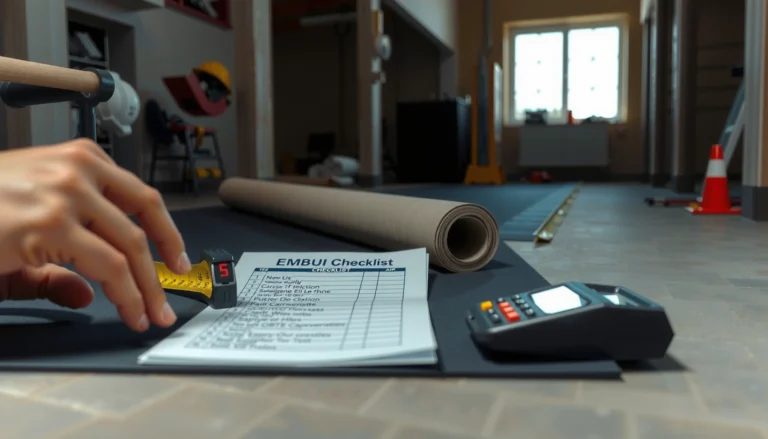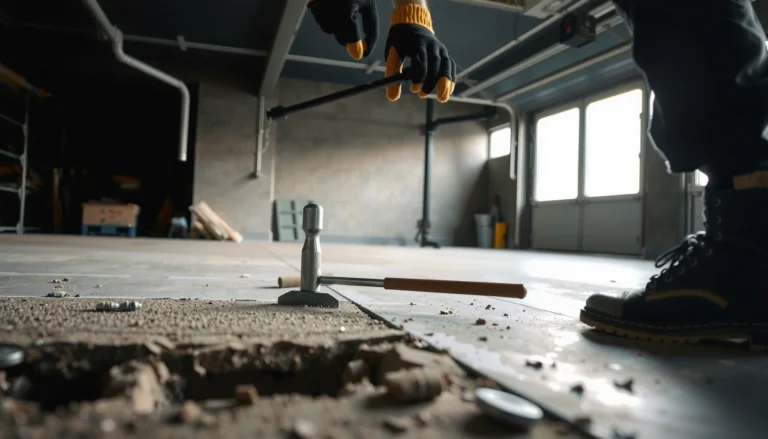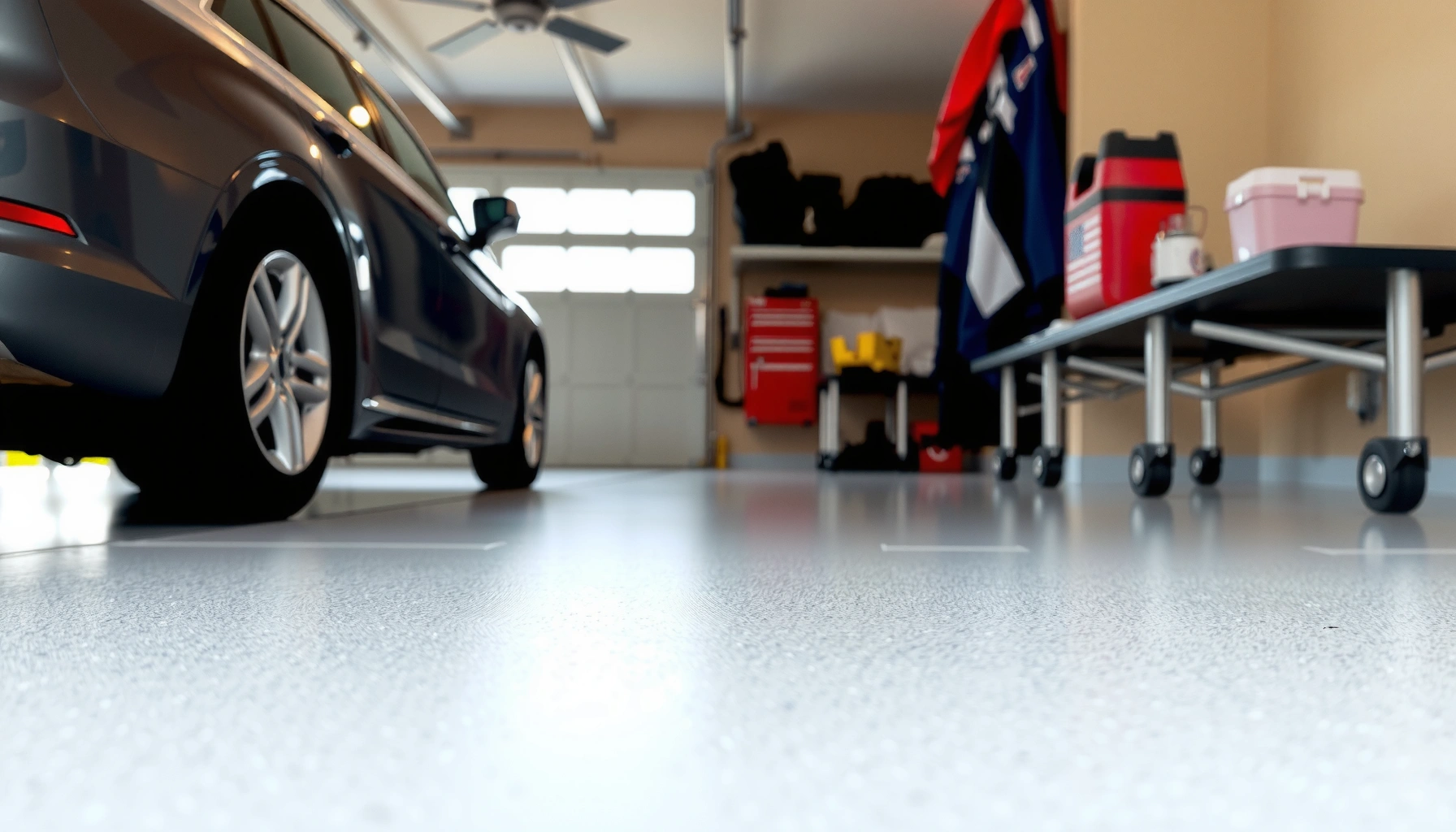

Choosing the right garage floor finish comes down to one question: what will your floor handle day to day—cars, moisture, chemicals, and how much wear you’ll tolerate. If you want the most durable, easiest-to-maintain option for typical homeowner use, epoxy coating is the winner, delivering strong protection and a clean, sealed surface. But if you prioritize slip resistance, impact toughness, and long-term traction, polyaspartic or a rubber/paint system may beat epoxy for your specific conditions.
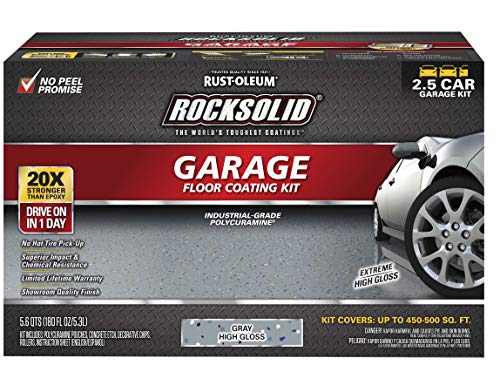

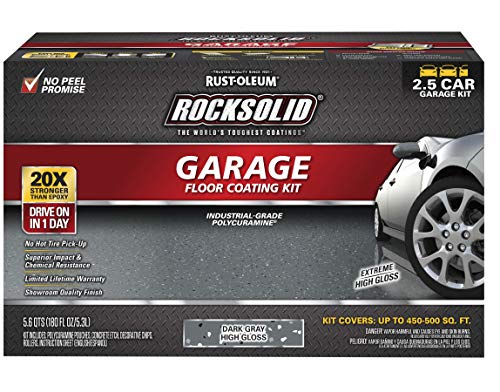
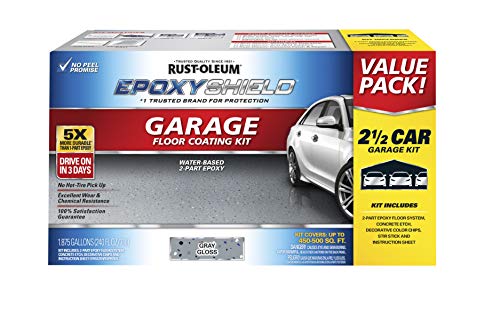
The right garage floor choice is a match between your coating (or surface) and how the garage is actually used—cars, tools, foot traffic, moisture, and chemical exposure. Pick the finish type based on durability and resistance, but treat concrete prep and moisture control as the real “make-or-break” step for long-term performance.
Choosing the right garage floor comes down to matching the coating or surface to your use (cars, tools, foot traffic), expected moisture, and how much prep you’re willing to do. Start by checking your concrete condition and drainage so you don’t trap moisture under the finish. Then pick a system (epoxy, polyurethane, concrete sealer, polyaspartic, or rubber/tile) based on durability, chemical resistance, and maintenance.
If your garage sees wet boots, oil/chemicals, or heavy vehicle use, the best option is usually a coating rated for those exposures and installed over properly prepared concrete. This guide is for homeowners and light-shop users who want a practical way to compare options without getting stuck on marketing terms.
Step 1: Match the floor to how you use the garage
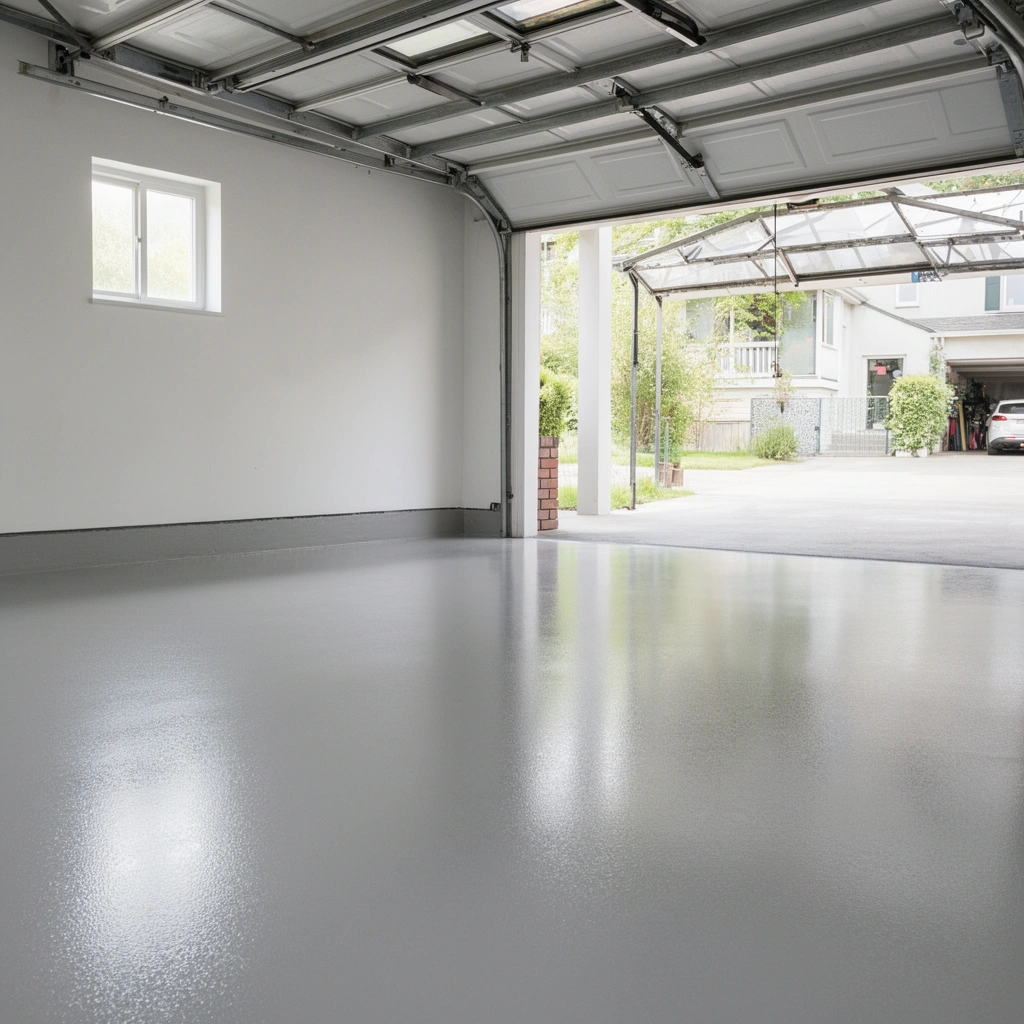
The best garage floor finish is the one designed for your specific exposure pattern—parking-only, spills, workshop chemicals, or frequent temperature swings. If you pick based on look alone, most failures show up as peeling, staining, or gloss loss instead of staying “like new” for years.
Garage floor coatings last longest when the product is rated for the exact exposures you’ll see (oil/grease, water, UV, and abrasion), rather than “general-purpose” claims.
A garage used for mopping, washing vehicles, or tracking in snow typically needs a system with reliable moisture tolerance and slip-resistant surface behavior.
For 2024 and beyond, the most common homeowner mistake is choosing a “garage coating” SKU that was marketed for appearance rather than for chemical and moisture realities. Garage floor coatings don’t fail because the color didn’t match the brochure; they fail because the system wasn’t aligned with how your garage works day-to-day—wet boots, drip zones under vehicles, tool use that grinds grit into the surface, and the way your slab handles seasonal moisture.
Decide your main exposure (and map it to real activities)
Garage floor coatings should reflect what hits the floor:
– Normal parking / light foot traffic: prioritize cleanability and scuff resistance.
– Frequent spills (coolant, brake fluid, gas drips, WD-type solvents): prioritize chemical resistance and solvent-resistant topcoat behavior.
– Workshop chemicals (cleaners, degreasers, fertilizers, solvents): prioritize chemical durability and stable gloss.
– Frequent temperature swings (hot summers, cold winters): prioritize flexibility and a system designed to handle contraction/expansion cycles.
Choose your maintenance tolerance
Garage floor coatings aren’t “set-and-forget.” Some finishes are easier to maintain because they tolerate routine washing without degrading quickly. If you want low effort, plan for a system that resists staining from common garage fluids and supports straightforward cleaning.
Consider slip risk (especially if you park in snow/rain)
Even if a garage floor coating is durable, it can still be hazardous if it becomes slick when wet. For slip risk, look for traction guidance in the coating’s technical documentation (for example, whether it uses traction aggregates, a textured topcoat, or an anti-slip additive). For 2024, homeowners increasingly ask about traction performance because garages are also laundry zones, mud rooms, and “gear storage” areas.
Step 2: Assess your concrete and moisture conditions first
The right garage floor finish can still fail if moisture vapor is trapped under it. Before you shop epoxy, polyaspartic, or concrete sealer, you need to assess the slab’s condition, contaminants, and moisture risk so the finish adheres and cures correctly.
Moisture vapor transmission can cause coating failure modes like blistering and debonding when the substrate conditions don’t meet the product’s limits.
Surface cleaning and profiling requirements (removing grease and creating an appropriate anchor profile) are typically defined in a coating’s TDS and often matter more than the finish “brand name.”
Check for surface damage and contaminants
Start with the slab itself. Garage floor coatings require a surface that’s free of:
– Grease and oils (common from lifts, stored vehicles, and prior spills)
– Dusting concrete (weak surface layer that can prevent bonding)
– Cracks (active vs. dormant makes a huge difference)
– Old sealers/coatings (often incompatible unless removed and verified)
If your slab has old paint, flaking, or unknown coatings, you’ll usually need to remove them or grind down to bare concrete per the product documentation.
Address moisture risks before you apply any coating or sealer
Coatings and sealers can fail when moisture vapor pressure builds under a film. Many systems specify a maximum moisture level determined with industry testing methods. A common framework is:
– ASTM F1869 (Calcium Chloride test) is used to measure moisture vapor emission rate.
– Many epoxy-type systems accept ≤ 3 lb/1000 sq ft/24 hr as a threshold (verify the exact number in your product’s TDS).
According to ASTM F1869, calcium chloride testing is used to quantify moisture vapor emission rates for concrete intended to receive floor coatings.
If you’re unsure, follow the manufacturer’s substrate requirements (and test method)
Do not guess. Garage floor coatings are only as reliable as their documented substrate acceptance criteria. If you need a specific method for your scenario, use manufacturer direction and testing standards for coatings over concrete.
[ADD: source for the specific moisture testing method you plan to use, e.g., “ASTM F1869 calcium chloride” plus the manufacturer’s stated acceptable limits.]
Also consider substrate prep standards such as ICRI for concrete surface profiles.
According to ICRI (Concrete Surface Profile guidance), surface profiling (often via grinding/shot blasting) is selected to create mechanical bond for coatings.
Step 3: Compare the main garage floor options (what they’re best at)
The best choice among epoxy, polyurethane, polyaspartic, concrete sealer, and rubber/tile depends on your exposure type—especially oil/chemicals and whether you need UV-stable appearance. Here’s how the main garage floor systems typically perform in real-owner scenarios.
Epoxy coatings are widely used because they create a strong bond and a hard, abrasion-resistant surface—if prep and application conditions are correct.
Polyurethanes and polyaspartics are commonly selected when you need better color stability or faster installation windows, but you still must follow manufacturer temperature and cure guidance.
Garage Floor System Fit by Common Home Use (2024)
| # | System type | Best for | Durability fit | Chemical / oil resistance fit | Maintenance level | 2024 owner suitability |
|---|---|---|---|---|---|---|
| 1 | Epoxy (2-part) | Stable parking + garage workshops | ★★★★☆ | ★★★★☆ | Moderate | ★★★★☆ |
| 2 | Polyaspartic (fast topcoat) | Need faster turnaround + UV stability | ★★★★☆ | ★★★☆☆ | Moderate | ★★★★☆ |
| 3 | Polyurethane (urethane clear/color) | UV-prone garages + glossy aesthetics | ★★★☆☆ | ★★☆☆☆ | Moderate | ★★★☆☆ |
| 4 | Penetrating concrete sealer | Low-intensity garages without oil spills | ★★☆☆☆ | ★☆☆☆☆ | Low | ★★☆☆☆ |
| 5 | Film-forming sealer | Mild staining + easy cleaning | ★★☆☆☆ | ★★☆☆☆ | Low–Moderate | ★★☆☆☆ |
| 6 | Rubber tiles / mats | Comfort + quick improvements | ★★★☆☆ | ★★★☆☆ | Moderate | ★★★☆☆ |
| 7 | Rubber roll + edge trim | Workshop setups with localized wear | ★★★☆☆ | ★★☆☆☆ | Moderate | ★★★☆☆ |
Use that table as a starting “fit” comparison, not as a substitute for reading your specific product’s TDS (technical data sheet). Every garage floor system is only as strong as the prep and the documented acceptance criteria.
Pros/cons that actually matter
Garage floor decisions are often “finish vs. prep,” but the tradeoffs show up clearly:
| Option | Pros | Cons (most common) |
|---|---|---|
| Epoxy coating system | Hard, smooth, strong bond when prepped | Can be sensitive to moisture conditions; UV color shift possible without proper topcoat |
| Polyaspartic | Faster turnaround; good appearance retention when formulated for UV | Work time and application conditions are tighter; still requires correct substrate prep |
| Polyurethane | Often used for UV stability over epoxy bases | Chemical resistance varies by chemistry; can be less tolerant of harsh solvents depending on formulation |
| Penetrating/film sealer | Lower labor, easier “upgrade” | Typically less resistant to oil/chemicals than full coating systems |
| Rubber/tile | Comfortable underfoot, quick install | Seams/edges can lift; debris can collect under sections if not trimmed and maintained |
Step 4: Plan for prep and installation quality
The best garage floor finish won’t perform if prep and cure conditions are rushed or mismanaged. In practice, the coating type is the second-most important variable; surface profile, cleaning quality, and proper drying/cure are first.
Most coating warranty failures trace back to noncompliant surface prep or curing conditions rather than the coating chemistry itself.
Temperature and humidity directly affect cure rate and final properties, so you should follow the product TDS rather than your personal schedule.
Expect prep to decide the outcome
Garage floor coatings often require:
– Grinding/shot blasting to remove weak concrete and create profile
– Degreasing to remove oils and residues
– Thorough cleaning and dust removal
– Proper drying time before coating application
From my experience helping homeowners troubleshoot peeling and “spotty adhesion” issues, the pattern is usually consistent: either surface contaminants weren’t fully removed, or the slab wasn’t dry enough for the coating system. (For a specific product, confirm the required dryness and acceptable moisture range in its documentation.)
Follow the TDS exactly for application and cure
Do not treat curing time as a suggestion. Garage floor coatings can feel “dry” while still not fully cured. Rushing cure can lead to tackiness, reduced chemical resistance, and premature wear. Use:
– temperature/humidity ranges
– recoat windows
– full cure times
from the product’s TDS (technical data sheet).
[ADD: source for the specific TDS requirements you recommend, including temperature/humidity ranges, recoat window, and cure time.]
Patch and repair correctly (and match the system)
Cracks and spalls don’t go away just because you coat over them. You need:
– compatible patch materials
– the right approach for dormant vs. active cracks
– a coating system that can handle the expected movement
If your slab is actively cracking or has settlement, consider addressing the underlying slab issue or using a documented crack-mitigation strategy before full coating.
What can go wrong (and how to avoid the usual headaches)
The most expensive garage floor problems come from predictable missteps: skipping moisture checks, coating over grease, choosing a UV-inappropriate system, or ignoring cracks and expansion joints. Here’s what to watch for—so your garage floor coating stays intact after 2024’s busy seasons.
Bubbling and peeling commonly point to moisture vapor issues or contamination (especially residual grease) prior to coating application.
Gloss loss or color change typically indicates a coating that isn’t formulated for the UV exposure your garage receives.
– Peeling, bubbling, fish-eyes: usually caused by poor cleaning, residual grease, or moisture conditions outside the product’s substrate requirements.
– Color fading / gloss loss: if you have sun-facing glazing or strong daylight, confirm UV suitability (especially for epoxy systems without a UV-stable topcoat).
– Cracks telegraphing through thin systems: thin sealers and some single-coat approaches can reflect slab movement rather than bridge it.
– “Waterproof” expectations: even chemical-resistant garage floor coatings are not the same as a true waterproof membrane. Standing water, poor drainage, and bulk moisture still matter.
– Edge failures near expansion joints and thresholds: some systems don’t manage movement well unless they’re designed for joint handling or treated per guidance.
[ADD: source for manufacturer guidance on edge/joint treatment and expansion joint handling.]
Verdict: What to choose (honest recommendation + who should skip it)
For most homeowners who want a clean, durable, stain-resistant surface, a properly prepped epoxy or polyaspartic system is often the strongest all-around choice—especially in 2024 when families increasingly use garages for mixed purposes (storage, tools, daily entries). The downside is that you must commit to prep quality, correct cure conditions, and proper moisture acceptance—skipping any of these is where many disappointments start.
If you have uncertain moisture, an actively failing slab, or you can’t control dust, temperature, and humidity during installation, consider either a penetrating sealer approach (only if the manufacturer allows it for your conditions) or a mat/tile solution instead. Skip “easy weekend” installs when you can’t meet the documented substrate prep and cure requirements—those are the situations where garage floor coatings underperform.
Quick checklist: Choose garage floors without guessing
– Use case: parking only vs. spills/chemicals vs. workshop abrasion
– Moisture plan: inspect concrete + confirm acceptable substrate moisture requirements
– Concrete condition: cracks/damage/old coatings + grease removal needs
– Slip needs: wet boots, washing/sweeping, footwear traffic
– Product match: finish type rated for oil/water/UV (per TDS)
– Prep readiness: can you grind/clean and maintain required install conditions?
– Maintenance reality: cleaning method and recoat/touch-up expectations
– Installation constraints: timeline vs. cure time, temperature, and humidity
FAQ
What’s the best garage floor coating for oil and chemical spills?
Look for a garage floor coating with explicit chemical/oil resistance in its manufacturer technical data sheet (TDS). If you can’t find documentation, treat it as a warning sign rather than assuming “garage coating” equals chemical resistance.
Do I need to remove old paint or coatings before installing a new garage floor?
Usually, yes—especially if the old layer is peeling, contaminated, incompatible, or is mechanically weak. Follow the product TDS for what counts as an acceptable existing surface.
Will epoxy work on cracked concrete?
It depends on crack type and the product’s allowed patching/repair approach. If cracks are active or structural, plan a crack repair or mitigation strategy before coating.
How do I know if my concrete has too much moisture?
Use the moisture guidance in the product TDS and follow a standardized moisture test method referenced by the manufacturer (commonly ASTM-based methods like ASTM F1869 or ASTM F2170). [ADD: exact test standard and acceptance thresholds you plan to reference.]
Are garage floor tiles or rubber mats better than coatings?
They can be better for comfort and fast upgrades, especially when you’re unwilling to prep bare concrete. However, seams, edges, and lifting risks can create maintenance issues—especially with water intrusion and debris accumulation.
Sources
– [ADD: specific manufacturer product technical data sheets (TDS) and installation guides for the recommended coating/sealer types—include substrate requirements and cure-time/conditions.]
– [ADD: ASTM standards or industry guidance used for moisture testing relevant to coatings over concrete—cite the exact standard name, e.g., ASTM F1869.]
– [ADD: manufacturer guidance on acceptable surface preparation methods (grinding/shot blasting/cleaning) for concrete.]
– ASTM F1869 (standard method for measuring moisture vapor transmission from concrete using calcium chloride).
– [ADD: ICRI surface profile guidance reference you’re using for CSP targets.]
A well-chosen garage floor is less about picking the “most popular” finish and more about matching system chemistry to your exposure and confirming that your concrete substrate meets acceptance criteria. If you prioritize moisture control, contamination-free prep, and correct cure conditions in 2024 (and beyond), your garage floor coating will deliver the durability you expect instead of the common failure patterns that frustrate homeowners.
Frequently Asked Questions
What type of garage floor coating is best for my needs?
The best garage floor coating depends on how you use your space—whether you need stain resistance, impact resistance, or a quick turnaround. For heavy vehicle traffic and long-term durability, epoxy garage floor coating is a popular choice, while polyaspartic can offer faster cure times. If you’re dealing with moisture issues, you may need a moisture-mitigation system before applying any coating. Always match the system to your garage conditions and maintenance expectations.
How do I prepare my concrete garage floor before installing a new surface?
Proper concrete preparation is critical for a long-lasting garage floor installation. Start by cleaning the slab thoroughly to remove oil, grease, dirt, and any previous coatings, then repair cracks or spalls with an appropriate concrete patch. If you’re applying epoxy garage floor coating or a polyaspartic coating, mechanical grinding or shot blasting is often recommended to ensure strong adhesion. Finally, check for moisture and humidity, since trapped moisture can cause bubbling, peeling, or failure.
Which garage floor materials handle oil stains and chemicals the best?
If oil stains and chemical exposure are major concerns, choose a garage floor surface designed for chemical resistance. Epoxy systems are commonly used for oil and typical household chemical resistance, especially with proper sealing and topcoat selection. For workshops with frequent spills, look for coatings with strong stain resistance and consider a thicker, multi-coat system for better protection. Using mats or drip trays can also reduce wear and make cleanup easier.
How thick should a garage floor coating or flooring system be for durability?
Durability usually improves with the right thickness and build quality, but “thicker” isn’t always better without proper prep and application. Many homeowners choose epoxy garage floor coatings in the range of typical consumer/mid-range thicknesses, while thicker systems are often used for garages with heavy loads, equipment, or frequent tire abrasion. If you need additional impact resistance, consider polyaspartic garage floor coatings or a urethane topcoat for better wear performance. Review the manufacturer’s coverage rates, solids content, and system specifications rather than focusing only on advertised thickness.
Why does moisture matter when choosing garage floors, and how can I test for it?
Moisture is one of the most common reasons garage floor coatings fail, causing bubbling, peeling, or debonding over time. Before selecting an epoxy garage floor coating, check for signs of dampness and consider performing a concrete moisture test or relative humidity test to confirm conditions. If moisture is present, you may need a vapor barrier or moisture-mitigation product as part of the garage floor system. Addressing moisture up front helps ensure the coating adheres properly and performs for years.
📅 Last Updated: October 11, 2026 | Topic: How to choose garage floors? | Content verified for accuracy and freshness.
References
- https://scholar.google.com/scholar?q=how+to+choose+garage+floor+coating+epoxy+polyurea+or+stain Google Scholar
- https://scholar.google.com/scholar?q=concrete+slab+moisture+testing+for+garage+floor+epoxy+coatings Google Scholar
- Google Scholar Google Scholar
https://scholar.google.com/scholar?q=selecting+garage+flooring+materials+concrete+sealant+waterproofing+traction+chemical+resistance - Concrete
https://en.wikipedia.org/wiki/Concrete - Epoxy
https://en.wikipedia.org/wiki/Epoxy_resin - https://www.britannica.com/technology/concrete
- https://www.cdc.gov/niosh/topics/concrete/
- Western Europe
https://www.concrete.org/ - American Cement Association
https://www.cement.org/ - WBDG
https://www.wbdg.org/