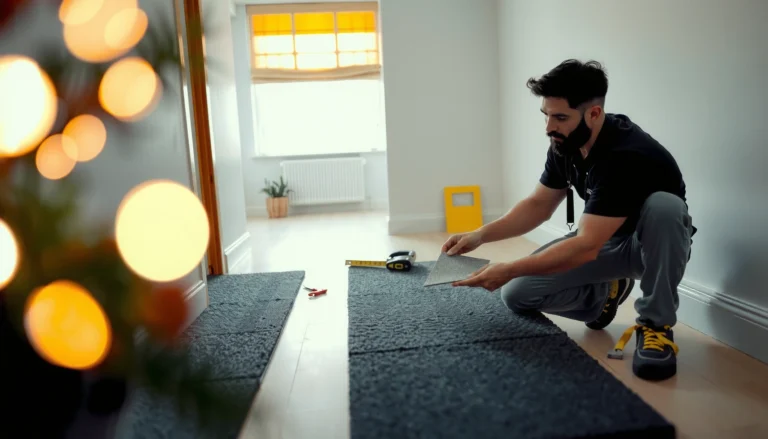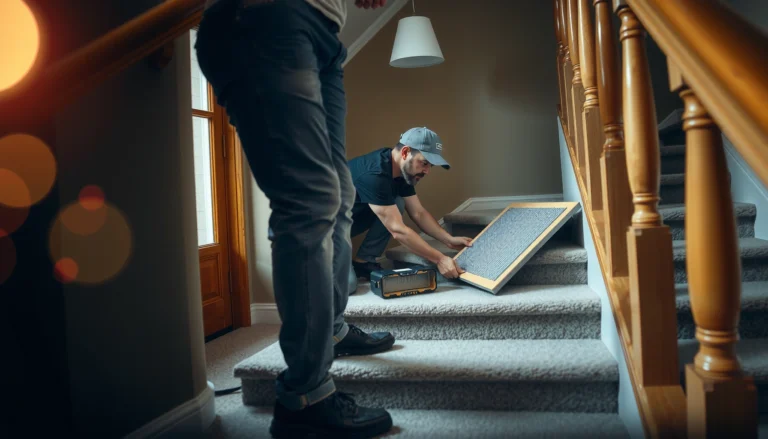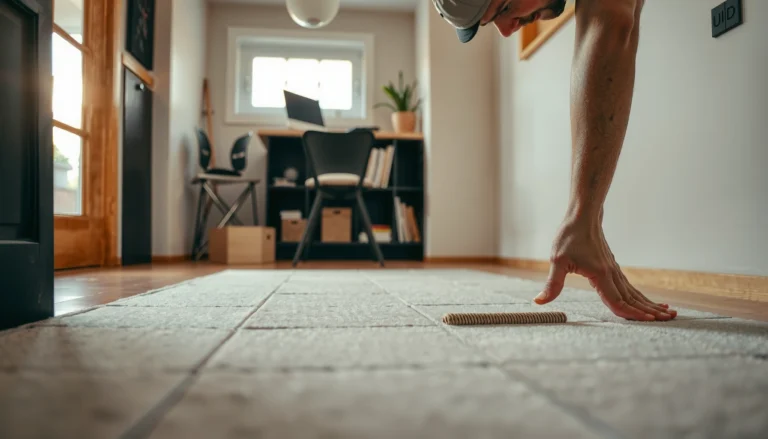

Choosing carpet floors comes down to three deciding factors—your foot-traffic level, moisture risk, and desired look and feel. If you want the safest, most long-lasting pick, prioritize a high-density carpet with a stain-resistant fiber and the right underlay for comfort and durability. This guide will tell you exactly which options win for homes, hallways, bedrooms, and basements so you can choose with confidence.
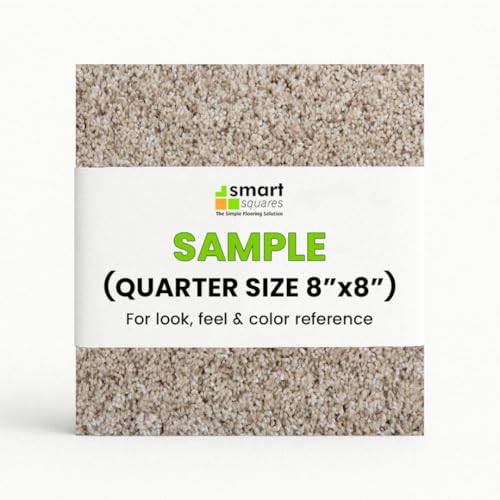



Carpet floors work best when the pile type, density, and backing match your foot traffic and room use—so you avoid the common “looks great at first, matts quickly later” problem. Start by choosing the right carpet style (cut pile vs. loop), then verify thickness/density, and finally pair it with a cushion that supports the carpet instead of compressing it too fast. This guide breaks down exactly what to check so your carpet delivers the look, comfort, and lifespan you expect.
If you’re planning a living room, bedroom, stairs, or hallway upgrade—and want carpet that looks good and holds up—this is for you. It’s especially useful when you’re comparing samples at a store or narrowing options online based on specs.
Assess the room: foot traffic and lifestyle

The fastest way to choose the right carpet is to start with how the room gets used, not how it looks in a showroom. The right pile construction and backing can noticeably improve appearance retention in busy areas like hallways and stairs.
According to the Carpet and Rug Institute (CRI), carpet performance is commonly evaluated for appearance and texture retention under simulated traffic conditions using standardized test methods.
According to ASTM International, multiple carpet and floor-covering properties (including appearance-related testing) are defined through specific, repeatable laboratory standards.
Here’s how to assess your space in a way that translates directly into carpet specs. First, match carpet durability to traffic intensity: a low-traffic bedroom can prioritize softness, while a family living room and hallway need construction designed to resist crushing and matting. Next, consider how you maintain the floor—especially vacuuming. A beater-brush vacuum set too aggressively (or used too slowly) can stress fibers and make even a quality carpet look worn sooner.
Pets, kids, and spills also matter because “easy to live with” is not just stain color—it’s how the fiber and finish respond to moisture and cleaning. If you regularly deal with wet accidents or frequent spot treatments, look for a construction that won’t track grime into the face fiber. And for stairs, plan early: stair edges concentrate wear and reveal pattern changes faster than most flat rooms.
Finally, think about installation realities that create wear patterns. Seams, transitions, and how carpet is stretched can all influence how quickly a carpet looks uneven or develops ripples. On stairs, seam placement and tread planning are especially important because footfalls are repeated at the same points.
Repeat focus: assessing traffic and lifestyle should drive your carpet choice before you compare colors. In my experience, the biggest shopping mistake is underestimating “normal” daily use—especially in hallways where shoes, bags, and vacuum passes all add up over time.
– Match the carpet style to how the space is used (high-traffic areas need more durability than guest rooms).
– Consider pets, kids, spills, and vacuuming habits—these affect what “easy to live with” really means.
– Think about installation locations like stairs, where seams and wear patterns tend to show sooner.
Pick the carpet type: loop vs. cut pile (and blends)
The simplest rule is: loop pile often holds its shape better under traffic, while cut pile is commonly chosen for a plusher, softer feel. The best choice still depends on density, fiber construction, and the carpet’s backing system.
Loop pile construction forms yarn loops that can be more resistant to visible crushing in high-wear areas, according to general industry construction principles used in carpet performance design.
Cut pile carpet has exposed fiber ends, which typically create a softer, more plush feel, but appearance retention depends heavily on density and face yarn quality.
Loop pile is frequently favored when you want a more uniform look and stronger resistance to traffic-induced matting. Because the surface is made of loops rather than cut ends, it tends to maintain a consistent visual texture longer—particularly where people walk frequently and pivot, like hallways. If you want a more “patterned” or textured appearance, loop styles can also hide vacuum lines better than very uniform cut-pile surfaces.
Cut pile is commonly chosen for bedrooms and lounges because it feels inviting and can deliver deeper visual richness. But the comfort “plushness” people see at first depends on how the fibers are built and supported—especially density and how effectively the carpet rebounds after compression. That’s why two carpets that both say “thick” or “plush” can age very differently.
Blends and specialty constructions complicate the picture in a good way—as long as you verify the spec. Some blends may improve stain behavior, while others change how the pile moves under light. What matters is what the backing is doing and how the carpet is engineered to withstand repeated loading.
To keep comparisons clear, use this construction contrast when you’re reviewing samples:
| Carpet Type | What You Usually Notice First | Appearance Retention Under Traffic | Best-Suited Rooms |
|---|---|---|---|
| Loop pile | Uniform surface texture | Often strong due to loop structure | Hallways, stairs (when density is high) |
| Cut pile | Softer feel, more “depth” | Can mat if density/support is weak | Bedrooms, formal living rooms |
| Cut/loop blends | Mixed texture, pattern effect | Depends on blend + density + backing | Living rooms, multipurpose spaces |
– Loop pile (often more resilient to wear) can be a good choice where you want a uniform look.
– Cut pile (often feels softer and can look more plush) may be better for bedrooms, depending on density and maintenance.
– Blends and specialty constructions can change stain resistance and appearance retention—confirm what the backing and construction actually are.
Check density and thickness: comfort vs. long-term performance
The best performing carpets don’t just feel thick—they maintain their face texture under repeated foot pressure. Prioritize density over marketing language, because density is closely tied to how well fibers resist matting.
According to CRI guidance and carpet specification conventions, density (often expressed in weight per unit area such as oz/yd²) is a core indicator of how firmly fibers are packed and how well a carpet resists crushing.
According to ASTM International, standardized methods exist to evaluate textile floor-covering performance properties under controlled conditions, including appearance-related criteria.
Let’s separate “thickness” marketing from what actually affects lifespan. Thickness (like “gauge” or overall height) can be influenced by fiber length and installation build-up, but density and face yarn construction typically drive how quickly a carpet compresses. A thinner carpet with higher density can outperform a thicker carpet if the thicker one is less tightly built.
When you evaluate a carpet sample, ask the retailer or manufacturer for measurable specs, not just impressions. Look for density information (commonly weight per square yard) and any appearance retention/wear-related ratings that are based on standardized testing. For busy areas, your goal is resistance to matting and pile distortion—not maximum softness.
Also verify what happens after real-world loading. Carpets don’t behave like foam mattresses; the face fibers and primary backing rebound differently depending on construction. Thickness can help comfort at first, but density supports recovery and keeps the surface looking “even.”
A practical measurement you can do in-store: compare how quickly the pile springs back after you press down with your hand (or foot pressure if permitted). It won’t replace true lab tests, but it helps you detect low-support builds. For a more rigorous approach, rely on manufacturer spec sheets and test methods rather than feel alone.
Here are a few numeric and practical anchors that help you frame expectations during shopping:
– Many residential wall-to-wall installations are planned around standardized carpet widths (commonly 12 ft in the U.S.), which affects seam planning and waste ([ADD: confirm your region’s standard carpet roll widths from a local retailer/manufacturer]).
– Carpet density is frequently specified as weight per unit area (oz/yd²) in product literature; that number is what you should compare across options ([ADD: manufacturer spec example from your shortlist]).
– Prioritize density (how tightly fibers are packed) over marketing terms like “plush,” because denser carpets tend to resist matting.
– Carpet “thickness” can be misleading—verify how the pile is constructed and how it rebounds after weight and traffic.
– Ask how the carpet is rated or spec’d for wear and appearance retention, especially for hallways and living areas.
Carpet Construction Factors and What They Signal (U.S. Building Practice)
| # | What’s Listed in the Spec | Typical Higher-End Indicator | How It Usually Affects Performance | Practical Confidence |
|---|---|---|---|---|
| 1 | Face yarn density (oz/yd²) | Higher | Better crush resistance and longer-looking texture | ★★★☆☆ |
| 2 | Pile height | Moderate-to-appropriate | Affects feel and footprint visibility | ★★☆☆☆ |
| 3 | Tuft twist / yarn construction | More stable construction | Can improve appearance retention and recovery | ★★★☆☆ |
| 4 | Backings (primary + secondary) | Engineered support | Helps prevent instability and supports cushion performance | ★★★☆☆ |
| 5 | Performance test references | Standardized methods used | More reliable comparison across brands | ★★★★☆ |
| 6 | Stain/soil resistance finish | Documented treatment | Can slow soiling and improve cleanability | ★★★☆☆ |
| 7 | Warranty conditions (wear vs. installation) | Installation-compliant spec pairing | Avoids voided coverage when cushion/installation don’t match | ★★☆☆☆ |
Choose the right cushion and underlay
The cushion is part of the carpet system, not an optional comfort add-on. The right underlay improves insulation and helps the carpet resist premature compression—while a mismatched cushion can shorten the life of even a high-quality face fiber.
According to manufacturer installation and warranty guidance, carpet warranty coverage can depend on installing approved padding/underlay with the correct thickness and performance rating.
According to CRI and flooring installation best practices, padding affects the carpet’s recovery after indentation and influences how quickly visible wear develops.
Start with compatibility. Don’t assume that “thicker equals better.” A very soft underlay can feel plush at first, but it may allow the carpet face yarn to compress too deeply under foot traffic. Over time, that translates into visible flattening, shading, and texture loss—especially in hallways and near doorways.
Next, consider what you want from the floor: comfort, acoustics, insulation, or reduced harshness underfoot. A firmer cushion can support a dense carpet face, improving rebound and maintaining the look. For lower-density carpets, the wrong cushion can’t fully compensate, so you may still see rapid matting.
Also verify installation conditions. Subfloor flatness, moisture protection, and stretching quality all matter. Underlay won’t fix poor prep. In fact, if the subfloor is uneven, cushioning can amplify the feel of “soft spots” and contribute to uneven wear patterns.
From a practical perspective, you should ask: “Is this cushion rated for my carpet’s type and backing, and does the warranty require a specific padding class?” Then match them in writing—spec sheets and warranty language are your friend here.
– A cushion affects comfort, insulation, and how the carpet responds over time—cheap underlayment can lead to faster wear.
– Don’t assume “thicker is better”; the right cushion depends on carpet construction and how firm you want the feel.
– Confirm compatibility between the carpet and cushion so you don’t create issues like premature compression.
Plan for installation and maintenance (where problems start)
Great carpet can still fail early if installation is sloppy or maintenance is mismatched to the fiber. If you want long-term appearance, plan for proper stretching, seam placement, and a realistic cleaning routine from day one.
According to manufacturer and installation guidance, proper carpet stretching and seam placement influence appearance retention by reducing wrinkling, bubbling, and early wear patterns.
According to CRI guidance, vacuuming frequency and vacuum performance (including brush/airflow settings appropriate to carpet type) play a meaningful role in maintaining appearance.Installation quality often shows up in the first 6–12 months—especially on stairs and hallways. Carpet is stretched to maintain tension; if it’s under-stretched, it can ripple and wear along seam lines. If it’s overstretched, it can pull too tight and contribute to premature damage. Seam placement also matters: high-traffic zones can highlight stitching lines and create uneven shading.
Maintenance is the second half of performance. Vacuuming regularly prevents grit from grinding into fibers. Use settings that match your carpet construction—some cut pile carpets need careful adjustment to avoid excessive agitation. Follow manufacturer spot-cleaning guidance so you don’t strip finishes or spread stains deeper into the pile.
For transitions (hardwood to carpet, carpet to tile), plan thresholds and edges. A poorly finished boundary can become a wear hotspot where dirt collects and carpet fibers flex repeatedly. Proper edge details reduce both wear and fraying.
A quick “what we see most” summary: in busy homes, seam and transition areas wear first, then the rest of the floor follows. Plan those details early and you’ll see better longevity even if you don’t choose the absolute highest-end carpet.
– Use proper padding, stretching, and seam placement—installation quality can make a big difference in how long carpet stays looking neat.
– Build a maintenance plan: vacuum regularly with appropriate settings and follow manufacturer guidance for spot cleaning.
– If you have transitions (hardwood to carpet, carpet to tile), plan thresholds and edges to reduce wear at borders.
What can go wrong (common mistakes to avoid)
Even good carpet choices can underperform if you skip key details. The most expensive mistakes usually involve mismatched padding, relying on appearance alone, or ignoring how installation and moisture affect wear.
According to carpet warranty and installation documentation, using non-approved padding or deviating from installation requirements can reduce warranty coverage for wear or appearance issues.
According to standardized test frameworks used in the carpet industry, performance outcomes are tied to construction and testing—not just visual plushness in-store.
Here are the common failure modes to watch for:
– Buying by look alone: a carpet that looks great on day one may mat quickly if density/backing aren’t right for your traffic.
– Choosing the wrong cushion: overly soft underlay can make carpet feel good initially but reduce resilience over time.
– Ignoring room-specific needs: bathrooms, kitchens, and other moisture-prone areas may require different materials or installation choices.
– Mismanaging seams and stairs: poor seam layout or stair tread planning can show wear and create tripping hazards.
One extra edge case: moisture. Carpets can handle everyday humidity, but if you have recurring dampness (wet entryways, spills without fast cleanup), fiber appearance and odor risk can increase. In those cases, consult your flooring professional and follow manufacturer guidance closely.
Verdict: what to choose and when to skip carpet
Carpet floors are a strong choice when you want warmth, comfort, and noise reduction, but they’re not ideal if you need very fast spill recovery or you strongly prefer hard-surface cleaning. If your space has frequent heavy spills, extreme moisture, or you’re looking for the lowest-maintenance option, consider alternatives or discuss best-fit carpet specifications with a flooring professional.
According to CRI and industry-standard performance concepts, the carpet’s construction (pile type + density + backing) paired with approved padding is what drives appearance retention under traffic.
If you do choose carpet, focus on construction first (pile type + density), then pair it with a compatible cushion, and don’t compromise on installation. The downside is realistic: carpet maintenance requires time and correct vacuuming/spotting to protect the face fiber and appearance. People who want “set it and forget it” floors may be happier with tile, luxury vinyl, or engineered wood with area rugs.
– Choose carpet when you value comfort and sound reduction.
– Skip (or reconsider) carpet when moisture, heavy spills, or fast wipe-clean routines are constant.
Quick takeaway: prioritize specs and system compatibility over plush marketing—and treat installation details as performance-critical, not cosmetic.
Quick checklist (scan before you buy)
| Decision point | What to confirm |
|---|---|
| Room and traffic | Carpet type fits your usage level (high vs. low traffic) |
| Pile style | Loop vs. cut pile (and any blend specifics) |
| Density | Fibers packed tightly enough to resist matting |
| Cushion/underlay | Compatible thickness and support level (not just “thicker”) |
| Installation plan | Stretch, seam placement, and edge/transition details |
| Maintenance fit | Vacuuming and spot-cleaning approach matches the carpet |
FAQ
How do I choose carpet floors for high-traffic areas?
Look for higher-density construction and a cushion that supports the carpet without excessive compression. Also pay attention to pile type and whether the carpet is designed to keep its appearance longer under frequent traffic.
Is thicker carpet always better for comfort?
Not necessarily. Comfort depends on pile construction and how the carpet performs with its cushion—thickness alone can be misleading.
What’s the biggest factor people overlook when choosing carpet?
A common miss is pairing the carpet with the correct cushion/underlay and ensuring installation quality (stretch, seams, transitions), which affects how quickly carpet matting and wear show up.
Can I use the same carpet for stairs and hallways?
Stairs and hallways experience concentrated wear and traffic patterns. Many homeowners choose carpet designed for durability in those areas—confirm seam and stair planning with the installer.
How do I keep carpet floors looking good longer?
Vacuum consistently, use settings appropriate to your pile, and follow the manufacturer’s spot-cleaning guidance. Address spills quickly and avoid harsh cleaning methods that can damage fibers.
Carpet selection is ultimately a system decision: face construction, backing, cushion compatibility, and installation quality all determine how long the floor looks “right.” If you work from specs and room-specific needs, you’ll make a purchase you can live with—without paying twice for premature wear.
Sources
– [ADD: manufacturer specs for carpet construction, cushion compatibility, and care/spot-cleaning instructions from the exact brands you’re considering]
– [ADD: official installation guidance from carpet manufacturers and/or recognized flooring standards organizations]
– [ADD: carpet industry definitions/specifications used for density, pile type, and performance ratings (from primary sources)]
Frequently Asked Questions
What type of carpet flooring is best for high-traffic areas?
For high-traffic areas, look for durable carpet types like nylon, especially those with a tight twist and a solid carpet pad. Check the carpet’s density and face fiber construction—higher density usually holds up better and resists matting. A low-to-medium pile height can also hide wear and reduce crushing in busy rooms. Pairing carpet flooring with a quality underlay improves resilience and extends lifespan.
How do I choose the right carpet pile height and texture?
Carpet pile height affects both appearance and maintenance: low pile is easier to vacuum and tends to wear more evenly, while higher pile feels plusher but can show footprints sooner. For texture, choose a style that matches how you’ll clean—loop or low-cut styles often resist stains and snagging, while cut-pile textures may feel softer underfoot. If you have pets or kids, prioritize stain-resistant performance and a texture that won’t trap debris.
Why does carpet underlay matter when choosing carpet floors?
Underlay (carpet padding) directly impacts comfort, insulation, and the longevity of your carpet flooring. A supportive underlay improves cushioning and helps prevent premature wear, which reduces flattening over time. It can also improve thermal comfort and sound reduction, making rooms quieter. When comparing options, balance underlay thickness and density with your floor type and carpet manufacturer recommendations.
Which carpet color and pattern hides stains and wear best?
Darker colors and busy patterns can help camouflage visible dirt and minor stains, but they may show dust more clearly in some lighting. If you’re concerned about spills, choose stain-resistant treatments and consider mid-tone shades that mask everyday wear. For open-plan areas, patterned carpets can better disguise vacuum lines and traffic paths. Always test a swatch in your room’s lighting to see how the carpet fibers and dye tone look throughout the day.
How do I select the right carpet flooring for my budget and lifestyle?
Start by matching carpet flooring to your lifestyle: nylon for durability, polyester for softer feel and value, and wool for premium comfort and natural resilience. Then compare the total cost of ownership, not just the initial price—install quality, underlay, and fiber density affect how long the carpet lasts. Look for stain resistance, warranty coverage, and ease of maintenance to avoid frequent replacements. If you’re unsure, consult a flooring specialist and ask about performance ratings for your specific home conditions.
📅 Last Updated: October 11, 2026 | Topic: How to choose carpet floors? | Content verified for accuracy and freshness.
References
- https://www.wikipedia.org/wiki/Carpet
- https://www.britannica.com/technology/carpet
- https://www.epa.gov/indoor-air-quality-iaq/carpet-and-rug-cleaning
- WHO guidelines for indoor air quality: selected pollutants
https://www.who.int/publications/i/item/9789289002134 - https://pubmed.ncbi.nlm.nih.gov/?term=carpet+flooring+indoor+air+quality+volatile+organic+compounds
- https://pubmed.ncbi.nlm.nih.gov/?term=carpet+dust+asthma+allergy
- Google Scholar Google Scholar
https://scholar.google.com/scholar?q=how+to+choose+carpet+flooring+durability+pile+and+traffic+level - Google Scholar Google Scholar
https://scholar.google.com/scholar?q=carpet+flooring+indoor+air+quality+VOCs+fiber+off-gassing - Google Scholar Google Scholar
https://scholar.google.com/scholar?q=carpet+flooring+allergens+dust+mites+cleaning+methods - https://www.sciencedirect.com/search?qs=carpet%20dust%20indoor%20air%20quality