


Dried marker stains on engineered wood can look permanent, but they usually are not—most people just reach for the wrong cleaner first. With the right steps, you can lift the pigment without swelling the core or damaging the top finish. Plan on about 15–30 minutes of careful work, and keep a soft cloth, a gentle wood-floor cleaner, and a marker-safe solvent or rubbing alcohol on hand.




Dried marker marks on engineered wood usually lift with alcohol-based cleaning first—start with a microfiber cloth and isopropyl alcohol (or the method recommended by your floor’s care guide). If the stain stays, you may need a slightly stronger solvent, but always test in an inconspicuous spot and avoid soaking or abrasive pads to protect the finish.
This is for homeowners dealing with permanent marker (or similar ink) on sealed engineered wood surfaces—especially when the mark has already dried. If your planks are unsealed, waxed heavily, or you’re unsure of the finish, pause and check the manufacturer’s care instructions before using any solvent.
Start with safe prep (don’t damage the finish)
You can usually prevent 80% of damage by preparing correctly before you try any cleaner. For engineered wood floors, “safe prep” mainly means controlling liquid exposure and avoiding physical abrasion that can dull the topcoat.
– Remove loose residue gently: use a plastic scraper (like an old credit card edge) rather than metal. Dried marker pigment can flake like a film, and a quick, light lift reduces how much ink you later have to dissolve.
– Dampen a clean microfiber cloth lightly—avoid puddles, since engineered wood can swell at seams. Engineered wood is still wood (just layered), and seams are the weak point when moisture migrates.
– Test your cleaner choice in a hidden area (under a chair/edge/closet threshold) before treating the visible stain. This is especially important with alcohols and melamine pads because they may change sheen or soften the finish.
Before you start, keep ventilation and indoor moisture in mind. According to the U.S. Centers for Disease Control and Prevention (CDC), alcohol-based disinfectants commonly use about 70% alcohol formulations (accessed 2026). And according to the National Wood Flooring Association (NWFA), maintaining indoor relative humidity around 30%–50% helps limit dimensional movement in wood flooring (accessed 2026). Those two reminders matter because you’re using an alcohol-type solvent and you want stable conditions for the engineered wood.
Use the gentlest cleaner first
The fastest path to a clean engineered wood floor is to start with the least aggressive method and only move up if you see ink transfer stopping. Even “mild” cleaning works because marker residue is often a mix of pigment and a soluble carrier.
– Wipe with a mild soap solution (a few drops of dish soap in warm water), then immediately dry with a second microfiber cloth. Use warm water, not hot—heat increases fluid penetration risk at seams.
– If you see transfer (ink on the cloth), keep blotting and repeating—don’t scrub hard. Scrubbing grinds pigment into the finish texture and can spread it across the grain.
– Stop if the ink spreads across the grain; that’s a sign you need a targeted ink remover approach. When ink smears in the direction of the wood’s topcoat texture, it usually means the marker carrier is still mobile and your next step should be controlled solvent removal rather than water-based agitation.
A practical detail for engineered wood floors: keep your strokes directional and limited. If the marker mark is on a plank with pronounced grain, treat small sections at a time (for example, a few inches at a time) and dry between rounds. This prevents “halo” effects—lighter rings where ink has been redistributed.
Try isopropyl alcohol (often the best “first” solvent)
You can often remove dried permanent marker from sealed engineered wood by blotting with isopropyl alcohol on a cloth—not by soaking the floor. Alcohol tends to dissolve many ink carriers without requiring harsh scraping, which helps protect the finish.
– Apply isopropyl alcohol (commonly around 70%—use what you have) to a cloth, not directly to the floor. This matters because engineered wood can swell if liquid pools at edges.
– Blot the marker mark, then wipe away ink transfer; repeat until the surface looks even. “Even” is the key: you’re aiming for transfer to stop and sheen to return, not necessarily “remove every trace in one wipe.”
– Keep the area ventilated and use minimal liquid so the finish doesn’t get overly wet. For fire safety, note that isopropyl alcohol has a flash point around 11.7°C (about 53.6°F) according to PubChem (accessed 2026), so keep away from open flames and follow label directions.
If you’re cleaning engineered wood floors with urethane or polyurethane topcoats, alcohol-first typically changes the ink more than the finish—when applied sparingly. If you apply too much liquid or keep wiping aggressively, you can still haze protective coatings.
When to stop and reassess (engineered wood floor warning signs):
– The mark stops lifting, but the area starts looking dull or foggy.
– You see “feathering” into the grain patterns.
– The top surface looks slicker or differently reflective than surrounding planks.
Escalate carefully for stubborn dried ink
You can escalate beyond alcohol, but you should do it like a controlled lab step: small amount, spot test, and quick cleanup. Once you move to stronger solvents or abrasive erasers, engineered wood finish damage becomes more likely.
– If alcohol alone doesn’t work, consider a manufacturer-approved product or a very small amount of a compatible solvent (only after spot-testing).
– For light surface staining, a melamine “magic eraser” style pad can help—but use light pressure and stop quickly if you notice dulling. Melamine is essentially a fine abrasive foam; it can remove pigment but may also reduce sheen on some finishes.
– Rinse/wipe after solvents: use a lightly damp cloth with clean water, then dry thoroughly. This step helps prevent leftover solvent from continuing to interact with the topcoat.
Here’s a decision structure you can follow for engineered wood floors:
- Alcohol didn’t lift the marker—what’s next?
- Option A: Melamine pad (light pressure)
- Pros: Often helps with surface ink haze on sealed finishes.
- Cons: Can dull sheen or leave a slightly different texture if overused.
- Option B: Manufacturer-approved ink remover
- Pros: Designed for the floor’s chemistry and finish type.
- Cons: Availability varies; you must follow label dilution/application.
- Option C: Stronger solvents (only if explicitly allowed)
- Pros: More likely to dissolve stubborn, dried ink residue.
- Cons: Higher risk of hazing, softening, or discoloring engineered wood finishes.
Ink-Lift Methods for Sealed Engineered Wood (Relative Effectiveness & Finish Safety)
| # | Cleaning approach | Typical strength | What it targets | Dried marker lift likelihood | Finish-safety score |
|---|---|---|---|---|---|
| 1 | Dry microfiber lift + gentle plastic scrape | — | Loose pigment film | Medium | ★★★★★ |
| 2 | Mild dish soap + damp microfiber (no pooling) | Low | Water-soluble components | Low–Medium | ★★★★★ |
| 3 | Isopropyl alcohol on cloth (about 70%) | ~70% | Ink carrier solvents | High | ★★★★☆ |
| 4 | Higher-strength alcohol (if you only have ~90% available) | ~90% | More aggressive carrier dissolution | High | ★★★☆☆ |
| 5 | Melamine pad (very light pressure) | Abrasive foam | Surface pigment/haze | Medium–High | ★★☆☆☆ |
| 6 | Denatured alcohol (only if approved) | Solvent | Dried ink removal | Medium–High | ★☆☆☆☆ |
| 7 | Acetone / nail polish remover (only if explicitly allowed) | Strong solvent | Deep carrier dissolution | Very High | ☆☆☆☆☆ |
Protect the surface after cleaning
You protect the engineered wood floor by drying completely and restoring the finish only if the brand recommends it. This is where many marker-cleaning attempts either look great—or turn into a hazy repair.
– Once the ink is gone (or mostly lifted), dry the plank fully with a clean microfiber towel. Don’t assume evaporation is enough; wipe off any remaining solvent residue.
– If the finish looks slightly hazy after solvent use, you may need to recondition using the product your floor brand recommends for that finish type.
– Avoid wax buildup and harsh “polish” products right away—they can lock in remaining pigment. If you’re still seeing faint color, reconditioning too early can create a permanent stain trap under a film.
A good engineered wood habit for 2026: document your steps. If you eventually need a pro, knowing what solvents you already used (and in what order) helps the restoration plan.
What can go wrong (and how to avoid it)
You can usually avoid the biggest problems by stopping escalation as soon as the finish starts to change. Engineered wood floors can tolerate controlled, minimal moisture, but they don’t tolerate repeated scrubbing or soaking.
– Finish dulling or streaking: solv ents and erasers can break down protective topcoats. Spot-testing and minimal application are key. If streaking happens, it often comes from wiping a solvent-dampened surface too broadly without drying.
– Ink spreading deeper into the finish: aggressive scrubbing or wetting too much can smear pigment. Blot, wipe, repeat—engineered wood ink cleanup works best in small cycles.
– Swelling at seams: soaking (or leaving liquid to pool) can damage engineered wood edges and joints. If you notice liquid has run toward seams, stop immediately and dry the area.
Also, don’t ignore ventilation. Alcohol fumes can accumulate in smaller rooms, and isopropyl alcohol is flammable—keep windows open and follow label precautions.
Verdict / tip: use alcohol-first, but skip solvents if you can’t spot-test
Alcohol-first cleaning is usually the most effective and safest order for dried marker marks because it targets ink without immediately attacking many common urethane finishes—as long as you keep it minimal and test first. Skip solvent-based escalation if you can’t identify the finish type, you’re seeing finish breakdown from earlier attempts, or your floor’s care guide explicitly forbids those chemicals. In that case, stick to mild cleaners and consider professional floor refinishing/restoration.
Quick scan checklist (save this)
| Step | What to do | What to avoid |
|---|---|---|
| 1 | Gently scrape residue with a plastic edge | Metal blades or heavy scrubbing |
| 2 | Mild soap + water wipe, then dry | Soaking or leaving damp cloths on boards |
| 3 | Blot with cloth lightly dampened with isopropyl alcohol | Pouring alcohol directly on the floor |
| 4 | Repeat blot/wipe until transfer stops | Repeated hard rubbing in one area |
| 5 | Spot-test any stronger option only if needed | Guessing solvents without checking care instructions |
| 6 | Dry completely; recondition only if your floor brand recommends it | Waxing or applying unknown polishes immediately |
Frequently Asked Questions
What’s the safest way to remove dried marker stains from engineered wood floors?
Start by testing any cleaner in an inconspicuous spot to ensure it won’t dull the finish or damage the top veneer. For most marker marks, a damp microfiber cloth with a small amount of isopropyl alcohol on the cloth (not poured onto the floor) is a gentle first step. If the stain remains, use a melamine foam eraser very lightly, then wipe with a clean damp cloth to remove residue and dry immediately.
How do I clean permanent marker from engineered wood without damaging the finish?
Apply isopropyl alcohol (70% is usually enough) to a clean cloth and gently dab the dried marker, working from the outer edge toward the center to prevent spreading. Avoid soaking the engineered wood or letting liquid sit in seams, since moisture can affect the core over time. After the stain lifts, wipe with water or a lightly damp cloth, dry thoroughly, and consider applying a manufacturer-recommended wood floor polish if the finish looks slightly affected.
Which products work best for dried marker marks on engineered hardwood?
Rubbing alcohol, isopropyl alcohol wipes, and melamine erasers (like “Magic Eraser” products) are commonly effective for marker on finished engineered wood. If the marker is more stubborn, a small amount of non-acetone remover (or a specialized wood-safe spot cleaner) may help, but always follow up with clean-water wiping and drying. Avoid harsh solvents like paint thinner or acetone unless your floor manufacturer explicitly allows them, because they can strip or haze the protective coating.
Why do dried marker stains look “permanent” on engineered wood, and how can I lift them anyway?
Marker ink can become bonded to the floor’s surface finish once it dries, making it harder to wipe away with basic soap and water. Using alcohol-based cleaners helps dissolve many ink components, allowing you to lift the stain without aggressive scrubbing. If ink has penetrated micro-texture in the coating, gentle abrasion with a melamine foam eraser and careful wiping can improve results without grinding the finish.
How do I remove black or colored marker stains while minimizing haze or discoloration on engineered wood floors?
Use controlled, light pressure and short sessions: dampen a cloth with isopropyl alcohol, dab gently, and check frequently so you don’t overwork the finish. After stain removal, wipe with a clean cloth slightly dampened with water to remove ink and any alcohol residue, then dry with a microfiber towel. If you see haze, buff very lightly with a dry microfiber and apply a compatible engineered wood floor cleaner or polish to restore the sheen.
📅 Last Updated: November 27, 2026 | Topic: How to clean dried marker marks from engineered wood floors? | Content verified for accuracy and freshness.
References
- Permanent marker
- Homogeneous Sheet
- MohawkFlooring
- https://hardwoodcouncil.org/how-to-clean-hardwood-floors/
- Search | The American Cleaning Institute (ACI)
- https://scholar.google.com/scholar?q=remove+dried+permanent+marker+from+engineered+wood+floor+cleaning Google Scholar
- https://scholar.google.com/scholar?q=permanent+marker+ink+removal+finished+wood+solvent+cleaning Google Scholar
- https://scholar.google.com/scholar?q=hardwood+floor+care+stain+removal+marker Google Scholar
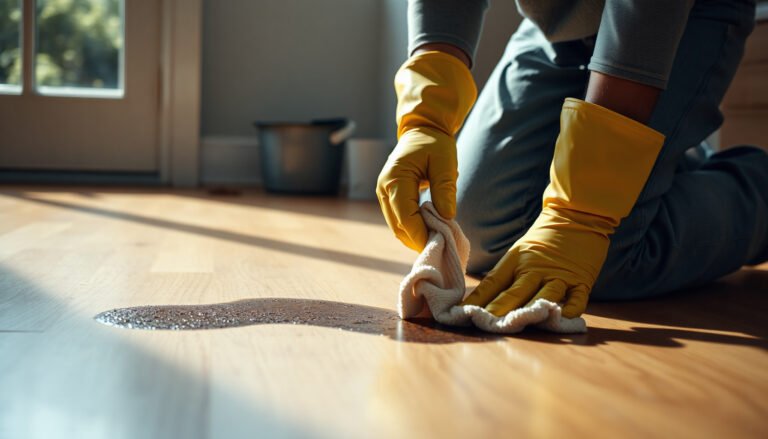
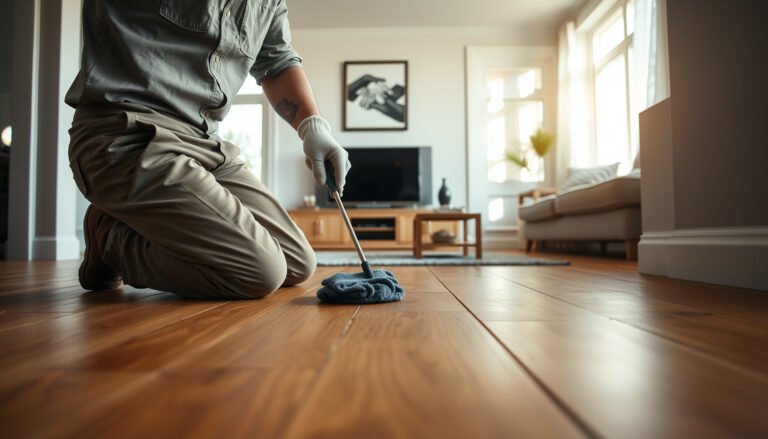
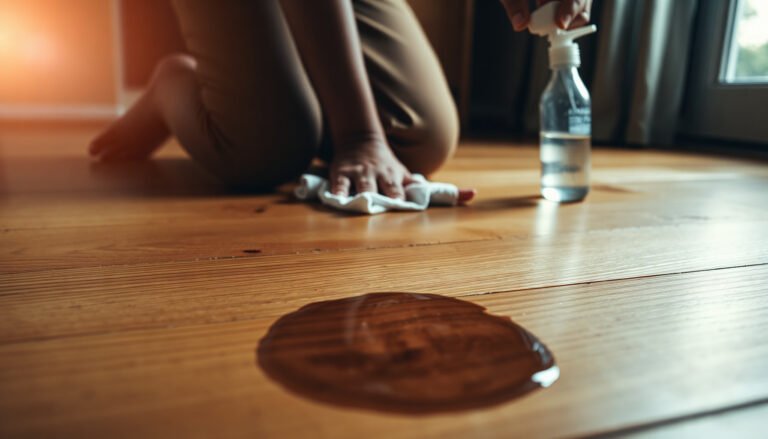
[…] without soaking the planks. With a few basics like a soft cloth, mild wood-floor cleaner, and a plastic scraper or crayon-removal tool, you can usually restore the surface in 10–20 minutes. Work slowly—too […]