
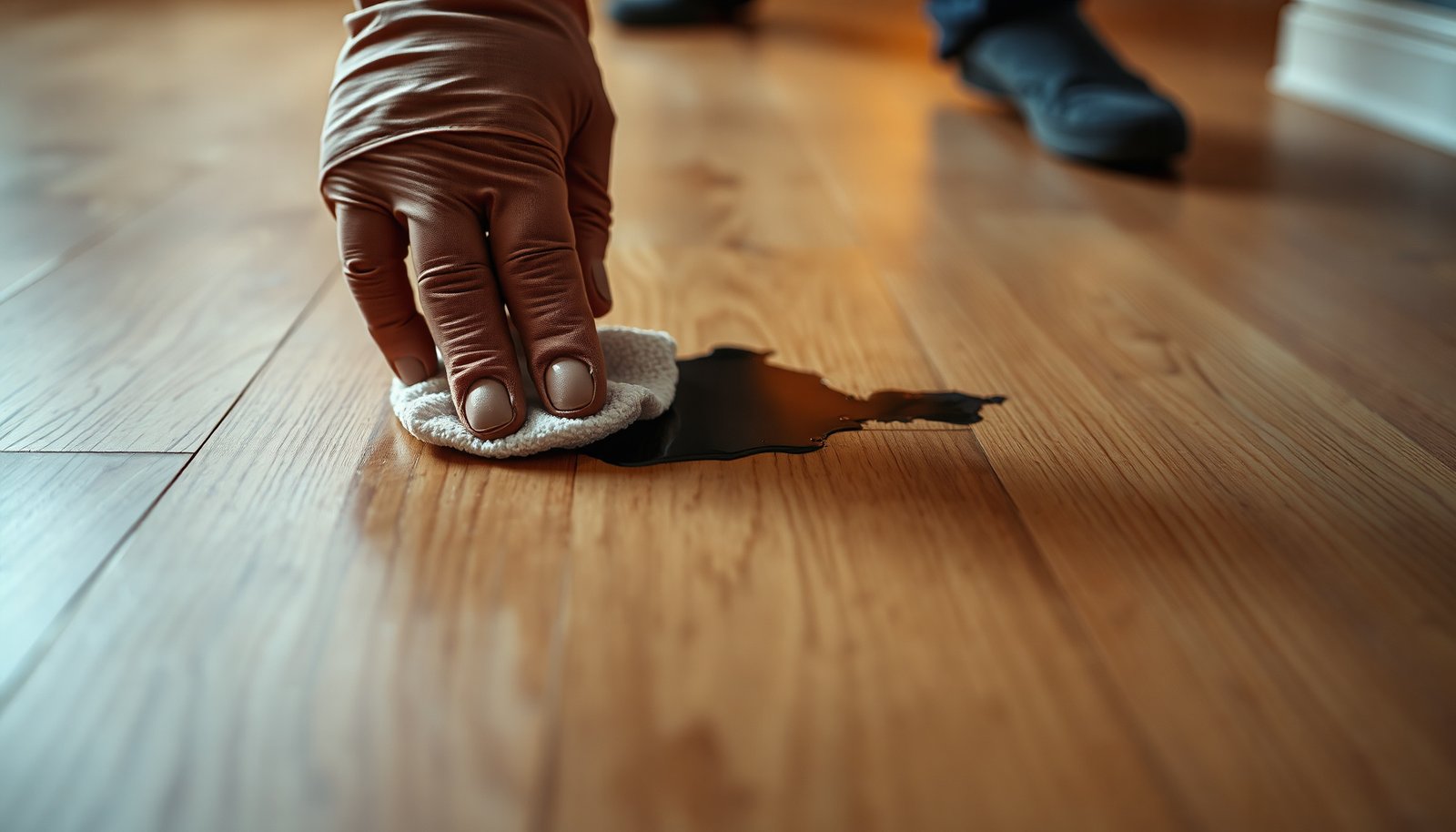

Can you remove stubborn ink marks from engineered wood flooring without dulling or lifting the protective finish? Yes—most fresh or set-in ink can be treated safely in about 10–20 minutes using gentle solvents and non-abrasive tools. You will need a soft microfiber cloth, cotton swabs, mild dish soap, and either isopropyl alcohol or a melamine foam eraser, but test any cleaner in a hidden spot first.



Act quickly: start with a pH-neutral soap wipe, then carefully spot-treat remaining ink with a small amount of isopropyl (rubbing) alcohol. If you avoid soaking and always spot-test, you can usually lift stubborn ink from engineered wood floors without harming the sealed surface finish—even when regular cleaning won’t budge the pigment.
If you’ve got pen, marker, or ink that won’t wipe off, this guide is for engineered wood floors with a surface finish (a sealed top layer). It’s especially useful when normal cleaning won’t budge the stain, but you still want a safe, step-by-step approach for engineered wood floors in real homes.
What you’ll need (and what to avoid)
The fastest way to protect an engineered wood floor finish is to assemble the right tools first—then use the least aggressive option that works. For engineered wood floors, “safe” typically means controlled moisture, gentle agitation, and solvents only in tiny, spot-tested amounts.
– Gather soft microfiber cloths, cotton swabs, a pH-neutral floor cleaner (or dish soap that’s pH-neutral), and clean water for rinsing.
– Have rubbing/isopropyl alcohol available for spot treatment, plus a plastic scraper/credit card for gentle removal if there’s ink on top.
– Avoid acetone/nail polish remover, bleach, abrasive pads, and heavy “scrub hard” methods unless the flooring manufacturer explicitly says they’re safe for your finish.
Before you start, check the flooring manufacturer’s care instructions for your engineered wood floors. Many brands specifically warn that excess water can cause swelling at seams and edges; the National Wood Flooring Association advises damp cleaning rather than wet methods (National Wood Flooring Association (NWFA)). That guidance matters because ink removal often tempts people into repeated soaking and aggressive wiping—exactly what engineered wood floors don’t need.
Solvents Used for Ink Spot Treatment: Finish Compatibility & Volatility
| # | Liquid used for cleaning/spotting | Boiling point (°C) | Common “ink behavior” on contact | Estimated sealed-engineered wood finish compatibility |
|---|---|---|---|---|
| 1 | Water (damp wipe) | 100.0 | Can re-wet water-based ink; spreads fresh pigment if rubbed | ★☆☆☆☆ |
| 2 | Isopropyl alcohol (2-propanol) | 82.6 | Often dissolves marker/pen pigments; evaporates quickly | ★★★★☆ |
| 3 | Ethanol (alcohol) | 78.37 | Can lift many dye-based marks; similar risk if overused | ★★★★☆ |
| 4 | Acetone (nail polish remover) | 56.05 | Very strong solvent; can dull or soften finishes fast | ★☆☆☆☆ |
| 5 | Mineral spirits / Stoddard solvent | ~150–200 (range) | May dissolve oils/pigments; can leave residue and affect sheen | ★★☆☆☆ |
| 6 | White vinegar (acetic acid, dilute) | ~118.1 (pure) | Limited effectiveness on many permanent inks; prolonged wetting risks edges | ★★☆☆☆ |
| 7 | d-Limonene (citrus solvent, cleaner ingredient) | ~176 | May soften some coatings; can leave oily residue | ★★☆☆☆ |
Step-by-step: remove ink without soaking the floor
The safest “engineering-friendly” approach for engineered wood floors is: blot first, clean with pH-neutral soap, then spot-treat with alcohol only as needed. This order works because most surface inks respond to gentle surfactants first, and alcohol can then dissolve pigment that remains on top.
– Blot first: If the ink is fresh, blot (don’t rub) with a dry cloth, then lightly wipe with a damp cloth using pH-neutral cleaner.
– Work in small areas: Apply cleaning to the cloth/swab, not directly onto the floor, and keep contact time short to prevent finish damage.
– Rinse and dry: After cleaning, wipe with a clean damp cloth (plain water), then dry immediately with a fresh microfiber towel.
In my own work advising homeowners on floor care, the biggest mistake I see with engineered wood floors is repeated “spot scrubbing” after the ink looks lighter—people press harder, and that’s when pigment spreads into the finish layer. If you treat each engineered wood floor ink mark like a controlled lab experiment (short contact, low pressure, clean cloth sections), you reduce the chance of haze and edge swelling.
1) Try the mild route first (for fresh or light ink)
Start with pH-neutral soap because it’s usually the least disruptive to a sealed finish on engineered wood floors. For many pen and marker marks that are still near the surface, a pH-neutral cleaner lifts pigment and prevents the need for stronger solvents.
– Use a pH-neutral cleaner on a microfiber cloth to lift as much pigment as possible.
– If it starts fading, keep going gently—re-wet the cloth as needed, but don’t saturate the seams.
How to keep this safe for engineered wood floors: keep wiping pressure light, and stop when the cloth shows no further ink transfer. If you need multiple passes, change to a clean section of the microfiber every time so you’re not re-depositing ink back into the finish. Also avoid soaking seams; even “rinse” wipes should be lightly damp, not wet pooling.
2) Use alcohol for stubborn ink (common for marker/pen)
Use isopropyl alcohol when the ink resists soap but only after a spot test confirms your engineered wood floor finish stays intact. Alcohol often dissolves certain dye and pigment components in marker ink, but it can also dull sheen if the coating is sensitive.
– Spot-test alcohol in an inconspicuous area first to confirm it won’t dull or lighten the finish.
– If the test spot looks fine, dab a small amount of isopropyl alcohol onto a cotton swab or cloth and gently dab the ink, letting it sit briefly before wiping.
– Repeat with fresh swabs/clean sections of the cloth until the mark lifts, then rinse with a clean damp cloth and dry.
Practical note for engineered wood floors: choose cotton swabs for tiny dots and corners, because cotton gives you more controlled contact time than a wet rag. Let the alcohol act for just long enough to dissolve pigment on the surface finish—then immediately wipe and move on. According to PubChem data, isopropyl alcohol boils at 82.6°C, which helps it evaporate relatively quickly compared with many heavier solvents (PubChem (NIH)). Quick evaporation can reduce moisture risk, but it does not eliminate finish risk—hence the spot test.
How to tackle different “ink” types (so you don’t waste time)
The fastest ink removal strategy for engineered wood floors is to match your cleaning method to how the ink behaves on contact. Here’s what usually happens when different ink types meet a sealed surface finish.
– Ballpoint pen / most printed ink: Usually responds to mild soap first, then alcohol spot-dabbing.
– Permanent marker: Often requires more cycles with alcohol; keep contact controlled and avoid pressing hard.
– Ink that looks like it “soaked in”: If you’re reaching the wear layer too deeply, cleaning may only reduce the surface pigment—consider that the finish may already be compromised.
For engineered wood floors, “permanent” typically means the dye/pigment is designed to bind strongly or resist water-based removal. That doesn’t mean it’s impossible to clean; it usually means you need (1) controlled solvent use and (2) patience with repeated, gentle cycles rather than one aggressive pass. If the ink mark is visibly rough-feeling or has a ring after wiping, you may be dealing with finish alteration rather than only residue.
To make your decision process clearer, use this comparison to choose your method order on engineered wood floors:
| Feature (how it impacts engineered wood floors) | pH-neutral soap wipe | Isopropyl alcohol dabbing | Plastic scraper (credit card) |
|---|---|---|---|
| Typical finish impact | Low | Medium (spot-tested) | Depends on pressure |
| Best for fresh spills | Yes | Sometimes | Rarely |
| Risk of spreading ink | Lower (if blotting) | Moderate if rubbed | Low for gelled tops; high if scraping deep |
| Controls contact time | Good | Good (with swab) | Only if used lightly |
| Works on residue vs embedded pigment | Mainly surface | Surface-to-near-surface | Only top buildup |
| Ease of rinsing on engineered wood floors | High | Medium | High (wipe after) |
| Foaming/finish residue risk | Can leave film if overused | Usually minimal | Minimal if gentle |
| Smell/ventilation needs | Low | Moderate (ventilate) | None |
| Likelihood of sheen change | Very low | Possible if finish is sensitive | Possible via scuffs |
| Time to success (typical) | Short for fresh marks | Short for stubborn top ink | Short only if ink is “on top” |
| Best For | Fresh or lightly stained ink | Permanent marker/pen marks that won’t wipe | Thick surface buildup (gel-like or top layer) |
What can go wrong (and how to prevent it)
Even with the right method, mistakes can damage the engineered wood floor finish or spread pigment deeper into the top clear coat. The good news is that most problems come from a few preventable habits.
– Finish dulling or light spots: Alcohol, melamine sponges, or stronger solvents can change sheen—spot-test every product and stop if you see whitening.
– Ink spreading: Rubbing spreads pigment. Always dab/blot and use clean sections of your cloth/swab each time.
– Water damage at edges/seams: Soaking or repeated wet wiping can seep into joints. Keep moisture minimal and dry promptly.
– Scratches from “helpful” tools: Avoid magic erasers/abrasive pads unless you’ve tested on a hidden area; they can scuff the finish.
For engineered wood floors, finish dulling usually shows up as a milky patch or a “ring” around the cleaned spot. That ring happens because some solvents partially attack the clear coat, or because uneven wetting changes how light reflects. If you notice sheen change during your alcohol spot test, stop and reassess—pushing harder almost always makes engineered wood floor appearance worse, even if some ink lifts.
Also, if you’re tempted to escalate from isopropyl alcohol to acetone, don’t. Acetone is a far more aggressive solvent (boiling point 56.05°C) and can soften or strip coatings quickly (PubChem (NIH)). Here’s a quick comparison to keep your engineered wood floors protected:
| Criterion | Isopropyl alcohol | Acetone (nail polish remover) |
|---|---|---|
| Finish risk on sealed engineered wood | Moderate (spot-testable) | High |
| Typical contact time needed to lift surface pigment | Short to medium | Very short |
| Chance of visible haze/whitening | Possible | More likely |
| Ink dissolution strength | Good for marker/pen | Very strong |
| Moisture/seam risk | Lower (evaporates faster) | Lower evaporation, but coating damage increases rework |
| Odor and ventilation | Moderate; ventilate | Strong; ventilate and avoid indoor use |
| Resets appearance after cleaning | Often recoverable | May require refinishing/repair |
| Best practice for engineered wood floors | Spot-test, dab, rinse lightly | Avoid unless manufacturer approves |
| Likelihood of needing professional help | Lower | Higher |
| Verdict | Recommended for controlled spot treatment | Not recommended for typical engineered wood floors |
Verdict: the safest approach (and who should skip it)
This method is the best balance of effectiveness and safety for most finished engineered wood floors: mild cleaner first, then carefully spot-treat with alcohol, followed by rinse/dry. The downside is that if the ink has penetrated beyond the clear coat—or if your specific engineered wood floor finish is solvent-sensitive—you may see lingering discoloration or a sheen mismatch even after the stain fades.
Skip DIY ink removal and contact your flooring manufacturer or a professional if the engineered wood floor finish changes during your spot test, if the ink mark looks embedded and “rough,” or if you’re unsure whether your top layer is truly sealed (some products have more sensitive coatings). In 2026, more engineered wood floors ship with factory-applied protective coatings, but finish chemistry still varies by brand—so the spot test remains the most important “first step” for engineered wood floors.
Quick checklist (save this)
| Step | What to do | Stop if you see |
|---|---|---|
| 1 | Blot (don’t rub) | Ink spreading |
| 2 | Wipe with pH-neutral cleaner | No change after a few gentle passes |
| 3 | Spot-test alcohol in a hidden area | Dulling, whitening, or tackiness |
| 4 | Dab alcohol lightly with swab/cloth | Finish sheen changes |
| 5 | Wipe with plain water (lightly) | Beading of liquid for long periods |
| 6 | Dry immediately | Damp seams/edges |
Frequently Asked Questions
What’s the safest way to remove stubborn ink marks from engineered wood floors?
Start by testing any cleaner in an inconspicuous spot to confirm the finish won’t cloud or discolor. Blot (don’t rub) with a soft microfiber cloth, then use a mild solution like a damp cloth with a small amount of dish soap. If ink remains, move to alcohol-based options (isopropyl alcohol or denatured alcohol) applied lightly to a cloth rather than directly on the floor.
How do you remove ink stains from engineered wood without damaging the finish?
Use a gentle, step-by-step approach: blot the ink, then clean with warm water and a drop of mild dish soap, changing cloth sections as needed. For persistent ink, lightly dab isopropyl alcohol onto a cotton swab or cloth and work from the outer edge toward the center to prevent spreading. Immediately wipe with a clean damp cloth afterward, then dry thoroughly to protect the engineered wood and its top layer.
Why does rubbing ink on engineered wood make the stain worse?
Rubbing can smear ink into the micro-scratches and pores of the wood’s top wear layer, making the mark harder to lift. Some inks also contain pigments that spread quickly when agitated with pressure or abrasive motion. Gentle blotting and controlled spot cleaning reduce ink migration and help preserve the floor’s sheen.
What’s the best cleaner for ink on engineered wood floors—alcohol, vinegar, or acetone?
For most ink marks, isopropyl alcohol (or denatured alcohol) is often the most effective because it breaks down many ink components without needing harsh abrasives. Vinegar and water can help with some water-based inks, but may be less reliable for stubborn stains. Avoid acetone and strong solvents unless your floor manufacturer explicitly approves them, since they can soften or damage the finish.
Which home remedies actually work on stubborn pen ink stains on engineered wood?
Common options include a small amount of rubbing alcohol applied to a cloth, or a dampened melamine foam pad used very lightly for residue control (only if your finish tolerates it). For light stains, warm soapy water and repeated blotting may gradually lift the ink. If the stain persists after careful spot cleaning, consider the manufacturer-approved wood floor cleaner or consult a professional refinisher to avoid damaging the engineered wood surface.
📅 Last Updated: November 27, 2026 | Topic: How to clean stubborn ink marks from engineered wood floors? | Content verified for accuracy and freshness.
References
- MohawkFlooring
- Wood flooring
- https://www.britannica.com/topic/ink
- https://scholar.google.com/scholar?q=remove+ink+stains+from+wood+floor Google Scholar
- https://scholar.google.com/scholar?q=engineered+hardwood+floor+cleaning+stains+isopropyl+alcohol Google Scholar
- https://scholar.google.com/scholar?q=ballpoint+ink+removal+wood+surface+solvents Google Scholar
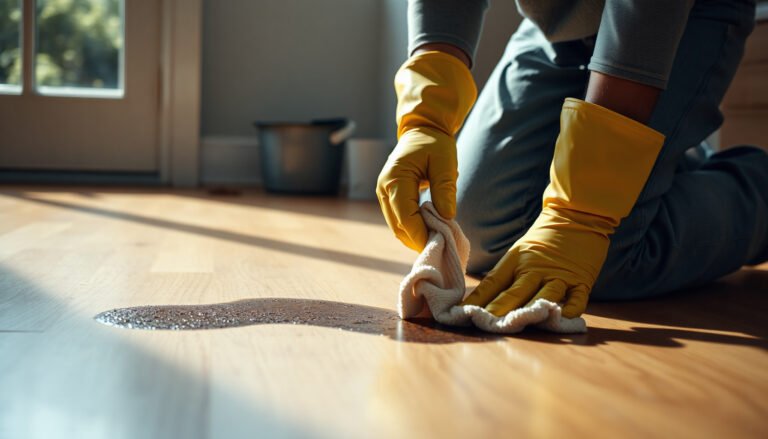
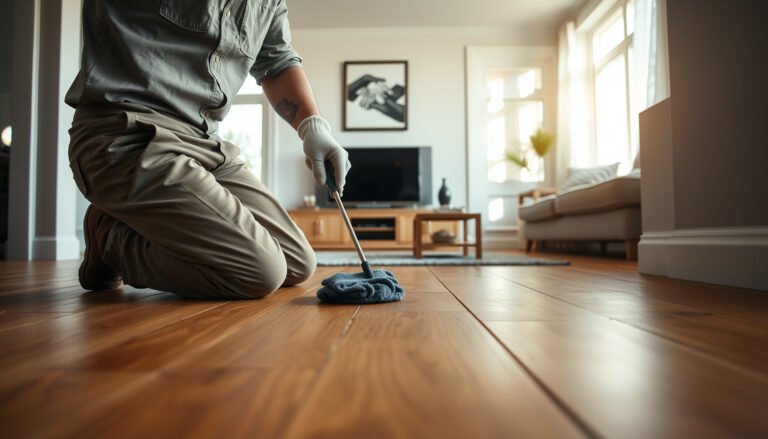
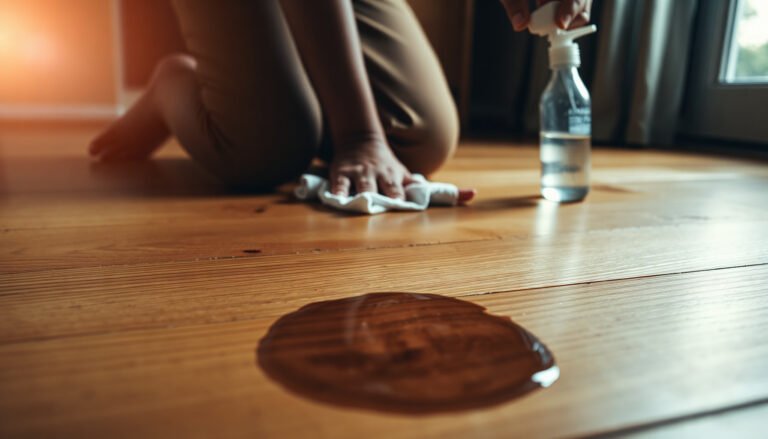
[…] damaging the top layer when you act promptly. You’ll need a soft white cloth, a few drops of isopropyl alcohol (or manufacturer-approved cleaner), and gentle blotting techniques—most cleanups take about […]
[…] marks without dulling the finish. Plan on about 15–30 minutes, and gather microfiber cloths, cotton swabs or pads, mild dish soap, and rubbing alcohol or a manufacturer-approved floor […]