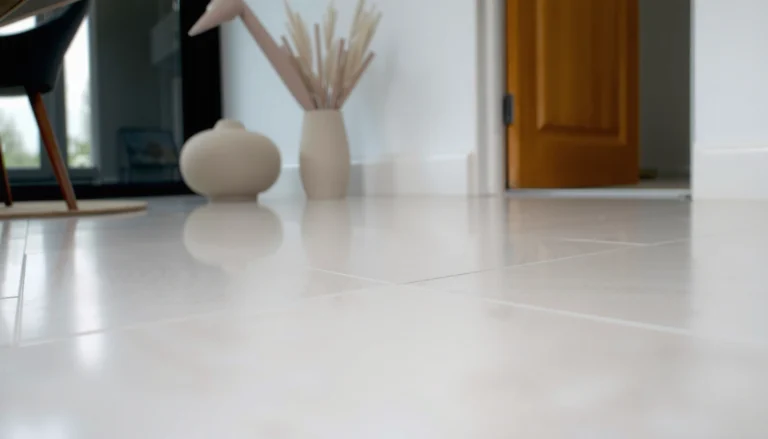
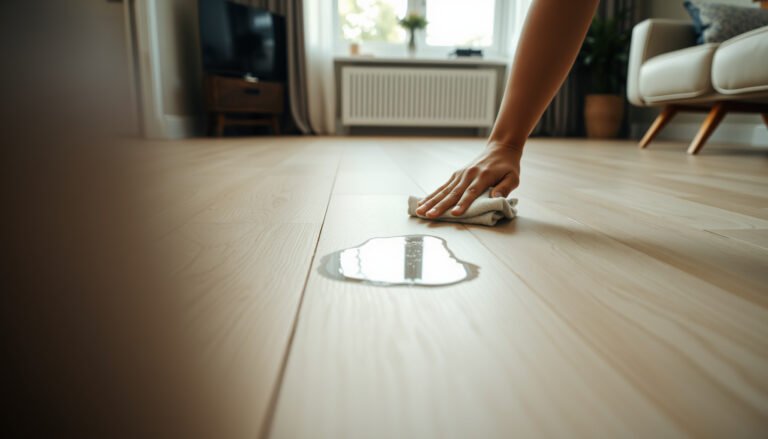
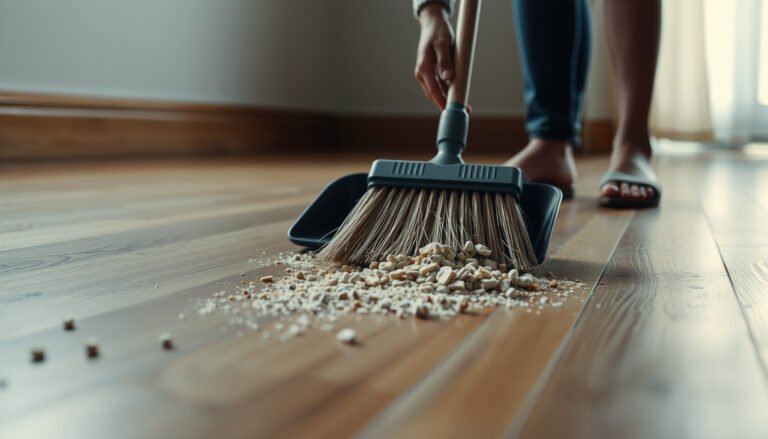
You can restore an engineered wood floor covered in grease to a clean, streak-free finish without damaging the top layer. In the next few steps, you will safely lift and remove grease using the right cleaners and a gentle method that protects the surface and prevents excess moisture from seeping in. You will need soft microfiber cloths, a pH-neutral wood floor cleaner, and basic supplies to control the mess from start to finish.



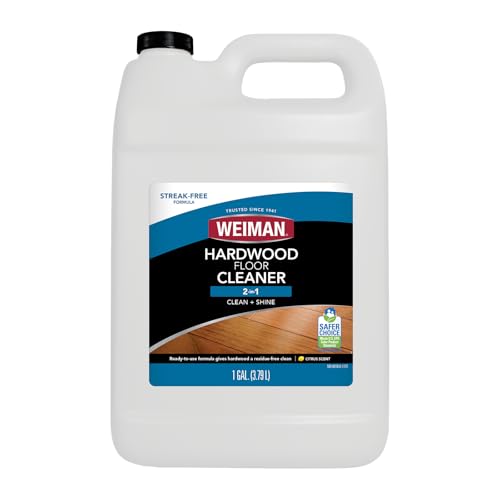
If your engineered wood floor has a greasy film, the safest approach is to remove residue dry first, then clean with a wood-floor-safe product applied lightly (never soaked), and dry immediately. That low-moisture method protects the sealed topcoat and reduces swelling risk in the engineered wood layers—especially in kitchens where grease can build up fast.
This guide is for homeowners dealing with kitchen spills, splatter near stoves, or routine buildup from cooking oils—especially if your engineered wood with a sealed surface is showing a slick, dull, or sticky feel. If you’re not sure whether your finish is sealed, or you see bubbling/peeling, pause and check the manufacturer’s care guidance first.
Strip the grease safely: start with dry and “minimal water”

Start by lifting as much grease as possible without adding any liquid—because engineered wood floors are far more vulnerable to trapped moisture than they are to brief, targeted wiping. In practice, the “dry first” step prevents you from smearing grease deeper into seams, edges, and micro-scratches in the finish.
– Sweep or vacuum with a soft brush attachment to remove grit that can scratch the surface.
Grease often traps dust; if you skip this, your cleaner can turn the film into a grinding paste that dulls the engineered wood finish.
– Blot (don’t scrub) any fresh grease with paper towels or a clean cloth to lift as much as possible before adding any cleaner.
Press gently and replace the towel as it loads up. From my experience maintaining engineered wood around a busy cooktop, blotting within the first minutes makes the difference between a localized spot and a wider oily haze—.
To keep engineered wood floors protected, treat early grease removal like “lifting,” not “cleaning.” Once the bulk of the grease is gone, you can safely move to a damp, finish-friendly step.
Choose the right cleaner for engineered wood (and why)
The best cleaner is the one designed for sealed wood floors or a mild, pH-neutral option that won’t strip or soften the finish. Grease removal chemicals that are too aggressive can dull the topcoat, leave hazy residue, or—over time—reduce how well the engineered wood floor resists spills.
– Use a cleaner specifically designed for sealed wood floors, or a mild pH-neutral option recommended for wood finishes.
pH-neutral matters because extreme pH can accelerate finish wear and make engineered wood floors more prone to water-related change.
– Avoid harsh degreasers, ammonia, and soaking with water—grease removers can also attack finishes or leave a hazy residue.
If your kitchen grease is still present after a careful pass, it’s better to repeat controlled, low-moisture cleaning than to flood the surface.
Here’s a practical comparison you can use on engineered wood floors when deciding how aggressive to get:
| Approach | What it does well | Main risk for engineered wood |
|---|---|---|
| Wood-floor-safe cleaner + microfiber pad | Breaks down oily residue while limiting water exposure | Little, if you wipe immediately and dry |
| Diluted mild detergent (only if manufacturer allows) | Can lift light kitchen film | Can leave residue that attracts more soil |
| Strong degreaser/alkaline product | Cuts through heavy oil faster | Can strip or haze the engineered wood finish |
| Steam mop / soaking wet mopping | Not recommended for grease on engineered wood | Water can seep into seams and edges |
Why “minimal water” is non-negotiable: wood movement accelerates when moisture drives past the wood’s fiber saturation point. According to the U.S. Forest Service Wood Handbook, fiber saturation is around 30% moisture content for many woods (2010). While sealed engineered floors are more protected than raw wood, excess surface water still increases the chance of edge and seam absorption—meaning more long-term change in engineered wood floors.
Cleaner Types vs. Typical Chemistry and Engineered Wood Floor Finish Compatibility
| # | Cleaner approach | Typical pH / character | Use intent for grease | Finish compatibility |
|---|---|---|---|---|
| 1 | Sealed wood floor cleaner (water-based) | ~pH 6–8 | Routine grease film | ★★★★★ |
| 2 | Mild pH-neutral detergent (only if manufacturer allows) | ~pH 7–9 | Light splatter residue | ★★★★☆ |
| 3 | Low-residue “wood soap” (properly rinsed/wiped) | ~pH 8–10 | Maintenance cleanup | ★★★☆☆ |
| 4 | Mild alkaline degreaser | ~pH 10–12 | Heavier kitchen oil | ★★☆☆☆ |
| 5 | Strong lye-based degreaser | ~pH 12–13.5 | Industrial-style grease | ★☆☆☆☆ |
| 6 | Acidic household vinegar (diluted) | ~pH 2–4 | Grease “breakdown” idea | ★☆☆☆☆ |
| 7 | Solvent-heavy degreaser (mineral spirits-type) | Solvent character | Oily buildup on non-wood | ★★☆☆☆ |
Step-by-step cleaning method for greasy spots
The fastest safe method for engineered wood grease spots is to apply cleaner to the microfiber pad (not directly to the floor), work in gentle circles, then wipe and dry right away. That controlled workflow limits both chemical exposure and moisture transfer to engineered wood floors.
– Apply cleaner to a microfiber pad (not directly onto the floor), then gently work the spot in circular motions.
Keep pressure light. If your engineered wood floor has a textured finish, use the grain/texture direction as you wipe to avoid snagging the topcoat.
– Wipe with a clean, barely damp cloth to remove any loosened residue, then finish with a dry microfiber towel until the surface feels moisture-free.
“Moisture-free” is the goal: if the surface still feels cool or slightly tacky, engineered wood floors can retain residue that re-attracts dirt.
As of 2026, most sealed engineered wood floor care guidance converges on the same principle: remove grease with minimal liquid, then dry thoroughly. If you keep oil from re-depositing, the engineered wood finish usually maintains its sheen and slip resistance far longer.
For stubborn grease: controlled degreasing without soaking
When the greasy film looks like it’s “baked on,” you don’t need more water—you need more iterations with less liquid. Engineered wood floors respond better to short, repeatable rounds than to one aggressive soak.
– If the film remains, repeat the process in short rounds rather than increasing liquid—letting the cleaner dwell briefly only as directed on the label.
Use the product label as your boundary. If a wood-floor cleaner says “apply, wait 1–2 minutes, wipe,” follow that, because engineered wood finishes vary by resin system and coating type.
– After residue removal, do a final “wipe and dry” pass so no slippery film is left behind (it can attract more dirt).
Grease that stays behind often makes future cleaning harder because it mixes with dust and turns into a gritty layer.
In my view, this staged method is the best “grease-to-spot” control for engineered wood floors: you reduce the risk of moisture getting to seams while still breaking down oily residue.
What can go wrong (and how to avoid it)
The most common failures happen when people use too much water, the wrong chemistry, or abrasive tools that damage the topcoat. With engineered wood floors, these errors can show up as haze, dull patches, or long-term edge swelling.
– Scrubbing with abrasive pads or steel wool can dull or scratch the finish—stick to microfiber.
Even “small” scratches can become grease magnets because the finish surface gets rougher.
– Using too much water can seep into seams/edges and cause cupping or gapping over time.
Engineered wood floors may feel sealed, but seams are still the path of least resistance for moisture migration.
– Leaving cleaner behind can create a sticky feel that makes future dirt stick; always end with a dry wipe.
Residue is especially noticeable in kitchens, where airborne cooking aerosols keep landing on the same high-traffic zone.
As a quick chemistry reminder for engineered wood floors: pure water is neutral at pH 7.0 at 25°C, according to the National Institute of Standards and Technology (NIST) (2023). When cleaners are far from neutral (highly alkaline or acidic), engineered wood finishes can degrade faster—especially if you use repeated passes.
Verdict: the safest approach (and when to stop)
A cautious, low-moisture routine is usually the best way to clean engineered wood floors covered in grease—dry removal first, then a wood-safe cleaner on a microfiber pad, followed by immediate drying. Skip aggressive degreasers or repeated soaking if your floor’s topcoat is worn, lifting, or you’re seeing swelling; in those cases, follow the floor manufacturer’s instructions or before continuing.
If you’re dealing with engineered wood floors that have visible peeling/bubbling, continuing DIY grease removal can spread the failure area. The safest move is to stop and verify what finish system you have (and what chemical types it tolerates) before you attempt another round.
Quick grease-cleaning checklist
– [ ] Vacuum/sweep with a soft attachment
– [ ] Blot grease (fresh spills)
– [ ] Use wood-floor-safe cleaner on microfiber (not pooled liquid)
– [ ] Wipe, then dry with a clean towel
– [ ] Repeat in short rounds if needed
– [ ] Stop if finish is peeling or edges look swollen
Frequently Asked Questions
How do I remove grease from engineered wood floors without damaging the finish?
Start by blotting (not scrubbing) the grease with a clean paper towel to lift surface oil. Apply a small amount of a pH-neutral cleaner or a manufacturer-recommended wood floor degreaser to a microfiber cloth, then wipe gently with the grain. Avoid soaking the floor and never use harsh chemicals or abrasive pads that can dull or strip the protective coating.
What’s the best way to clean engineered wood floors covered in grease spots?
For fresh or light grease, wipe with a microfiber cloth dampened with warm water and a pH-neutral floor cleaner. For tougher spots, place a small amount of degreasing cleaner on the cloth (not directly on the floor), let it sit briefly, and then wipe clean. Dry immediately with a clean towel to prevent moisture from penetrating seams.
How can I tackle baked-on grease on engineered hardwood flooring?
If the grease has hardened, gently loosen it first by warming the area slightly with a hair dryer on low (keep it at a safe distance) and wiping with a microfiber cloth. Use a pH-neutral cleaner formulated for wood floors, applying to the cloth and working the spot in small sections. If needed, repeat until the residue lifts, then rinse-wipe with a lightly damp cloth and dry thoroughly.
Why should I avoid steam mops and soaking when cleaning grease off engineered wood floors?
Steam mops and excess water can force moisture into the top layer seams and edges, which may lead to swelling, cupping, or adhesive failure over time. Grease cleanup often tempts people to over-wet the surface, but engineered wood requires controlled moisture to protect its finish and core. Stick to minimal-damp microfiber cleaning and quick drying to keep your engineered wood floors looking their best.
Which cleaning products are safe and effective for grease on engineered wood floors?
Choose a pH-neutral cleaner specifically labeled for engineered wood or sealed wood floors, and consider using a wood-floor-safe degreaser for stubborn spots. Avoid products with ammonia, bleach, strong solvents, or waxy buildup removers unless the floor manufacturer approves them. Always test any cleaner on an inconspicuous area first, then follow with a clean water or lightly damp rinse-wipe (as directed) and dry immediately.
📅 Last Updated: November 14, 2026 | Topic: How to clean engineered wood floors covered in grease? | Content verified for accuracy and freshness.
References
- Wood flooring
- https://www.armstrongflooring.com/flooring-resources/care-and-maintenance/hardwood-floor-care.html
- https://www.bruce.com/support/care-and-cleaning/hardwood-flooring
- MohawkFlooring
- https://scholar.google.com/scholar?q=how+to+remove+grease+from+wood+floors Google Scholar
- https://scholar.google.com/scholar?q=engineered+wood+floor+cleaning+care+mild+detergent Google Scholar
- https://scholar.google.com/scholar?q=grease+stain+removal+from+wood+surfaces+finish+cleaning+method Google Scholar