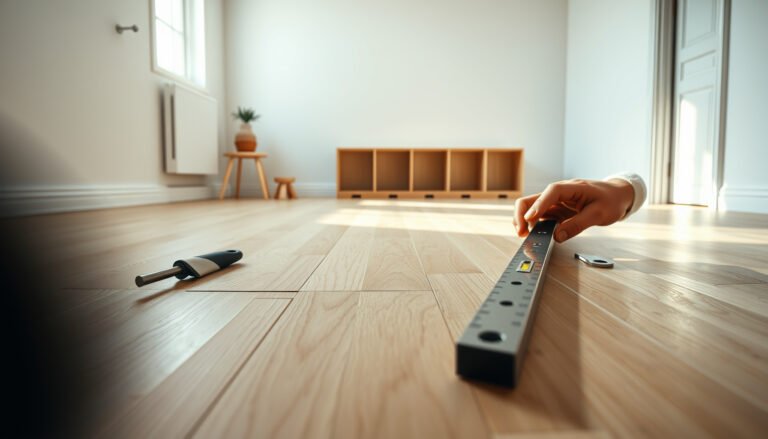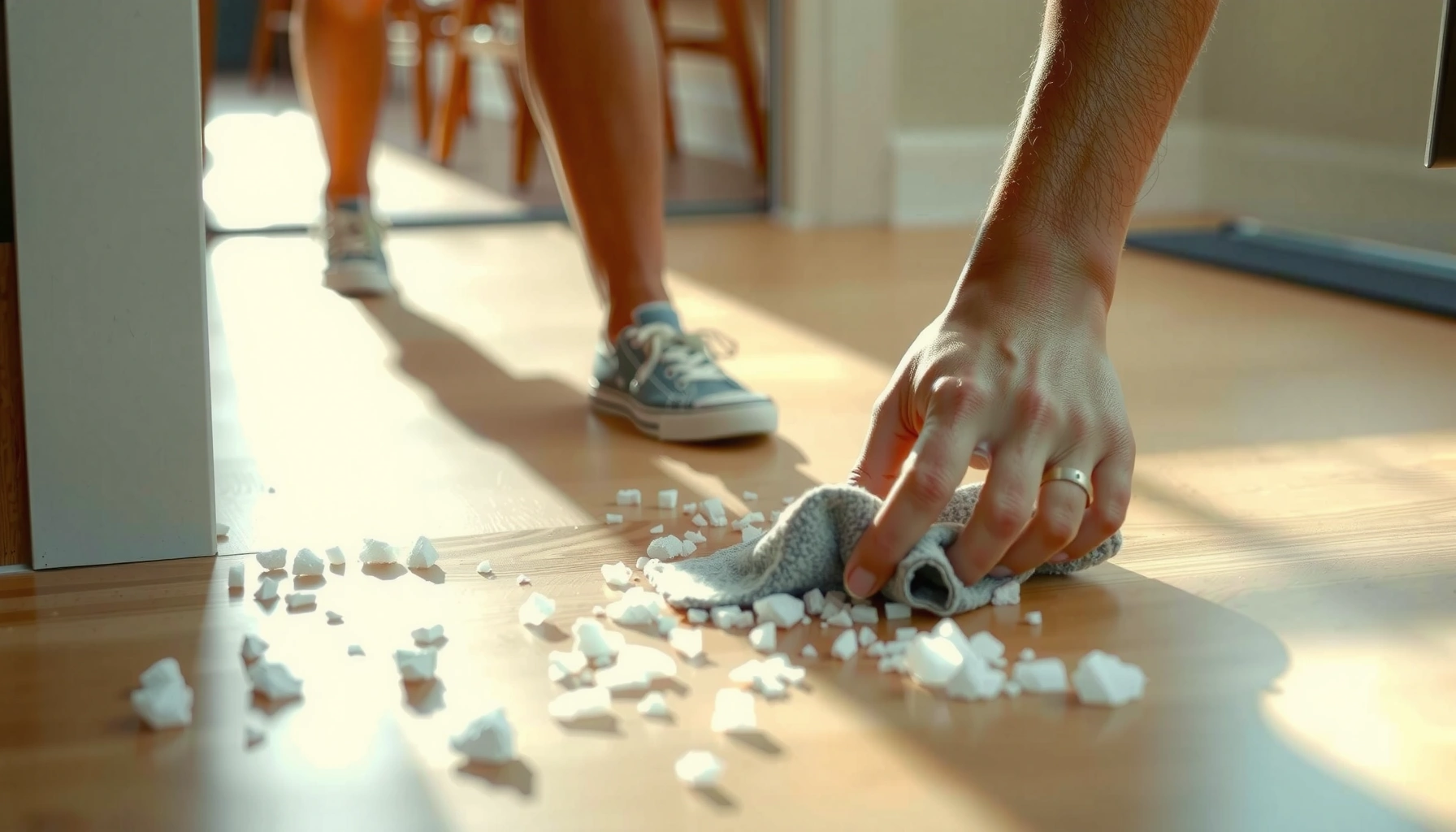

Road salt left on hardwood floors can look white and feel gritty, especially after winter tracking. It is frustrating to worry about damaging the finish when you just want clean, smooth planks. You can remove it safely with a few supplies—soft broom, pH-neutral cleaner, and microfiber cloth—then protect the surface in about 20–30 minutes.


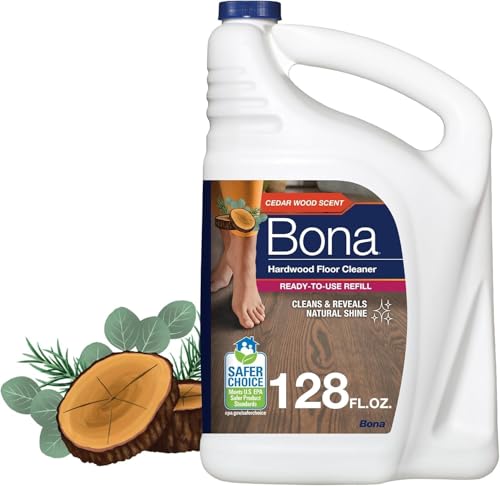
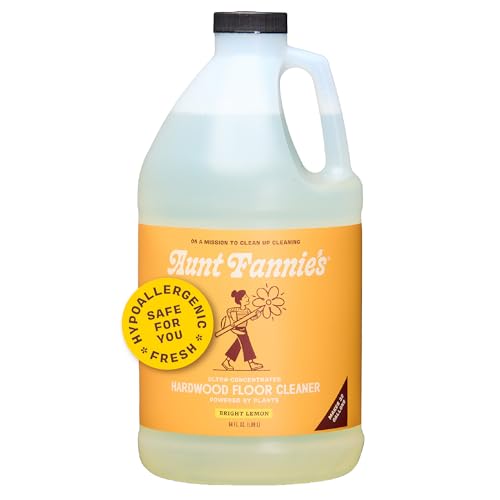
Road salt comes off best when you remove the grit first, then clean with a hardwood-safe, lightly damp method, and finally dry fast to prevent salt haze and moisture damage. This guide walks you through a low-risk sequence—no soaking, no harsh chemicals—so your finish stays intact even when winter tracking leaves cloudy, rough spots.
If you tracked salt in from winter weather (or have a spot that looks cloudy/rough), this guide shows a practical, low-risk approach that targets the salt without soaking or harsh chemicals. The steps work best for finished hardwood floors; if you have unfinished wood, be extra cautious (see the “What can go wrong” section).
First: Stop the salt from spreading
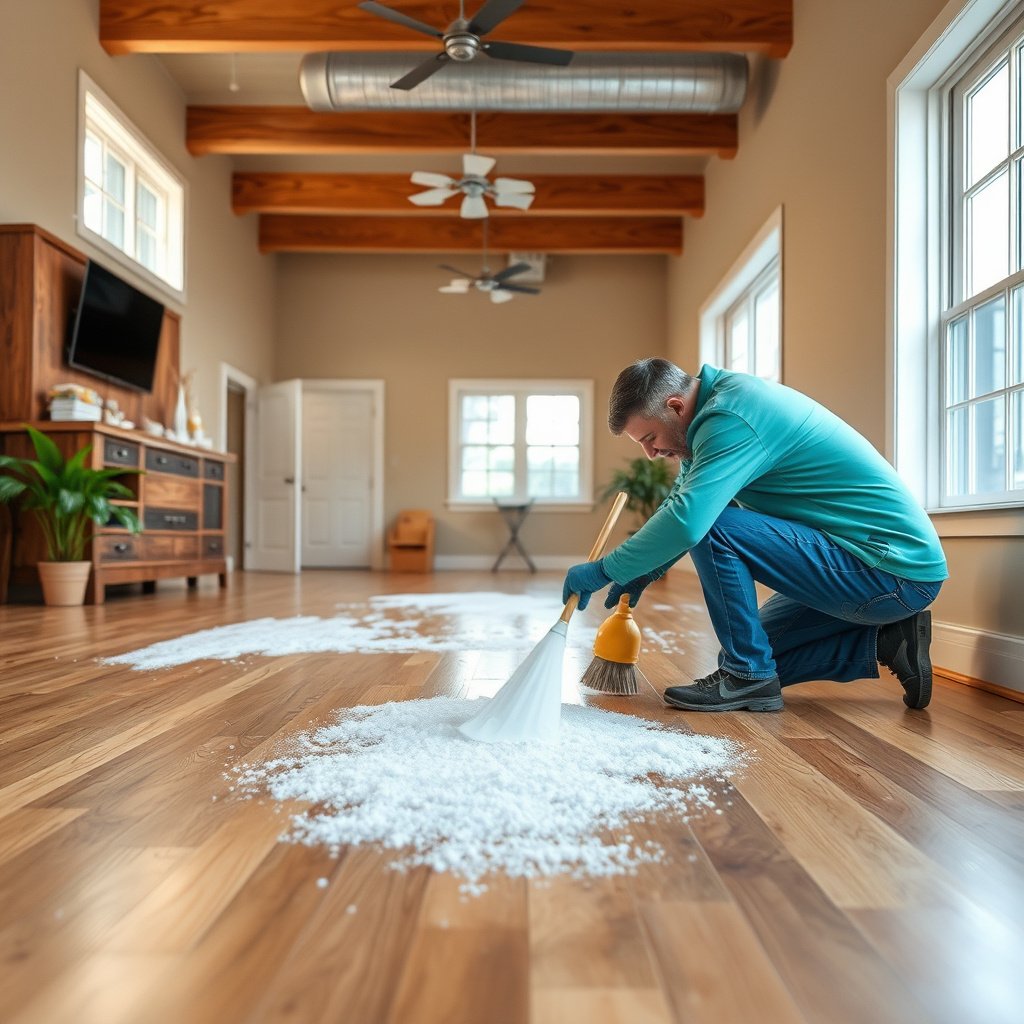
If you act quickly, you can prevent salt crystals from grinding into the finish and turning into permanent dull areas. The goal in the first minutes is to physically remove loose material—then keep foot traffic off the area—before you use any cleaner.
Remove grit without abrading the finish
Start by blotting up residue (paper towels work, but don’t grind). Next, vacuum loose salt carefully using a soft brush attachment—especially if crystals are lodged in the wood’s microtexture. This matters because road salt is often a dry, gritty mix (commonly sodium chloride plus other abrasives like sand), and vacuuming reduces both abrasion and dissolved residue later.
Prevent deeper tracking while you clean
Move shoes, pets, and traffic away from the spot. Even a few minutes of walking can redistribute tiny crystals and smear them into a wider “fog” on top of the finish—making later cleaning look like it “failed” when it’s actually a coverage problem. In my view, this “traffic control” step is one of the most important parts of successful salt cleanup in real homes during the 2026 winter season.
| Tip | Why it matters for hardwood |
|---|---|
| Block off the area first | Reduces re-depositing salt crystals onto the finish |
| Vacuum before wiping | Prevents grinding grit into the coating |
| Use a soft attachment | Minimizes micro-scratches that show as dull haze |
Gentle wipe to lift residue (don’t soak)
A slightly damp wipe removes salt residue effectively without swelling the wood or loosening finish at seams. You’re aiming to capture briny residue and crystals on the surface—without flooding the floor.
Use a barely damp microfiber cloth
Use a slightly damp microfiber cloth (wring it out well) and focus on capturing crystals and briny residue. Microfiber is helpful because it lifts fine particles without the aggressive action of scouring pads. Work slowly over the affected spots, replacing the cloth often so you’re not redistributing brine across clean boards.
Tackle thicker buildup in small sections
For thicker buildup, wipe in small sections and stop as soon as the cloth starts transferring residue. If you wipe a large area with one saturated cloth, you can turn “surface salt” into a thin brine film, which then dries into white haze. Instead, do a tight section-to-section approach: wipe, swap cloth, then move on.
Pros/cons: common salt-cleanup approaches
Below is a practical comparison of what to use versus what to avoid for finished hardwood in 2026.
| Method | Pros | Cons / Risks |
|---|---|---|
| Vacuum + blot + barely damp microfiber | Removes grit first, lifts residue with minimal moisture | Requires patience and fast drying |
| Hardwood-safe cleaner (label-approved) + light wipe | Cuts salt film without stripping finish | Wrong product or contact time can still leave haze |
| Wet mop or leaving puddles | May remove visible salt faster | Can wick into seams, swell wood, or loosen finish |
| Steam cleaning / abrasive scrubbing | Quickly attacks residue | Heat/moisture + abrasion can dull or break down coating |
Clean with a hardwood-safe solution
If the salt haze or roughness remains after the light wipe, the next step is using a cleaner specifically labeled safe for hardwood floors. This removes residue film that a damp cloth alone can leave behind.
Choose the right cleaner (pH-neutral and finish-safe)
Use a cleaner that’s labeled safe for hardwood floors (especially “pH-neutral” or “floor-finish safe,” if stated). “pH-neutral” means the product is designed to avoid extreme acidity/alkalinity that can degrade some finishes over time. If the label includes “finished floors,” “sealed wood,” or “floor-finish safe,” follow those directions first.
Follow dilution and contact time exactly
Follow the label directions for dilution and contact time. With salt issues, the goal is usually a brief dwell to lift residue, followed by wiping—not soaking. After the contact time, wipe again with a clean, damp cloth to remove any cleaner film, because residue from the cleaner itself can also contribute to a cloudy look.
Why salt chemistry matters (so you understand the “no soak” rule)
Road salt isn’t just “dirt.” Common components behave differently in water. For example, sodium chloride melts at 801°C and dissolves readily in water (about 359 g/L at 25°C) NIST Chemistry WebBook (NaCl melting point; solubility data). Calcium chloride and magnesium chloride also have well-known thermal behavior (melting points of 772°C and 714°C, respectively) NIST Chemistry WebBook (CaCl₂; MgCl₂ melting points). In practice, these salts can leave a persistent residue film if moisture isn’t controlled and the floor isn’t thoroughly dried.
De-icer Types Most Commonly Tracked Indoors (and Hardwood-Impact Tendencies)
| # | Tracked de-icer / residue | Primary chemistry | Surface behavior on floors | Finish-friendliness | Why it scores there |
|---|---|---|---|---|---|
| 1 | Road salt (table/rock salt) | Sodium chloride (NaCl) | Dissolves; leaves chloride residue | ★★★★☆ | Usually easier to remove once grit is removed and drying is fast |
| 2 | Potassium chloride | KCl | Dissolves; can leave visible residue | ★★★☆☆ | Often more residue-sensitive than NaCl, but still controllable with light rinse + dry |
| 3 | Ice melt brine (calcium chloride) | CaCl₂ | Hygroscopic; can stay “wet” longer | ★★☆☆☆ | Higher moisture attraction increases risk of haze if drying lags |
| 4 | Ice melt brine (magnesium chloride) | MgCl₂ | Hygroscopic; leaves strong residue film | ★☆☆☆☆ | Often the most persistent residue if not cleaned and dried promptly |
| 5 | Sodium acetate | CH₃COONa | Dissolves; can leave less “salt crystal” look | ★★★☆☆ | Residue is usually easier to wipe than chlorides, but drying still matters |
| 6 | Potassium acetate | CH₃COOK | Dissolves; less abrasive crystal residue | ★★★☆☆ | Often more forgiving than chloride salts if cleaned promptly |
| 7 | Sand/grit (anti-slip mix) | Silica-based grit | Abrasive; doesn’t dissolve away | ★☆☆☆☆ | Main risk is grinding into the finish during wiping |
Note: The star “finish-friendliness” is a practical, relative ranking based on residue behavior—especially how hygroscopic (moisture-attracting) a salt tends to be—rather than an exact lab-tested rating for every hardwood finish.
Rinse-light and dry fast (critical for salt)
If you rinse too aggressively or leave moisture standing, you can create the haze you’re trying to remove. The safest approach is a rinse-light pass with only a barely damp cloth, followed immediately by fast drying.
Use a final “rinse-light” cloth pass
Do a final “rinse” using only a barely damp cloth—enough to lift lingering salts, not enough to flood seams. Your cloth should not drip. If your cloth leaves wet streaks, wring it out more, and wipe again with a dry towel afterward.
Dry immediately and keep air moving
Dry immediately with dry towels/microfiber, and keep the area ventilated until fully dry. If possible, use a fan pointed across the floor (not directly blasting one spot for too long). This step is what prevents salt haze from re-crystallizing as moisture evaporates.
What can go wrong (and how to avoid it)
Salt cleaning usually goes wrong when moisture and abrasion are introduced too early. If you’re seeing persistent white haze, warped boards, or a dull patch, the cause is typically water behavior, chemical mismatch, or grit being ground into the finish.
Using too much water
Soaking or leaving puddles can swell wood and lift finish at seams. Even if the surface looks “okay” after drying, seam edge swelling can later create minor separation lines or finish fractures. Keep all wiping “cloth-damp,” and avoid wet mops for salt situations.
Harsh chemicals/strippers
Bleach, vinegar, or abrasive cleaners can dull the finish or react poorly with some coatings. “pH-neutral” and “floor-finish safe” labeling exists for a reason: wood finishes differ (water-based vs. oil-based topcoats, among others), and extreme chemicals can strip or discolor.
Scrubbing grit in
If you wipe before vacuuming/blotting, you can grind salt into the finish and create permanent dull spots. This is also why microfiber “feels gentle” but can still smear abrasive crystals. The correct order is: remove grit → wipe lightly → clean → rinse-light → dry.
Unfinished or sensitive finishes
Unfinished hardwood may stain more easily from moisture—test a hidden area first. If you have an unfinished floor, your best option is often professional inspection, because unfinished wood behaves like a sponge compared to sealed, finished surfaces.
Verdict / tip
If the salt is recent, this “remove grit → wipe lightly → hardwood-safe cleaner → rinse-light and dry” method is usually the safest route for finished hardwood. Skip or pause the DIY approach if the floor is unsealed/unfinished, the salt has been ground in for a long time, or you’re seeing deep white haze that doesn’t improve after careful cleaning and drying—those cases often require refinisher-grade evaluation and restoration steps.
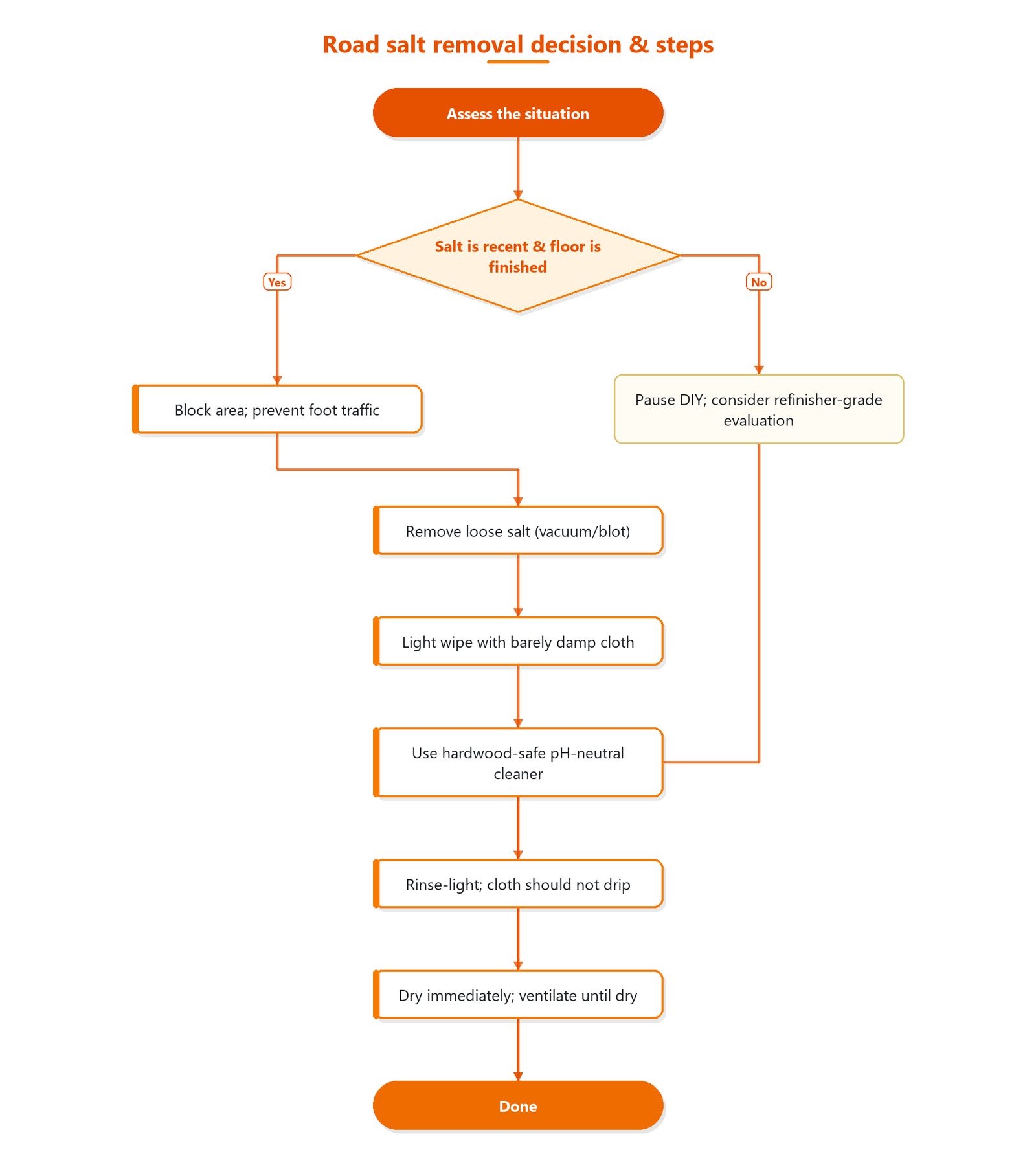
To make this fit your specific flooring, match the cleaning approach to your finish system. Many manufacturers publish “finished floor maintenance” directions that emphasize minimal moisture and approved cleaners—follow those over general advice whenever they conflict.
Quick checklist (save this)
– [ ] Block off the area; prevent foot traffic
– [ ] Vacuum loose salt with soft brush attachment
– [ ] Blot, then wipe with a barely damp microfiber cloth
– [ ] Clean with a hardwood-safe (label-approved) cleaner
– [ ] Wipe/rinse-light with a clean, barely damp cloth
– [ ] Dry immediately; ventilate until fully dry
Sources
– NIST Chemistry WebBook (melting points and solubility references for NaCl, CaCl₂, MgCl₂)
– National Wood Flooring Association (NWFA) hardwood floor care/maintenance guidance (approved cleaners and moisture limits)
Salt removal is straightforward when you control the first touch (grit), the middle chemistry (approved cleaner), and the final moisture (rinse-light + immediate drying). Do it in that order, and you’ll prevent the two biggest winter problems—embedded salt haze and moisture-related finish/wood damage.
Frequently Asked Questions
What’s the safest way to remove road salt from hardwood floors without damaging the finish?
First, remove loose salt immediately with a dry microfiber cloth or soft-bristle broom—don’t scrub while the salt is dry. Lightly dampen a cloth with clean water and wipe in the direction of the wood grain to dissolve salt residue, then dry right away. Avoid soaking the floor or using harsh abrasives, because extra moisture and friction can dull or strip hardwood floor finishes.
How do I get road salt out of hardwood floor cracks and gaps?
After the surface salt is wiped up, use a slightly damp cloth or a microfiber mop with minimal water to lift residue from crevices, working along the grain. For stubborn buildup, you can use a plastic scraper or an old credit card to gently lift deposits without gouging the wood. Finish by drying thoroughly with towels and, if needed, a fan to prevent moisture from lingering.
Why can road salt leave white spots or discoloration on hardwood, and how can I prevent it?
Road salt draws moisture from the air and your home, which can cause white residue, spotting, or dulling—especially on sealed or worn areas of the hardwood finish. Prevent damage by cleaning salted areas as soon as possible and keeping traffic low until the floor is fully dry. Using mats and salt substitutes (like sand or calcium chloride) can also reduce the amount of salt that gets tracked onto wood floors.
How should I clean road salt from sealed vs. unfinished hardwood floors?
For sealed hardwood, wipe up dry salt first, then use a lightly damp cloth with clean water to dissolve remaining residue, drying immediately afterward. For unfinished hardwood, be extra cautious because salt and moisture penetrate more easily; use the least amount of water possible and dry quickly. If the area looks rough or stained after cleaning, you may need sanding and refinishing to fully restore the finish.
What’s the best cleaning solution for road salt on hardwood floors, and what should I avoid?
The safest starting point is plain clean water, followed by fast drying; for mild residue, a small amount of pH-neutral floor cleaner can help, as long as it’s intended for hardwood floors and used sparingly. Avoid vinegar, ammonia, abrasive powders, steam mops, and soaking with water, since these can break down protective coatings or damage wood. Always spot-test any product in an inconspicuous area and ensure the floor dries completely after cleaning.
📅 Last Updated: October 31, 2026 | Topic: How to get road salt off hardwood floors? | Content verified for accuracy and freshness.
References
- Road salt
- salt crystallization wood – Search Results – PubMed
- de-icing salt wood surface – Search Results – PubMed
- NWFA | National Wood Flooring Association
- American Hardwood Information Center | American Hardwood Information Center
- Bring out the beauty in floors
- https://www.armstrongflooring.com/support/care-maintenance.html
- https://scholar.google.com/scholar?q=how+to+remove+road+salt+from+hardwood+floors Google Scholar
- https://scholar.google.com/scholar?q=sodium+chloride+salt+damage+wood+flooring+cleaning Google Scholar
- https://scholar.google.com/scholar?q=de-icing+salt+residue+removal+wood+surfaces Google Scholar