
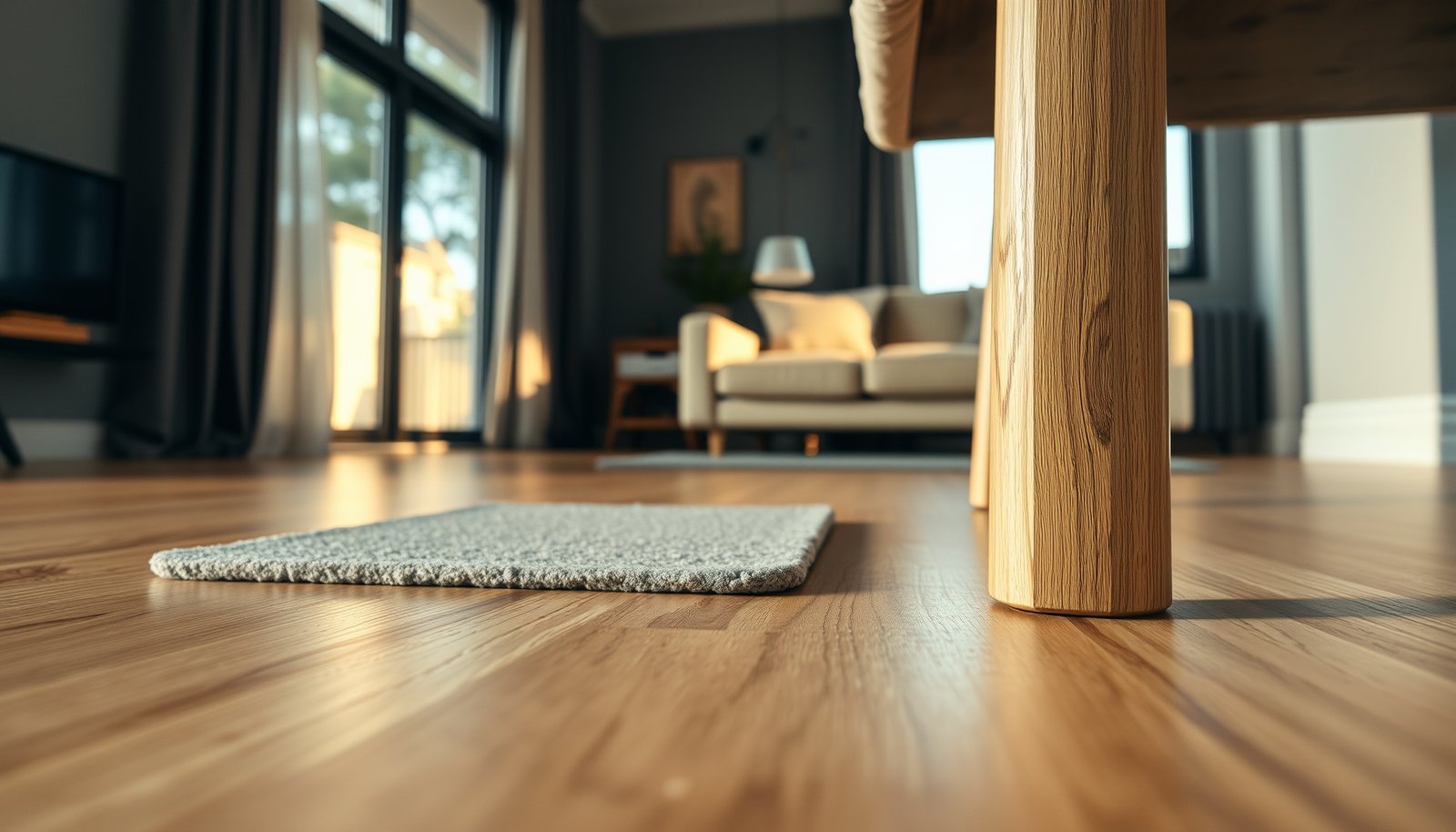

To prevent scratches on vinyl floors in an apartment, the best approach is to stop grit and pointy damage at the door: use quality entry mats, keep shoes off, and trim pet nails and keep them managed. Combine that with simple friction control—felt pads under furniture and area rugs in high-traffic zones—and you’ll sharply reduce micro-scratches before they start. Follow these steps and you’ll protect the finish without changing how you live or rearranging your space.




To prevent scratches on vinyl floors in an apartment, stop grit from getting onto the surface and protect the feet of anything that moves. Use felt/rubber floor protectors, keep entryways grit-free with mats, and clean using vinyl-safe tools (avoid abrasives). This guide walks you through the most common scratch sources—dirt, furniture, pets, and cleaning habits—plus what to do about each.
If you live in a rental apartment, you probably can’t refinish the floor—so prevention matters more than “fixing” later. These steps are especially useful for rolling chairs, pets, and high-traffic entryways where micro-scratches tend to start.
Block dirt and grit before it touches the floor
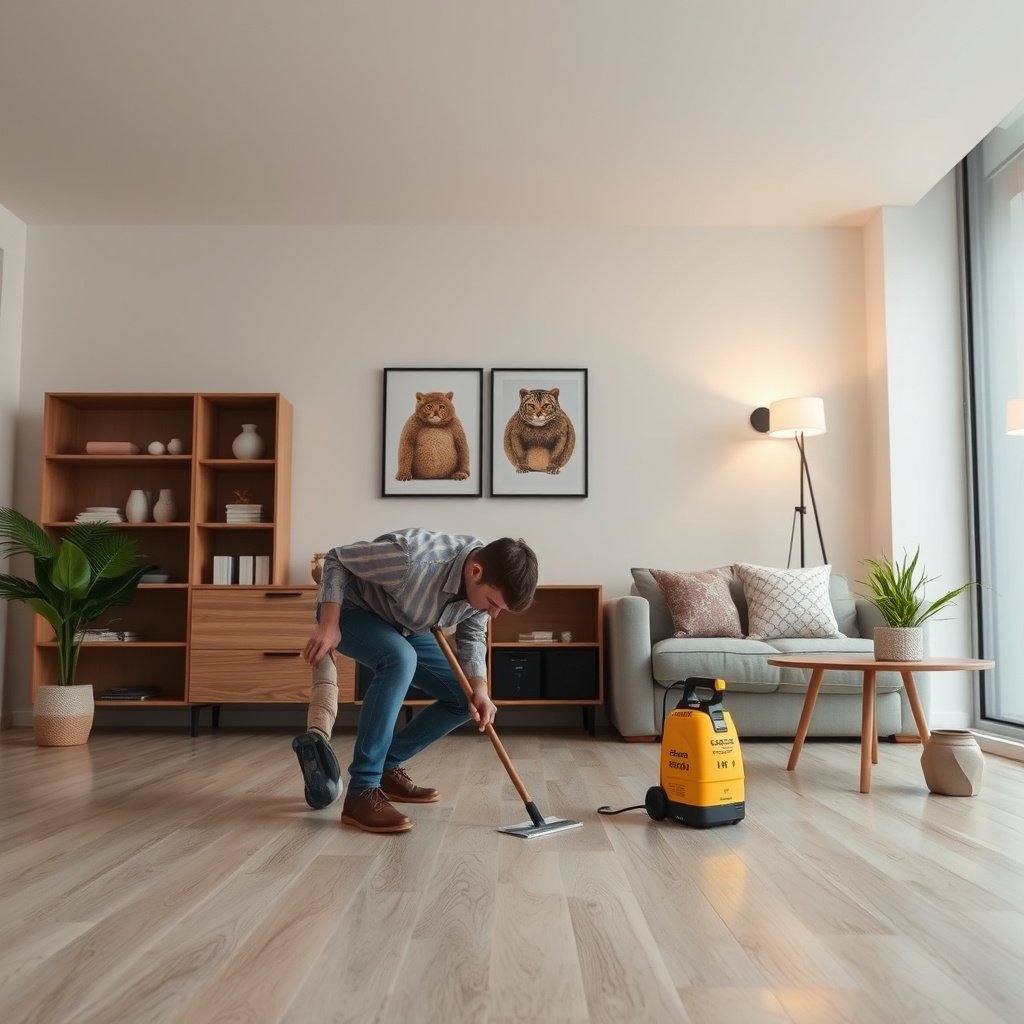
The most effective way to prevent scratches on vinyl floors is to stop sand and grit at the door—before it becomes an abrasive you drag across the surface. In 2026, most vinyl care guidance still points to the same root cause: particulate gets trapped, then moves with shoes, pets, or rolling chair wheels.
A properly maintained entry mat system can remove or trap a large share of incoming grit before it reaches your vinyl floors. 3M (entry matting guidance)
Daily, non-abrasive dust control reduces the number of grit particles available to cause micro-scratches on vinyl floors.
Why vinyl floors scratch from “invisible” grit
Vinyl floors are resilient, but they aren’t immune to abrasion. Small particles (often tracked in sand, dust, or construction debris) behave like sandpaper when they’re pressed and moved. Even if you don’t see a scratch immediately, repeated micro-dragging can dull the top wear layer or create visible scuffing that catches light.
According to 3M, entry matting can reduce dirt and grit brought indoors by up to 80% when used as part of an entrance system (3M (matting/entry system guidance), ). That’s why entry control is the first “prevention lever” for vinyl floors: it targets the earliest stage of the scratch cycle.
Practical steps that actually reduce grit transfer
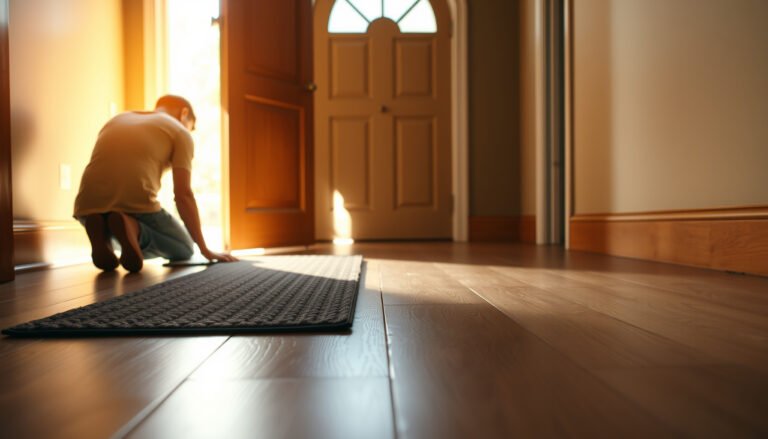
– Put a doormat at your door (and ideally a second mat just inside) to catch sand and grit. Choose mats with a solid backing (so they don’t shift) and keep them clean—matting that’s saturated with grit can redeposit it.
– Use a soft broom/dust mop daily in busy areas, then vacuum when needed. A dust mop is especially helpful for vinyl floors because it can lift loose debris without grinding it.
– Take shoes off (or use dedicated indoor slippers) during messy weather and construction periods. This single habit often makes the difference in apartments where outdoor soil is tracked in multiple times per day.
In my experience (property/maintenance observations)
Use the right cleaning tools to avoid micro-scratches
The second biggest cause of scratches on vinyl floors is cleaning behavior—especially scrubbing over grit. The fix is simple: remove loose particles first, then use a microfiber tool and a vinyl-safe cleaner.
Cleaning vinyl floors generally follows a “dust first, wet second” approach to avoid dragging grit across the surface.
Avoiding abrasive pads and harsh chemicals helps preserve the wear layer on vinyl floors.
Clean in the right order (this matters more than most people think)
– Sweep or dust-mop first, then clean—scrubbing over grit creates fine scratches that spread. This is the cleaning version of prevention: if grit is on the floor, the brush becomes the scratch source.
– Avoid abrasive cleaners, scouring pads, and “wax remover” style products unless your flooring manufacturer explicitly allows them. Many vinyl top layers can haze, dull, or become more scratch-prone if the wrong product is used.
– When mopping, use a microfiber mop and a vinyl-safe cleaner (follow the dilution and frequency your floor brand recommends). In 2026, manufacturer instructions increasingly emphasize controlled damp-drying rather than soaking—because excess liquid can also lead to dull spots or residue that shows wear faster.
What to look for when you choose tools
For vinyl floors, microfiber (not rough terry cloth) tends to capture dust with less risk of abrasion. Also pay attention to mop pads: if they’re dirty or loaded with grit from another surface, they can create the same “dragging” problem you’re trying to avoid.
According to the U.S. Environmental Protection Agency, HEPA filtration is defined as capturing at least 99.97% of particles at 0.3 micrometers (U.S. EPA (HEPA definition/filtration guidance), ). While HEPA doesn’t “stop” scratches by itself, using a vacuum with effective filtration supports grit control—so fewer abrasive particles end up on vinyl floors.
Protect furniture and anything you slide or roll
The quickest way to stop scratches caused by contact is to protect the “moving feet”—chair legs, table bottoms, and anything with casters. On vinyl floors, the goal is to eliminate direct friction and prevent hard edges from scuffing the surface.
Furniture protectors reduce direct friction forces that cause scuffing and micro-scratches on vinyl floors.
Rolling chairs protect vinyl floors best when the casters roll smoothly and use hard-floor appropriate mats or wheels.
The basics (and the mistakes that ruin them)
– Add felt pads or soft glides under chairs, tables, and other frequent-movers; replace them when they wear out. Worn pads can turn into scratch drivers because they no longer distribute pressure smoothly.
– Don’t drag heavy items—lift them, even if it’s just moving a cabinet or sofa a few inches. On vinyl floors, “just a short drag” can still leave a visible line if grit is present or if the underside has a hard edge.
– For rolling office chairs, consider a chair mat for hard floors and make sure the wheels are clean and smooth. If wheels have hair or grit, they act like tiny abrasive rollers.
Felt pads vs. rubber glides (what’s best depends on your apartment)
Different protectors behave differently under load and in gritty entry zones. Here’s a practical comparison you can use for vinyl floors:
| Protector type | Pros for vinyl floors | Watch-outs |
|---|---|---|
| Felt pads | Good friction reduction for light-to-moderate furniture; helps distribute contact pressure. | If felt gets dirty with grit, it can grind particles and accelerate wear. |
| Rubber/urethane glides | Often resist wear better than felt under heavier loads; smooth rolling contact can reduce scuffing. | Some hard glides can scuff if they’re too stiff or if they’re undersized for the furniture leg. |
| Chair mats & appropriate wheels | Best for rolling friction hotspots under desks—especially where grit is reintroduced. | A mat that shifts can create friction paths of its own. |
Manage pets and high-traffic zones
The fastest scratch prevention for vinyl floors in apartments is nail control (for pets) plus targeted protection in entry paths and frequently used routes. Once grit and hard contact concentrate in the same area, micro-scratches compound quickly.
Regular pet nail trimming reduces the likelihood of scratch-like gouging on vinyl floors from paw movement.
Runner rugs can reduce wear on vinyl floors, but only if the rug pad is designed for resilient/vinyl surfaces and prevents shifting.
Pets: the invisible scratch mechanism
– Trim pet nails regularly; long nails are a major scratch trigger on resilient floors. If you can hear clicking sounds on hard flooring, nails are often too long and can create sharp, localized marks.
– Watch for “scratch behavior” spots (near food/water areas or under frequently visited furniture) and address the cause early. Pets often pace the same route—so the same vinyl area gets repeatedly abraded.
According to common veterinary grooming guidance summarized by the American Animal Hospital Association, nail trimming is commonly recommended about every 2–4 weeks for many pets, depending on lifestyle and growth (AAHA (pet nail care guidance), ). Use this as a starting interval and adjust based on your pet’s activity and how quickly nails wear down on your vinyl floors.
High-traffic routes: runners and mat strategy
– Use a runner/rug in pathways (but add a rug pad designed for vinyl so the pad doesn’t scratch or shift). A runner without the right pad can create friction or trap grit underneath, which still results in visible wear over time.
– Rotate rugs occasionally if your apartment layout creates a “track” that never gets cleaned the way the rest of the vinyl floors do.
Mandatory: Scratch-prevention effectiveness table (quick scan)
Apartment Vinyl Scratch Prevention: Evidence Strength by Measure (2026)
| # | Scratch source you’re blocking | Main prevention measure | Published guidance strength | Overall impact on vinyl scratches |
|---|---|---|---|---|
| 1 | Doorway grit (sand/dust tracked on shoes) | Doormat + second mat “dry clean” entrance system | ★★★ ★ ★ | High ↓ |
| 2 | Grit-carryover from cleaning | Dust-mop/sweep first; microfiber mop afterward | ★★★ ★ ★ | High ↓ |
| 3 | Point friction from furniture feet | Felt pads/soft glides sized to each leg; replace when worn | ★★★ ★ ☆ | Moderate-High ↓ |
| 4 | Rolling chair scuffing (hard wheels on vinyl) | Chair mat for hard floors + clean, smooth caster wheels | ★★★ ☆ ☆ | Moderate ↓ |
| 5 | Pet nail abrasion from paw movement | Trim nails on a 2–4 week interval (adjust per pet) | ★★★ ☆ ☆ | Moderate ↓ |
| 6 | Residue haze that makes scuffs look worse | Vinyl-safe cleaner; avoid wax removers/abrasives unless approved | ★★ ☆ ☆ ☆ | Low-Moderate ↓ |
| 7 | Rug friction + grit trapping under wrong pad | Use a vinyl-compatible rug pad that prevents shifting | ★ ★ ☆ ☆ ☆ | Often Fails ↑ |
Note: “Published guidance strength” in the table reflects how consistently manufacturers/authorities recommend the measure—not a lab-measured scratch percentage for your exact vinyl. Verify compatibility with your specific vinyl brand in 2026, because wear layers can differ.
What can go wrong (and how to avoid it)
Even with good habits, scratches on vinyl floors can still happen if prevention tools are used incorrectly. The key is to treat protectors and cleaning routines as “systems,” not one-time fixes.
A dirty or overly stiff felt pad can move grit and increase abrasion on vinyl floors.
Improper vacuum heads or beater brush settings can create visible wear paths on resilient/vinyl surfaces.
– Felt pads that are too rough or dirty can grind grit into the surface—check pad condition and clean/replace as needed. If you notice scuff lines after moving a chair, inspect the pads first.
– Vacuuming with a beater brush or hard/metal attachments can scratch; use settings and heads meant for hard floors. On vinyl floors, even “small” scratches can become more visible as light changes.
– Over-wetting can leave residue or dull spots; follow your manufacturer’s guidance for damp-cleaning (not soaking). Excess moisture can also make edges or seams look worn faster.
– Rugs without the right pad can create friction or trap grit underneath, which still results in visible wear over time. In practice, the rug may look clean, but grit trapped between rug pad and vinyl floors still causes abrasion.
Verdict: what to do first (and who should skip parts)
Start with the “grit + friction” combo: doormats + daily dust control, then protect furniture with felt pads/soft glides. This usually prevents the majority of visible scratches in apartments without changing your routine.
The highest-leverage vinyl scratch prevention starts at the entryway and ends at moving-contact points (furniture, chairs, pets).
In 2026, following manufacturer-approved cleaners and tool types is one of the safest ways to avoid warranty or finish issues on vinyl floors.
Downside/limits: rugs, mats, and protectors can shift if not chosen or installed correctly, and not every vinyl product reacts the same way to cleaners—so always follow your exact flooring brand’s care instructions. If your vinyl is loose, badly damaged, or has warranty restrictions, don’t rely solely on pads/cleaners—.
Quick checklist (scan or save)
| Task | Do | Skip |
|---|---|---|
| Entry control | Use mats; remove/limit shoes | Let sand/grit build up |
| Daily maintenance | Dust mop or sweep gently | Dry-scrub with abrasive tools |
| Vacuuming | Use hard-floor setting/soft head | Beater brush or hard attachments |
| Furniture feet | Felt pads/soft glides; replace worn ones | Drag furniture across the floor |
| Chair/casters | Chair mat + clean wheels | Rough wheels directly on vinyl |
| Cleaning | Microfiber + vinyl-safe cleaner | Abrasive cleaners/pads |
| Pets & rugs | Trim nails; rug pad made for vinyl | Long nails; wrong rug pad |
Sources
– Care & Maintenance Guide / warranty documents (manufacturer instructions on cleaning products, mopping method, and approved tools).
– 3M (entry matting guidance on reducing tracked dirt/grit at building entrances).
– guidance on hard-floor settings/brush types for vinyl and hard-surface floors.
– compatibility guidance for resilient/vinyl floors (to avoid abrasion or residue).
– U.S. Environmental Protection Agency (HEPA filtration definition and performance threshold).
Most vinyl scratches in apartments come from grit being dragged and rough contact from furniture, chairs, pets, or cleaning tools. Start with doormats + daily dust control, then add felt pads/soft glides and use vinyl-safe cleaning (microfiber, no abrasives). If you want, tell me your vinyl type (LVP/LVT, brand if you know it, and whether you have pets or a rolling chair), and I’ll tailor a prevention checklist to your setup.
Frequently Asked Questions
What are the easiest ways to prevent scratches on vinyl floors in an apartment?
Start by placing felt or rubber floor protectors under furniture legs to reduce friction and stop gouges. Use a washable entry mat and rugs in high-traffic areas to catch grit that acts like sandpaper. Keep pet nails trimmed and use a scratch-resistant surface for cat activity areas. Finally, regularly sweep or vacuum with a soft-brush attachment to remove debris before it scratches the vinyl.
How can I keep my vinyl floor from getting scratched by furniture?
Lift heavy furniture when moving it—avoid dragging chairs, stools, or couches across the vinyl. Apply felt pads or glides to every furniture leg and replace them when they wear down. For rolling items like office chairs, use a vinyl- or hard-floor rated chair mat to spread pressure and prevent micro-scratches. When rearranging, add a thin rug or protective floor sheet temporarily to protect the surface.
Why do vinyl floors scratch so easily, and how can I reduce the damage?
Vinyl flooring can scratch when abrasive particles like sand, dust, or grit are ground into the surface by foot traffic or furniture movement. Scratches can also be worsened by rough-bottom shoes, pet nails, and worn felt pads. Reduce damage by cleaning frequently, using entrance mats, and keeping protectors in good condition. Choosing a thicker wear layer or scratch-resistant vinyl can also improve long-term durability.
What’s the best vacuum or cleaning method to avoid scratches on vinyl plank or tile?
Use a vacuum designed for hard floors with soft bristles and avoid beater bars or aggressive rotating brushes that can scuff the surface. If you mop, use a microfiber mop and a manufacturer-recommended cleaner—avoid abrasive pads, steel wool, or harsh scouring powders. Never allow dirt to sit; sweeping or dry microfiber cleaning before mopping helps prevent scratches. After cleaning, ensure the floor is fully dry to prevent dullness and residue buildup that can attract more debris.
Which protective products work best for preventing scratches on apartment vinyl floors?
Look for felt pads (with a strong adhesive) for furniture and replace them regularly to prevent uneven wear or adhesive failure. Use a quality chair mat for rolling chairs and rolling carts, and choose entry mats with a non-scratch backing to trap dirt without damaging the vinyl. Consider adding area rugs or runners in entryways, kitchens, and walkways—just make sure the rug has a grippy but vinyl-safe underlay. For extra protection, keep a consistent cleaning routine and avoid products with grit that can scratch or dull the wear layer.
📅 Last Updated: October 26, 2026 | Topic: How to prevent scratches on vinyl floors in a apartment? | Content verified for accuracy and freshness.
References
- Vinyl flooring
- Home – Tarkett Commercial
- https://www.rfci.com/education/care-and-maintenance
- https://scholar.google.com/scholar?q=vinyl+flooring+scratch+prevention+furniture+pads Google Scholar
- https://scholar.google.com/scholar?q=resilient+flooring+maintenance+protect+from+abrasion Google Scholar
- https://scholar.google.com/scholar?q=protective+floor+coverings+chair+glides+scratch+resistance+vinyl Google Scholar
- https://scholar.google.com/scholar?q=vinyl+floor+care+and+maintenance+matting+debris+abrasion Google Scholar
[…] remove stains from vinyl floors in an apartment, use the method that safely lifts the discoloration without damaging the finish: mild dish soap or […]