


Protecting vinyl floors in a dining room is easiest when you choose floor protection that stops grit, spills, and chair damage before they start. Use a felt-underlay chair mat or caster-friendly pads plus a washable entry rug and wipe-up routine to keep daily traffic from scratching or dulling the finish. If you want the clearest path to a longer-lasting floor, this is the protection setup that delivers the most impact.
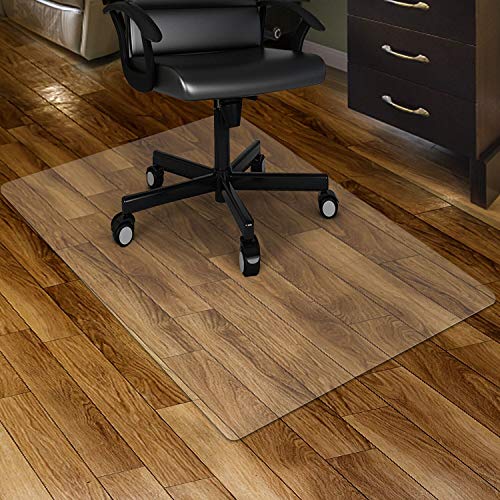



Protect vinyl floors in a dining room by stopping tracked grit and controlling moisture first, then protecting chair/table contact points with vinyl-safe glides and entry mats. When you pair that routine with vinyl-approved cleaning, you prevent the two most common failures—surface dulling and seam/edge lifting—without making everyday dining “careful-condition” only.
If you have vinyl plank or vinyl sheet flooring in a dining room—especially where chairs slide, kids/students eat often, or you host regularly—these protection habits matter. They’re designed for everyday care and realistic wear patterns rather than “perfect conditions.”
Start with entry control (grit is the real enemy)
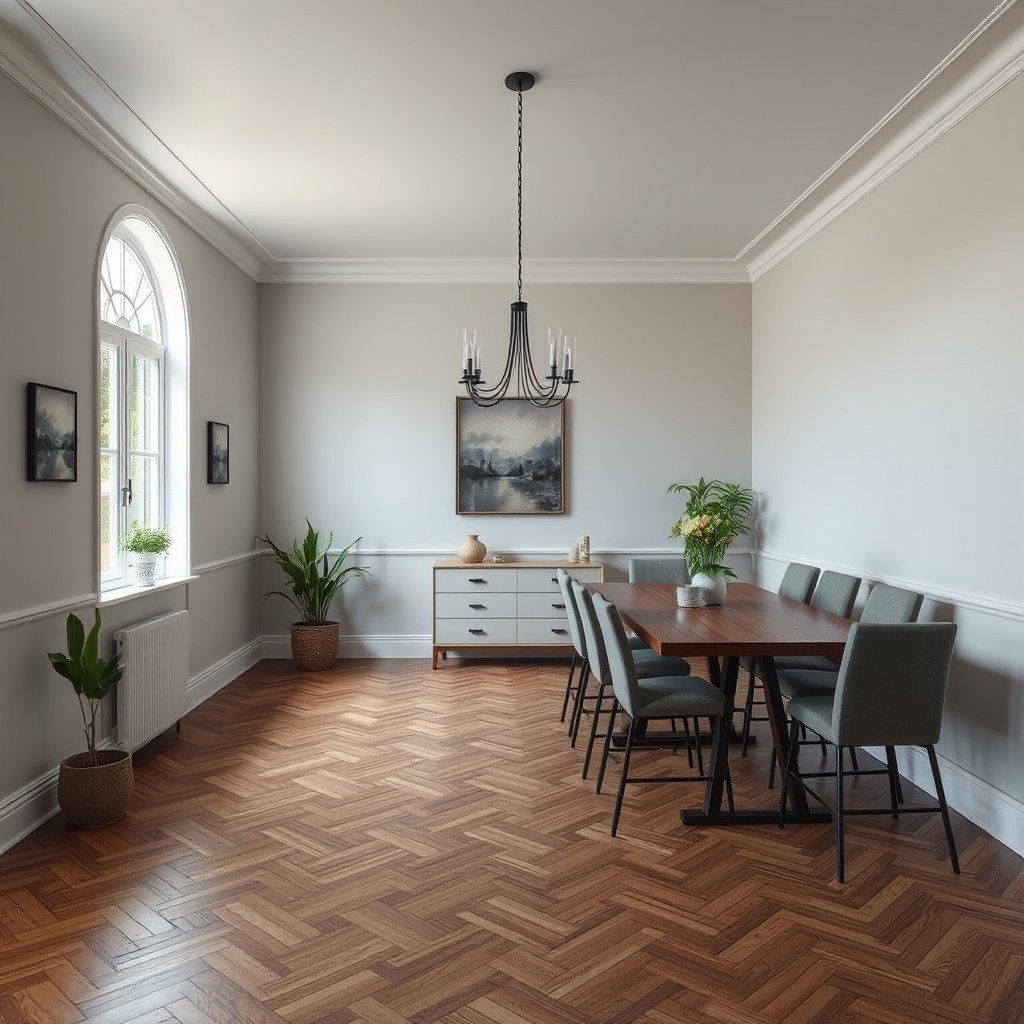
The fastest way to reduce wear on vinyl is to keep abrasive particles from entering in the first place. If grit never reaches the floor, you don’t need to “fight” it later with extra scrubbing.
According to the U.S. Environmental Protection Agency, PM2.5 particles are 2.5 micrometers (µm) or less, which means fine dust can pass into indoor spaces and settle on hard floors.
According to the U.S. Environmental Protection Agency, PM10 particles are 10 µm or less, and these small particles can contribute to a gritty film when combined with foot traffic.
Use mats that actually catch particles (and keep them from re-grinding)
Entry mats work best when they’re placed at the dining room doorway (or at the main entry route leading into it) and when they’re sized for the typical walk path. In practice, you want the mat to cover the area where people step repeatedly—otherwise chairs and shoes just move grit around.
A doormat/rug runner should:
– Trap dirt at the top layer (so it can’t abrade vinyl as people walk).
– Have non-slip backing compatible with resilient floors.
– Be shaken or vacuumed frequently—because grit that accumulates under a mat can act like sandpaper.
Keep grit from becoming “third-party maintenance”
From my experience working through vinyl wear complaints, the recurring pattern is always the same: homeowners vacuum “the floor,” but they rarely deep-clean under the runner or mat. That leaves grit underneath, and chair wheels/legs then grind it into the vinyl every time furniture moves.
Quick entry-control workflow
– Shake mats weekly (or more during high-sand seasons).
– Vacuum the runner and the surrounding floor with a hard-floor attachment.
– Replace worn mat backing if it becomes sticky or sheds residue.
Tracked Grit Categories That Commonly Reach Dining Rooms (USDA/PM Class)
| # | Grit category | Typical size range | Common indoor risk | Mat-capture rating |
|---|---|---|---|---|
| 1 | Clay (fine) | < 0.002 mm (< 2 µm) | Hard to fully trap | ★☆☆☆☆ |
| 2 | Silt (fine) | 0.002–0.05 mm (2–50 µm) | Can form a dull film | ★★☆☆☆ |
| 3 | PM2.5-like dust | ≤ 2.5 µm | Stays suspended longer | ★★☆☆☆ |
| 4 | Very fine sand | 0.05–0.10 mm (50–100 µm) | Moderate abrasion risk | ★★★☆☆ |
| 5 | Fine sand | 0.10–0.25 mm (100–250 µm) | Easier to trap | ★★★★☆ |
| 6 | Medium sand | 0.25–0.50 mm (250–500 µm) | High “mat-stoppable” fraction | ★★★★☆ |
| 7 | Coarse sand | 0.50–1.00 mm (500–1,000 µm) | Most likely to be trapped | ★★★★★ |
Note: The mat-capture “rating” above is a practical heuristic based on particle size classes (finer particles generally pass more easily through mat fibers). For exact recommendations on mat materials and backing compatibility, follow your flooring manufacturer’s care guidance.
Use chair and table protectors that won’t scratch or stick
The most durable-looking vinyl dining rooms use protectors on every contact point, not just the “obvious” chair legs. Vinyl-friendly glides reduce abrasion and prevent scuffs that can compound over time.
If chairs roll, choose caster wheels designed for hard floors (not soft-goods wheels) because wheel materials and treads change how much friction and grit get carried onto resilient flooring.
Felt or soft, non-marking chair glides reduce micro-scratches compared with bare plastic or metal-on-vinyl contact during frequent rearranging.
Felt vs. rubber vs. plastic: pick what stays stable
When you shop for chair protectors, focus on two properties: (1) non-marking contact with resilient flooring and (2) resistance to curling or wearing through. Worn felt often turns into a rougher surface than the original glide, which is why periodic checks matter.
Recommended setup
– Use felt pads or soft, non-marking glides on chair and table legs.
– Check monthly (during busy periods) for:
– edges curling upward,
– thinning felt,
– adhesive residue or hard plastic exposure.
For rolling chairs: match the wheel to the floor
If your dining room includes rolling chairs or carts, the goal is to reduce two things: scratch risk and “grit migration.” Hard-floor casters should roll smoothly without shaving debris into the floor.
Extra protection detail
– Wipe under chair legs before re-positioning if dust has settled there.
– Keep chair feet aligned; sideways dragging increases wear even with pads.
Prevent dents and seam damage from daily dining wear
The easiest way to protect seams and prevent dents is to stop heavy loads from being dragged or repeatedly soaked. Vinyl typically fails at edges/seams when moisture cycles or when movement grinds at the same micro-areas.
Repeated moisture exposure can work its way toward edges and seams in many resilient floor systems, which is why “blot and dry” is often emphasized in manufacturer care instructions.
Lifting furniture instead of dragging reduces the shear forces that can break down surface finishes and expose vulnerable areas around seams.
Add protectors to every contact point (not just chairs)
Dining rooms have “invisible friction” sources: serving carts, bar stools, plant stands, and even appliance corners during events. Treat these as part of your protection system.
Do
– Put protectors on all legs and feet that contact the floor.
– Lift heavy items when moving back into place (especially after cleaning).
Avoid
– Temporary “careful placement.” If the furniture shifts even a few millimeters repeatedly, you’ll see the effects—often as dull streaks or localized seam stress.
Keep movement controlled during cleanup and rearranging
During cleanup, it’s common to drag a sponge, a chair, or a small stool a few inches. That’s usually when micro-scratches begin. Instead:
– Lift furniture to clean fully underneath.
– Use a microfiber tool that won’t scratch (no stiff scrubbers).
– Keep water minimal and drying immediate.
Clean the right way to avoid dulling and buildup
Vinyl floors stay attractive when cleaning is frequent enough to prevent films, but gentle enough to avoid damaging the finish layer. The right method is usually “clean, rinse if required, then dry,” not soak-and-wait.
Many vinyl floor manufacturers specify cleaning with products recommended for vinyl/resilient flooring and warn against harsh chemicals that can dull the surface or degrade coatings.
Aggressive brushes and grit-laden mops can act like abrasives; using a vacuum with a hard-floor attachment and soft microfiber tools helps prevent surface scuffing.
Sweep/vacuum regularly—use attachments designed for hard floors
Grit turns every cleaning tool into sandpaper. That’s why routine sweeping/vacuuming is the foundation.
A safe pattern:
– Sweep or vacuum often.
– Use a hard-floor attachment (soft brush roll where applicable).
– Avoid scrubbing with abrasive pads.
Use vinyl-safe cleaners, and follow dilution instructions
Different vinyl constructions (vinyl plank vs. vinyl sheet vs. rigid core variants) can have different care requirements, so the most reliable approach is to follow the manufacturer’s care sheet.
– Choose a vinyl floor cleaner that matches your floor type.
– Use dilution exactly as directed.
– Skip “everything sprays” unless your manufacturer explicitly approves them for your finish.
Treat sticky spots before full-floor mopping
Sticky residue often spreads when you mop the whole room. A practical approach:
– Damp microfiber cloth first (lift residue).
– Then use a vinyl-safe cleaner if needed.
– Don’t use harsh solvents unless the flooring instructions approve them.
Deal with spills fast (without creating a bigger problem)
The best spill strategy for vinyl is to blot immediately, then dry completely—especially around edges and chair-leg zones. Waiting is what converts a small spill into seam risk and stubborn discoloration.
Blotting a spill (rather than scrubbing or spreading) minimizes how far moisture travels across a resilient floor surface and toward edges.
Thorough drying after blotting reduces the chance that moisture cycles repeatedly, which is a common pathway to edge issues in resilient flooring systems.
Use the “blot → dry” method, not the “wipe around” method
When a spill happens:
1. Blot with a clean cloth (absorb, don’t smear).
2. Use a second dry cloth to finish drying.
3. Pay extra attention near seams, perimeter edges, and under chair legs.
When product safety is uncertain, test carefully
If you’re unsure about a cleaner or a spot treatment:
– Test in an inconspicuous area first.
– Or follow the manufacturer’s approved cleaner list and method.
What can go wrong (and how to avoid it)
Even with good habits, vinyl floors can dull or lift if materials and moisture control don’t match the flooring system. These are the most common failure paths in dining rooms—and how to prevent them.
Using rug backing or mats with incompatible binders or plasticizers can leave residue or discoloration on resilient floors, which is why compatibility guidance matters.
If a cleaner leaves haze or a slick film, switching to a vinyl-approved product is often the simplest fix because residue can re-collect grit and worsen dulling.
Common issues in real dining rooms (and practical fixes)
| Mistake | What you may see | Fix |
|---|---|---|
| Wrong rug backing | Discoloration or sticky feel | Switch to vinyl-friendly, non-staining backing per manufacturer guidance |
| “Everything” cleaner | Haze, streaks, dull film | Use a vinyl-approved cleaner and follow dilution/drying steps |
| Worn chair pads | Micro-scratches, scuff lines | Replace protectors before felt wears through |
| Slow-drying spills | Edge lifting or seam stress | Blot quickly, then dry thoroughly; avoid soaking |
Why seams and edges are more vulnerable
Seams and transitions often mark where installation details change (locking edges, overlaps, transitions to other flooring). Moisture that repeatedly sits—especially under airflow-poor chairs—can create the right conditions for lifting or separation.
A note on heat/steam
Many manufacturers discourage steam mops or high-moisture methods because water/heat can affect adhesives or the sublayer. Follow your flooring’s published policy rather than assuming “steam sanitizes, so it’s safe.”
Verdict: a simple protection routine that works—if you do it consistently
Protecting vinyl floors in a dining room is straightforward: control grit at entry, protect furniture contact points, clean gently with vinyl-safe methods, and dry spills promptly. The tradeoff is maintenance—mats must be shaken, chair pads need periodic replacement, and you can’t rely on harsh cleaning to “reset” wear.
A consistent maintenance routine (mats + glides + gentle cleaning) usually prevents the buildup pattern that leads to dulling and localized edge wear in high-traffic dining spaces.
If your vinyl shows existing seam/edge failure, prioritize the manufacturer’s repair/assessment guidance before adding new protectors or cleaners that could mask the real issue.
Who should skip (or proceed carefully)
Skip the “standard routine” and proceed cautiously if:
– seams/edges already lift or separate,
– you don’t have the flooring’s care instructions,
– your rug backing is unknown or previously left residue.
Quick checklist (scan/save)
– [ ] Add a doormat/rug runner in high-traffic areas
– [ ] Install felt/rubber protectors on chair and table legs
– [ ] Use hard-floor casters (if rolling chairs) and replace damaged wheels
– [ ] Lift furniture when moving—don’t drag
– [ ] Sweep/vacuum regularly with a hard-floor attachment
– [ ] Blot spills immediately; dry after blotting
– [ ] Clean only with vinyl-safe products per your flooring care guide
Sources
– EPA particulate definitions used for grit-context:
– USDA soil particle size classes used for particle size categories:
– Flooring protection info based on general care principles for hard-surface finishes; for product-specific compatibility (chair glides/rug backing/roller/caster guidance), use the manufacturer’s stated suitability for vinyl/hard floors.
A properly protected vinyl dining room doesn’t require perfection—it requires consistency. Keep grit out with mats, protect every contact point, clean with vinyl-safe products, and dry spills fast, and your floor will hold up to heavy chairs, everyday messes, and frequent foot traffic far better than it would with “clean when it looks dirty” habits.
Frequently Asked Questions
What are the best ways to protect vinyl floors in a dining room from scratches and scuffs?
Use furniture pads or felt glides on the bottoms of chairs and tables to prevent scratching when dining chairs are pulled in and out. Add a high-quality entry mat to reduce grit and sand that act like sandpaper on vinyl. For everyday scuffs, a soft-bristle broom or vacuum with a hard-floor setting helps keep the surface clean without damaging the finish.
How can I protect my vinyl flooring from water spills and moisture in a dining area?
Wipe up spills immediately—especially liquids like wine, sauces, and drinks—to prevent moisture from seeping into seams or edges. Use coasters and placemats to minimize direct contact with the floor, and place a spill-resistant mat under serving trays or drink stations. If your vinyl is sheet or click-lock, ensure any installed seams are properly sealed according to the manufacturer’s guidance to improve water resistance.
Why do vinyl floors get damaged in dining rooms, and how can I prevent it?
The most common causes are grit tracked in from shoes, chair movement that creates abrasion, and repeated moisture exposure from spills. Dining rooms often see heavy traffic and frequent dragging, which can dull the protective wear layer over time. Prevent damage by combining mats at entrances, protective chair pads, and quick spill cleanup so your vinyl floor maintains its appearance and durability.
Which cleaning methods and products are safest for protecting vinyl flooring’s wear layer?
Use a microfiber mop and a vinyl-safe cleaner recommended by the flooring manufacturer to protect the finish and avoid dulling. Avoid steam mops, harsh abrasives, and cleaners with bleach or strong solvents because they can damage the surface and reduce shine. For routine care, damp-mop as needed and dry any excess moisture to help keep vinyl floors looking new.
What is the best way to use rugs and mats to protect vinyl floors without causing dents or slipping?
Choose non-rubber-backed rugs or vinyl-compatible mats and ensure they have a smooth backing designed for hard floors to prevent staining or chemical transfer. Use a rug pad made for luxury vinyl or resilient flooring to add cushioning without creating deep pressure marks. Position mats at entryways and under high-traffic dining zones so they reduce dirt buildup while still allowing the vinyl flooring to remain stable and easy to clean.
📅 Last Updated: October 25, 2026 | Topic: How to protect vinyl floors in a dining room? | Content verified for accuracy and freshness.
References
- Vinyl flooring
- https://www.cdc.gov/coronavirus/2019-ncov/community/disinfecting-building-facility.html
- https://www.epa.gov/coronavirus/cleaning-and-disinfecting-your-facility
- https://www.rfciremember.org/consumer-resources/care-and-maintenance/
- https://www.armstrongflooring.com/en-us/support/care-and-cleaning.html
- MohawkFlooring
- https://scholar.google.com/scholar?q=protecting+vinyl+flooring+from+scratches+dining+room Google Scholar
- https://scholar.google.com/scholar?q=vinyl+floor+care+maintenance+rolling+chair+mat Google Scholar
- https://scholar.google.com/scholar?q=best+practices+cleaning+resilient+vinyl+flooring+to+avoid+damage Google Scholar


[…] Protecting vinyl floors in a kitchen is easiest when you follow a tight, practical routine that prevents scratches, dents, and water damage before they start. This guide answers how to protect vinyl floors with the right mats, cleaning habits, and floor-friendly maintenance steps that hold up to daily spills and heavy foot traffic. If you want the clearest path to keeping your kitchen vinyl looking new longer, these are the moves to make. Protect your vinyl floors in a kitchen by keeping grit and moisture from sitting on the surface, then cushioning the specific “impact points” (chairs, appliances, rolling traffic) with the right pads and mats. In practice, that means using entry mats, switching to vinyl-safe cleaning habits, wiping spills quickly, and adjusting how you move appliances so the wear layer stays looking even over time. […]