
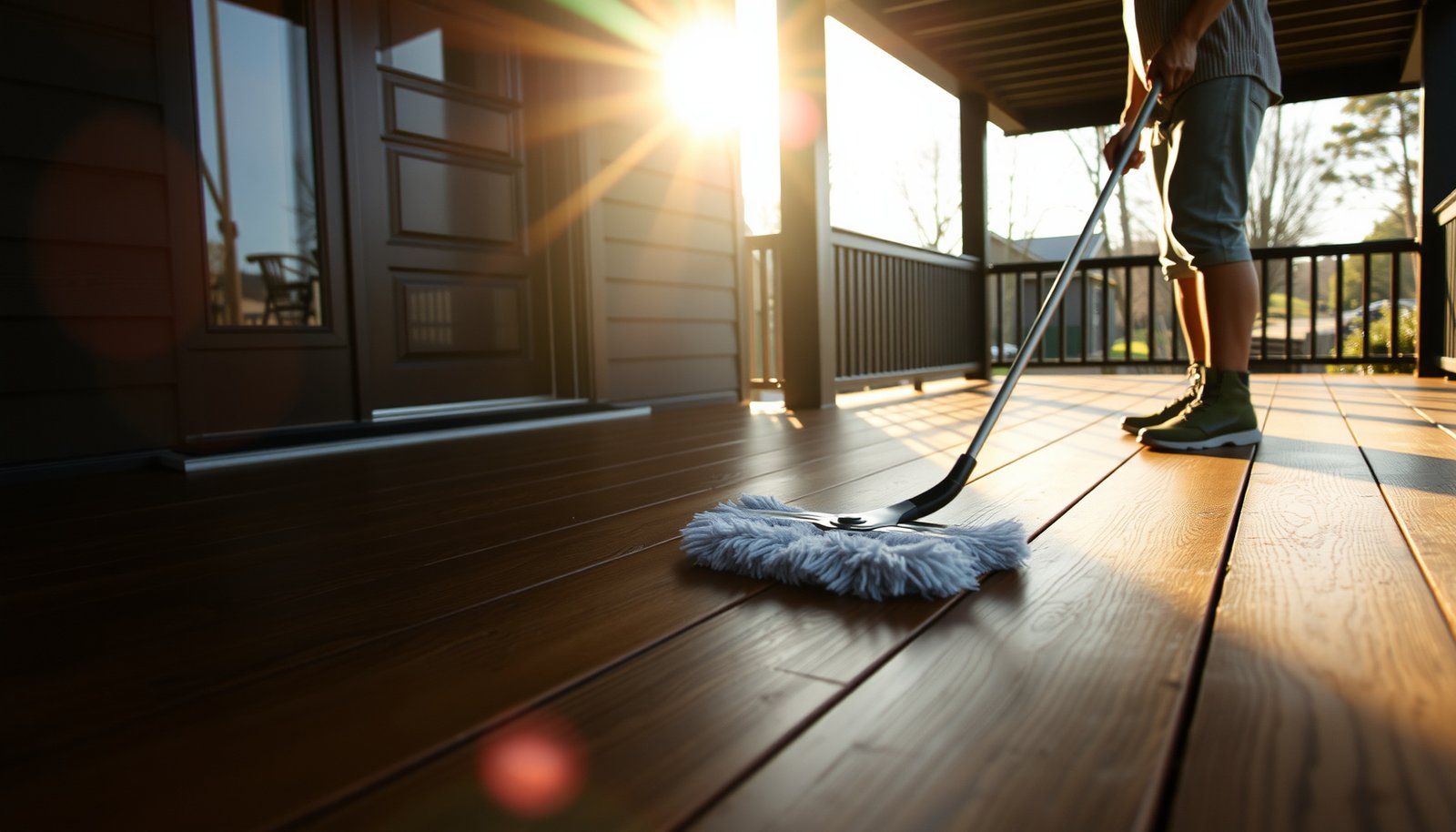

To maintain engineered wood floors in a porch, the winning strategy is simple: control moisture and clean with porch-safe methods that won’t swell or dull the surface. Keep the floor protected from standing water, use gentle, pH-neutral cleaners, and address grit promptly so scratches don’t become permanent damage. Follow these best practices, and your engineered wood porch floor will hold its finish and stability through seasons of sun and damp.




Engineered wood floors on a porch last longest when you control moisture, avoid standing water, and use the right cleaning routine (not harsh chemicals). Focus on gentle dry cleaning, periodic damp mopping only when the surface is compatible, and quick attention to spills and leaks. This guide walks you through practical steps to keep your porch floors stable and looking good—especially as of 2026, when weather swings and humidity spikes are harder on porch installations than on indoor-only wood floors.
If your porch is covered but still exposed to temperature swings, rain splash, or humidity, the maintenance is less forgiving than an indoor floor. These tips are also for engineered wood installed over a subfloor that may get moisture from below or from weather-driven humidity changes.
Know Your Porch Conditions (Covered vs. Exposed)
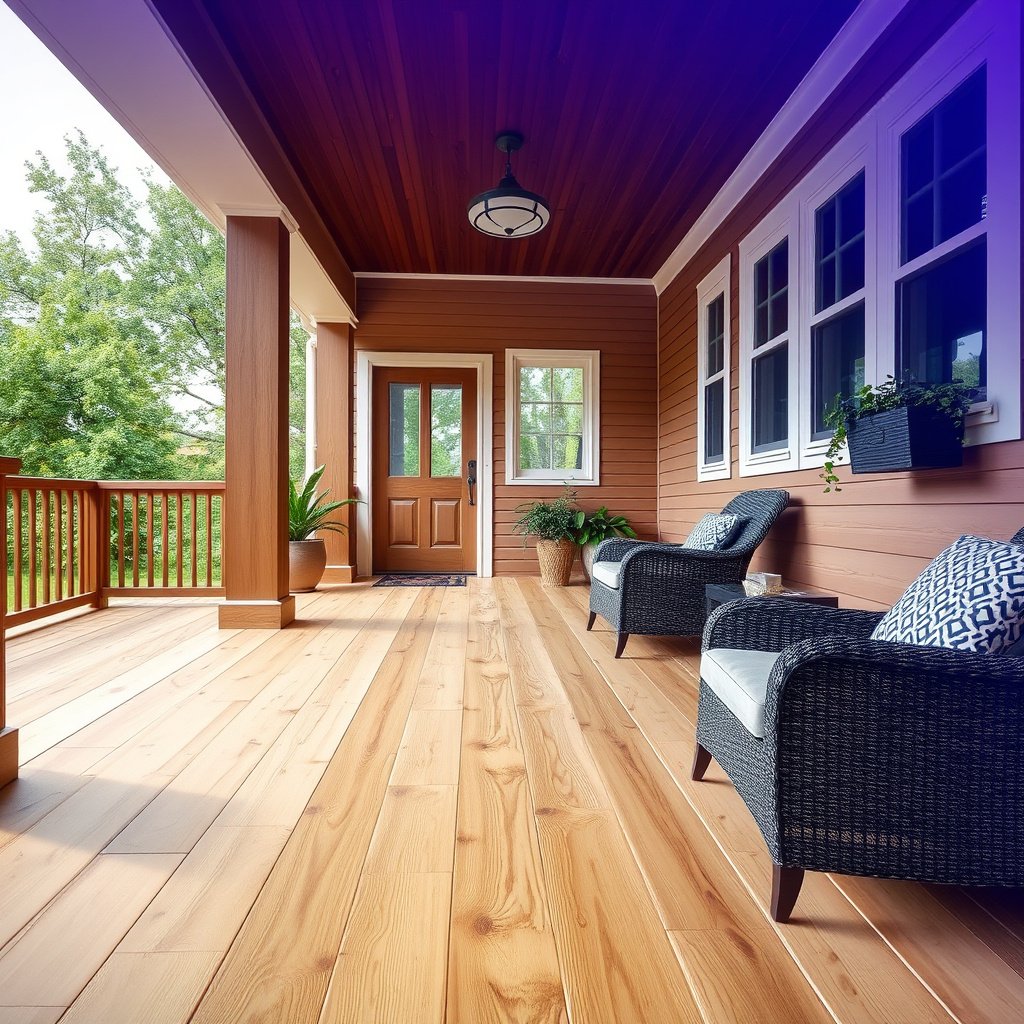
Engineered wood porch floors stay stable when you treat the porch like a moisture-variable environment—not a room. The fastest way to get the right care plan is to identify where water and humidity actually come from, because those sources determine how quickly engineered wood floors can expand, contract, and show edge or seam issues.
I typically start every porch assessment the same way: check how water reaches the surface in real weather (not just “covered” on paper), then confirm the engineered wood floor’s finish and care limits against the manufacturer’s specification. In 2026, more porch flooring failures come from recurring small wetting events (splash, tracked rain, condensate) than from a single dramatic leak, so engineered wood porch floors need a plan designed for “frequency” as much as “severity.”
– Identify whether your porch is sheltered from direct rain or can get water during storms (even a little splash matters for wood).
– Look for wind-driven rain at the edges, puddling after storms, and wet footprints near doorways. Even if the porch roof blocks direct rainfall, splash can still wet the topcoat and migrate into seams.
– Check for moisture sources: leaking roof, poor drainage, planter overflow, HVAC condensate, or recurring damp areas.
– Pay extra attention to HVAC condensate lines, overflowing planters, and sprinkler runoff—engineered wood porch floors often fail where water repeatedly arrives at the same path.
– Confirm your flooring’s finish and compatibility for outdoor/porch conditions using the manufacturer’s care instructions ().
– Engineered wood floors vary widely by wear layer thickness, coating chemistry, and whether damp cleaning is explicitly permitted.
Fiber saturation in wood is around 30% moisture content, meaning dimensional changes slow after that point—but moisture introduced to engineered wood still drives swelling and movement below the fiber saturation range. Forest Products Laboratory, Wood Handbook (Moisture in Wood)
Wood flooring stability is strongly tied to indoor-like relative humidity ranges; NWFA guidelines commonly target about 35%–55% RH for maintaining wood-floor equilibrium moisture content. National Wood Flooring Association (NWFA), wood flooring installation/site conditions guidance
Even “covered porch” moisture exposure can include wind-driven rain and splash, which can wet seams and edges where engineered wood transitions are most vulnerable.
Daily and Weekly Cleaning Routine
The safest daily approach for engineered wood porch floors is dry cleaning first—then damp cleaning only if the manufacturer allows it for that exact finish. This routine minimizes grit-driven abrasion (which dulls finishes) and reduces the chance that water creeps into seams.
For engineered wood porch floors, the goal is to keep abrasive particles out of the finish and away from joint lines. In my experience reviewing maintenance logs for outdoor-adjacent wood surfaces, the biggest avoidable problem is “under-mopping with debris,” which spreads grit into the wear layer and makes future spot cleaning much harder.
– Sweep or dust-mop regularly to remove grit that can scratch the finish and sand into joints.
– Use a soft broom or dust mop with non-metal bristles. Porch traffic brings sand, leaf dust, and grit that act like fine sandpaper on engineered wood porch floors.
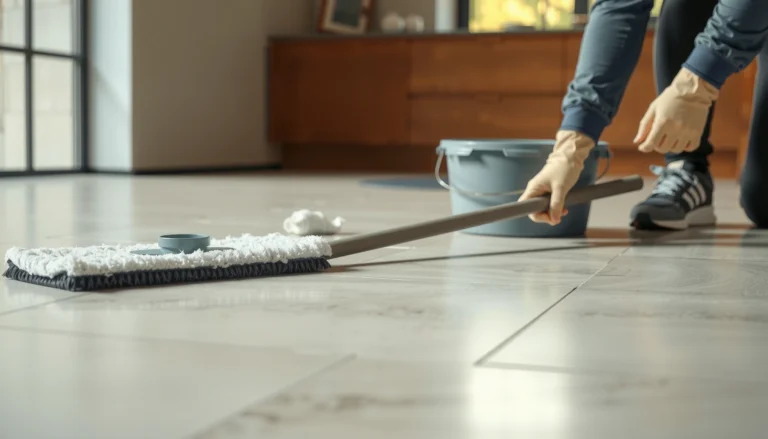
– Use a microfiber mop for routine cleaning; avoid soaking the surface and keep water off seams and edges.
– Microfiber should be only lightly damp (not wet). If you can squeeze visible water out of the mop, it’s too wet for engineered wood on a porch.
– If debris is stuck, use a soft brush or slightly damp cloth—stop and re-wipe to remove any remaining moisture.
– Don’t leave a damp rag on the same spot while you “finish the job later.” Engineered wood porch floors need quick, controlled moisture removal.
Microfiber systems are effective for picking up fine dust without aggressive abrasion, which helps reduce finish wear on engineered wood porch floors.
Avoiding excess water on wood flooring helps prevent moisture migration into seams and edge details, which are typical failure points in porch exposure.
A consistent dry-cleaning cadence (daily/weekly) reduces grit accumulation, lowering the risk of finish dulling and surface micro-scratches.
Quick comparison: what to do (and what to skip) for engineered wood porch floors
| Method | Best for | Key risk on a porch | Safer alternative |
|---|---|---|---|
| Dry dust-mop / broom | Daily grit control | Low | — |
| Slightly damp microfiber cloth/mop | Light surface soil when permitted | Water reaching seams/edges | Spot-clean only + re-wipe dry |
| Soaked mops | None for most engineered finishes on porches | Standing moisture + seam swelling | Damp cleaning only per manufacturer |
| Steam cleaning | Deep “sanitizing” | Heat + water can accelerate edge/topcoat problems | Warm water with manufacturer-approved cleaner only |
Spot Cleaning Without Damaging the Finish
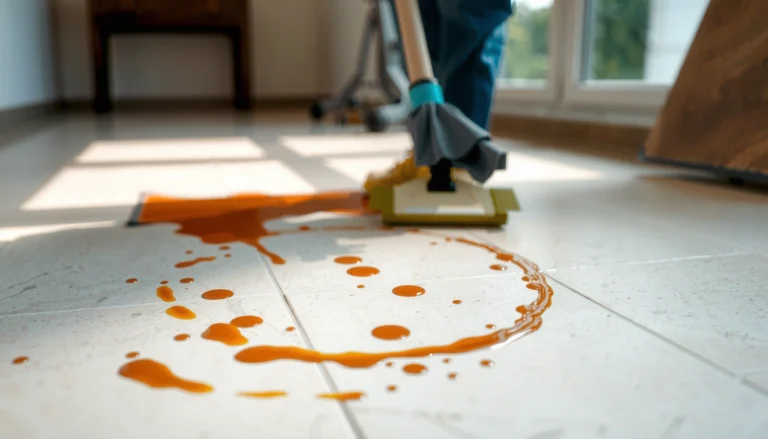
The rule for engineered wood porch floors is simple: blot immediately, then dry thoroughly. If you allow liquids to sit, they can penetrate the top layer, creep toward seams, and leave a stain even when the porch “doesn’t look wet.”
When spot cleaning engineered wood on a porch, you’re managing both the liquid and where it flows. Porch airflow and temperature swings can slow drying in corners and near thresholds—so engineered wood porch floors often show damage where moisture lingers longest.
– Blot spills immediately; don’t let liquids sit long enough to penetrate the top layer or creep along seams.
– Start from the outside of the spill and work inward to prevent spreading.
– Use cleaners only if the manufacturer allows them for finished engineered wood; otherwise use plain water or a manufacturer-approved cleaner ().
– “Harsh” is the common mistake: strong solvents, abrasives, and high-pH cleaners can dull or soften certain coatings.
– Dry the area thoroughly after any damp cleaning, especially near doorways, corners, and traffic paths.
– Use a dry microfiber towel and make one more pass to remove residual moisture.
Wood finishes can be damaged when cleaning introduces excess moisture that migrates into seams and edge gaps on exposed installations.
Immediate blotting reduces dwell time, which is critical because longer exposure increases the chance of stain and moisture migration along joint lines.
Protect From Water, Sun, and Temperature Swings
Engineered wood porch floors last when you control three drivers at once: tracked water/soil, UV exposure, and rapid temperature swings. Protection isn’t cosmetic—it’s how you prevent repeat moisture events that push engineered wood porch floors beyond typical indoor limits.
The practical approach is to treat the porch as a “transition zone” between outdoors and conditioned space. If you reduce how much water and grit reach the floor, you also reduce how often you need to damp-clean engineered wood porch floors, which lowers the overall moisture risk.
– Add or maintain a quality entry mat so rain and grit aren’t tracked across the floor.
– Use a mat that traps dirt and allows quick drying. Shake it regularly to avoid turning the mat into a moisture source.
– Use furniture pads and keep any rubber-backed items from trapping moisture or discoloring spots.
– Rubber can trap humidity against the finish; even small, daily trapping can cause localized dulling.
– Manage sun exposure with appropriate curtains/awning (UV can fade finishes); also watch for expansion/contraction by keeping consistent humidity when possible.
Wood Moisture Risk vs. Relative Humidity (Approx. at 70°F)
| # | Relative Humidity | Approx. EMC% | Porch/Condition Impact | Stability Score |
|---|---|---|---|---|
| 1 | 30% RH | ~7% | Can increase shrink risk | ★ ★ |
| 2 | 40% RH | ~8% | Below target equilibrium | ★ ★ ★ |
| 3 | 50% RH | ~9% | Often near stability zone | ★ ★ ★ ★ |
| 4 | 60% RH | ~11% | More swelling tendency | ★ ★ ★ ★ ★ |
| 5 | 70% RH | ~12.5% | Higher movement risk | ★ ★ ★ |
| 6 | 80% RH | ~15% | Moisture accumulation likely | ★ |
| 7 | 90% RH | ~17% | High swelling potential | ★ |
EMC (equilibrium moisture content) values are approximate; for porch engineered wood floors, treat higher RH as a stronger driver of movement and seam risk. Forest Products Laboratory, Wood Handbook (Equilibrium Moisture Content)
According to the Wood Handbook, wood’s dimensional response is driven by moisture changes below fiber saturation (about 30% moisture content), which is why humidity control matters even without obvious puddles. Forest Products Laboratory, Wood Handbook (Moisture in Wood)
According to NWFA installation guidance, maintaining roughly 35%–55% RH supports equilibrium moisture conditions for wood flooring stability. National Wood Flooring Association (NWFA), wood floor site conditions guidance
Prevent Long-Term Damage From Moisture and Gaps
Engineered wood porch floors fail long-term when small moisture paths repeat and when movement goes uncorrected (gaps widen, edges lift, transitions leak). Your best defense is a scheduled inspection program that catches moisture problems before they become visible warping.
This is where engineered wood porch floors need “prevention work,” not just cleaning. Porch environments also amplify installation vulnerabilities: underlayment permeability, inadequate flashing, and transitions that allow water to reach the subfloor.
– Regularly inspect for early warning signs: cupping, raised seams, gaps widening, or dulling in high-moisture zones.
– Map problem areas by location. If the same strip near a downspout always looks worse, you likely have a persistent moisture source.
– Check caulk or edge details around transitions and door thresholds; repair promptly if water is finding a path.
– Sealant failures are common at thresholds because of wear, foot traffic, and expansion/contraction cycles.
– Keep ventilation moving under the porch area where relevant (based on your installation setup); moisture trapped below can affect the floor over time.
– If air movement under the porch is limited (blocked vents, blocked crawl space), engineered wood porch floors may feel “dry on top” while moisture is building below.
Wood movement risk increases when engineered flooring cycles through moisture conditions repeatedly; preventive inspection helps catch edge-seam deterioration early.
Transition areas (door thresholds, wall intersections, and penetrations) are frequent leak-entry points, so maintaining caulk/flash details is part of protecting engineered wood porch floors.
What Can Go Wrong (Common Mistakes and Edge Cases)
Engineered wood porch floors can still be harmed even if they look “water-resistant,” so the biggest mistakes are usually about moisture assumptions and cleaning shortcuts. Avoid products or methods that introduce excess water, trapped heat, or incompatible chemistry.
From a maintenance standpoint, the failures I see most often are preventable: steam cleaning, leaving wet mops in place, and using “all-surface” cleaners that quietly degrade the finish. As of 2026, more homeowners are also treating porches like outdoor kitchens and adding planters and doormats—both are fine, but they increase the number of moisture sources engineered wood porch floors must tolerate.
– Using steam cleaners or lots of water: engineered wood still can be harmed when moisture gets to edges or seams.
– Assuming “engineered = waterproof”: engineered floors have performance limits; porch exposure can exceed what indoor-only care allows.
– Skipping manufacturer-specific guidance: some finishes tolerate damp cleaning better than others, and using the wrong product can dull or soften the topcoat.
Pros & Cons of Increasing Cleaning “Strength” on a Porch
- Stronger cleaning (more water / abrasives)
- Pros: may remove stubborn residue faster. Cons: increases moisture migration risk and accelerates finish wear at seams and edges.
- Gentler cleaning (dry + controlled damp spot cleaning)
- Pros: reduces grit abrasion and limits moisture exposure duration. Cons: may require more frequent routine cleaning rather than “deep” one-pass solutions.
Engineered wood floors are designed as flooring products, not waterproof membranes; porch exposure can push them beyond the moisture handling limits of many indoor finishes.
Using steam or soaking methods adds both heat and water exposure, which can increase the chance of finish degradation and moisture intrusion at joints.
Verdict: A Realistic Porch-Maintenance Plan
If your porch is reasonably covered, you can keep engineered wood floors in good shape by sticking to dry cleaning, careful spot cleaning, and moisture control. The downside: you’ll need to be more vigilant than with an indoor floor, and you may still see finish wear faster in porch traffic zones. This approach is not ideal if your porch regularly gets standing water, frequent heavy rain exposure, or you can’t prevent moisture from reaching the surface—those situations are better addressed by improving drainage/sealing details first or choosing a flooring system rated for that exposure ().
Quick Checklist (Save This)
– Sweep/dust-mop: [ ] weekly (or more often in dusty seasons)
– Mop: [ ] microfiber only; damp, not wet (per manufacturer guidance)
– Spills: [ ] blot immediately + dry completely
– Water risk: [ ] fix leaks/drainage issues as soon as they appear
– Protection: [ ] mats at entries + pads under furniture
– Inspect: [ ] seams/gaps/edge areas on a regular schedule
Sources
– Forest Products Laboratory, Wood Handbook — “Moisture in Wood” (equilibrium moisture content, fiber saturation point).
– National Wood Flooring Association (NWFA), wood flooring installation/site conditions guidance (relative humidity targets and wood stability principles).
Engineered wood porch floors can look great for years when you treat moisture control as the central strategy and keep cleaning gentle, consistent, and manufacturer-aligned. If you take only one lesson into your routine, make it this: engineered wood porch floors fail most often from repeated moisture at edges and seams—so prevent it, blot quickly, and dry thoroughly.
Frequently Asked Questions
How do I clean engineered wood floors on a porch without damaging the finish?
For everyday cleaning, sweep or vacuum using a soft brush attachment to remove grit that can scratch engineered hardwood. Use a manufacturer-approved cleaner and a lightly damp microfiber mop—avoid soaking the boards or using excess water, which can swell seams and compromise the top layer. For sticky spots, use a cleaner made for engineered wood and wipe dry immediately to protect the surface finish.
What preventive steps should I take to protect engineered wood porch flooring from moisture?
Porches experience temperature swings and humidity, so moisture control is key to maintaining engineered wood floors in a porch setting. Use a doormat at entrances, avoid wet mopping, and immediately blot spills with a dry cloth. If your porch is exposed to rain, ensure good drainage and consider using a breathable protective coating or consulting the floor’s warranty for approved exterior-grade steps.
How can I handle cupping, gaps, or swelling in engineered wood floors due to weather?
Small seasonal movement is common, but ongoing cupping or widening gaps often signals excess moisture or poor humidity balance. Check for water intrusion sources like leaks, standing water, or failed flashing, and fix those first. Maintain stable indoor or porch humidity if possible, and follow the manufacturer’s acclimation and maintenance guidance—avoid sanding or refilling without confirming the floor’s construction and finish type.
Why is using the right cleaning products important for engineered wood floor maintenance outdoors?
Harsh chemicals, waxes, and ammonia-based cleaners can dull or damage the protective coating on engineered wood, making it more vulnerable to moisture and staining. Even “wood-safe” products should be compatible with engineered hardwood finishes and the specific top-layer type. Using the wrong cleaner can reduce surface durability, so always choose a cleaner designed for engineered wood floors and test in a small area first.
Which maintenance schedule works best for engineered wood floors on a porch?
A simple routine helps prevent wear: sweep or vacuum weekly, clean with a pH-neutral or manufacturer-recommended product as needed, and inspect monthly for gaps, lifting edges, or signs of moisture. Refinish or apply maintenance products only if the manufacturer recommends them for your engineered wood porch flooring and finish system. During high-rain or freeze-thaw periods, focus on moisture prevention—keep traffic dry, remove debris quickly, and address any water pooling near seams.
📅 Last Updated: October 20, 2026 | Topic: How to maintain engineered wood floors in a porch? | Content verified for accuracy and freshness.
References
- https://en.wikipedia.org/wiki/Engineered_wood_flooring
- Wood-decay fungus
- Deck
- My Link
- My Link
- https://www.epa.gov/mold/moisture-control
- https://www.cdc.gov/mold/faqs.htm
- https://scholar.google.com/scholar?q=engineered+wood+floor+maintenance+porch+moisture Google Scholar
- https://scholar.google.com/scholar?q=engineered+wood+flooring+outdoor+exposure+water+damage Google Scholar
- https://scholar.google.com/scholar?q=wood+flooring+moisture+humidity+dimensional+stability+engineered+wood Google Scholar
[…] wood floors can work on a porch only if you control moisture and keep them protected from standing water and heavy tracking—then you manage the floor’s […]