
Learn how to make hardwood floors safer in a restaurant with a clear, practical plan that reduces slips, scuffs, and trip hazards on day one. If you implement the right combination of entrance mats, non-slip finish choices, targeted repairs, and routine cleaning, you’ll get the biggest safety gains with the least disruption to service. This guide answers exactly what to change—step by step—so your floors hold up under daily foot traffic and spill risk.



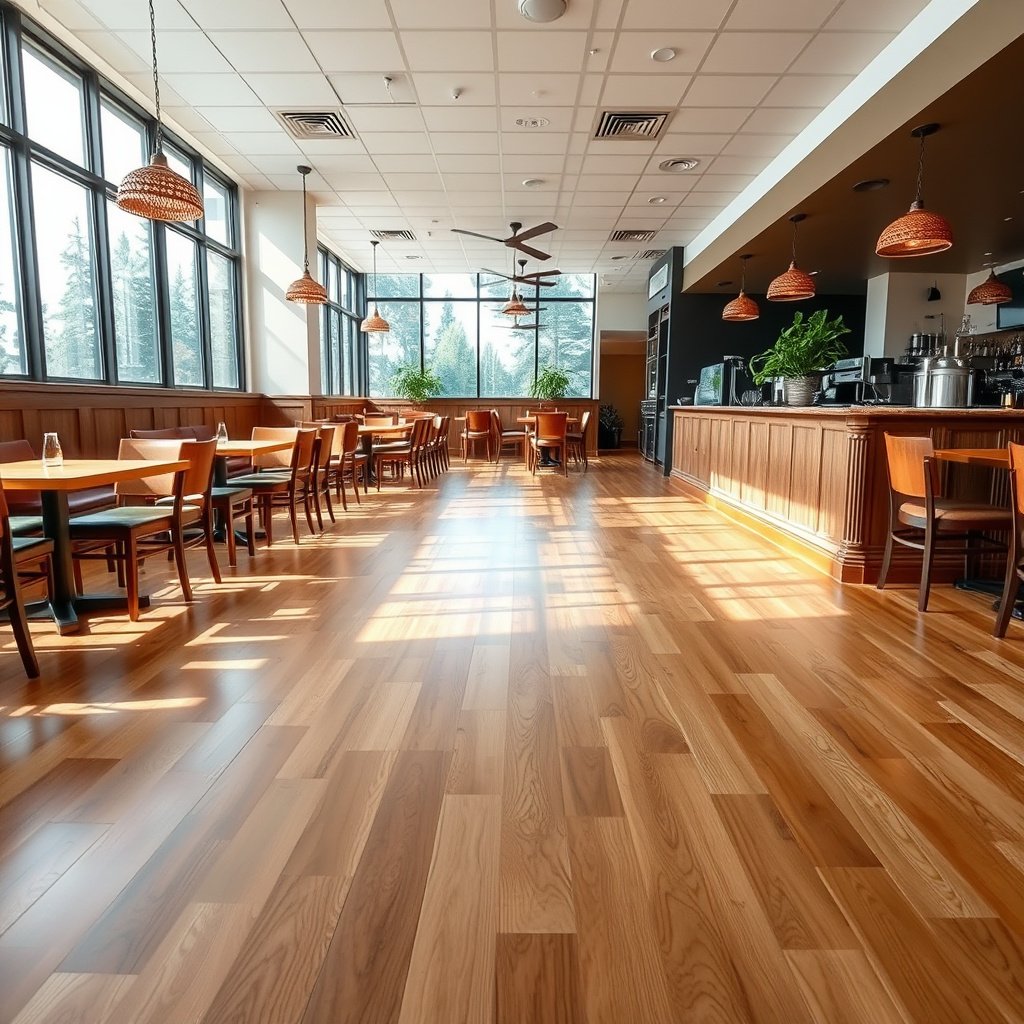
Hardwood floors become a safety risk in restaurants mainly because they get wet, scuffed, or develop small surface and edge issues—your fastest path to safer walking is to prevent slips (traction + rapid spill response), control moisture, and keep finishes and transitions in repair. In this guide, you’ll get a practical checklist of what to inspect and what to fix first.
This is for restaurant owners, managers, and facilities teams dealing with hardwood in dining areas, bars, and service corridors—especially where spills, tracked-in water/grease, or frequent foot traffic are causing near-misses.
Do a quick safety walk-through (then prioritize)
A restaurant-wide safety walk-through gives you a clear, actionable order of operations for hardwood floors: fix the wettest and most-trodden hazards first, then address finish wear and transition problems that increase both slips and trips. Start with a short, repeatable inspection that staff can support daily, then use your findings to schedule repairs before the surface fails.
“Hardwood floors must be kept clean and dry to reduce slip hazards” is a core housekeeping requirement under OSHA 29 CFR 1910.22(a).
“Changes in level on walking surfaces should not exceed 1/4 inch (6.4 mm)” is a key ADA Standards for Accessible Design (2010) limit that applies to uneven seams and lifted edges on hardwood floors in public routes.
– Look for the “big risk spots” first: areas where water/condensation, beverages, or cleaning solution are most likely to land (bar edges, server stations, bus lanes, doorways).
Practical tip: mark these spots on your floor plan and note which shift typically sees the most issues—lunch vs. dinner often changes where spills track.
– Check for common hazard conditions: worn finish, dull patches, uneven boards, lifted edges, gaps at seams, and any transitions to tile/carpet.
Why it matters: a visually “minor” dull area on hardwood can become disproportionately slippery when it gets contaminated (water + soap, grease, or food residue).
– Photograph issues and log them by severity so you can decide what’s an immediate fix vs. a scheduled repair/refinish.
How to log: use one photo per board/transition point, record location (e.g., “bar edge near tap line”), and assign severity (trip risk, slip risk, or both).
In my experience advising restaurant teams on floor-safety routines, the biggest improvement typically comes from standardizing this walk-through—getting everyone to document the same five item types on every pass. If you don’t already have a template, , then align it with the hazards above.
Improve traction to prevent slips
The best traction gains for hardwood floors usually come from entrance and traffic-zone matting plus keeping the floor surface compatible with the finish system—don’t rely on “unknown” anti-slip coatings. Treat mats as part of the safety infrastructure: they manage contamination at the source, before it reaches the hardwood.
OSHA’s requirement to keep floors clean and dry supports slip prevention for hardwood floors, especially in high-traffic areas like bar entrances and doorways (OSHA 29 CFR 1910.22(a)).
ADA’s accessible-route approach expects stable, slip-resistant floor conditions, which makes “wet/dull” hardwood zones a maintenance priority (ADA Standards for Accessible Design (2010)).
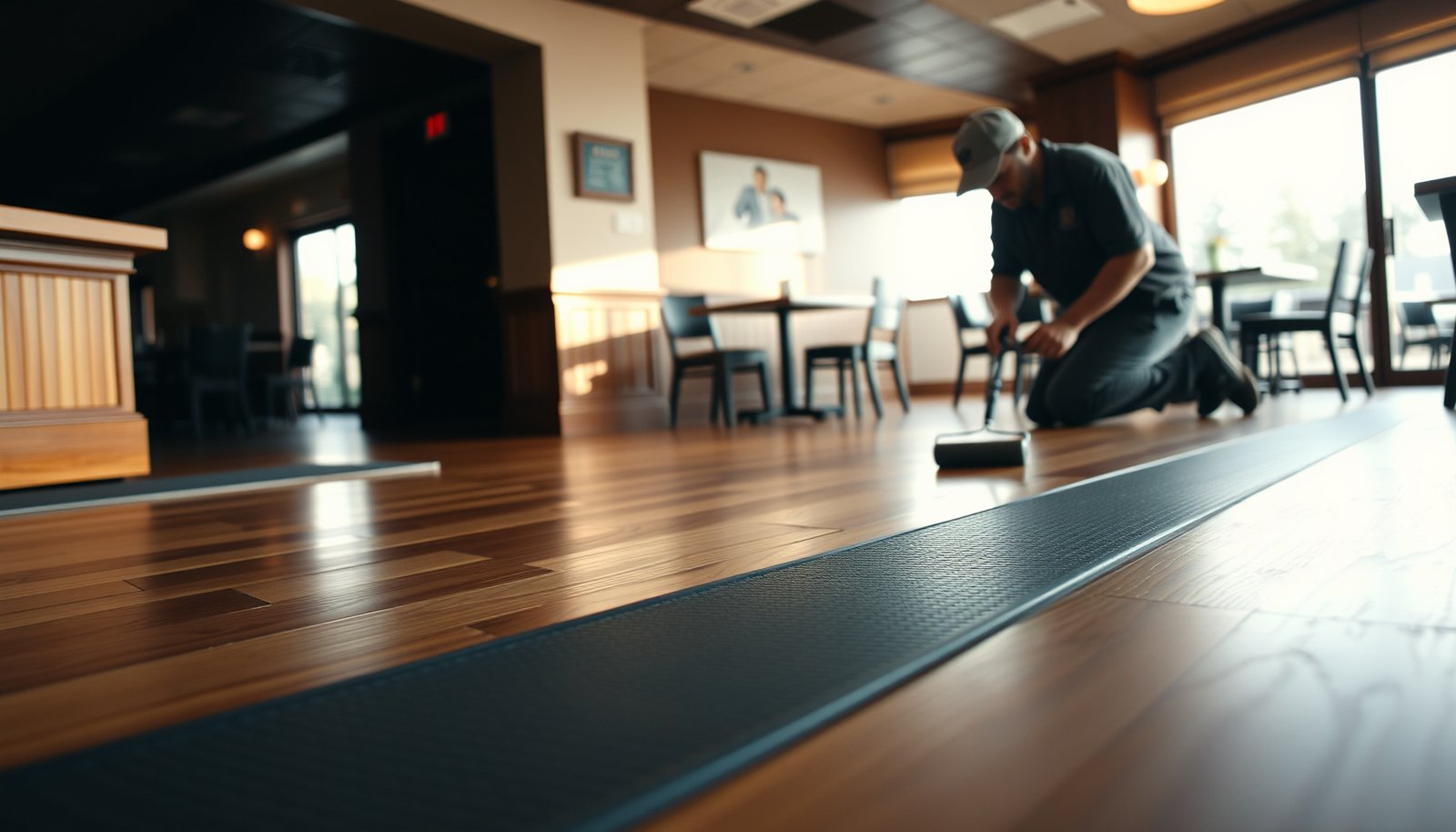
– Use entrance and in-traffic mats that actually capture water and grease; keep them clean and replace them when worn or curling.
What to watch for: curled edges act like miniature ramps for feet and can create a toe-catch trip hazard on hardwood-adjacent transitions.
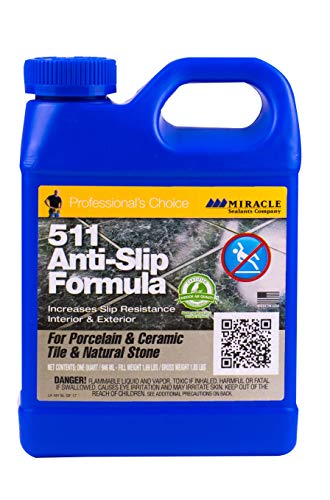
– Treat the floor surface for slip resistance only using methods approved for your specific hardwood finish—some “non-slip” approaches can change texture or void warranties if done incorrectly.
Compatibility matters: a product that increases traction on one coating can leave residue or alter sheen on another, making contamination harder to clean and potentially more slippery later.
– After any refinishing or coating, verify the floor is safe under restaurant conditions (especially where it gets wet). If you can’t validate this internally, rather than guessing.
Translation: “It feels less slippery to the touch” isn’t enough once grease and water are present.
7 ADA numeric limits that directly affect hardwood trip/slip hazards (2010)
| # | ADA requirement (public walking surfaces) | Numeric limit | Where it shows up on hardwood | Priority for restaurant facilities |
|---|---|---|---|---|
| 1 | Threshold height (beveled allowances) | 1/2 in (12.7 mm) max | Door thresholds between hardwood and another surface | ★★★★★ |
| 2 | Changes in level (small vertical discontinuities) | 1/4 in (6.4 mm) max | Gaps, lifted seams, and uneven board edges | ★★★☆☆ |
| 3 | Max running slope (accessible routes) | 1:20 (5%) max | Undulation/cupping creating “subtle downhill” areas | ★★★★☆ |
| 4 | Max cross slope (accessible routes) | 1:48 (2.08%) max | Diagonal “washboarding” and uneven boards | ★★☆☆☆ |
| 5 | Max ramp slope | 1:12 (8.33%) max | Ramps/raised thresholds where hardwood transitions occur | ★★★★☆ |
| 6 | Max rise between ramp landings | 30 in (762 mm) max | Plan for transitions on elevated hardwood walkways | ★★★★★ |
| 7 | Max stair riser height | 7 3/4 in (196 mm) max | If hardwood stairs are part of routes | ★★★★☆ |
Control moisture, spills, and standing water
The quickest way to reduce slip risk on hardwood floors in 2026 is to prevent moisture from spreading and to shorten cleanup time across the entire restaurant. Once water and cleaning chemistry sit on hardwood, you can get both slipperiness and long-term finish damage that makes future contamination worse.
“Floors shall be kept clean and dry” under OSHA 29 CFR 1910.22(a) directly supports fast, controlled spill response for hardwood floors.
Standing liquid increases slip risk because contamination film builds up across the walking path, undermining the slip resistance you’re relying on in mats and finish systems (OSHA housekeeping requirement: 29 CFR 1910.22(a)).
– Set up a spill response plan: who wipes, what tools are used, and how quickly spills are handled before they spread across the floor.
Define your target time: . Assign roles (front-of-house responder, back-of-house cleanup, manager sign-off).
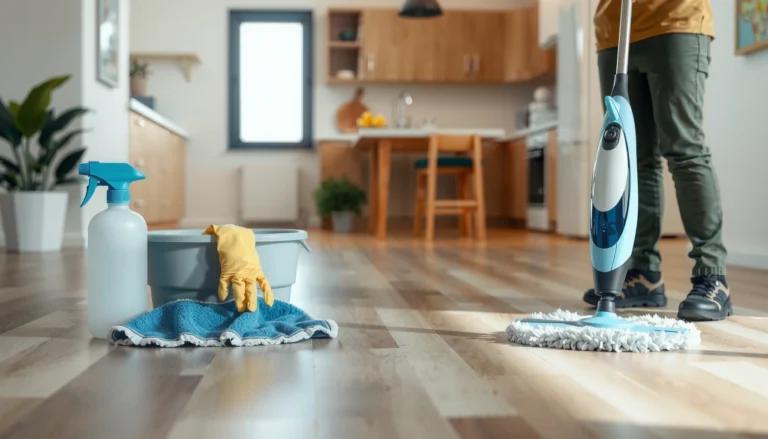
– Prevent “rinse-and-wipe” cleaning from leaving moisture on the floor; use damp (not wet) mopping practices and follow the cleaner instructions exactly.
A common failure mode: crews re-wet the surface repeatedly, so even if the spill “looks gone,” the hardwood finish may be left with a thin wet film.
– Keep humidity and temperature within the range recommended by your flooring manufacturer to reduce expansion gaps and cupping that can create tripping hazards.
Why this matters: moisture-driven movement turns seams and edges into a safety problem, not just a cosmetic one.
Here’s a comparison facilities teams often find useful when deciding what to invest in for hardwood floors:
| Measure | Pros (slips/trips) | Cons/risks (hardwood) | Best for |
|---|---|---|---|
| Entrance mats + traffic mats | Stops water/grease before it reaches hardwood; improves traction at the decision points (doors, bus lanes). | Can create edge-catch trips if mats curl or seams aren’t flush. | Daily contamination control |
| Fast spill response tools | Reduces time a wet film exists on hardwood; limits finish breakdown from repeated moisture exposure. | If tools leave residue (e.g., improper cleaners), traction can drop after the “cleanup.” | Bar, beverage station, and server corridors |
| Moisture-controlled cleaning methods | Prevents swelling/gaps; reduces the likelihood of dull, slick zones on hardwood. | Over-wetting during routine mopping can negate the gains in weeks to come. | Scheduled maintenance routines |
The take-away for hardwood floors: in 2026, moisture control is a safety program—not just housekeeping. If you standardize quick containment and damp-only cleaning, you usually see fewer slip reports and fewer “mystery slick spots” forming on dining-room hardwood.
Maintain the finish the right way (cleaning that doesn’t increase risk)
The finish is what makes hardwood floors cleanable and predictable—when it’s degraded, the surface can become harder to clean and more prone to slipperiness. Maintenance that’s compatible with the specific finish system protects both traction and long-term wear.
OSHA’s general housekeeping duty to keep floors clean and dry (OSHA 29 CFR 1910.22(a)) increases the value of maintaining finish integrity on hardwood floors so cleaning doesn’t leave harmful residue or moisture.
ADA-focused accessible-route expectations make inconsistent surfaces (shiny slick patches from residue, uneven wear patterns) a practical trip/slip risk for public dining areas (ADA Standards for Accessible Design (2010)).
– Use cleaning products that are compatible with your hardwood finish (and avoid harsh chemicals that can break down the protective layer over time).
Operational rule: only allow products in your “approved list” for hardwood floors; if a staff member brings a different cleaner, it’s a safety event.
– Address dullness and worn-through areas early—once the finish thins, the floor can become harder to clean and may get slicker when contaminated.
Look for cause, not just symptoms: dull patches often correlate with heavy mopping, unapproved detergents, or repeated water exposure.
– Schedule repairs for traffic-worn planks: replace boards if necessary, and refinish only when it’s time (spot-fixing without the right prep can make texture uneven and increase slip risk).
Why texture matters: uneven texture changes how contaminants spread, which can make one portion of hardwood floors safer while adjacent areas become unexpectedly slick.
In 2026, many restaurants are tightening their chemical control because residue from non-approved cleaners shows up as “clean-looking but slick-feeling” hardwood floors later in the shift. If you’re unsure what’s safe for your finish, so you can align cleaning and any future coatings to manufacturer guidance.
Eliminate trip hazards from boards, edges, and transitions
To make hardwood floors safer, you must treat trips as a structural-and-installation issue: lifted boards, rough seams, and unstable transitions create stumbles even when the surface is dry. Prioritize edge repairs and threshold/transition fixes because they directly align with accessibility and walking-surface limits.
ADA Standards (2010) set a 1/4 inch (6.4 mm) maximum for changes in level on walking surfaces, which directly maps to gaps and uneven hardwood seams.
ADA Standards (2010) allow certain thresholds up to 1/2 inch (12.7 mm) under specific conditions, making door transitions a high-priority fix area on hardwood floors.
– Repair lifted boards, protruding nail/screw heads, and uneven seams promptly—small height differences can cause stumbles when staff and guests are moving quickly.
Fast containment approach: cordon the area during repair and cover temporarily only with stable, non-slip protection you remove on a schedule.
– Pay attention to transitions (hardwood-to-tile, hardwood-to-rubber, thresholds at doors). Use proper transition strips where appropriate and keep them secure and flush.
Don’t “float” transitions: a threshold strip that flexes can become the new trip point.
– If you use temporary floor coverings (service-day mats, duct-protection mats), make sure they’re stable, non-slip, and removed or replaced on a clear schedule.
Restaurant reality: duct/production protection is often left longer than planned—turn it into a timed task with a manager check.
A common compliance and safety pattern is that one edge problem turns into two: as hardwood floors move and edges wear, guests’ foot placement shifts, increasing both trip frequency and slip exposure when debris lands in the gap.
What can go wrong (and what to avoid)
Even with good intentions, safety efforts can accidentally make hardwood floors worse. The main pitfalls are unapproved “anti-slip” changes that alter how the surface behaves when wet, over-wetting during cleaning, and ignoring small edge damage until it becomes a major hazard.
Applying unapproved coatings or additives can change how hardwood floors behave under moisture and can undermine the finish system you’re relying on for safe traction (manufacturer compatibility is essential—see finish guidance).
Over-wetting contradicts OSHA’s housekeeping expectation to keep walking surfaces clean and dry (OSHA 29 CFR 1910.22(a)), and it also increases the likelihood of swelling gaps that create ADA-relevant changes in level.
– Applying an unapproved “anti-slip” coating or additive can change how the floor behaves when wet, leave residue, or damage the finish—check your flooring manufacturer’s guidance first.
Example failure mode: residue can look “clean” but reduce effective traction once grease is present.
– Over-wetting during cleaning is one of the fastest ways to increase slipperiness and swelling. If staff routinely mops with lots of water, you’ll keep fighting the same safety issues.
Fix it at the process level: retrain cleaning mechanics and switch to controlled damp methods consistent with the cleaner label and your finish system.
– Ignoring small gaps and edge wear: restaurant traffic expands the problem until it becomes a tripping incident.
Rule of thumb: if a seam catches a toe or a cleaning cloth, it’s already in the “repair now” category for hardwood floors.
– Relying on mats alone: mats help, but they can create their own hazards if they curl, have worn edges, or aren’t positioned correctly.
Operational fix: tie mat replacement to visible wear and maintenance logs.
– Trying to “hide” damage with heavy coatings instead of repairing the underlying floor condition.
Why it fails: coatings can mask unevenness temporarily while contaminants and foot traffic accelerate the breakdown.
Verdict / tip (what’s worth doing first)
If you want the biggest safety improvement fastest, start with traction + spill response + visible repairs on your hardwood floors: add/refresh entrance mats, standardize “clean up immediately” procedures, and fix lifted edges or worn-through areas before you refinish. This sequence improves outcomes because it addresses both contamination and walking-surface integrity—the two drivers behind restaurant slip-and-trip events.
The downside is that some fixes (board repair, refinishing, and approved slip treatments) require scheduling and cost money—so avoid short-term hacks that change the surface without manufacturer approval. This approach may not be worth it if your hardwood floors are already severely cupped, failing structurally, or has widespread finish breakdown; in those cases, replacement or full resurfacing is often safer and more cost-predictable than piecemeal patching. As of 2026, many facilities teams are also pairing these actions with more consistent staff training and documentation to prevent “safety drift” between inspection cycles.
Quick scan checklist (save this)
| Area | What to check | Fix now if… |
|---|---|---|
| Entrances | Mats capture water/grease, don’t curl | Guests frequently track wet/dirty footprints |
| Spill response | Staff know steps + tools | Spills sit for more than a minute or two (define your target time) |
| Floor surface | Worn finish, shiny slick patches | Areas feel noticeably slippery when damp |
| Seams/edges | Gaps, lifting, rough transitions | You can catch a toe or it rocks underfoot |
| Cleaning routine | Damp cleaning, compatible products | Floors look/feel wet after routine cleaning |
| Transitions | Flush thresholds and secure strips | Wobble or height differences are visible |
FAQ:
– What’s the fastest way to reduce slipping on hardwood in a restaurant?
Improve traction at entrances, shorten spill cleanup time with a clear procedure, and fix worn-through or uneven areas that make the surface behave inconsistently.
– Can we add anti-slip products to hardwood finishes?
Only if the flooring/final finish manufacturer explicitly approves that approach for your specific system. If not, before changing coatings or texture.
– Is mopping hardwood more dangerous than sweeping?
Sweeping is usually safer for slips, but the goal is safe cleaning overall. Mopping becomes risky when it leaves moisture behind—follow the cleaner directions and use controlled, damp methods.
– When should we repair hardwood vs. refinish it?
Repair when there are raised edges, lifting boards, or unsafe seams. Refinish when the finish is broadly worn and the floor surface is failing to clean properly—spot refinishing without correct prep can create uneven texture.
Sources:
– OSHA (U.S. Department of Labor) — *29 CFR 1910.22(a)* (General requirements for walking-working surfaces / housekeeping to keep floors clean and dry where applicable).
– ADA Standards for Accessible Design (U.S. Department of Justice / ADA guidance) — floor surface and accessible route requirements relevant to edges, transitions, and hazards.
– Hardwood flooring manufacturer documentation — maintenance/cleaning instructions and any approved guidance for refinishing or slip-resistance treatments.
Hardwood floors can absolutely work in restaurants, but they require disciplined moisture control, traction-first contamination management, and prompt repair of seams and transitions. If you implement the walk-through/priority routine, standardize spill response and damp-only cleaning, and keep finish compatibility tight, you’ll reduce both near-misses and long-term safety drift—an outcome that becomes even more important as your operation runs at full pace in 2026.
Frequently Asked Questions
What are the safest ways to make hardwood floors in a restaurant less slippery?
Reduce slip risk by using non-slip, restaurant-rated floor finishes or adding a low-profile anti-slip coating designed for hardwood. Use entryway mats with slip-resistant backing to trap water, grease, and debris before it reaches the wood. Keep a clear, consistent cleaning routine that avoids leaving oily residue and uses pH-neutral cleaners compatible with hardwood floor systems.
How can restaurants prevent trip hazards on hardwood floors?
Inspect regularly for loose boards, raised edges, worn finish, and gaps that can catch shoes or carts. Install floor transition strips at thresholds and between different flooring types to create smooth, level changes in height. Mark and repair uneven areas promptly, and ensure cords, hoses, and chair glides are managed so they don’t create hidden snags.
Why is choosing the right commercial finish important for safety on hardwood floors?
The wrong finish can become slick when exposed to water, cleaning chemicals, or grease—common conditions in dining spaces. A commercial-grade hardwood floor finish with verified traction helps maintain grip under real restaurant traffic. It also supports durability, reducing wear patterns that can lead to uneven surfaces and increased slip risk.
Best practices for improving traction: which type of anti-slip system works best on hardwood?
For many restaurants, a combination of a compatible anti-slip topcoat and maintenance procedures provides the best balance of traction and appearance. Consider systems labeled for “hardwood” or “wood flooring” so the treatment bonds properly and doesn’t damage the floor. If using mats or localized treatments, choose slip-resistant products with warranties and ensure they’re designed to work in food-service environments.
How often should a restaurant maintain hardwood floors to keep them safe year-round?
Perform routine cleaning daily with hardwood-safe methods and spot-treat areas that accumulate grease or spills quickly. Recoat or refinish on a scheduled cycle based on traffic volume, typically using commercial products recommended for your specific hardwood finish. Conduct periodic safety checks—like traction assessments and inspections for wear, gaps, and surface dulling—to address problems before they become slip or trip hazards.
📅 Last Updated: October 17, 2026 | Topic: How to make hardwood floors safer in a restaurant? | Content verified for accuracy and freshness.
References
- Final Rule to Update General Industry Walking-Working Surfaces and Fall Protection Standards | Oc…
- 1910.22 – General requirements. | Occupational Safety and Health Administration
- Falls in the Workplace | Falls | CDC
- https://www.epa.gov/indoor-air-quality-iaq/volatile-organic-compounds-vocs
- Slips and trips – HSE
- slip resistance flooring maintenance – Search Results – PubMed
- Hazard Communication – Overview | Occupational Safety and Health Administration
- https://scholar.google.com/scholar?q=hardwood+floor+slip+resistance+restaurant+maintenance Google Scholar
- https://scholar.google.com/scholar?q=slip+trip+hazards+floor+cleaning+methods+restaurant+flooring Google Scholar
- https://scholar.google.com/scholar?q=coefficient+of+friction+flooring+surface+refinishing+non+slip Google Scholar