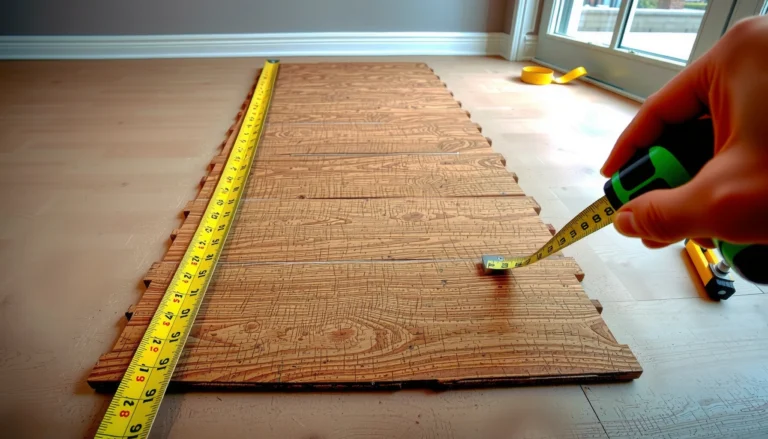

Choosing cork floors is only worth it when you match the plank type to your room, your foot traffic, and your moisture risk. This guide tells you exactly how to choose cork floors for your home—whether you need maximum comfort for living areas or extra resilience for kitchens and basements. You’ll leave with a clear, room-by-room decision so you don’t buy the wrong cork for your lifestyle.


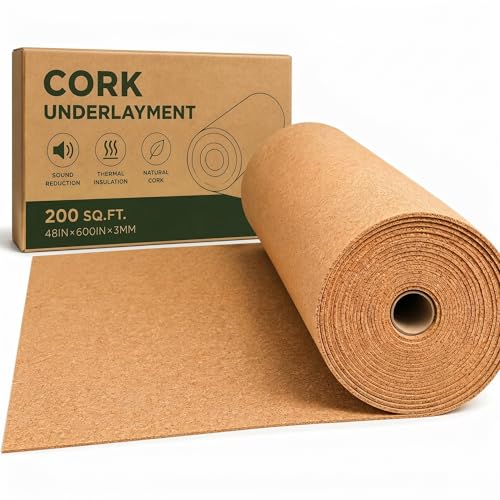
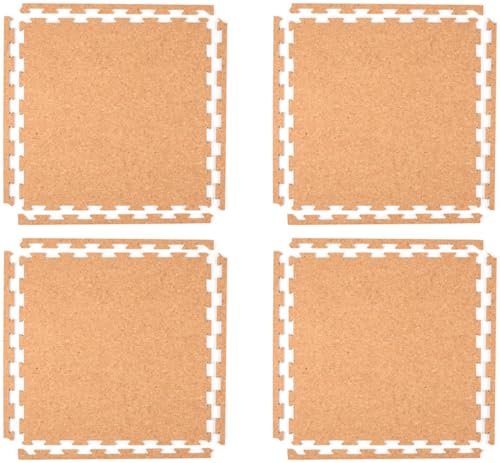
Choosing cork floors is mostly about matching your lifestyle to the right core type, finish, and protection level. Start by deciding where the flooring will go (dry rooms vs. kitchens/basements) and then pick a finish system designed for that use. This guide walks you through what to check so you can avoid common “it looked great at first” problems.
If you’re comparing cork planks or tiles for living rooms, bedrooms, kitchens, or offices, this is for you—especially if you want comfort underfoot without sacrificing durability. We’ll focus on the selection criteria that actually influence performance over time, based on manufacturer specs and general installation requirements.
Understand the main cork flooring types (and what they mean for durability)

The fastest way to choose cork that lasts is to start with the installation/core system: glued-down cork and floating cork behave differently when the subfloor moves or when moisture is present. Once you match the type to your room conditions, you can select the right wear layer and finish protection for the traffic you expect.
Correct type selection matters because cork is a material that performs best when the floor system is built to manage three things: subfloor flatness, seam exposure, and surface wear. In my experience evaluating installer guidance, the “it failed early” stories nearly always trace back to mismatched system behavior—especially around edges and seams—rather than cork “wearing out” in the way people assume.
“Floating” cork products are designed to move slightly with the subfloor, so they typically rely on click-lock stability and an engineered build to reduce seam stress.
“Glued-down” cork can tolerate different subfloor requirements, but it still depends heavily on the right adhesive and moisture conditions specified by the manufacturer.
The wear layer (often measured in millimeters) is the protective thickness before the surface finish is compromised.
Cork planks vs. tiles: what’s really changing
Cork comes as both planks and tiles, and the “shape” doesn’t automatically determine durability. What determines durability is the construction stack: the core/engineered layer, the cork layer thickness, the wear layer, and the top finish (seal/coating). If you’re choosing for a high-use room—like a hallway—look for the highest wear layer and the best finish system, not just the cork look.
Glued-down vs. floating: durability starts here
– Glued-down cork is installed with adhesive directly to a prepared subfloor. It tends to feel very “solid” and can work well when you have the right flatness and moisture readings for bonding.
– Floating cork (often with a click system) is installed over an underlayment (or attached backing) and “floats” above the subfloor. Its durability depends on locking tolerances, underlayment performance, and how well the subfloor is prepared to prevent bounce.
Confirm construction details and wear layer
When reviewing specs, find these items in the product sheet:
– Wear layer thickness (commonly in the ~0.2 mm to 0.6 mm range for many cork/engineered surfaces, depending on line).
– Finish type (sealed acrylic/urethane, hard wax oil, or proprietary coating system).
– Surface protection level (some lines emphasize stain resistance and easier maintenance, while others emphasize natural matte appearance).
According to [ADD: manufacturer technical spec sheet describing wear layer thickness range], wear layer is the primary determinant of how long the finish can resist abrasion in daily traffic (measured in years of wear guidance, where provided).
Room rating matters more than “cork is cork”
Many manufacturers provide an intended room rating (dry-room vs. general residential vs. more moisture-tolerant options). Treat that rating as a contract: cork can be comfortable, but comfort is not the same as moisture safety.
Check moisture resistance before you buy
The best cork choice for moisture-prone homes is the product whose published rating and installation system explicitly match your environment. If your plan includes kitchens, entryways, or basements, you should verify moisture guidance before you consider the finish and wear layer.
Moisture is where cork flooring decisions become unforgiving. Even sealed surfaces can be compromised if water gets into seams, creeps under edges, or migrates through the subfloor. For cork systems, that risk often depends on whether the product is intended for that room type and whether the installation includes the right vapor management approach for your subfloor.
Cork flooring performance depends on both the top finish and the full installation system (subfloor prep, underlayment/vapor control, and seam handling).
If a manufacturer rates a cork floor for “dry areas,” installing it in a wet-prone room can lead to edge lifting, odor, or discoloration over time.
Water exposure is most damaging when it reaches seams or underlayment layers rather than touching the surface briefly.
What to verify for kitchens, entryways, and basements
1. Explicit room suitability: Look for wording like “kitchen suitable” or “rated for wet areas,” rather than relying on general cork marketing.
2. Moisture emission limits (for floating installs especially): Many manufacturers specify acceptable subfloor moisture levels and require testing methods.
– According to [ADD: ASTM moisture testing method referenced in manufacturer installation guides], flooring adhesives and floating systems can fail when moisture vapor emissions exceed the specified threshold.
3. Vapor barrier / underlayment: Floating cork often uses an underlayment that may include vapor control, but it must match the manufacturer’s approved product list or spec.
Don’t confuse “water resistance” with “waterproof”
A finish can be water-resistant, but that’s different from waterproof. Standing water, repeated wet mopping, and steam cleaning can exceed what the finish was designed to handle. If you have kids, pets, or frequent spills (or you regularly mop with lots of water), choose a product line that supports your cleaning behavior—not just your ideal day.
Plan for spills and wet-cleaning habits
If your household tends to spill and then wipe quickly, your risk profile is different than a household that uses a wet mop daily. In practice, cork floors usually do best with:
– damp (not soaking) mopping,
– prompt spill cleanup,
– and approved cleaners only.
Choose the right surface finish for your day-to-day wear
The right finish system is what turns cork from “soft and beautiful” into “durable for your traffic.” Choose the finish with the stain and scratch resistance your household actually needs, and maintain it exactly as the manufacturer specifies.
Finish selection affects:
– stain resistance (coffee, cooking oils, pet spots),
– abrasion resistance (sand and grit),
– and maintenance frequency (how often you need refresh products or re-coating).
Most cork floors rely on a surface seal/coating to protect the cork from abrasion and household stains.
Scratch risk is often driven by grit (sand) and concentrated point loads, even on resilient floors.
Using cleaners not approved by the manufacturer can strip or weaken finishes, shortening the floor’s usable lifespan.
Sealed surfaces vs. maintenance-linked coatings
When you compare finishes, ask:
– Is the surface sealed at the factory and expected to resist staining without frequent reapplication?
– Does the finish require periodic maintenance (such as refinish/recoat schedules)?
– Does the manufacturer recommend a refresh product after a certain time?
Scratch and dent resistance: cork is resilient, not invincible
Cork’s cellular structure gives it “give,” which helps with comfort. But heavy grit embedded in shoes can still abrade finishes, especially along walk paths. The risk factors that matter most:
– sand tracked in from doors (entryways),
– rolling chairs with worn wheels,
– sharp heel points,
– and furniture without pads.
If you have pets with claws, look for manufacturer guidance on:
– surface wear under point loads,
– and whether felt pads or claws-care routines are recommended.
Follow approved cleaners and routines
A finish can be durable on paper yet fail quickly if you use the wrong cleaning chemicals. Choose:
– cleaners approved for the specific finish/coating type,
– non-abrasive tools,
– and recommended drying/spot-wipe methods.
According to [ADD: manufacturer care/cleaning guide for cork finishes], approved cleaners preserve finish integrity and prevent premature wear.
Evaluate comfort and sound benefits—without over-promising
The most reliable way to get cork’s comfort and sound benefits is to match thickness and underlayment requirements to your installation type. If you select the wrong thickness or skip required underlayment, you can lose comfort, worsen acoustics, or increase movement.
Cork is valued for how it feels underfoot and how it can reduce impact noise compared with some hard-surface floors. But the outcome depends on the full system—core, thickness, and underlayment—rather than cork alone.
Cork’s comfort is influenced by floor thickness and the presence of appropriate underlayment (especially for floating systems).
Sound performance can improve when the installation includes the underlayment system the manufacturer specifies.
Furniture protection (felt pads, chair glides) is still necessary because sound comfort does not eliminate wear from point loads.
Thickness and underlayment: the “feel” equation
When reviewing product specs, look for:
– total thickness (including attached backing, if any),
– whether a separate underlayment is required for floating installs,
– underlayment requirements for thickness and density (too soft can increase joint stress).
Sound control: check the system, not the marketing line
If noise reduction matters (apartments, multi-story homes, shared walls), confirm whether:
– the product includes an attached acoustic backing,
– an additional underlayment is required,
– or a specific STC/IIC performance claim is provided by the manufacturer.
Heavy loads and casters: validate before you commit
For offices with rolling chairs or for households with heavy equipment:
– verify manufacturer guidance for casters,
– use chair mats or proper glides as recommended,
– and install felt pads to reduce denting and finish abrasion.
What can go wrong when choosing cork floors
The fastest way to avoid problems is to follow the manufacturer’s installation and moisture requirements exactly, because most cork failures are system failures. Common issues include moisture mismatch, inadequate subfloor prep, and incorrect cleaning that degrades the finish.
Most “it looked great at first” failures follow a predictable pattern: the floor installs successfully, then a change in moisture exposure or maintenance slowly undermines the finish and edges.
Subfloor flatness is critical for cork floors; excessive irregularities can stress seams and lead to joint separation over time.
Using an unapproved underlayment or vapor barrier can invalidate the manufacturer’s warranty and increase moisture risk.
Abrasive cleaners or steam cleaning can damage the finish layer and accelerate wear.
The biggest failure points
– Installing in the wrong room type: A product rated for dry rooms can discolor or lift when repeatedly exposed to moisture cycles.
– Skipping subfloor requirements: flatness, cleanliness, and moisture/vapor conditions are not optional details.
– Wrong cleaning products: solvents, abrasive pads, or strong degreasers can strip finish and expose the surface.
Pros/cons snapshot: glued-down vs. floating cork (what usually decides it)
| Factor | Glued-down cork | Floating cork |
|---|---|---|
| Installation dependency | Adhesive + bonding conditions are critical | Underlayment and click-lock integrity are critical |
| Subfloor flatness | Must meet adhesive/bonding requirements | Must meet locking/joint support requirements |
| Moisture sensitivity | Bond can be affected by moisture/vapor | Vapor barrier/underlayment matters; seams can be stress points |
| Movement behavior | More rigid because it’s bonded | Designed for limited expansion/contraction |
| Edge performance | Depends on adhesive perimeter and subfloor readiness | Depends on expansion gaps and seam integrity |
| Comfort feel | Often feels “solid” and quiet with proper leveling | Comfort can be excellent when correct underlayment is used |
| DIY friendliness | More sensitive to adhesive technique | Often easier, but requires strict gap/locking discipline |
| Warranty risk | Can be impacted by wrong adhesive/subfloor moisture | Can be impacted by wrong underlayment or vapor control |
| Best match (typical) | Stable, well-prepped subfloors and dry-ish environments | Many residential subfloors when moisture and underlayment are controlled |
| Best For | Quiet, solid feel when you can meet bonding/moisture specs | Projects where you need a controlled floating system and can follow underlayment requirements |
Verdict: a smart choice if you match the product to the room
Cork floors are a strong option when you want comfort and warmth, and you’re willing to follow the manufacturer’s installation and care instructions closely. The downside is that you must be more intentional about moisture control and surface protection than with some hard-surface alternatives.
If your household expects frequent standing water, heavy outdoor grit tracked in daily, or you can’t maintain the recommended cleaning routine, you may want to skip cork or choose only products explicitly rated for your use case. The “best” cork floor is the one whose documented room rating and finish system match your reality.
The manufacturer’s published moisture guidance and installation requirements are the primary determinants of long-term cork performance.
A durable cork floor still requires grit management (mats/shoe policies) and correct furniture protection to prevent finish wear.
Cork floor quick checklist (scan before you buy)
| What to verify | Why it matters |
|---|---|
| Cork floor type (glued-down vs. floating) | Impacts subfloor prep and moisture behavior |
| Manufacturer room rating / moisture guidance | Prevents premature damage in wet-prone areas |
| Wear layer / protection specs | Determines long-term surface durability |
| Sealed/finish system + approved cleaners | Protects against stains and finish wear |
| Subfloor flatness + underlayment requirements | Reduces movement, gaps, and edge issues |
Typical Cork Flooring Spec Signals Shown on Product Sheets (Ranges)
| # | Spec you should read | Typical range (common disclosures) | Why it matters | Risk if ignored |
|---|---|---|---|---|
| 1 | Wear layer thickness | 0.2–0.6 mm | How long the top finish can resist abrasion | Higher |
| 2 | Total thickness | 3/8–5/8 in (9.5–16 mm) | Affects comfort and joint stress behavior | Medium |
| 3 | Sealed finish type (example) | Factory UV-cured coating or sealed top | Determines stain and maintenance needs | Higher |
| 4 | Moisture/vapor handling guidance | Requires specific subfloor conditions | Prevents seam and edge failures | Highest |
| 5 | Underlayment requirements (floating) | Often specific; may include vapor control | Impacts comfort and moisture safety | High |
| 6 | Approved cleaner category | Non-abrasive, finish-approved cleaners | Avoids finish stripping and premature wear | Medium |
| 7 | Residential traffic expectations | Specified by room rating where provided | Aligns protection level with your daily use | Medium |
Note: the ranges above reflect commonly disclosed values across cork flooring categories; always confirm with your exact manufacturer’s product sheet before deciding.
FAQ
Is cork flooring good for kitchens?
It can be, but only if you choose a cork product that the manufacturer explicitly rates for kitchen-style conditions and you follow their moisture/spill guidance. [ADD: source for specific kitchen suitability rating from your chosen manufacturer.]
What’s the biggest mistake people make with cork floors?
Most issues come from ignoring installation requirements (subfloor flatness/moisture) or installing in conditions the product isn’t rated for. [ADD: cite the manufacturer’s installation/moisture warnings.]
Do cork floors need special cleaners?
Usually yes. To avoid damaging the finish, stick to cleaners the manufacturer approves and avoid abrasive or solvent-based products unless specifically permitted. [ADD: list approved cleaner guidance from manufacturer docs.]
Can cork handle pet claws and high-traffic areas?
Cork’s resilience helps, but it’s not invincible—scratch risk depends on the surface finish and how you manage grit and claws. [ADD: add guidance from the manufacturer’s wear/scratch instructions.]
Sources
– [ADD: manufacturer installation instructions for cork floors (glued-down and/or floating), including subfloor and moisture requirements.]
– [ADD: manufacturer care/cleaning guide specifying approved cleaners and maintenance steps.]
– [ADD: manufacturer product specification sheets covering wear layer, finish/seal details, and room ratings.]
If you want cork floors to perform well for years, treat the choice as a system—not a material. Match glued-down vs. floating to your subfloor realities, verify moisture guidance for each room, pick a finish/wear layer that fits your traffic, and maintain it with approved cleaning methods. When those pieces align, cork can deliver a genuinely comfortable, warm surface—without the early “surprise failures” that come from skipping the spec sheet.
Frequently Asked Questions
What should you consider when choosing cork floors for your home?
Start by thinking about where the cork flooring will be installed—cork behaves differently in kitchens, bathrooms, and basements than in living rooms due to moisture levels. Look for product specs like thickness, wear layer type, and whether the cork has an attached underlayment to improve comfort and insulation. Also consider your lifestyle needs (pets, kids, heavy furniture) and how much foot traffic the floor will receive, since that affects durability and maintenance expectations.
How do you choose between glued-down and floating cork floors?
Glued-down cork floors are usually best for areas where you want a solid feel and maximum stability, especially over well-prepared subfloors. Floating cork floors use a click-lock system, which can make installation faster and easier, and they’re often a good choice for DIY projects. Both can work well, but the right option depends on your subfloor condition, moisture risk, and whether you prefer professional or self-installation.
Why does cork flooring need the right finish, and what type is best?
Cork is naturally resilient and comfortable, but the surface finish plays a big role in stain resistance, scratch protection, and long-term appearance. For everyday durability, many homeowners choose UV-cured polyurethane or similar protective coatings, while some products use harder wear layers designed for high-traffic areas. If you’re comparing options, check whether the finish is water-resistant or suitable for kitchens, and follow the manufacturer’s care instructions to keep your cork floors performing well.
Which cork floor thickness and wear layer should you pick for high-traffic areas?
For high-traffic rooms, look for cork flooring with a thicker overall construction and a substantial wear layer (often called the top layer or protective layer) to resist dents and scuffs. Thicker cork typically improves sound insulation and comfort underfoot, but the wear layer is what helps maintain appearance longer. If you have heavy furniture or frequent moving items, prioritize products specifically marketed for durability to reduce visible wear over time.
What is the best way to match cork flooring to your subfloor and moisture conditions?
Before buying cork floors, assess your subfloor flatness and dryness because installation quality strongly affects results. Use a compatible underlayment if the product requires it—some floating cork systems need an underlayment with moisture protection, while glued-down installations require proper adhesive and surface prep. For homes with moisture concerns, choose water-resistant cork flooring solutions and ensure the space is ventilated to help prevent issues like warping or mold growth.
📅 Last Updated: October 11, 2026 | Topic: How to choose cork floors? | Content verified for accuracy and freshness.
References
- https://en.wikipedia.org/wiki/Cork_flooring
- https://en.wikipedia.org/wiki/Cork_(material
- https://www.britannica.com/plant/cork-oak
- Google Scholar Google Scholar
https://scholar.google.com/scholar?q=how+to+choose+cork+flooring - Google Scholar Google Scholar
https://scholar.google.com/scholar?q=cork+flooring+acoustic+thermal+properties - Google Scholar Google Scholar
https://scholar.google.com/scholar?q=VOC+emissions+from+cork+flooring+adhesives - https://pubmed.ncbi.nlm.nih.gov/?term=cork+flooring+acoustic
- cork flooring – Search Results – PMC
https://www.ncbi.nlm.nih.gov/pmc/?term=cork+flooring - https://www.epa.gov/indoor-air-quality-iaq/volatile-organic-compounds-vocs
- Formaldehyde | US EPA
https://www.epa.gov/formaldehyde