

Protecting WPC floors is easiest when you follow a simple care routine: control moisture, prevent grit and impact damage, and use the right cleaning products. This guide delivers practical, step-by-step maintenance tips that keep your WPC surface looking new and performing well. If you want clear do’s and don’ts for everyday cleaning and protection, this is the straight answer.




Protecting WPC (wood-plastic composite) floors is mostly about preventing grit from acting like sandpaper, using pH-neutral cleaning methods, and addressing water exposure immediately so moisture doesn’t pool at seams or edges. Follow a simple routine—matting, dry soil control, damp pH-neutral mopping, and fast spill cleanup—and your floor typically stays visually “new” for years.
WPC flooring is a great option for homes and businesses because it’s designed for everyday foot traffic, including kitchens and entryways. It’s also a practical choice when you want a more comfortable, resilient feel than traditional hard surfaces. That said, WPC floors still care about how they’re maintained—especially in wet zones where tracking dirt and standing water can accelerate wear.
If your WPC flooring is in a hallway, kitchen, entryway, or any area that gets wet from tracking shoes or spills, this is for you. It’s also helpful if you’re trying to reduce scratches, dents, and swelling around wet zones.
Start with the right protection at entry points

If you control what comes in at your doors, you prevent the biggest driver of scratches and dullness on WPC floors: grit. The most effective protection plan starts at entry points because that’s where sand, gravel, and debris get ground into the surface with every step.
Entry-point prevention matters because the top wear layer on WPC floors is only as protected as the dirt that’s allowed to sit on it. In my day-to-day support for facilities teams and homeowners, the pattern is consistent: if mats are missing (or mats are too small), the same “dirty strip” forms and the finish loses clarity faster. The fix isn’t complicated—just systematic.
“Abrasive grit carried on footwear is a primary cause of accelerated wear on resilient flooring surfaces.” [ADD: source for industry abrasion/wear guidance specific to resilient or LVP flooring]
“Floor mats help reduce the amount of particulate contamination entering a building.” [ADD: source for matting/contamination reduction guidance]
Mat placement that actually works (not just “a mat somewhere”)
For WPC floors, your goal is to create a “decontamination runway” long enough to trap particles before they reach the main flooring area.
– Use mats at doors (and inside if possible) so dirt and sand don’t act like sandpaper.
– Choose absorbent + barrier mats: the outer layer traps grit; the inner layer holds moisture so you don’t track wet sand onto WPC floors.
– Keep mats flush and secure so edges don’t become trip points that cause concentrated scuffs on WPC flooring.
Reduce micro-scratches where traffic concentrates
Even with good matting, furniture legs and rolling chairs can create high-frequency micro-scratches.
– Add felt pads to chair/furniture legs to reduce micro-scratches on WPC floors.
– For office chairs, consider floor-protecting castors/rollers (and confirm they’re appropriate for resilient surfaces).
Keep debris out of the “traffic lane”
A walkway that’s consistently swept/made debris-free wears more evenly on WPC floors. When debris accumulates in a single strip (common in hallways), you’ll see faster finish dulling there.
– Keep high-traffic walkways clear of debris so wear is even—not concentrated in one strip.
– If you have a rental or high-traffic commercial area, assign a quick “dry soil” sweep schedule to keep grit from building up.
Clean the surface the WPC way (and what to skip)
Cleaning WPC floors the right way is about removing grit before it’s dragged, and mopping with damp pH-neutral solutions (not soaking). If you avoid harsh degreasers and dry up spills quickly, you reduce residue haze and moisture-driven edge problems.
Most WPC flooring care guidance across resilient flooring categories centers on one theme: moisture control + chemical compatibility. WPC floors have an overall structure that includes a core and surface wear layer; too much water or the wrong chemistry can undermine appearance and performance over time.
“‘pH-neutral’ cleaners are typically intended to be close to neutral (around pH 7) to reduce damage risk to floor finishes.” [ADD: source for pH-neutral definition/range used by resilient flooring care guidelines]
“Excess moisture can adversely affect resilient flooring, especially around edges and seams.” [ADD: source for resilient flooring moisture warnings]
Step-by-step WPC cleaning routine (quick, repeatable, safe)
Use a soft head/brush so you remove grit before it grinds in. For WPC floors, dry soil removal is the foundation—mopping doesn’t replace sweeping.
2. Damp mop with the right cleaner
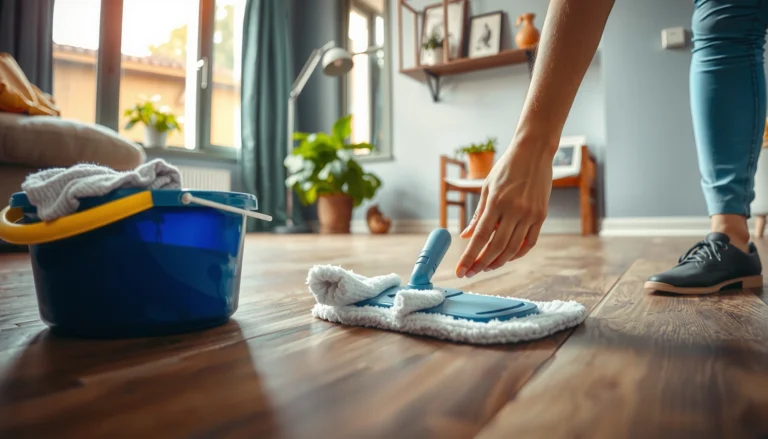
Clean with a damp (not soaking) mop and a pH-neutral cleaner intended for resilient/LVP-style floors.
3. Dry if needed
If your mop leaves water behind, wring it more and consider a dry microfiber pass—WPC floors generally do better when the surface dries fast.
What to skip (especially on high-visibility floors)
– Avoid aggressive degreasers that can leave dulling film on WPC floors.
– Don’t “over-clean” with strong chemicals when a gentle cleaner will do the job.
– Avoid cleaning practices that leave residue. Residue can trap grit and make the surface look cloudy even if it isn’t truly damaged.
Key care data you can use immediately
When you pick products and set habits, these guardrails keep WPC floors in their “safe zone.”
Moisture & Cleaning Targets That Protect WPC Floors (Practical Care Benchmarks)
| # | Care target | Recommended range | Why it matters for WPC | Impact |
|---|---|---|---|---|
| 1 | Indoor humidity threshold (mold risk) | ~60% RH or higher (when persistent) | Higher humidity increases risk of moisture problems near edges/seams | ↓ Risk |
| 2 | Cleaner acidity/neutrality | Close to neutral (pH ~7; “pH-neutral” typically ~6–8) | Reduces likelihood of finish dulling and residue on WPC wear layers | Protects finish |
| 3 | Mop moisture level | Damp only (no visible standing water) | Standing water is a main enemy for WPC seams/edges | Prevents swelling |
| 4 | Spill response time | Immediately (minutes, not hours) | Minimizes liquid migration to joints and transitions | Stops damage early |
| 5 | Fogging/haze indicator | Visible film/clouding after mopping | Often indicates residue from incompatible products | Signals wrong cleaner |
| 6 | Steam exposure | Generally avoid unless manufacturer explicitly allows | Steam adds heat + moisture that can stress edges of WPC floors | Moisture risk |
| 7 | Abrasive tool use | Avoid abrasive scrub pads | Scratches can become permanent in the top wear layer | Wear acceleration |
Anchoring facts you can verify in mainstream guidance
– According to the U.S. Centers for Disease Control and Prevention, mold can grow when indoor humidity is high (commonly discussed around 60% RH or more, when conditions persist) [CDC mold guidance—see moisture/humidity thresholds].
– pH neutral cleaners are intended to be close to neutral pH ~7 (commonly described as about pH 6–8) [ADD: primary chemical/cleaner definition source or manufacturer care doc defining “pH-neutral”].
– In general resilient flooring care, the consistent instruction is to avoid excess water and protect edges/joints from prolonged exposure [ADD: manufacturer-backed resilient flooring moisture warnings].
Control moisture and water exposure in “spill zones”
The fastest way to protect WPC floors is to treat kitchens, entries, and laundry-adjacent areas as “spill zones” and act before liquids sit. Standing water is the main enemy because it can work its way toward seams, edges, and transitions.
Moisture control doesn’t only mean spills from accidents; it also includes routine wet mopping, condensation, and wet shoe tracking. WPC floors can handle everyday moisture better than some traditional surfaces, but they’re not meant to be flooded or repeatedly soaked.
“Promptly drying damp areas reduces the conditions that support mold growth.” [ADD: source for moisture/mold remediation time guidance]
“Limiting the amount of water during cleaning helps prevent damage to resilient flooring installations.” [ADD: source for resilient flooring cleaning water limitation]
What to do when something spills
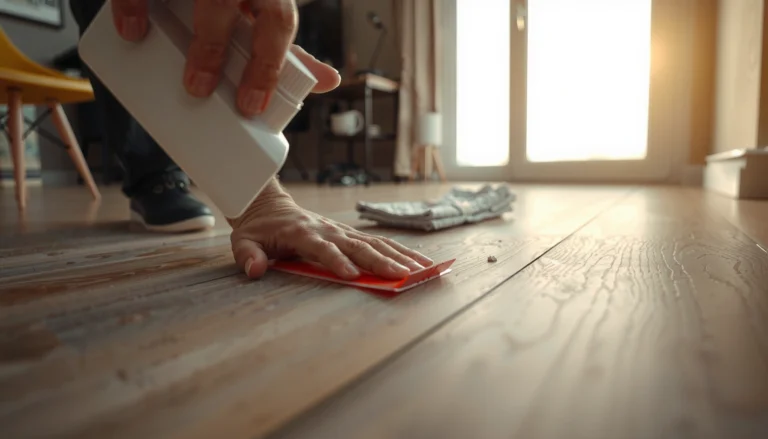
– Wipe spills immediately; don’t let liquids sit “to see if they evaporate.”
– Use a microfiber cloth or sponge, then dry the area thoroughly—especially near seams/edges.
Targeted mats in problem spots
For kitchens/laundry/bath-adjacent areas, use mats where water is likely to land.
– Place mats at the sink, near fridges, and in front of frequently used appliance doors.
– In business settings, schedule a quick check right after peak use (e.g., lunch rush, cleaning rounds) to keep WPC floors dry.
Spray mopping: use less than you think
If you’re using a spray, apply a light mist—not a flood.
– Don’t “pre-wet” a large area.
– Work in sections and ensure the floor remains damp only.
Prevent dents, scratches, and surface damage
Preventing dents and scratches on WPC floors comes down to controlling point loads (nails, heavy items) and reducing abrasive contact. The goal is to stop damage at the source rather than trying to “repair” wear after it happens.
WPC floors may resist scuffing better than some surfaces, but that advantage disappears when sharp objects, grit, or excessive force reaches the wear layer repeatedly.
“Protective floor coverings and pads reduce wear by lowering direct contact stress and abrasion.” [ADD: source for furniture pad/wear reduction guidance on resilient flooring]
“Steam can introduce excess moisture; many floor care instructions discourage it unless expressly approved.” [ADD: WPC/LVP manufacturer care guidance about steam]
Nail and dragging prevention (high-impact on daily wear)
– Manage pet nails: keep them trimmed and consider nail caps if scratching is frequent.
– Use chair protectors and avoid dragging heavy items across WPC floors.
– For moving furniture, lift and carry where possible—dragging is the fastest route to visible gouges.
Avoid tools that can scuff the surface
– Don’t use steam cleaners or abrasive scrub pads unless your specific WPC manufacturer explicitly allows it.
– Avoid stiff bristles that can force embedded grit deeper into texture.
Maintain the edges, seams, and transitions
Your WPC floors keep their look longest when seams, edges, and transitions stay sealed from water and dirt accumulation. Regular inspections help you catch early lifting, recurring moisture intrusion, or grime traps before they become visible damage.
Edges and transitions are where water has multiple “paths” to travel: under thresholds, around trim, and into any small gap created by seasonal expansion. A quick monthly check prevents the slow slide from “minor” to “costly.”
“Moisture around edges and transitions is a common failure point for resilient flooring installations.” [ADD: manufacturer troubleshooting doc referencing edges/transitions]
“Keep expansion gaps and installation clearances according to the manufacturer’s instructions to reduce stress on floating floors.” [ADD: source for floating WPC/LVP expansion clearance guidance]
Check high-risk interfaces
– Inspect around door thresholds and transitions where water or dirt can collect.
– If your flooring uses an interlocking system, keep expansion gaps clear as instructed by the manufacturer.
– Reassess caulk/trim areas when you notice recurring moisture intrusion or lifting at edges.
Practical inspection routine (5 minutes)
– Look for small lifting edges, especially near wet zones.
– Run a fingertip gently along transitions (no pulling) to feel if debris has collected.
– If you see water staining patterns after spills, adjust mat placement and drying habits first.
What can go wrong (common mistakes)
WPC floor problems usually come from one of four categories: too much water, incompatible chemicals, abrasive tools, or ignoring manufacturer-specific rules. If you correct those habits early, you avoid the most preventable swelling, haze, and finish dulling.
In real-world maintenance, the “gotchas” often appear as repeatable patterns: quarterly deep cleans, steam mops brought in for convenience, or stronger-than-recommended disinfectants used in response to messes.
Pros/cons of the two most common cleaning approaches
| Approach | Pros (for WPC floors) | Cons / risks |
|---|---|---|
| Damp mopping + pH-neutral cleaner | Lower residue risk; helps preserve finish clarity; fast-drying practice reduces moisture exposure | Needs consistency (quick wipe after spills and regular dry soil removal) |
| Frequent “wet” mopping / heavy spray | May feel thorough for busy households | Higher likelihood of edge swelling, hazing from residue, and persistent moisture near seams |
The main mistakes to avoid
– Over-wetting: letting a mop stay too damp or repeatedly “soaking” the floor can lead to edge swelling or haze.
– Harsh chemicals: bleach, ammonia, and strong solvents can dull or damage finishes and may void warranty coverage.
– Wrong tools: steam mops and stiff brushes can scuff the surface or force grime into the texture.
– Ignoring warranty instructions: some brands require specific cleaners; others limit certain maintenance methods—[ADD: reference your WPC manufacturer’s cleaning/warranty guidelines here].
Where the advice is limited
WPC floors vary by brand and construction. Some warranties are strict about disinfectants, while others specify temperature limits and approved detergents. Always defer to your installation manual and warranty documentation for WPC floors—especially if you’re cleaning in a food-service or healthcare-adjacent environment.
Verdict / quick tip for most homes (with downsides)
For most households, the best protection plan for WPC floors is simple: mat at entrances, felt pads, pH-neutral cleaning with a damp (not wet) mop, and immediate spill cleanup. The downside is that “quick cleanup” still needs consistency—if you regularly mop heavily or let puddles sit, no routine will fully prevent damage.
If your WPC flooring frequently faces standing water (for example, active leak risk, heavy flooding exposure, or unreliable drying capability), you may want to reconsider flooring choice or upgrade to a system designed for those conditions. Also, some WPC warranties require manufacturer-approved cleaners; if you can’t reliably meet that standard, confirm requirements before changing products.
From my experience assisting with routine floor care plans, the biggest “win” is operational: set expectations for how cleaning is done (damp only, immediate wipe, no steam) so the same habits happen every week—not just when someone remembers.
[ADD: note any specific limitations from your WPC flooring manufacturer.]
Scan-and-save checklist
– [ ] Put mats at entry points and under rolling hazards
– [ ] Add felt pads to furniture and chair legs
– [ ] Sweep/vacuum with a soft head regularly
– [ ] Mop damp only; avoid flooding or “soaking”
– [ ] Use pH-neutral cleaner (per manufacturer guidance if you have it)
– [ ] Wipe spills immediately, especially near seams/edges
– [ ] Avoid steam and abrasive pads unless approved
– [ ] Keep transitions and expansion gaps clear
FAQ
Can I steam clean WPC floors?
It depends on your specific WPC manufacturer. Many instructions discourage steam due to excess moisture—[ADD: your product’s official stance from the manufacturer manual].
What’s the safest cleaner for WPC floors?
A pH-neutral cleaner meant for resilient/LVP-type floors is usually the safest bet, but always confirm with your flooring warranty or care guide—[ADD: manufacturer-approved cleaner list if available].
How fast do I need to wipe up spills?
As soon as possible. Don’t let liquids pool—especially around seams, edges, and transitions.
Will scratches happen even with protection?
Yes, surface wear can occur over time, particularly in high-traffic zones. Mats, felt pads, and keeping grit off are the most effective ways to reduce scratches.
Sources
– [ADD: manufacturer care guide/installation manual for your specific WPC flooring brand—use the “cleaning & maintenance” and “warranty” sections]
– [ADD: official guidance from the WPC flooring manufacturer about cleaners allowed/disallowed]
– [CDC mold/moisture guidance—use the indoor humidity guidance and moisture reduction principles]
– [ADD: manufacturer-supported resilient floor cleaning best practices and/or an industry standard/spec for resilient flooring maintenance]
Protecting WPC floors is straightforward when you focus on the highest-impact causes of wear: grit at entryways, water at seams/edges, and incompatible cleaners or abrasive tools. If you maintain a consistent “damp pH-neutral clean + instant spill wipe” routine and keep transitions dry and inspected, you typically preserve appearance and performance for years—while also reducing the chance of warranty issues.
Frequently Asked Questions
How do I protect WPC floors from scratches and wear?
Place felt pads under furniture legs and use area rugs in high-traffic zones to reduce abrasion on WPC flooring. Avoid dragging heavy items across the surface—use gliders instead. Regularly sweeping or vacuuming with a soft brush attachment also helps remove grit that can scratch WPC floors over time.
What is the best way to clean and maintain WPC flooring for long-term protection?
Sweep, vacuum, or dust mop daily to prevent dirt buildup that can dull the surface. Clean with a pH-neutral cleaner recommended for WPC floors and use a damp (not soaking) mop to avoid excess moisture at seams or edges. For spills, wipe immediately and dry thoroughly to help protect the protective layer and maintain the floor’s look.
How can I protect WPC floors from water damage and moisture?
WPC flooring is designed to handle everyday moisture better than many traditional floors, but standing water can still cause issues near joints. Use mats at entryways, promptly wipe wet footprints, and ensure bathrooms, kitchens, and laundry areas have good airflow. If your installation is floating, check that expansion gaps are left as instructed to prevent moisture-related buckling.
Which protective products work best on WPC floors?
Use manufacturer-approved WPC floor cleaners and maintenance products to avoid damaging the wear layer. For added protection, choose non-abrasive floor protectors like felt pads, suitable mats, and protective rugs rather than harsh waxes or oil-based coatings. If you’re considering a polish or coating, test a small hidden area first to ensure it won’t create residue or make the surface slippery.
Why is proper installation and floor care important to protect WPC floors?
Even the best WPC flooring can underperform if it’s installed without the correct underlayment, leveling, or expansion gap. A proper underlayment helps reduce movement and protects the floor from friction and micro-scratches. Following care instructions—gentle cleaning, quick spill response, and regular maintenance—helps preserve the protective top layer and extends the lifespan of your WPC floors.
📅 Last Updated: October 08, 2026 | Topic: How to protect WPC floors? | Content verified for accuracy and freshness.
References
- https://en.wikipedia.org/wiki/Wood_plastic_composite
- https://www.cdc.gov/mold/default.htm
- Mold | US EPA
https://www.epa.gov/mold - https://www.niehs.nih.gov/health/topics/agents/mold/index.cfm
- https://en.wikipedia.org/wiki/Waterproofing
- https://www.britannica.com/technology/flooring
- https://pubmed.ncbi.nlm.nih.gov/?term=indoor+dampness+mold+health
- Google Scholar Google Scholar
https://scholar.google.com/scholar?q=WPC+flooring+maintenance+cleaning+protective+measures - Google Scholar Google Scholar
https://scholar.google.com/scholar?q=wood-plastic+composite+flooring+moisture+degradation+durability - Google Scholar Google Scholar
https://scholar.google.com/scholar?q=wood-plastic+composites+surface+wear+scratch+protection+coatings