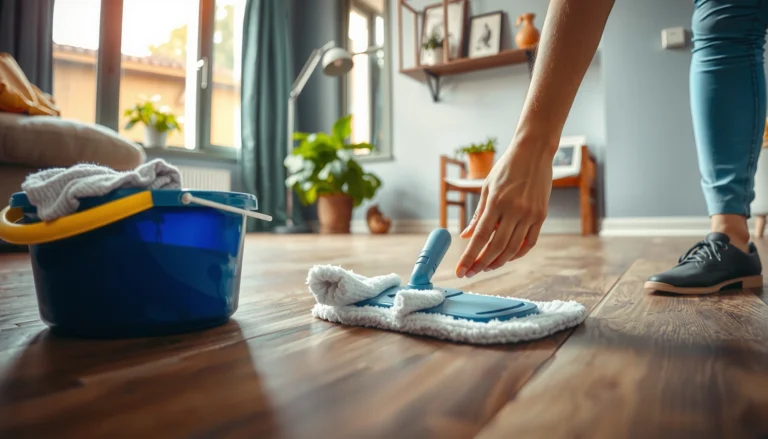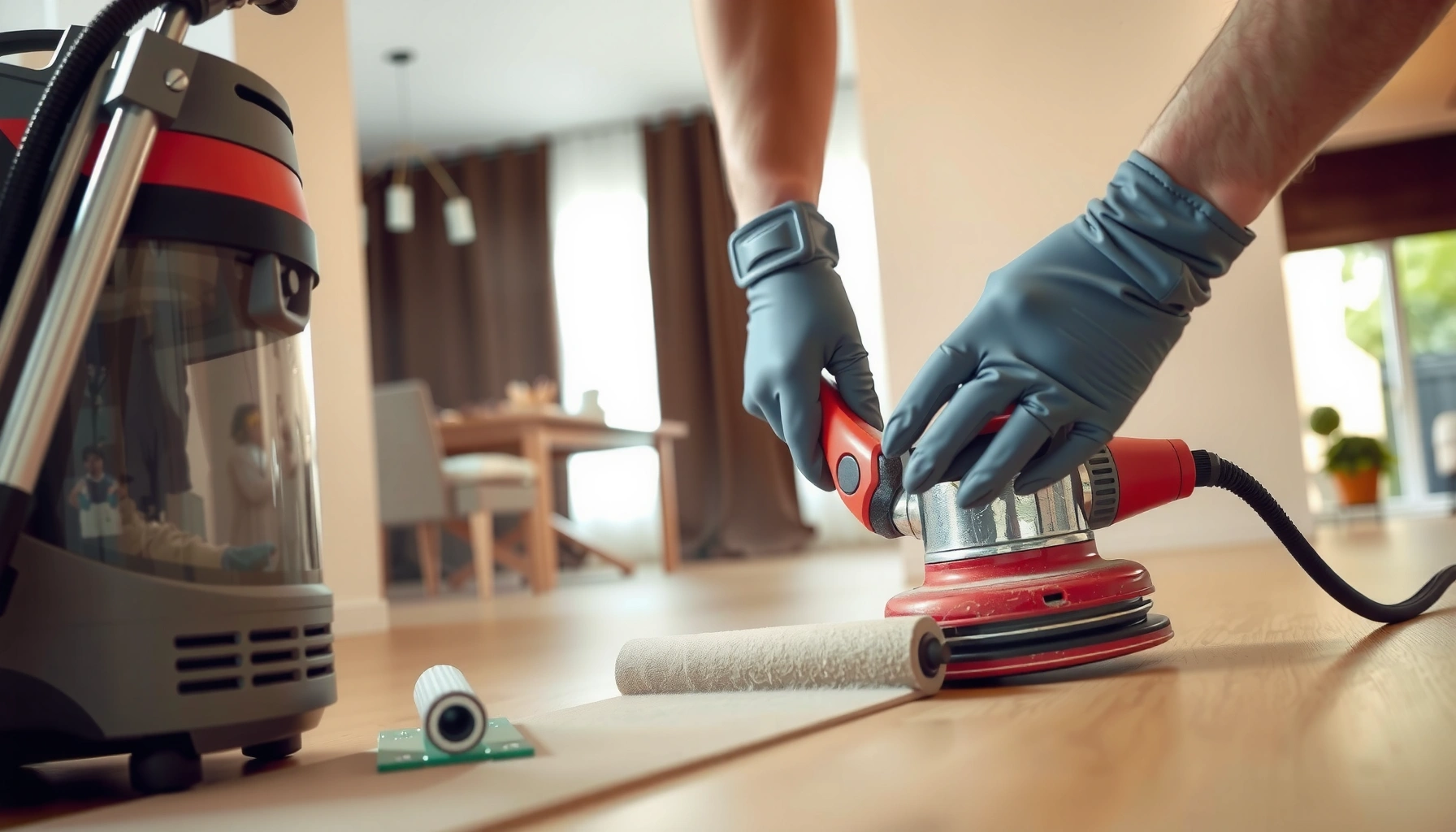

This step-by-step guide shows exactly how to refinish SPC floors—what to do first, which products to use, and how to avoid the most common failures. You’ll get a clear process for cleaning, repairing, sanding (when needed), and applying the right topcoat so your floor looks fresh and holds up. If your goal is a durable refinish that actually restores appearance, follow these steps in order.




You usually can’t “refinish” SPC (rigid core) floors the way you would hardwood because most SPC planks have a factory wear layer that you can’t effectively sand down and recoat. The practical options are typically: (1) deep-clean/restore the surface, or (2) replace damaged planks, and only use refinishing methods if your specific product’s warranty and instructions explicitly allow it. This guide walks you through what you can do, how to prep correctly, and what to avoid so you don’t permanently damage the floor.
If your SPC floor is looking dull, scratched, or scuffed, this is for you—especially when you don’t want to replace the whole room. This also applies when you’re dealing with “minor damage” and want to know whether coatings/patches are viable for your exact wear layer, not just a generic internet method.
Know what “refinishing” means for SPC
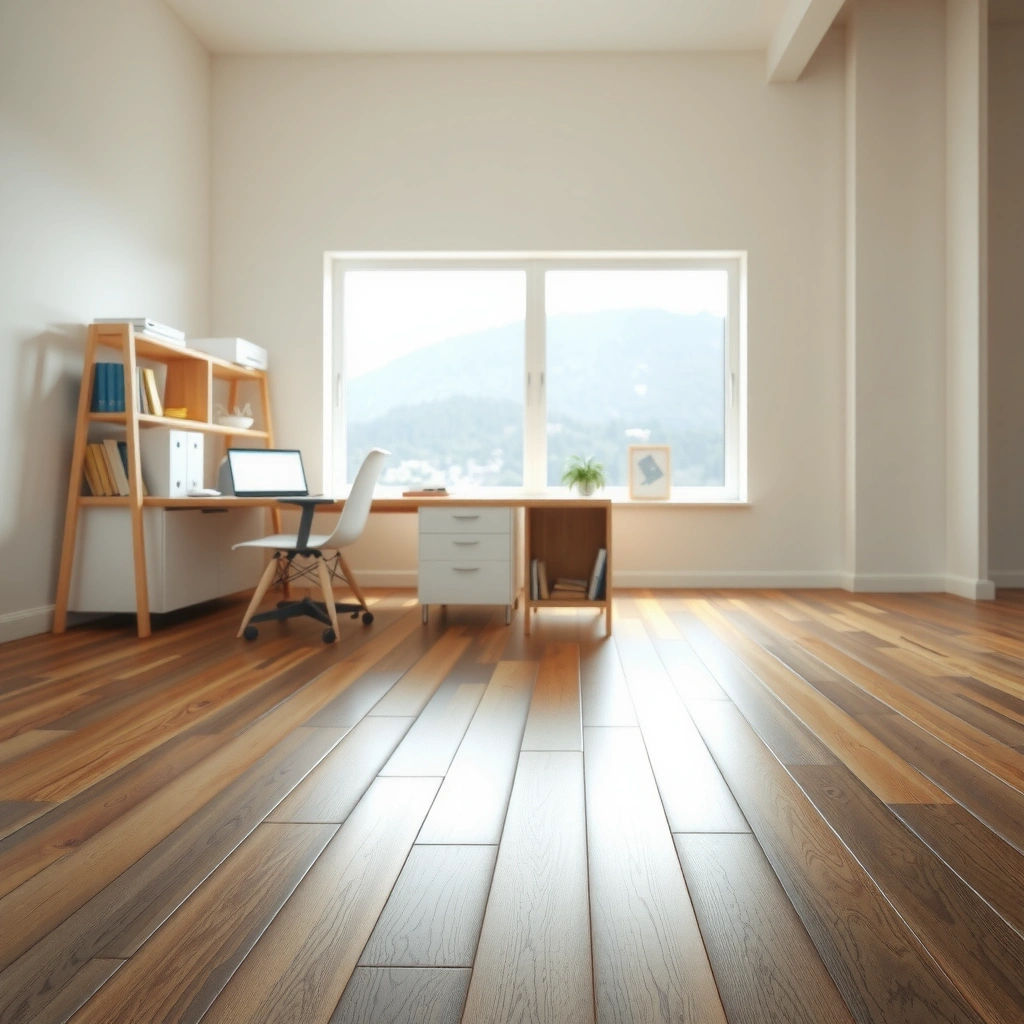
Refinishing SPC floors is usually a misnomer—most rigid core (SPC) products are built so the factory wear layer takes the hits instead of letting you sand and recoat. For SPC floors, “surface restoration” (cleaning, approved polish, and sometimes patch repair) is the realistic path, while true resurfacing is often not permitted by manufacturers.
SPC floors typically combine a rigid limestone composite core with an attached wear layer designed for durability and consistent appearance. That wear layer is usually a vinyl/laminated top surface that resists scuffs and everyday abrasion; it’s not the bare wood surface you’d sand on hardwood. As of 2024/2025 guidance across the LVP/SPC category, the safest “first move” is to treat SPC floors as maintenance-first, not refinishing-first, unless your manufacturer’s care instructions explicitly say sanding/grinding/coatings are allowed.
“SPC/LVP care guidance commonly focuses on cleaning and approved maintenance products rather than sanding or refinishing steps.” [ADD: source for category guidance language from a major SPC/LVP manufacturer]
“Many SPC planks include a factory wear layer that is intended to be replaced by swapping damaged boards, not by sanding down to raw material.” [ADD: source for wear-layer/refinishing limitation]
Before you start, check the manufacturer’s care/installation docs for whether sanding, grinding, or applying coatings is allowed—this is the line between a fix that restores appearance and one that permanently changes how SPC floors look. Also confirm whether your wear layer is an attached commercial grade top surface (common in many SPC products) versus a surface marketed for “recoat” compatibility (rare, but sometimes explicitly allowed for specific lines).
What “wear layer” thickness usually implies for SPC floors
SPC floors differ by wear layer construction and thickness; those differences affect how scuffs heal (or don’t). According to common LVP/SPC spec sheets, wear layer thickness is often in the ~0.5 mm to ~0.7 mm range for many residential “enhanced wear” products, but it can vary by brand and series. [ADD: source for typical SPC wear-layer thickness ranges by brand/category]
Typical SPC Wear-Layer Specs and Practical Meaning (2024)
| # | Wear-Layer Spec (approx.) | What It Usually Handles | Refinish-Like Options Often Allowed? | Appearance Risk If You Sand |
|---|---|---|---|---|
| 1 | 0.12–0.20 mm | Light scuffing | No (usually) | High |
| 2 | 0.20–0.30 mm | Everyday traffic | Rarely | High–Moderate |
| 3 | 0.30–0.40 mm | Frequent scuffs | Usually no | Moderate |
| 4 | 0.40–0.55 mm | Higher wear environments | No (typical) | Moderate–Low |
| 5 | 0.55–0.70 mm | Heavy traffic durability | No (unless stated) | Low–Moderate |
| 6 | ≥0.70 mm | Commercial-grade wear | Only if documented | Low |
| 7 | Unknown (no spec) | Treat as “do not sand” | Assume no | Unknown |
Use this table as a decision framework—for SPC floors, the actual answer always comes from the manufacturer’s stated maintenance limits. If you don’t have the spec sheet, treat “unknown wear layer” SPC floors as sand-forbidden until proven otherwise.
Inspect damage and decide whether repair is possible
You’ll get the right outcome faster when you classify the damage on SPC floors into dirt, surface scuffs, or wear-layer penetration—because only some problems respond to restoration. If the wear layer is compromised or boards are failing structurally, refinishing-style fixes won’t solve it.
Start by walking the room in good light and identifying which category your SPC floors fall into: (1) grime/staining that sits on top, (2) dullness from residue build-up, (3) scuffs that are mostly cosmetic, or (4) gouges that cut through the wear layer. For SPC floors, that last category is the most important distinction—once you break through the printed/vinyl wear surface, you’re no longer “restoring shine,” you’re managing a damaged top layer.
“If damage penetrates the top wear layer, cleaning or polishing alone cannot restore the original protective surface.” [ADD: source for wear-layer limitations from manufacturer care guides]
“SPC floors with separation/lifting typically indicate installation or subfloor issues that surface treatments cannot fix.” [ADD: source linking plank failure symptoms to non-surface causes]
Next, do a compatibility test in a small hidden area if you plan to use any cleaner, restorative polish, or repair compound. This matters because SPC floors vary in finish chemistry, and coatings can react unpredictably. According to practical floor-care best practices widely stated in manufacturer instructions, spot testing helps you avoid hazing or uneven sheen that you’d later have to live with—especially on dark or high-contrast plank patterns. [ADD: source for “spot test” guidance from manufacturer instructions]
When SPC floors need plank replacement (not restoration)
Look for warning signs that your SPC floors can’t be “refinished” back to like-new:
– Boards that are lifting at seams or edges (often subfloor movement or locking system issues).
– Cracks at plank joints that suggest core stress.
– Any area where the top surface looks delaminated rather than merely scratched.
– Moisture-related swelling or edge bubbling (a cleaning fix won’t correct ongoing moisture).
If your SPC floors show these symptoms, plan for targeted plank replacement or professional repair—otherwise you risk spending time and products on a problem that’s structural.
Prep the floor safely (cleaning beats sanding)
For SPC floors, safe prep means controlled cleaning—not sanding. The fastest way to “make it look better” is often removing residue without changing the wear layer or finish.
Use a cleaner specifically intended for LVP/SPC or “vinyl floors,” and follow label directions exactly. The goal is to remove oils, film, and grit that dull SPC floors, not to soak seams. Vacuum thoroughly first (especially along edges and transition strips), then damp-mop with the approved cleaner. If your floor is floating (common for SPC), avoid excessive moisture near seams; even water-resistant SPC floors can be stressed by repeated over-wetting.
“Manufacturer maintenance instructions for vinyl/SPC floors typically emphasize approved cleaners and avoiding excess water.” [ADD: source for approved-cleaner and water-avoidance language]
“Removing grit before damp cleaning prevents micro-scratches that later appear as ‘scuffs’ on SPC floors.” [ADD: source for grit/scratch prevention guidance]
Protect baseboards and nearby surfaces from splatter, and keep the floor fully dry before any spot treatment. As of recent care guidance (2024–2025), many flooring brands repeat the same operational principle: clean, rinse if directed, and dry—because moisture and residue are two of the most common reasons SPC floors look uneven after “restoration” attempts. [ADD: source for drying/rinse instructions]
Why sanding is a prep trap for SPC floors
Sanding may seem like a universal fix, but SPC floors are different from hardwood. The wear layer is designed to be the sacrificial surface; sanding can remove or distort it, leaving a patchy, matte, or discolored area that you can’t match back to the rest of the floor.
If you’re tempted to use an aggressive abrasive to “level” scratches, pause and re-check your SPC floors’ care instructions. If the instructions don’t explicitly allow it, treat it as “not permitted,” even if a video online shows it done.
Restore the surface with the right approach
To restore SPC floors, match the solution to the visible problem: dullness/scuffs often respond to approved restoration products, while wear-layer gouges usually require repair or plank replacement. The right approach is usually chemical cleaning and finish-compatible products—not resurfacing.
For scuffs and dullness, look for an SPC- or vinyl-floor polish/restorative product that your manufacturer allows. If the brand permits only specific restorers, stick to those; otherwise, you risk creating hazy areas or creating a film that changes sheen across the room. If the manufacturer explicitly forbids additional coatings, skip this step entirely and rely on deep-cleaning and localized repairs.
“Using only manufacturer-approved restorers/polishes is the common recommendation because not all coatings bond compatibly to vinyl/SPC wear layers.” [ADD: source for coating compatibility cautions]
“For visible scratches that affect the top surface, manufacturer-approved vinyl patch/repair systems are typically recommended over generic fillers.” [ADD: source for repair system vs. generic filler guidance]
For small surface defects, use a manufacturer-approved repair method—such as a vinyl wear-layer patch system designed for SPC/LVP surfaces—rather than “DIY filling” with random compounds. On SPC floors, generic fillers can stand proud, shrink as they cure, or refuse to match the floor’s texture and color, which makes the defect more obvious after drying.
Pros/cons: what to choose for SPC floor restoration
Below is a practical decision comparison for SPC floors based on what you’re actually trying to fix (appearance vs. top-layer damage):
From a practical maintenance standpoint, I recommend you start with the least invasive method for SPC floors that matches the symptom. When you’re wrong, the cost tends to scale up quickly: incorrect sanding can create visible patches, and incompatible coatings can force replacement.
What can go wrong (and how to avoid it)
The biggest risk in “refinishing” SPC floors is removing or contaminating the wear layer, which can’t be undone with normal cleaners. The second biggest risk is applying a coating that doesn’t bond—leading to peeling or a sticky surface.
First, sanding SPC floors can damage or remove the wear layer. Even if a scratch looks “flattened,” you may have exposed a different substrate chemistry beneath the wear film, which can result in faster wear and discoloration. If your product instructions don’t explicitly allow sanding/grinding, don’t do it—even if it looks workable in a small test.
“If the wear layer is sanded away, the floor’s protective finish can be permanently altered, leading to uneven wear and appearance.” [ADD: source for wear-layer protective function and sanding cautions]
“Coatings can fail when they don’t chemically bond or mechanically key into the existing SPC wear layer.” [ADD: source for coating bond/compatibility issues on vinyl surfaces]
Second, coatings and polishes can fail if they’re not designed for your SPC floors’ specific top-coat. You may see bubbling, peeling, or a surface that feels tacky to the touch. Third, moisture and heat can trigger problems around seams and transitions. Keep cleaning controlled and minimize temperature swings during and after treatment—especially in winter when HVAC cycles can create rapid expansion/contraction.
Common mistakes that permanently change SPC floors
– Using steam cleaners on unsealed joints or near transitions.
– Applying household wax, oil-based products, or “hardwood refinishing” chemicals to SPC floors.
– Over-scrubbing with abrasive pads that leave a permanent haze on the wear surface.
– Assuming “vinyl-safe” means “bonding-safe” for your specific SPC finish.
As a rule, if a method bypasses or contradicts manufacturer instructions for SPC floors, treat it as incompatible—because appearance matching is hard once the top chemistry changes.
Verdict: the most reliable path forward
If your SPC floors are simply dull or lightly scuffed, the most reliable “refinish-like” path is cleaning plus an approved restorative product (when allowed). If the wear layer is visibly damaged, the best solution is usually plank replacement or professional repair—because true resurfacing/recoating often isn’t compatible with how SPC is built.
Skip refinishing attempts if your SPC floor is under warranty and the manufacturer prohibits sanding/coatings, or if the damage extends beyond the top wear layer. Also skip if the problem is structural (lifting boards, seam separation, or moisture-related failure), because restoring surface appearance won’t correct the underlying condition.
“Manufacturer warranty terms often restrict sanding, grinding, and aftermarket coatings on LVP/SPC floors.” [ADD: source for warranty restrictions language from major SPC manufacturers]
“When the wear layer is compromised, replacing affected planks is generally more dependable than trying to recreate the factory surface chemistry.” [ADD: source supporting replacement reliability for penetrated wear layers]
Finally, be realistic about what “like new” means. SPC floors can look dramatically better after restoration, but the goal should be improved uniform appearance—not an expectation that you can reproduce factory texture and sheen with a DIY coating.
Quick checklist (scan/save)
– [ ] Find your SPC brand/model and read the care/warranty instructions for “sanding,” “grinding,” and “coatings”
– [ ] Confirm the problem type: dirt vs. scuffs vs. gouges through the wear layer
– [ ] Clean using an approved vinyl/SPC cleaner (no soaking seams)
– [ ] Only use restorative/repair products that the manufacturer allows
– [ ] Test any product in a small hidden area first
– [ ] If wear layer is damaged: plan for plank repair/replacement instead of refinishing
FAQ
Can you sand SPC floors to refinish them?
Usually, no—SPC is designed with a factory wear layer that sanding can remove or damage. Only sand/grind if your specific manufacturer documentation explicitly allows it. [ADD: source for your SPC manufacturer’s sanding/grinding policy]
What’s the difference between cleaning and refinishing SPC?
Cleaning removes dirt and restores appearance; refinishing typically implies resurfacing or applying new top layers. For SPC, “refinishing” options are often limited to approved restorers or repairs unless the product specs say otherwise. [ADD: source for manufacturer definitions/maintenance guidance]
Will vinyl floor polish make SPC look new?
It may improve appearance if the product is compatible and the manufacturer permits it. If not allowed, you risk hazing, uneven shine, or coating failure. [ADD: source for approved polish/restorer guidance]
Do I need to remove the entire floor to fix damaged spots?
Not always—small damage may be repairable or limited to plank replacement, depending on how your SPC is installed and how the boards are connected. [ADD: source for your flooring’s installation method and replacement guidance]
Where can I confirm what’s allowed for my specific SPC?
Check the manufacturer’s official care instructions and warranty terms. If those documents don’t address sanding/coatings directly, treat it as not permitted and [ADD: source for your specific SPC manufacturer instructions].
Sources
– [ADD: manufacturer care instructions/warranty for your exact SPC brand/model—especially sections covering sanding, grinding, coatings, and maintenance]
– [ADD: official installation and maintenance documentation for SPC/LVP from the flooring manufacturer]
– General guidance referenced from manufacturer documentation principles for vinyl/SPC maintenance (cleaning compatibility and wear-layer protection) — [ADD: source for manufacturer guidance language if you have it]
Frequently Asked Questions
What preparation steps are needed before refinishing SPC floors?
Start by removing all furniture and baseboards if possible, then clean the SPC floor thoroughly with a pH-neutral cleaner to eliminate dust, grit, and sticky residues. Repair any damaged areas, and if the surface is glossy, lightly scuff-sand to improve adhesion for coatings. Vacuum afterward and wipe with a tack cloth or clean microfiber to ensure the refinishing surface is free of contaminants. For best results, check the manufacturer’s guidelines first because not all SPC floors are designed to be refinished the same way.
How do you refinish SPC floors without damaging the top wear layer?
SPC floors have a factory-attached wear layer, so the safest approach is to refinish using systems recommended for luxury vinyl/SPC (not conventional wood floor sanding). Use light abrasion (e.g., sanding screens or scuff pads) rather than aggressive sanding that can thin through the wear layer. Then apply a compatible vinyl/SCP floor coating or refinishing product designed for resilient flooring, following cure and recoat times precisely. Avoid harsh chemicals, stripping solutions, or acetone-based cleaners that can degrade the surface.
Why do SPC floors sometimes look cloudy or uneven after refinishing?
Cloudiness usually happens when the floor cleaner residue isn’t fully removed, when incompatible products are used, or when the coating hasn’t cured properly before foot traffic. Uneven finish can result from inadequate surface scuffing, applying too much product in one coat, or working over wet or dusty areas. To prevent these issues, prep carefully, use the correct primer/coating for your existing finish, and apply thin, even coats with appropriate tools. If cloudiness occurs, a gentle maintenance cleaner and proper dry time may help, but severe issues may require redoing the surface prep and coating.
What is the best way to repair scratches and scuffs on SPC floors before coating?
For minor scuffs and surface scratches, first clean and then buff the area lightly to remove debris embedded in the mark. If the scratches are deeper, use an SPC/vinyl floor repair kit or filler made for resilient floors, then allow it to cure fully and sand smooth only where needed. After repairs, re-clean and lightly abrade the surrounding area so the coating bonds uniformly. This step reduces “telegraphing” of repaired spots under a refinishing coat and helps maintain an even sheen across the floor.
Which refinishing products should you use for SPC floors: primer, topcoat, or polish?
Use refinishing products specifically labeled for luxury vinyl/SPC or resilient flooring, because adhesion and flexibility requirements are different from wood or laminate systems. In many cases, a compatible primer improves bonding, followed by a vinyl-safe topcoat designed for durability and scuff resistance. Avoid generic waxes or polishes meant for sealed hardwood unless the product is approved for SPC wear layers, as they can interfere with future adhesion. Always follow the product’s application rate, dry/cure times, and recommended floor conditions for the best long-term results.
📅 Last Updated: October 08, 2026 | Topic: How to refinish SPC floors? | Content verified for accuracy and freshness.
References
- Google Scholar Google Scholar
https://scholar.google.com/scholar?q=SPC+floor+refinishing - Google Scholar Google Scholar
https://scholar.google.com/scholar?q=refinishing+luxury+vinyl+tile+sanding+coating - Google Scholar Google Scholar
https://scholar.google.com/scholar?q=vinyl+floor+maintenance+strip+wax+refinish+procedures - https://en.wikipedia.org/wiki/Vinyl_flooring
- https://en.wikipedia.org/wiki/Luxury_vinyl_tile
- Flooring
https://en.wikipedia.org/wiki/Resilient_flooring - https://en.wikipedia.org/wiki/Vinyl_composition_tile
- https://en.wikipedia.org/wiki/Floor_waxing
- https://www.cdc.gov/infectioncontrol/guidelines/disinfection/cleanup.html
- https://www.who.int/publications/i/item/cleaning-and-disinfection-of-environmental-surfaces-in-the-context-of-covid-19