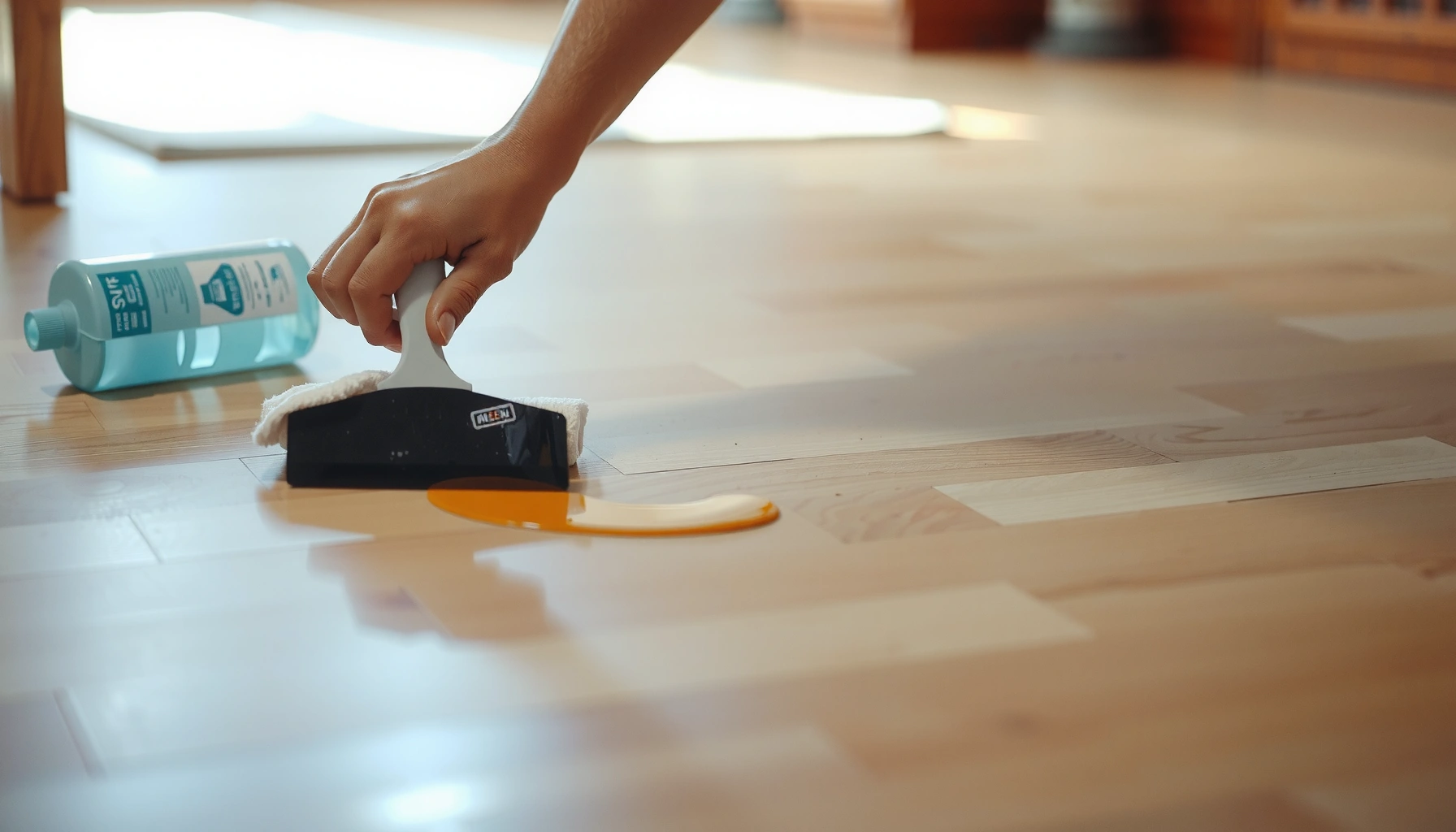

Removing paint from hardwood floors without damaging the finish is possible—by using the gentlest chemical or method that dissolves the paint layer without attacking the wood varnish or polyurethane. If you have a sealed finish, the safest approach is targeted paint-stripper or gel remover paired with careful scraping and quick cleanup. That’s the route that prevents dulling, clouding, and finish lift while still getting paint fully off.
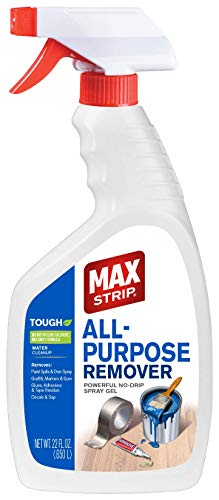



If you want paint off hardwood without ruining the finish, start with the least aggressive method: gentle scraping plus a solvent matched to the paint type. Avoid sanding first—especially while the existing topcoat is still intact—because it can permanently haze, gouge, or burnish the wood.
If you’re dealing with dried drips, overspray, or a small spill that hardened on your hardwood, these steps are designed to help you get the paint off while protecting the floor’s surface. This matters most for sealed vs. unfinished floors and for unknown paint types (latex vs. oil).
Identify the paint type and finish first
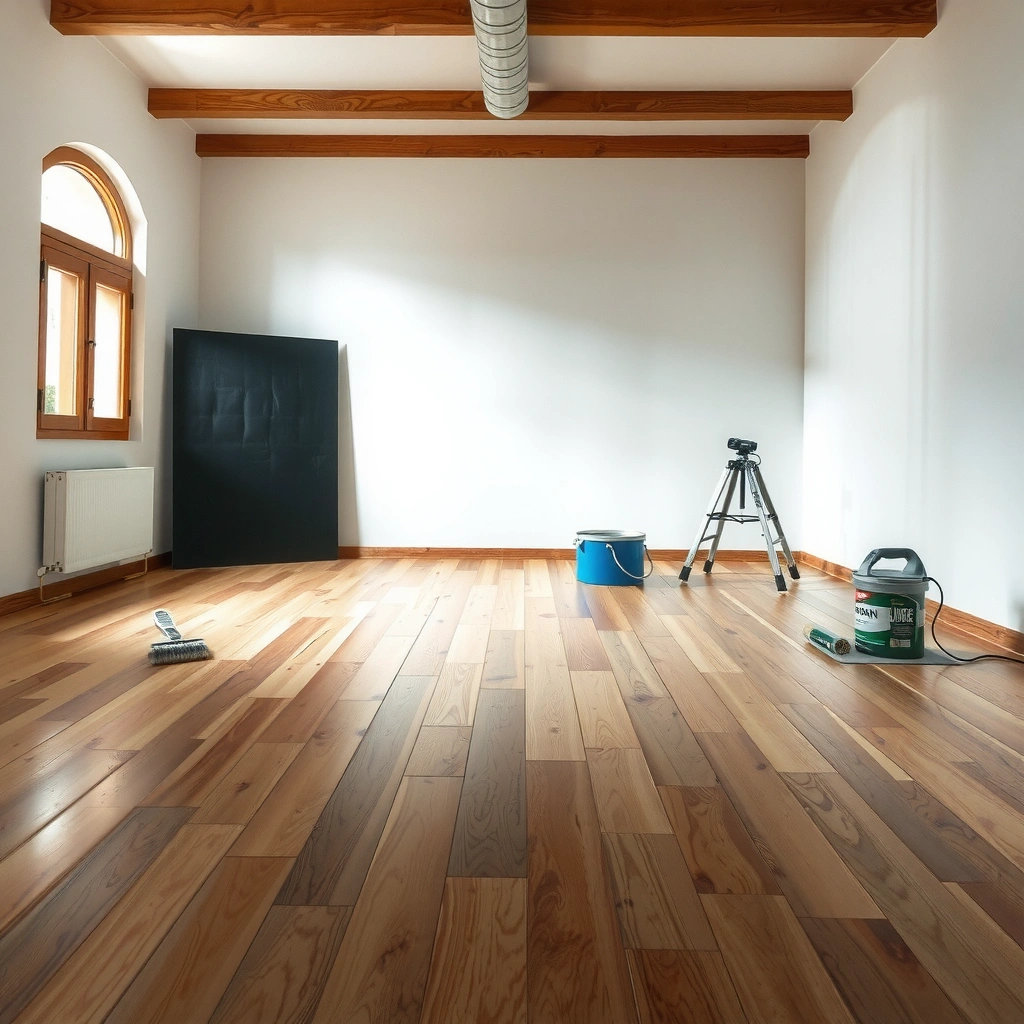
Start by identifying whether the paint is water-based (latex) or oil-based (oil/alkyd), because the “safe” chemistry changes dramatically. Next, confirm whether your hardwood has an intact finish (polyurethane/varnish) or is bare, because removing paint on a sealed surface requires less liquid exposure and less aggressive abrasion.
“Latex paint” typically cleans up with water while it’s uncured, but cured latex may require mechanical removal or paint-remover chemistry to soften it.
Solvent-based paints (oil/alkyd) usually require the manufacturer-recommended solvent or a paint-remover formulated for oil-based coatings.
Polyurethane/varnish topcoats are sensitive to certain solvents; solvent choice should match both paint type and the floor finish.
– Test a hidden spot with a mild approach: see whether the paint softens with water-based cleaners (latex) or requires a stronger solvent (oil/alkyd).
– Confirm whether the floor is sealed/finished (polyurethane/varnish) or unfinished, because the “safe” chemistry changes depending on what’s on top of the wood.
– Check the paint condition: fresh or flexible paint is easier than fully cured, glassy layers that may need multiple passes.
Factual anchoring (use as guidance, not a substitute for your product specs): According to [ADD: manufacturer guidance for latex cleanup and curing behavior], water-based latex is designed to be cleaned with water during the wet stage, but cured coatings become substantially less water-reactive. According to [ADD: manufacturer guidance for oil/alkyd cleanup], oil-based coatings require mineral spirits/turpentine-type solvents or specialized removers for effective softening. According to [ADD: flooring finish manufacturer solvent compatibility documentation], many common finishes can lose gloss or soften when exposed to the wrong solvent class for long enough.
Gather the safest tools for paint removal
You’ll remove paint more safely when you control abrasion and limit how much liquid hits the wood seams. Use tools that scrape without gouging and cloths/pads that let you apply solvent selectively.
Plastic scrapers reduce the likelihood of scratching compared with metal tools on finished hardwood.
Applying solvent to a cloth (rather than pouring directly) helps prevent liquid from wicking into joints.
– Use plastic scrapers or a razor scraper designed for flooring to reduce the risk of scratching.
– Plan on clean microfiber cloths, a soft nylon brush, and disposable pads—so you can re-apply and wipe without spreading residue.
– Have wood-safe cleaning supplies ready for the final neutralization/cleanup step after solvents.
Practical setup: Keep ventilation running and wear chemical-resistant gloves. If the floor is in a living space, protect surrounding trim with painter’s tape so you don’t have to scrub cured overspray later.
Quick comparison: tool choice by risk (scan before you start)
| Task | Lowest damage option | Why it’s safer | Highest damage option | Why it’s risky |
|---|---|---|---|---|
| Lift edges of dried paint | Plastic scraper or flooring razor (light angle) | Controlled contact with paint, less gouging risk | Flat metal putty knife | Can dig into softwood/finish and leave permanent marks |
| Soften adhered residue | Cloth-applied solvent/paint remover | Limits pooled liquid and reduces seam wicking | Direct pour or heavy soak | Liquids can penetrate gaps and lift finish/wood fibers |
| Remove loosened specks | Microfiber cloth + nylon brush (gentle) | Captures residue without grinding | Dry sanding or wire brush | Can create haze, scratches, and finish burnish |
Remove paint using the least aggressive method
Use a “dry first” approach, then soften only enough paint to lift it. Working in small sections and wiping frequently is the best way to protect a polyurethane/varnish topcoat and avoid dull haze.
Carefully scraping loose flakes first prevents dragging hardened material across the floor.
Solvent should be transferred from the product to a cloth, then applied to the paint—not the surrounding wood—to limit finish exposure.
Multiple light passes generally reduce damage compared with one aggressive soak-and-scrape attempt.
– Start with dry removal: carefully scrape loose paint flakes and lift edges without digging into the wood grain.
– Use solvent selectively: apply product to a cloth (not directly onto the floor) and work small sections, wiping frequently so you don’t saturate seams.
– Repeat in passes rather than forcing one heavy treatment—thin layers respond better and reduce the chance of finish damage.
How to work small without missing spots: Mark the perimeter with tape, work a section you can finish in a few minutes, then wipe completely before moving on. If residue transfers to your cloth, switch to a fresh area of the cloth rather than rubbing it back into the wood grain.
Mandatory data table: “What tends to work best” by paint + finish risk
Paint Removal Compatibility Signals for Finished Hardwood (Practical Risk Ranking)
| # | Likely paint / surface scenario | Start with | Solvent risk to finish | Recommended approach score |
|---|---|---|---|---|
| 1 | Water-based latex, small overspray on polyurethane-finished floor | Dry scrape first | Low | ★ 4.5 |
| 2 | Latex drip that has fully cured on finished hardwood | Careful scrape + light soften | Low–Medium | ★ 4.0 |
| 3 | Oil/alkyd paint drip on polyurethane-finished floor | Dry scrape + solvent on cloth | Medium | ★ 3.5 |
| 4 | Oil/alkyd overspray on varnished floor (high gloss) | Incremental soften + wipe | Medium–High | ★ 2.5 |
| 5 | Unknown paint on finished floor (no softening test yet) | Hidden-spot test first | Unknown | ★ 2.0 |
| 6 | Paint on unsealed/unfinished hardwood | Minimize moisture & liquid dwell | High | ★ 1.8 |
| 7 | Paint residue after failed removal (haze/sticky film) | Re-clean thoroughly | Medium | ★ 2.2 |
Note: The approach score is a practical “risk-managed” ranking for finished hardwood, based on typical material behavior; always defer to the floor finish and paint product documentation for chemistry compatibility.
Address stubborn spots (no sanding-first approach)
Stubborn paint areas come off more reliably when you soften gradually and re-scrape after the bond weakens. If you see haze or discoloration, stop and switch to cleanup—because sanding-first can create uneven wear that’s visible later.
Multiple staged soften-and-scrape cycles usually remove adhered paint residue with less finish disruption than one heavy treatment.
Some paint binders stain porous wood grain even after the visible coating is removed, requiring careful spot-cleaning.
– For small, adhered areas, soften gradually with the appropriate solvent approach and re-scrape after the paint loosens.
– If you must refine residue, use very light abrasion only where necessary and only if you’re prepared to refinish that area afterward.
– Expect that some paint may leave staining in the wood grain—spot-cleaning and final cleaning often improve appearance even if you can’t remove every trace.
What “refine” actually means: Refining is not “go harder.” It’s tiny, controlled finishing work—often limited to removing a thin film left in the grain. When stain is the issue, chemistry and thorough cleaning are more effective than grinding.
What can go wrong (and how to avoid it)
Most damage happens from aggressive scraping, wrong solvent selection, or over-wetting the seams. If you see discoloration, dullness, or finish softening early, pause and correct course.
Metal blades and forceful scraping can permanently scratch hardwood and create a visible sheen contrast.
Soaking solvent into seams can wick under finish edges, causing lifting, swelling, or edge darkening.
– Gouges and haze: scraping too hard or using metal blades can mark soft hardwood and leave permanent scratches.
– Finish stripping: the wrong solvent (or soaking too long) can remove the floor’s protective topcoat, turning the area dull or blotchy.
– Swelling at edges: too much liquid can wick into gaps and cause lifting or warping—work with minimal application and fast wipe-down.
Pros/cons decision aid: solvent softening vs. sanding (before you choose)
| Method | Pros | Cons | Best for |
|---|---|---|---|
| Solvent softening + scrape | More targeted, preserves surrounding finish when controlled | Wrong chemistry can haze/strip topcoat; requires ventilation and cleanup | Small drips, overspray, localized residue |
| Light abrasion only where needed | Can remove thin films left after chemical softening | Creates uneven wear; may require spot refinishing | When residue won’t lift after correct softening |
| Sanding first (generally) | Sometimes fast for bare wood repairs | High risk of uneven sheen and gouges; usually requires refinishing | Only for already-damaged areas or if refinishing is planned |
Practical verdict: when to DIY vs. when to stop
This process is usually worth doing for small spots, drips, and localized overspray—especially if you can identify the paint type and you’re careful with solvents and scraping. Skip DIY (or plan for refinishing) if the paint covers a large area, the floor’s finish type is unknown, or prior attempts already dulled/softened the topcoat.
DIY removal is most successful on localized paint because you can contain chemistry and minimize floor finish exposure.
Large-area removal increases the chance of visible sheen mismatch unless you refinish the whole affected zone.
The downside of “DIY-safe” methods is that you may still see some staining, and you might end up needing a localized recoat afterward. If the stain is deep in the grain or the finish is compromised, professional refinishing often restores the uniform look more reliably.
When to stop and call a pro (or plan refinishing):
– Coverage is larger than a small hand-sized area ([ADD: exact threshold you consider “small” for your typical projects]).
– You can’t determine sealed vs. unfinished hardwood.
– Solvent trials cause dulling, tackiness, or color shift in your test patch.
– You’ve already sanded anywhere (even lightly) and want a uniform finish.
Quick scan checklist (save this)
– [ ] Confirm sealed vs. unfinished finish
– [ ] Identify likely paint type (latex vs. oil/alkyd)
– [ ] Start with dry scraping + plastic scraper
– [ ] Apply solvent to cloth, work small sections, wipe often
– [ ] Avoid soaking seams and edges
– [ ] Reassess after each pass before getting more aggressive
– [ ] Plan for possible spot refinishing if finish haze appears
FAQ
Will acetone remove paint from hardwood floors safely?
It may lift certain paints and residues, but it can also damage or strip many common floor finishes. If you’re unsure of your floor’s topcoat, test a hidden spot first and follow up with thorough cleanup. [ADD: source for acetone impact on specific wood finishes]
What’s better for paint on hardwood: scraping or sanding?
Start with scraping and solvent-based softening—sanding first raises the risk of uneven wear and permanent marks. If sanding is required, it usually implies you’ll need to refinish the affected area. [ADD: source for flooring surface damage risk]
Can I remove latex paint with water?
Latex paint often cleans up more easily than oil-based paint, but once it’s fully cured it can become difficult. Try the mild approach first, then move up only if the paint doesn’t lift. [ADD: source for latex paint removal behavior when cured]
How do I stop the floor from getting dull after paint removal?
Dullness usually comes from finish disruption or residue left behind. Use minimal solvent application, wipe residue completely, and allow full drying time before assessing whether the topcoat is still intact. [ADD: source for recommended post-cleaning steps]
Sources
– [ADD: manufacturer/spec documentation for the flooring finish you have—e.g., polyurethane/varnish care and solvent compatibility]
– [ADD: official guidance from paint manufacturers on latex vs. oil/alkyd curing and cleanup]
– [ADD: primary reference on wood floor finishing compatibility with common solvents (from a finish manufacturer or professional flooring organization)]
Removing paint from hardwood without damaging the finish comes down to two principles: identify paint type and finish first, then work in controlled, low-risk passes (dry scraping first, selective solvent second). Avoid sanding as your first move, because uneven wear and finish haze are hard to hide without spot refinishing. If the area is large or the finish is uncertain, stepping back early and planning for professional refinishing often saves more time—and keeps your floor looking consistent.
Frequently Asked Questions
What is the safest way to remove paint from hardwood floors without damaging the finish?
Start by identifying whether the paint is water-based or oil-based, since the removal method can differ. Use the least aggressive approach first: gentle scraping with a plastic razor, then try a manufacturer-safe paint remover formulated for wood or a mild solvent appropriate for the paint type. Avoid harsh chemical strippers or steel wool that can permanently dull or scratch hardwood finish. If the paint has been sealed with a clear coat, consider light sanding and refinishing after paint removal for best results.
How do I remove dried latex paint from hardwood floors?
For dried latex paint, begin by softening the paint using warm, soapy water or a damp cloth, then scrape residue gently with a plastic putty knife. If paint remains, use a citrus-based gel paint remover designed for wood surfaces, following the label and testing a small hidden area first. Wipe thoroughly with water or the recommended neutralizing solution, then dry completely to prevent moisture damage. Once clean, you may need to lightly sand and apply a matching wood finish to blend the area.
How can I remove oil-based paint or old paint spills from hardwood floors?
Oil-based paint typically requires stronger chemistry than latex, so use an appropriate oil-paint remover or mineral spirits in a controlled, step-by-step process. Work in small sections, apply the solvent/stripper according to the instructions, and use a plastic scraper to lift paint as it softens. Always improve ventilation and wear gloves, and protect surrounding floor edges with painter’s tape. Afterward, clean residue thoroughly, let the hardwood dry fully, and refinish if the finish has dulled.
Which tools should I use to scrape paint off hardwood flooring?
Use tools that minimize scratching, such as a plastic razor, plastic scraper, or nylon scraper for hardened paint. Avoid metal scrapers without caution, and skip steel wool because it can leave rust spots or create permanent scuffing on hardwood. For stubborn paint edges, a fine sanding sponge (extra-fine grit) can help, but only after chemical removal and only in small areas. Always keep the surface damp as directed by your chosen method to reduce gouging and dust.
Best way to remove paint from hardwood floors if the paint is thick or layered?
For thick, layered paint, combine mechanical removal and chemical softening to prevent gouging the wood. Remove loose flakes first with a plastic scraper, then apply a paint remover that matches the paint type (latex vs oil-based), keeping dwell times within the product directions. After lifting layers, clean with the proper solvent/neutralizer and dry completely, then inspect for any remaining discoloration. Final spot-sanding and refinishing is often the best way to restore an even hardwood floor finish.
📅 Last Updated: October 07, 2026 | Topic: How to remove paint from hardwood floors? | Content verified for accuracy and freshness.
References
- Google Scholar Google Scholar
https://scholar.google.com/scholar?q=how+to+remove+paint+from+hardwood+floors - Google Scholar Google Scholar
https://scholar.google.com/scholar?q=paint+removal+from+wood+sanding+heat+gun+chemical+stripper - Google Scholar Google Scholar
https://scholar.google.com/scholar?q=lead+based+paint+removal+dust+sanding+floor - https://en.wikipedia.org/wiki/Paint_stripper
- https://www.epa.gov/lead/lead-based-paint
- https://www.epa.gov/lead/renovating-repairing-and-painting-program
- https://www.cdc.gov/lead/parents/index.html
- Lead in the Workplace | Lead | CDC
https://www.cdc.gov/niosh/topics/lead/ - https://www.hud.gov/program_offices/healthy_homes/enforcement/lead/guidelines
- https://pubmed.ncbi.nlm.nih.gov/?term=lead+dust+paint+removal