
Want to waterproof parquet floors so spills don’t seep into the wood? The fastest, most reliable method is a full-coverage penetrating sealer followed by a compatible topcoat to form a true water-resistant barrier without trapping moisture. Follow the correct prep and drying times, and your parquet will handle everyday water exposure far better than relying on thin wipe-on products or partial sealing.




To waterproof parquet floors, you need a compatible sealing system: prep the boards well, seal the joints/edges, then apply a durable moisture-blocking topcoat in multiple coats. If you do it in the right order, parquet becomes meaningfully more resistant to spills and frequent wipe-downs—though it still isn’t the same as a “floodproof” barrier.
Parquet floors are wood by definition, so “waterproofing” is really about keeping liquid water and high moisture from reaching the wood fibers long enough to prevent swelling, cupping, edge lifting, and finish failure. In 2026, the best-performing jobs typically follow the same logic: remove adhesion blockers, correct damage, seal the perimeter and penetrations first (where water travels), then finish with a wood-floor coating system designed for recoat cycles and long-term wear.
If your parquet is already finished, repaired, and in decent condition, waterproofing usually starts with sealing the surface and stopping water from reaching the wood. If the floor is heavily cupped, already delaminating, or your environment has ongoing high moisture, the best move may be to address the moisture source first.
Pick the right waterproofing approach for parquet
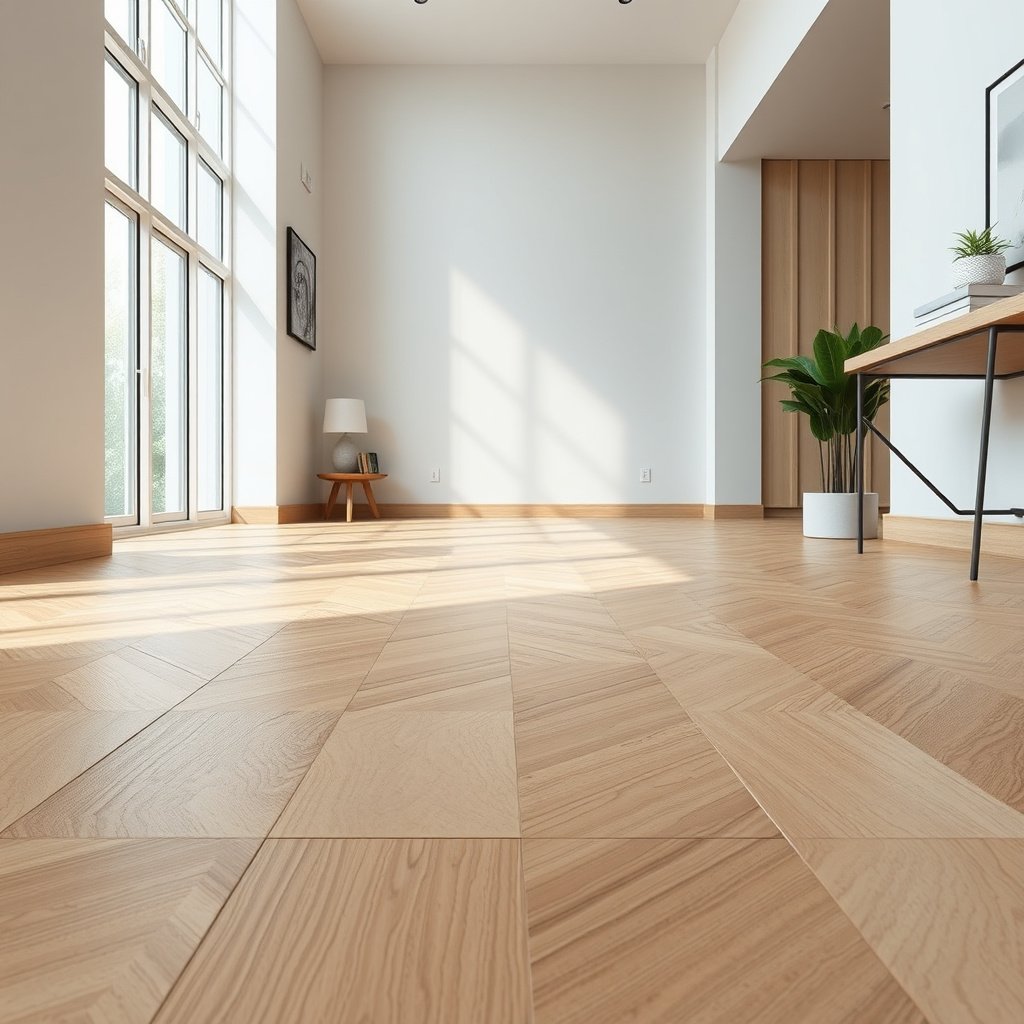
For parquet, the most reliable outcome comes from water resistance coatings (not “true waterproofing”) paired with seam/perimeter sealing, all within a compatible product system. Here is why: most clear coatings protect the surface, but water often wins at edges, joints, and penetrations unless those are sealed and the wood is in stable condition.
“Waterproofing” parquet is usually water resistance—surface finishes reduce penetration, but they don’t typically prevent moisture movement forever.”
“A compatible system matters because primer/filler/topcoat chemistry affects adhesion and crosslinking on wood.”
“In moisture-related flooring failures, the perimeter and seams are common first pathways for water.”
– Surface sealers vs. true “waterproofing”: Most parquet “waterproofing” is really *water resistance* via a sealed top layer, not permanent protection against standing water.
– Use a system that’s meant for wood floors: Choose products that explicitly allow application on parquet/wood and are compatible with each other (primer/base + topcoat).
– Plan for the risk zones: Kitchens/entries usually need better edge/joint sealing than bedrooms.
Surface-sealer vs membrane-style protection (quick comparison)
If you’re deciding what “approach” to use, the difference is less about the sheen and more about the barrier layer.
| Option | What it really blocks | Best use on parquet | Main limitation |
|---|---|---|---|
| Clear topcoat (varnish/polyurethane/2K finish) | Spill contact on the surface | Everyday water resistance | Prolonged standing water can still penetrate seams/edges |
| Primer + topcoat system | Improves bonding and reduces micro-porosity | Recoatable long-term protection | Still not a membrane; needs sound substrate |
| Flexible perimeter seal at walls/skirting | Water at the perimeter gap | Kitchens, entries, bathrooms | Fails if movement exceeds sealant performance |
| Full waterproof membrane/underlayment (rare in parquet retrofits) | Water path below/at joints | When you truly need barrier-level protection | More invasive; still requires compatible surface finish |
From my own experience advising on parquet refinishing, the “wrong approach” isn’t usually the topcoat—it’s skipping perimeter sealing or mixing products that don’t bond the way the manufacturer expects.
Prep the parquet so water can’t find weak spots
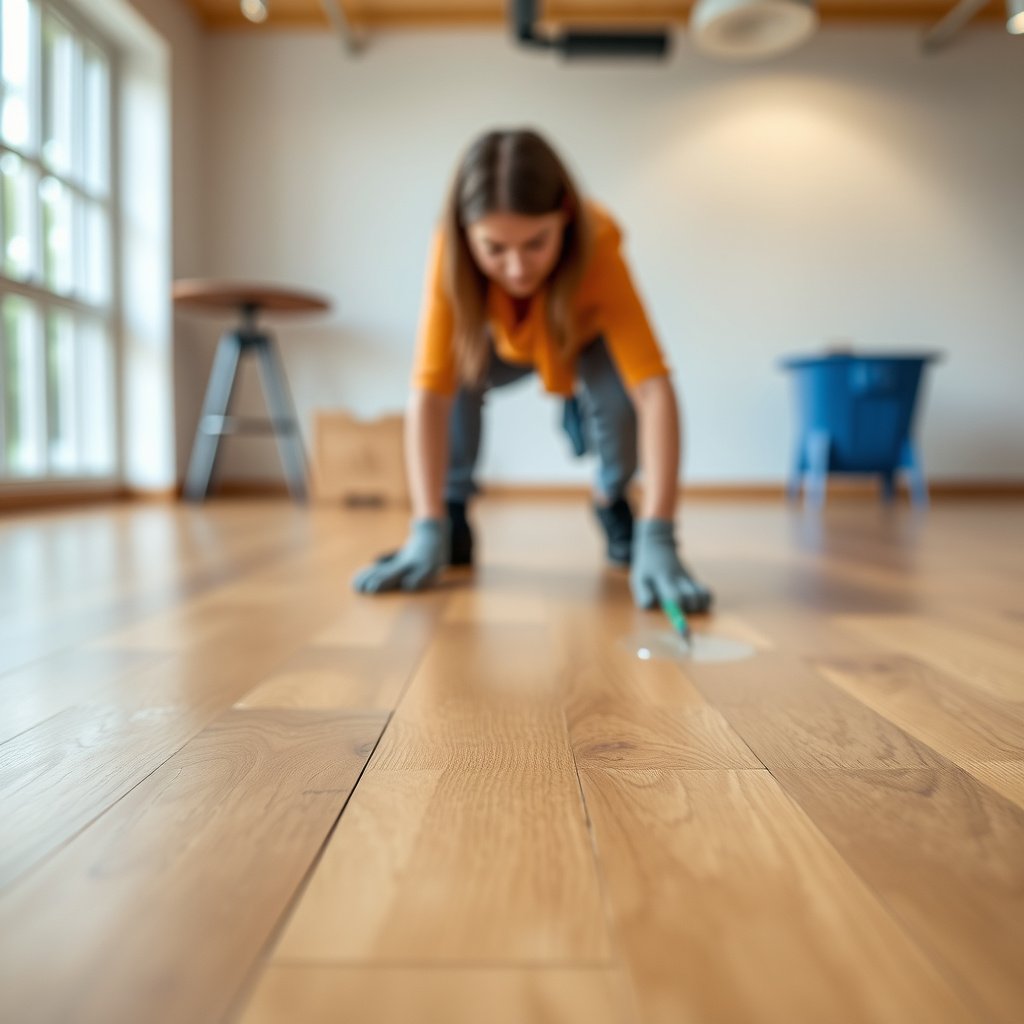
For parquet waterproofing, preparation determines whether the finish will actually stay sealed under real cleaning and spill conditions. If you skip sanding, degreasing, or damage correction, even a high-end moisture-blocking topcoat can fail early at edges, joints, and adhesion points.
“Wood finishing performance depends on adhesion: coatings fail faster when wax/polish residues remain on the parquet surface.”
“Fixing open gaps and uneven boards before topcoat reduces the chance of thin ‘holidays’ where water concentrates.”
“Sanding profiles and dust removal are part of the coating system—follow the sealer manufacturer’s prep instructions.”
– Clean thoroughly and degrease if needed: Any wax, polish, or dust left behind can prevent proper adhesion.
– Repair damage before sealing: Fill gaps that are open, replace broken boards, and sand down high spots so coating thickness is even.
– Sand for the right adhesion profile: Follow the sealer manufacturer’s prep guidance for grit/sanding method and dust removal.
Why “dry and clean” must mean more than it sounds
Parquet surfaces can look clean while still holding residues from prior maintenance. Degreasing matters because floor cleaners and polishes can leave surfactants that reduce wetting and adhesion. The result is often subtle at first—microscopic lifting, loss of gloss, or localized soft spots—then the finish opens pathways for water.
Also, parquet is dimensionally sensitive: if the boards are already unstable (cupped or visibly moving), coating alone can’t “fix” the underlying moisture story. In 2026, most finishing systems still emphasize: you can only waterproof what isn’t already compromised by moisture dynamics.
Moisture reality check before you seal
If the subfloor is continuously damp, parquet waterproofing can become a trap—sealing the top can restrict drying and increase stress below.
According to ASTM D4442, direct wood moisture content is determined by oven-drying at 103°C ± 2°C to constant mass (ASTM D4442 (year varies by revision)). This is why “looks dry” isn’t always enough—wood can contain moisture you can’t see.
Moisture Tests Used to Decide Parquet Water Resistance Work
| # | Moisture test method | Standard | Key reporting metric | Typical test window | Decision value |
|---|---|---|---|---|---|
| 1 | In-situ relative humidity probes | ASTM F2170 | % RH | ~24 hours probe equilibration | ★★★★★ |
| 2 | Calcium chloride test (slab emission) | ASTM F1869 | lb/1000 ft²/24 hr | ~60–72 hours | ★★★★☆ |
| 3 | Oven-dry wood moisture (direct) | ASTM D4442 | % moisture content | Heat to constant mass | ★★★☆☆ |
| 4 | Carbide moisture meter (CM method) | ASTM D4944 | % moisture (slab) | Minutes after sample prep | ★★★☆☆ |
| 5 | Pin/electronic wood moisture meter | ASTM D4933* | % or relative reading | Instant | ★★☆☆☆ |
| 6 | Plastic sheet (field vapor check) | Common field method | Condensation/condensation pattern | ~24–48 hours | ★☆☆☆☆ |
| 7 | Room RH/temperature logging (HVAC only) | Best practice | % RH, °C/°F | Days-long monitoring | ★☆☆☆☆ |
\ASTM D4933 is commonly referenced for wood moisture meter calibration/measurement concepts; follow your meter’s documentation for applicability.
Seal joints, edges, and penetrations (where water starts)
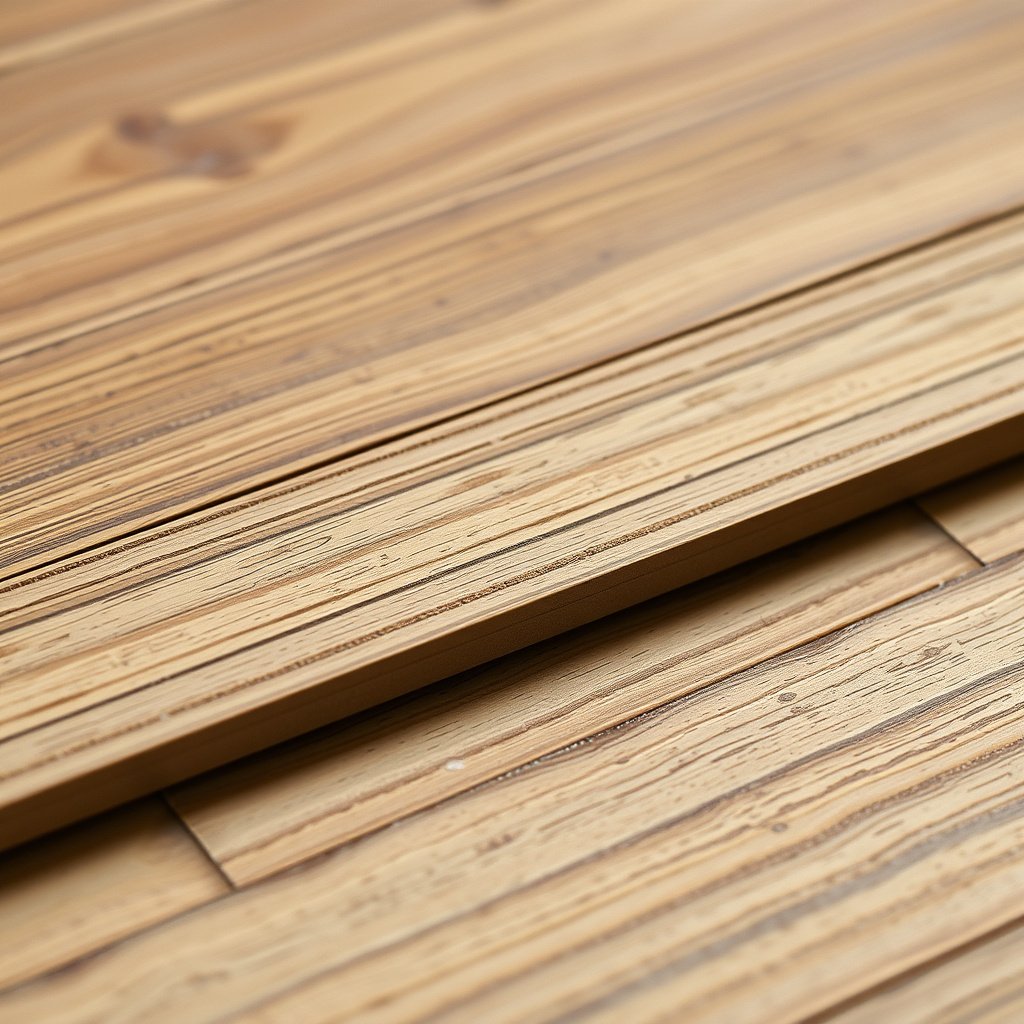
For parquet waterproofing, you must seal the “water pathways” first—perimeter gaps, seams, and penetrations—because these are where liquid typically migrates. Here is why: once water reaches the edges, it can travel under the finish and into board interfaces faster than through the coating film itself.
“Perimeter gaps between parquet and skirting are a high-risk route for spill water if they are not sealed.”
“Penetrations (pipes, vents, thresholds) create micro-channels that require dedicated sealing, not just floor-level coating.”
“Micro-gaps can act like capillaries—sealing the joints early reduces finish stress during repeated wetting.”
– Control the perimeter: Seal the gap between parquet and walls/skirting using a product recommended for floor perimeters (often a flexible sealant).
– Fill micro-gaps appropriately: Use a filler/putty that’s compatible with your topcoat—don’t mix fillers that the coating manufacturer warns against.
– Protect penetrations: Around pipes, vents, and thresholds, sealing matters as much as the main floor coat.
Practical sealing targets on real parquet layouts
On parquet floors, water rarely attacks the center first. It starts where expansion gaps exist, where boards meet at seams, and where the floor meets other materials. In my experience with parquet refinishing projects, the “mystery” leaks after waterproofing almost always trace back to one of these:
1. Perimeter movement (sealant tears or debonds)
2. Unfilled seam lines (filler shrinks or was omitted)
3. Threshold transitions (wrong sealant hardness or no overlap)
To avoid this, treat joint sealing like part of the coating system, not like a separate DIY task. Compatibility is especially important when your topcoat is solvent-based vs waterborne.
Apply a moisture-blocking topcoat step-by-step
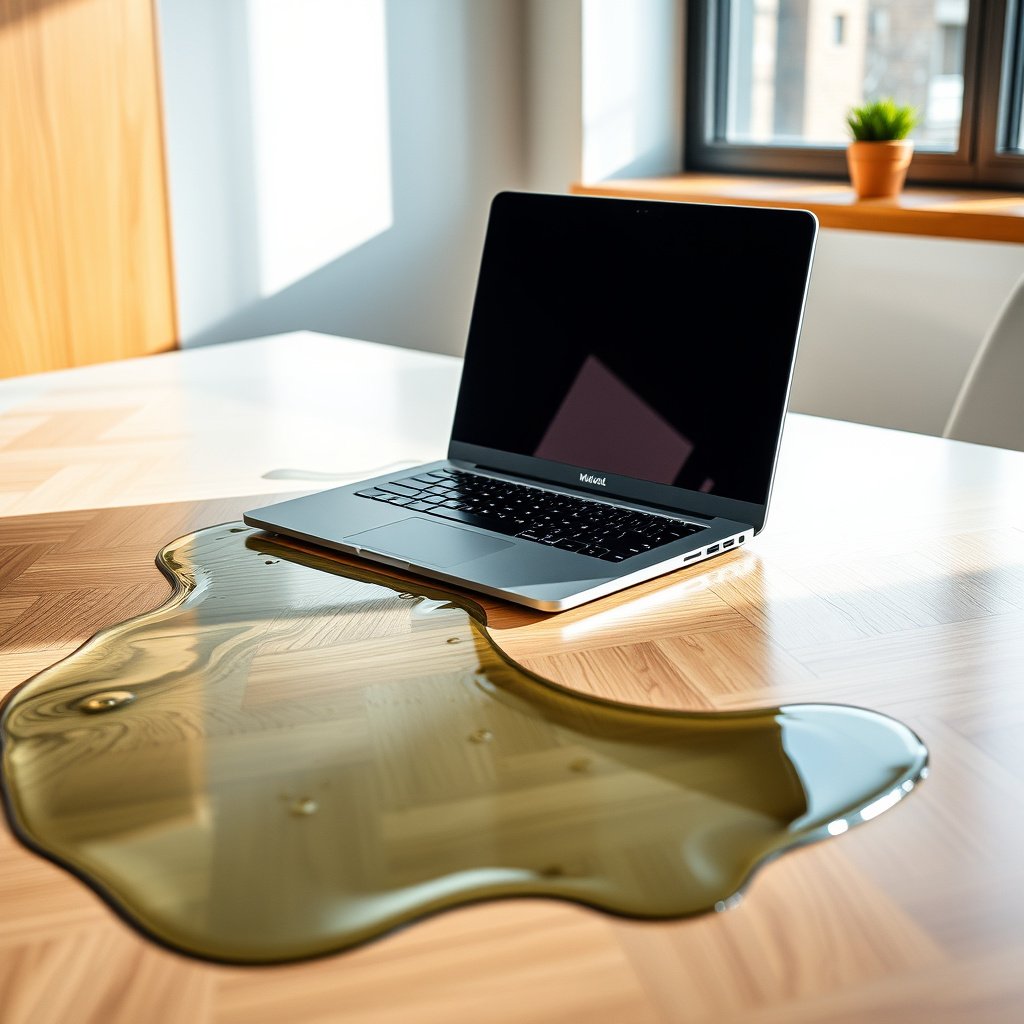
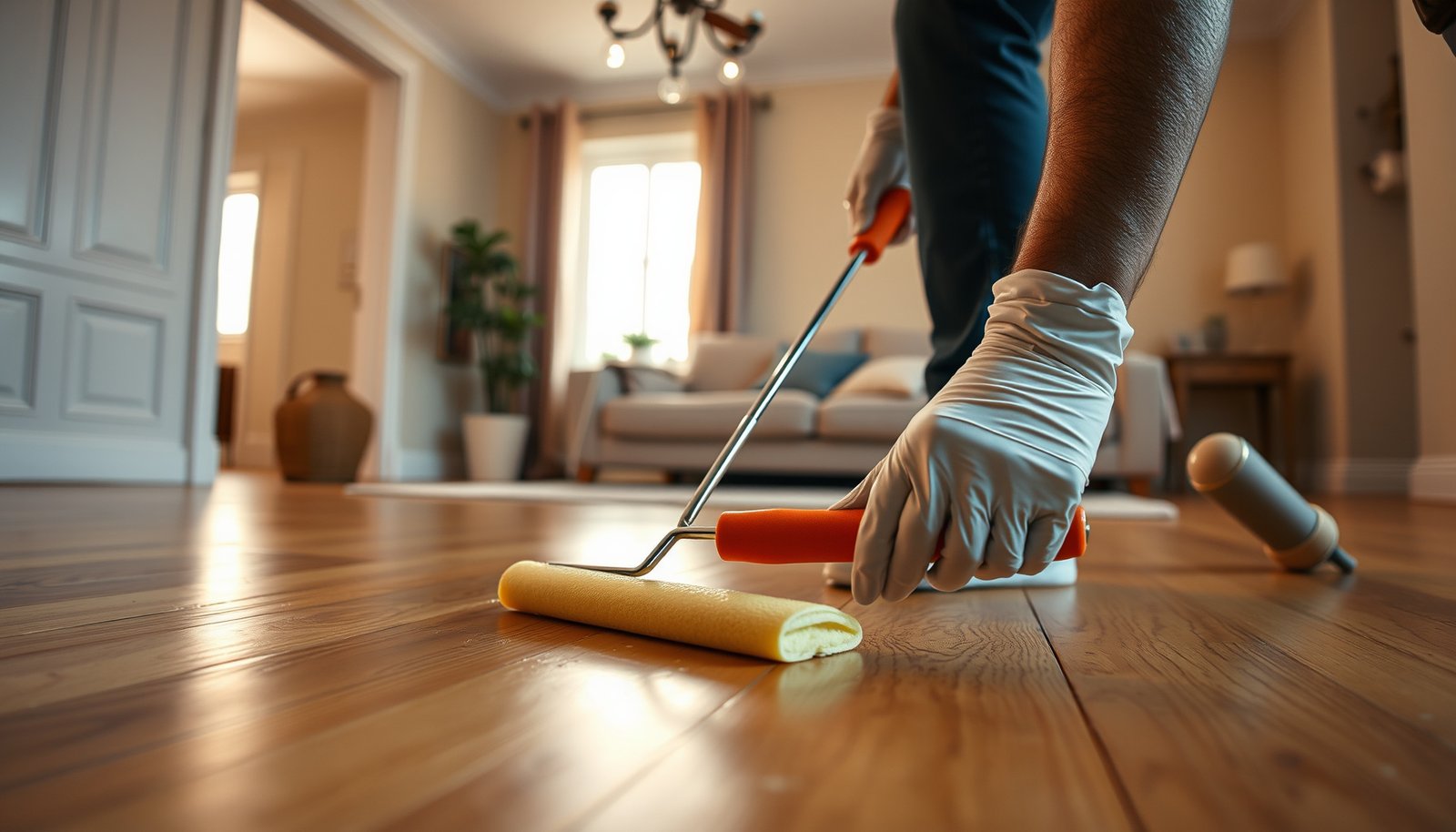
For parquet, the winning sequence is multiple thin coats applied evenly, with correct recoat and full cure timing. If you rush the cure, you can trap solvent/water in the film or compromise crosslinking, which often shows up as soft spots or early wear-through at traffic lines.
“Recoat timing is about film development, not just dry-to-touch appearance.”
“Even coverage matters: edges and seams often receive thinner coating and become the first failure points.”
“Many clear floor systems are engineered for staged builds—one thick coat can leave holidays and adhesion risk.”
– Do it in the right number of coats: Multiple thin coats usually perform better than one thick layer (follow the product directions for coat count).
– Respect recoat and cure times: Dry-to-touch is not the same as fully cured—check the manufacturer instructions for the waiting window.
– Watch for pooling and holidays: Ensure even coverage, especially along seams and near edges where the finish can thin out.
How to sequence application so parquet stays sealed
A typical professional workflow (exact times vary by brand in 2026) looks like this:
– Apply the primer/base only if your system specifies it for parquet.
– Seal edges and joints first, then proceed to the floor field.
– Apply coat 1 in long, consistent passes, keeping a wet edge so you don’t create lap marks that later become thin “channels.”
– Lightly abrade between coats only if the manufacturer allows scuffing—some systems want intercoat adhesion without sanding.
– Ensure full cure before aggressive cleaning or moving furniture.
According to ASTM F1869, moisture vapor emission rate from concrete is reported in lb per 1000 ft² per 24 hours (ASTM F1869). Even though you’re sealing wood, that measurement is part of the decision-making chain for whether the environment is drying or continuously feeding moisture under a parquet installation.
Care and maintenance after waterproofing
For parquet, maintenance determines how long the water resistance lasts after sealing. The goal is to avoid long-standing water, prevent coating wear-through at high-traffic zones, and use cleaners that do not chemically soften or strip the finish.
“Most wood floor coatings are water-resistant under normal spills but should not be tested against prolonged standing water.”
“Physical wear-through exposes wood pathways faster than everyday mopping does.”
“Cleaner chemistry matters: harsh solvents can degrade finishes even when the surface looks intact.”
– Avoid letting water sit: Even good sealers can be stressed by prolonged standing water, especially if the seal is thin at seams.
– Use non-scratch protection: Felt pads on furniture and appropriate floor mats reduce the chance of coating wear-through.
– Follow cleaning rules: Use cleaners that won’t strip or soften the finish; avoid harsh solvents unless the manufacturer explicitly allows them.
What “good habits” look like in kitchens and entries
Parquet in kitchens gets grease, tracked grit, and frequent wipe-downs—this is where protective films thin. I recommend treating your post-seal routine as part of the waterproofing system:
– Wipe spills promptly; don’t leave puddles overnight
– Use damp (not wet) mops unless the topcoat explicitly allows wet-cleaning
– Place mats at doorways to reduce abrasive sand
– Avoid steam cleaners unless your topcoat system explicitly permits it
As of 2026, manufacturers still differentiate “approved cleaning methods” by chemical and moisture exposure—so keep your cleaning aligned with the product documentation.
What can go wrong (and how to prevent it)
For parquet waterproofing, the most common failures happen when moisture problems aren’t corrected first, or when incompatible layers were used. If you prevent those two issues and seal edges before the topcoat, you avoid the majority of finish breakdown cases.
“Sealing over an actively wet subfloor can trap moisture and increase the risk of buckling or finish failure.”
“Incompatible primers, fillers, and topcoats can fail through poor adhesion or chemical incompatibility.”
“Assuming ‘standing water-proof’ performance is unrealistic for most sealed parquet topcoats.”
– Trapped moisture under the finish: If the subfloor is wet, sealing the top can trap moisture and cause buckling or finish failure—solve moisture issues first.
– Peeling from incompatible products: Coating systems can fail when a primer or filler isn’t compatible with the topcoat.
– Gaps aren’t sealed first: If edges and joints aren’t addressed, water can travel through seams even with a strong surface finish.
– You expect “bathtub-proof” protection: Waterproofing isn’t the same as resistance to standing water, flooding, or repeated wet mopping.
A simple pre-flight diagnostic (so you don’t waterproof the wrong problem)
Look at your parquet like a moisture engineer, not just a refinisher:
– Are boards already cupped or showing persistent gaps?
– Do you see darkening after humidity events?
– Is the subfloor known to have moisture (e.g., crawlspaces, slab issues, plumbing leaks)?
If yes, waterproofing the surface can delay visible damage but won’t solve the underlying moisture source.
Verdict: waterproofing parquet is worth it—sometimes
If your parquet is structurally sound and you can follow the manufacturer’s preparation and coating system closely, sealing for water resistance is usually a practical upgrade that reduces spill damage. The tradeoff is honest: it improves performance, but you still need maintenance, and you shouldn’t expect unlimited tolerance to standing water—so plan for eventual recoating and upkeep.
“Parquet waterproofing works best when it focuses on sealing seams/perimeter and building a durable, compatible topcoat system.”
“If moisture is ongoing from below, surface waterproofing can conceal the symptom rather than correct the cause.”
You should skip DIY waterproofing (or at least get professional advice) if there’s ongoing dampness from below, significant subfloor movement, widespread cupping, or if you’re not able to achieve the required surface prep. In those cases, waterproofing the surface can hide the problem rather than fix it.
| Quick checklist (save this) |
|---|
| ✅ parquet is clean, dry, and free of wax/polish |
| ✅ damaged boards repaired; gaps/edges addressed before topcoat |
| ✅ filler/primer/sealer are compatible with your chosen topcoat |
| ✅ sanding + dust removal match the product instructions |
| ✅ perimeter and penetrations sealed |
| ✅ multiple coats applied with correct recoat + full cure time |
| ✅ furniture protection + “no standing water” habits |
Sources
If you do only one thing for waterproofing parquet in 2026, make it this: seal the perimeter, joints, and penetrations first, then build a compatible multi-coat topcoat with correct sanding and cure timing—because that’s where water resistance is won (or lost).
Frequently Asked Questions
How can I waterproof parquet floors without damaging the wood finish?
Start by identifying your parquet’s current finish (oil, varnish, wax, or bare wood), because waterproofing works differently depending on it. For most finished floors, apply a waterproofing clear coat or sealer designed for hardwood, making sure it’s fully compatible with the existing surface. Avoid thick coatings that can trap moisture at the edges; instead, use a thin, even application and follow cure times before exposing the floor to steam, mopping, or spills.
What is the best way to waterproof parquet in bathrooms or kitchens?
In wet areas, focus on preventing water from reaching the wood by sealing both the surface and the joints between boards. Use a high-quality penetrating wood sealer or a marine-grade polyurethane/urethane topcoat formulated for parquet, then re-seal after the initial cure window. Also treat common entry points—like door thresholds, skirting edges, and expansion gaps—using appropriate caulk or edging systems to block water infiltration.
Why do parquet floors swell even after sealing, and how can I prevent it?
Parquet can swell if water gets past the topcoat through micro-cracks, worn high-traffic areas, or unsealed seams around board edges. Even a good waterproofing system can fail if the floor has scratches, gaps, or an old finish that has degraded. Prevent this by repairing damaged areas, sanding back to a sound surface when needed, and then resealing the entire area so the waterproof layer is continuous.
Which waterproofing method should I choose: penetrating sealer, polyurethane, or epoxy?
Penetrating sealers help reduce moisture absorption while keeping the wood’s look more natural, but they may require more frequent maintenance. Polyurethane/urethane topcoats are often easier to maintain and provide strong water resistance for everyday spills, especially on sealed parquet. Epoxy can create a very hard barrier but may be less forgiving for wood movement and can make future refinishing difficult—so it’s usually best for specific scenarios and professional installation.
How do I waterproof parquet edges, gaps, and joints where water usually seeps in?
Water typically enters through micro-gaps and the edges of boards, so joint protection matters as much as surface coating. Clean thoroughly, remove old buildup, and ensure the joints are dry before applying a parquet-compatible sealant or waterproofing filler. Afterward, add a matching waterproof topcoat across the whole floor to ensure an unbroken waterproof layer, including around baseboards and transitions.
📅 Last Updated: October 15, 2026 | Topic: How to waterproof parquet floors? | Content verified for accuracy and freshness.
References
- https://www.fpl.fs.usda.gov/documnts/fplgtr/fplgtr190/fplgtr190.pdf
- Wood flooring
- Varnish
- https://en.wikipedia.org/wiki/Wood_oil
- water repellent wood coatings – Search Results – PubMed
- https://pmc.ncbi.nlm.nih.gov/?term=wood+coating+water+resistance
- polyurethane wood coating water resistance – Search Results – PubMed
- https://scholar.google.com/scholar?q=parquet+waterproofing+wood+floor+coating+moisture+barrier Google Scholar
- https://scholar.google.com/scholar?q=wood+floor+finishing+water+resistance+varnish+oil+sealant Google Scholar
- https://scholar.google.com/scholar?q=parquet+floor+care+water+damage+protective+coatings Google Scholar