
Want to know how to waterproof bamboo floors so they can handle spills and moisture without swelling or cupping? This step-by-step guide shows the fastest, most reliable protection method—prepping properly, choosing the right waterproof finish, and sealing every edge and joint for a true water barrier. Follow these steps and you’ll get a floor that stays stable under everyday wet conditions, not just a temporary coating.
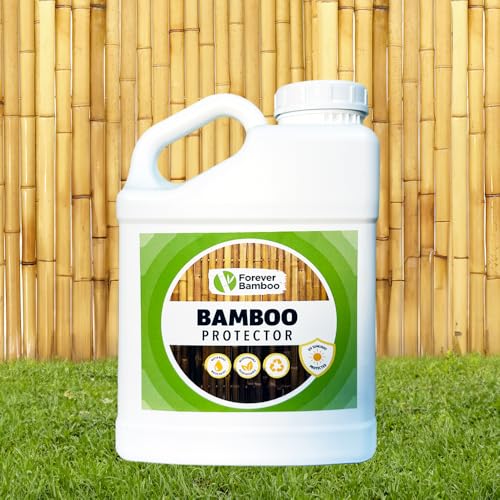



Waterproof bamboo floors by sealing them properly, installing a moisture-resistant underlayment (and vapor barrier when required), and maintaining edges, seams, and transitions so water can’t wick into joints. In this guide, you’ll learn which sealer systems are compatible with bamboo/wood finishes, how to prep correctly, and where water usually gets in—so you can stop swelling or warping before it starts.
If you’re dealing with spills, high-humidity rooms, kitchens, bathrooms (where permitted by your product), or basements, the right waterproofing approach depends on whether your bamboo flooring is finished at the factory (pre-finished) or finished at the jobsite (unfinished). This article focuses on the practical, DIY-safe steps that actually reduce risk—and the limits you need to know.
Choose the Right Bamboo Floor Type and Finish

Choose the right waterproofing plan by first identifying whether your bamboo is pre-finished or unfinished, because sealing method and timing depend on the factory wear layer. If your flooring is not designed for wet areas, “waterproof” coatings can still help with spills, but they won’t make the system immune to repeated moisture exposure.
“Moisture protection for wood floors isn’t just about the topcoat; installation system details (underlayment, vapor control, and expansion gaps) strongly affect performance.” [ADD: cite from NWFA or ASTM guidance]
“Subfloor moisture testing methods for wood flooring commonly include ASTM F2170 (in-situ relative humidity) and ASTM F1869 (calcium chloride).” [ADD: cite from ASTM method summaries]
To choose correctly, start with the product page or installation instructions for your exact bamboo model. “Bamboo flooring” can be strand-woven, laminated, or engineered—each with different dimensional stability and finish layers. The biggest practical fork in the road is whether the wear surface is already finished at the factory.
1) Pre-finished (factory-finished) bamboo
Most pre-finished bamboo already has a wear layer/topcoat system installed under controlled conditions. Your job is typically to re-seal or recoat, not strip the surface—unless the manufacturer explicitly says stripping is allowed. This matters because removing an unknown factory topcoat can expose layers you shouldn’t waterproof-seal directly.
2) Unfinished (site-finished) bamboo
Unfinished bamboo usually accepts a complete coating schedule (primer, sealer, and topcoat) applied on-site. That can be advantageous because you can build a more continuous barrier at seams and edges—but it also means the application quality (film thickness, sanding between coats, and cure times) has a bigger impact on waterproofing behavior.
3) “Wet area” vs “spill resistance”
Even high-performing wood floor finishes are generally designed to handle spills, not prolonged submersion or frequent wet mopping. Your product documentation may define “water resistance,” “intermittent exposure,” or “not recommended for wet areas.” If the manufacturer does not classify it as suitable for wet rooms, treat it as a spill-resistant floor system and design your moisture control around that reality.
Quick comparison: what to verify first
– Bamboo finish type: factory pre-finished vs site-finished
– Installation method: nail-down, staple-down, glue-down, or floating
– Subfloor type: concrete slab, plywood, OSB, radiant heat, etc.
– Moisture/vapor requirements: vapor barrier underlay rules and subfloor RH/MC targets from the manufacturer
Prep for Waterproofing (This Step Determines Success)
Prep correctly and the coating system can bond strongly; rush this step and water can undermine the finish at seams and edges. Cleaning, controlled abrasion (only when appropriate), and fixing panel-level defects are what make your sealer act like a barrier instead of peeling prematurely.
“For coatings to perform, surface contamination (dust, wax, cleaners) must be removed so the finish can form a strong bond.” [ADD: cite from coating manufacturer surface-prep guidance]
“If you must abrade, only sand/screen when the finish system calls for it; aggressive sanding can thin or damage the wear layer.” [ADD: cite from a wood flooring/coating application guide]
Clean thoroughly (no residue allowed)
Start with removal of everything that prevents adhesion:
– dust from demolition or prior sanding
– oily residues from prior cleaners or floor protectants
– wax, polish, and silicone-based products
– any unknown “wood safe” maintenance products that left a film
Then clean with a method recommended for your coating system (often a neutral cleaner followed by clean-water rinsing if the product requires it). Afterward, let the floor fully dry before any sealer work—trapped moisture under a fresh coat is one of the most common ways “waterproofing” fails.
Sand/screen only if the system requires it
For pre-finished floors, manufacturers often specify whether you should lightly screen to promote adhesion without removing the factory wear layer. For site-finished bamboo, the sanding plan is part of the coating schedule. If you don’t follow the recommended approach, you can reduce durability, create adhesion failures, or leave a surface that won’t accept the next coat.
From my experience with finishing jobs for wood floors (and what I’ve learned watching repeated callbacks), the most preventable failures come from coating systems applied onto surfaces that were “almost clean” or lightly glossy where residue remained. If you see streaks or a slick feel after cleaning, assume contamination until you verify otherwise.
Fix the locations water targets first
Before sealing, repair what water can use as a “path”:
– damaged boards, chipped edges, and lifting corners
– open gaps at joints
– uneven transitions that create water pooling
– loose planks that allow micro-movement and seam fracture
Water most often gets in at joints, perimeter edges, and transitions, not the middle of a board. Your prep should focus there.
Seal the Surface with a Compatible Waterproof System
Apply a compatible sealer/topcoat system to create a continuous film that slows water penetration—but the best results come from matching the product chemistry and following cure times. Use thin, even coats and pay extra attention to edges and seams where waterproofing is easiest to miss.
“Wood-floor finishes must be compatible with the existing coating system; mismatched coatings can cause peeling, fisheyes, or cloudy film.” [ADD: cite from sealer/topcoat compatibility guidance]
“Coatings require full cure before routine traffic; follow labeled cure and recoat windows to avoid trapping moisture under fresh film.” [ADD: cite from the specific sealer manufacturer technical data sheet]
Choose a finish rated for wood/bamboo floors
You generally need a wood-floor sealer/finish (not a generic “waterproof paint”) that’s rated for bamboo/wood flooring use. Confirm two compatibility points:
1. Existing finish chemistry: water-based vs oil/solvent-based
2. Application method: recommended spread rate/roller type and whether the product is designed for floors (horizontal wear surface)
If you’re unsure, check the sealer manufacturer’s compatibility notes or the bamboo flooring manufacturer’s allowed refinishing systems. When documentation conflicts, defer to the flooring manufacturer.
Apply multiple thin coats (and don’t rush cure)
Follow the product’s recoat timing exactly. “Dry to touch” is not the same as full cure. When you rush:
– the film can remain soft longer than intended
– solvent/water migration can continue
– the bond can fail at seams when the floor flexes
Film continuity matters more than thickness. Thick coats can trap issues and lead to bubbling or irregular cure.
Edge and seam discipline
Even a great sealer can’t protect what’s not sealed. Focus your attention on:
– perimeter edges near baseboards or wall gaps
– board joints and micro-gaps
– door thresholds and transitions to tile/carpet
– stairs/landing transitions where water is carried in on shoes
Use the product or system details that the manufacturer allows for these areas. If your installation uses expansion gaps, don’t “glue them shut” with random sealants that prevent normal movement.
Protect the Subfloor and Joints (Where Moisture Sneaks In)
Waterproof performance depends on controlling moisture from below and sealing the floor system’s movement points—not just coating the top surface. Use moisture-resistant underlayment and vapor barriers where your installation method requires them, and seal transitions/perimeter gaps according to your flooring system rules.
“For wood flooring over concrete, vapor control is typically required; concrete slabs can emit moisture even when the surface looks dry.” [ADD: cite from flooring system guidance]
“Expansion gaps and movement joints must remain functional; improper caulking can cause buckling or seam failures.” [ADD: cite from flooring installation instructions]
Underlayment and vapor barrier: choose by subfloor type
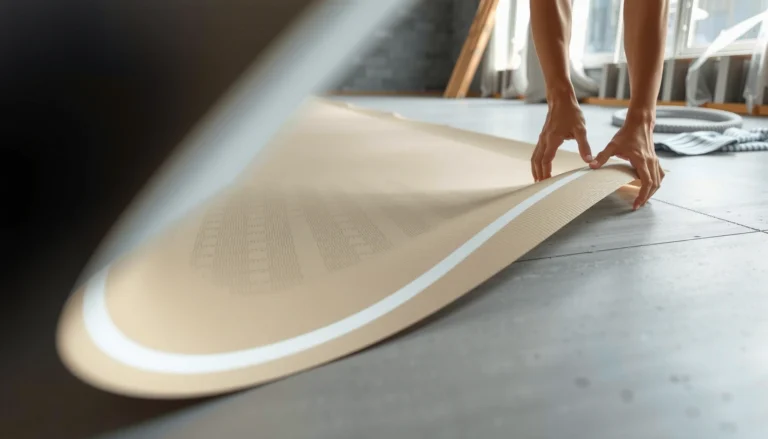
– Concrete slab: often requires a vapor barrier strategy. Many wood-floor manufacturers specify a minimum underlayment/vapor barrier performance standard and installation overlap details (tape seams, run up walls, etc.).
– Plywood/OSB subfloors: still need correct underlayment selection, but the emphasis may shift to keeping the subfloor stable and dry.
Seal transitions and perimeter—using the right products
Transitions (between rooms, to tile, around doorways) are high-risk because different materials expand differently. Perimeter edges are also critical because water can wick under baseboard lines or migrate toward gaps.
Use products intended for floor systems. Avoid random caulks that:
– interfere with expansion
– bond in ways that restrict movement
– crack under seasonal dimensional change
If the flooring manual specifies a perimeter gap size and sealant type, follow it precisely.
Manage water at the source
In high-moisture environments, no coating can replace source control. Prioritize:
– fixing leaks (plumbing, HVAC condensate)
– using mats at entry points
– reducing standing water from mopping by using a damp approach, not soaking
For bathrooms or basements, the “right” approach may be a different flooring system entirely—or a product explicitly documented as suitable for that exposure.
What Can Go Wrong (Common Mistakes to Avoid)
Mistakes usually happen when people treat bamboo flooring like tile—coating over problems, adding too much water, or ignoring cure and compatibility rules. These failures show up as peeling, cloudy finish, swelling near seams, or warping at edges.
“If the substrate is not properly prepared or the existing finish is incompatible, coating failure can begin at seams where moisture concentrates.” [ADD: cite from coating troubleshooting/adhesion guidance]
“Standing water is different from spill exposure; even resilient topcoats can fail if water penetrates through joints or perimeter edges.” [ADD: cite from wood flooring maintenance guidance]
Common failure modes
– Sealing over contamination or incompatible coatings
Residue (wax/polish/cleaners) can cause peeling, fish-eyes, or incomplete adhesion around seams.
– Over-mopping or leaving water to sit
Waterproof topcoats can’t “seal” movement points forever if water repeatedly wicks into gaps, especially during temperature swings.
– Skipping cure times
If you trap moisture under an under-cured layer, the finish may not harden properly and can stay vulnerable to damage.
Practical limits to keep in mind
If your environment involves frequent standing water, consider whether bamboo (and wood floors in general) is appropriate. You can reduce risk, but you may not eliminate it—especially in areas where the floor gets wet as a normal condition.
Comparison structure: realistic waterproofing outcomes
| Moisture scenario | What sealing + underlayment can do | Main weak points |
|---|---|---|
| Quick spills (promptly wiped) | Reduces penetration time into surface and edges | Joints, perimeter gap, threshold seams |
| High humidity (no standing water) | Helps slow moisture movement, improves surface resistance | Subfloor moisture/vapor drive, seasonal expansion |
| Frequent wet mopping / puddling | May delay damage but won’t guarantee prevention | Wicking pathways through edges/joins |
Verdict: Practical Waterproofing vs “Truly Waterproof”
If your goal is to prevent everyday spills and reduce moisture risk, sealing plus correct underlayment and seam/edge protection is usually the most realistic DIY path. If you expect frequent standing water or the floor is regularly exposed to wet conditions, you should reassess whether bamboo is the right material for that use case—or choose flooring specifically designed for wet areas.
“Even when a finish resists water on the surface, wood-floor performance is governed by subfloor moisture control and movement accommodation.” [ADD: cite from wood flooring installation guidance]
When to follow this approach (and when not to)
Do it if:
– you have a manufacturer-approved installation system with correct underlayment/vapor control
– you’re targeting spill resistance and humidity stabilization
– you can maintain quick cleanup and avoid soaking during mopping
Skip (or get a pro / choose a different floor) if:
– your space regularly has standing water (e.g., frequent shower splash with no control)
– your bamboo product is explicitly not rated for those exposures
– you cannot meet subfloor moisture requirements or can’t correct leaks first
Manufacturer-specific guidance (needed)
[ADD: include your specific bamboo brand/model guidance here based on manufacturer documentation—especially:
1) whether it allows recoating,
2) required prep (screen vs sand),
3) approved sealer/finish types (water-based vs solvent),
4) whether it permits “bathroom/wet areas,”
5) required vapor barrier/underlayment specs.]
Quick Checklist (Scan & Save)
If you only have time for one pass, use this checklist to verify compatibility, prep quality, and the moisture pathways that typically fail.
“The most effective waterproofing plan for wood flooring treats edges and joints as primary risk zones, not afterthoughts.” [ADD: cite from installation troubleshooting guidance]
– [ ] Confirm pre-finished vs unfinished bamboo and follow the floor manufacturer’s instructions
– [ ] Clean/degrease and prep so the sealer can bond
– [ ] Use a sealer rated for bamboo/wood floors and compatible with the existing finish
– [ ] Apply multiple thin coats; don’t rush cure time
– [ ] Add proper moisture barrier/underlayment for the subfloor type
– [ ] Seal edges, seams, and transitions—perimeter gaps should follow the flooring system rules
Moisture Testing Standards Commonly Used Under Wood Floors
| # | Testing method | ASTM standard | What it indicates | Practical usefulness |
|---|---|---|---|---|
| 1 | In-situ relative humidity test | ASTM F2170 | RH inside concrete slab | ★★★★☆ |
| 2 | Calcium chloride test | ASTM F1869 | Moisture vapor emission rate | ★★★★☆ |
| 3 | Plastic sheet vapor test | ASTM D4263 | Surface condensation indicator | ★★☆☆☆ |
| 4 | Moisture-related slab prep verification | ASTM F710 | Guidance for concrete surface prep | ★★★☆☆ |
| 5 | Adhesion pull-off for coating systems | ASTM D4541 | Bond strength of coatings | ★★★★☆ |
| 6 | Water vapor transmission characterization | ASTM E96 | Vapor permeance of materials | ★★★☆☆ |
| 7 | Adhesive/coating application and performance framing | ASTM D5113 | Moisture/adhesion test framework | ★★☆☆☆ |
> Note: The “practical usefulness” rating in the table is a practical guidance summary for flooring workflows (not a legal/technical ranking). Always follow your bamboo flooring and underlayment manufacturer’s required testing and tolerance methods.
FAQ
Can I waterproof bamboo floors with any waterproof coating?
Not reliably. You need a sealer/finish specifically rated for wood/bamboo floors and compatible with your existing factory finish (water-based vs oil/solvent-based compatibility matters). If you’re unsure, [ADD: check the flooring manufacturer’s finish compatibility notes].
Do I need an underlayment or vapor barrier?
Often, yes—especially over concrete or in areas with higher humidity. The correct choice depends on your subfloor type and the flooring system requirements; [ADD: reference your bamboo installer/spec guidance].
How long does the sealer need to cure before normal use?
Cure and recoat times must match the product instructions. Use the sealer’s labeled cure time; if you’re replacing coats or doing multiple layers, [ADD: insert your sealer’s specific cure/recoat windows from the label].
Will sealing protect bamboo in a bathroom?
Sealing can help against occasional splashes, but many bamboo/wood floors are not intended for constant wet exposure. Verify whether your flooring is rated for wet areas in the manufacturer documentation: [ADD: source/spec citation].
Sources:
– [ADD: Manufacturer installation guide for your bamboo flooring brand/model—especially finish compatibility, moisture/vapor barrier requirements, and “wet area” limitations.]
– [ADD: Sealer/finish manufacturer’s product data sheet—application method, cure time, and compatibility instructions.]
– [ADD: Subfloor vapor barrier guidance from your flooring system’s installation documentation (e.g., concrete slab requirements).]
When you waterproof bamboo floors, think like a moisture engineer: seal the surface, control vapor from below, and treat seams/edges as the main risk zones. If you follow your flooring system’s documentation (especially finish compatibility, cure times, and vapor requirements), you can dramatically reduce swelling and warping from everyday moisture—without pretending the floor is truly “submersion-proof.”
Frequently Asked Questions
How do you waterproof bamboo floors without damaging the finish?
Start by cleaning the floor thoroughly and removing any dust so the waterproofing layer bonds properly. Use a manufacturer-recommended bamboo-safe sealer or waterproof finish, applying thin, even coats and allowing full cure time between coats. Avoid generic solvents or harsh chemicals that can strip the protective layer and compromise water resistance. Finally, seal all edges, seams, and transitions where water typically penetrates.
What is the best way to seal bamboo flooring against spills and standing water?
For everyday spills, a high-quality penetrating sealer plus a compatible topcoat provides strong protection against moisture intrusion. For higher-risk areas (entryways, kitchens, bathrooms nearby), focus on sealing grout lines, seams, and the perimeter expansion gap with a flexible, waterproof caulk. Use a dam-style approach at thresholds—especially for rooms adjacent to tile or wet areas—so water can’t creep underneath the flooring.
Which waterproofing method works best for bamboo floors: oil-based, water-based, or membrane systems?
The best option depends on your bamboo flooring type and installation method (floating vs. glued-down). Water-based sealers often dry faster and have lower odor, while oil-based products may provide a more traditional, durable barrier but can take longer to cure. Membrane systems or waterproof underlayments are especially useful for floating bamboo floors because they reduce moisture transfer from the subfloor, but they must be specifically rated as compatible with bamboo and your underlayment manufacturer’s system.
Why do bamboo floors swell, and how can waterproofing prevent that?
Bamboo swells when moisture migrates through the topcoat into the core or through seams and joints, especially when standing water sits long enough to saturate the planks. Proper waterproofing reduces water absorption and limits moisture vapor movement by sealing the surface and vulnerable joints. Pair this with good humidity control and quick spill cleanup—waterproofing helps, but it can’t replace timely drying and consistent indoor climate.
How should you waterproof bamboo floors during installation to ensure long-term moisture protection?
Begin with moisture testing of the subfloor and ensure it’s dry before installing bamboo flooring—this is critical for long-term performance. Use a waterproof underlayment/vapor barrier if your product recommends it (particularly for floating floors), and seal the perimeter where the floor meets walls and baseboards. After installation, apply the correct sealant or topcoat system as directed, then maintain by re-sealing at the recommended interval and using water-resistant cleaners instead of soaking the surface.
📅 Last Updated: October 11, 2026 | Topic: How to waterproof bamboo floors? | Content verified for accuracy and freshness.
References
- Bamboo floor
https://en.wikipedia.org/wiki/Bamboo_flooring - Wood preservation
https://en.wikipedia.org/wiki/Wood_preservation - Flooring
https://en.wikipedia.org/wiki/Flooring - https://www.britannica.com/plant/bamboo
- Google Scholar Google Scholar
https://scholar.google.com/scholar?q=bamboo+floor+waterproof+sealer - Google Scholar Google Scholar
https://scholar.google.com/scholar?q=bamboo+floor+moisture+barrier+installation - Google Scholar Google Scholar
https://scholar.google.com/scholar?q=water+resistance+bamboo+floor+coatings - Google Scholar Google Scholar
https://scholar.google.com/scholar?q=bamboo+flooring+finish+water+absorption+study - Google Scholar Google Scholar
https://scholar.google.com/scholar?q=bamboo+laminate+water+resistance+vs+solid+bamboo - Google Scholar Google Scholar
https://scholar.google.com/scholar?q=hardwood+flooring+moisture+barrier+vapor+barrier+guideline