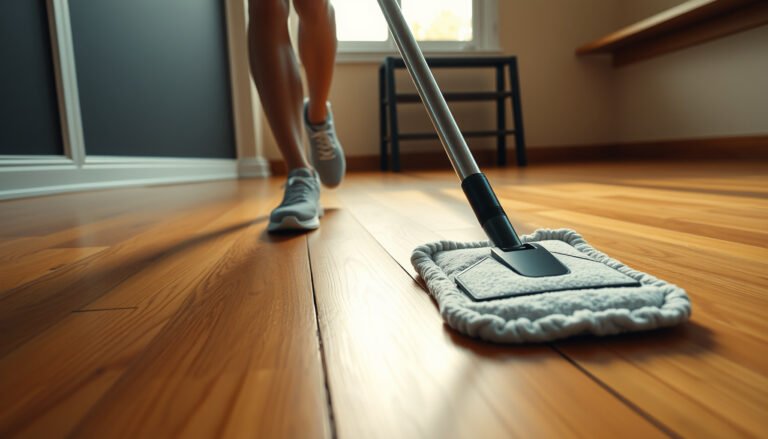
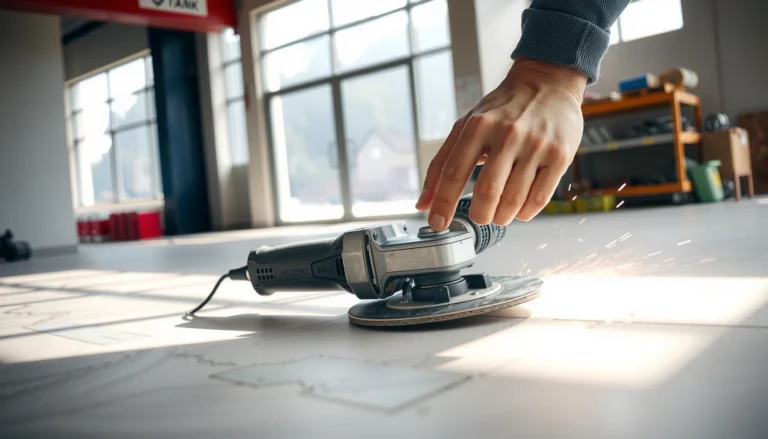
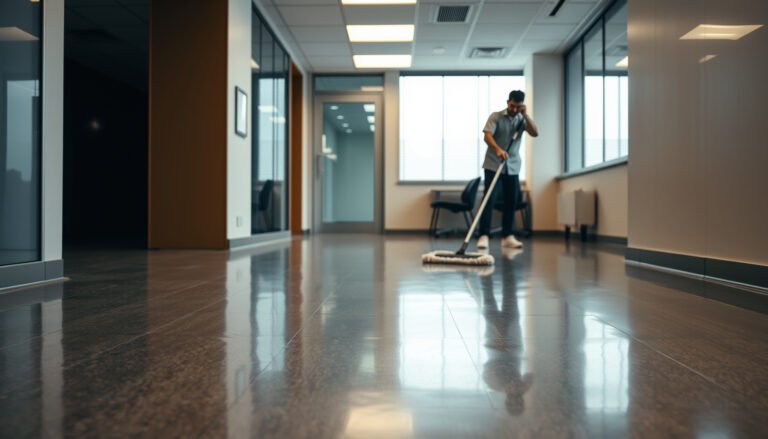
If you need to seal bamboo floors, the best approach is an easy, step-by-step process that locks in protection and delivers a durable, uniform finish. This guide tells you exactly what to do—from surface prep and moisture testing to the right sealer application and proper curing—so your floor won’t streak, haze, or wear unevenly. Follow these steps and you’ll get a professional result without guesswork.


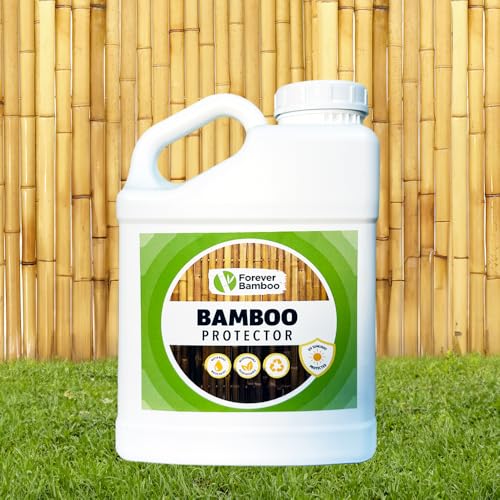

Sealing bamboo floors protects against moisture, staining, and everyday wear, but the exact process depends on whether your bamboo is prefinished or unfinished. In most cases, you’ll clean thoroughly, repair any damage, and apply a compatible floor sealer/finish in thin, even coats—letting each layer fully cure before recoating or resuming normal use. This guide shows what to use and how to apply it so you don’t trap problems like dust, trapped moisture, or an incompatible coating system.
If you’re dealing with dull spots, frequent foot traffic, spills, or general surface protection needs, sealing is usually the next move—especially for unfinished bamboo. This is also useful before adding a new topcoat, but it’s not ideal if your floor already has incompatible coatings or if you’re trying to “fix” structural issues with sealer alone.
Prep the bamboo floor properly
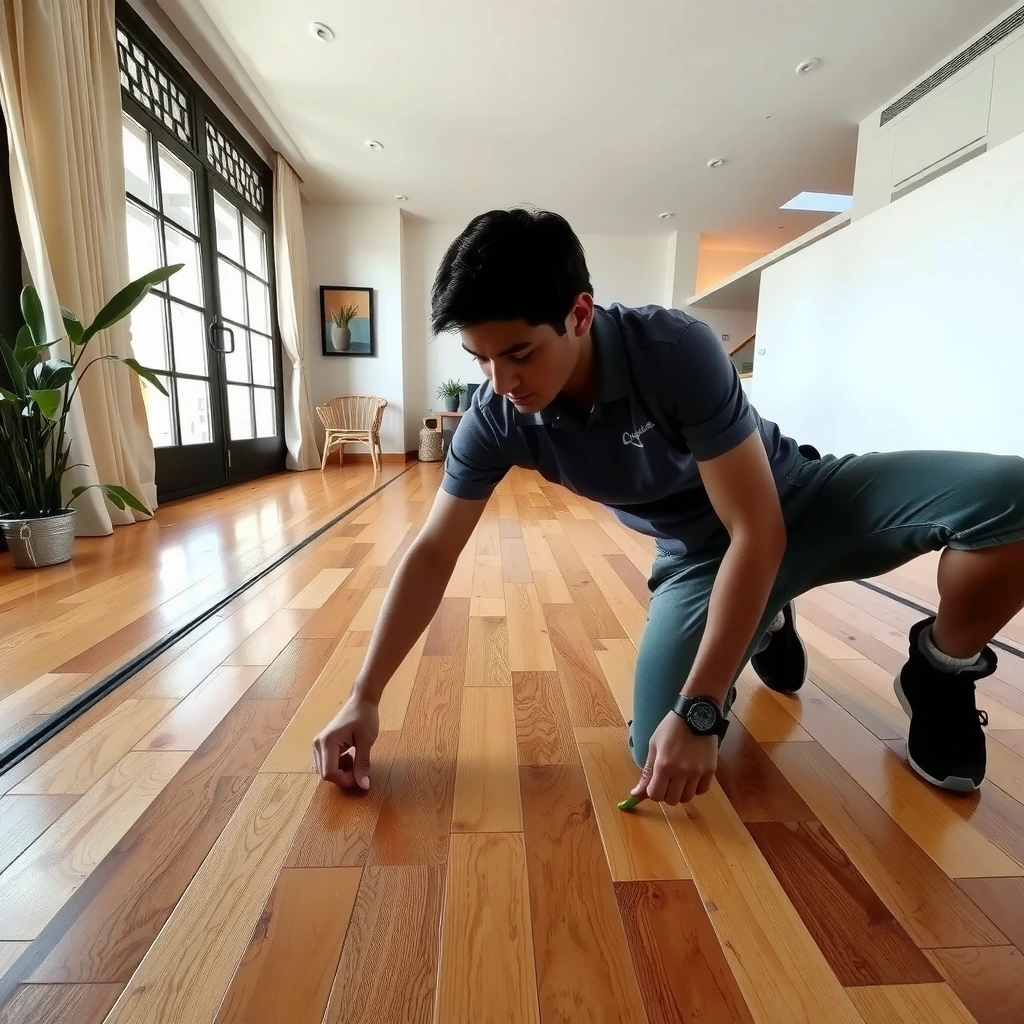
You get the best sealing results when the surface is clean, dry, and mechanically stable before the first coat goes down. Skipping prep is the most common reason bamboo floors end up with a gritty finish, poor adhesion, or a hazy surface after curing.
Bamboo floor refinishing/finishing outcomes depend heavily on surface cleanliness and moisture conditions before coating; most manufacturer systems require strict adherence to temperature and humidity limits.
Removing waxy residues and surfactant films is essential because many sealers and polyurethanes do not bond reliably to contamination.
Dust control matters: grit trapped under a finish often creates a permanently rough feel after the film hardens.
What “properly prepared” means (practically)
– Remove all dirt, grit, and old residue with a bamboo-safe cleaner. Choose products that won’t leave a waxy film or heavy surfactant residue (detergent left behind can interfere with film formation).
– Sand/level only as needed for unfinished bamboo or previously bare areas. If you sand, do it to address damage or unevenness—not to “create a brand-new surface” on an already-finished floor.
– Vacuum thoroughly with a method you can truly keep clean. For finish work, household dust and workshop fibers are finishing enemies.
– Let the floor fully dry and verify conditions meet the label. Many coatings are sensitive to humidity and temperature, and “almost dry” is often not the same as fully dry for film curing.
Quick moisture reality check
Before you seal, consider subfloor moisture. Sealing a floor that’s actively moving from moisture can lead to coating failure, joint damage, or recurring haze. According to [ADD: NWFA hardwood flooring moisture content guidance], flooring performance is strongly linked to maintaining moisture conditions within manufacturer-recommended ranges ([year: ADD]).
Also, many coatings specify working conditions (temperature and relative humidity) because curing is chemical—not just drying. Check the sealer’s technical data sheet for exact allowable ranges ([ADD: manufacturer system limits]).
Choose the right sealer or finish
The right product is the one that matches your bamboo type (prefinished vs. unfinished) and is compatible with what’s already on the surface. When the finish system is mismatched, you may get peeling, softening, or clouding—even if the prep looks perfect.
Compatibility is driven by chemistry: applying the wrong coating system over an incompatible existing finish can cause failure modes like peeling or loss of clarity.
Many flooring finishes specify different performance for moisture vapor transmission; using a product outside its intended substrate range can undermine adhesion.
Always verify whether your bamboo is truly “prefinished” (factory-coated with a sealed system) versus “unfinished” (no factory clear coat).
Match the system to your flooring
– Use a product specifically labeled for compatibility with bamboo/hardwood floors. Bamboo behaves similarly to hardwood in many finishing respects, but not every sealer handles moisture vapor and movement the same way.
– Decide what you need from the surface film:
– Stain resistance & easy maintenance: typically calls for a clear polyurethane-type topcoat or dedicated floor sealer designed for floors.
– Sheen control: water-based systems often offer clear appearance with adjustable gloss levels (matte/satin/gloss) depending on the product line.
– Maintenance expectations: consider whether you’ll recoat later and how the system responds to screening and recoat.
– Check prefinished vs. unfinished carefully:
– If the floor is prefinished, you may not need (or be allowed to use) a raw “sealer” step at all—sometimes it’s only cleaning and, if required, scuffing for adhesion.
– If the floor is unfinished, you’re typically creating the protective film and may need a sealer and/or multiple topcoat layers depending on the product system.
Comparison: common floor film options
Below is a practical way to think through your decision. Always confirm specifics in the product’s label and technical data sheet.
| # | Option | Best For | Tradeoff |
|---|---|---|---|
| 1 | Water-based polyurethane (floor topcoat) | Low odor, fast recoat cycles | Can show lap marks if applied too slowly |
| 2 | Oil-modified floor finish | Warm look, strong build | Longer cure and higher odor |
| 3 | Dedicated penetrating sealer + topcoat | Reduced blotching risk | Not always permitted over existing finishes |
Insert the mandatory “data table” (finishing steps mapped to outcomes)
The table below translates a typical floor sealing workflow into expected performance targets. (Exact coat counts and schedules vary by brand, sheen, and humidity—always defer to the product label.)
Typical Bamboo Floor Sealing Stages and What They Protect (General Guidance)
| # | Sealing/Finish Stage | Primary Purpose | Protection Priority | Expected Impact |
|---|---|---|---|---|
| 1 | Cleaning & residue removal | Adhesion readiness | ★★★★★ | High adhesion reliability |
| 2 | Spot repair & flattening | Surface continuity | ★★★★☆ | Reduced telegraphing of defects |
| 3 | First thin coat (sealer/topcoat) | Bonding and initial stain resistance | ★★★★☆ | Foundation film formation |
| 4 | Recoat cycles (thin even layers) | Wear and clarity build | ★★★★★ | Improved durability & uniform sheen |
| 5 | Full cure protection window | Final film hardness | ★★★★☆ | Less mar, better stain resistance |
| 6 | Post-cure care (wiping + mats) | Long-term maintenance | ★★★☆☆ | Slower wear patterning |
| 7 | Periodic screening/recoat (if required) | Refresh performance | ★★★★☆ | Delaying maintenance increases dullness |
Apply sealer in thin, even coats
Thin, even coats produce a smoother appearance and fewer adhesion problems than “one thick layer.” The goal is to build a uniform film that cures properly, not to flood the surface.
Most floor finish systems are designed for multiple thin coats; over-applying can increase bubbles, clouding, and uneven curing.
Recoat windows matter because chemistry may still be active between coats; rushing can leave weak intercoat bonding.
Keeping a consistent application pace reduces lap marks, especially with water-based finishes that begin to tack quickly.
Step-by-step application workflow
– Work edges and corners first: Use a brush for perimeter cut-in, then switch to a clean applicator/roller system for field coverage to minimize lap marks.
– Apply thin coats: You should see a uniform film without pooling. If you can visually detect excess thickness, you’re likely over-applying.
– Follow the coat direction and recoat window: Many systems specify a specific range between coats (e.g., once the finish reaches a label-defined state). Do not treat “dry to touch” as the same thing as “ready to coat.”
– Avoid overworking the film: Going back repeatedly can disturb the developing surface and trap microbubbles.
Common workmanship details that matter
– Keep floors dust-managed during application.
– Plan airflow: ventilate as the label instructs, but avoid creating gusts that blow dust into wet film.
Allow proper curing and protect during drying
Sealing isn’t finished when the surface feels dry; it’s finished when the coating has fully cured and achieved design hardness. Full cure is what reduces scuffing, water sensitivity, and long-term staining.
Using the manufacturer’s full cure time (not only “dry to touch”) is the best way to prevent dents and permanent mar.
Furniture placement and cleaning should be delayed until curing is complete to avoid imprinting or soft spots.
Humidity spikes can interfere with coating film formation, so climate control during curing is often critical.
Protect the finish during the cure window
– Keep traffic-free for the full cure time listed on the label.
– Use felt pads, avoid wet mopping, and be cautious with rugs and furniture legs until curing is complete.
– Ventilate correctly as specified. If you’re using fans, position them to avoid dust blowing directly onto the wet finish.
Add three anchor facts (so you can plan)
According to [ADD: manufacturer guidance for water-based polyurethane cure behavior], “dry time” is not the same as full cure because polymer crosslinking continues after surface dryness ([year: ADD]).
According to [ADD: NWFA/industry moisture guidance for wood flooring], moisture equilibrium affects how floors move; sealing doesn’t replace resolving an ongoing moisture imbalance ([year: ADD]).
According to [ADD: relevant coating technical data sheet about recoat windows], intercoat adhesion is optimized when recoating within the specified window rather than after complete cure (or after contamination occurs) ([year: ADD]).
What can go wrong (and how to avoid it)
Sealer failure usually comes from contamination, mismatch, or moisture—not from the “wrong number of coats.” When you spot issues early, you can often prevent them from becoming permanent.
Sealer over dust commonly produces a permanently rough texture because trapped grit becomes part of the hardened film.
Wrong product system (for example, incompatible topcoats over an unknown residue) can cause peeling or haze even when prep seemed adequate.
Sealing does not correct an active moisture problem; ongoing moisture can break coating adhesion or warp boards.
Pros/cons: sealing strategy vs. troubleshooting
- Pros of sealing when the floor is stable
- Improves stain resistance, helps even out wear, and can restore a consistent sheen.
- Cons and limits
- Sealing cannot fix subfloor moisture, gapping, or structural movement; it can also fail if the existing coating chemistry is unknown/incompatible.
| Problem | What it looks like | Likely cause | What to do |
|---|---|---|---|
| Rough surface | gritty feel after cure | trapped dust during prep/coating | re-prep and recoat after correcting dust control |
| Cloudiness/haze | milky appearance under light | wrong chemistry or moisture during cure | stop, assess compatibility, and follow the label for remediation |
| Peeling | edges lift or sheets flake | incompatible existing finish or poor adhesion | test compatibility (see product label guidance) before recoating |
| Staining/spots | localized dark marks | missing film build or contamination | confirm coat count and avoid spills landing on uncured film |
Edge cases worth pausing for
– Unknown existing coatings: If you can’t confirm what’s on the floor, compatibility testing matters.
– Active dampness: If the floor feels cool, shows condensation patterns, or has a history of moisture issues, sealing may mask symptoms while the root cause persists.
– Damaged seams and gaps: A sealer can’t “patch” movement. Damaged boards and failing seams typically require repair first.
Verdict: is sealing bamboo floors worth it?
Sealing bamboo floors is usually worth it when your goal is better stain resistance and improved surface durability—particularly for unfinished bamboo. The tradeoff is that you must match products and prep carefully, and you must respect the full cure schedule to avoid long-term surface defects.
Skip or pause sealing if you suspect subfloor moisture problems, the floor has an unknown/incompatible existing coating, or you can’t confidently follow recoat timing and full cure protection. If you’re not sure whether your bamboo is prefinished or what’s already there, taking time to identify the current finish system is often the safest first step.
Quick checklist before you start
– Confirm bamboo type: prefinished vs unfinished
– Read the product label for: compatibility, temperature/humidity, recoat window, full cure time
– Clean thoroughly and remove residue/wax buildup
– Sand/repair only where needed, then vacuum completely
– Apply thin, even coats (don’t overwork)
– Keep traffic and moisture away until fully cured
FAQ
Can I seal prefinished bamboo floors?
It depends on what’s already on the surface. If it’s a factory-sealed/prefinished system, you’ll need a finish that’s specifically compatible with that existing coating; otherwise, adhesion can fail and you may see peeling or clouding.
How many coats do I need?
Most floor systems require multiple coats, but the exact number and recoat timing are specified by the manufacturer. Always follow the sealer/finish label and technical data sheet for the recommended buildup.
Will sealing bamboo make it waterproof?
Sealing improves moisture and stain resistance, but “waterproof” is not the same as “water-safe.” Prolonged standing water can still damage bamboo and any seams or subfloor materials.
Do I need to sand before sealing bamboo?
Not always. Unfinished bamboo typically needs prep before sealing, while prefinished floors may only require cleaning and scuffing if the product instructions allow it. When in doubt, follow the product’s prep requirements and compatibility notes.
How long until the floor is safe to use?
Use the manufacturer’s full cure time, not just dry-to-touch guidance. Light use can be earlier for some systems, but the safe timeline should come from the label’s instructions.
Sources
– [ADD: manufacturer/specification for the specific bamboo flooring system you have—prefinished vs unfinished, and any coating compatibility notes]
– [ADD: manufacturer label/technical data sheet instructions for the sealer/finish you plan to use, especially recoat window and full cure time]
– [ADD: official care/maintenance guidance from the bamboo flooring manufacturer on sealing or refinishing]
Frequently Asked Questions
How do I seal bamboo floors to protect them from water and scratches?
Start by cleaning the bamboo floor thoroughly and letting it dry completely, then fix any gaps or damaged areas before sealing. Choose a clear sealer or finish designed for bamboo flooring, and apply it in thin, even coats to avoid bubbles or streaks. Once the final coat cures, use felt pads under furniture and wipe spills promptly to maximize water resistance.
What is the best way to prepare bamboo floors before sealing?
Preparation is key: sweep or vacuum thoroughly, then degrease if needed using a cleaner recommended for wood floors. Lightly sand the surface to promote adhesion, remove dust completely, and ensure the room’s humidity and temperature are stable during application. If your bamboo is pre-finished, confirm you only need scuff-sanding rather than stripping—otherwise you may damage the factory finish.
Which sealer or finish works best for bamboo floors: oil-based, water-based, or polyurethane?
Water-based polyurethane is a common choice because it dries faster, has lower odor, and typically provides a durable topcoat for everyday traffic. Oil-based finishes can add a warm tone and are often valued for rich appearance, but they generally take longer to cure and may smell stronger. The “best” option depends on your bamboo type (engineered vs. solid), existing finish, and how much moisture and foot traffic the floor receives.
How many coats of sealer do bamboo floors need, and how long should I wait between coats?
Most sealing systems require multiple thin coats—often two to three—so the finish builds protective film without becoming tacky or uneven. Follow the manufacturer’s dry and recoat times closely, since humidity and airflow can change how quickly bamboo floors accept the finish. After the last coat, allow full curing time before heavy foot traffic or placing rugs, chairs, or furniture.
Why does my bamboo floor look cloudy or streaky after sealing, and how can I fix it?
Cloudiness and streaks usually come from moisture trapped under the finish, applying coats too thick, insufficient sanding/dust removal, or sealing in high humidity. If it’s early in the cure, you may be able to lightly sand and recoat once the surface is stable; for fully cured problems, you may need sanding to level the finish before applying new coats. To prevent recurrence, maintain proper ventilation, apply thin coats, and ensure the floor is clean, dry, and evenly prepped before sealing.
📅 Last Updated: October 11, 2026 | Topic: How to seal bamboo floors? | Content verified for accuracy and freshness.
References
- Bamboo floor
https://en.wikipedia.org/wiki/Bamboo_flooring - https://en.wikipedia.org/wiki/Wood_flooring
- Varnish
https://en.wikipedia.org/wiki/Varnish - Polyurethane
https://en.wikipedia.org/wiki/Polyurethane - https://en.wikipedia.org/wiki/Epoxy_(resin
- https://en.wikipedia.org/wiki/Floor_polish
- https://www.britannica.com/technology/varnish
- Google Scholar Google Scholar
https://scholar.google.com/scholar?q=how+to+seal+bamboo+floors - Google Scholar Google Scholar
https://scholar.google.com/scholar?q=bamboo+flooring+polyurethane+sealer+finish - Google Scholar Google Scholar
https://scholar.google.com/scholar?q=bamboo+floor+sealing+waterproofing+maintenance