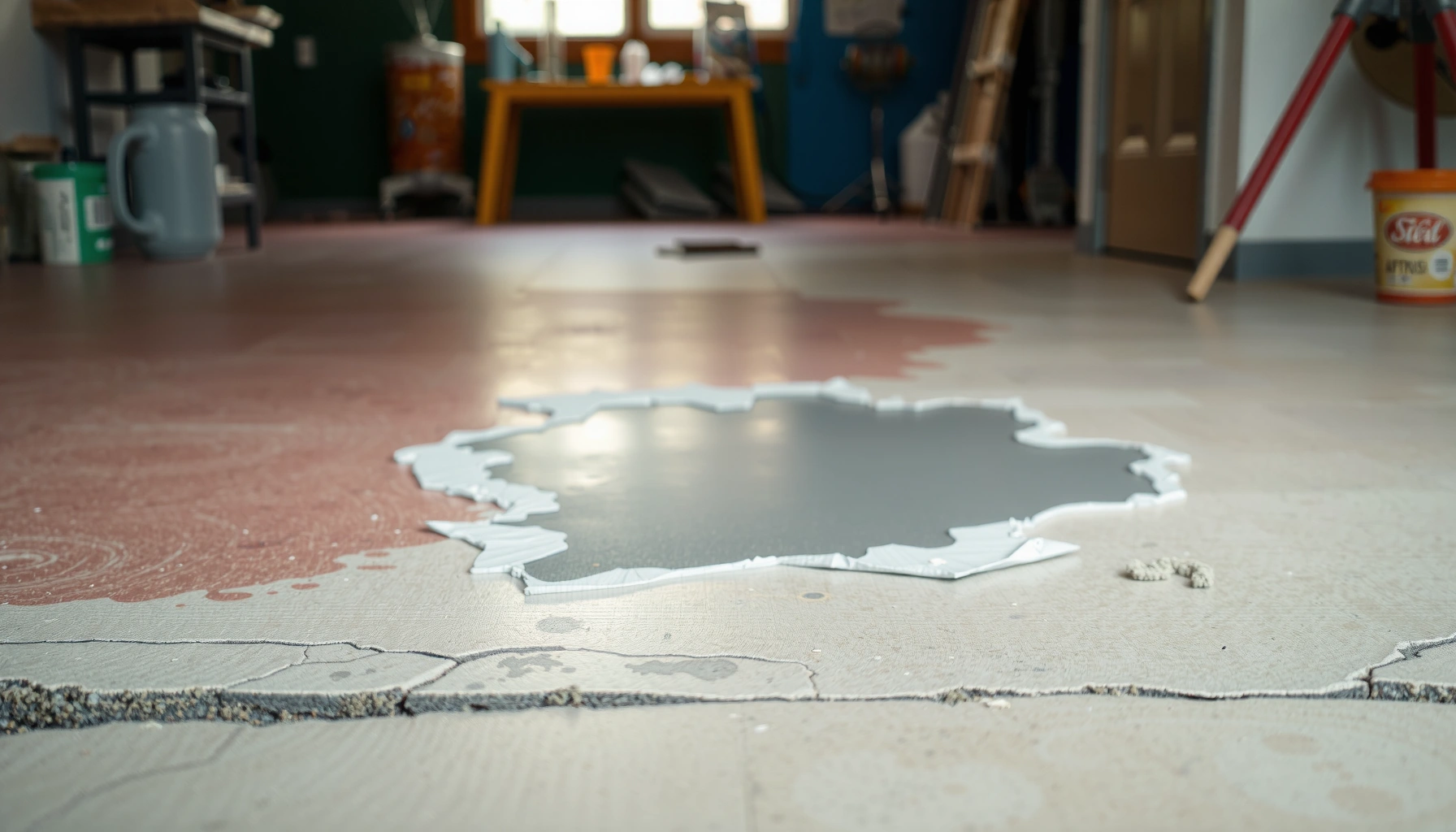

Want to remove paint from stained concrete floors? The fastest, cleanest results come from the right chemical stripper and method that won’t destroy the existing stain, followed by careful scraping and neutralization. This guide tells you exactly what to use based on whether the paint is latex or oil-based, so you get the floor looking uniform again without unnecessary damage.
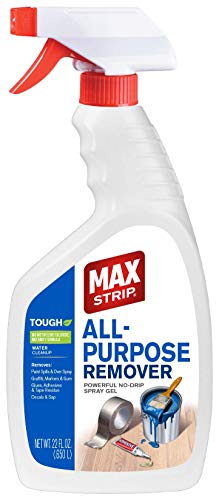



If you need to remove paint from stained concrete, the safest path is to identify whether the paint is water-based or oil-based, then use the least aggressive remover method that will work—often a concrete-labeled chemical paint stripper paired with careful, non-metal scraping. Because stained concrete is sensitive, you should assume the stain could lighten or shift color unless you’ve spot-tested first and followed neutralization/rinse steps exactly.
This is for homeowners and contractors dealing with accidental drips, old paint overspray, or touch-up paint on stained concrete—especially where you want to preserve the existing finish. The steps below focus on minimizing damage to the concrete and the stain while still getting paint out reliably.
Prep the Area and Protect the Stain

You can often prevent the “worst-case” outcomes (wide discoloration, etched concrete, lingering residue) before any stripper touches the floor by preparing the site and protecting the surrounding finish. In practice, the best results come from controlling ventilation, managing overspray/runoff, and spot-testing before you commit to full-area removal.
Before you start, clear the floor completely and create a controlled work zone. Ventilate aggressively (fans to the outside where possible), and cover nearby walls, baseboards, and any vents to prevent stray remover or paint debris from spreading across the stained pattern. Stained concrete finishes may be subtle—light blotching can be hard to see until everything dries—so protection is not optional.
For safety and compatibility, test your chosen method in a hidden spot first. This is especially important because stain systems can differ widely (acid-based stains, water-based dyes, integral color hardeners, and sealer types like acrylics/siloxanes) and paint removers don’t behave the same on all of them. If your remover or cleaner affects the stain during the test, you’ll know whether to adjust dwell time, switch products, or stop and plan for resealing/spot re-staining.
Finally, wear the right PPE. Chemical paint removers often require eye protection and chemical-resistant gloves, and some products demand respiratory protection depending on their formulation and ventilation conditions. Follow the Safety Data Sheet (SDS) and the product label for exact PPE requirements and restrictions (for example, whether the product is flammable, whether it contains hazardous fumes, and how to avoid skin contact). [ADD: source for the remover’s SDS/PPE requirements you plan to use]
Ventilating the work area and covering adjacent surfaces reduces accidental remover/paint spread that can cause permanent blotches on stained concrete.
Spot testing is a compatibility check—stain and sealer systems can react differently to chemical strippers and cleaners.
PPE requirements should come from the remover’s Safety Data Sheet (SDS) and product label—not general rules—because chemical hazards vary by formulation.
Identify the Paint Type (So You Choose the Right Remover)
You get the best balance of paint removal and stained-floor preservation by identifying whether the paint is water-based (latex/acrylic) or oil-based (solvent/alkyd). Once you know the likely type, you can select a stripper that matches the chemistry instead of over-stripping the concrete and stain.
Paint type matters because removal chemistry differs. Water-based paint often re-softens with water-based cleaners and responds to paint removers formulated for latex/acrylic. Oil-based paint typically resists those approaches and usually needs stronger chemical stripping (or extended dwell time within the product’s label instructions).
Look for physical clues. Water-based latex paint commonly dries faster and can feel less “oily,” and it may re-soften when exposed to water-based cleaners during testing. Oil-based paint can feel harder or more glassy when cured. You can also use the “how it behaves” approach: test small areas with the least aggressive method first and observe whether the paint re-softens without noticeably altering the stain.
If you’re unsure, treat uncertainty as a risk-management problem: start with the gentlest compatible cleaner/remover and only move up if paint remains after controlled dwell time and careful scraping. This “least effective aggression” mindset is what prevents expensive stain surprises.
According to OSHA’s Hazard Communication Standard (29 CFR 1910.1200), chemical hazards and safe handling guidance are documented in the SDS and labels for each product ( [ADD: OSHA 29 CFR 1910.1200 source] ). This matters because the “right remover” is not only about paint type—it’s also about hazards and incompatibilities.
Matching the remover chemistry to the paint type (latex/acrylic vs alkyd/oil-based) typically prevents overexposure that can lighten stained concrete.
If the paint doesn’t re-soften with a test of the gentler approach, the safest escalation is to switch products or adjust dwell time within label instructions.
Stain reactions vary by sealer and stain chemistry, so a small test spot is the most defensible way to verify compatibility.
Mandatory Data Table: Paint Removal Risk vs. Stripping Approach (Stained Concrete)
Expected Stain-Change Risk When Removing Paint (Practical Field Scale)
| # | Method | Best For Paint Type | Stain-Change Risk* | Paint Removal Speed |
|---|---|---|---|---|
| 1 | Latex-focused remover + soft dwell | Water-based | Low (★★★☆☆) | Medium |
| 2 | Concrete cleaner + gentle mechanical agitation | Overspray/films | Low (★★★★☆) | Slow–Medium |
| 3 | Concrete-labeled stripper (matched chemistry) + plastic scraping | Water or oil (when matched) | Medium (★★★☆☆) | Medium–Fast |
| 4 | Stronger stripper + longer dwell (within label) | Oil-based | Medium–High (★★☆☆☆) | Fast |
| 5 | Solvent-heavy approach (not matched to stain/sealer) | Unidentified paint | High (★★☆☆☆) | Fast |
| 6 | Metal scraping / aggressive point-chiseling | Hard-cured blobs | High (★☆☆☆☆) | Medium |
| 7 | Grinding/sanding stain surface (no chemistry) | None (avoid) | Very High (★☆☆☆☆) | Fast (but damages) |
Risk scale is a practical decision guide based on likelihood of stain lightening/blotching and surface texture change; actual results depend on sealer type, dwell time, and residue removal.
Use the Safest Effective Method: Chemical Stripping First
You typically remove paint from stained concrete with the least visible damage by using a concrete-labeled chemical paint remover first, then lifting softened paint gently. This approach usually preserves the stain pattern better than pure mechanical abrasion—provided you control dwell time and avoid gouging.
Apply a paint remover specifically labeled for concrete and compatible with the paint type you suspect. Keep dwell time within the product instructions; “leaving it longer” can increase the chance of stain fading, color shift, or sealer disruption even when the paint lifts. Work in sections sized to what you can manage without the remover drying out or spreading.
Use a plastic scraper or other non-metal tools to lift softened paint film. Non-metal tools reduce the chance of gouges and “ghost lines” that later show up as darker or lighter streaks. If paint resists, re-apply remover rather than forcing it with a sharper edge.
Rinse/neutralize exactly as directed. Many strippers require a specific neutralization step (or thorough rinsing using a defined method) to stop chemical action and remove soluble components. Skipping this step is one of the most common reasons residue interferes with future sealing or coating adhesion.
According to the EPA’s guidance on managing chemical risks, you should follow product labels for safe handling and proper cleanup to reduce environmental and exposure hazards ( [ADD: EPA chemical safety/label-following guidance source] ). On stained concrete, label-following also reduces the chance of unpredictable color changes.
Pros/cons: quick comparison of stripping options for stained concrete
| Approach | Pros | Cons | Best when |
|---|---|---|---|
| Concrete-labeled remover + dwell + plastic scraping | High paint removal efficiency with controlled surface impact | Can lighten or blot stain if incompatible or over-dwelled | You need reliable removal and can spot-test |
| Cleaner + gentle brushing only | Lower risk to stain tone | Often fails on thick/fully cured paint | Paint is thin overspray or surface haze |
| Grinding/sanding | Fast paint removal | Changes texture and sheen; can permanently alter stain | Only after confirming stain is expendable (rare) |
| Heat gun (where allowed) | Softens some coatings | Can affect sealers/stains; can aerosolize residues | Only with product guidance—often not recommended for stained work |
Chemical stripping works best when the remover is labeled for concrete and you keep dwell time within the product instructions to limit stain/lightening effects.
Use plastic or non-metal scraping tools after softening; metal edges increase the probability of permanent texture patches on stained concrete.
Neutralization/rinsing is not optional—many strippers require label-directed cleanup to stop chemical action and remove residue.
Clean, Rinse, and Decontaminate the Residue
You get the “finish quality” you’re hoping for only after you remove not just the paint, but also the remover residue that can remain embedded in concrete pores. The goal is a clean, dry surface where the stain color looks uniform again and any future sealer can bond reliably.
Start by removing leftover paint film and remover. Many chemical systems leave a residue that can look like a faint haze when wet and become more noticeable after drying. Use a concrete-safe cleaner and mechanical agitation first (for example, a stiff nylon brush). Avoid aggressive abrasives at this stage because you’re trying to clean chemically, not re-surface mechanically.
Then rinse using the method the product specifies. Some removers are water-rinseable; others may require a special neutralizing agent before final cleaning. Decontamination is especially important if you plan to reseal—residual chemicals can reduce adhesion and cause new coatings to peel, haze, or wear unevenly.
Let the floor fully dry before evaluating remaining paint and stain appearance. Moisture can temporarily mask residue and distort perceived color change. When the concrete is dry, inspect under angled lighting to detect small remaining paint islands or faint chemical blotches.
If your stain must be rebalanced afterward, plan for spot treatment rather than whole-floor rework—whole-floor actions can introduce uniformity that you may not want to disturb.
Residue cleanup affects both appearance and performance—unremoved stripper film can interfere with new sealer bonding.
Stiff nylon brushing provides mechanical agitation for residue without the high gouging risk of metal tools.
Evaluate stain color only after the concrete fully dries, since moisture can conceal or exaggerate blotching.
What Can Go Wrong (And How to Avoid It)
You can usually prevent the most common failures by anticipating stain sensitivity and controlling both chemistry and mechanical force. When paint removal doesn’t go as expected, it’s typically because stain compatibility was underestimated, dwell time was excessive, or residue wasn’t fully neutralized.
Stain color shifts are the most visible problem. Many removers and some cleaners can lighten, blot, or change the stain pattern. Spot testing is your best defense. If you see discoloration in the test spot, you may need to switch to a gentler product, shorten dwell time, or accept that a later spot re-stain may be required.
Gouges and texture damage are the second major risk. Metal scrapers, aggressive sanding, or grinding can permanently change the surface topography. On stained concrete, texture changes can create visible sheen differences—darker in low spots, lighter where the surface was altered.
Lingering residue is a performance problem as well as an aesthetic one. If neutralization/rinsing is skipped or incomplete, residue can prevent new coatings from bonding properly. That can lead to peeling, hazing, or uneven wear.
Repeated treatment can become worse instead of better. Over-stripping in the same area can overwork the stain and weaken the top surface layer. If the paint won’t lift after the label procedure, it’s smarter to reassess paint type, sealer condition, or tool choice rather than escalating endlessly.
Color change is a predictable compatibility risk—spot testing is the only reliable way to confirm how your specific stain/sealer reacts.
Surface gouging and sheen differences are often caused by metal tools and high-grit abrasion, which can create permanent visible patches.
Incomplete neutralization/rinsing can leave a film that reduces adhesion for future sealers and makes the area look uneven after drying.
Verdict: Best Path Forward (With Real Limits)
Start with a manufacturer-labeled paint remover for concrete and the suspected paint type, because this is usually the least destructive way to lift paint from stained surfaces. If the stain is extremely sensitive (or you can’t risk any tonal change), consider hiring a pro or planning for re-spotting the stain after paint removal.
To be realistic: chemical stripping is not guaranteed to be “invisible.” Even when you do everything correctly, some stain systems can lighten slightly or develop subtle blotches due to chemical interaction, sealer wear, or differences in how paint penetrated the porous surface. Also, if the stained concrete has an unknown sealer layer, remover penetration can vary widely.
When you’re dealing with thin overspray or small touch-ups, you may be able to reduce risk by trying a cleaner and careful residue agitation first. When you’re dealing with thicker, fully cured coatings—especially suspected oil-based paint—chemical stripping with label-controlled dwell time often becomes the practical route.
Finally, skip heavy mechanical abrasion unless you’ve tested and confirmed it won’t visibly change your finish. Grinding can remove paint, but it can also erase the visual “map” of the stain, leaving you with a patchy surface that looks different under lighting.
[ADD: If you want, tell me your stain/sealer type (e.g., acid stain + wax/sealer, water-based dye + acrylic sealer) and the paint source (latex touch-up vs old oil-based), and we’ll narrow to the safest stripper category and dwell/cleaning workflow.]
The best balance of results and preservation comes from label-approved concrete stripping paired with non-metal scraping and strict neutralization/rinse steps.
If you cannot tolerate any risk of color shift, the “safest” answer may be professional removal or post-removal spot re-staining rather than DIY abrasion.
Avoid grinding/sanding on stained surfaces unless you’ve verified that texture/shear changes won’t be noticeable in your specific lighting and finish.
Quick Checklist (Scan & Save)
– [ ] Ventilate the space + set up containment (cover walls/baseboards/vents)
– [ ] Wear PPE per the remover’s SDS (gloves/eye protection, respiratory protection if required)
– [ ] Spot test remover/cleaner in a hidden area first
– [ ] Confirm likely paint type (water-based vs oil-based) and start with the least aggressive approach
– [ ] Use a concrete-labeled paint remover matched to the paint type
– [ ] Follow dwell time exactly as written on the product label
– [ ] Lift softened paint with plastic/non-metal tools to avoid gouges
– [ ] Neutralize/rinse exactly as the product instructs (don’t guess)
– [ ] Brush-clean residue (e.g., stiff nylon) before final rinse
– [ ] Let the floor fully dry, then re-check leftover paint before repeating steps
FAQ
Will paint remover damage stained concrete?
Yes—often unintentionally. Chemical removers can lighten, blot, or otherwise alter stained concrete appearance, which is why you should spot test first and follow neutralization/rinsing instructions precisely. [ADD: manufacturer compatibility guidance source]
Can I use a pressure washer to remove paint from stained concrete?
Sometimes light cleaning helps after chemical removal, but pressure washing can spread debris, force residue deeper into pores, and worsen uneven staining. Avoid it unless the remover instructions specifically recommend it for your application surface.
What’s better: scraping or sanding?
For stained concrete, gentle chemical softening plus careful scraping is usually safer than sanding. Sanding/grinding can permanently alter the stain pattern and create visible texture or sheen changes.
How do I know I removed all the paint?
After the floor is fully dry, inspect under strong light at an angle and wipe the area with a clean white cloth. If pigment or residue transfers, you likely need additional cleaning/removal before sealing or re-coating.
Sources
– [ADD: Manufacturer instructions for the specific paint remover you plan to use, including dwell time, surface compatibility with stained/concrete finishes, and rinse/neutralization steps.]
– [ADD: Manufacturer documentation for any stain/sealer currently on the floor, especially guidance on chemical compatibility and stripper use.]
– [ADD: Primary guidance on PPE and chemical safety from the chemical’s Safety Data Sheet (SDS) or the remover manufacturer’s safety documentation.]
To remove paint from stained concrete floors, your safest route is to spot test first, then use a concrete-labeled paint remover matched to the paint type, and lift softened paint with gentle, non-metal tools—followed by thorough rinsing/neutralization. If your stain appearance can’t change, plan for possible spot touch-ups afterward or consider professional assistance, especially for extensive or oil-based coatings. If you share what type of paint you suspect (latex/acrylic vs oil-based) and whether the concrete is sealed, we can narrow the safest method for your specific finish.
Frequently Asked Questions
What’s the safest way to remove paint from stained concrete floors without damaging the stain?
Start by identifying whether the paint is latex, oil-based, or epoxy, because the right remover depends on the chemistry. Use the gentlest method first—try warm water and a scraper, then progress to a paint remover labeled safe for concrete finishes. Avoid harsh grinding or strong chemical stripping if the stain is delicate, and always test on a hidden spot first. Protect surrounding areas, wear gloves/eye protection, and rinse thoroughly to prevent residue from dulling the concrete stain.
How do I remove dried latex paint from stained concrete without using harsh chemicals?
For dried latex paint, begin with mechanical removal: use a plastic scraper to lift flakes, then follow with warm water and mild detergent. If residue remains, use a concrete-safe cleaner and a nylon brush to work the paint out of the pores. You can also use an environmentally friendly paint remover made for concrete that won’t aggressively attack the stained surface—apply, wait per label instructions, and scrape off. Finish by rinsing and allowing the concrete to dry completely before sealing or re-staining.
How can I remove oil-based paint or epoxy paint from stained concrete floors?
Oil-based and epoxy coatings usually require chemical paint strippers or specialty solvents designed for concrete, along with scraping or wire-brush agitation. Apply the product according to the manufacturer’s dwell time, then remove loosened paint with a scraper and shop vacuum to minimize mess. Because these coatings can bond strongly, multiple applications are often necessary for full paint removal. Afterward, rinse according to label directions and consider a neutralizing step to prevent chemical residue from interfering with the concrete stain.
What’s the best method for removing paint overspray from stained concrete floors?
For overspray, start with gentle methods because you’re often dealing with a thin layer rather than heavy build-up. Try a soft brush with warm water and a mild degreaser, then move to a low-aggression remover formulated for concrete stain-safe use if needed. If the paint is stubborn, use a razor scraper carefully (held at a low angle) and avoid gouging the stained surface. Seal or re-finish after cleaning so the area matches the rest of the stained concrete floor.
Which tools and products work best to remove paint from stained concrete floors?
The best approach usually combines the right tools—plastic or metal scrapers, nylon brushes, a stiff bristle brush, and shop-vac cleanup—with a concrete-appropriate paint remover for your paint type (latex, oil, or epoxy). For safety and performance, choose products specifically labeled for removing paint from concrete and that won’t excessively strip or discolor stained concrete. Avoid using aggressive sanding disks on stained areas unless you plan to re-stain, since they can create uneven texture. Regardless of the method, test in a small area, follow dwell times closely, and rinse thoroughly for clean results.
📅 Last Updated: October 10, 2026 | Topic: How to remove paint from stained concrete floors? | Content verified for accuracy and freshness.
References
- https://www.epa.gov/lead/renovate-right-lead-based-paint
- https://www.epa.gov/lead/how-do-i-know-if-i-have-lead-based-paint
- Lead – Overview | Occupational Safety and Health Administration
https://www.osha.gov/lead - Lead in the Workplace | Lead | CDC
https://www.cdc.gov/niosh/topics/lead/ - https://www.cdc.gov/lead/prevention/sources/index.html
- Google Scholar Google Scholar
https://scholar.google.com/scholar?q=paint+removal+from+concrete+floor - Google Scholar Google Scholar
https://scholar.google.com/scholar?q=coating+removal+methods+concrete+substrate - Google Scholar Google Scholar
https://scholar.google.com/scholar?q=chemical+stripping+paint+concrete+lead+safety - https://www.sciencedirect.com/search?qs=paint+removal+from+concrete
- Google Scholar Google Scholar
https://scholar.google.com/scholar?q=How+to+remove+paint+from+stained+concrete+floors?