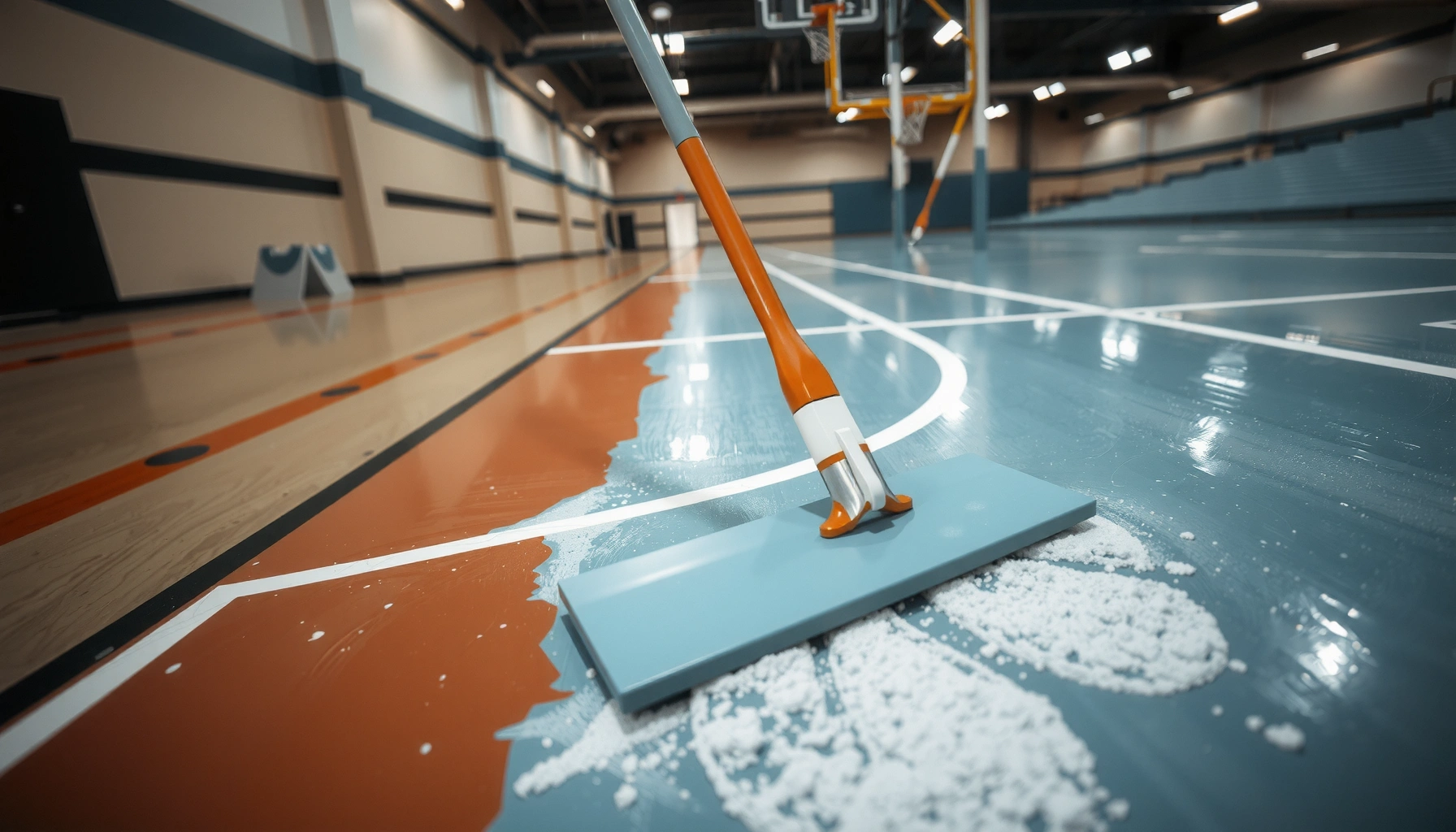

Want to know how to remove paint from gym floors fast and safely? Use the method that matches the paint type: for most fresh spills, scraping plus a commercial paint remover works quickest, while older, thick coatings often require chemical stripping followed by pressure washing to fully lift residue. Skip harsh abrasives unless you’re ready to refinish—on rubber and coated gym surfaces, they can cause permanent damage.


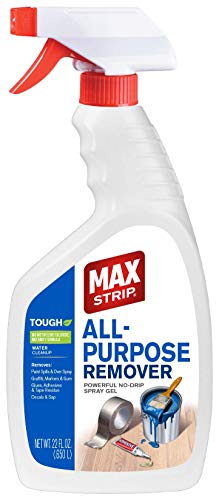

If you need to remove paint from gym floors, the safest approach is to identify the flooring material first, then use the least aggressive method that will work (often chemical stripper or paint remover, followed by gentle scraping). Start by testing a small hidden spot, protect the surrounding area, and avoid harsh grinding that can damage the surface finish.
This guide is for gym owners, facility managers, and contractors dealing with touch-up paint, overspray, or old painted markings on rubber, vinyl, epoxy-coated, or sealed concrete floors—especially when you want it done without wrecking traction or appearance.
Confirm your gym floor type (this determines the method)

Chemical removal works best when the flooring chemistry matches the remover chemistry. The fastest path to a clean result is confirming whether your surface is rubber flooring, vinyl, sealed concrete, or an epoxy/urethane coating before you apply anything.
Paint removal behavior changes dramatically depending on whether the paint sits on top of a film (common on sealed concrete or coated floors) or bonds into/around the floor’s microtexture (common with older coatings and worn elastomers). That’s why “start gentle” is not just a best practice—it’s the difference between lifting paint cleanly and permanently dulling or damaging traction.
“When a surface is sealed or coated, paint removal is typically about breaking the film bond; when a surface is elastomeric (rubber/vinyl), the same chemistry can swell or soften the floor.”
“The safest first step on unknown gym flooring is a compatibility test in a concealed area to confirm the paint lifts without hazing or discoloration.”
“Chemical paint removers are formulated for specific surfaces; using them outside the label can cause topcoat loss, staining, or residue.”
– Check whether the surface is rubber flooring, vinyl, sealed concrete, or epoxy/urethane coating (look for labels, maintenance records, or manufacturer markings).
– Match the remover choice to the finish: some chemical strippers can dull coatings or swell certain elastomers.
– Test in a small area first to see if the paint lifts without hazing, softening, or discoloration.
As a practical matter, we recommend you treat “rubber” and “vinyl” as different categories even when both feel flexible. Rubber gym tiles and sheet goods are often formulated with elastomeric binders that can respond differently to solvents than vinyl composition tiles.
Quick documentation checks (high value, low effort):
– Floor install specs or maintenance logs (often list the topcoat type, such as polyurethane or urethane system, or whether the concrete is bare, densified, or sealed).
– Facility photos from installation or prior renovations.
– Manufacturer markings on the underside or edge of tiles (if accessible).
– A gentle “water behavior” check: sealed concrete typically beads differently than unsealed porous concrete.
Data anchor: According to the U.S. Occupational Safety and Health Administration (OSHA) Hazard Communication standard, the label/SDS is the primary source for compatible PPE and safe handling (OSHA 29 CFR 1910.1200).
Prepare the area and protect the flooring (do this before anything else)
Preparation is what keeps the job clean and prevents secondary damage. Before any remover touches the floor, you need ventilation, masking, and a controlled work zone.
Most “gym paint removal failures” aren’t failures of chemistry—they’re failures of containment: chips spread, overspray gets re-activated, or residue lands on surrounding traction areas. When you protect the right zones and control the dwell/removal steps, you get repeatable outcomes across multiple spots.
“Chemical removal work should be performed with ventilation and label-directed respiratory protection when required by the product label/SDS.”
“Masking adjacent surfaces reduces re-contamination—chips and remover aerosolized droplets can redeposit on clean floor areas.”
– Ventilate well and mask off nearby surfaces (walls, mirrors, metal rails) to prevent remover or paint chips from spreading.
– Use proper PPE: eye protection, chemical-resistant gloves, and a respirator if the product label requires it.
– Remove debris and clean lightly first so you can see where the paint actually bonds to the floor.
Before you start applying remover:
– Clear equipment and mats from the affected zone so nothing absorbs chemical residue.
– Use painter’s tape and compatible plastic sheeting for walls/rails; avoid masking tape on textured floors if it can pull up rubber texture during removal.
– Lightly sweep and vacuum dust (dry dust can become a slurry when remover lands).
– If there’s grease buildup, address it first with a label-approved cleaner—otherwise you may lift paint unevenly and smear residue.
Safety note (important for gym operations): If the facility is occupied, schedule work during off-hours and control access to prevent athletes from walking through remover residue trails.
Remove paint with the least aggressive option first
You’ll usually get the cleanest, most controllable result by starting with chemical paint remover, then scraping only what lifts. Heat and mechanical methods can work, but they’re more likely to alter surface texture or coating integrity if used broadly.
Think of this as a “ladder” of aggression: chemical loosens the bond; scraping removes what the chemistry has already weakened. Heat can help with certain paint types, but it can also soften adhesives, deform some flooring products, or scorch coatings if you overshoot. Mechanical methods should be last-resort because grinding and aggressive pad work can permanently change slip resistance and wear patterns.
“A gel or chemical paint remover applied to dwell time followed by scraping is often the most controllable approach for film-forming paint on coated/ sealed gym floors.”
“Overuse of grinding or metal-blade scraping can change surface texture and reduce traction consistency across the cleaned area.”
– Chemical paint remover/stripper: apply per the manufacturer’s instructions, allow dwell time, then scrape with a plastic/razor scraper designed for floor surfaces (minimize gouging).
– Heat method (only for specific coatings/paint types): use a controlled heat approach if the label permits, then remove softened paint gently—avoid scorching or melting the flooring.
– Mechanical cleaning (last resort): if paint remains, use a very light technique (e.g., soft brush agitation or low-aggression pads) rather than aggressive grinding.
Choose your remover by bond type (film vs. penetration)
To keep this reliable, distinguish two common scenarios:
1) Paint sits on top of a film (typical for recent markings, overspray, and many line paints on sealed surfaces).
– Chemical remover + dwell + careful scraping is often the best combination.
2) Paint is embedded in texture (more common on older floors, worn traction surfaces, and some aged coatings).
– Expect repeat applications of remover or longer dwell—without escalating to heavy abrasion.
What “repeat without wrecking it” looks like in practice
– Use smaller sections than you think you need (for example, work one footprint at a time rather than the entire bay).
– Don’t extend dwell beyond label direction; longer dwell can increase residue risk or coating loss.
Data anchor (label-driven control): According to OSHA’s Hazard Communication requirement, the SDS/label includes hazard and handling instructions (OSHA 29 CFR 1910.1200), which is why dwell time, compatibility, and cleanup steps should be treated as operational limits—not suggestions.
Scrape, clean, and restore traction safely
Cleaning is not optional after stripping—residue can stay active enough to cause odor, discoloration, or a slick/tacky feel. The goal is to remove paint and fully remove (neutralize/rinse) the remover system as the label directs, then confirm traction.
“Many paint strippers require specific cleanup (often neutralizing or thorough rinsing) to prevent lingering residue that can affect appearance and traction.”
“After chemical removal, floors should be fully dried before re-opening because trapped moisture can temporarily change slip behavior.”
– Scrape paint residue using a technique that won’t gouge: work in small sections and keep pressure consistent.
– Neutralize and rinse/clean using the exact steps on the remover label (many strippers require specific cleanup to prevent lingering chemical residue).
– Dry fully, then inspect for slick spots or surface dulling; if needed, follow the floor’s recommended post-clean maintenance.
Restore traction intentionally
Even when the paint is gone, the surface can feel different. That’s why your last step should be a “traction sanity check”:
– Walk test (with appropriate footwear).
– Light water test on a tiny spot (if your flooring maintenance plan supports it): sealed/finished floors should not become permanently slick.
– Visual check under a bright light: hazing can indicate coating loss or incomplete residue removal.
Maintain the floor’s intended finish
If your floor has a factory or maintenance topcoat (polyurethane, urethane, or an epoxy system), avoid “mystery cleaners.” Use only cleaners that the coating manufacturer recommends after chemical stripping.
Paint Removal Planning Signals for Common Gym Floor Systems
| # | Floor type | Best first step | Scrape aggressiveness | Reopen risk |
|---|---|---|---|---|
| 1 | Sealed concrete (wax-free) | Label-approved stripper + dwell | Light plastic scraping | Low ★★★★☆ |
| 2 | Epoxy/urethane coated concrete | Compatibility-tested remover | Moderate, residue-first | Medium ★★★☆☆ |
| 3 | Rubber tile or rubber sheet | Only if label allows rubber | Very light scraping | High ★★☆☆☆ |
| 4 | Vinyl flooring (composition tiles) | Compatibility-tested remover | Light pad-assisted scraping | Medium-High ★★☆☆☆ |
| 5 | Paint on unsealed/porous concrete | Gentle remover + dwell cycles | Light only; avoid gouges | Medium ★★☆☆☆ |
| 6 | Textured/aged coated floors | Repeat label-directed steps | Minimal mechanical assist | High ★★☆☆☆ |
| 7 | Unknown flooring (no records) | Test patch + consult | Stop before damage | Very High ★☆☆☆☆ |
What can go wrong (and how to avoid it)
The most common problems are caused by using the wrong chemistry for the flooring or skipping the cleanup/neutralization steps. If you want to protect traction and appearance, avoid harsh abrasion, avoid overexposure, and confirm compatibility before you scale up.
Gym floors are safety-critical: even a “minor” surface change can affect how athletes plant, slide, or recover balance. The risk compounds when residue remains—slickness may not show immediately, especially if you reopen before the floor is fully dried.
“Using a stripper outside its compatible surfaces list can cause permanent dulling, tackiness, or color shift.”
“Leaving stripper residue can create odor, discoloration, or a sticky surface that attracts dirt and increases slip risk.”
– Flooring damage from wrong chemicals: some strippers can attack rubber/vinyl or strip protective topcoats, leaving the floor permanently dull or tacky.
– Gouges and traction loss from heavy scraping/grinding: aggressive tools can create texture changes that reduce safety and comfort.
– Paint smearing instead of lifting: if the remover dwell time is too short or the surface is not compatible, you may spread pigment into pores or texture.
– Residue left behind: skipping label-required cleanup can cause odor, discoloration, or sticky feel that attracts dirt.
Chemical vs. heat vs. mechanical (when each fails)
The key tradeoff is control vs. speed vs. surface integrity.
| Method | Pros | Cons / common failure mode |
|---|---|---|
| Chemical remover + dwell | Most controllable for bonded paint films | Wrong chemistry can haze/dull coatings or affect elastomers |
| Heat-assisted removal | Can soften certain paint types for gentle scraping | Overheating can damage coatings, adhesives, or surface finish |
| Mechanical cleaning (pads/brush) | Helps remove what chemistry loosens | Aggressive tools change texture and reduce traction consistency |
Three factual anchors to guide decisions (use label + SDS, always):
– According to OSHA’s Hazard Communication standard, the SDS/label is the authoritative source for hazard controls and PPE selection (OSHA 29 CFR 1910.1200).
– According to the American National Standards Institute (ANSI) and OSHA guidance frameworks, slipping hazards are managed through proper housekeeping and hazard control rather than “after the fact” correction (use site-specific safety procedures rather than improvising).
– According to manufacturer systems generally used for epoxy/urethane coatings, topcoat compatibility is critical; many systems require specific cleaners and stripping limitations (use your coating system documentation). [ADD: cite exact coating manufacturer guidance you use]
Verdict: use chemical remover + careful scraping (skip DIY if it’s coated or unknown)
Chemical paint remover plus gentle scraping is usually the most controllable way to remove paint from gym floors without destroying the surface—but it depends heavily on the flooring type and the paint’s bond. If your floor is epoxy/urethane-coated, old, or the flooring material is unknown, consider a contractor or request the remover compatibility guidance from the floor/paint manufacturer before proceeding. [ADD: your site’s recommendation—e.g., “We recommend this approach for sealed concrete and epoxy only when the product label explicitly allows it,” if you have a policy.]
From a practical standpoint, the “least aggressive that works” method is also the most budget-stable: it reduces repeat damage, rework, and traction corrective maintenance. If you can’t confirm compatibility within a label/SDS match, treat that uncertainty as a reason to pause.
“When compatibility is unclear, a small patch test and label-directed cleanup are safer than scaling up to whole-area removal.”
“Coated floors require extra caution because some strippers can attack topcoats even if they remove paint.”
Quick checklist (scan before you start)
You can reduce risk quickly by following a short preflight checklist before the first application. This checklist keeps your work focused on compatibility, containment, and label-driven cleanup.
– Identify flooring type: rubber / vinyl / sealed concrete / coated surface
– Test a small hidden spot with your selected remover method
– Ventilate and wear required PPE per label
– Apply remover as directed and respect dwell time
– Scrape gently (plastic scraper/soft pads) to avoid gouges
– Neutralize/rinse exactly as the product label instructs
– Dry fully and check for slickness or residue
“If the floor label or SDS does not explicitly support a remover on that flooring type, treat it as incompatible until you confirm otherwise.”
FAQ
Can I remove paint from rubber or vinyl gym floors?
Sometimes, but only if the remover label specifically allows use on that flooring type. Otherwise, you risk swelling, discoloration, or loss of finish—test a small area first.
What’s the best way to remove old painted markings?
Start with chemical paint remover and proper dwell time, then follow with gentle scraping and label-approved cleaning. If the paint has penetrated texture, you may need repeat applications rather than aggressive grinding.
Will scraping damage the gym floor?
Yes, if you use metal blades, high pressure, or abrasive tools. Use gentle techniques and scrape only what the remover loosens.
Do I need to neutralize after using paint remover?
Often, yes—but it depends on the product. Follow the manufacturer’s cleanup/neutralization steps on the label to prevent residue and surface stickiness.
Sources
– [ADD: manufacturer instructions/spec sheet for the specific paint remover/stripper you reference—cleanup, dwell time, compatible surfaces]
– [ADD: flooring manufacturer guidance for cleaning/chemical compatibility for the gym floor type (rubber/vinyl/epoxy/sealed concrete)]
– [ADD: any official guidelines from the floor coating/epoxy manufacturer regarding paint removal or chemical exposure]
– OSHA: 29 CFR 1910.1200 Hazard Communication (label/SDS use for hazards and PPE)
Frequently Asked Questions
How do I remove paint from gym floors without damaging the surface?
Start by identifying whether your gym floor is rubber, epoxy, polyurethane, or painted concrete, because the safest method depends on the finish. Use the gentlest approach first: try scraping off loose paint, then use a manufacturer-approved floor-safe paint remover or a mild solvent that won’t attack the flooring. Avoid harsh grinders, acetone-heavy chemicals, and aggressive blasting unless you’re sure they won’t dull, crack, or discolor the gym floor surface.
What is the best way to remove dried paint from concrete gym floors?
For dried paint on concrete, begin with mechanical removal using a plastic scraper or razor blade scraper to lift edges, then follow with a paint stripper designed for masonry or concrete coatings. Keep the stripper dwell time within the product instructions, and use a stiff nylon brush to work it into paint layers. Once softened, wash away residue thoroughly with water or the recommended neutralizer, and let the area fully cure/dry before resuming workouts.
Which paint removal method works best for epoxy-coated or sealed gym flooring?
On epoxy-coated or sealed gym floors, chemical paint removers are often safer than sanding or grinding because they reduce the risk of damaging the topcoat. Look for a stripper that’s compatible with epoxy/urethane surfaces and test it in a small, hidden area first to confirm it won’t cloud or soften the coating. After removal, thoroughly rinse and neutralize per label directions, then inspect for any remaining discoloration before applying a protective topcoat if needed.
Why does paint removal leave a sticky residue on gym floors, and how do I fix it?
Sticky residue usually happens when paint remover didn’t fully lift the coating or when solvent/chemicals were not rinsed or neutralized correctly. Clean the area using the product-recommended cleaner or a degreasing cleaner made for floors, then rinse multiple times until the surface feels dry and non-tacky. If residue persists, you may need a secondary chemical treatment or an approved floor deglosser, followed by thorough drying to prevent slippery patches.
How can I remove spray paint marks from gym floors quickly and safely?
For small spray paint marks, start with a soft cloth and a small amount of a compatible solvent or graffiti remover, applying it carefully to avoid spreading paint into the flooring texture. Use gentle mechanical help—like a non-metal scrub pad—after the paint begins to soften, and wipe frequently to remove lifted pigment. Finish by cleaning with a neutral cleaner, rinse if required, and allow full dry time so the gym floor remains slip-resistant for use.
📅 Last Updated: October 12, 2026 | Topic: How to remove paint from gym floors? | Content verified for accuracy and freshness.
References
- Google Scholar Google Scholar
https://scholar.google.com/scholar?q=how+to+remove+paint+from+concrete+floor+chemical+strippers+grinding - Google Scholar Google Scholar
https://scholar.google.com/scholar?q=removing+paint+from+floors+mechanical+removal+vs+chemical+stripping+guidance - Google Scholar Google Scholar
https://scholar.google.com/scholar?q=lead+paint+removal+safe+work+practices+sanding+scraping+floors - https://www.epa.gov/lead/lead-safe-certified-renovate-right
- https://www.epa.gov/lead/managing-lead-based-paint-hazards
- Lead – Overview | Occupational Safety and Health Administration
https://www.osha.gov/lead - https://www.cdc.gov/lead/prevention/
- Lead in the Workplace | Lead | CDC
https://www.cdc.gov/niosh/topics/lead/ - Working safely with lead – HSE
https://www.hse.gov.uk/lead/ - Paint stripper
https://en.wikipedia.org/wiki/Paint_stripping