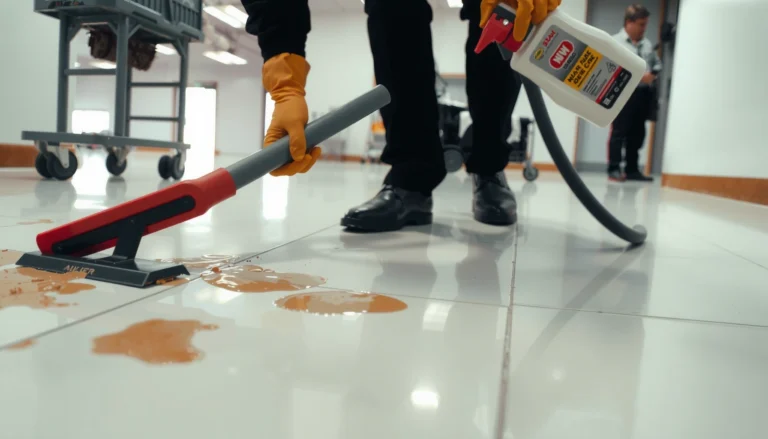
Need to remove paint from basement floors? This safe, step-by-step guide walks you through the fastest method that matches your paint type while protecting concrete from damage. You’ll learn exactly what to use, what to avoid, and how to prep, strip, and clean up so the surface is ready for a new finish.


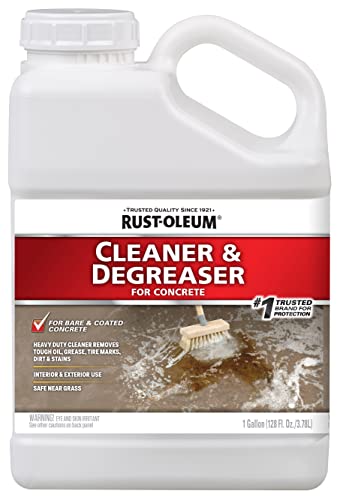

If you want the safest, most reliable results, remove basement slab paint in this order: scrape loose paint first, then use a chemical stripper matched to the paint type, and finish with controlled mechanical removal only where the coating is thick or stubborn. This approach reduces concrete damage, limits airborne dust, and helps you avoid the messy “half-removed” surface that causes future coating failures.
If you’re a homeowner, landlord, or DIYer handling paint spills, old coatings, overspray, or a previous repair job on basement floors, this guide is designed for real-world slab conditions. If your floor is sealed, painted over multiple times, or you suspect lead-based paint, the safest next move is to follow lead-safe practices and pause DIY where you can’t control dust/containment.
Assess the paint and the floor first (before you scrape)
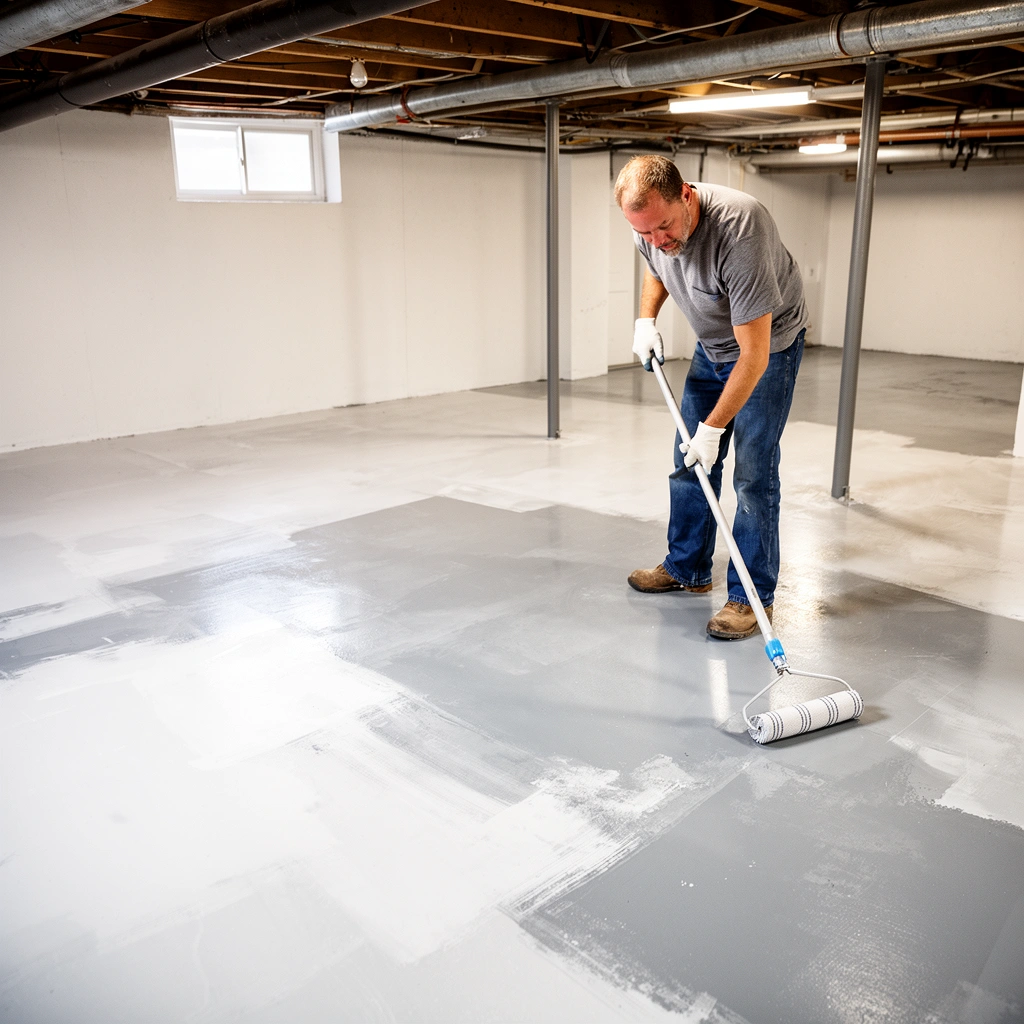
Before you scrape anything, identify whether the coating is latex (water-based) or oil/unknown, because the “right” chemical stripper and the safest removal sequence depend on it. This quick assessment also prevents you from grinding when you could have softened and lifted the paint more cleanly.
Latex (water-based) coatings often soften with water-based paint removers, while oil-based coatings typically require stronger chemical stripping.
If you cannot confidently identify the paint, a small test patch is the safest way to confirm whether stripper lifts the film or just smears it.
Check whether it’s latex (water-based) or oil/unknown
Start by trying to determine paint type from clues: product label on leftover paint, age of the job, or whether the paint was applied as an interior latex floor coating versus an older enamel/industrial coating. As a practical field rule:
– Latex (water-based): usually lifts more readily after chemical softening; scraping works well once softened.
– Oil-based / unknown: often resists latex-oriented removers and may require a more aggressive stripper chemistry and/or more mechanical work.
Perform a small hidden test patch (scrape + remover)
Pick an inconspicuous area (behind a water heater, under a shelf). Do two micro-tests:
1. Gentle scrape test: see whether the paint flakes, peels in sheets, or smears.
2. Remover response test: apply a small amount of your planned stripper and observe whether it softens and releases paint within the label’s dwell window.
If paint softens but won’t release, you’re likely dealing with multiple layers, a very thick film, or a surface seal that’s trapping residue.
Look for sealing or prior coatings
Basement slabs are frequently treated with penetrating sealers, “sealer + paint” systems, or patch compounds. If the slab is sealed, you may remove the paint but still see ghosting (a faint film that changes sheen). In that case, plan for an additional cleaning/neutralizing step (per stripper label) and possibly light mechanical leveling afterward to regain uniform porosity.
If older paint is possible, treat it as hazardous
If the paint is old (or you suspect an older coating history), treat it as potentially lead-based until proven otherwise. Avoid actions that create hazardous dust, especially dry sanding or impact grinding without adequate dust control.
According to the U.S. Occupational Safety and Health Administration (OSHA), the lead action level is 30 µg/m³ as an 8-hour time-weighted average and the PEL (permissible exposure limit) is 50 µg/m³ ([OSHA lead standards](https://www.osha.gov/lead)). If you can’t reliably contain dust and protect lungs, pause DIY and escalate to a lead-safe contractor.
Prep the basement and protect yourself
Once you know you’ll remove paint, prep is what makes the job safer and cleaner. Proper ventilation and containment reduce inhalation risk and keep debris from spreading across the basement.
Effective ventilation and dust control are essential because paint removal can generate both chemical vapors and fine particulates.
For coatings that may contain lead or other hazardous components, avoid dry sanding and use containment practices consistent with lead-safe guidance.
Ventilate and control dust/airflow
– Use fans for airflow while directing exhaust in a way that doesn’t blow debris through the rest of the basement.
– Keep the work area contained (close doors, limit traffic) so overspray and dust don’t migrate.
Wear the right PPE (not generic)
At minimum, follow the chemical product label for PPE. Typical categories include:
– Chemical-resistant gloves
– Eye protection
– A respirator sized and rated for the hazards you’re generating (dust, fumes, or both)
Because respirator requirements vary by chemistry and expected airborne concentration, rely on the stripper’s Safety Data Sheet (SDS) and label instructions for fit, cartridge type, and change intervals. If you’re dealing with possible lead-containing dust, follow lead-safe respiratory guidance and local requirements—this is one of those cases where “close enough” can be unsafe.
Containment and cleanup planning
Paint stripping is messy by design. Set up before you start:
– Cover nearby items with plastic sheeting
– Protect floors and HVAC pathways where overspray/dust can travel
– Stage cleanup materials: absorbent pads, plastic bags/tubs for debris, and a disposal plan
[ADD: source for local disposal requirements (municipal hazardous waste vs. regular debris)] If your area requires specific handling for stripper waste or coated debris, confirm before you begin.
Choose the right removal method (and use it in order)
Choose the least aggressive method first, then escalate only when the coating proves it needs more force. In most basement slab scenarios, that means scraping + chemical stripping, with mechanical removal reserved for thick, bonded, or multi-layer coatings.
A “least aggressive first” workflow (scrape → stripper → controlled mechanical removal) usually improves safety and reduces concrete surface damage.
Mechanical grinding and blasting generate significantly more dust than chemical softening, so use them only when necessary and with dust collection.
Use the ordered approach: scrape → stripper → escalate
1. Scrape loose paint first
– Remove flakes to expose what’s bonded, which improves stripper penetration.
2. Chemical stripper for paint
– Apply per label instructions and scrape after dwell time.
3. Grinding/sanding/blasting only if needed
– Use when the coating is thick, multiple layers won’t release, or stripper fails after correct dwell time.
For unknown or mixed paint
If you suspect mixed systems (primer + enamel + later latex touch-ups), alternate:
– Use stripper to loosen layers
– Scrape to reset the surface
– Switch to mechanical removal only on stubborn sections
Work in sections to avoid spreading residue
Paint debris can redeposit into concrete pores and create permanent-looking shadows. Keep your workflow tight:
– Work a small section at a time
– Don’t let stripper dry out unless the product label says otherwise
– Collect debris consistently (don’t sweep dry paint into dust clouds)
Basement Slab Paint Removal Methods (Suitability Guide)
| # | Method | Best for | Typical Risks | Outcome Quality | Overall Rating |
|---|---|---|---|---|---|
| 1 | Dry scraping (wetless) | Loose, flaking paint edges | Low dust if controlled; may smear if film is still bonded | ★★★☆☆ | 5/10 |
| 2 | Scrape + latex-oriented remover | Latex spills and overspray | Residual tack if dwell/cleaning skipped | ★★★★☆ | 8/10 |
| 3 | Scrape + heavy-duty chemical stripper | Oil-based or unknown coatings | Chemical handling hazards; more cleanup/neutralization | ★★★★★ | 9/10 |
| 4 | Wet chemical gel + dwell | Thick paint skins on slab | Must prevent drying; waste disposal considerations | ★★★★☆ | 8/10 |
| 5 | Angle-grinder + vacuum shroud | Stubborn bonded layers | High dust generation if shroud isn’t effective | ★★★☆☆ | 6/10 |
| 6 | Wet blasting (where available) | Large areas with thick coatings | Water management; still generates waste slurry | ★★★★★ | 8/10 |
| 7 | Dry blasting / aggressive sanding | Only when hazards are ruled out | Very high airborne dust; not ideal for unknown/older coatings | ★★☆☆☆ | 3/10 |
Chemical stripping steps (typical workflow)
Chemical stripping is the most controllable way to remove basement floor paint without gouging concrete—when you follow dwell time and residue cleanup exactly. Expect to scrape in layers: stripper softens; scraping removes; repeated cycles reveal what’s still bonded.
Most paint strippers require a specific dwell time; letting the product dry out can reduce effectiveness and increase cleanup residue.
Some stripper systems require neutralizing or a specific wash step to prevent bonding failures for future coatings.
Apply stripper correctly (and keep it wet)
– Brush or spread stripper evenly over the painted area.
– Keep the surface wet for the label dwell time—this is product-specific.
– Use the manufacturer’s exact dwell time; if you’re choosing a stripper, refer to its SDS and label instructions before work begins.
[ADD: exact dwell time from the product you choose—example: “15–30 minutes” is common on some chemistries, but do not guess.]
Scrape softened paint and capture debris
Use a scraper appropriate for the stripper’s instructions (some recommend plastic to reduce gouging). Then:
– Scrape after dwell time
– Capture debris rather than pushing it across the slab
– Reapply stripper if paint appears in layers
Clean/neutralize exactly per label
Some strippers leave residue that interferes with adhesion. If the product specifies neutralizing or a washdown method, treat it as mandatory—not optional. Finish by:
– Removing residue thoroughly
– Allowing the slab to dry fully before any next step (repair compound, stain, epoxy, etc.)
Confirm “release,” not just “soften”
A coating can soften but still smear into pores. You’re aiming for visible release: paint lifting from the concrete surface, not merely becoming mushy.
Mechanical removal steps (when paint won’t budge)
When paint is thick, multi-layer, or chemically resistant, mechanical removal becomes necessary—but it should be controlled to protect concrete and your lungs. Use dust collection and minimize impact to avoid spalling and uneven texture.
Grinding without effective dust collection creates significant airborne particulate, which is a major hazard during coating removal.
Gentle grinding helps level remaining film; aggressive digging can chip concrete edges and expose aggregate.
Control dust and protect concrete
– Use a grinder with a vacuum shroud and a compatible collection system.
– Start with the least aggressive setup that achieves progress.
– Avoid “digging” into the slab. Concrete can chip or spall if you press too hard or focus on one spot for too long.
Level and remove remaining film evenly
After the bulk is gone:
– Light grind high spots
– Remove thin “ghost” layers so the surface profile is uniform
Check results frequently for ghosting
As you work, inspect for thin remaining coating, especially:
– Along edges of old overspray
– At seams near patch repairs
– In low spots where stripper might not pool evenly
If you plan to recoat, uneven residue is one of the fastest paths to peeling or discoloration.
What can go wrong (and how to avoid it)
Most DIY failures come from shortcuts: skipping dwell time, using the wrong tool for the hazard level, or creating dust without containment. Avoid those missteps, and you’ll prevent both health and performance problems.
Dry sanding or aggressive grinding can generate hazardous dust, which is especially concerning if the coating is older and may contain lead.
Leaving stripper residue or paint film can cause adhesion failure for stains, sealers, and epoxy systems.
Health hazards from dry work (especially lead risk)
If there’s any possibility of lead:
– Don’t dry-sand
– Don’t sweep dry dust
– Don’t assume “it’s probably fine”
OSHA’s lead standards define action levels and limits for airborne exposure (30 µg/m³ action level; 50 µg/m³ PEL) ([cite: OSHA lead standards](https://www.osha.gov/lead)). If you can’t control dust and exposure, escalate.
Damage to concrete from over-grinding
Grinding too aggressively can:
– Create pits or exposed aggregate
– Make the surface too rough for certain coatings
– Leave troughs that collect moisture or stain unevenly
If you’re applying a coating system, verify whether it tolerates your intended surface profile.
Uneven finish after stripping
This usually comes from:
– Incomplete removal cycles (paint not fully released)
– Inadequate residue cleaning/neutralization
– Spotty stripper coverage
If the floor looks blotchy after cleaning, it often needs another stripper pass—not just additional scraping.
Waste disposal and compliance problems
Paint debris and stripper waste may not qualify as ordinary trash depending on chemistry and local rules. Confirm disposal requirements with your local agency before you generate waste. [ADD: source for local disposal rules or “household hazardous waste” guidance for your region]
Verdict / tip: what usually works best
For most basement slab paint removal, the best balance of control and safety is scrape first + chemical stripper, then grind only where paint is thick or stubborn. The downside is that chemical stripping takes more time and requires careful cleanup/neutralization, while mechanical removal is faster but riskier for dust and concrete texture.
Skip DIY (or pause and get help) if you suspect lead-based paint, if the area is large enough that you can’t maintain dust containment, or if you don’t have proper respiratory protection and a dust collection plan. For sealed floors you plan to recoat, do a test patch first to confirm the final surface profile is compatible with the intended coating system.
Quick checklist (scan/save)
– [ ] Identify paint type (latex vs. oil/unknown) and check for sealing/coatings
– [ ] If older coatings are possible, pause for lead safety guidance [ADD: source for lead-safe DIY practices]
– [ ] Ventilate, wear correct PPE, and control dust/overspray
– [ ] Scrape loose paint first
– [ ] Use stripper as directed (label dwell time, cleanup/neutralize steps)
– [ ] Repeat in sections; avoid spreading debris
– [ ] Resort to grinding only when needed; use dust collection
– [ ] Verify full removal and clean the surface properly before any next step
FAQ
Can I use a pressure washer to remove paint from basement floors?
It may help loosen surface debris, but paint removal typically requires chemical softening and/or mechanical abrasion. Pressure washing can push residue deeper into pores and increases mess, so plan around stripper/grinding methods instead. [ADD: source for concrete paint removal guidance]
Will paint remover damage concrete?
It can, depending on the stripper chemistry, dwell time, and how residues are cleaned. Always test a small hidden area first and follow the manufacturer’s instructions exactly.
What’s the safest way to remove paint if I don’t know what type it is?
Use a test patch to see how the paint responds. Start with scraping and a compatible stripper, then escalate to mechanical removal only if the coating fails to release after correct dwell time and cleaning steps.
How do I know when the floor is clean enough after stripping?
You’re looking for no visible paint film transfer, no sticky stripper residue, and a surface that dries clean per the stripper’s label. If you’re planning to apply a new coating, do a small adhesion test patch after cleaning.
Should I remove paint completely before staining or sealing?
Most coatings/stains rely on proper adhesion to a clean substrate. If paint remains as a thin film or residue, you can get peeling, fisheyes, or discoloration—spot-check after each removal method.
Sources
– Manufacturer documentation and safety data sheets (SDS) for the specific paint stripper, grinding equipment, and PPE you use (for label dwell time, cleanup/neutralization steps, and respirator guidance).
– U.S. Occupational Safety and Health Administration (OSHA): Lead standards and exposure limits ([OSHA lead standards](https://www.osha.gov/lead)).
– [ADD: source for concrete paint removal best practices (mechanical vs. chemical) from a recognized authority, such as coating manufacturer technical bulletins or a government/standards body.]
– [ADD: source for lead-based dust precautions and lead-safe work practices for residential DIY/renovation.]
If you follow the scrape → stripper → controlled mechanical escalation path and treat possible lead-containing coatings as a containment-and-respiratory priority, you can remove basement floor paint while protecting your concrete and your indoor air quality. When in doubt—especially with older coatings—test a small area, keep dust contained, and consider professional help for large jobs or unknown hazards.
Frequently Asked Questions
How do I remove old paint from basement concrete floors without damaging the surface?
Start by identifying the paint type (latex, epoxy, or oil-based) if possible, because the approach changes. For most concrete floors, gentle chemical paint strippers formulated for concrete can work with minimal abrasion, followed by thorough scraping. Avoid aggressive grinding on sealed or weak concrete unless you’re prepared to refinish, and always test a small hidden area first to confirm adhesion and surface condition.
What is the best way to remove epoxy paint from basement floors?
Epoxy paint is often highly chemical-resistant, so mechanical removal or a dedicated epoxy stripper usually works best. Try a heavy-duty epoxy paint remover, then use a floor scraper and nylon scrub pads to lift softened coating. If the epoxy is thick or already cured hard, you may need to use a grinder with a paint-removal cup or abrasive pad, then clean thoroughly to remove residue before applying any new coating.
Which chemical paint stripper is safest for removing paint from basement floors with minimal fumes?
Look for a low-VOC, water-based or “gel” paint stripper designed for concrete and indoor use, ideally labeled as low-odor. These products can reduce fumes compared with harsh solvent-based removers, but you still need ventilation, gloves, eye protection, and a properly fitted respirator when required by the label. Always follow dwell-time instructions and rinse or neutralize as directed to prevent chemical residue from affecting future floor coatings.
How can I remove paint spills from basement floors if the paint has dried?
Begin by scraping off loose paint with a plastic scraper to avoid gouging concrete, then use a suitable remover based on paint type. For latex paint, warm water and a concrete-safe degreaser may help before moving to a remover; for oil-based or enamel, you’ll typically need a stronger stripper. After removal, clean the floor with a concrete cleaner and rinse well, because leftover paint chips and stripper residue can prevent patching or sealing from bonding.
Why does paint refuse to come off basement concrete, and how do I fix adhesion issues?
Paint often resists removal because it’s been baked by moisture/heat cycles, etched into porous concrete, or was applied over previous coatings or contaminated surfaces. If stripping doesn’t work, residue may be preventing chemicals from penetrating, so thorough cleaning with a degreaser and a stiff scrub can improve results. In stubborn cases, combination methods—stripper plus scraping, or stripper followed by sanding/grinding—are usually the most effective way to fully remove paint and achieve a clean concrete surface.
📅 Last Updated: October 11, 2026 | Topic: How to remove paint from basement floors? | Content verified for accuracy and freshness.
References
- https://en.wikipedia.org/wiki/Paint_stripper
- https://www.epa.gov/lead/lead-based-paint
- Lead Renovation, Repair and Painting Program | US EPA
https://www.epa.gov/lead/renovation-repair-and-painting-program - https://www.hud.gov/program_offices/healthy_homes/lead
- https://www.cdc.gov/nceh/lead/prevention/paint.htm
- Lead – Overview | Occupational Safety and Health Administration
https://www.osha.gov/lead - Lead in the Workplace | Lead | CDC
https://www.cdc.gov/niosh/topics/lead/ - Google Scholar Google Scholar
https://scholar.google.com/scholar?q=remove+paint+from+concrete+floor - Google Scholar Google Scholar
https://scholar.google.com/scholar?q=lead+paint+removal+concrete+scraping+chemical+stripping - Google Scholar Google Scholar
https://scholar.google.com/scholar?q=paint+removal+masonry+floor+methodology+dust+control