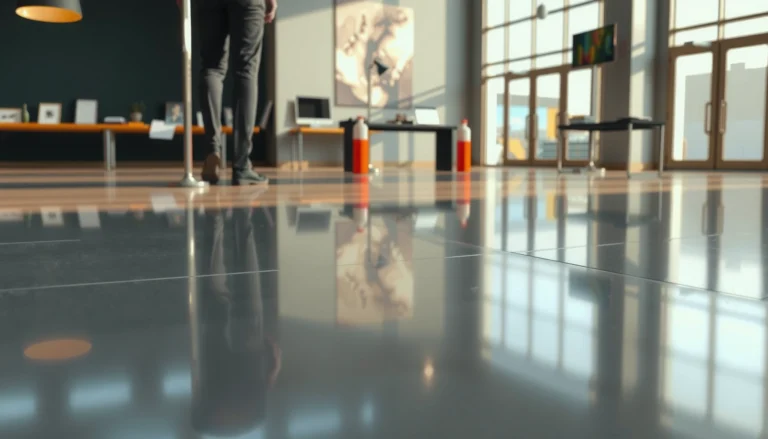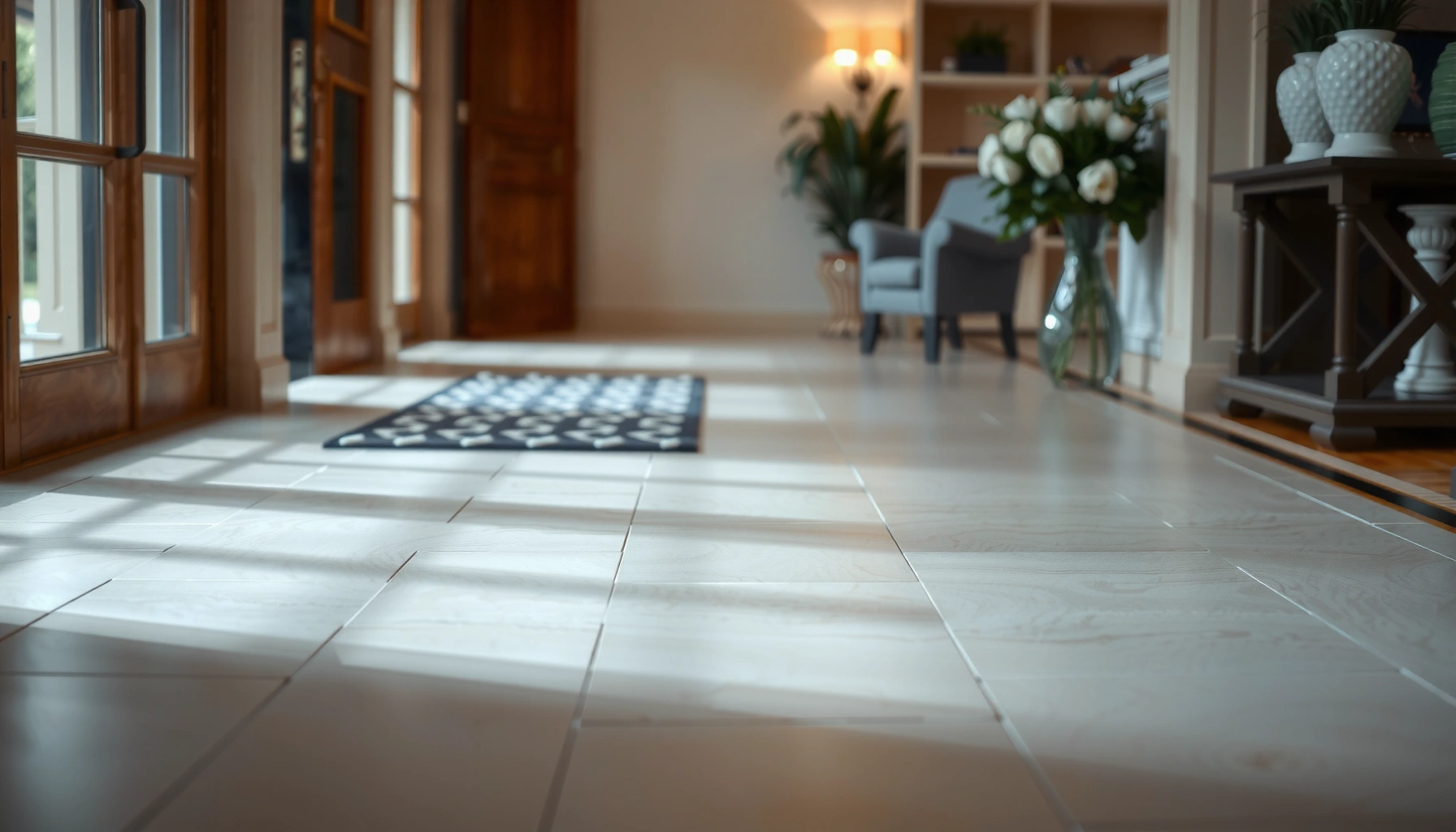

Prevent slipping on travertine floors with a clear, practical plan that actually works: fix the cause first by removing contaminants, sealing the pores, and choosing the right non-slip floor treatment. If your issue is smooth, sealed travertine getting slick when wet, start with a proper slip-resistant sealer and a routine that keeps water and soap residue from building up. Follow these steps and you’ll stop the slide without ruining the look of your stone.


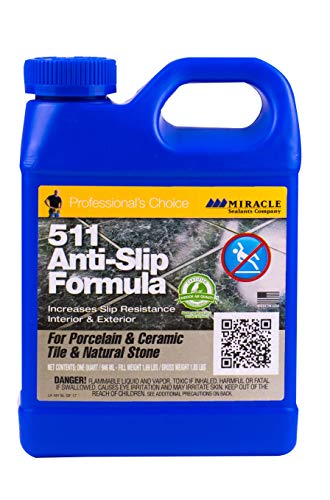
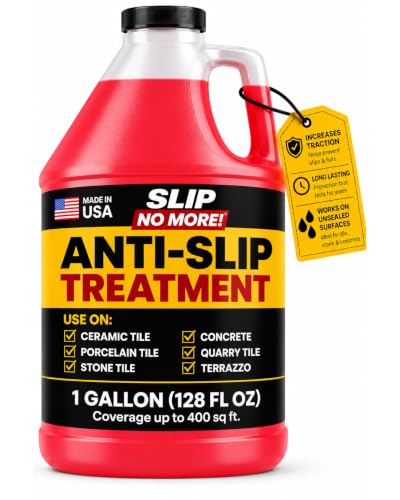
If your travertine feels slippery, the fix usually isn’t “more sealing”—it’s removing residue/film, using a stone-appropriate cleaner, and correcting (or stripping) any oversealed or improperly finished surface. Focus on traction in wet zones (entryways, bathrooms, kitchens) while ensuring the floor is fully cleaned and fully dried after maintenance.
Travertine is porous and naturally textured, but it can become slick when water, cleaning chemistry, wax/polish residues, or an overly smooth finish change how the surface grips shoes. This guide is written for homeowners and property managers who are dealing with real-world slips—especially after mopping, spills, or routine “quick shine” cleaning.
Identify why your travertine is slippery
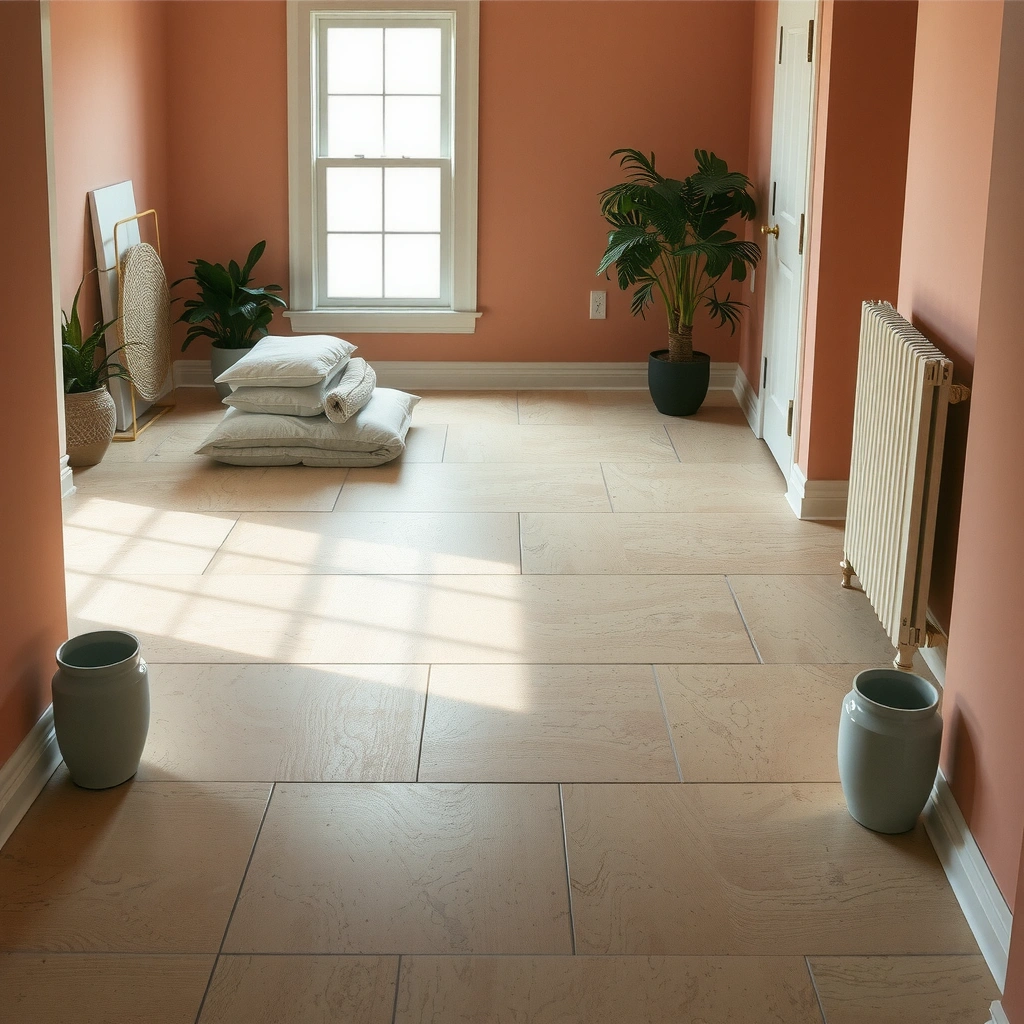
The fastest path to safer footing starts with figuring out whether slipperiness only happens when wet or also occurs when the floor is dry. That distinction points to different root causes: moisture + certain sealers vs. surface film from cleaners or polish build-up.
– Check whether slipping happens only when wet. If the floor is safe when dry but slick after mopping or spills, the cause is often moisture combined with a topical sealer finish, a surface that has become too smooth, or incomplete drying.
– Look for signs of surface film. Hazy patches, streaking, or a “greasy” feel right after cleaning often indicates residue from film-forming cleaners, enhancers, or repeated oversaturation.
– Confirm whether the floor is sealed—and when it was last treated. Travertine sealers differ (penetrating vs. topical/coating). A sealer that’s not intended for natural stone—or that’s overdue—can reduce traction, especially under wet conditions.
If slipperiness is worst right after mopping, the leading suspects are cleaner residue (film-formers) and incomplete rinsing/drying rather than the travertine “itself.”
If slipping occurs even when dry, the issue is more likely surface build-up (polish/enhancer residue) or an unsuitable finish that stays slick under normal foot traffic.
Travertine is porous, so residues can accumulate in pores and micro-pits, changing traction even when the floor looks “clean.”
Quick diagnostic: wet-only vs. wet-and-dry
If you can, test in two controlled moments:
1. Wet test: Dampen a small section with clean water only (no cleaner), then observe after 1–2 minutes.
2. Dry residue test: Clean a small area using a stone-appropriate method and rinse thoroughly, then check traction once fully dry.
If wet-only slipperiness appears, you’re likely dealing with sealer finish + moisture. If slipperiness persists when dry, you’re likely dealing with surface film or over-polished/overcoated layers.
What your sealer usually does (and why it matters)
A sealer can improve stain resistance, but it can also change how the surface “wets” under foot. In general:
– Penetrating sealers aim to reduce water absorption without building a thick surface film.
– Topical sealers/coatings create a surface layer; if that layer is glossy or layered over time, traction can drop.
According to the guidance referenced by ASTM-related slip-resistance testing frameworks, coefficient of friction targets are used to evaluate traction on level interior surfaces. [ADD: ASTM/ANSI/ADA-linked slip-resistance target guidance source] (Year: [ADD]).
According to manufacturer instructions for natural stone cleaners, film-forming “gloss” or “polish” products are commonly discouraged because they can leave residues that alter surface appearance and slip resistance. [ADD: official stone cleaner guidance] (Year: [ADD]).
Use the right cleaning routine (to remove residue, not shine)
The right cleaning routine removes contaminants and rinseable residues—without leaving a film that reduces traction. For travertine, “spot-clean then shine” often creates the opposite outcome.
– Avoid cleaners designed to leave a “protective shine.” Many mop-and-gloss products are formulated to cling and build sheen, which can be especially problematic on porous stones like travertine.
– Use a stone-appropriate cleaner and rinse thoroughly. Travertine requires enough water rinsing to carry away dislodged residue from pores and surface pores.
– Let the floor fully dry. Slips often happen during transitions—right after mopping or after tracked-in moisture hasn’t evaporated.
– Don’t over-scrub with abrasives for routine maintenance. Everyday cleaning should focus on removing grime, not changing the surface texture.
A stone-safe cleaner still needs rinsing on travertine; residue can remain in pores even if the floor looks clean.
Products marketed for “quick shine” frequently leave film-formers that can increase slipperiness on porous natural stone.
Fully drying after mopping is a practical slip-prevention step, because wet traction can drop even when the floor is otherwise properly sealed.
A practical cleaning workflow that prioritizes traction
Use this method after spills, routine mopping, or any time the floor feels slick:
1. Dry removal first: Sweep or vacuum using a soft head to remove grit. Fine grit acts like sandpaper and also makes residues smear.
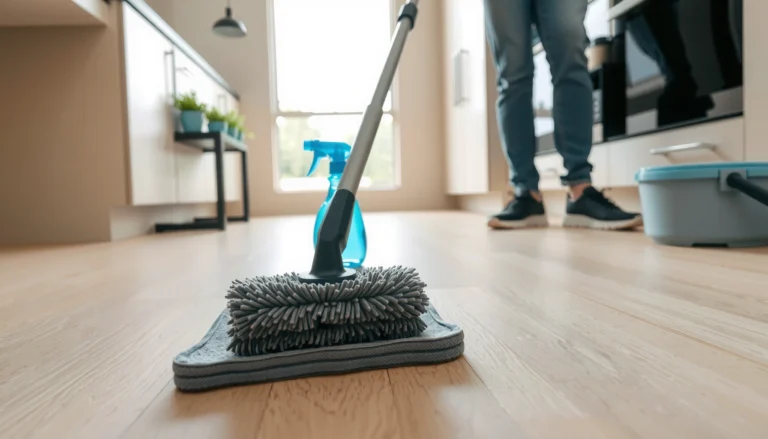
2. Neutral, stone-appropriate wash: Apply the cleaner according to the label, using microfiber or a soft mop head. Don’t over-dose.
3. Rinse with clean water: This step matters more on travertine than many people expect.
4. Dry completely: Use clean towels or dry mops in high-risk zones (entryways and kitchen traffic paths).
What we often see go wrong
– Using the same mop water repeatedly across the whole floor (it re-deposits residue).
– “Touch-up cleaning” without rinsing in between.
– Overusing enhancer-type products that darken stone and increase surface slickness.
According to natural stone care guidance, “pH and residue management” are central to avoiding dullness, residue buildup, and traction problems. [ADD: reputable natural stone association or manufacturer care documentation] (Year: [ADD]).
Choose the correct sealant and apply it correctly
The right sealer can reduce water-related slipperiness, but the wrong one—or improper layering—can make travertine feel glassy and slick. If your floor is already sealed and still slippery, you may need remediation, not another coat.
– Match the sealer to natural stone and your desired finish. Look for documentation that explicitly covers travertine (or natural stone) and indicates the finish won’t create excessive gloss.
– Avoid “stacking” coatings. If someone previously applied layered wax/coating systems, resealing without removal can trap residues and worsen traction.
– Follow prep and cure times exactly. Trapped moisture or incomplete curing can impact surface feel and slip behavior.
Resealing can improve stain resistance, but traction depends on whether the surface ends up with an added film layer.
If a previous maintenance routine added coatings or wax, applying a new sealer over the top can lock in residue that reduces grip.
Many sealer manufacturer instructions require strict surface prep and full cure time before foot traffic to avoid performance issues.
Penetrating vs. topical: the traction trade-off
Here’s a simple, reality-based contrast that helps you decide what to do next:
- Penetrating (typically film-minimizing) sealers
- Pros: Often reduce water absorption without creating a thick surface layer; can help with wet spills.
- Cons: If residue buildup already exists, penetrating alone won’t fix slick film.
- Topical sealers/coatings (film-forming)
- Pros: Can provide consistent surface appearance and stain control where appropriate.
- Cons: If overly glossy or layered, they can reduce slip resistance—especially when wet.
When “more sealing” is the wrong step
If the floor has a visible sheen, hazy film, or a slick feel even after careful rinsing and drying, adding another coating may worsen traction by increasing the surface layer thickness.
According to manufacturer application instructions for natural stone sealers, surface preparation and required cure times are critical to final performance. [ADD: manufacturer instructions for your specific sealer type—prep steps and cure requirements] (Year: [ADD]).
If remediation is needed, the appropriate method depends on what’s currently on the surface (sealants, waxes, or coating systems). [ADD: stone restoration professional association or documented coating-removal methodology] (Year: [ADD]).
> If you’re unsure what coatings are present, don’t guess. Over-stripping the wrong product can damage the surface finish.
Improve traction in wet or high-traffic areas
The most reliable slip prevention combines surface chemistry (cleaning + correct sealing) with physical traction (mats, runners, and targeted treatments). Even a well-maintained travertine floor can become slick when it’s wet—so you should plan for that.
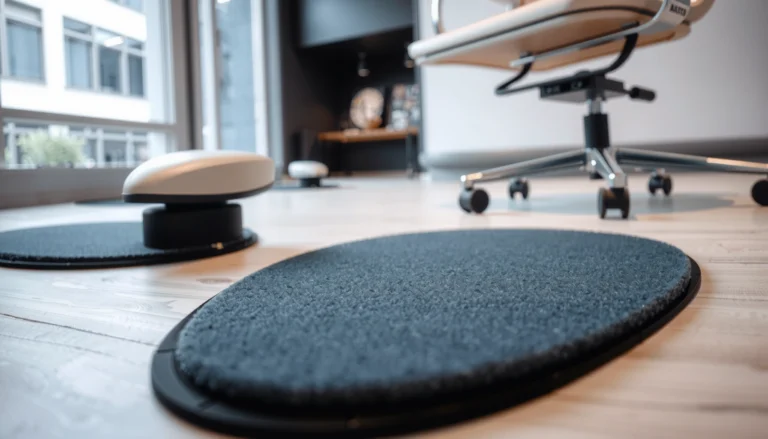
– Use non-slip mats in entryways and near sinks/showers. Keep them cleaned so they don’t become a residue source.
– Choose rugs/runners with non-slip backing that won’t trap moisture against the stone. Many rubber backings can hold moisture at edges if not managed.
– Consider discreet traction solutions in problem zones. Some stone-care systems offer traction-focused finishing/honing options rather than glossy coatings.
In wet areas, mats act as the first line of defense by reducing the amount of water and grit that reach the stone surface.
Non-slip backing materials can trap moisture at perimeter edges; good traction planning includes edge drying and mat maintenance.
If a travertine finish is inherently too smooth, traction treatments targeted to finish texture can be more effective than adding coatings.
Where traction matters most
For most properties, the highest-risk locations are:
– Entryways (tracked-in rain/snow residue)
– Bathrooms (standing water after showers)
– Kitchens (spills + routine splashes near prep areas)
A traction strategy you can implement immediately
1. Place mats/runners at transitions where water is likely.
2. Ensure mats are vacuumed/washed regularly to prevent residue buildup.
3. Reassess traction after each cleaning change (especially after switching cleaners or resealing).
What can go wrong (and when not to DIY)
The biggest failure mode is treating a traction problem as if it’s only a sealing problem. If the floor has residue film, layered coatings, or an overly glossy finish, “more product” can make the slip risk worse.
– Overusing polish/enhancer products can leave a slick film that defeats sealant choices.
– Sealing over contamination can trap residues in porous zones, producing slickness that increases over time.
– DIY stripping without knowing what’s on the stone can damage appearance and leave uneven surface texture.
If the floor has a film layer from previous maintenance, resealing on top can lock in the very residue that causes slickness.
When stripping is required, the correct chemical/mechanical approach depends on the existing coating system, not generic “stone stripper” guesses.
If you can still feel slickness after thorough rinsing and complete drying, you likely have build-up that requires removal rather than coating.
When to hire a stone restoration professional
If your travertine has one or more of these conditions, get an assessment:
– Heavy coating/wax history
– Noticeable gloss that wasn’t present originally
– Uneven slickness across the floor
– Previous repairs or refinishing that may have changed the surface finish
[ADD: source for when to hire a stone restoration professional and how they typically assess residue/coatings before removal]
[ADD: source for recommended remediation/strip method for coated travertine, if applicable]
Verdict: a simple, realistic path to safer footing
Start with cleaning that removes residue, then confirm full drying, then address the sealer/finish situation based on what’s already on the stone. If the floor is oversealed, film-coated, or inherently too smooth, plan remediation and traction in wet zones—otherwise you can end up repeatedly slipping even after resealing.
That said, skip DIY stripping if you don’t know what coatings are present. Professional evaluation can prevent unintended surface damage and uneven finish, which can create new slip risks.
Quick checklist to prevent slipping
– [ ] Clean with a natural-stone-safe cleaner (avoid film-forming “gloss” products)
– [ ] Rinse with clean water and dry completely
– [ ] Verify whether the floor is sealed—and with what type
– [ ] Remove residue/build-up rather than adding more coatings
– [ ] Add non-slip mats/runners in entryways and wet zones
– [ ] Reassess finish if the floor is too smooth for your use case
Traction Impact by Maintenance Choice on Travertine (Practical Risk View)
| # | Maintenance choice | Typical finish effect | Traction risk (wet) | Expected outcome |
|---|---|---|---|---|
| 1 | Stone-appropriate cleaner + full rinse | Residue-free surface | ★ ★ ★ ★ ☆ | Lower slip risk |
| 2 | Cleaner without rinsing adequately | Micro-film left behind | ★ ★ ★ ☆ ☆ | Higher slip risk |
| 3 | Penetrating sealer (proper prep/cure) | Water resistance, minimal film | ★ ★ ★ ★ ★ | Most traction-friendly |
| 4 | Topical glossy coating (over time) | Surface slickness increases | ★ ☆ ☆ ☆ ☆ | Often worst for wet traction |
| 5 | Matting/runners with regular cleaning | Water/grit interception | ★ ★ ★ ★ ★ | Immediate slip reduction |
| 6 | Rug backing that traps moisture | Edge wetness persists | ★ ★ ☆ ☆ ☆ | Can worsen traction at edges |
| 7 | Remediation/removal of overcoats (when needed) | Film eliminated or reduced | ★ ★ ★ ★ ☆ | Traction returns if residue was the cause |
Note: This chart reflects a practical risk view based on common behavior of film-formers, sealers, and coatings on porous stone surfaces—not lab test results. For any property, confirm traction with your floor’s actual finish after cleaning and drying.
FAQ
Why does my travertine floor feel slippery right after mopping?
That usually indicates cleaner residue/film from insufficient rinsing or a cleaner that leaves a “shine” layer. Switch to a stone-appropriate cleaner, rinse thoroughly, and ensure the floor is fully dry.
Can resealing fix a slippery travertine floor?
Sometimes—especially if slipperiness is wet-only and the sealer is compatible with natural stone. But if slipping is caused by existing film from wax/polish or overcoats, resealing on top can worsen traction and may require removal.
Are non-slip mats safe for travertine?
Generally yes, as long as they’re maintained and you avoid backing materials that trap moisture against the stone for long periods. Lift, clean, and dry the area under mats regularly.
What should I avoid on travertine to prevent slipping?
Avoid film-forming polish/enhancer products and quick-shine routines that leave a layer on top. Also avoid over-scrubbing with harsh abrasives as routine maintenance; it can change surface feel without fixing residue.
Sources:
– [ADD: manufacturer instructions for the specific travertine sealer you’re using—prep steps, application, and cure times]
– [ADD: official guidance from a natural stone cleaning/sealing association or leading sealer manufacturer on film-forming cleaners and residue prevention]
– [ADD: stone-care documentation on recommended cleaners for natural stone (including pH guidance and what to avoid) from a reputable manufacturer]
– [ADD: primary slip-resistance guidance/source for coefficient of friction targets (e.g., ANSI/ASTM/ADA-linked test thresholds) used in evaluating floor traction]
– [ADD: documented methodology for remediation/stripping of coated or oversealed travertine when film build-up is present]
– [ADD: source for when to hire a stone restoration professional and how they assess existing coatings before remediation]
The practical takeaway is straightforward: remove residue first, rinse and dry completely, then correct the sealer/finish strategy based on what’s currently on the travertine. If the floor has film-coated or overly smooth layers, remediation plus traction in wet zones is the safer path than adding “more shine” and hoping it fixes slip risk—especially as conditions change through 2026 with heavier spill and traffic patterns.
Frequently Asked Questions
What are the best ways to prevent slipping on travertine floors?
Use a combination of prevention and maintenance: keep travertine floors clean and dry, use the right low-slip floor finish or sealer, and place rugs or mats in high-traffic areas. Regularly remove soap scum, oils, and grime that create a slick surface. If your travertine is outdoors or near entryways, use door mats and wipe up spills immediately to reduce slip hazards.
How can I reduce slipperiness on sealed travertine floors?
Even sealed travertine can become slippery if the sealer is too glossy or if the wrong cleaning products leave a residue. Reassess your cleaner—avoid waxes, oils, and high-sheen polishes, and instead use a pH-neutral stone cleaner designed for natural stone. If needed, have a professional evaluate whether your current sealer needs to be removed and re-applied with a more slip-resistant finish.
Why does travertine get slippery, especially in bathrooms or kitchens?
Travertine can become slick when water, cleaning residues, or body oils settle into the surface and create a film. In wet areas like bathrooms, frequent moisture can reduce traction and increase the risk of falls, especially on polished or honed stones. Also, improper mopping techniques—such as using too much water or leaving liquid behind—can make travertine floors feel tacky or slippery.
Which cleaning methods and products help prevent slipping on travertine?
Clean with pH-neutral, manufacturer-approved travertine cleaners and use microfiber mops that remove residue without leaving a film. Avoid steam mops unless the product and stone finish are specifically rated for it, and don’t use vinegar, harsh degreasers, or abrasive scrubs that can damage the surface. After mopping, use a dry mop or soft towel to remove excess moisture, particularly in high-slip zones.
How do I choose the right anti-slip solution for travertine without damaging the stone?
Look for anti-slip treatments labeled safe for natural stone and compatible with travertine’s finish (honed, tumbled, or polished). For best traction, consider non-slip coatings with low sheen or breathable, slip-resistant sealers rather than thick mats that can trap moisture under edges. Test any product in a small, hidden area first and follow the manufacturer’s curing and recoat timeline before allowing foot traffic.
📅 Last Updated: October 09, 2026 | Topic: How to prevent slipping on travertine floors? | Content verified for accuracy and freshness.
References
- Google Scholar Google Scholar
https://scholar.google.com/scholar?q=travertine+floor+slip+prevention+sealing+maintenance - Google Scholar Google Scholar
https://scholar.google.com/scholar?q=stone+floor+slip+resistance+coefficient+of+friction+cleaning - Google Scholar Google Scholar
https://scholar.google.com/scholar?q=slip+resistance+travertine+polished+sealed+burnished+honed - Slips and trips – HSE
https://www.hse.gov.uk/slips/ - 1910.22 – General requirements. | Occupational Safety and Health Administration
https://www.osha.gov/laws-regs/regulations/standardnumber/1910/1910.22 - https://www.cdc.gov/homeandrecreationalsafety/falls/index.html
- Falls in the Workplace | Falls | CDC
https://www.cdc.gov/niosh/topics/falls/ - https://en.wikipedia.org/wiki/Slip_resistance
- Travertine
https://en.wikipedia.org/wiki/Travertine - https://pubmed.ncbi.nlm.nih.gov/?term=slip+resistance+floor+surface+stone+tile+maintenance+cleaning