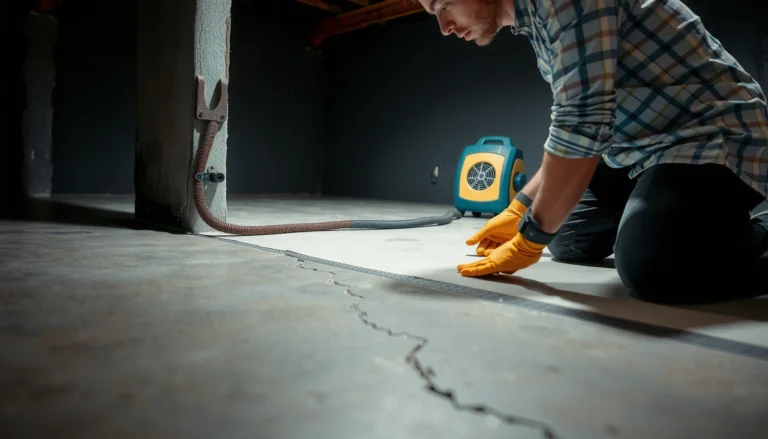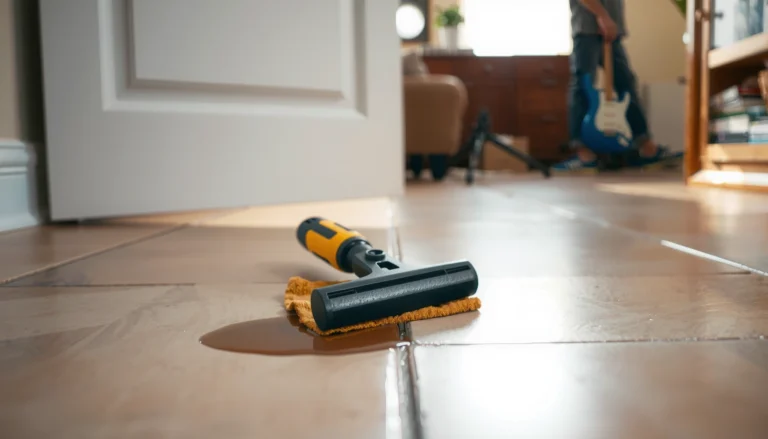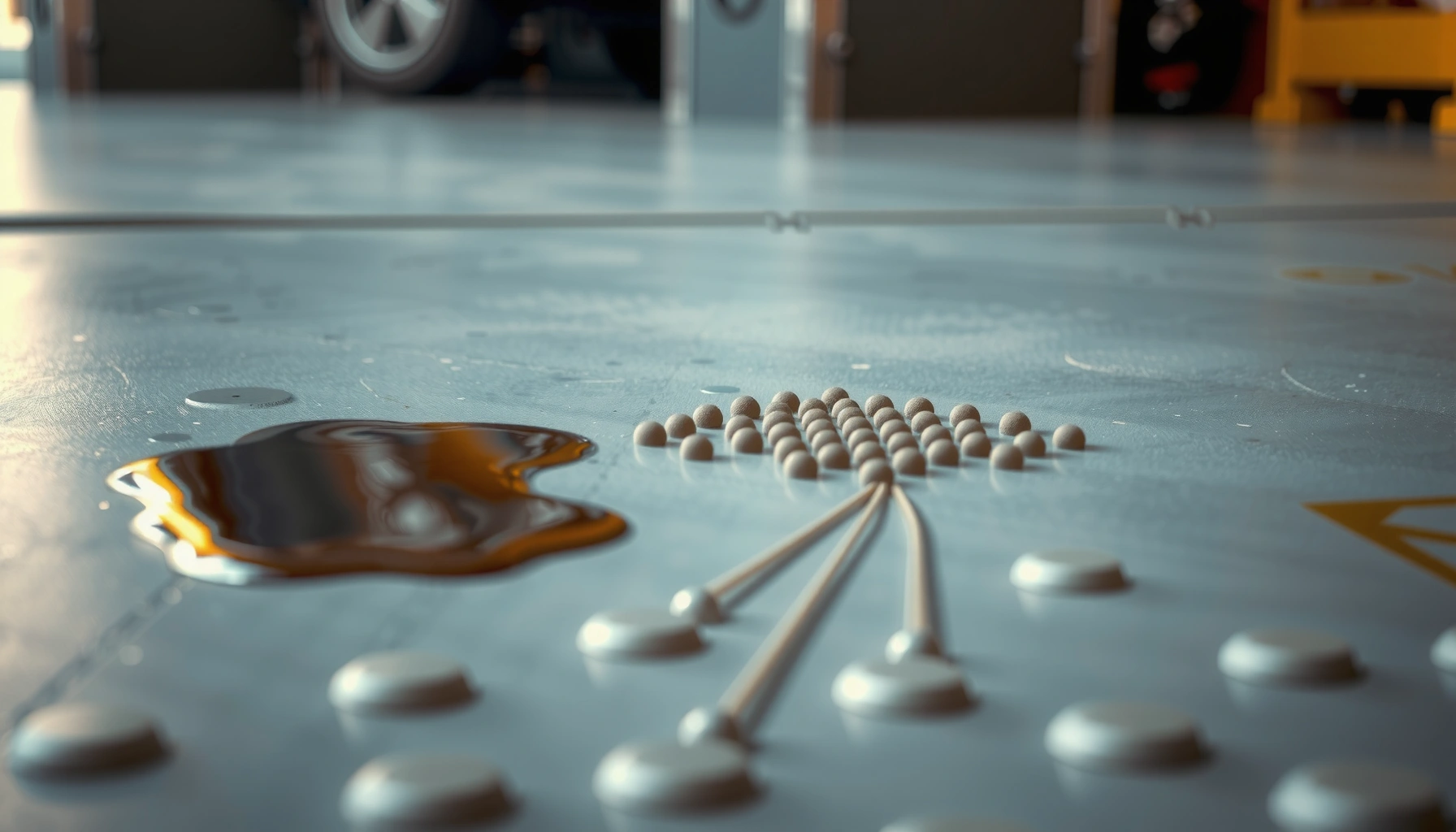

Prevent slipping on garage floors by fixing the real causes—oil and water residue, worn coatings, and smooth concrete—then installing durable, slip-resistant surface solutions that actually stay grippy. If you want the fastest, most reliable improvement, start with a thorough degreasing and a non-slip garage floor coating designed for your garage’s conditions. This article gives you the specific fixes that stop slips on contact, with choices that work whether your problem is track marks, pooling, or everyday foot traffic.




To prevent slipping on garage floors, control moisture and add real traction in the places your feet (and wheels) land most. Start by removing oil/grease and dust fully, then treat the surface with a non-slip coating or mat that’s rated for wet/dusty conditions—because traction fixes fail fastest when contaminants remain.
A slick garage floor shows up in everyday situations: rain tracked in under boots, condensation on cool concrete, sawdust/dirt from woodworking projects, and occasional drips from vehicles or lawn equipment. This guide focuses on practical fixes that reduce slickness without turning the garage into a major renovation project, and it’s especially relevant if you have kids, older adults, or anyone who frequently moves tools, bikes, or lawn equipment across the floor.
Identify why your garage floor is slippery
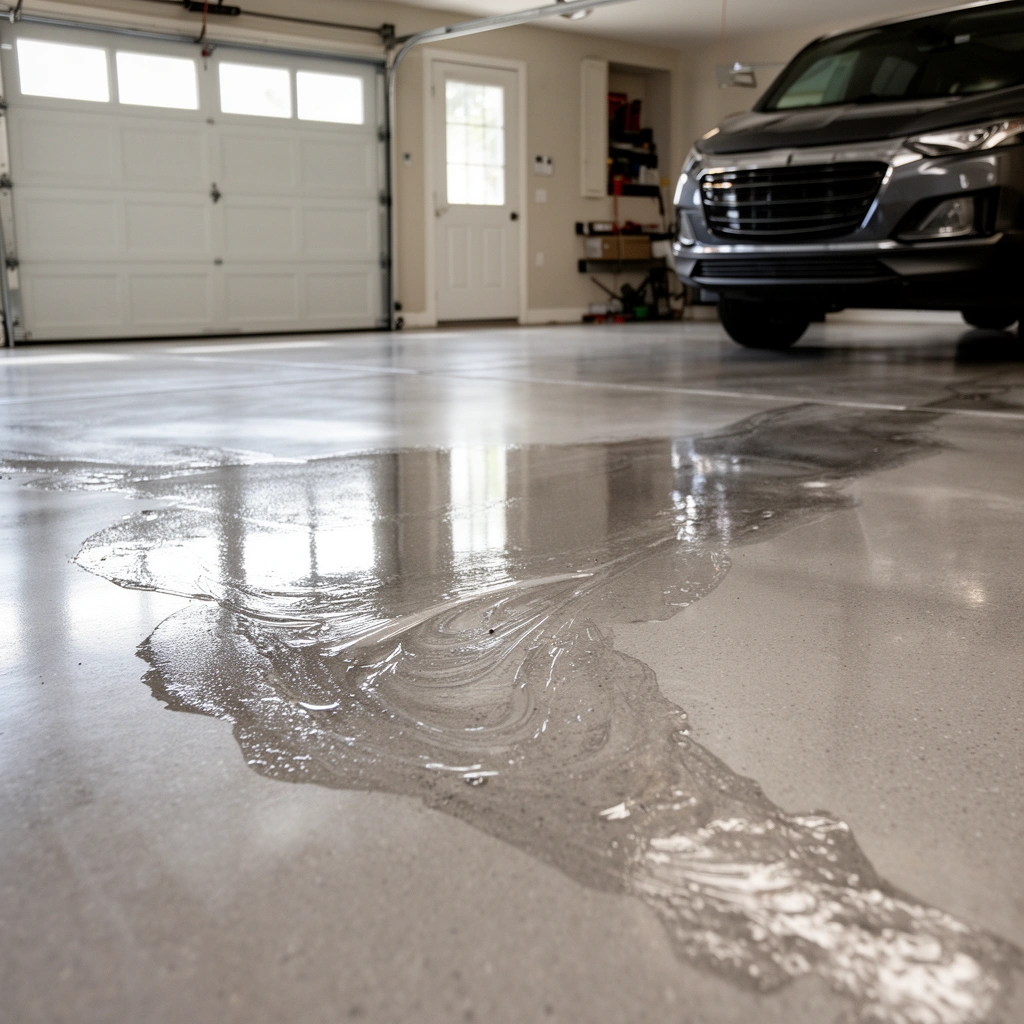
The fastest way to fix a slippery garage floor is to identify the trigger first—wet contamination behaves differently than dry dust residue. Here’s the key idea: the “right” solution depends on whether the floor is slick primarily when it’s wet, primarily when it’s dry, or both.
“Slip resistance problems on concrete usually come from either contaminants (like oil/grease or dirt) or from moisture interacting with the surface.” [ADD: source for concrete slip-contaminant mechanics]
“If the floor is visibly shiny in recurring areas, that pattern often indicates ongoing moisture—not just a one-time spill.” [ADD: source for moisture pattern interpretation]
“Condensation risk increases when indoor humidity and slab temperature differ significantly.” [ADD: source for condensation/concrete conditions]
– Check whether the slip happens mainly when the floor is wet (tracked rain, condensation) or when it’s dry (dusty residue, oily film).
– Determine if slickness is from contaminants (oil/grease), surface wear (sealed coating breaking down), or moisture coming up through the slab.
– Look for “shiny” areas, dark patches, or recurring wet spots that suggest ongoing moisture problems rather than a one-time spill.
– Do a simple “water test” at multiple spots: sprinkle a small amount of water on a dry section and compare traction to areas that already look dark. If the “dark” areas stay slippery even when rinsed and dried, you may be dealing with residue or slab moisture, not just surface dampness.
Quick diagnostic cues to watch for:
– Wet-triggered slickness: Often points to rain tracking, condensation, or pooling.
– Dry-triggered slickness: Often points to dust + residue film from prior spills, brake dust, sawdust, drywall dust, or evaporated vehicle drips.
– Spotty recurring slickness: Often indicates moisture movement from landscaping drainage, exterior grading, plumbing leaks, or slab vapor transmission.
– Coating-wear slickness: If the floor used to be grippy and now feels slick, the coating may be worn smooth or contaminated.
Clean and degrease the surface the right way
The surest foundation for non-slip results is deep cleaning—especially degreasing. Most traction products fail when they’re applied over a thin layer of grease or dusty residue that blocks adhesion and reduces friction.
“Surface preparation is commonly the most critical step for concrete coatings and adhesives because residue prevents proper bonding.” [ADD: coating manufacturer prep requirement]
“Degreasers require correct dwell/contact time before rinsing for consistent removal of oil and grease.” [ADD: degreaser label/spec guidance]
“Many slip-resistant systems specify that the substrate must be dry before installation to avoid trapped contamination.” [ADD: non-slip coating prep/dry-time spec]
– Remove oil/grease thoroughly before applying any traction products—most slip fixes fail when residue remains.
– Use a degreaser/cleaner appropriate for garage floors and follow the manufacturer’s directions for contact time and rinsing.
– After cleaning, let the floor dry completely before testing traction (walk barefoot only if it’s already known to be safe—otherwise wear shoes).
A practical cleaning workflow that keeps you from re-contaminating the slab:
1. Dry sweep first. Remove loose sawdust, dirt, and grit so you don’t grind it into the pores during degreasing.
2. Apply degreaser to problem areas. Focus on door lanes, under vehicle drip zones, and where you typically drop tools.
3. Scrub with the right tool. A stiff deck brush or scrub brush helps break up residue films.
4. Rinse thoroughly. If you leave degreaser or dissolved oils, you can recreate a slippery film after it dries.
5. Let the slab fully dry. Even “looks dry” can mean damp pores that reduce traction.
What I recommend for “verification,” not guesswork
Instead of assuming the floor is clean, verify it:
– Wipe a white rag across a recently cleaned area. If the rag shows discoloration or oily sheen, you likely need another degrease cycle.
– If water beads excessively or leaves dark trails after rinsing, that can indicate lingering contamination or moisture movement.
Improve traction without causing new slip risks
The best traction strategy is targeted: add grip in high-traffic paths, not everywhere at once. If you improve traction where feet enter and move, you reduce slip risk quickly while minimizing effort and cost.
“Non-slip mats and runner strips reduce slip risk by increasing the effective contact area and by trapping or shedding grit.” [ADD: mat manufacturer slip-resistance guidance]
“Floor coatings labeled for ‘traction’ or ‘non-slip’ performance are typically designed to maintain slip resistance when the surface is wet or dusty.” [ADD: coating slip-resistance spec]
“Smooth, highly polished finishes can lower coefficient of friction when dusty or damp.” [ADD: coefficient-of-friction guidance]
– Add traction where you move most: non-slip garage mats/runner strips, especially near the door threshold and common foot-traffic lanes.
– If you’re resurfacing, choose a non-slip coating or floor paint labeled for “traction” or “non-slip” performance (and verify it’s suitable for concrete).
– Avoid smooth, highly polished finishes if your goal is grip—many “pretty” coatings reduce traction when dusty or damp.
Traction options comparison (quick, practical)
Below is a direct comparison of common traction approaches so you can pick based on your real constraints (budget, time, moisture risk).
| Option | Best For | Pros | Cons / Watch-outs |
|---|---|---|---|
| Non-slip mats / runners | Door lanes and tool-path areas | Fast to install; easy to replace; improves grip immediately | Mats can shift if not sized/secured; edges can curl if debris accumulates |
| Non-slip floor coating | Larger areas needing a uniform surface | Whole-lane traction; can be durable when prepped correctly | Requires correct surface prep + dry substrate; may need reapplication |
| Floor paint with traction additives | Budget-conscious updates | Less expensive than full resurfacing; can hide discoloration | Thin coats or wrong application rate can reduce slip resistance |
| Textured broadcast aggregates | Wet/dusty environments needing high traction | Increases micro-grip and improves traction under common contaminants | Can require correct broadcast rate; surface cleaning becomes more important |
| Localized grit control (maintenance) | Ongoing dirt and tracked debris | Reduces buildup that creates slick films | Doesn’t fix true grease or moisture-driven slickness by itself |
Control moisture and stop it at the source
The most reliable way to prevent garage-floor slipping is to reduce moisture entry and moisture vapor problems, not just increase friction. When water is constantly present (from tracking, pooling, or slab moisture movement), many traction solutions become temporary.
“Improving drainage, downspout routing, and door sweeps directly reduces water tracking onto interior floors.” [ADD: building/landscaping guidance source]
“Condensation control often relies on ventilation and humidity management rather than adding traction alone.” [ADD: HVAC/humidity guidance source]
“When moisture comes from the slab, coatings may fail or become slick if the substrate is too wet at the time of installation.” [ADD: coating moisture limitation spec]
– Fix tracking and pooling: improve door sweeps, address drainage around the garage, and ensure downspouts aren’t dumping too close to the slab.
– If you notice condensation (common in changing temperatures), consider humidity/ventilation improvements rather than relying on traction alone.
– For persistent wet areas, you may need a more serious moisture mitigation plan—[ADD: recommend a moisture-mitigation professional or specific moisture test if your site offers that service].
Moisture testing you can plan for (before choosing coatings)
If you’re considering a non-slip coating across the garage, moisture testing is often the difference between “sticky grip” and “peeling or slick failure.” Coating systems commonly reference established test methods.
Common Concrete Moisture Tests Used for Flooring/Coating Acceptance
| # | Test method (standard) | What it measures | Typical acceptance limits used by coatings* | Fit for garage projects |
|---|---|---|---|---|
| 1 | ASTM F2170 (RH probes) | In-situ relative humidity in slab | Often ≤ 75% RH (system-dependent) | ★★★★★ |
| 2 | ASTM F1869 (MVER) | Moisture vapor emission rate | Often ≤ 3 lb/1000 sq ft/24 hr (system-dependent) | ★★★★☆ |
| 3 | Plastic sheet test | Surface condensation/vapor indicators | No universal limit (qualitative indicator) | ★★★☆☆ |
| 4 | Concrete moisture meter (electrical) | Near-surface moisture indication | No universal pass/fail threshold | ★★☆☆☆ |
| 5 | Temperature/condensation assessment | Risk of condensation on cool slab | No single numeric limit across products | ★★★★☆ |
| 6 | ASTM D4263 (plastic film test) | Surface readiness indicators for coatings | Qualitative (surface contamination check) | ★★★★☆ |
| 7 | Moisture mitigation evaluation | Whether sealing/barrriers are required | Depends on measured moisture and system specs | ★★★★☆ |
Acceptance limits are commonly “system-dependent” and should be confirmed in your specific coating/manufacturer documentation. [ADD: cite ASTM/typical coating-spec references]
Moisture numbers that matter (so you pick the right fix)
– Coating systems often reference moisture limits measured by ASTM F1869 (MVER) or ASTM F2170 (RH probes); many specs commonly cite limits on the order of ~3 lb/1000 sq ft/24 hr or ~75% RH, depending on the product system. [ADD: cite manufacturer/spec documentation]
– Condensation risk increases when indoor humidity rises while the slab stays cooler than the air; that’s why ventilation and humidity control can reduce recurring wet spots. [ADD: cite HVAC/building science reference]
– If you’re seeing repeated dark patches, that pattern suggests moisture movement; treating friction alone rarely stops the return of slickness. [ADD: cite moisture symptom guidance]
Prevent recurring contamination (habits that matter)
The most effective long-term slip prevention is maintenance that stops the contaminant cycle. You can have a non-slip coating and still get slick floors if oil drips, dirt accumulates, or spills go unaddressed.
“A small, repeated contamination film can be more dangerous than a single spill because it builds a slick layer over time.” [ADD: slip-prevention guidance source]
“Regular sweeping reduces fine dust that can combine with moisture into a low-friction residue.” [ADD: cleaning science / building maintenance source]
“Prompt spill cleanup limits how much oil and grease soak into porous concrete.” [ADD: degreasing/concrete maintenance guidance]
– Wipe up spills promptly: oil drips from vehicles and lawn equipment are the most common cause of “sudden slick” moments.
– Store chemicals and greasy tools in ways that minimize leaks (spill trays, covered containers).
– Sweep regularly to remove dust that can mix with moisture and create a slippery film.
Operational habits that tend to work in real garages:
– Keep a dedicated spill kit (absorbent pads, degreaser, stiff brush). When oil lands and is treated immediately, it’s far less likely to become a permanent slick zone.
– Use drip protection under equipment when possible (wheel chocks + drip trays under lawn tractors or maintenance points).
– Avoid using a “light sweep” only. Dust is the precursor; it becomes more slippery after it mixes with tracked moisture.
Pros/cons view—what maintenance adds (and what it doesn’t):
– Pros: Low cost, immediate risk reduction, protects coatings by preventing contamination buildup.
– Cons: Doesn’t solve underlying moisture intrusion; won’t fix a floor that’s slick because of slab vapor or recurring pooling.
What can go wrong (and when to pause)
The most common reason slip fixes fail is working on the wrong problem or over the wrong surface condition. If you apply traction products on contamination or persistent moisture, the “solution” can peel, wear quickly, or become slick again.
“Applying coatings over oil/grease residue can cause poor adhesion, leading to peeling and performance loss.” [ADD: coating prep adhesion warning source]
“Non-slip performance is highly dependent on correct application thickness and broadcast rate for textured systems.” [ADD: product technical data sheet]
“If moisture is actively moving through the slab, a coating without moisture mitigation may fail.” [ADD: moisture mitigation guidance source]
– Applying a coating or paint over oil/grease or dust can lead to peeling—and a failing coating often becomes even more slippery over time.
– Some “non-slip” products become less effective if they’re used on the wrong surface or applied at the wrong thickness.
– If moisture is coming through the slab or from ongoing water intrusion, traction solutions alone may not hold; you may need moisture control first.
– Avoid aggressive sanding/etching unless you’re following documented concrete-prep steps—incorrect prep can damage the slab or create inconsistent texture.
When to pause and escalate to a professional:
– You see repeated wet patches that return within days after cleaning.
– You have visible dampness near expansion joints, plumbing lines, or exterior grading.
– You’re preparing for a full coating and moisture testing is not optional—follow the manufacturer system requirements.
Verdict / tip: start with cleaning + traction, but don’t ignore moisture
If you want the most reliable improvement, begin with deep cleaning (especially degreasing), then add traction in high-traffic zones. Choose surface treatments only after the floor is properly prepped and dry, and address any recurring wet spots so the slickness doesn’t return.
Downsides to consider:
– Mats can shift if poorly sized, not secured, or if debris accumulates under edges.
– Coatings can wear and may require reapplication depending on traffic, chemicals, and prep quality.
– Ignoring moisture can make traction fixes temporary—especially if water is moving from outdoors or through the slab.
Who should skip certain steps:
– If you suspect active slab moisture or recurring pooling, don’t rely on traction alone—pause and verify moisture before coating.
Quick checklist to save and scan
– [ ] When does slipping happen: wet, dry, or both?
– [ ] Clean/degrease oil or grease before any coating or treatment
– [ ] Dry the floor fully before applying traction solutions
– [ ] Add non-slip mats or runners in door/traffic paths
– [ ] Address water tracking and pooling outside the garage
– [ ] Fix recurring wet spots before relying on traction alone
FAQ
What’s the fastest way to stop slipping in the garage today?
Clean up any spills immediately and remove loose dirt or debris. If it’s safe for your space, add a temporary non-slip mat or runner where you walk most.
Are non-slip coatings enough if my garage gets wet?
They can help, but wet concrete plus contamination (dirt/oil) can still be slick. If the floor stays wet repeatedly, you’ll likely need moisture control first.
Why does my garage floor get slick even when it looks clean?
Often it’s a thin film—dust mixed with moisture, or a residue from prior spills or vehicle drips. A proper degrease/clean (not just sweeping) is usually the turning point.
Should I apply a floor coating over old paint or an existing seal?
Only if the surface preparation matches the coating manufacturer’s requirements. When in doubt, confirm compatibility and prep steps in the product documentation ([ADD: source for compatibility rules if you know the coating brand]).
What’s the biggest mistake people make when trying to fix slick floors?
Skipping the deep cleaning/degreasing step and applying traction products over residue, which can reduce grip and shorten how long the fix lasts.
Sources
– [ADD: manufacturer specifications for non-slip garage floor coatings/paints (surface prep, dry times, slip-resistance guidance)]
– [ADD: manufacturer or industry guidance for concrete cleaning/degreasing and removal of oil/grease residues before coating]
– [ADD: source for moisture/condensation considerations related to concrete slab performance (e.g., building science guidance from a recognized organization)]
– [ADD: cite ASTM test methods referenced for moisture assessment (e.g., ASTM F1869, ASTM F2170) and/or relevant coating system requirements]
A slick garage floor isn’t something you have to “live with”—but it does require the right order of operations. Clean and degrease first, add traction where your feet and wheels actually travel, and then address moisture at the source so the floor stays grippy when it matters most. If wet patches keep returning, treat that as a signal to investigate moisture rather than repeatedly reapplying traction.
Frequently Asked Questions
What are the best ways to prevent slipping on garage floors?
Prevent garage floor slipping by keeping the surface clean and dry, especially where water, oil, or soaps accumulate. Use a garage floor mat or anti-slip coatings in high-risk areas like the entry door, near the car tires, and around the water heater or laundry hookups. Regularly remove spills and consider applying an anti-slip floor coating designed for concrete, because smooth concrete can become dangerously slick.
How can I stop water from making my garage floor slippery?
Start by improving drainage with proper grading toward a floor drain or using a channel drain system where puddles form. Fix leaks from vehicles, hoses, or overhead plumbing before they spread across the concrete. For added safety, use a slip-resistant garage floor sealer or coating that includes anti-slip aggregate to maintain traction even when moisture is present.
Why do garage floors get slick even when there’s no visible water?
Garage floors often become slippery due to thin oil films, tire residue, grease, or soap from mopping that leaves a slick residue. Concrete also hardens into a smooth surface over time, reducing friction and making small spills more hazardous. Use a degreaser formulated for concrete and follow with thorough rinsing so you don’t leave behind a slippery cleaner layer.
Which garage floor cleaner products help reduce slipping?
Choose garage floor cleaners that are specifically designed to cut oil, grease, and automotive grime, then rinse thoroughly to avoid residue. Avoid harsh soaps that can leave a film and increase slipperiness, especially on smooth garage floors. After cleaning, dry the surface quickly or use fans, and consider an anti-slip concrete coating for long-term traction.
What’s the best anti-slip option for a smooth concrete garage floor?
The best anti-slip solution is usually an anti-slip epoxy or polyaspartic garage floor coating with non-slip texture and embedded aggregate. These garage floor coatings improve traction, resist staining from oil and chemicals, and can be tailored to different traffic levels. If you need a quick, non-permanent fix, install slip-resistant garage floor mats in entry and work areas while you plan a longer-term anti-slip coating.
📅 Last Updated: October 11, 2026 | Topic: How to prevent slipping on garage floors? | Content verified for accuracy and freshness.
References
- Slip and fall
https://en.wikipedia.org/wiki/Slip_and_fall - https://www.cdc.gov/homeandrecreationalsafety/falls/index.html
- https://www.osha.gov/slips-trips-and-falls
- https://www.cdc.gov/niosh/topics/slips/
- Slips and trips – HSE
https://www.hse.gov.uk/slips/ - https://www.mayoclinic.org/diseases-conditions/osteoporosis/in-depth/fall-prevention/art-20045194
- https://pubmed.ncbi.nlm.nih.gov/?term=slips%20trips%20falls%20prevention%20floor%20traction
- Google Scholar Google Scholar
https://scholar.google.com/scholar?q=slip+prevention+garage+floor+coefficient+of+friction - Google Scholar Google Scholar
https://scholar.google.com/scholar?q=slips+trips+falls+prevention+floor+surface+traction+wet+oil+water - Google Scholar Google Scholar
https://scholar.google.com/scholar?q=garage+floor+slip+hazards+oil+water+cleaning+anti-slip+measures