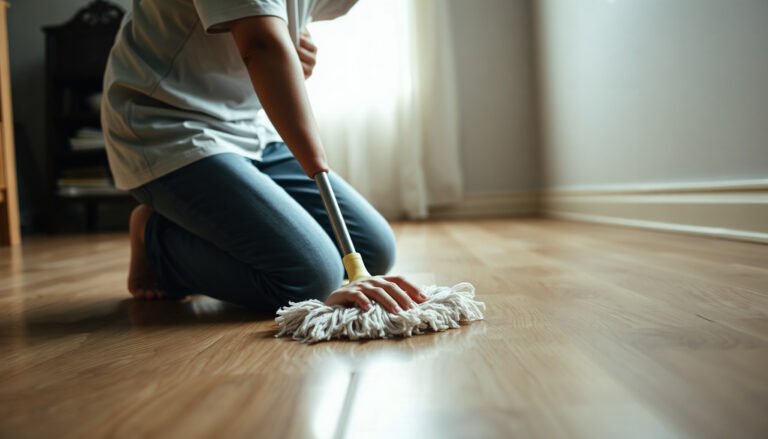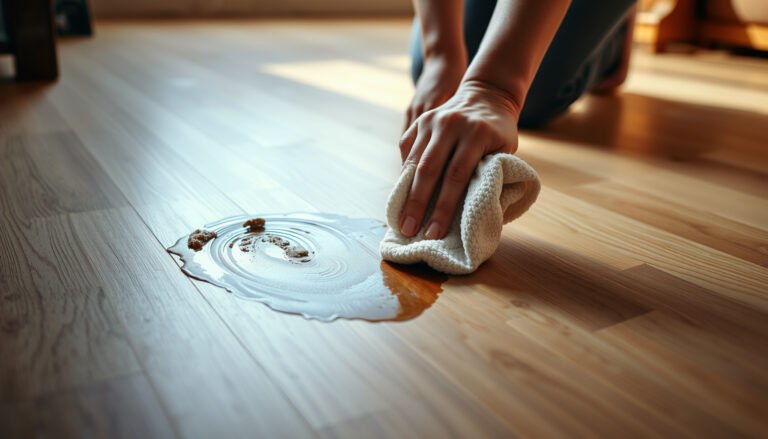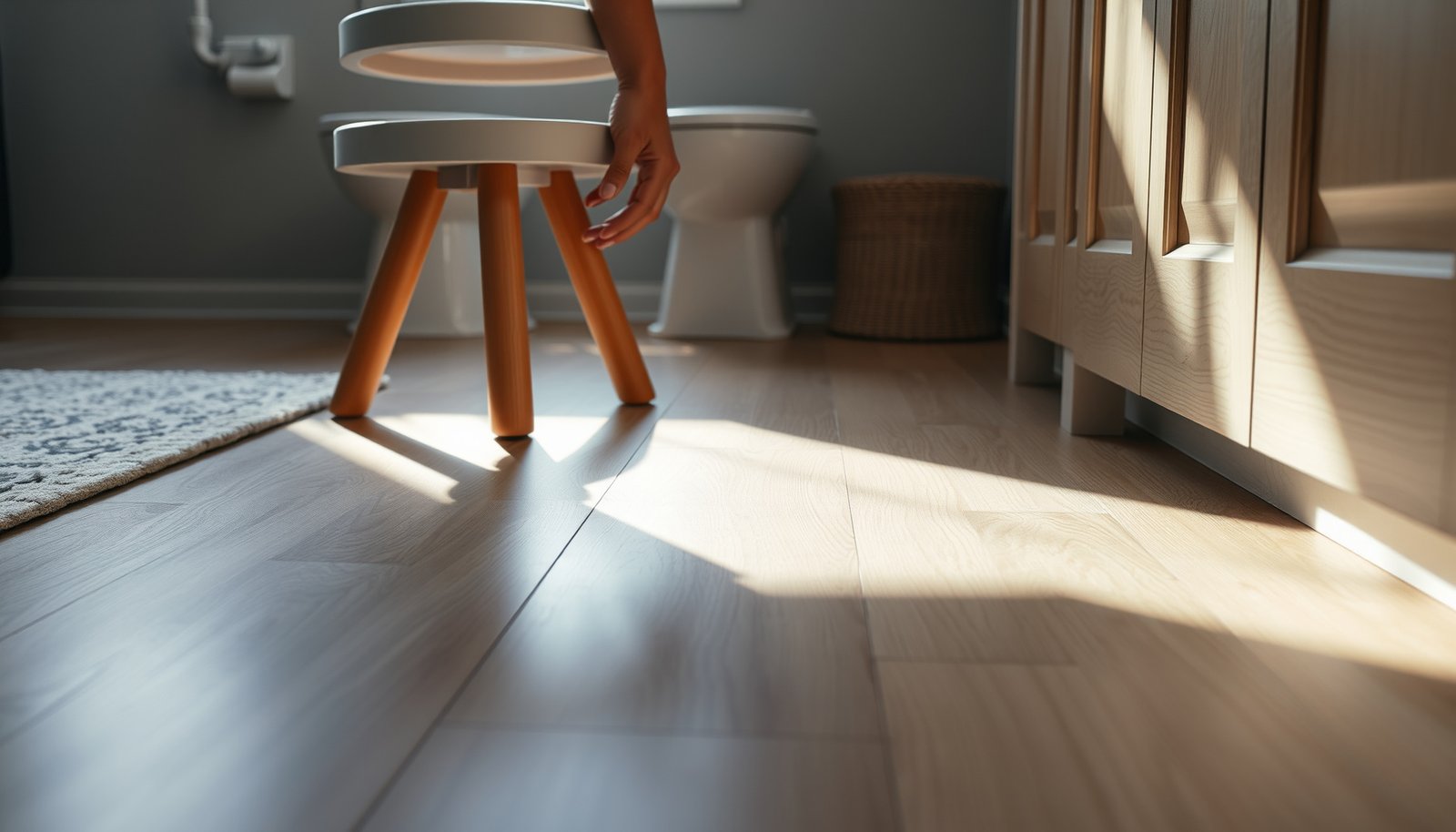

Prevent scratches on laminate floors in a bathroom by using the right contact-point protection—felt pads under furniture, scratch-resistant mats at entrances, and soft microfiber cleaning instead of abrasives. This approach is the fastest way to stop everyday scuffs from dragging in grit and abrasive particles. Follow these specific habits and your laminate stays smooth and clean without losing its finish.
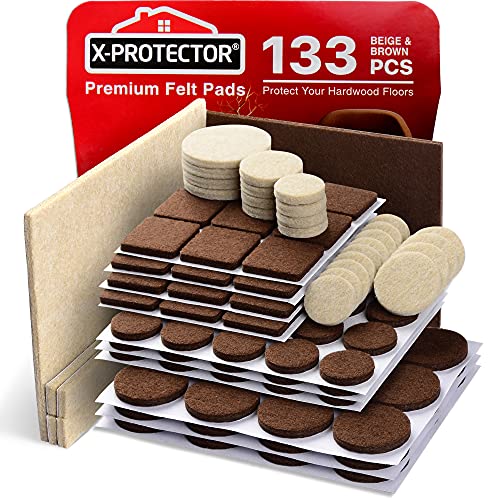


Scratches on laminate bathroom floors usually start when gritty debris (sand/dust) gets ground across the surface, or when hard items create repeated friction (chair legs, bath toys, cleaning pads). The fastest prevention is to keep abrasive particles off the floor and add soft protection at the spots that rub most. In this guide, we’ll cover practical steps for daily habits, cleaning, and bathroom-specific setup.
If your bathroom floor sees tracked-in dirt, frequent wet feet, or heavy traffic around the tub/vanity, these steps help reduce the “micro-scratches” that make laminate look dull over time. We’ll also flag the common mistakes that can make things worse.
You’ll get the most benefit from this if your bathroom has multiple entry points (hallway + exterior door), you regularly dry off in the same zone, or you move accessories (stool, hamper, bath caddy) several times per week.
Stop grit before it starts (the biggest scratch trigger)
The most effective answer to “how do I stop scratches from spreading?” is simple: remove abrasive grit before you mop or wipe. If sand and dust stay on the laminate, every damp wipe turns into a fine-abrasive pass.
According to the U.S. Geological Survey, sand grains are typically classified in the range of about 0.0625–2 mm, which is easily tracked onto floors and can act like controlled abrasion. U.S. Geological Survey (sediment size classification)
According to the U.S. Geological Survey’s Mohs hardness references, quartz ranks at 7 on the Mohs scale—hard enough to mark most laminate wear surfaces when dragged. U.S. Geological Survey (Mohs hardness scale references)
If you damp-clean over grit, you can grind particles deeper into the surface texture, which is why a “sweep first” routine often reduces visible micro-scratches more than changing cleaners.
– Place a good bath mat/rug at the entry and outside the tub so sand and debris don’t get ground into the laminate.
– Aim for two-zone coverage: one mat where people enter (external transfer control), and one near the tub (water + towel debris control).
– Keep the mat edges flat—rolled corners concentrate foot pressure and can “sandpaper” the surrounding laminate over time.
– Use a dry “sweep first” routine (soft broom or microfiber dust mop) before any wet cleaning.
– In bathrooms, the first pass matters most because fine grit can hide in corners and along baseboards.
– If you mop first, you may be spreading dry grit across more boards—then dragging it back again while drying.
– Keep a shoe-off rule (or a dedicated spot for drying shoes) if your bathroom gets outside debris.
– If you can’t go full shoe-free, at least create a “shake station” just outside the bathroom so grit doesn’t migrate inside on shoe soles.
Protect high-wear zones with the right mats and pads
The quickest way to prevent new scratches after you clean is to reduce direct rubbing and sliding in the zones that see repeated contact. In practice, the “best mat” is the one that stops movement without introducing residue or hard edges.
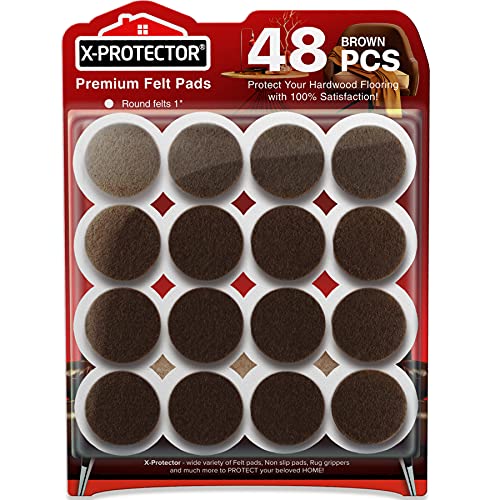
Floor protectors made with felt or soft elastomers are designed to reduce friction during sliding contact, which lowers scratch risk compared with hard plastic feet.
If a rug or mat has an incompatible backing, manufacturers often warn that it can discolor finishes or leave residue—testing and compatibility guidance matter for laminate.Non-scratch pads still need to be clean and dry; embedded grit under a pad can transfer and scratch when the pad moves.– Put a non-scratch rug or mat under items that get moved (bathroom stools, hampers, rolling cleaning caddies).
– For hampers and stools, think “everyday sliding.” Even gentle shifts can create repeated micro-scratches on laminate bathroom floors.
– Use furniture/piece protectors on anything that can slide—look for felt or soft pads, not bare hard plastic.
– If you have chair legs or stool feet, check both the pad material and the edge condition (chips and hard plastic rims are common scratch culprits).
– Choose mats with flooring-friendly backing; if your laminate has a specified underlayment/pad guidance, follow that first.
– The manufacturer’s care sheet usually matters here because it may specify acceptable mat backings, rug adhesives, and cleaning aids.
Pros/cons comparison (so you pick the right protection for laminate bathroom floors):
Option Best for Pros Cons / risks Area rug with compatible backing High-traffic zones near vanity/tub Distributes load and reduces direct rubbing Some backings can leave residue; can trap grit if not cleaned Felt protectors on stool/hamper feet Small, frequently moved items Lowers friction and reduces edge pressure Felt can wear down; grit trapped under felt still scratches Flooring-approved non-slip mat (clean + dry) Foot zones and drying areas Stabilizes mats and reduces lateral movement Non-slip components vary—compatibility guidance is key Bare rubber feet / hard plastic casters Occasional use Easy to find Higher likelihood of scuffs/marring due to higher contact hardness and friction Reduce friction from cleaning tools and routines
The fastest way to stop “cleaning-caused” scratches is to change tools and technique together. Using the wrong pad or dragging a cloth across grit can create the very dulling you’re trying to remove.
Microfiber mops/cloths are commonly used for laminate because they help lift and trap debris rather than using coarse, abrasive scrubbing.Using beater-bar vacuum heads on hard surfaces can increase the risk of surface marring because they intensify brush contact and agitation.Lifting objects instead of dragging reduces shear forces at the laminate surface, which directly lowers scuffing and scratch formation.– Avoid abrasive scrubbers and “power” pads; stick to a microfiber mop/cloth and gentle, laminate-approved cleaner.
– If your cleaner leaves a film, the next wipe can feel “gritty” even when no sand is present—dullness can be buildup, not just scratching.
– When vacuuming, use a soft brush attachment and avoid beater bars that can scratch the surface.
– In bathrooms, you’ll often vacuum around edges where grit collects from outside footwear and from dried bath products.
– Lift items instead of dragging them across the floor (including bath accessories and cleaning tools).
– This includes “small” items: bath toy bins, handheld shower caddies, and even cleaning buckets when you move them during routine care.
Handle bathroom moisture the safer laminate way
The immediate answer to “will water damage or scratches my laminate floor?” is yes—moisture increases vulnerability, especially at seams and edges. You can reduce abrasion risk by managing water exposure while you clean and dry.
According to common laminate floor care guidance, standing or excessive moisture can allow water to penetrate seams and edges, increasing the chance of swelling and surface vulnerability over time.Using damp (well-wrung) cleaning methods reduces the chance of excess liquid contacting seams compared with soaking or flooding.Drying spills quickly helps limit both moisture exposure and the grit-on-water effect that can turn micro-debris into an abrasive slurry.– Wipe up water quickly—standing moisture can loosen edges and make the floor more vulnerable to surface damage.
– After showers and when cleaning around the tub, do a quick perimeter check at board edges, not just the center of the bathroom.
– Don’t flood-clean; use damp (not soaking) mops and wring well before you go over the boards.
– A wrung mop should leave the floor clean, not visibly wet.
– Protect seams during routine cleaning: dry any puddles at the edges and corners as you go.
– Seams are where laminate floor tolerances are least forgiving. If your laminate bathroom floors are already showing early edge lifting, moisture control becomes non-negotiable.
📊 DATAScratch Drivers on Laminate Bathroom Floors: Mohs Hardness (Harder = More Abrasive)
# Common abrasive source Typical mineral/material Mohs hardness Floor risk rating 1 Quartz dust from tracked grit Quartz 7 High abrasion 2 Glass fragments Glass (silica-based) 5.5 High abrasion 3 Ceramic/tile grit Ceramic material 6–7 High abrasion 4 Stainless-steel abrasion Steel alloys (varies) 4–4.5 Moderate–high abrasion 5 Calcite dust from limestone areas Calcite 3 Moderate abrasion 6 Limestone dust (common in masonry) Calcite-rich limestone 3 Moderate abrasion 7 Soft soil/clay (varies by region) Clay minerals ~1–2 Lower abrasion What this means for laminate bathroom floors: when the abrasive material on the surface is hard (quartz ~7, glass ~5.5), even short, repeated dragging can create persistent micro-scratches that make the finish look dull.
What can go wrong (and why you should watch for it)
The biggest prevention mistake is believing that “more cleaning” always fixes scratches. Scratches come from abrasive contact and repeated friction, so the wrong product or technique can accelerate dulling even when the floor looks cleaner.
Some rug and mat backings can leave residue or discolor flooring finishes; laminate care instructions often require compatibility testing before full-area use.Abrasive DIY “scrubs” can introduce particle-based wear even when you’re using household items, especially if the mixture contains fine solids or if you scrub with coarse tools.If laminate is already lifting at seams, excess moisture management won’t fully stop abrasion because the surface can move and expose edges to friction.– Rubber-backed mats or the wrong backing can leave residue or discoloration—test a small corner first.
– If you see hazing after a mat is removed, stop using it on laminate bathroom floors until you confirm the manufacturer’s compatibility guidance.
– “Green” DIY fixes (like baking soda scrubs or scouring powders) can be abrasive and cause haze or fine scratches.
– Even if a substance is marketed as gentle, the key issue is often the physical abrasiveness of suspended solids and the scrubbing action.
– If your laminate is already damaged or lifting at seams, added moisture control won’t fully fix abrasion—address the underlying wear first.
– If the boards are moving, protect and stabilize the area. When laminate bathroom floors shift, friction becomes unpredictable and scratches concentrate near lifted edges.
Verdict / tip
The best approach to preventing scratches on laminate bathroom floors is to control grit at the source and prevent hard friction at contact points. This usually beats aggressive “scratch removal” efforts because most damage comes from what gets dragged over the surface, not from dirt you can’t see.
The most practical scratch prevention strategy is source control: keep abrasives off the floor before wet cleaning and reduce sliding contact with soft, compatible protectors.If you follow the manufacturer’s care and maintenance guidance, you minimize the risk of dull spots caused by incompatible cleaners, pads, or backing materials.If you do only two things, do this:
1) control grit with mats + sweep/dust first, and
2) prevent hard contact with soft, flooring-approved protectors.
This approach usually beats aggressive cleaning, because scratches are often caused by what gets dragged over the surface—not by dirt that you can’t see.
Skip these steps or slow down if you’re unsure about what your laminate manufacturer allows for cleaners, mats, or pads—using incompatible products can create dull spots or void warranties (). When in doubt, follow the manufacturer’s “care and maintenance” guidance exactly.
Quick checklist: keep scratches off day-to-day
Area What to do What to avoid Entry to bathroom Use a mat; keep it clean/dry Sand tracking + no mat Around tub/vanity Add a soft, compatible mat/rug Dragging accessories across boards Moving items Lift and/or add soft pads Hard plastic contact or sliding Cleaning Microfiber + laminate-approved cleaner Abrasive pads, scouring powders Vacuuming Soft brush attachment Beater bars / aggressive heads Wet messes Wipe quickly; damp cleaning only Soaking the floor or flooding seams Frequently Asked Questions
What are the best ways to prevent scratches on laminate floors in a bathroom?
Start by using felt pads or rubber furniture glides under bathroom stools, hampers, and small cabinets to reduce point impact damage. Place a high-quality doormat at the entry and use bath mats with non-slip backing so grit and moisture don’t grind against the laminate surface. Regularly sweep or vacuum with a soft brush attachment to remove sand and debris that can cause micro-scratches.
How can I protect laminate bathroom floors from scratches caused by wet debris and sand?
Use a absorbent doormat both outside and inside the bathroom to trap sand and dirt before it reaches the floor. When cleaning, avoid abrasive scrub pads and choose a damp microfiber mop to prevent grit from being dragged across the laminate. If sand gets tracked in, vacuum promptly and wipe afterward so particles don’t scratch the surface during foot traffic.
Why do laminate floors get scratched in bathrooms, even with careful cleaning?
Bathrooms typically have higher foot traffic and more frequent water exposure, which can carry grit from shoes onto the laminate. Sand, hair, and dust act like sandpaper, especially around wet areas where people step in and out repeatedly. Also, dragging items like shower stools or cleaning tools can create visible scuffing if not protected with pads or protective mats.
Which cleaning tools and products are safest for scratch prevention on laminate bathroom flooring?
Opt for a microfiber mop and pH-neutral laminate floor cleaner to avoid residue that can make debris stick and increase wear. Use a vacuum with a soft-brush roller or a hard-surface setting, and steer clear of steel wool, rough sponges, or harsh abrasives. For spot cleaning, use a soft cloth and gently blot rather than scrubbing aggressively.
How should I place and maintain bath mats to minimize scratches on laminate floors?
Choose bath mats with a flat, non-abrasive surface and non-slip backing that won’t shed particles onto the floor. Replace mats that are worn or frayed, since loose fibers can trap grit and lead to scuffing over time. Shake mats outdoors, wash them regularly, and keep the floor dry to prevent trapped moisture from accelerating wear at scratch points.
📅 Last Updated: October 20, 2026 | Topic: How to prevent scratches on laminate floors in a bathroom? | Content verified for accuracy and freshness.
References
- Laminate flooring
- Scratch
- Felt
- https://en.wikipedia.org/wiki/Area_rug
- https://en.wikipedia.org/wiki/Chair_mat
- Cleaning
- Bathroom
- https://scholar.google.com/scholar?q=laminate+floor+scratch+prevention+felt+pads Google Scholar
- https://scholar.google.com/scholar?q=laminate+floor+care+maintenance+protective+mats+rugs Google Scholar
- https://scholar.google.com/scholar?q=bathroom+laminate+floor+maintenance+prevent+damage Google Scholar