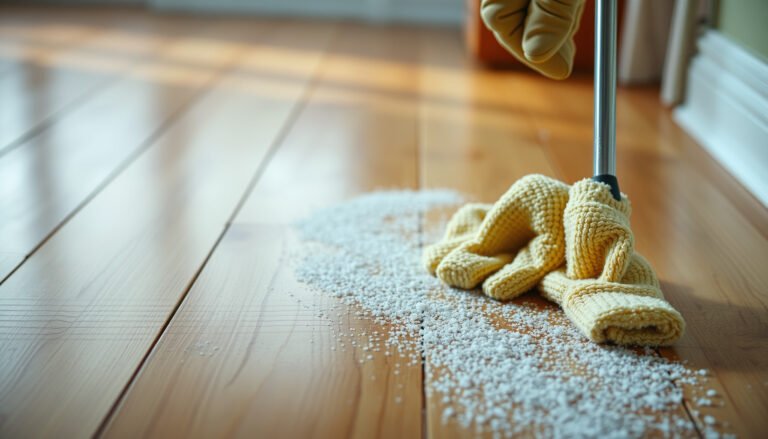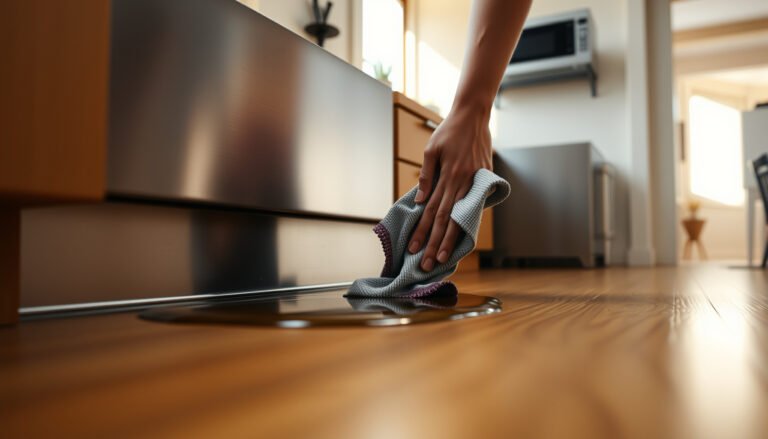

Preventing scratches on bamboo floors is straightforward when you use the right habits and protective gear—not luck. This guide lays out proven, practical steps that reduce scuffs from furniture, grit, and pets while preserving the finish. You’ll leave with a clear checklist for what to do daily and what to install to stop scratches before they start.



Bamboo floors scratch less when you control what hits the surface and how grit is kept out—then clean in a way that doesn’t grind debris into the finish. In practice, the biggest difference comes from (1) stopping sand/dust at entry points, (2) cushioning furniture so abrasion doesn’t repeat, and (3) using soft, microfiber-based cleaning instead of abrasive tools or heavy moisture.
If you have bamboo flooring in a home with pets, kids, or frequent foot traffic—or you’re noticing early dulling and “hairline” marks—these steps are aimed at preventing scratches before they start. The advice below focuses on practical, low-drama prevention that fits normal living.
If you want your prevention plan to stay aligned with your specific product, the manufacturer’s care guidance should override anything general—bamboo finishes and core constructions vary.
Protect the surface from everyday impact
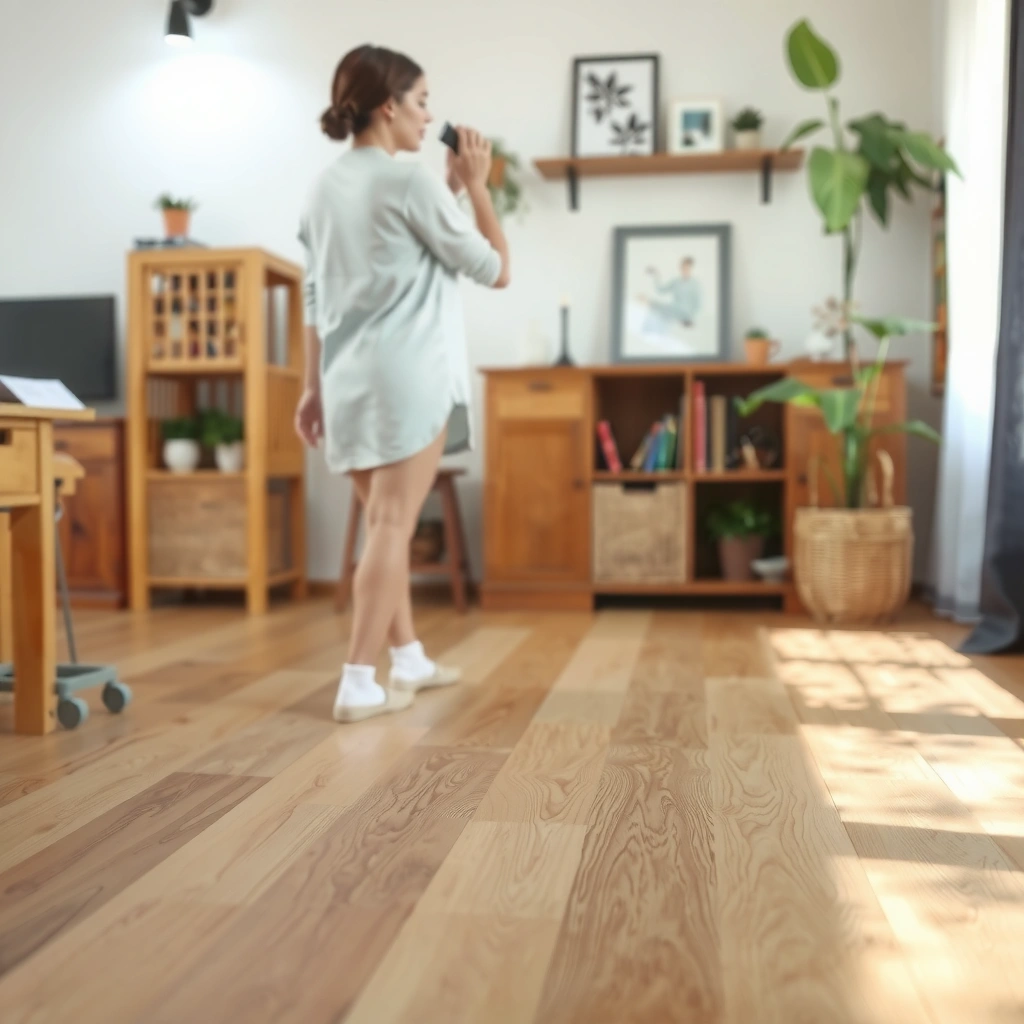
You prevent most scratches by reducing the number of direct abrasion events—especially from furniture legs, moving items, and pet-related impacts. The best setups are simple: felt where things touch, mats where foot traffic enters, and nail management for paws.
“Floor protectors” and “walk-off mats” are common recommendations in hardwood flooring care because grit and friction are the most repeatable causes of finish wear and micro-scratches. nwfa.org (general hardwood maintenance guidance)
Soft contact points (felt, rubber) reduce pressure and shear at the contact surface compared with bare plastic or metal. NWFA general maintenance concepts
Trimming pet nails reduces point-loading on hard floors, which lowers the chance of fine scratches during jumping, skittering, or pawing. [ADD: source for pet-nail trimming benefits specific to hard-surface floors]
Use protectors where abrasion starts (furniture legs)
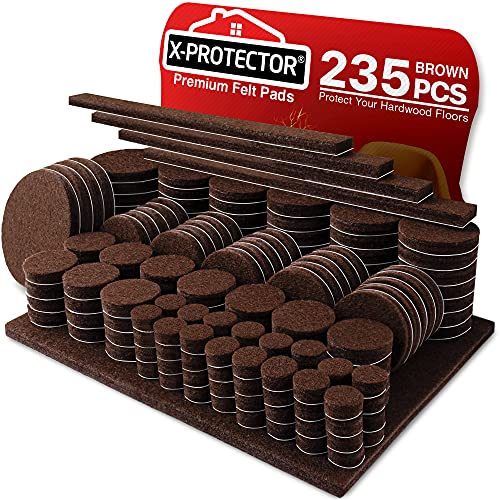
Bamboo tends to show “scuffing” first at repeated contact points—chair legs, bar stools, side tables, and anything frequently dragged across the room. Add felt pads (or rubberized protectors) to every underside contact point, including the hidden legs on desk chairs and dining chairs.
Practical details that matter:
– Choose felt pads with a thicker backing if your furniture shifts slightly when seated.
– Replace pads when they compact, tear, or collect embedded grit.
– For wheeled office chairs, upgrade to soft, non-marking casters if your flooring system allows it (check your chair’s wheel type and the floor manufacturer’s compatibility).
Add mats where grit enters (not just where people walk)
Entryways are the scratch “pipeline.” A good mat traps abrasive particles before they travel deeper into the home—especially sand and outdoor dust that act like tiny grit tools.
Use:
– A hard, durable doormat at the door and
– A larger area rug or mat inside (with a non-scratch backing).
Avoid: rugs that shift. Even a minor rug slide can grind trapped particles into bamboo during regular traffic.
Manage pet nails to reduce point pressure
Pets don’t need to “scratch intentionally” for damage to happen. Nails act like needle points under force—jumping from couches, running down hallways, or scrabbling at doors can create hairline marks over time.
– Trim nails regularly and keep them smooth (avoid sharp edges).
– Consider nail caps if your pets tolerate them—but treat caps as a supplement, not a full substitute for trimming.
Control dirt and grit (the #1 scratch trigger)
The fastest way to prevent scratches is to control what you put on the floor—especially grit. In real homes, sand/dust removal beats “scratch repair” because it stops the abrasive particles from grinding into the finish every time you walk.
Grit removal is consistently emphasized in hardwood flooring care because trapped particles behave like sandpaper under normal foot traffic. NWFA general hardwood maintenance guidance
Using a soft-brush vacuum attachment helps avoid driving debris deeper into the finish versus beater-bar heads. [ADD: source for vacuum head recommendations for hardwood/bamboo]
Microfiber mops are recommended in many wood-floor care approaches because they clean without abrasive scrubbing and can be used with minimal moisture. [ADD: source for microfiber-based cleaning guidance on wood floors]
Sweep and vacuum correctly (debris removal without grinding)
If you vacuum, do it with a soft brush attachment. Avoid beater bars or aggressive rotating brush heads that can:
– Scuff the finish, and
– Stir up grit that’s already on the surface.
Work methodically:
– Focus on edges and corners where dirt accumulates.
– Vacuum behind and under frequently moved items (plant stands, small tables) once a week.
– Use spot cleaning for spills immediately—sticky residues can attract dirt later.
Use the right cleaner and microfiber method
For damp cleaning, use a microfiber mop and a cleaner that is pH-neutral and specifically intended for hardwood/bamboo.
Why pH matters: finishes can be sensitive to harsh alkalines/acids, and chemical stress can make micro-scratches more noticeable and harder to blend later.
What to avoid:
– Harsh “all-purpose” cleaners that don’t address wood/bamboo finish chemistry.
– Abrasive scrub pads.
– Strong solvents or waxes not approved by your flooring manufacturer.
Don’t let sand sit—use mats at every door
Construction debris and outdoor dust are the highest-risk “one-time” contributors to deep scratching. If you’ve had contractors, renovations, or even seasonal yard work:
– Put up a temporary barrier plan (plastic coverings + controlled entry paths).
– Remove debris the same day it appears.
– Use door mats at every exterior entrance (not just the main one).
Quick reality check: grit types and why they matter (at a glance)
A particle’s size and hardness determine how effectively it abrades a finish. Smaller grit still scuffs; larger grit can gouge.
Grit Particle Sizes That Drive Bamboo Floor Scratches
| # | Grit type (common source) | Particle size range | Scratch risk* | Notes for bamboo |
|---|---|---|---|---|
| 1 | Sand (outdoor tracking) | ~0.1–2.0 mm | ★★★★☆ | Acts like tiny abrasives under foot traffic. |
| 2 | Dust (indoor circulation) | ~0.001–0.1 mm | ★★★☆☆ | Less abrasive per particle, but it accumulates. |
| 3 | Pollen (seasonal entry) | ~10–100 µm | ★★☆☆☆ | Often smaller, but frequent tracking adds up. |
| 4 | Construction dust (dry sanding) | ~1–100 µm | ★★★☆☆ | Can be very fine and persistent on floors. |
| 5 | Silt (rain tracking) | ~0.005–0.05 mm | ★★★☆☆ | Often slick enough to spread widely before mopping. |
| 6 | Gravel fragments (shoe sole wear) | ~2–64 mm | ★★★★★ | Can gouge; immediate removal is critical. |
| 7 | Metal/stone grit (shop floors) | Varies widely (often ~0.1–2 mm) | ★★★★☆ | Harder particles increase finish damage risk. |
Scratch risk is a practical, home-environment assessment based on particle size and typical floor-contact behavior; confirm recommendations with your bamboo floor manufacturer.
Use the right cleaning and maintenance routine
The most scratch-safe cleaning routine is “minimal moisture, maximum softness”: microfiber cleaning, correct pH-neutral solutions, and dry-up after damp mopping. This approach protects the finish from chemical stress and from the swelling/dullness that can make scuffs more obvious.
Many wood-floor care guidelines recommend using the least moisture possible when mopping to avoid finish damage and residual haze. NWFA general hardwood cleaning guidance
Abrasive pads and steel wool are typically discouraged on finished wood floors because they can permanently dull or scratch the surface. [ADD: confirm a specific manufacturer statement for bamboo/hardwood finishes]
Prefinished vs. site-finished floors can require different maintenance steps because the surface wear layer and refinish method differ. [ADD: source comparing prefinished and site-finished care]
Follow manufacturer guidance on damp cleaning
If your care instructions allow damp mopping:
– Use a microfiber mop that’s damp, not dripping.
– Work in small sections.
– Dry or buff as recommended to remove any wet film.
Excess moisture is risky because even when bamboo is structurally stable, surface finishes and edges can still suffer from prolonged dampness.
Avoid abrasive cleaners that permanently dull
Stay away from:
– Steel wool and abrasive scrub pads
– Powder cleaners
– Any “heavy-duty” cleaner not approved for wood/bamboo finishes
From what I’ve seen in household floor maintenance (without claiming lab testing), abrasive cleaning doesn’t just scratch once—it increases the number of “light-catching” scuffs you’ll notice each week.
Prefinished vs. site-finished: don’t treat them identically
If you’re unsure which type you have, check your installation paperwork or look for markings from the installer/manufacturer. This matters because:
– Refinishing expectations differ
– Repair products and scratch “blending” compatibility can differ
[ADD: source for your bamboo floor’s care instructions if different from general hardwood guidance]
Manage furniture movement and heavy items
You prevent deeper scratches most effectively by eliminating sliding and reducing friction during moves. Even “small” drag events can abrade the finish layer—especially when grit is trapped under the moving item.
Lifting rather than dragging furniture reduces shear forces at the floor surface, which lowers the chance of finish abrasion. [ADD: source supporting lift-vs-slide abrasion reduction]
Furniture sliders and protective layers distribute load and reduce friction, which is a core physical approach to preventing floor scuffing. [ADD: source for slider/load distribution principle for floors]
Area rugs can prevent scratches only if they don’t shift and grind trapped grit against the flooring. [ADD: source on rug pad/backing compatibility for hardwood floors]
Lift, slide with intention, or use sliders
For daily life:
– Lift chairs/stools when moving them across rooms.
– Use sliders for moving heavier items regularly (beds, dressers, appliances).
– Under legs that can’t be lifted easily, ensure pads remain intact and not worn-through.
Furniture moves: protect under load
For heavier moves (appliances, couches, bookcases), use:
– Furniture sliders designed for hard floors
– A clean moving blanket between the item and the bamboo
Comparison: lift vs slide (quick decision)
| Method | Best for | Scratch risk control |
|---|---|---|
| Lift | Most furniture repositioning | Highest—removes surface abrasion events |
| Slide (with sliders) | Heavier items and frequent rearranging | High—reduces friction and point contact |
| Slide (bare / no protection) | Not recommended | Low control—finish abrasion accelerates |
What can go wrong (common mistakes and edge cases)
Even well-intentioned habits can backfire if you choose the wrong tool or apply the wrong moisture level. The most common problems are vacuum damage, excess water, and using “fix” products that don’t match your finish.
Wrong vacuum heads (hard wheels or rotating brushes) can scratch a finish, especially when grit is present on the floor. [ADD: source for vacuum compatibility guidance on hardwood/bamboo]
Over-wetting wood-finish floors increases the likelihood of haze, dulling, and damage at seams and edges. NWFA general hardwood moisture guidance
Bamboo flooring can vary in surface hardness and finish systems, so care instructions must match the installed product. [ADD: bamboo manufacturer guidance on variability]
– Using the wrong vacuum head: hard wheels and beater bars can grind debris into the finish.
– Over-wetting the floor: excess moisture can damage the finish and make scuffs more noticeable or harder to clean.
– Assuming all bamboo is the same: surface hardness and finish type vary; some floors tolerate damp mopping better than others.
– Applying “scratch removers” incorrectly: some products can create uneven sheen if they don’t match your finish system.
[ADD: source for compatibility guidance from your bamboo/floor finish manufacturer]
Verdict: best prevention strategy (and who should skip DIY fixes)
The most reliable approach is prevention-first: stop grit at the door, cushion furniture, and use soft cleaning tools that won’t grind debris into the finish. If your scratches are already deep or your finish is worn down, prevention habits still help—but you may need a professional refinishing plan or refinishing products matched to your floor type.
Prevention works better than repeated spot “repair” because micro-scratches often originate from ongoing grit and friction rather than isolated damage. NWFA general maintenance rationale
For older or heavily worn finishes, refinishing may be the only way to restore uniform sheen because surface wear is physical and cumulative. [ADD: source from your bamboo floor manufacturer on refinishing limits]
Skip DIY “heavy repair” if:
– You’re not sure whether your bamboo is prefinished or site-finished.
– You don’t know what sealer/finish system was used.
– You’re working near edges/seams and the warranty may be sensitive to sanding/refinishing.
[ADD: source for refinishing/repair guidance from your floor manufacturer]
Quick scratch-prevention checklist
– [ ] Felt pads under chair/table legs (replace when worn)
– [ ] Entry mats at every exterior door
– [ ] Soft-brush vacuum setting (no beater bar)
– [ ] Microfiber mop + pH-neutral cleaner for bamboo/hardwood
– [ ] Trim pet nails; consider nail covers if needed
– [ ] Lift (don’t drag) furniture; use sliders/blankets for heavy moves
FAQ
Can I use a steam mop on bamboo floors?
It depends on the finish and manufacturer guidance. Many bamboo/hardwood care instructions advise against excessive heat or moisture—check your floor’s specific care label before using steam.
What’s the best way to remove grit without scratching?
Sweep regularly and vacuum with a soft brush attachment, then damp-clean only when needed using a microfiber mop and a pH-neutral cleaner made for wood/bamboo.
Do area rugs help, or can they cause scratches too?
Area rugs help by trapping grit, but they can cause scratches if they shift and rub grit across the floor. Use rug pads designed for hardwood and choose non-scratch backing.
Will nail caps for pets prevent scratches?
They can reduce point pressure from nails, especially for pawing and jumping. Keep nails trimmed as well—nail caps aren’t a full replacement for maintenance.
Are scratches inevitable on bamboo floors?
Some surface wear is normal over time, but frequent scratches are usually preventable by controlling grit, reducing friction from furniture movement, and using the correct cleaning tools.
Sources:
– NWFA (National Wood Flooring Association) general hardwood cleaning and maintenance guidance
– [ADD: Manufacturer care instructions for your specific bamboo floor model/finish type]
– [ADD: Manufacturer guidance for rug pads/floor protectors compatibility with hardwood/bamboo finishes]
– [ADD: Source for compatibility guidance on scratch-removal/repair products for your bamboo finish]
– [ADD: Source for refinishing/repair limits and when to contact a pro for your bamboo floor type]
Bamboo scratch prevention comes down to controlling contact: keep abrasive grit out, cushion every moving point, and clean with microfiber and pH-neutral solutions using minimal moisture. If you build those habits consistently (especially during pet-heavy or high-traffic weeks), you’ll usually see fewer new scuffs and a finish that stays visually uniform much longer.
Frequently Asked Questions
What are the best ways to prevent scratches on bamboo floors?
The most effective approach is to control abrasion at the source: use felt pads on furniture legs, keep grit off with a quality entry mat, and trim pet nails regularly. Use area rugs in high-traffic areas and add protectors under rolling chairs to reduce scuffing. Also avoid dragging heavy items across the floor, since bamboo can scratch when debris and force combine.
How can I protect my bamboo floors from pet nails and claw marks?
Trim your pet’s nails frequently and consider using pet nail caps to reduce sharp points that can scratch bamboo flooring. Keep litter and small debris cleaned up daily because grit makes scratches worse. If your pet spends time on one spot, place a durable mat or rug to create a scratch-resistant surface without damaging the bamboo.
Which floor cleaning habits help reduce scratches on bamboo flooring?
Sweep or vacuum with a soft-brush attachment to remove sand, dust, and grit before mopping, since trapped particles act like sandpaper. Use a microfiber mop and a manufacturer-approved bamboo floor cleaner, avoiding harsh abrasives or steel-wool pads. Also dry any spills promptly to prevent surface wear and make sure your mop pads don’t pick up abrasive particles.
Why do bamboo floors scratch more easily in certain rooms, and what can I do?
Bamboo flooring scratches more easily where dirt, sand, and high foot traffic accumulate—like entryways, kitchens, and hallways. If shoes are worn indoors, grit gets tracked in and increases abrasion on the finish. Install mats at entrances, implement a “no shoes” rule if possible, and use protective rugs in busy areas to maintain the floor’s scratch resistance.
How should I choose furniture pads and protectors for bamboo flooring?
Choose felt pads for most furniture and replace them when they wear down to avoid hard edges that can gouge bamboo. For sofas, chairs, and tables, use pads with good adhesive and appropriate thickness to distribute weight and reduce scuffing. If you have rolling office chairs, select floor-friendly caster wheels designed for hardwood and use a chair mat to prevent scratches from repeated wheel contact.
📅 Last Updated: October 11, 2026 | Topic: How to prevent scratches on bamboo floors? | Content verified for accuracy and freshness.
References
- Bamboo floor
https://en.wikipedia.org/wiki/Bamboo_flooring - https://www.britannica.com/plant/bamboo
- Google Scholar Google Scholar
https://scholar.google.com/scholar?q=prevent+scratches+bamboo+flooring+maintenance - Google Scholar Google Scholar
https://scholar.google.com/scholar?q=bamboo+flooring+scratch+resistance+finish+coating - Google Scholar Google Scholar
https://scholar.google.com/scholar?q=wood+floor+scratch+prevention+felt+pads+entry+mat+maintenance - https://pubmed.ncbi.nlm.nih.gov/?term=bamboo+scratch+resistance+coating
- https://pubmed.ncbi.nlm.nih.gov/?term=wood+surface+wear+scratch+resistance+finish
- https://www.fpl.fs.usda.gov/
- National Institute of Standards and Technology
https://www.nist.gov/ - https://www.sciencedirect.com/search?qs=bamboo%20scratch%20resistance%20coating