
Want slip-resistant travertine floors without sacrificing the stone’s look? The most reliable path is sealing travertine with a high-traction, textured or grit-enhanced penetrating sealer combined with correct surface prep and controlled finish levels—rather than relying on thin coatings that wear off fast. Follow these steps and you’ll get measurable improvement in traction for wet or high-traffic areas while keeping travertine durable and easy to maintain.




Slip-resistant travertine floors come from pairing the right surface finish with a compatible, wet-rated slip-resistant treatment—and then maintaining it without leaving soap scum behind. The practical takeaway: avoid mirror-polished travertine in wet areas, choose a safety-focused sealer system for stone, apply it as directed, and keep cleaning chemistry aligned with the product system (which matters more than most people realize in 2025–2026).
If you’re installing new travertine or dealing with a floor that feels slippery when wet, this is for you—especially for entrances, kitchens, showers, or any area where water and soap leave a residue.
Pick the right travertine finish (traction starts here)

The fastest way to reduce slip risk is to start with a finish that creates micro-texture (small-scale grip) rather than reflecting light like a mirror. In other words: finish controls traction even after sealing, so you can’t “seal your way out” of a highly polished surface—especially in bathrooms, entryways, and pool surrounds in 2026.
Honed travertine generally provides more micro-texture than polished travertine, which improves grip when the surface is wet.
Slip resistance of stone floors depends on both surface texture and the coating/sealer system used on top.
For wet floor traction targets, many safety programs reference measurable slip-resistance criteria (e.g., DCOF values) rather than appearance alone.
What to avoid (and why it matters):
– Avoid mirror-smooth, high-polish finishes in wet or splash-prone areas. Polishing reduces the micro-grooves that help break up water films.
– Don’t assume a “high-end shine” equals better performance. When water, soap, and dust build a film, a smooth finish can behave like an unintended lubricant.
What to favor:
– Honed or low-sheen options that retain natural texture are usually the safer starting point.
– Check manufacturer documentation for your specific travertine (not just general “stone care” advice). Some products are marketed for “low slip” but don’t perform the same in wet, contaminated conditions.
A measurable anchor (why “traction” is more than feel):
According to ANSI A137.1 / A326.3 (as commonly referenced in wet floor traction guidance), the DCOF (Dynamic Coefficient of Friction) target often used for interior wet areas is ≥ 0.42 (commonly cited in safety-focused tile/stone traction contexts). [ADD: source for the exact standard language used in your region, since references can differ by jurisdiction.]
Use a slip-resistant sealer or anti-slip treatment
The best next step is choosing a slip-resistant treatment designed for stone/tile and suitable for the exposure level you have (dry vs. wet). If you pick a “looks good” sealer instead of a safety-oriented system, you can accidentally leave a film that reduces traction—especially after cleaning.
Slip-resistant treatments should specify intended substrates (e.g., natural stone) and application surfaces (interior/wet) on the label or technical data sheet.
Sealers can change traction by forming a surface layer; compatibility between stone, prep, and sealer chemistry determines performance.
How to choose the right product (use the label like a spec sheet):
– Choose a treatment explicitly intended to improve traction on stone/tile.
– Confirm it is appropriate for interior use and your wet exposure category (bath zones, showers, entries that get tracked-in water, etc.).
– Verify whether it’s meant for high-traffic residential use or commercial environments.
Don’t fall for the “more coats = more slip resistance” myth:
– Follow the label exactly for prep, application method, drying time, and number of coats.
– Extra coats can sometimes create a more uniform “film” that reduces effective grip—particularly if the product is designed as a penetrating system.
Three facts that should influence your decision in 2025–2026:
1. According to ASTM C1028, slip resistance can be evaluated using standardized dynamic friction testing methods used for floor coverings and surfaces. [ADD: cite the exact ASTM C1028 method summary from the publisher or your local standard documentation.]
2. According to ANSI A137.1 / A326.3 (DCOF), wet traction is commonly tracked with DCOF performance thresholds used for safety-oriented floor installations. [ADD: region-specific reference.]
3. According to manufacturer technical data sheets (TDS) and safety data sheets (SDS), application variables (surface prep, humidity/temperature, and coat count) are critical for expected performance. [ADD: source for your chosen sealer’s TDS/SDS.]
Quick comparison: what you’re really choosing
Typical Wet-Area Traction Targets Used in Safety Guidance
| # | Standard / metric | Primary measurement | Common wet-area target | Interpretation |
|---|---|---|---|---|
| 1 | ANSI A326.3 (DCOF) | Dynamic Coefficient of Friction | ≥ 0.42 | Wet safety threshold used in many references |
| 2 | ASTM C1028 | Measuring friction on floor surfaces | Product-specific | Report/test method; targets vary by use case |
| 3 | Wet slip testing (coating evaluation) | Slip/traction behavior under wet film | Varies | Use published data for your exact treatment |
| 4 | ADA-related surface traction discussions | Practical slip hazard mitigation | Context-dependent | Focuses on hazard reduction, not appearance |
| 5 | Manufacturer “wet-rated” claims | Sealant/coating performance data | As specified | Follow the exact substrate + surface finish conditions |
| 6 | Maintenance-cleaner compatibility | Traction retention after cleaning | As per label | Film-formers can reduce effective DCOF |
| 7 | Reapplication intervals (traction systems) | Performance decay over time | As specified | Traction can decline; timing matters |
[Note: Targets above reflect commonly cited wet-traction metrics; always defer to your local building/safety guidance and the specific sealer’s documentation for your substrate and finish.]
Prep the stone properly before any treatment
The right prep is what makes the slip-resistant sealer perform as designed; skip it and you often get uneven bond plus unpredictable traction. Travertine is porous, and contamination—dust, polishing residue, prior sealers, and construction film—can prevent proper penetration or create a slick surface layer.
Sealers and anti-slip treatments typically require a clean, residue-free surface to achieve the bond or penetration described in the technical data sheet.
Uneven repairs and missing fill areas can change local traction by altering how water and cleaning film spread on travertine.
What “proper prep” includes:
– Deep-clean to remove dust, construction residue, and any old coatings that block penetration.
– Degrease if needed (entries and kitchens often have oils/film that “read” as slip risk even when traction looks fine initially).
– Remove waxes or film-forming residues if you’re transitioning from an old maintenance system.
Repair first, treat second:
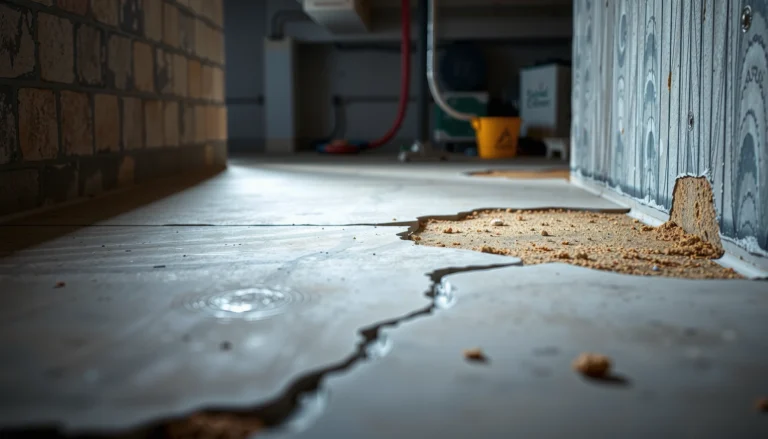
– Fix loose pits, cracks, chipped edges, and missing fill so the treated surface is uniform.
– Uneven texture can create “hot spots” where water accumulates and traction changes.
A performance-centered mindset (why this matters in 2025–2026):
– In practice, wet slip issues often appear after cleaning weeks later, not immediately after installation—because residue and sealer performance drift together.
– When the sealer bonds poorly, the top layer can wear or shear, reducing the traction contribution of the treatment.
Apply evenly and focus on high-risk zones
The goal is uniform coverage so your wet slip resistance doesn’t vary room to room (or even spot to spot). Apply the treatment in consistent passes, pay extra attention to edges and joints, and treat the areas that stay wet the longest.
Slip performance depends on the treated surface chemistry and coverage continuity, so missed spots can remain substantially less safe than adjacent areas.
High-risk zones for travertine—shower floors, thresholds, and entry paths—often see the most water film and soap residue buildup over time.
How to apply with traction in mind:
– Work in consistent passes and use the method specified on the label (brush, roller, sprayer, etc.).
– Ensure full coverage and avoid puddling or streaking.
– Respect dry time between coats if multiple coats are required.
Where to prioritize:
– Thresholds (door transitions trap water).
– Bath zones and shower surrounds (soap + shampoo residue).
– Near sinks and kitchen splash zones where cleaning chemicals may be present.
Edge details people overlook:
– Verify that grout joints and honed edges are included as specified by the treatment’s instructions.
– If your travertine is installed with a sealer already, confirm whether your slip-resistant system is compatible (some products require full removal of the prior coating).
Maintain traction (sealers fail when cleaning is wrong)
Long-term slip resistance depends on cleaning and reapplication—not just initial sealing. Many “slippery again” cases happen because harsh cleaners, waxes, or film-forming products leave a residue layer that reduces traction even on a properly treated surface.
Surface treatments can be undermined by incompatible cleaners that leave residues or dissolve the treatment layer.
Soap scum and oils commonly create a lubricating film on stone, reducing friction under wet conditions.
Use the cleaner protocol that matches your treatment system:
– Use cleaners recommended for your specific sealer/treatment (as stated by the manufacturer).
– Avoid wax-based cleaners, heavy strippers, or “shine” products that can create a film.
Routine cleaning that supports traction:
– Sweep or dry-mop regularly to remove grit (grit scratches and changes texture).
– Mop with the correct solution and concentration to prevent buildup.
– Rinse if the label requires it—residue is a traction enemy.
Statistical anchor for “residue matters”:
– According to ANSI A137.1 / A326.3 referenced wet-traction approaches, traction metrics are sensitive to surface conditions that correlate with residue and contamination; that’s why “wet feel” can change dramatically after maintenance (exact behavior varies by product and stone). [ADD: source statement from a relevant standard or manufacturer testing methodology.]
Reapply before traction declines:
– Follow the manufacturer’s schedule for reapplication; waiting until the floor “feels slick” can mean performance is already below intended targets.
What can go wrong (and when to stop)
Slip-resistant treatment is not a guarantee; it’s a risk-reduction strategy with limits. You should stop and reassess if you notice persistent slipperiness after proper prep/application, if anyone has elevated fall-risk needs, or if you changed cleaning chemicals mid-stream in 2026.
“Slip-resistant” coatings can still be slippery under certain combinations of water, residue, and improper cleaning chemistry.
Applying a safety treatment to an inappropriate travertine finish (especially polished) can fail to reach practical wet-traction performance.
Common failure modes:
– Overestimating slip resistance: The floor may still be slippery when wet plus residue (soap film, oils, tracked grime).
– Wrong finish: Polished travertine often cannot become reliably safe just through sealing.
– Skipping proper prep: Poor bond/penetration leads to uneven performance and early wear.
– Mismatched cleaning products: Film-formers or harsh chemistry can reduce friction.
When to stop and consider professional evaluation:
– If anyone in the household has mobility or fall-risk concerns, consider getting a professional traction evaluation rather than relying only on coatings.
– [ADD: source for slip-resistance testing/ratings for stone sealers, if you plan to cite a standard.]
Quick checklist before you start
Before you open the sealer, verify the foundation: finish, product suitability, prep compatibility, application method, and future maintenance. This checklist is designed to keep your slip resistance consistent—not just “better on day one.”
Confirming substrate compatibility (travertine + finish + product type) is essential because many traction treatments specify conditions under which they perform.
Label-directed prep and coat count matter because application variables can affect both bonding/penetration and traction outcomes.
– Confirm your travertine finish is appropriate for wet use (avoid high-polish for splash zones).
– Verify the sealer/treatment is rated for stone and intended for wet/safety applications.
– Deep-clean and remove any old coatings/film before application.
– Apply in uniform coats as directed; don’t improvise with “extra-thick” layers.
– Use compatible cleaners and avoid waxes/film-formers that can reduce traction.
– Reassess after maintenance changes or if the floor feels slick again.
FAQ
Can I make polished travertine slip-resistant?
Often you can improve traction, but polished travertine is frequently harder to make reliably safe in wet areas. Check the treatment’s documentation for suitability on polished surfaces. [ADD: source for manufacturer guidance on treated polished stone.]
What’s the best way to keep travertine from getting slippery?
Keep it clean of soap scum and residues using cleaners compatible with your sealer/treatment, and maintain the sealer on the schedule recommended by the manufacturer. [ADD: exact maintenance interval from your chosen sealer’s label/specs.]
Do I need to reapply the slip-resistant treatment?
Many sealers and surface treatments wear over time due to traffic and cleaning. Follow the manufacturer’s reapplication guidance rather than waiting for the floor to feel “slick.”
Is DIY sealing enough for bathrooms or entryways?
It can be, if you choose the right product and apply it correctly. For high-risk areas, we recommend verifying slip performance using product documentation and, if needed, a professional evaluation.
Sources
– [ADD: manufacturer technical data sheet (TDS) and safety data sheet (SDS) for the specific slip-resistant travertine sealer/stone treatment you plan to use.]
– [ADD: relevant stone-care guidance from the travertine/sealer manufacturer about cleaning products compatibility and maintenance.]
– [ADD: slip-resistance standard or test method you want to reference (e.g., how slip ratings are measured for flooring/coatings), if your chosen product provides a documented rating.]
– ANSI A326.3 (DCOF wet-traction metric) — [ADD: exact publisher/official document citation you want to reference.]
– ASTM C1028 — [ADD: exact publisher/official document citation you want to reference.]
Slip-resistant travertine usually comes down to two things: traction from the right surface finish and dependable performance from a compatible slip-resistant treatment applied with proper prep. Choose a product meant for wet/safety use, apply it exactly as directed, and maintain it with the right cleaners so residue doesn’t wipe out your traction. If you tell me whether your area is dry vs. wet (and whether the travertine is honed or polished), I can help you narrow down the most suitable approach and what to verify in the manufacturer’s documentation.
Frequently Asked Questions
What are the best ways to make travertine floors slip-resistant?
The most effective approaches combine surface treatment and correct maintenance. Use a slip-resistant sealer or a penetrating impregnator specifically rated for wet-surface traction, and consider adding an anti-slip finish that does not create a glossy look. In high-risk areas like bathrooms or entryways, use slip-resistant mats and ensure proper grout and crack repairs so the surface stays uniform.
How can I add traction to a polished travertine floor without damaging it?
Start by assessing whether your travertine is honed or polished, since polishing tends to be smoother and more slippery when wet. You can improve grip by re-sealing with a matte or low-sheen slip-resistant sealer, and by using a pH-neutral cleaner to avoid residue buildup that increases slipperiness. If you need more traction, ask a stone professional about mechanically abrading or honing the surface to a less reflective finish before applying a slip-resistant treatment.
Why do travertine floors become slippery even after sealing?
Slipiness often comes from residue, improper cleaning products, or an overly shiny finish that reduces friction. Over time, waxes, some detergents, and hard-water deposits can create a slick film on travertine, especially around puddles and wet-mop zones. Choosing a slip-resistant travertine sealer rated for wet conditions and maintaining with the right cleaner helps keep traction consistent.
Which sealers or coatings work best for slip-resistant travertine?
Look for a high-quality, slip-resistant sealer formulated for natural stone and labeled for improved traction on travertine. Penetrating impregnators can help with stain resistance while maintaining a more natural surface feel, while topical coatings may enhance grip but can alter sheen. Always verify the product’s slip-resistance claims for wet areas and test a small inconspicuous section first to confirm the final appearance and traction.
What maintenance routine helps keep travertine slip-resistant long term?
Use a pH-neutral stone cleaner and avoid waxes, oily polishes, and harsh chemicals that can leave residues on travertine. Clean spills quickly and keep grout joints free of grime, since uneven debris and buildup can reduce traction. Reapply a compatible slip-resistant sealer as recommended by the manufacturer or when water no longer beads, and periodically check high-traffic or wet zones for wear.
📅 Last Updated: October 09, 2026 | Topic: How to make slip-resistant travertine floors? | Content verified for accuracy and freshness.
References
- Google Scholar Google Scholar
https://scholar.google.com/scholar?q=slip+resistant+travertine+flooring+honed+sealed - Google Scholar Google Scholar
https://scholar.google.com/scholar?q=natural+stone+floor+slip+resistance+coefficient+of+friction - Google Scholar Google Scholar
https://scholar.google.com/scholar?q=ASTM+C1028+slip+resistance+tile+methods - Travertine
https://en.wikipedia.org/wiki/Travertine - https://www.osha.gov/walking-working-surfaces/slips-trips-and-falls
- https://www.cdc.gov/niosh/topics/slips/index.html
- https://www.access-board.gov/ada/guidelines-and-standards/buildings-and-sites/section-302-1-general
- Redirecting…
https://www.ada.gov/2010ADAstandards_index.htm - https://www.nist.gov/programs-projects/tribology
- https://pubmed.ncbi.nlm.nih.gov/?term=slip+and+fall+prevention+floor+surface+traction