
You can make engineered wood floors in a mudroom meaningfully safer by tightening installation, water protection, and daily maintenance—without giving up their look. The safest setup is a fully sealed system: quality underlayment, properly sealed edges and seams, and a moisture-resistant finish that blocks tracked-in grit and spills. You’ll get a clear checklist of what to do first, what to seal, and what to avoid so water damage and slipping risks stay under control.



Engineered wood can be made safer in a mudroom mainly by controlling moisture at the entrance, improving traction, and keeping the surface protected from grit. Start with a solid mat-and-entry routine, then address slip risk (finish choice + wear layer protection) before you worry about aesthetics. This guide walks through the practical steps that reduce the most common mudroom hazards.
If your mudroom gets wet shoes, boots, snow, or muddy paws, engineered wood can still work—but you need a “moisture + slip” plan. This is especially relevant if you want to preserve warranty coverage and avoid warping, cupping, or a finish that gets slick over time.
Control moisture before it reaches the floor

You reduce engineered wood failure risk in a mudroom most effectively by stopping bulk water at the doorway and keeping the floor surface from staying damp. In other words: manage moisture before it contacts the wear layer and seams, because engineered wood movement usually starts with repeated wetting.
National Wood Flooring Association guidance emphasizes controlling indoor humidity to reduce wood movement risk (often cited as a 35%–55% RH target range).
Repeated moisture exposure is a primary driver of engineered wood problems like edge swelling and finish breakdown, so entrance matting and quick drying are key risk controls.
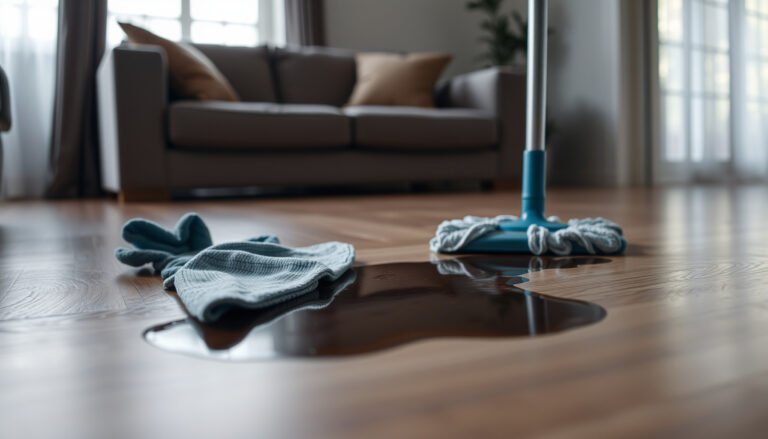
In wet-season entries, preventing puddles matters more than “mopping later,” because standing water has longer contact time with joints and edges.
If you remember one principle for engineered wood in the mudroom: treat the entry like part of your “building envelope maintenance,” not like a typical indoor hallway.
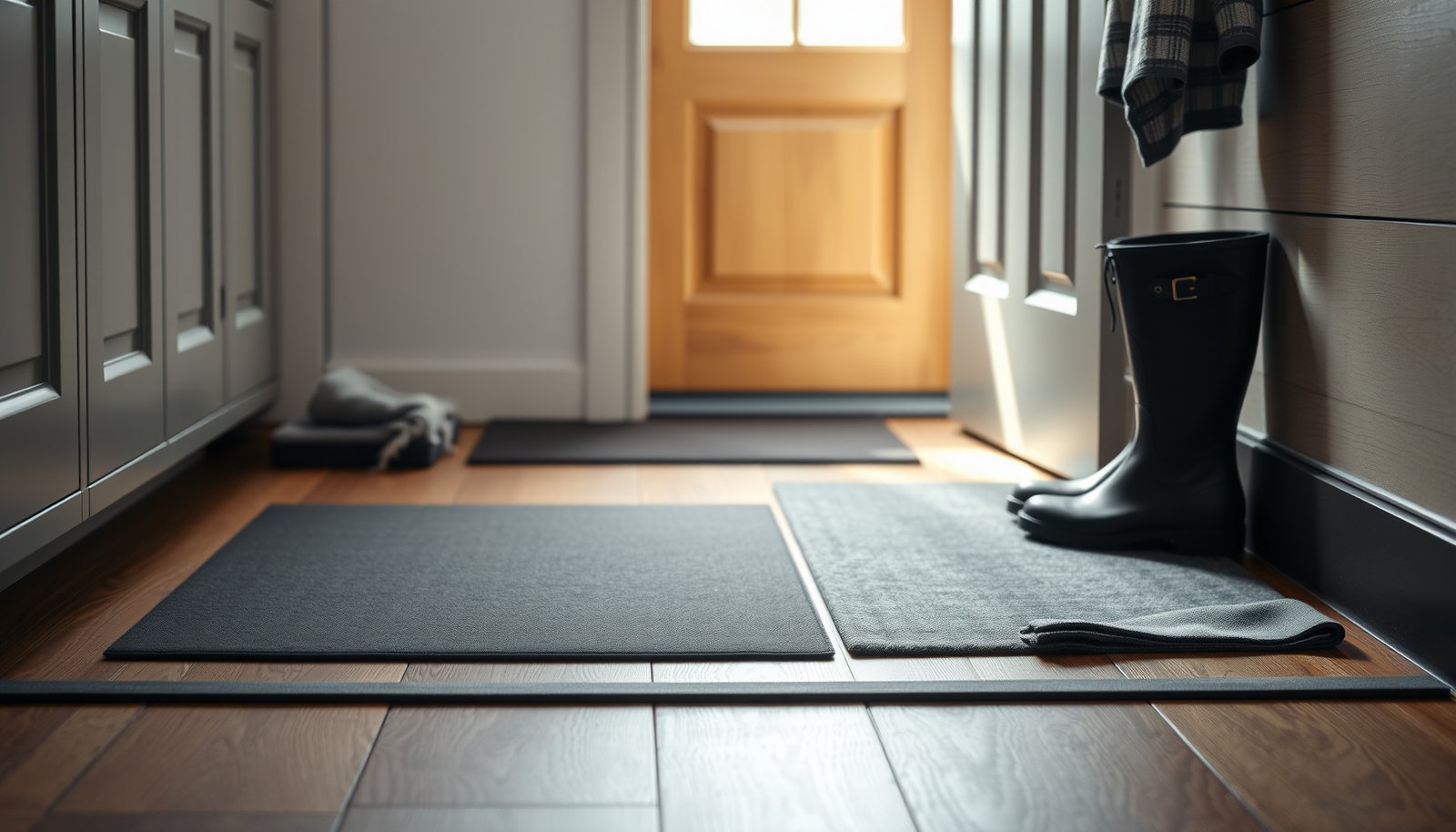
– Use a high-absorbency entry mat system (ideally one outside + one inside) and plan to replace mats when they stop soaking up water.
– Prevent standing water by wiping puddles quickly and encouraging people to step on the mat area before the floor.
– Watch for leaks at doors and plumbing nearby; even small, repeated moisture sources can outweigh “good cleaning.”
What “good moisture control” looks like for engineered wood in a mudroom
A practical mudroom setup has two jobs for engineered wood floors: (1) trap grit and water in a sacrificial layer and (2) shorten the time the wood finish is exposed to water. That means you’re not just buying mats—you’re maintaining them.
From a safety standpoint, aim for this sequence every time: remove bulk water on the outside mat → absorb remaining moisture inside → keep the engineered wood surface dry to the touch within minutes, not hours. If your routine is “track water in and wipe later,” you’re increasing seam exposure even if the floor looks clean.
Quick steps you can implement today
– Place an exterior scraper mat that stops mud chunks from getting tracked inside.
– Add an interior high-absorbency mat sized so people naturally step onto it before reaching engineered wood flooring.
– Keep a dedicated microfiber towel and a wet/dry wipe routine at the mudroom door—engineered wood in the mudroom benefits from fast spot-drying more than long “wet cleaning.”
Where moisture control often fails
Even well-intentioned cleaning can undo progress. For example, if you clean with too much water or leave residues behind, traction drops and the finish may become more slippery on foot traffic. With engineered wood in the mudroom, “clean” must also mean “not leaving a damp film.”
Fall-Prevention Impact Benchmarks for Walking-Surface Safety (U.S., CDC)
| # | Safety Benchmark | Population | Figure | Year | Prevention Leverage |
|---|---|---|---|---|---|
| 1 | 1 in 4 older adults fall each year | 65+ | ~25% | 2024 | ★★★★★ |
| 2 | ER visits for fall injuries (annual) | 65+ | ~3,000,000 | 2024 | ★★★★☆ |
| 3 | Hospitalizations after falls (annual) | 65+ | ~800,000 | 2024 | ★★★★☆ |
| 4 | Hip fractures (annual) | 65+ | ~300,000 | 2024 | ★★★★☆ |
| 5 | Hip fractures caused by falls | 65+ | ~95% | 2024 | ★★★★★ |
| 6 | Fall-related deaths (annual) | 65+ | ~28,000 | 2024 | ★★★★★ |
| 7 | Falls are the leading cause of injury death | 65+ | Leading cause | 2024 | ★★★★★ |
Note: The figures above are commonly reported CDC benchmarks for older adults (65+).
Improve traction and slip resistance on the surface
You improve engineered wood slip safety in a mudroom primarily by keeping the finish system durable and the surface dry enough to maintain grip. If engineered wood gets wet and then gets walked on repeatedly, traction loss is usually the next domino after moisture.
Traction performance on wood floors depends heavily on the finish and surface condition, so finish compatibility and maintenance are safety-critical choices.
Cleaning residues (for example, oils or film-forming chemicals) can reduce surface slip resistance by creating a slick layer even when the floor looks “clean.”
In 2026, the most reliable “traction upgrade” in a mudroom is still boring: keep water and residue off the engineered wood, then ensure the finish is the kind your manufacturer expects for traffic-heavy interiors.
– Choose the right finish approach for mudrooms: prioritize products/finishes labeled for durability and appropriate slip performance (follow the manufacturer’s finish and maintenance instructions).
– Keep the surface clean and dry; oils, tracked-in grime, and wet cleaning residues can reduce traction.
– Use runners strategically (and follow manufacturer guidance on adhesives/installation) so you’re not trapping moisture against the wood edges.
Finish choice: safety before shine
A finish that looks good can become a slip risk when it’s contaminated or over-wet. For engineered wood in the mudroom, prioritize a finish approach that your flooring manufacturer explicitly supports for high-traffic areas and for regular cleaning methods.
Practical guidance:
– Avoid “beauty coatings” that change gloss dramatically without compatibility confirmation.
– Recoat/refinish only when the engineered wood brand and warranty allow it; some systems require specific surface prep and approved products.
Clean in a way that preserves traction on engineered wood
If you want a safer mudroom floor, treat residue control like part of slip prevention:
– Use manufacturer-approved cleaners.
– Use minimal water—especially near exterior doors where engineered wood in the mudroom sees the highest wet cycle.
– Dry after cleaning; don’t rely on “airing out” after a damp mop.
Comparison: common traction strategies (what they help, what they risk)
- Strategy: Two-stage mats
- Pros: reduces both water contact time and grit abrasion on engineered wood finish.
- Cons: if mats are undersized or never replaced, water still reaches the floor.
- Strategy: Finish systems designed for traffic
- Pros: helps maintain predictable wear behavior and safer surface characteristics.
- Cons: incompatible aftermarket coatings can alter slip resistance and void warranty.
- Strategy: Runners and rugs
- Pros: can reduce direct contact between feet and the wood when dry.
- Cons: if a runner traps dampness at engineered wood edges, you can increase seam risk.
Protect the surface from grit, impact, and wear
You make engineered wood safer in a mudroom by preventing scratches and abrasive particles that damage the wear layer—and by reducing the “grit-as-sandpaper” cycle that can also lower traction. When the finish is scuffed or worn unevenly, wet spots can become more slippery.
Sand and grit tracked into a mudroom act like abrasives, which can wear down the engineered wood wear layer and change how the floor grips when damp.
Scratches and damaged topcoats can increase slip risk because contaminants (water/soil) interact differently with a degraded finish.
Mudroom reality: engineered wood in the mudroom usually sees both moisture and grit at the same time. That combination accelerates wear and can create slick zones.
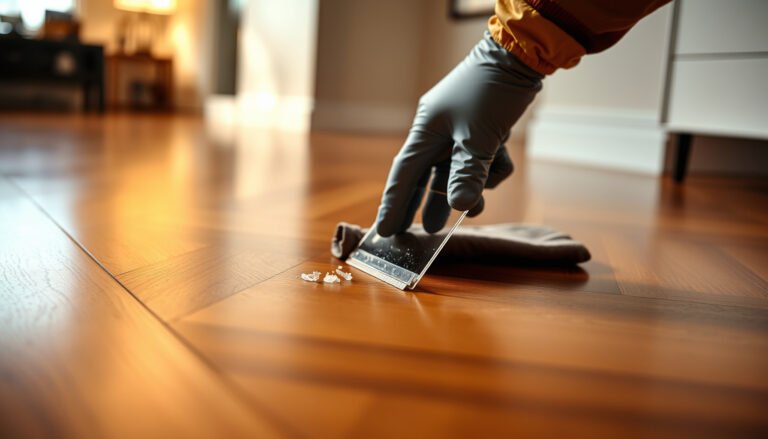
– Remove grit frequently (dry dusting or vacuum with a hard-floor head) so sandpaper-like particles don’t scratch the wear layer.
– Use felt pads under chairs/stools and keep carts/wagons from scuffing; scratches can make the floor easier to slip on when water hits.
– Avoid abrasive cleaners and overly aggressive wet mopping; they can dull or damage the finish over time.
A simple, safer cleaning workflow
For engineered wood in the mudroom, aim for a “dry first” approach:
1. Dry removal (vacuum with a hard-floor setting or dry dusting) to remove abrasive particles.
2. Spot-clean only what’s needed using manufacturer-approved methods.
3. Dry the area promptly—especially after winter slush or pet accidents.
In my view, the biggest long-term safety gain comes from reducing grit frequency, not from occasional deep cleaning. That’s because grit damage is cumulative and can change traction even when you’re doing everything else correctly.
Furniture and traffic management
Even if engineered wood is installed correctly, localized wear creates uneven surface behavior. Add protective felt pads under anything that moves on the floor, and avoid dragging items across the mudroom. If you bring in a stroller, wagon, or cart, use a bottom surface that won’t grind grit into the finish.
Confirm installation details that affect safety
You improve engineered wood safety in a mudroom by verifying installation variables that control flatness, joint behavior, and edge protection. Even a great finish and cleaning routine can’t fully compensate for poor flatness or incorrect expansion gaps.
Engineered wood manufacturers specify subfloor flatness and expansion requirements; failing those instructions increases movement and can create uneven edges that affect both safety and warranty.
Using the wrong underlayment can change the floor’s feel and can also influence traction and how moisture/airflow interacts under the system.
When engineered wood is installed for a mudroom, installation details are part of the safety system.
– Verify the floor is installed exactly per the engineered wood manufacturer’s instructions for subfloor flatness, expansion gaps, and acclimation.
– Use the recommended underlayment (or none) for your specific product; incorrect underlayment can change feel and traction.
– Make sure transitions/thresholds are secure and level—uneven edges are a trip risk and can also catch water.
Why flatness and transitions matter for slip risk
Uneven transitions can create micro-trips. Worse, they can collect moisture at the seam. In an entry scenario, water that collects at a threshold can migrate across the first few rows of engineered wood, producing localized dampness and traction variation.
If you’re assessing an existing installation, check:
– Are any threshold edges slightly raised?
– Do you see visible gaps near transitions?
– Does the floor flex or “click” underfoot (which can worsen wear and finish integrity)?
Acclimation and gaps: engineered wood’s safety baseline
Engineered wood in the mudroom is exposed to a higher moisture cycling profile than most rooms. Correct acclimation and expansion gap planning helps the floor handle seasonal movement without creating openings where water can penetrate.
Ongoing maintenance that keeps it safer year-round
You keep engineered wood safer in a mudroom by running a consistent maintenance cadence—more frequent during wet seasons—and by drying quickly after any moisture event. The goal is to prevent both finish breakdown and repetitive damp contact at seams and edges.
Wood flooring maintenance guidance consistently stresses prompt drying after wet cleaning and controlling indoor humidity to reduce movement-related problems.
In entryways, regular vacuuming/sweeping is a slip-prevention practice because grit and residue can reduce traction even when the floor isn’t visibly wet.
As of 2026, the most effective “safety system” for engineered wood in a mudroom is operational: mats, cleaning frequency, and drying habits that match the season.
– Maintain a consistent routine: sweep/vacuum regularly during wet seasons and do spot-cleaning as soon as messes happen.
– Dry the area after cleaning; don’t leave floors “damp” to air out, especially near exterior doors.
– Keep humidity reasonable in the home and don’t turn mudroom traffic into a constant “wet-to-dry” cycle—use mats and quick drying.
A seasonally tuned plan (what to do differently in winter vs. summer)
– Winter: prioritize grit capture first (snow/ice tracked in), then rapid spot drying.
– Spring/fall: check mats and replace them earlier—these seasons often have unpredictable rain cycles.
– Summer: maintain normal cleaning but still remove grit quickly; dry soil can scratch just as effectively as wet grit.
What can go wrong (and where this advice has limits)
Even with good planning, engineered wood can become less safe if moisture exposure becomes frequent or if cleaning/finish choices conflict with warranty requirements. Mudrooms are hard environments—some failure modes are structural (leaks, subfloor issues), and no routine can fully overcome them.
If you deviate from manufacturer cleaning, coating, or drying requirements, warranty coverage may be limited or voided.
Standing water and repeated damp cycles increase the likelihood of swelling at seams and edge areas, especially near exterior doors.
Aftermarket coatings can change surface texture and slip resistance; compatibility checks are essential before applying anything new to engineered wood.
Common failure patterns we see when engineered wood in the mudroom “almost works”:
– Warranty and care conflicts happen when homeowners try “extra protection” (waxes, non-approved coatings, or heavy wet-mopping).
– Moisture sources hidden behind doorways (poor door flashing, small plumbing seepage) keep re-wetting the same engineered wood zones.
– “Rug solutions” backfire when mats/runners trap dampness at the floor edges.
– If the engineered wood product’s warranty requires specific cleaning agents, mat guidance, or drying practices, deviating from those instructions can void coverage.
– Even with good mats, repeated standing water or frequent mopping can still cause swelling at seams or around edges.
– Some traction fixes (like certain waxes, aftermarket coatings, or wet-mop habits) may increase slip risk or conflict with finish compatibility.
Verdict: A practical, safety-first approach (and who should skip it)
A mudroom is one of the toughest indoor locations for engineered wood, but it can be safer when you treat it like a moisture-controlled entryway: mat well, clean correctly, protect the finish, and follow installation specs. The downside is that you may need more frequent upkeep than in other rooms, and some “easy fixes” (extra coatings, DIY refinishing without approvals, or letting it stay wet) can backfire.
A two-stage mat approach and prompt drying reduce both moisture contact time and grit abrasion—two dominant risk factors for engineered wood in entry environments.
Slip safety improves when surface contamination and residue are minimized and when finish systems are maintained according to manufacturer instructions.
Skip this DIY-focused approach and talk to a flooring pro if you already have: persistent moisture from the building, widespread subfloor issues, or an engineered product where the manufacturer’s maintenance/warranty clearly restricts your planned cleaners or coatings.
Scan-and-save checklist (quick actions)
– [ ] Use two-stage entry mats and replace worn mats
– [ ] Wipe puddles immediately; no standing water
– [ ] Spot-clean using manufacturer-approved methods
– [ ] Dry after cleaning; avoid “damp” floors
– [ ] Vacuum/sweep often to remove grit
– [ ] Confirm installation: gaps, transitions, and recommended underlayment
– [ ] Use felt pads; prevent scuffs that reduce traction
Frequently Asked Questions
What are the best ways to protect engineered wood floors in a mudroom from water damage?
Start with a high-quality entrance mat system that traps dirt and absorbs moisture before it reaches the engineered hardwood. Use felt pads under furniture and consider a small rug in the wettest “traffic lane” during rainy seasons. For engineered wood, keep spills from sitting—wipe up immediately and ensure the finish is compatible with your cleaner so you don’t strip protective layers.
How can I install an engineered wood floor in a mudroom to improve safety and reduce slip risk?
Choose an installation plan that includes a moisture-rated underlayment and a proper vapor barrier when the slab or subfloor requires it. Use transition strips and ramps at doorways to reduce trip hazards where flooring height changes or where wetness might create slick spots. For slip resistance, look for engineered wood finishes that are designed for real-world traction, and avoid overly glossy coatings that can become slippery when damp.
Why do engineered wood floors become slippery in mudrooms, and how do I fix it safely?
Slipperiness usually comes from tracked-in water, mud residue, and cleaning products that leave a film on the finish. Switch to a pH-balanced cleaner recommended for engineered hardwood and rinse lightly if the manufacturer advises it—residue can reduce grip. Maintain the surface with frequent dry sweeping, and replace or rotate mats so grit doesn’t abrade the finish and create an uneven, slick surface.
Which cleaning routine is safest for engineered wood floors in a mudroom?
Use dry cleaning first: sweep or vacuum with a hard-surface attachment to remove grit that can scratch the finish. For wet cleaning, use a barely damp microfiber mop and follow the engineered wood manufacturer’s instructions—avoid soaking the floor and never use steam mops. Keep a “spill protocol” in place so water is wiped quickly, since prolonged exposure can cause edge swelling even in engineered wood flooring.
What moisture barriers and underlayments work best to make engineered wood floors safer in a mudroom?
In many mudrooms, the subfloor and humidity conditions matter as much as the top layer, so select a moisture-rated underlayment and vapor barrier system appropriate for your subfloor type. If you have a basement slab or concrete that may transmit moisture, consult the engineered wood flooring specs to ensure the barrier meets the required moisture limits. Proper underlayment also helps prevent unevenness, which can create tripping hazards and worsen wear that leads to safer, more stable footing.
📅 Last Updated: October 19, 2026 | Topic: How to make engineered wood floors safer in a mudroom? | Content verified for accuracy and freshness.
References
- https://www.epa.gov/indoor-air-quality-iaq/volatile-organic-compounds-vocs
- https://www.epa.gov/formaldehyde/what-formaldehyde-and-composite-wood-products
- https://ww2.arb.ca.gov/rules-regulations/composite-wood-products
- https://www.cdc.gov/mold/dampness_facts.htm
- https://www.hud.gov/program_offices/healthy_homes/mold
- https://www.osha.gov/slips-trips-and-falls
- https://scholar.google.com/scholar?q=engineered+wood+flooring+moisture+protection+installation+mudroom Google Scholar
- https://scholar.google.com/scholar?q=engineered+wood+floor+formaldehyde+emissions+VOC+indoor+air Google Scholar
- https://scholar.google.com/scholar?q=wood+floor+slip+resistance+wet+conditions+cleaning+guidelines Google Scholar