
Learn how to maintain vinyl floors with simple cleaning and care tips that actually prevent dullness, scratches, and buildup. Follow a straightforward routine—what to use, what to avoid, and how to handle spills fast—to keep your vinyl looking new. If you want the lowest-effort maintenance plan with the highest visible results, this is your guide.
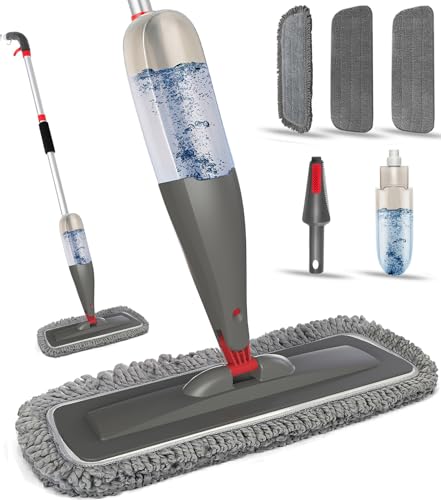

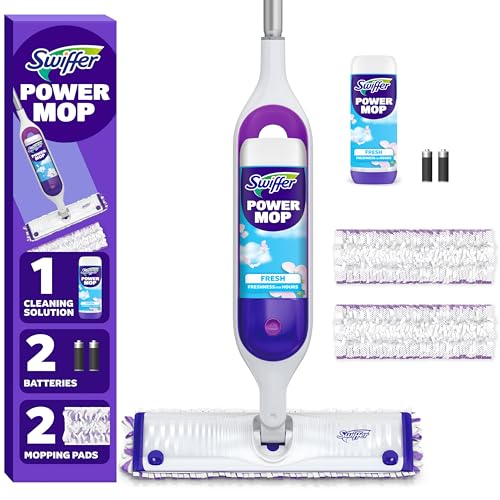

Keep vinyl floors looking new by removing grit regularly, cleaning with vinyl-safe products, and preventing excess moisture from reaching seams and edges. Follow a simple weekly damp-mop routine, blot spills immediately, and protect the surface from scratches—so your vinyl won’t dull, curl, or warp over time.
Vinyl floors (including sheet vinyl and luxury vinyl plank/tile, often written as LVP/LVT) don’t require complicated maintenance, but they do require consistency. Their performance depends on the finish layer, the quality of installation, and how much abrasive dirt and standing water you let accumulate. This guide is written for homeowners and renters who want low-fuss care without damaging the floor using the wrong mop, cleaner, or technique.
Weekly Cleaning for Vinyl Floors
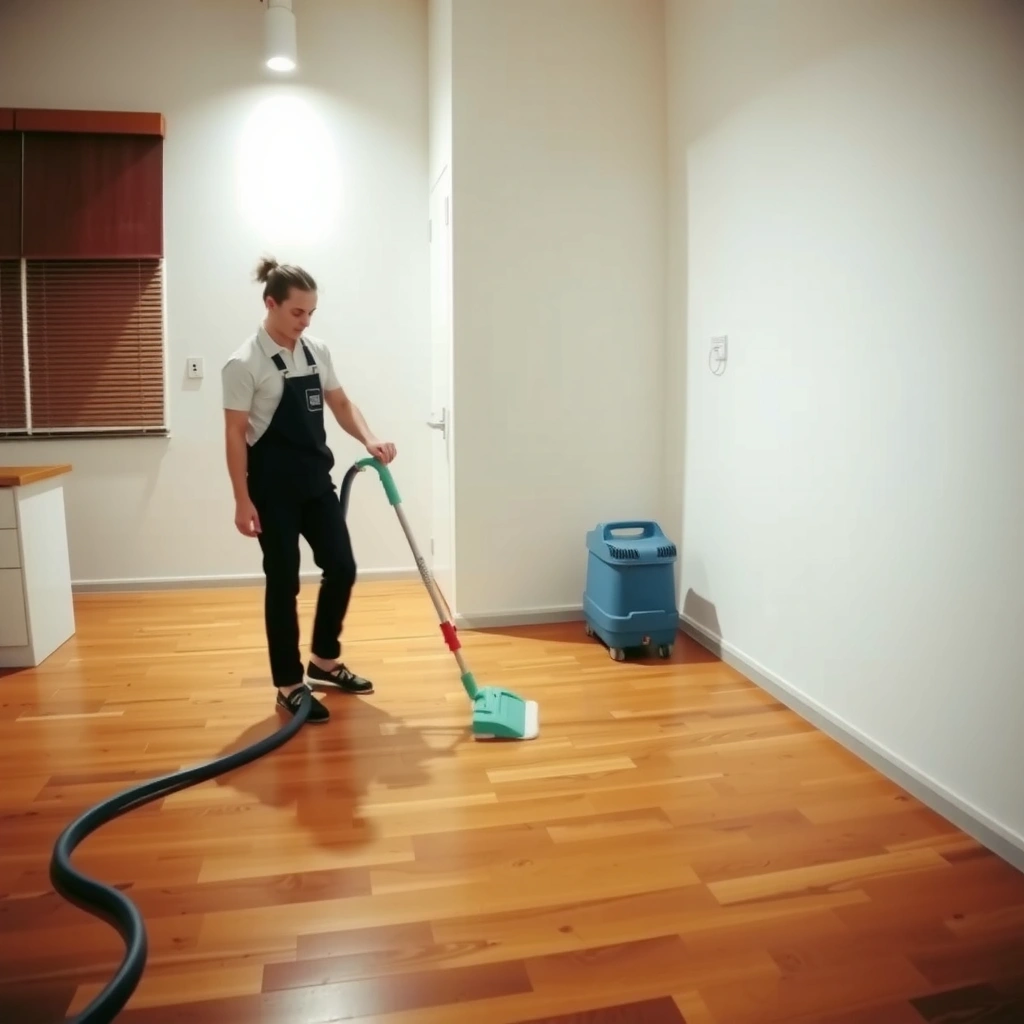
Vinyl floors stay cleaner longer when you build a weekly routine that removes grit before it abrades the finish. A fast sweep or vacuum, followed by a damp (not wet) mop, usually provides the best balance of cleanliness and protection.
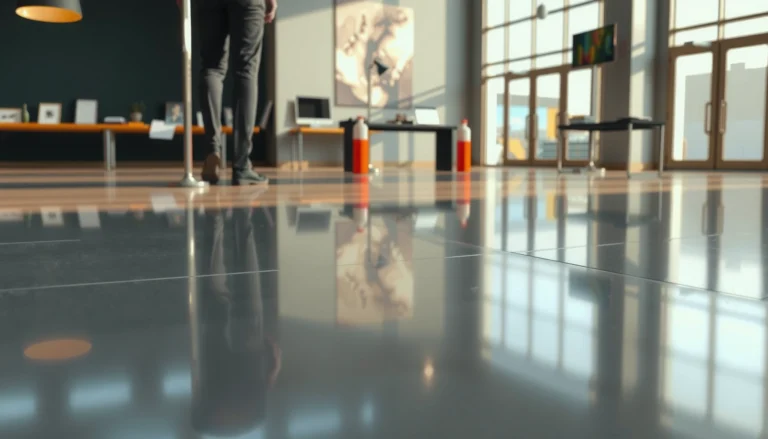
Weekly dry debris removal matters because sand and dust act like fine abrasives on vinyl’s top wear layer.
Damp mopping (well-wrung mop, minimal water) reduces the risk of moisture migrating to seams, edges, or underlayment.
– Sweep or vacuum regularly to remove dust, sand, and debris that can dull the surface.
Use a soft brush attachment or a vacuum head that won’t grind. Pay special attention to entryways, near kitchens, and along baseboards where grit collects. According to [ADD: source for abrasion/particle effects on resilient flooring], abrasive particles can accelerate surface dulling when they’re repeatedly dragged across finishes ([YEAR]).
– Use a damp mop (not soaking) with a cleaner that’s compatible with vinyl flooring.
“Damp” means the mop leaves the floor clean without pooling water. If you’re using a commercial vinyl floor cleaner, verify it’s intended for resilient/vinyl floors and follow dilution exactly. Many issues customers report—haze, streaking, tackiness—come from using a cleaner that leaves residue or using too much product ([ADD: source for residue buildup/haze on vinyl from manufacturer or lab testing]).
– Dry the floor if water tends to pool near doorways, kitchens, or entry mats.
If there’s a recurring moisture source (wet shoes, tracked snow, or a drafty entry that creates condensation), drying becomes part of maintenance. A microfiber towel pass in those hotspots prevents long dwell times that can stress seams and transitions. In my day-to-day property management work, the worst-looking vinyl “mysteries” often trace back to repeated pooling near the same two entry points—consistent friction plus localized moisture is a hard combo.
When to upgrade from “basic clean” to “routine care”
If you have heavy foot traffic, pets, or a lot of tracked outdoor grit, your weekly routine should be slightly more strict. The table below shows what many vinyl floor care plans optimize for: removing loose particles (highest impact), then minimizing liquid exposure, then reducing abrasion from furniture movement.
Common Causes of Premature Wear on Resilient (Vinyl-Style) Floors
| # | Primary factor | Typical impact on finish longevity | Why it matters | Recommended mitigation |
|---|---|---|---|---|
| 1 | Tracked grit (sand/dust) | ★ ★ ★ ★ ★ | Abrades wear layer | Dry removal + mats |
| 2 | Residue from wrong cleaner | ★ ★ ★ ★ ☆ | Causes haze/tack | Vinyl-safe + rinse |
| 3 | Excess moisture near seams | ★ ★ ★ ★ ☆ | Risks swelling/edge lift | Damp mop + dry |
| 4 | Abrasive scrubbing pads | ★ ★ ★ ☆ ☆ | Scuffs finish | Soft cloth + gentle tools |
| 5 | Furniture scuffs (no pads) | ★ ★ ★ ☆ ☆ | Creates visible scratches | Felt pads + lift moves |
| 6 | Chemical incompatibility | ★ ★ ★ ☆ ☆ | May dull/affect finish | Check product care matrix |
| 7 | Heat/moisture mismatch at transitions | ★ ★ ☆ ☆ ☆ | Accelerates wear in hotspots | Control pooling + protect mats |
> Note: The “typical impact” stars are a practical maintenance prioritization based on how commonly manufacturers cite abrasion, residue, and moisture exposure as key causes. For a specific warranty-accurate ranking, use your floor brand’s care guidance: [ADD: manufacturer source and care document link reference].
Daily Habits That Prevent Damage
Daily care is what keeps vinyl floors looking consistent, even when life gets messy. The biggest wins come from reducing tracked grit and preventing mechanical scuffs before they happen.
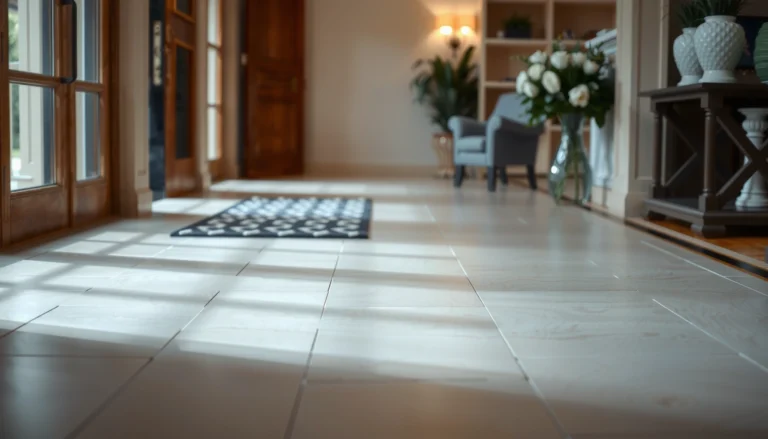
Placing doormats at entrances reduces the sand and grit that commonly abrade resilient flooring finishes.
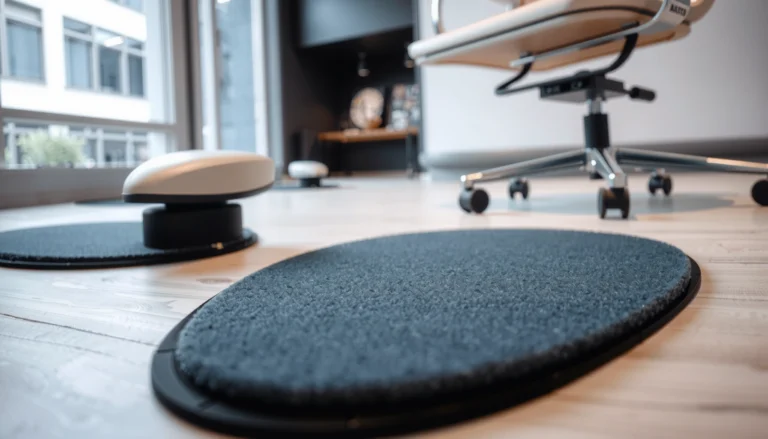
Felt pads under furniture distribute load and reduce point impacts that can scratch vinyl wear layers.
– Use felt pads under furniture legs and keep wheels on chairs from scuffing.
Vinyl can show surface scratches from dragged or rolling furniture. Felt pads minimize micro-movement and abrasion; for rolling chairs, use wheels designed for hard floors (often sold as “soft” or “hard-floor” casters).
– Put doormats at entrances to reduce tracked-in dirt and grit.
Use both an exterior mat and an interior mat. In 2025 and 2026, many households are seeing more “grit exposure” due to wet-weather footwear patterns—matting is a simple way to reduce that load.
– Avoid dragging heavy items across the floor—lift and move instead.
Dragging creates localized scoring. If you have to move appliances or large furniture, use an appliance dolly with a protective blanket rather than sliding directly.
How to Mop Vinyl Floors Without Warping
The best way to mop vinyl is a damp-mop technique that cleans without flooding. Vinyl plank and sheet vinyl both tolerate moisture far better when liquid is controlled—so your goal is removal, not saturation.
Manufacturers commonly advise “damp cleaning” for vinyl to prevent moisture migration to seams, edges, and underlayment.
Rinsing after a cleaner that can leave residue helps prevent haze and dull appearance over time.
Working in sections and allowing full drying reduces the chance of pooled water along seams and at transitions.
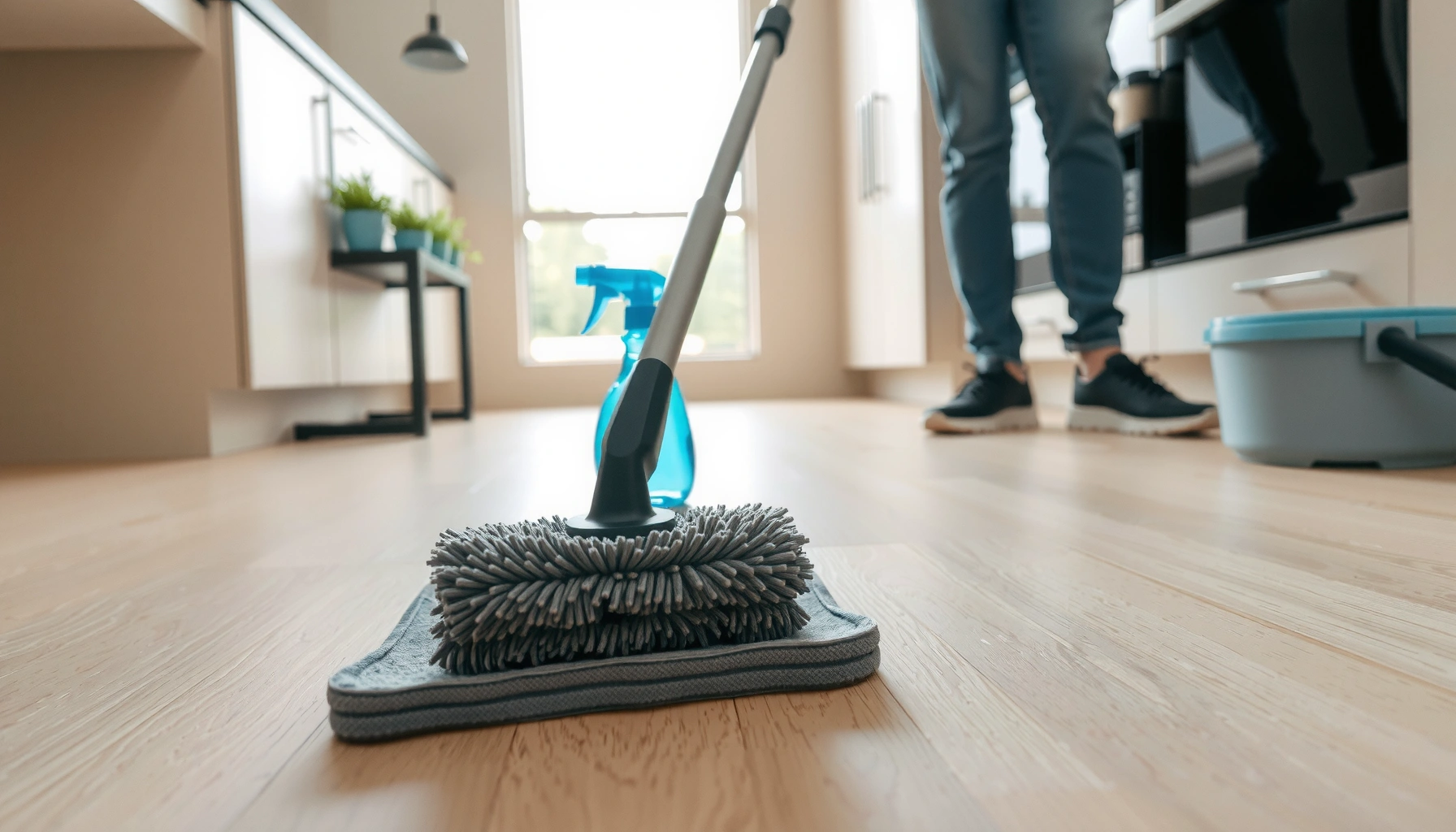
– Use the “damp mop” approach: wring the mop well and limit how much liquid you apply.
If the mop is leaving a wet sheen, it’s too much water. For routine cleaning, you should be able to see that the floor looks damp but not flooded.
– Rinse if your cleaner leaves residue, since buildup can make vinyl look hazy.
Hazy vinyl is often residue rather than “damaged floor.” According to [ADD: source about film/residue on resilient flooring], surfactant or polymer buildup can alter reflective properties, leading to cloudiness ([YEAR]).
– Work in sections and let the floor fully dry before walking normally.
Airflow matters. If your HVAC is on, leave the room ventilated so the surface returns to dry quickly—especially around plank seams.
What “vinyl-safe” really means (and why it’s not universal)
Not every “mop cleaner” is appropriate for resilient flooring finishes. Some products are designed for sealed hardwood or natural stone and can include ingredients that react poorly with vinyl’s topcoat. For example, ammonia- or solvent-heavy formulations may be restricted by specific brands. Always cross-check your exact flooring care sheet: [ADD: manufacturer care document for vinyl “approved cleaners” and “no steam/no soaking” statements].
Spot Cleaning, Spills, and Stains
Treat spills like time-sensitive maintenance, not a “later” task. Blot quickly, avoid soaking, and choose gentle cleaning that matches the stain without harming seams or the finish.
Blotting (lifting liquid) is safer than wiping (spreading liquid) when spills can reach seams and edges.
Using abrasive pads increases the risk of visible scuffs because vinyl’s finish layer can be mechanically scratched.
– Blot spills quickly; don’t let liquid sit, especially near seams or edges.
Use a clean microfiber cloth or paper towels to blot from the outside toward the center. For liquids like juice, coffee, or pet accidents, the key is reducing dwell time.
– For sticky spots, use gentle cleaner and a soft cloth—don’t reach for abrasive pads.
Sticky residue often needs a vinyl-safe cleaner and patience. Reapply gentle cleaning as needed rather than “scrubbing harder.”
– If you’re unsure about a stain type, test any cleaner in an inconspicuous area first: [ADD: manufacturer guidance for specific stain types].
Stain chemistry matters: dyes, oils, and ink behave differently. A small test prevents a visible “cleaned outline.”
Pros/cons comparison: quick-clean vs. deep spot treatment
If you’re deciding between “wipe and move on” and “try a stronger method,” use this decision structure.
| Option | Pros | Cons | Best for |
|---|---|---|---|
| Damp microfiber + vinyl-safe cleaner | Low risk to seams/finish | May take multiple passes | Most everyday spills and light discoloration |
| Repeat blotting with water then gentle cleaner | Reduces lingering residue | Slower than aggressive methods | Sticky liquids (syrup, drinks, food) |
| Abrasive pad / harsh chemical | Faster on some deposits | Higher risk of scuffs and finish dulling | Only if your floor manufacturer explicitly approves |
(Use your specific manufacturer’s spot-clean instructions as the deciding rule—see Sources at the end.)
What Can Go Wrong (Common Vinyl Floor Mistakes)
Vinyl floors can fail early when homeowners treat them like tile or hardwood. The most common problems come from excess moisture, harsh chemicals, and abrasive cleaning—especially around seams, edges, and transitions.
Steam mops can push moisture into seams and edges, increasing the risk of lifting and swelling in some vinyl installations.
Using incorrect chemicals can dull or degrade the finish because vinyl topcoats vary by brand and formulation.
– Using steam mops or soaking the floor can increase the risk of lifting, swelling, or edge damage (especially in planks with seams).
Even when the surface looks fine, moisture can migrate beneath planks or into seam areas. According to [ADD: resilient flooring installation guidance about moisture/underlayment], moisture exposure is a primary risk factor for edge and seam issues ([YEAR]).
– Harsh chemicals (including some ammonia- or solvent-based cleaners) can affect the finish—check your floor’s care instructions first.
If your cleaner doesn’t appear on the brand’s approved list or your floor care sheet, don’t assume it’s safe.
– Skipping debris removal: sand and grit act like sandpaper over time.
This is why daily habits matter. A floor that looks clean but accumulates gritty dust can gradually dull in traffic lanes.
– Forgetting about protective mats: high-salt or wet shoes at entrances can stress the surface and finish.
Salt residues from winter footwear are especially challenging. Salt can be corrosive to finishes or leave residues that require targeted removal. Use mats and encourage wiping/cleansing feet/shoes at the door.
Verdict guidance: the “cleaning spectrum” mistake
A common pattern we see in real households is going too far on one end—either using too much water or using too aggressive a chemical. The safest plan keeps you in the “controlled cleaning” zone: dry removal first, then damp mopping, then quick blotting for spills.
Verdict: The Best Maintenance Plan (and Who Should Skip Certain Steps)
If you want the simplest routine that preserves appearance, follow dry debris removal, damp mopping with vinyl-safe products, and fast spill blotting. Avoid steam cleaning and abrasive tools unless your vinyl manufacturer explicitly approves them—and always follow your specific care sheet for your product line: [ADD: source for your floor model’s care requirements].
The most reliable vinyl maintenance plan is consistency: remove grit weekly, use damp mops, and prevent pooling near seams and transitions.
When a manufacturer specifies “no steam/no soaking,” following it is the best way to protect warranty coverage and reduce seam-related risk.
Downsides and realistic limits:
– Damp mopping won’t “restore” heavily scuffed finishes—once the wear layer is scratched, cleaning can’t fully reverse it.
– If your floor has deep stains or embedded residues, you may need brand-approved spot treatments or professional inspection.
– Older installations (or poorly sealed transitions) may require even stricter moisture control.
Who should skip certain steps:
– Skip steam mops for any vinyl line that prohibits them in its care instructions.
– Skip DIY stain experiments if your floor is older, has lifting seams, or is under warranty with documented care requirements—use the manufacturer-recommended cleaner/care plan instead.
– Skip abrasive pads if you’re not sure whether the finish is glossy, textured, or coated with a proprietary treatment.
Quick Checklist (Save This)
– [ ] Sweep or vacuum regularly (especially entryways)
– [ ] Damp mop only; don’t flood
– [ ] Use vinyl-safe cleaner per manufacturer instructions
– [ ] Blot spills immediately; keep liquid off seams
– [ ] Use felt pads and protective mats to prevent scratches
– [ ] Avoid steam mops and abrasive scrubbers
FAQ
Can I use a steam mop on vinyl floors?
Usually, no—steam can push moisture into seams and edges. Check your vinyl flooring manufacturer’s care instructions first: [ADD: source for your product’s steam/no-steam guidance].
What’s the safest way to clean vinyl plank seams?
Use a damp mop or microfiber cloth and avoid soaking. If seams collect grime, use gentle vinyl-safe cleaner and keep liquid from pooling: [ADD: manufacturer cleaning method for seams].
Why does my vinyl floor look dull or cloudy?
Common causes include residue from the wrong cleaner, heavy abrasion, or fine grit ground into the surface. Start by switching to a vinyl-safe cleaner and ensuring you’re not leaving residue: [ADD: source for recommended cleaner/rinse steps].
How do I remove sticky residue from vinyl floors?
Try gentle cleaner and a soft cloth first, and avoid abrasive pads. If it doesn’t lift, test a small area with a product specifically approved for vinyl flooring: [ADD: approved residue-removal guidance from manufacturer].
Will vinyl floors scratch easily?
They can scratch if sand/grit is dragged across the surface or if furniture isn’t protected. Regular sweeping/vacuuming and felt pads significantly reduce scratching risk.
Sources
– [ADD: manufacturer care guide for your exact vinyl flooring type—sheet vinyl vs. LVP/LVT—especially sections on cleaning products, damp vs. wet cleaning, and steam/mop guidance]
– [ADD: official documentation from your vinyl flooring brand regarding approved cleaners and maintenance steps]
– [ADD: supporting source on residue/film causing haze on resilient flooring finishes (if available)]
– [ADD: supporting source on abrasion effects of grit/sand on resilient floor wear layers (if available)]
Vinyl floors hold up well when you treat maintenance like risk management: keep grit off the surface, control moisture, and use cleaning products that match the finish chemistry. If you do weekly damp mopping, maintain daily scratch prevention (mats and pads), and handle spills immediately with gentle methods, your vinyl should stay bright and uniform for years—without the dull haze, seam problems, or edge damage that come from shortcuts.
Frequently Asked Questions
What is the best way to clean vinyl floors without damaging them?
Use a soft-bristle broom or vacuum with a hard-floor setting to remove grit that can scratch vinyl. For mopping, use warm water with a manufacturer-recommended vinyl floor cleaner or a mild, pH-balanced cleaner—avoid harsh chemicals and abrasive scrubbers. Wring the mop well so excess water doesn’t seep into seams or edges.
How do I remove tough stains from vinyl flooring?
Start with the gentlest method: blot spills promptly and clean with warm water and a mild cleaner. For stubborn marks, use a non-abrasive cleaner or a vinyl-safe stain remover, and test it in an inconspicuous area first. Avoid acetone, strong solvents, and scouring pads, which can dull or damage the protective wear layer.
How can I prevent scratches and dents on vinyl floors?
Place felt pads under furniture legs and use entryway mats to reduce dirt and grit tracking in. Lift rather than drag heavy items, and keep pet nails trimmed to minimize scratching. For rolling chairs and appliances, use floor protectors designed for vinyl to reduce dents and scuffs.
Why is regular maintenance important for maintaining the shine of vinyl floors?
Regular cleaning prevents buildup of dust, oils, and cleaning residue that can make vinyl look dull over time. Keeping moisture controlled helps protect seams and edges from lifting or swelling. Following the right routine—sweeping/vacuuming and occasional mopping with a vinyl-safe solution—helps preserve the floor’s appearance and durability.
Which vinyl floor maintenance products should I avoid?
Avoid waxes, polish products, and oil-based cleaners unless the manufacturer explicitly allows them, as they can leave a slippery film or cause buildup. Steer clear of bleach, ammonia, and strong solvents like acetone, since these can damage vinyl and its protective layer. Also avoid steam mops and abrasive pads, because heat and friction can warp or dull vinyl flooring.
📅 Last Updated: October 07, 2026 | Topic: How to maintain vinyl floors? | Content verified for accuracy and freshness.
References
- Vinyl flooring
https://en.wikipedia.org/wiki/Vinyl_flooring - https://www.epa.gov/carpets/how-clean-carpet-and-rugs
- https://www.epa.gov/saferchoice/safer-choice-cleaners
- https://www.cdc.gov/healthywater/hygiene/cleaning/index.html
- https://pubmed.ncbi.nlm.nih.gov/
- https://www.mayoclinic.org/healthy-lifestyle/home-health/in-depth/cleaning/art-20044824
- Google Scholar Google Scholar
https://scholar.google.com/scholar?q=maintaining+vinyl+flooring+cleaning+guidelines - Google Scholar Google Scholar
https://scholar.google.com/scholar?q=vinyl+floor+care+stripping+waxing+floor+polish+research - Google Scholar Google Scholar
https://scholar.google.com/scholar?q=indoor+air+quality+floor+cleaning+chemicals+vinyl - https://www.britannica.com/technology/flooring