


Want to keep laminate floors in a hallway looking new and avoiding scratches, dulling, and moisture damage? If you follow the easy care routine below—daily dry cleaning, the right microfiber mops, and quick spill control—you’ll prevent most common hallway problems. Here’s the clear playbook that tells you exactly what to do and what to skip to maintain laminate floors with minimal effort.
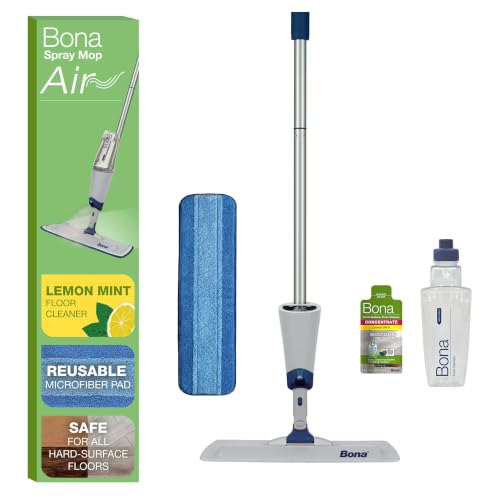



Laminate floors in a hallway stay looking good when you prevent grit from grinding into the finish and control moisture before it reaches seams. A simple routine—frequent dry cleaning, laminate-safe cleaner used sparingly, and extra protection in the busiest strip—reduces dulling, edge lifting, and swelling over time.
If your hallway gets frequent foot traffic (shoes, pets, kids, door-to-door mess), this guide is for you. It’s especially helpful if you want to stop early damage like scratches, worn finish, and gaps at seams before they get worse.
Daily/Weekly Habits That Prevent Damage

The best way to protect a laminate floor in a hallway is to remove abrasive grit consistently, before it gets embedded in the surface. For most households, that means a regular sweep/vacuum rhythm plus a quick seam-and-doorway check.
Grit tracked into indoor spaces often comes in as sand-sized particles, and larger particles are more likely to act like abrasive “sandpaper” on laminate finish.
Laminate flooring is particularly vulnerable at seams; consistent dry cleaning reduces the amount of debris that can hold moisture near joints.
Using the right tools (soft-bristle broom or a vacuum attachment without aggressive beater bars) helps prevent additional surface micro-scratches on laminate floors.
– Sweep or vacuum regularly using a soft-bristle broom or a vacuum attachment that won’t scratch (avoid aggressive beater bars).
– Use entry mats at both ends of the hallway when possible to trap sand/grit before it grinds into the finish.
– Spot-check for pebbles near baseboards and around doorways, since small debris can cause visible scuffs over time.
How Hallway Grit Size Drives Laminate Finish Wear Risk
| # | Grit / Particle Class | Typical Size Range (mm) | Where It Shows Up in a Hallway | Action Priority for Laminate Floors |
|---|---|---|---|---|
| 1 | Coarse sand | 0.50–1.00 | Soles from gravel paths after rain | ★★★★★ |
| 2 | Medium sand | 0.25–0.50 | Dusty sidewalks & dirt yards | ★★★★☆ |
| 3 | Fine sand | 0.125–0.25 | Tracked topsoil and lawn dust | ★★★★☆ |
| 4 | Very fine sand | 0.0625–0.125 | Dry weather dust on shoes | ★★★☆☆ |
| 5 | Coarse silt | 0.020–0.050 | Dry dust drifting in from doors | ★★☆☆☆ |
| 6 | Fine silt | 0.002–0.020 | Fine soil dust near entryways | ★☆☆☆☆ |
| 7 | Clay-sized particles | <0.002 | Airborne dust that leaves haze when wet | ★☆☆☆☆ |
Safe Cleaning: What to Use (and What to Avoid)
For laminate floors in a hallway, the safest cleaning method is “barely-damp” microfiber cleaning plus a laminate-safe, pH-neutral product used as directed. When moisture is kept controlled (and never puddled), laminate floors maintain their look longer.
Many laminate manufacturers specify using pH-neutral cleaners and avoiding abrasive tools to protect the decorative wear layer.
A barely-damp microfiber is preferred because laminate floors can swell when liquid penetrates at seams.
Avoiding wax/oil-based polishes matters because residues can attract grit and create dulling or haze on laminate.
– Clean with a pH-neutral, manufacturer-approved laminate floor cleaner (or follow the cleaner your floor’s documentation recommends).
– Use a barely-damp mop or microfiber cloth—never “wet clean” laminate like you would tile.
– Avoid wax, oil-based polishes, and steam cleaning unless your specific laminate manufacturer explicitly permits it.
Here’s a practical comparison for laminate floors in hallways:
| Cleaning approach | Best for | Main risk if misused | How to do it safely |
|---|---|---|---|
| Dry vacuum / microfiber dry dusting | Daily grit control and haze prevention | Surface marring if tool is too aggressive | Use soft attachments; empty bins/filters to keep suction effective |
| Barely-damp microfiber + laminate cleaner | Periodic deep-clean without puddling | Moisture reaching seams/edges | Wring mop hard; work in small sections; dry with a clean cloth |
| Steam cleaning | Only if the manufacturer explicitly allows it | Heat + moisture accelerating warping | If not explicitly allowed, skip; use manufacturer-approved methods instead |
Deal With Spills Immediately (Before They Reach Seams)
For laminate floors in a hallway, the fastest way to prevent damage is simple: blot spills right away and keep liquid away from seams. Once moisture sits, it has time to travel toward joints and edges where swelling can start.
Laminate flooring’s edges and seams are the weak points for moisture intrusion, so prompt blotting reduces the chance of swelling.
Using the minimum amount of laminate-safe cleaner and drying after residue removal helps prevent sticky buildup that attracts grit.
Standing liquid is more harmful than occasional light dampening because it can linger long enough to penetrate at seams.
– Blot spills right away with a dry or lightly damp microfiber cloth; don’t let liquid sit.
– For sticky spots, use the minimum amount of laminate-safe cleaner to lift residue, then dry the area.
– Pay extra attention to seams near transitions—standing moisture is what most often leads to swelling or edge lifting.
In my own home setup, I’ve learned that the biggest “surprise” messes in hallways aren’t full spills—they’re damp footprints and tracked puddles near doorways (). If that pattern happens to you, treat it like a seam-protection issue, not a general cleaning issue, and tighten mat placement and drying.
Protect the Finish in High-Traffic Hallway Zones
For laminate floors in a hallway, protection is most effective when it’s targeted to the exact areas where shoes and debris concentrate. Think of your hallway as zones: entry landing, walking strip, and transitions near doors/closets.
Felt pads and protective feet reduce micro-scratches by limiting point-contact friction between furniture and laminate surfaces.
Rug pads matter because the wrong backing can stain, break down, or trap grit underneath rugs—hurting laminate appearance over time.
Pet-related tracking is a common cause of repeated grit impact, which can dull laminate wear layers faster than normal household cleaning.
– Place felt pads under shoes racks, benches, and any furniture feet to prevent micro-scratches and scuffs.
– Add runners or area rugs in the busiest walkway strip—use rug pads that won’t stain or break down.
– Trim or pad pet nails and keep litter-tracking under control if you have pets moving through the hall.
What “high-traffic” really means for laminate floors
In real hallway use, traffic is rarely uniform. If you see a slightly darker line down the center, that’s often where grit gets packed and re-sanded by footfalls. Target that strip with mats/runners and keep the rest of the hallway on the same dry-cleaning cadence so laminate floors wear evenly rather than “channel” in one lane.
Fixing Common Problems Without Making It Worse
For laminate floors in a hallway, the safest repair approach starts with identifying whether the issue is cosmetic (surface) or structural (edges/seams). That distinction determines whether you should clean, patch, or stop and investigate moisture causes.
Surface-level scratches can sometimes be filled with a laminate repair kit, but damaged wear layers or lifted edges often require further evaluation.
If laminate gaps or edge lifting are moisture-related, continuing wet cleaning can worsen separation even if the floor looks “fine” at the surface.
Restoration attempts that aren’t specified by the manufacturer can leave residues or haze, making laminate floors appear dull even when they aren’t actually worn through.
– Light scratches: consider a laminate repair kit or color-matching filler only if the damage is surface-level (follow the product instructions).
– Dullness: don’t assume a “buffing” cleaner will help—many restorers leave residues or create haze if the floor isn’t designed for them.
– Gaps or lifting edges: pause—continued mopping or cleaner use can worsen separation; review installation/moisture causes and address them according to the flooring documentation.
Pros and cons: what to try first
If you’re deciding how to respond to laminate floors that look “off” in a hallway, use this order-of-operations mindset:
– Try first (usually safe): dry cleaning + barely-damp microfiber spot cleaning with laminate-safe cleaner
– Try next (only if clearly cosmetic): repair kit for surface scratches/edge chips
– Stop and investigate (if structural): seam lifting, buckling, persistent gaps, or swelling after any damp exposure
What Can Go Wrong (Common Mistakes and Limits)
For laminate floors in a hallway, most failures come from over-wetting, using the wrong chemicals, or assuming steam and “sealed” protection eliminate moisture risk. Laminates are designed to resist normal household cleaning, not prolonged liquid exposure.
Over-wetting increases the chance that moisture migrates into seams and edges, which can lead to swelling even when the laminate top layer looks unaffected initially.
Many pH-neutral “laminate safe” products are still used incorrectly when too much liquid is applied or the floor isn’t dried afterward.
Steam cleaning is often outside laminate flooring ratings; manufacturers typically require explicit permission before steam is used.
– Over-wetting: soaking can seep into seams, even if the top layer looks fine right away.
– Using the wrong cleaner: harsh chemicals, abrasive pads, and residue-heavy products can degrade the surface finish.
– Steam cleaning: many laminate floors are not rated for steam, and heat/moisture exposure can accelerate warping—only proceed if your manufacturer explicitly allows it.
– Assumptions about “sealed” floors: even with protective layers, laminate can still be vulnerable at seams if moisture gets underneath.
A quick reality check on grit
For example, grit comes in multiple size ranges. ISO grain-size classification includes particles as small as <0.002 mm (clay-sized) and as large as several millimeters (granules/gravel ranges) (ISO 14688-1:2017). Larger particles are harder to fully “float away” with light cleaning, so laminate floors in hallways benefit most from consistent dry removal and fast spill response.
Verdict: A Simple Maintenance Routine (With Real Downsides)
If you want the highest return for minimal effort, follow a “prevent grit + controlled moisture” routine: frequent dry cleaning, laminate-safe cleaner for periodic mopping, and immediate spill blotting. The downside is that this approach requires consistency—letting debris sit or cleaning with too much liquid will shorten the floor’s lifespan. Skip or adjust this plan if your hallway shows significant seam lifting, water damage, or warping; in those cases, you’ll likely need to inspect moisture sources and follow the flooring manufacturer’s guidance rather than just cleaning more.
Quick Hallway Laminate Maintenance Checklist
The fastest way to keep laminate floors looking new is to make your hallway care repetitive, easy, and seam-focused. Use this checklist as a habit builder so your laminate floors stay protected even during busy weeks.
Routine dry cleaning reduces abrasive grit impact on laminate floors and helps prevent the “dull strip” effect in hallways.
Prompt blotting is the simplest moisture-defense method because it reduces contact time at laminate seams and edges.
– ☐ Sweep or vacuum regularly (soft attachment; avoid scratchy tools)
– ☐ Keep mats/rugs at entrances and the main walkway strip
– ☐ Mop only with a barely-damp microfiber (laminate-safe cleaner)
– ☐ Blot spills immediately—don’t let moisture sit
– ☐ Use felt pads and keep high-contact areas protected
– ☐ Check seams after any spill and watch for lifting over time
Frequently Asked Questions
What’s the best way to clean laminate floors in a hallway without damaging them?
Use a microfiber mop or a vacuum with a soft floor brush setting to remove dust and grit, which can scratch laminate over time. For routine cleaning, use a laminate floor cleaner or a well-wrung damp microfiber cloth—avoid soaking the planks. Never use abrasive pads, steel wool, or harsh chemicals, since they can dull the surface and weaken the protective wear layer.
How can I prevent scratches and scuffs on laminate flooring in a high-traffic hallway?
Place a high-quality doormat at each entrance and use felt floor protectors under furniture to reduce dirt and impact marks. Consider adding runner rugs in the hallway to catch debris and reduce wear, especially where shoes and bags frequently pass. Keeping sharp items and sand away is key—sand and small stones act like sandpaper on laminate.
Why is it important to control moisture when maintaining laminate floors in a hallway?
Laminate floors have a water-resistant top layer, but standing water can seep into seams and cause swelling or warping. In a hallway, spills from wet shoes or umbrella drips are common, so wipe them up immediately with a dry microfiber cloth. When mopping, use minimal moisture and never allow puddles to remain on the floor.
How do I remove stubborn marks, stains, or heel marks from laminate floors?
Start with gentle methods: try a lightly damp microfiber cloth with a laminate-safe cleaner, then dry immediately. For scuffs, a soft eraser or a laminate-floor-safe cleaner on a microfiber cloth can work without scratching. Avoid steam cleaners and strong solvents, and test any stain-removal product on an inconspicuous area first.
Which cleaning tools and products are safest for laminate floors in hallways?
Choose microfiber mops and pads, non-scratch cleaners labeled safe for laminate, and vacuums with soft bristles to prevent surface damage. Use pH-balanced, water-based laminate floor cleaners, and skip “waxing” or oil-based products unless the manufacturer explicitly recommends them. If you’re using a spray cleaner, lightly mist the mop or cloth rather than directly spraying the laminate to keep moisture from pooling.
📅 Last Updated: October 20, 2026 | Topic: How to maintain laminate floors in a hallway? | Content verified for accuracy and freshness.
References
- https://www.pergofloors.com/en-us/care-and-cleaning
- https://www.armstrongflooring.com/support/care-and-cleaning.html
- Laminate flooring
- https://www.cdc.gov/coronavirus/2019-ncov/community/disinfecting-building-facility.html
- https://www.epa.gov/coronavirus/cleaning-and-disinfecting-your-facility
- hard surface floor cleaning – Search Results – PubMed
- https://scholar.google.com/scholar?q=laminate+flooring+maintenance+cleaning Google Scholar
- https://scholar.google.com/scholar?q=laminate+floor+cleaning+avoid+water+steam Google Scholar
- https://scholar.google.com/scholar?q=hard+floor+cleaning+microorganisms+study Google Scholar


