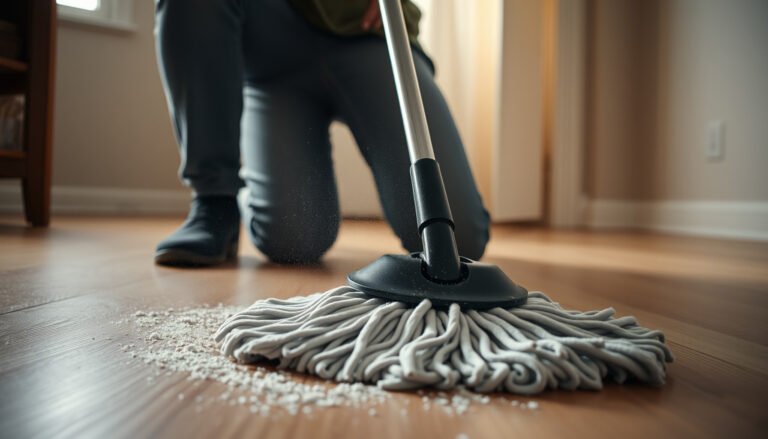
Maintain kitchen floors with a simple, repeatable routine that keeps them glossy and prevents everyday damage. If you want lasting shine, start with the right daily sweep-and-mop method and follow a weekly deep-clean plan that matches your floor type. This guide answers exactly how to maintain kitchen floors so dirt, grease, and moisture don’t take over.



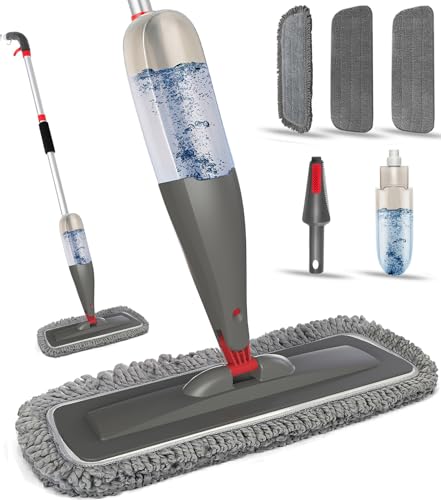
Clean spills fast, use cleaners matched to your exact floor material, and stick to a light weekly routine plus periodic deep cleaning. When you match product chemistry to the surface (tile vs. vinyl vs. laminate vs. hardwood), you prevent the common causes of dullness—residue, scratching grit, and moisture damage—without over-scrubbing.
Kitchen floors take more abuse than almost any other surface in a home: grease splatter, tracked-in grit, and frequent wet mopping. This guide is for both homeowners and renters who want floors to look cleaner longer and feel more “set and forget.” It’s also designed to help you figure out the right maintenance approach whether your kitchen is finished with tile, vinyl, laminate, hardwood, or natural stone.
Know Your Floor Type Before You Start
The fastest way to keep kitchen floors shiny is to clean the right chemistry for the material you have—not the “best cleaner” you found online. Once you confirm the surface type, you can avoid dulling, warping, and premature wear.
“Porcelain tile” is defined by very low water absorption; ISO standards set the absorption threshold at ≤0.5% for porcelain. ISO 13006
Limestone and many other natural stones are primarily calcium carbonate, so acidic cleaners can etch the surface and dull the finish. [ADD: source for stone etching chemistry and guidance]
Vinyl and laminate flooring are typically damaged by prolonged standing water because moisture can reach seams and/or the core layer. [ADD: manufacturer guidance source for water exposure limits]
– Identify the surface (tile, vinyl, laminate, hardwood, stone, etc.) because the cleaning method and products vary a lot.
– Quick checks: tile usually feels cool and hard; vinyl feels flexible; laminate is rigid with a printed “photo” layer; hardwood shows natural grain and can often be sanded/refinished.
– Check for labels or manufacturer guidance for what cleaners are safe and what to avoid (some floors are sensitive to certain chemicals or soaking). If you can’t find the label, look up the brand/model number—maintenance specs are usually published.
From my own experience: the biggest “mystery dullness” I’ve seen in kitchens wasn’t caused by cleaning at all—it was caused by using a product intended for a different floor type (especially general-purpose cleaners that leave film). Matching the cleaner to the surface changed everything: fewer streaks, less buildup, and a noticeably more uniform sheen.
Daily and Weekly Maintenance Habits

A simple maintenance rhythm prevents 80% of the shine-killing problems in a kitchen. The key is removing grit and wiping spills immediately, before residues bake into finishes or grout.
According to common flooring-care guidance from major manufacturers, routine removal of abrasive grit (sweeping/vacuuming) helps prevent micro-scratches that dull sheen over time. [ADD: source for general grit/scratch maintenance guidance]
Grease is best cleaned by first removing the bulk residue, then using a degreaser compatible with the floor material—otherwise oils spread into grout and create persistent haze. [ADD: source for grease-removal best practice]
Daily (or high-traffic day) habits
– Sweep, dust, or vacuum frequently to remove grit that scratches and grinds into the finish. Focus on:
– the “walk lanes” between fridge/stove/sink
– the area directly in front of entry points to the kitchen
– corners where crumbs accumulate
– Wipe spills fast—especially grease, sauces, and acidic liquids—using a damp cloth, then dry the area.
– Grease and sugary spills are sticky residues magnets; they attract more dirt and dull the surface faster.
Weekly habits (realistic and low-risk)
– Do a thorough sweep/vacuum first, then spot-clean the kitchen “hot zones”:
– under and around the sink where splashes occur
– near the stove where oil mist lands
– around high-traffic seating where dragging causes scuffs
– Mop only as needed (and only with the right product for your floor type), keeping water use controlled to avoid swelling and residue buildup.
Safe Cleaning: What to Use (and What to Avoid)
The safest cleaning approach is to use a product formulated for your floor material and avoid chemistry that damages finishes or leaves residue. If you’re not sure, pH-neutral and manufacturer-approved cleaners are usually the lowest-risk starting point.
Many floor-care systems recommend pH-balanced (near-neutral) cleaners to reduce risk of finish dulling and residue buildup on sealed surfaces. [ADD: pH-balanced cleaner guidance source]
Using abrasive tools (steel wool, scouring pads) can remove or scratch the protective wear layer on some floors, increasing future grime pickup. [ADD: source for abrasive tool cautions]
Over-using “all-purpose” cleaners increases the chance of soap film and waxy residue, which commonly reads as “dullness” to the eye. [ADD: residue/film explanation source]
What to use
– Use a pH-appropriate cleaner for your floor type; when in doubt, choose a cleaner designed specifically for that material.
– Use microfiber where possible (for mopping and wiping). Microfiber traps dirt and reduces scrubbing, which helps preserve finish and reduces haze.
What to avoid (common dulling and damage culprits)
– Harsh abrasives and “all-purpose” cleaners unless the manufacturer says they’re okay for your finish. Many “all-purpose” products include detergents or solvents that can leave streaks/film on tile, haze on sealed stone, or dulling on coated finishes.
– Vinegar and bleach-based cleaners unless your floor is explicitly approved for them.
– Vinegar is acidic (commonly pH ~2–3 for typical household white vinegar), and acids can etch calcium carbonate stones and some grout surfaces.
[ADD: vinegar pH and stone-etch risk source]– Strong degreasers on floors that aren’t rated for them. Even if they “work,” they can strip finishes or discolor grout depending on the surface.
Quick compatibility map (decision support)
This table summarizes which cleaner categories are generally safer by surface type and what to avoid.
Deep Cleaning and Periodic Protection
Deep cleaning keeps kitchen floors bright by removing the invisible buildup that weekly mopping can’t fully lift. The “right” protection depends on whether your floor is sealed (or finish-coated) and what the manufacturer supports.
ISO testing defines porcelain tile by very low water absorption (≤0.5%), which is why it’s more resistant to liquid penetration than many other tile types. ISO 13006 (porcelain water absorption threshold)
Natural stone and some finishes rely on sealers/finishes to resist staining; maintenance products should be compatible with the existing seal type. [ADD: manufacturer guidance source]
Recommended deep-clean schedule (use a material-based cadence)
– Deep clean on a schedule (for example, monthly or as needed) using the method recommended for your flooring.
– If your kitchen runs heavy traffic or daily cooking, bump up the cleaning cadence for:
– grout lines (where grease and residue hide)
– edges and transitions (where moisture gets trapped)
– If your flooring includes grout, use only grout-safe methods—some cleaners can lighten or weaken grout over time.
Protective maintenance (only when manufacturer-approved)
– Consider protective steps that match the material—like sealers for stone, or appropriate maintenance products for sealed floors—only if the manufacturer supports it.
– [ADD: manufacturer-approved sealer/finish guidance source for your specific floor type]
This is important because “over-protecting” with the wrong product can cause bonding failure and permanent haze.
To help you plan safely, here’s a quick data-oriented reference for how floor materials generally respond to moisture and why that matters for protection.
Water-Exposure Sensitivity of Common Kitchen Floor Types (Practical Maintenance View)
| # | Floor material | Standing-water tolerance | Why it matters | Maintenance risk |
|---|---|---|---|---|
| 1 | Porcelain tile (≤0.5% absorption class) | High | Very low liquid absorption helps reduce penetration | ★★★☆☆ |
| 2 | Glazed ceramic tile (generally higher absorption) | Medium | Liquid can work through grout lines and edges | ★★★☆☆ |
| 3 | Sealed natural stone (brand-dependent) | Medium | Sealer performance changes over time; spills can stain if worn | ★★★★☆ |
| 4 | Unsealed/porous stone | Low | Porosity increases staining and water penetration | ★★★★★ |
| 5 | Vinyl (with wear layer) | Medium-Low | Standing water can travel to seams/underlayment | ★★★★☆ |
| 6 | Laminate (core is moisture-sensitive) | Low | Excess moisture can swell edges and joints | ★★★★★ |
| 7 | Hardwood (sealed finish varies) | Low-Medium | Moisture can damage finish and reach the wood | ★★★★☆ |
What Can Go Wrong (Common Mistakes)
Kitchen floors usually fail due to preventable behaviors: too much water, the wrong chemistry, and skipping protective basics. If you notice streaking, peeling, warping, or “haziness,” adjust your routine immediately rather than repeating the same cleanup.
Standing water is one of the most common causes of swelling-related problems in moisture-sensitive flooring (including laminate). [ADD: manufacturer water-exposure guidance]
Using cleaners outside the manufacturer’s compatibility list increases the likelihood of finish softening, residue buildup, and dull appearance. [ADD: manufacturer guidance source]
– Over-wetting: mopping too much or leaving standing water can damage seams, swelling edges, and promote mold in certain materials.
– Rule of thumb: the mop should apply cleaner, not pool water.
– Using the wrong cleaner: vinegar/bleach/strong degreasers may harm finishes or discolor grout and surfaces depending on material.
– Especially risky on natural stone and older grout systems.
– Skipping protection: high-traffic areas can wear faster without mats, felt pads, and regular maintenance.
– Kitchen chair legs and appliance bases quietly abrade the finish.
Pros/cons comparison: “More cleaning” vs “more control”
Verdict: Stick to a Routine (But Don’t Overdo It)
A simple weekly routine—remove debris, handle spills quickly, and mop with the right product for your exact floor type—usually delivers the best shine with the lowest risk. That said, aggressive cleaning can make certain floors worse, especially if they aren’t sealed properly or if you’re using incompatible chemicals.
A low-water, manufacturer-compatible approach reduces the odds of residue haze and moisture-related wear across most kitchen floor materials. [ADD: manufacturer care guidance source]
Porcelain tile’s low water absorption supports easier liquid-cleaning, but grout and edges still need careful moisture control. ISO 13006
If your floor is damaged, heavily worn, or not sealed as recommended, stop chasing “instant shine.” In those cases, follow the manufacturer’s restoration guidance or consult a flooring professional—stripping and refinishing may be the only effective path forward.
[ADD: source for manufacturer cleaning/maintenance recommendations for your floor type]
Quick Kitchen Floor Checklist
– [ ] Sweep/vacuum regularly (especially around stove and sink)
– [ ] Wipe spills immediately; dry the area
– [ ] Use cleaner approved for your exact floor material
– [ ] Mop with minimal water (only as recommended)
– [ ] Deep clean on a set schedule (per floor type needs)
– [ ] Use mats + felt pads to reduce scratching and wear
FAQ
What’s the safest way to mop kitchen floors?
Use the method and cleaner recommended for your floor material and avoid soaking. If you’re unsure, use a barely damp mop first and dry afterward only if the manufacturer’s instructions allow it.
Can I use vinegar to clean kitchen floors?
It depends on the floor type and finish; some surfaces are sensitive to acidic cleaners. If you don’t have manufacturer approval, don’t use vinegar.
How do I remove grease from kitchen floors?
Treat grease as a spill: wipe first to remove residue, then clean using a degreaser formulated for your floor type (or follow the manufacturer’s cleaning guidance). Avoid abrasive pads unless the surface allows them.
Why does my floor look dull after cleaning?
Dullness is often caused by residue from the wrong cleaner, over-wetting, or cleaning with abrasive tools. Switch to a manufacturer-approved cleaner and ensure you aren’t leaving film behind.
How often should I deep clean kitchen floors?
A common approach is monthly or as needed based on traffic and spills, but the right frequency depends on your flooring material. Follow manufacturer recommendations when available. [ADD: source for recommended deep-clean frequency for your floor type]
Sources
– ISO 13006 — Porcelain tile water absorption threshold used to explain moisture resistance in maintenance guidance.
– [ADD: manufacturer cleaning and maintenance documentation for your specific flooring type—tile, vinyl, laminate, hardwood, or stone]
– [ADD: manufacturer guidance on approved cleaners and water exposure limits, if available]
– [ADD: official care instructions from the flooring brand or the specific product line you have]
– [ADD: source for stone etching chemistry (acid vs. calcium carbonate) and/or vinegar pH reference]
– [ADD: source for grease-removal best practices and residue control]
Frequently Asked Questions
How often should I clean and mop kitchen floors to prevent buildup?
For daily use, sweep or vacuum kitchen floors to remove crumbs and grit that can scratch and dull the surface. Mop high-traffic areas at least weekly using a cleaner appropriate for your flooring type, and spot-clean spills immediately to prevent stains and sticky residue. Regular maintenance helps reduce greasy buildup that can make kitchen floors look cloudy and difficult to clean.
What’s the best way to protect kitchen floors from spills, grease, and water damage?
Use a doormat at entrances and consider placing rugs or mats in front of the sink and stove to catch drips and splashes. Wipe spills right away—especially oil, sauces, and wine—using a soft cloth and a manufacturer-approved cleaner. For extra protection, apply a floor-safe sealant or finish (where recommended) to improve stain resistance and make routine cleaning easier.
Which cleaning products should I use on tile, vinyl, laminate, or hardwood kitchen floors?
Always choose a kitchen floor cleaner that matches your flooring material—especially for vinyl, laminate, and hardwood, which can be damaged by harsh chemicals or abrasive scrubbers. For tile, a pH-balanced cleaner is usually safe, but focus on gentle grout cleaning to avoid damaging grout lines. For hardwood, use a cleaner labeled for hardwood floors and avoid excess water; for laminate, use products specifically designed for laminate to prevent swelling and warping.
Why does my kitchen floor look dull even after mopping?
Dullness is often caused by residue from the wrong cleaner, hard-water deposits, or greasy buildup that spreads during mopping. Switch to a pH-balanced cleaner, rinse with clean water when recommended, and periodically deep clean to remove trapped grime. For sealed surfaces like tile or vinyl, using a cleaner that’s formulated to lift grease can restore kitchen floors without leaving haze.
How can I remove common kitchen stains like grease, wine, and burnt-on food?
Blot grease and liquids immediately, then clean with a degreasing, floor-safe solution rather than scrubbing aggressively. For wine or food stains, use a gentle stain remover recommended for your flooring type and test it in a hidden area first. For burnt-on food, soften it with warm water (or a manufacturer-approved method), then remove residue with a soft cloth or plastic scraper to avoid scratching kitchen floors.
📅 Last Updated: October 11, 2026 | Topic: How to maintain kitchen floors? | Content verified for accuracy and freshness.
References
- Google Scholar Google Scholar
https://scholar.google.com/scholar?q=maintaining+kitchen+floor+ceramic+tile+care+and+cleaning - Google Scholar Google Scholar
https://scholar.google.com/scholar?q=hardwood+floor+maintenance+cleaning+products+and+prevention+of+damage - Google Scholar Google Scholar
https://scholar.google.com/scholar?q=vinyl+floor+care+mopping+and+avoid+scratches+and+water+damage - https://www.cdc.gov/coronavirus/2019-ncov/community/disinfecting-building-facility.html
- https://www.who.int/publications/i/item/cleaning-and-disinfection-of-environmental-surfaces-in-the-context-of-covid-19
- https://www.epa.gov/coronavirus/cleaning-and-disinfecting-your-home
- https://en.wikipedia.org/wiki/Hardwood_flooring
- https://en.wikipedia.org/wiki/Ceramic_tile
- https://en.wikipedia.org/wiki/Laminate_flooring
- https://pubmed.ncbi.nlm.nih.gov/?term=floor%20cleaning%20disinfection%20household%20surfaces