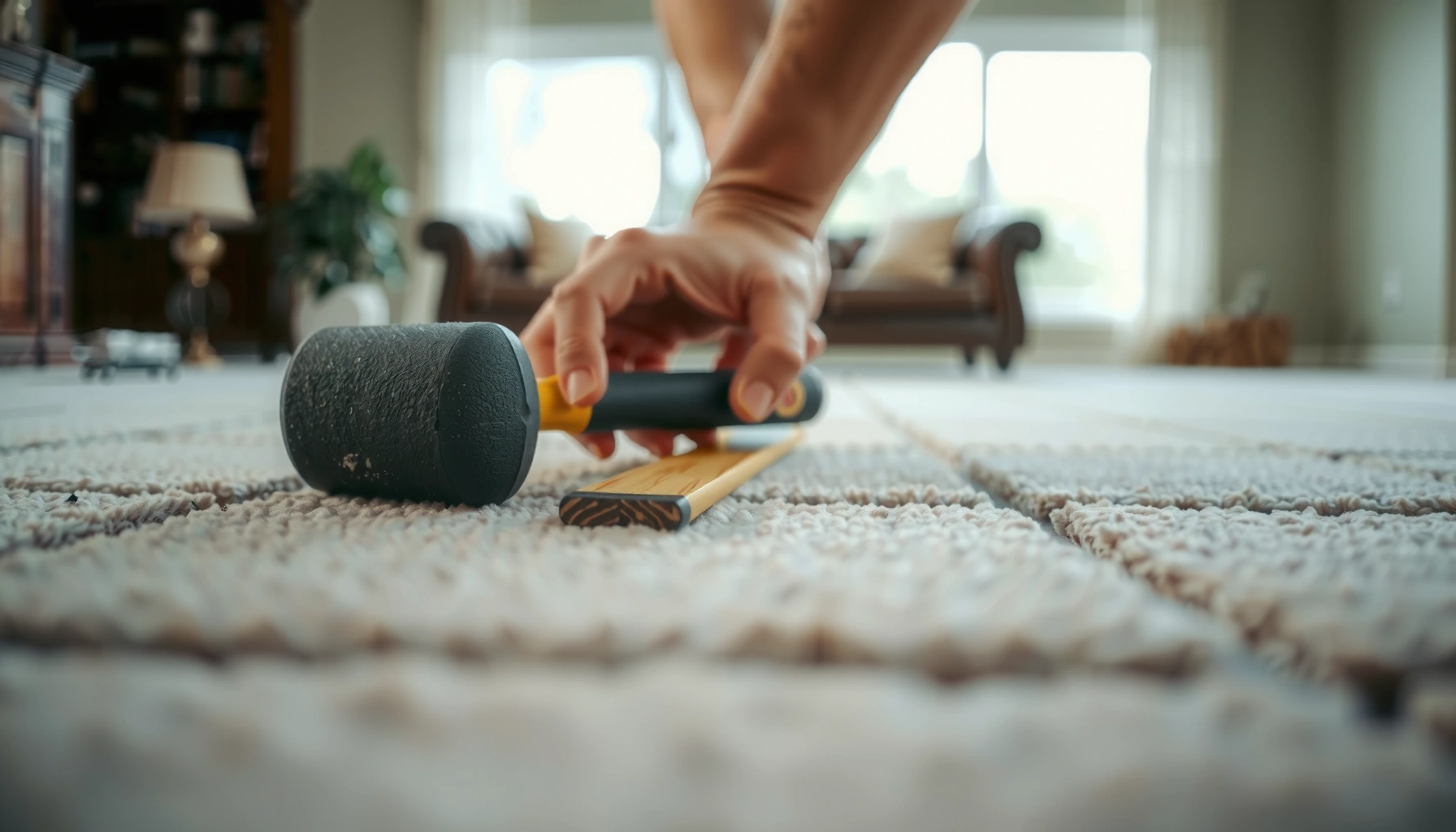

Need to fix dents in carpet tiles fast, without replacing the whole section? This step-by-step repair guide shows you exactly how to lift the pile, restore the backing, and flatten the damaged spot so the tile blends back in. Follow these instructions and you’ll get a clean, durable result that looks right on day one.



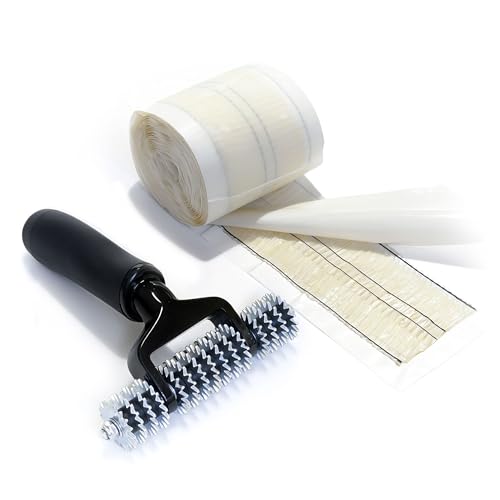
If a carpet tile is dented from furniture legs or chair wheels, you can often recover it by re-softening the crushed fibers with light moisture and gentle heat, then brushing them upright and weighting the area until it dries. For deeper matting—or if the tile has lifted, loosened, or wrinkled—you’ll get more reliable results by removing the tile, re-seating it, and replacing only that one section when needed. The steps below start with the least invasive repair first and move to tile reinstallation only when the dent won’t rebound.
This is for anyone dealing with flattened pile (matting/compression) in carpet tiles—especially when the damage looks like the fibers are permanently pressed down rather than cut or burned. It’s also a good approach if you want to target a single tile instead of redoing the whole floor, which matters in offices, classrooms, and commercial suites where carpet tiles are typically modular and replaceable.
Assess the dent and confirm it’s not damage-through
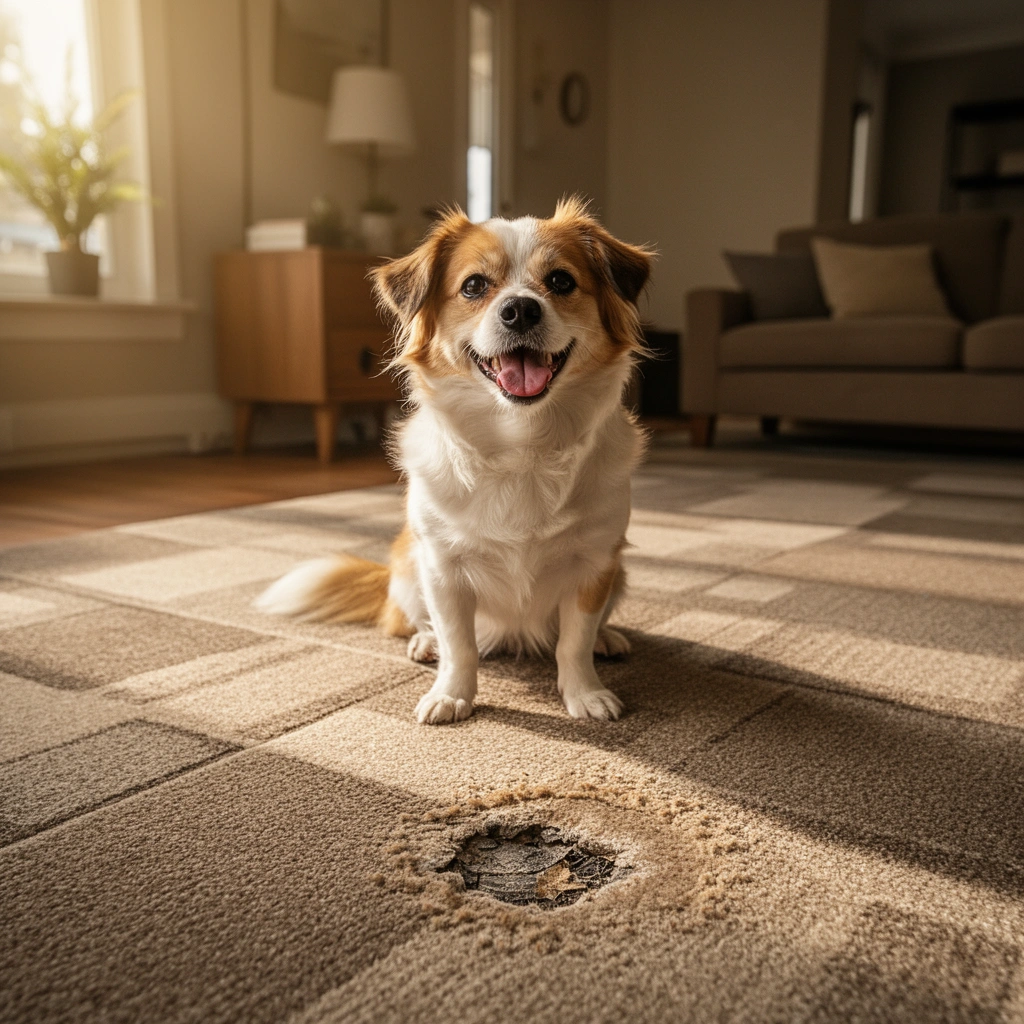
Most dent repairs work only when the problem is surface pile compression, not fiber cuts or backing failure. Before you add moisture or heat, confirm the dent is “recoverable”—and not a situation where you need to replace the tile.
Start by visually comparing the dent area to undamaged sections under the same lighting. Crushed pile usually presents as a localized flattened patch with fibers depressed in one direction (often matching chair movement or leg placement). Damage-through, by contrast, may show torn yarn ends, fraying, a missing tuft pattern, or backing exposure.
Next, check the tile’s edges and seams. If you notice gaps, lifting corners, or the tile looks slightly shifted, the dent may be caused by underlying movement (subfloor unevenness, loose backing, or tile lift) rather than only pressure on the fibers. Also note whether the issue is truly isolated to one spot; a cluster of dents can indicate installation or subfloor problems that will cause the dent to return.
Crushed carpet tile pile typically looks flattened without missing tufts; the fibers remain present but permanently repositioned by pressure.
If tile edges are loose or seams open, the dent may be driven by movement under load—not just fiber compression.
Localized dents often recover with controlled moisture/heat and full drying, while recurring dents indicate an installation or subfloor pressure issue.
Quick decision cues (what to look for)
– Recoverable compression: flattened or shiny-looking fibers, no obvious tears, backing stays intact.
– Not recoverable with surface methods: visible fiber cut, pulled loops, backing separation, bubbling, or persistent wrinkling.
Carpet Tile Dent Severity vs. Recommended Action
| # | Dent/Matting Pattern | Best First Step | Expected Recovery Likelihood | Go/No-Go |
|---|---|---|---|---|
| 1 | Light compression, no visible tuft damage | Moisture + gentle heat + weight | ★★★★☆ | Go |
| 2 | Moderate matting with slight sheen | Lift fibers + brush + full dry | ★★★☆☆ | Go |
| 3 | Deep dent that stays after drying | Re-seat tile (then dry) | ★★☆☆☆ | Proceed |
| 4 | Tile corners lift or seam gaps appear | Lift/re-seat entire tile | ★★☆☆☆ | Avoid “surface-only” |
| 5 | Backings show warping or bubbling | Replace single section | ★☆☆☆☆ | Replace |
| 6 | Repeated dents in multiple spots | Inspect subfloor flatness + pressure | ★★☆☆☆ | Fix root cause |
| 7 | Localized compression recurring at same legs/wheels | Add leg/wheel protection | ★★★★☆ | Prevent |
Lift the fibers with moisture + heat (try this first)
For most dents, you can “teach” the pile to stand back up by using a small amount of moisture, gentle heat, and controlled brushing. This works because many carpet fibers respond to temporary softening and then re-hold their shape as they cool and dry.
Start with light dampening rather than soaking. Use a spray bottle to mist only the dented area and stop as soon as the surface looks evenly wet (no puddles). If your carpet tile system uses adhesive or backing components that aren’t intended for wet exposure, over-saturating increases the risk of slow drying and adhesive issues.
Then apply gentle heat indirectly. A warm iron through a cloth or brief steam from an appropriate source can help the fibers become pliable. The key is indirect contact: you’re not trying to cook the pile, just to warm it enough to move. While the fibers are still pliable, brush them in the direction of the pile to encourage upright alignment.
Finally, weight the area. Place a clean weight on top—ideally separated with paper or a protective layer—so the fibers settle straight while the tile dries fully.
Light dampening using a spray bottle targets fiber behavior without flooding the backing.
Gentle, indirect heat (heat source through a barrier cloth) can improve fiber “memory” so flattened pile lifts.
Weighting while drying helps the pile re-set in the lifted position instead of springing back down.
Moisture + heat: a safe operating approach
– Moisture: mist only the dent; avoid puddling.
– Heat: use a barrier cloth and short, controlled contact.
– Brushing timing: brush while pliable (not after it fully dries).
– Drying: let it dry completely before moving furniture back.
Practical measurements you can standardize
– Heat contact time: use brief passes, not prolonged direct contact (exact time depends on fiber type—see your manufacturer care guidance).
– Dry time: plan for full drying before traffic—factor in humidity and ventilation ([ADD: exact dry-time range from your carpet tile manufacturer care guide]).
– Fiber softening threshold: avoid high-temperature exposure; nylon/olefin systems have different tolerances ([ADD: manufacturer-provided safe heat guidance for your fiber/backing type]).
Restore shape with proper brushing and airflow
Once the tile is dry, brushing is what turns “upright fibers” into an even visual finish. Proper airflow is what prevents lingering compression from reforming as the backing re-equilibrates.
After drying, brush in the direction of the pile to re-align individual fibers and reduce that “shiny” look that often comes from crushed nylon or similar synthetic tufts. If you brush too aggressively or against the pile direction, you can increase matting or create a textured boundary around the repair zone.
For drying and stabilization, prioritize airflow. Fans and ventilation help moisture evaporate through the top surface and out of the tile. Avoid adding more water as a “fix” mid-process; repeated misting can prolong drying and increase the chance that the backing remains stressed.
If the dent returns after chair legs or casters are back in place, you almost always have a pressure-point problem. Re-check that furniture pads or wheel types match your flooring, and ensure rolling equipment uses appropriate casters (soft wheels for hard floors, per flooring guidance) to prevent repeated compression.
Brushing in the direction of the pile reduces misalignment and helps the repaired area blend visually with surrounding fibers.
Increasing airflow supports faster, more complete drying than adding additional moisture.
If the dent reappears at the same point, the underlying pressure source (legs/wheels, pads, or uneven subfloor) needs correction.
Pros/cons: how far to go before you remove a tile
If it’s still dented: remove, re-seat, or replace the tile
If the carpet tile doesn’t rebound after it fully dries, the dent is likely tied to seating stress, loose backing, or persistent backing deformation. At this point, surface-only methods become unreliable.
Begin by lifting the affected tile carefully. Re-seat it so it lies flat without tension, wrinkles, or rocking at the corners. This step matters because carpet tile dents can be “locked in” when the tile is slightly lifted at one edge or resting unevenly on the subfloor.
If you see backing warping, pooling moisture, or repeated deformation after re-seating attempts, replacement is usually the cleanest fix for that section. In commercial environments, replacing a single tile often preserves overall appearance and traffic flow more efficiently than extended troubleshooting.
When reinstalling, verify the subfloor is dry and stable, then align tile edges so seams sit correctly. Misalignment can re-create pressure points that compress the pile again—even if you do everything right during the moisture/heat phase.
If pile-lifting fails after full drying, the cause is often installation stress or subfloor pressure rather than only fiber compression.
Re-seating a tile can eliminate tension or rocking that forces the fibers back into a dented position.
Replacing a single tile is the most reliable option when backing/edges are failing or the tile remains misshapen.
What to check during tile removal
– Tile corners: any lift indicates stress or imperfect seating.
– Subfloor condition: dryness, flatness, and debris under the tile.
– Backing condition: warping, adhesive issues, or separation.
A note on drying and time (keep it realistic)
Carpet tile systems vary widely by brand, backing type, and installation method. As a practical rule, keep heavy furniture off the area until the tile is fully dry through—especially if you introduced any moisture. ([ADD: manufacturer-specified “re-occupancy” time after cleaning/steam for your tile system])
What can go wrong (and how to avoid it)
Most repair problems come from applying too much water, too much heat, or the wrong technique at the wrong time. When you reduce those variables, the process becomes predictable.
Over-wetting can damage the backing or adhesive and lead to lingering odor or weak re-bonding. Always use a spray bottle for light dampness and give the tile time to dry thoroughly before placing furniture back on it.
Too much heat can melt or deform fibers and backing. Indirect heat through a barrier cloth helps, and brief contact is safer than prolonged direct warming.
Brushing too early can widen the damaged zone. If you brush while the fibers are still overly wet (or before they’re pliable in the way you need), you can distort more pile than you’re trying to fix.
Finally, underlying installation issues will defeat your repair. If the subfloor is uneven or the tile isn’t seated flat, the dent will likely recur even after you successfully lift the fibers once.
Using a spray bottle and stopping at “even dampness” reduces risk compared with soaking the tile.
Indirect, brief heat is safer than direct high heat, which can deform synthetic fibers and the backing.
If the subfloor or tile seating is uneven, dents tend to return even after the pile is restored.
Verdict / tip: when to DIY vs when to stop
DIY repair is usually worth it when the dent looks like crushed pile only and stays localized. For most surface compression cases, controlled moisture + gentle heat, brushing, and full drying can recover the tile’s appearance with minimal disruption.
Stop (or escalate to a professional/replace) when you see tile lift, wrinkling, backing warping, persistent pooling, or the dent never rebounds after the tile is fully dry. If your carpet tile is part of a warranty-sensitive installation, follow the manufacturer’s care instructions exactly before introducing any moisture or heat—deviations can void coverage.
Also skip extended DIY attempts if you already suspect a recurring pressure source. In those cases, prevention—like using compatible chair leg pads and appropriate caster types—often delivers more value than repeated repair cycles.
DIY recovery is most effective for surface pile compression that rebounds after drying.
Persistent misshapen tiles often require re-seating or replacement because the backing or seating condition is the root cause.
Manufacturer care guidance should govern moisture/heat use when warranty or backing compatibility is a concern.
Quick checklist (scan/save)
– [ ] Confirm it’s pile compression, not a cut/torn backing
– [ ] Lightly dampen only the dented fibers (no soaking)
– [ ] Apply gentle heat through a cloth/brief steam (indirect heat only)
– [ ] Brush fibers upright while pliable
– [ ] Weight it lightly and let it dry fully
– [ ] If no improvement: re-seat tile or replace that single section
– [ ] Add furniture protection to prevent repeat dents
FAQ
Can I fix dents in carpet tiles without steaming?
Yes. If the dent is light to moderate compression, you can often lift the fibers using light dampening plus brushing and airflow. Steam or gentle heat through a cloth helps when fibers need extra pliability, but always follow the manufacturer’s care guidance for your specific tile backing and fiber type.
Will moisture damage the tile backing?
It can if you over-wet. The safest method is controlled, light dampness (spray bottle rather than soaking) and full drying with fans/ventilation before furniture returns. If the tile uses pressure-sensitive adhesives or moisture-sensitive backing components, strict adherence to manufacturer cleaning instructions is essential.
What should I use for brushing carpet tile fibers?
Use a soft brush or carpet rake designed for your pile type, and brush in the direction of the pile. Brushing against the pile can increase matting and create a visible textured boundary that’s harder to blend later.
How long should I wait before moving furniture back on the dented spot?
Wait until the area is fully dry. In practice, also consider how humid the room is and how much ventilation you have; tiles can feel dry on top while remaining moist within the backing. ([ADD: manufacturer-specified “dry-to-walk” or re-occupancy time for your carpet tile model])
When is replacement the better option than repair?
Replace when the dent persists after complete dry time, the tile remains misshapen, or the backing/edges show failing signs. Replacement is also typically best when the dent is caused by tile lift or uneven subfloor pressure that keeps compressing the fibers.
Sources
– [ADD: manufacturer care/maintenance instructions for carpet tiles regarding steam, moisture, and cleaning—use the exact brand/model installed]
– [ADD: installation instructions for carpet tile systems covering re-seating, replacement, and subfloor flatness requirements from the manufacturer]
The most reliable way to fix dents in carpet tiles is to start with controlled moisture, indirect gentle heat, brushing in the pile direction, and full drying—then move to re-seating or single-tile replacement when the dent doesn’t rebound. If the same area keeps denting, the repair is only part of the solution; compatible furniture protection and checking for tile/subfloor flatness issues prevent the problem from returning.
Frequently Asked Questions
How do I fix dents in carpet tiles after heavy furniture was moved?
Start by clearing the area and checking whether the indentation is just crushed fibers or if the tile’s backing is deformed. Use a damp cloth over the dent and apply gentle steam with a steamer or iron on low heat (keep the iron off the carpet surface directly). Fluff the fibers with a soft brush and allow the tile to dry fully, which can help most carpet tile dents rebound.
What’s the best way to remove carpet tile dents using steam and heat?
Steam is one of the most effective methods for lifting carpet fibers without damaging the tile. Dampen a towel, place it over the dent, then steam for 15–30 seconds and check progress. Repeat as needed, then brush in the direction of the pile and let the tile dry completely before walking on it.
Which tools or products work best to restore flattened carpet tile fibers?
A handheld steamer, spray bottle with clean water, and a soft-bristle brush are usually enough for most dents in carpet tiles. For deeper impressions, consider using a hairdryer on low heat while brushing the fibers upward, but avoid overheating. Avoid harsh chemicals—carpet tiles can trap residues, which may make the dent look worse or create discoloration.
Why do dents happen in carpet tiles, and how can I prevent them from returning?
Dents commonly occur when heavy items compress the pile for long periods, especially if the backing hasn’t fully recovered. To prevent re-dents, use furniture pads or casters, rotate room layouts when possible, and avoid leaving weight in one spot for weeks. Keeping carpet tiles properly installed on a flat, stable subfloor also helps reduce lasting impressions.
How can I repair stubborn dents in carpet tiles when steam doesn’t work?
If steam and brushing don’t lift the fibers, the tile may be physically compressed and may need more aggressive fiber re-fluffing. Try dampening the area lightly, then use a carpet roller or a clean, heavy object to redistribute pressure while it dries, followed by brushing. For persistent or uneven damage, the most reliable fix is to replace the affected carpet tile(s) with matching style and pile height.
📅 Last Updated: October 11, 2026 | Topic: How to fix dents in carpet tiles? | Content verified for accuracy and freshness.
References
- Google Scholar Google Scholar
https://scholar.google.com/scholar?q=how+to+remove+carpet+indentations+furniture+dents - Google Scholar Google Scholar
https://scholar.google.com/scholar?q=carpet+tile+repair+replace+damaged+tiles+installation+guidelines - Google Scholar Google Scholar
https://scholar.google.com/scholar?q=carpet+fibre+recovery+after+compression+indentation - https://en.wikipedia.org/wiki/Carpet_tile
- Carpet
https://en.wikipedia.org/wiki/Carpet - Carpet
https://en.wikipedia.org/wiki/Rug - Carpet cleaning
https://en.wikipedia.org/wiki/Carpet_cleaning - https://en.wikipedia.org/wiki/Textile_pile
- https://en.wikipedia.org/wiki/Nap_(textile
- Flooring
https://en.wikipedia.org/wiki/Flooring