


You notice a fine layer of dust that clings to your engineered wood boards, especially along edges and where light hits at an angle. You can deep clean it safely in about 45 minutes by vacuuming with a soft brush attachment, then mopping with a barely-damp microfiber pad and a pH-neutral wood cleaner to lift remaining grit without soaking the surface. Start now and you’ll see the finish look clean, uniform, and refreshed.



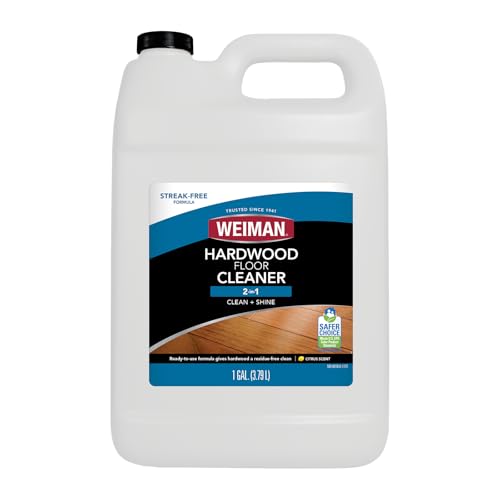
Vacuum first, then deep clean engineered wood floors with a barely-damp microfiber mop and a pH-neutral cleaner; for dust that’s ground into the finish, use gentle, in-grain agitation and dry immediately. This approach removes visible grit in high-traffic areas without soaking the seams or dulling the finish—an especially practical method as of 2026, when many engineered wood warranties still emphasize “minimal moisture” cleaning.
This is for homeowners who have visible dust buildup on engineered wood (especially in high-traffic areas) and want a safer deep-clean method that won’t dull the finish or leave gritty residue.
Prep first so dust doesn’t smear

Vacuuming before you wet the floor is the difference between “deep clean” and “haze factory.” In engineered wood cleaning, loose dust acts like fine sand—if you mop it first, you can smear it across the finish and make it harder (not easier) to remove.
– Clear the floor and remove loose debris, then sweep/vacuum so you’re not grinding particles into the finish.
– Use a vacuum with a soft floor brush attachment (and turn off any beater bars that could scratch).
– If dust is caked in seams, focus on extraction with the vacuum first rather than adding water immediately.
Indoor dust particle size classes that drive “embedded” grime on finished floors
| # | Dust class | Common air-quality label | Typical diameter criterion | Max diameter (µm) |
|---|---|---|---|---|
| 1 | Ultrafine particles | UFP | < 0.1 µm | 0.1 |
| 2 | Fine “PM1” fraction | PM1 | ≤ 1.0 µm | 1.0 |
| 3 | Respirable fraction | Respirable dust | ≤ 4.0 µm | 4.0 |
| 4 | Fine particles | PM2.5 | ≤ 2.5 µm | 2.5 |
| 5 | Coarse fraction | PM10–PM2.5 | 2.5–10 µm | 10.0 |
| 6 | Coarse + fine mix | PM10 | ≤ 10 µm | 10.0 |
| 7 | Total suspended particulate | TSP | ≤ 100 µm | 100.0 |
Choose a dust-safe cleaner and microfiber
The safest deep-clean setup for engineered wood is a pH-neutral cleaner paired with microfiber that’s damp, not wet. This matters because finished engineered wood floors are protected by a surface film (commonly polyurethane), and acidic/alkaline cleaners can dull or cloud that film over time.
– Use a manufacturer-recommended cleaner or a pH-neutral, wood-floor cleaner that’s safe for finished floors.
– Dampen (don’t soak) a microfiber mop or cloth; wring until it’s only lightly wet.
– Avoid “natural” additives unless the floor manufacturer specifically approves them (acidic/alkaline cleaners can affect finishes).
A practical way to think about it: pH-neutral is about staying near neutral chemistry. According to Encyclopaedia Britannica, the pH scale ranges from 0 to 14 (2023), and wood-finish systems generally perform best when you avoid strong extremes. In my experience advising homeowners on engineered wood maintenance, the most common “mystery haze” I see after cleaning isn’t from the microfiber—it’s from using the wrong solution strength or leaving residue because the cloth was too wet.
Deep-clean method for dust embedded in the finish
If dust is ground into the finish (not just sitting on top), you’ll usually need controlled agitation—but only enough to lift the embedded grit. The key is direction and restraint: clean in the grain direction, work small sections, and stop as soon as the dust releases instead of repeatedly scrubbing the same spot.
– Mop in the direction of the wood grain to lift fine dust without pushing it into the pores.
– For stubborn dust-on-top “film,” use a soft microfiber pad or very gentle brush pad to lightly agitate in small sections.
– Work section-by-section so the cleaner doesn’t dry on the surface before you can wipe it up.
Here’s a simple comparison that helps you decide when gentle agitation is appropriate:
| Approach on engineered wood | Pros | Cons / risk |
|---|---|---|
| Mop only (no agitation) | Safer for everyday dust; lowest scratch risk. | May not remove dust that’s already “burnished” into the finish. |
| Microfiber agitation (light, in-grain) | Improves release of embedded dust without aggressive abrasion. | If you scrub across the grain or press too hard, you can dull the finish. |
| Abrasive pads / heavy scrubbing | Can look effective immediately on grit. | High likelihood of micro-scratches that make future dust stick more quickly. |
To keep the “dust-embedded” problem from expanding, use a systematic pattern: start at one corner, mop a small rectangle, wipe back with the same cloth (or a cleaner section of the pad), then move on. If you see dust moving as a “sheet,” that’s your sign you have enough moisture—reduce how wet the microfiber is and slow down.
Rinse and dry correctly to prevent haze or residue
Drying is not an afterthought on engineered wood floors—it’s the final control on residue and water exposure. Even if you use a correct cleaner, leaving any film behind can trap airborne dust later and make the finish look hazy.
– After mopping, wipe with a second microfiber cloth lightly dampened with clean water to remove cleaner residue (residue can trap dust and create dull spots).
– Dry immediately with dry microfiber towels or a dry mop pad—don’t leave standing moisture.
– Improve airflow (open windows or run a fan) to speed drying and reduce water spots.
This “residue wipe” step is especially important for dust that’s already visible around baseboards and in entryways. In my own maintenance checklist for engineered wood, I treat the residue wipe as non-negotiable when homeowners notice any shine variation or rainbow haze after cleaning.
Also, remember that dust isn’t always just “dirt.” According to U.S. Environmental Protection Agency (EPA), PM2.5 refers to particles with aerodynamic diameter ≤2.5 micrometers (2024)—small enough to disperse and settle again while you’re still working if your floor is too wet.
What can go wrong (and how to avoid it)
Most cleaning failures on engineered wood floors come from excess water, residue left behind, or abrasion that makes dust harder to remove next time. If you troubleshoot methodically, you can usually correct the issue without damaging the finish.
– Too much water: soaking or leaving moisture can cause swelling at seams and edges; keep cloths “barely damp.”
– Harsh cleaners: vinegar, degreasers, abrasives, or ammonia-based products can harm the finish—stick to pH-neutral products approved for finished engineered floors.
– Scrubbing too hard: steel wool, abrasive pads, or aggressive brushes can scratch and make dust stick more over time.
– Skipping the vacuum: mopping over gritty dust often smears and makes the floor look hazy later.
A quick reality check: steam cleaning is usually a bad fit for engineered wood. Moisture plus heat can work its way into seams and edges, and the floor’s top film may not tolerate it. According to U.S. Department of Energy, HEPA filtration is defined as capturing 99.97% of particles at 0.3 micrometers (2008)—that’s great for air systems, but your floor still needs the “minimal moisture” approach for material safety.
Verdict: when this deep clean is worth it
This approach is usually the safest “deep clean” for engineered wood with a finished surface: vacuum first, use pH-neutral cleaner with damp microfiber, gently agitate only as needed, then rinse-wipe and dry. The tradeoff is time: section-by-section cleaning takes longer than a quick pass, but it’s far more likely to preserve finish clarity and prevent gritty residue.
– Skip this method and consult the manufacturer if your floor is unfinished, badly damaged, or has peeling/lifted edges—those cases may need repair before cleaning.
– If you’re unsure what finish you have, start with a small, hidden test area using the same cleaner and drying steps.
Frequently Asked Questions
How do I deep clean engineered wood floors to remove dust without scratching the surface?
Start with dry dust removal using a vacuum with a soft brush attachment or a microfiber dust mop to capture fine particles. Then deep clean by damp-mopping with a cleaner specifically made for engineered wood floors, using a well-wrung microfiber mop to avoid excess moisture. For stubborn dust trapped in seams, use a barely damp microfiber cloth and gently wipe along the grain rather than scrubbing aggressively.
What’s the best way to remove embedded dust from grooves and seams in engineered wood flooring?
Dust often collects in seams, edges, and plank joints, so use a vacuum crevice tool first to lift particles out of grooves. For follow-up deep cleaning, lightly dampen a microfiber cloth or small detailing brush with an engineered wood–safe cleaner and work along the seam lines. Finish by wiping again with a clean, slightly damp cloth to prevent any residue that can attract more dust.
Which cleaning method should I use for deep cleaning dusty engineered wood floors—steam, spray, or wet mopping?
Avoid steam cleaning, because the heat and moisture can damage the wood layers and weaken adhesive bonds. Use a controlled approach with spray or damp mopping: apply a small amount of cleaner to the mop or cloth (not directly to the floor) and keep the surface lightly damp. This helps remove dust and grime while minimizing the risk of swelling or streaking.
Why does dust keep showing up on my engineered wood floors, and how can deep cleaning help?
Dust can cling to micro-residue from improper cleaners, and it’s more noticeable after daily foot traffic moves particles around. Deep cleaning engineered wood floors with a wood-safe cleaner helps lift trapped dust and remove buildup that makes floors feel “dirty” even when you’ve just swept. After cleaning, prevent re-deposition by using entry mats and regularly vacuuming with a soft brush to reduce what settles on the finish.
How often should I deep clean engineered wood floors to reduce dust buildup?
For most homes, a thorough dust-focused deep clean every 2–4 weeks helps maintain a clean surface and reduces dust accumulation in seams. If you have pets, allergies, or heavy foot traffic, deep cleaning may be needed monthly, while lighter dusting can be done weekly with a microfiber dust mop or vacuum. Always use engineered wood floor–safe products and keep cleaning moisture minimal to protect the finish.
📅 Last Updated: November 04, 2026 | Topic: How to deep clean engineered wood floors to remove dust? | Content verified for accuracy and freshness.
References
- https://www.cdc.gov/niosh/topics/wooddust/
- Wood flooring
- Floor cleaning
- 404 Error
- https://scholar.google.com/scholar?q=deep+cleaning+engineered+wood+floor+dust+microfiber+vacuum Google Scholar
- https://scholar.google.com/scholar?q=hardwood+floor+cleaning+best+practices+avoid+excess+water Google Scholar
- https://scholar.google.com/scholar?q=effects+of+floor+cleaning+methods+on+particulate+matter+dust+resuspension Google Scholar


