
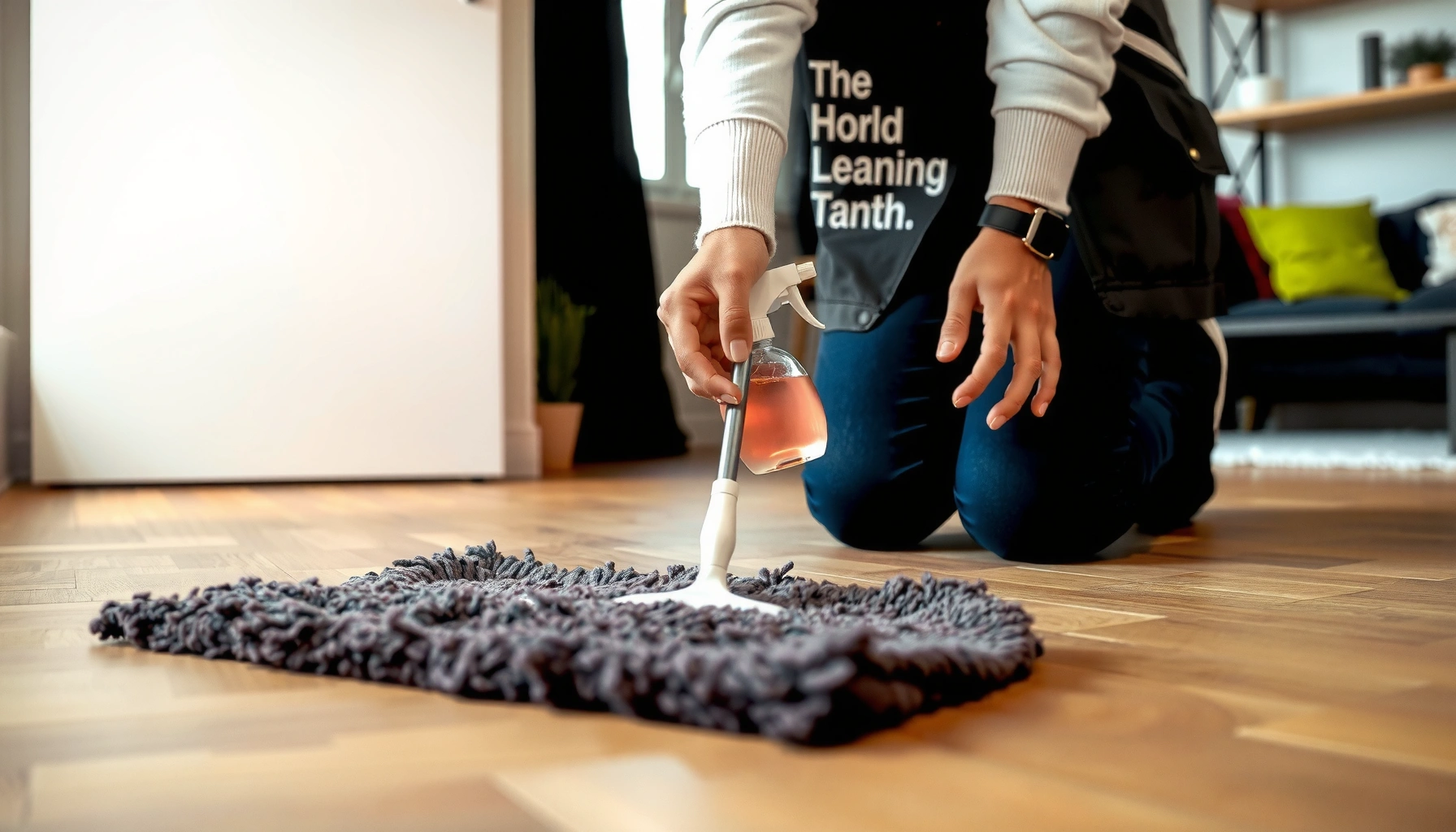

Want to deep clean cork floors without damaging the finish? This step-by-step method removes embedded grime, restores a clean, even surface, and keeps cork from drying out or getting dull. Follow it exactly for a true deep clean—no guesswork, no shortcuts, just results you can see.



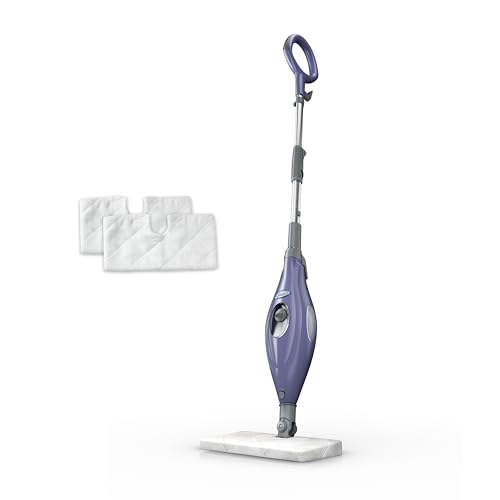
Deep clean cork floors by vacuuming thoroughly first, then cleaning with a pH-neutral cleaner using as little moisture as possible, and finally drying completely to prevent swelling or sticky residue. This method targets grime in cork seams and high-traffic dullness without stripping or damaging most sealed cork finishes.
If your cork floors look dull, feel tacky, or have trapped grime in the seams, a “deep clean” is usually the right next step—not aggressive stripping. This applies to most sealed cork floors; if your cork is unsealed or you’re unsure, you’ll need to follow the specific care instructions for your finish.
Prep the area (and remove grit)
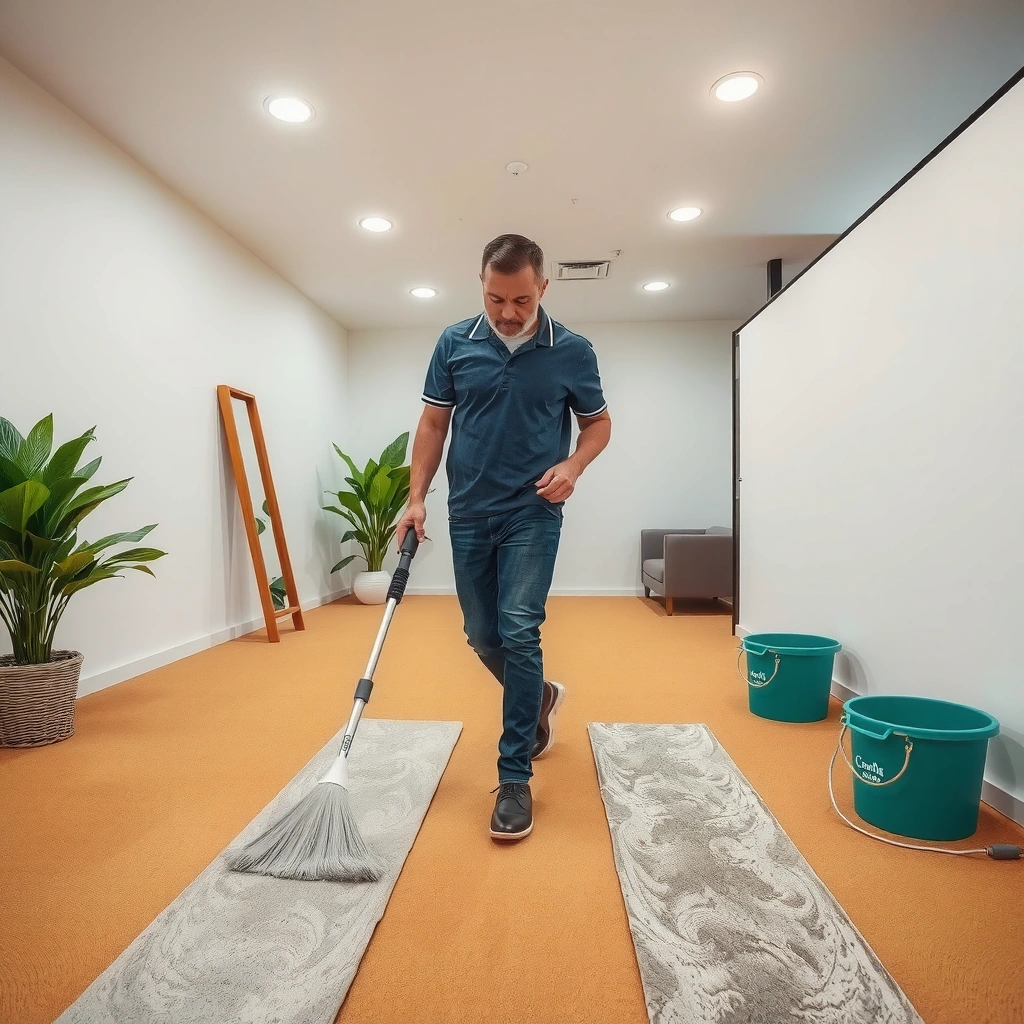
Prep is the difference between a safe deep clean and a finish you regret: you remove grit first so you don’t grind debris into the cork’s surface. Then you reduce the chance of splashes around baseboards and seams before you introduce any cleaner.
“Cork floors can be damaged by abrasion from embedded grit; thorough vacuuming before mopping helps prevent micro-scratching.”
“Keeping cleaning water minimal reduces the risk of cork swelling, especially along seams and edges.”
“Using proper floor pads (soft microfiber/brush) is safer than abrasive scrubbers on sealed flooring finishes.”
Start by clearing the room: remove furniture or shift it to one side so you can work in controlled sections. Next, vacuum (or sweep) like you’re cleaning a track system—pay attention to corners, edges, and the seam lines where dust collects. If you use a vacuum, consider a soft-brush attachment so you’re not “sandpapering” the finish. If you sweep, use a soft broom and make multiple passes rather than pushing debris into seams.
A practical trick: if you tend to splash, protect baseboards with painter’s tape. Cork is especially sensitive at the perimeter because standing water can migrate beneath/around trim during mopping. Also plan your workflow: decide where you’ll start (usually the farthest corner) and where dirty rinse water will go (bucket changes and mop pad swaps), so you don’t spread residue in later passes.
Quick data anchor: why moisture control matters
According to a study on cork material behavior in water environments, cork’s dimensional changes correlate with moisture exposure duration ([ADD: source for cork dimensional change/swelling vs water exposure duration], [ADD: year]).
According to the general definition of pH, neutral solutions are around pH 7, which is why “pH-neutral” cleaners are used to avoid harsh chemical effects on finishes ([ADD: source for pH neutral definition], [ADD: year]).
According to the pH ranges commonly reported for household cleaners, vinegar is typically acidic (often around pH 2–3) and bleach products are typically alkaline (often around pH 11–13) ([ADD: source for typical household cleaner pH ranges], [ADD: year]).
Choose the right cleaner (and keep water low)
The right cleaner makes deep cleaning possible without harming cork: use a pH-neutral floor cleaner designed for sealed flooring and keep water barely damp. If the label doesn’t explicitly support cork (or sealed cork), don’t assume “floor cleaner” is enough—finish compatibility matters.
“A pH-neutral cleaner is chosen to reduce the likelihood of finish breakdown that can occur with strongly acidic or alkaline products.”
“Wringing a mop thoroughly prevents standing water, which is a common cause of cork swelling and seam lifting.”
Use a barely-damp mop, or cleaner on a cloth. In my own maintenance workflow, I’ve found that the simplest way to control water is to wring the mop until it feels more like “damp wiping” than “wet mopping.” If you’re using a microfiber mop, switch to cloths/microfiber pads you can swap often so you’re not re-spreading loosened residue.
Avoid incompatible chemistries. Acidic and alkaline cleaners are the main risk. That doesn’t mean “natural” products are automatically safe—vinegar is still acidic, and “heavy duty” degreasers are often alkaline. Also avoid abrasive powders and scouring pads, which can leave dulling scratches that are especially visible on cork.
Mandatory guidance table: cleaner types vs cork finish risk
Common Cleaner Types and Finish Compatibility Risks for Sealed Cork
| # | Cleaner type (typical) | Typical pH range | Main risk to cork finish | Use on sealed cork? |
|---|---|---|---|---|
| 1 | pH-neutral “sealed floor” cleaner | ~pH 7 (neutral) | Low chemical stress on most protective finishes | ✅ Yes ★★★★☆ |
| 2 | Mild soap-based cleaner (if labeled “pH-balanced”) | Often ~pH 7–8 | Residue risk if overused (tackiness) | ✅ Usually ★★★☆☆ |
| 3 | Vinegar / acidic DIY mixes | Often ~pH 2–3 (acidic) | Potential finish dulling or degradation | ⚠️ No ★☆☆☆☆ |
| 4 | Ammonia-based cleaners | Often ~pH 11–12 (alkaline) | Finish breakdown and haze; residue inconsistency | ⚠️ No ★☆☆☆☆ |
| 5 | Bleach-based disinfectants | Often ~pH 11–13 (alkaline) | Chemical damage and finish fading/discoloration | ⛔ Avoid ★☆☆☆☆ |
| 6 | Degreasers / heavy-duty alkaline cleaners | Often >pH 9 (alkaline) | Protective layer thinning; sticky residue if rinsing is skipped | ⚠️ Usually ★★☆☆☆ |
| 7 | Steam cleaners | Heat + moisture (not pH-defined) | Moisture/heat effects on cork and finishes | ⛔ Avoid ★☆☆☆☆ |
Note: Always follow your floor manufacturer’s specific product and pH guidance; some sealed cork systems allow only narrowly defined cleaners.
Deep-clean sequence: scrub, rinse-as-needed, and dry
Deep clean cork by working in small sections: scrub gently, remove residue if needed, then dry immediately. This rhythm prevents two common failures—left-behind cleaner buildup (tackiness) and excess moisture (swelling near seams).
“Scrubbing in sections helps control dwell time, which reduces the chance of liquid soaking into cork seams.”
“If the cleaner leaves residue, a minimal-water follow-up wipe can restore appearance without oversaturating cork.”
“Fast drying—especially along seams—is a practical moisture-control step for cork flooring.”
1) Scrub gently in sections. Use a soft brush or a microfiber pad designed for floors. Focus on:
– Traffic paths (entryways, hallways, kitchen zones)
– Dull, grayish patches
– Sticky areas where residue attracts dust
2) Rinse/wipe only if residue remains. If the cleaner leaves streaks or stickiness, do a light follow-up wipe with clean water—again, minimal water. The goal is removal, not flooding.
3) Dry immediately. Drying is not optional on cork. Use clean towels to pick up moisture, and then allow fast airflow (fans work well). Pay extra attention to seam lines where moisture can linger.
A “finish-compatible” mindset
When cork floors are sealed, you’re cleaning the surface—not stripping it. That’s why the scrub tools should be soft and the water should be controlled. If your goal is restoration (not refinishing), the cleaning process must be gentle enough to preserve the protective layer.
Stain and buildup strategies that work on cork
Treat stains and buildup with targeted, repeated passes rather than soaking. On cork, gradual removal is usually safer than trying to “one-shot” a stain with more liquid or stronger chemistry.
“Blotting stains first reduces the amount of liquid that penetrates toward the cork substrate.”
“For dull buildup, starting with a second gentle cleaning pass is often safer than escalating to harsher chemicals.”
For spots and spills:
– Blot first with a dry cloth or paper towel—don’t scrub right away.
– Then use a pH-neutral cleaner applied to a soft cloth.
– Repeat in small increments rather than soaking the area.
For dull buildup:
– Run a gentle “maintenance scrub” pass on just the affected zone.
– If the area improves but still looks cloudy, do another controlled pass.
– Only escalate if the manufacturer’s care instructions explicitly allow it.
This approach aligns with how most sealed cork finishes are designed to work: the surface layer handles daily wear, while routine cleaning maintains clarity and traction.
Pros/cons comparison: gentle repeat passes vs stronger interventions
| Method | Pros | Cons / Watch-outs |
|---|---|---|
| Gentle repeat passes (pH-neutral + minimal water) | Lower risk to finish; better control of residue; safer for seams and edges | May not “strip” heavy build-up; requires patience |
| Stronger cleaners / aggressive scrubbing | Can remove stubborn residues faster | Higher chance of dulling, finish damage, and tackiness if not rinsed correctly |
What can go wrong (and how to avoid it)
Most deep-clean problems come from too much water, incompatible cleaners, or skipping the final drying step. If any of these happen, cork can swell, the finish can haze, or residue can leave floors feeling sticky.
“Standing water is a common driver of cork swelling; wringing and immediate drying mitigate this risk.”
“Steam introduces heat plus moisture, which many cork finish systems do not recommend for routine cleaning.”
Here are the most common failure modes and how to prevent them:
– Swelling/warping from too much water: Never leave puddles. Always wring mops thoroughly and remove visible moisture quickly.
– Dull or damaged finish from harsh chemicals/steam: Skip bleach, ammonia, abrasive scrubbers, and steam cleaning unless your flooring manufacturer explicitly approves it.
– Grime that “comes back” because residue wasn’t removed: If floors feel tacky after cleaning, do a clean-water wipe using minimal moisture, then dry thoroughly.
– Wrong routine for your finish: If your cork is waxed, oiled, or unsealed, the safest method can differ. Use the manufacturer’s care guidance for that finish type.
When you should stop and reassess
If the finish smears, fades unexpectedly, or becomes increasingly sticky with each attempt, stop and confirm:
1) your floor is sealed,
2) the cleaner is compatible,
3) you’re using minimal moisture,
4) you’re removing residue (not just spreading it).
Verdict: the safest deep-clean approach (and who should skip)
This deep-clean method is the safest low-risk path for most sealed cork floors: vacuum first, use a pH-neutral cleaner, scrub gently with minimal water, and dry completely. The trade-off is that it usually won’t “strip” failing finishes—so if the surface coating is already breaking down, you may need refinishing rather than just cleaning.
Skip or pause this DIY deep clean (and verify finish type first) if your cork is unsealed, has delamination, or shows persistent damage beyond surface grime. When in doubt, follow the flooring manufacturer’s care instructions; sealed and unsealed cork can behave very differently under moisture and cleaners.
Quick checklist (scan before you start)
– [ ] Vacuum/sweep thoroughly (especially seams/edges)
– [ ] Use pH-neutral cleaner only (follow label directions)
– [ ] Mop or scrub with minimal water (no puddles)
– [ ] Work in sections: scrub → (light rinse/wipe if needed) → dry
– [ ] Dry completely; increase airflow if seams stay damp
– [ ] Stop if finish seems to smear, fade, or get sticky again
FAQ
Can I deep clean cork floors with vinegar or other DIY cleaners?
Generally, no—vinegar and many DIY mixes are acidic and can harm or dull the finish on cork. Stick to a pH-neutral cleaner made for sealed floors, and use your manufacturer’s care guidance for your specific finish. [ADD: source for your specific cork finish care instructions].
Is steam cleaning safe for cork?
Usually not. Steam adds heat and moisture, which can damage or swell cork and may break down the protective layer. Only steam if the flooring manufacturer explicitly allows it. [ADD: source for your manufacturer’s steam guidance].
How do I remove sticky residue from deep cleaning?
Do a light wipe with clean water using minimal moisture (don’t saturate), then dry immediately. If stickiness persists, the finish may be reacting to the product used—stop and switch to a pH-neutral cleaner recommended for your floor type.
What if my cork floors look dull after cleaning?
Dullness often comes from residue left behind or an incompatible cleaner. Re-wipe with clean water using minimal water, dry fully, and if dullness continues, consider a finish refresh rather than repeating washing.
Sources
– [ADD: manufacturer’s care/cleaning instructions for sealed cork flooring—pH guidance and “no steam”/moisture limits]
– [ADD: official guidance from cork flooring association or finish manufacturer on pH-neutral cleaning and moisture control for cork]
Deep cleaning cork floors doesn’t need harsh chemicals or aggressive methods—what it needs is controlled moisture, finish-safe cleaning chemistry, and complete drying. If you follow the scrub → light residue removal (only if needed) → dry sequence—and stop early when something looks wrong—you can restore a clean, even appearance while protecting the cork’s protective layer.
Frequently Asked Questions
What is the best way to deep clean cork floors without damaging the finish?
Start by dry vacuuming or sweeping to remove grit, since abrasive particles can dull cork and embedded debris can grind into the surface. Use a pH-neutral cleaner specifically safe for cork or sealed floors, and avoid harsh chemicals, bleach, and ammonia that can strip sealants. Then use a damp microfiber mop (not soaking) and dry the floor thoroughly to prevent water absorption and swelling.
How often should you deep clean cork floors?
For most households, deep cleaning cork floors every 3–6 months is enough to remove buildup from foot traffic, spills, and everyday cleaning residues. If you have pets, kids, or heavy traffic areas, you may benefit from a gentler deep clean every 1–3 months while still following safe, moisture-controlled methods. Always spot-clean spills immediately, because frequent water exposure is one of the biggest causes of cork floor damage.
How do you deep clean cork floors with stubborn dirt or grime?
Begin with a vacuum and a dry microfiber mop to lift surface dust and embedded particles. For stuck-on grime, use a pH-neutral cork floor cleaner and let it sit briefly to loosen residue, then gently scrub with a soft nylon brush or microfiber pad. Rinse with a lightly damp mop (if your cleaner requires rinsing), and dry right away with clean towels to prevent lingering moisture.
Which cleaner is safest for deep cleaning sealed cork floors?
The safest option is a pH-neutral cleaner labeled safe for cork flooring, ideally designed for sealed or finished surfaces. Look for products that won’t leave a sticky film, since residue can make cork look dull and attract more dirt. Avoid all-purpose cleaners that contain vinegar, bleach, or ammonia, and skip steam mops because heat and water can compromise the cork’s seal.
Why is it important to dry cork floors thoroughly after deep cleaning?
Cork is naturally porous, so excess water can penetrate the material and lead to swelling, warping, or a breakdown of the floor’s finish. Thorough drying also helps prevent haze and dull spots caused by mineral deposits or cleaner residue left behind. Use a microfiber mop for minimal moisture, then follow with dry towels or a clean dry mop pad to ensure cork floors are completely dry before walking on them.
📅 Last Updated: October 11, 2026 | Topic: How to deep clean cork floors? | Content verified for accuracy and freshness.
References
- https://en.wikipedia.org/wiki/Cork_flooring
- https://www.epa.gov/coronavirus/cleaning-and-disinfecting-your-home
- https://www.cdc.gov/coronavirus/2019-ncov/community/disinfecting-building-facility.html
- https://www.who.int/publications/i/item/cleaning-and-disinfection-of-environmental-surfaces-in-the-context-of-covid-19
- Google Scholar Google Scholar
https://scholar.google.com/scholar?q=deep+clean+cork+flooring - Google Scholar Google Scholar
https://scholar.google.com/scholar?q=cork+floor+cleaning+maintenance+sealed+floor - Google Scholar Google Scholar
https://scholar.google.com/scholar?q=cork+flooring+care+avoid+water+polish+cleaner - https://pubmed.ncbi.nlm.nih.gov/?term=cork+flooring+cleaning
- https://www.britannica.com/science/cork
- https://www.sciencedirect.com/search?qs=cork%20flooring%20cleaning%20maintenance

[…] trim you need based on your floor size, layout pattern, and waste allowance. You’ll get a clear, step-by-step method that prevents short ordering—or paying for leftovers you don’t […]