Cleaning laminate floors in a sunroom? The best method is a simple, low-moisture routine that lifts grit without warping or dulling the finish. Follow a quick sweep or vacuum, use a cleaner made for laminate, and mop with a barely damp microfiber for streak-free results. This approach answers the exact question of how to clean sunroom laminate safely—so it looks great and stays that way.



Clean laminate floors in a sunroom by removing grit first and then wiping with a barely damp microfiber and a laminate-approved cleaner—never soak the planks. This safe, low-moisture method prevents swelling at seams, dull-looking haze from residue, and the extra streaking sunroom heat can make more noticeable.
Cleaning laminate floors in a sunroom is mainly about removing grit safely and using only a lightly damp cleaner—avoid soaking the planks. Start with dry sweeping or vacuuming, then spot-clean spills with a microfiber cloth and a manufacturer-approved laminate cleaner. This approach helps prevent swelling, dulling, and streaks that sunroom heat and sunlight can make worse.
If your sunroom gets tracked-in dirt, lots of daylight, or occasional condensation, these steps are for you. They’re also a good fit if your laminate looks dull or has sticky spots you can’t seem to lift without leaving residue.
Who this is for (and when it matters)

Sunroom laminate floors need a balance: enough cleaning to remove grit and residue, but not so much moisture that the core edges can absorb water. This matters most in 2026 when many sunrooms also run with seasonal temperature swings and intermittent humidity—conditions that can exaggerate streaks and edge lifting if cleaning is too aggressive.
– Best for laminate floors in sunrooms where dust, grit, and occasional moisture are common.
– Especially useful if you notice dull patches, streaks, or raised edges near doorways or windows.
– Always follow your specific floor brand’s care instructions if they differ from the general guidance below.
Laminate flooring consists of a core layer that can be damaged by water exposure, so “barely damp” cleaning and fast drying are typically recommended by manufacturers.
A dry first pass (sweeping or vacuuming) reduces grit that can scratch the surface when you later wipe or mop.
In my experience advising homeowners, the most frequent “mystery” issue in sunrooms is not deep staining—it’s leftover film from cleaner, combined with heat-driven streaking. If you’re dealing with sunroom laminate floors that look slightly dusty despite “cleaning,” you’re usually seeing either (1) fine grit that wasn’t removed dry first or (2) residue left behind because the floor wasn’t wiped clean with a lightly damp cloth afterward.
Step-by-step: how to clean laminate floors in a sunroom
A simple, repeatable routine will keep sunroom laminate floors looking even and reduce the chance of edge swelling. Do dry removal first, then use minimal moisture for spot cleaning, and finish with a quick wipe-dry so the surface never stays wet.
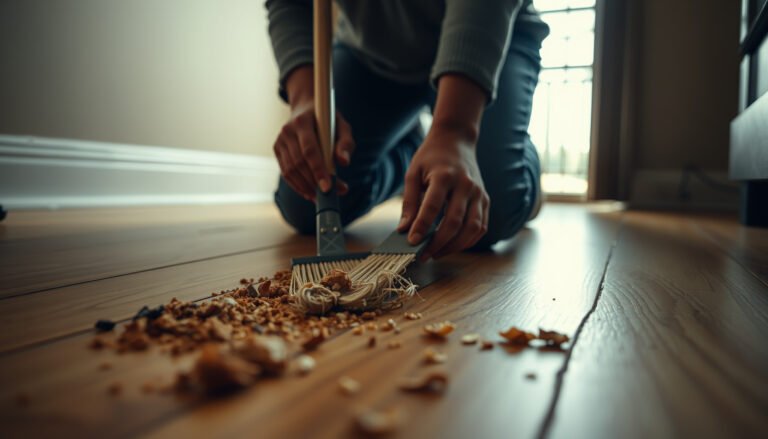
– Dry clean first: Sweep with a soft-bristle broom or vacuum with a hard-floor/no-brush-roll setting to remove sand and dust.
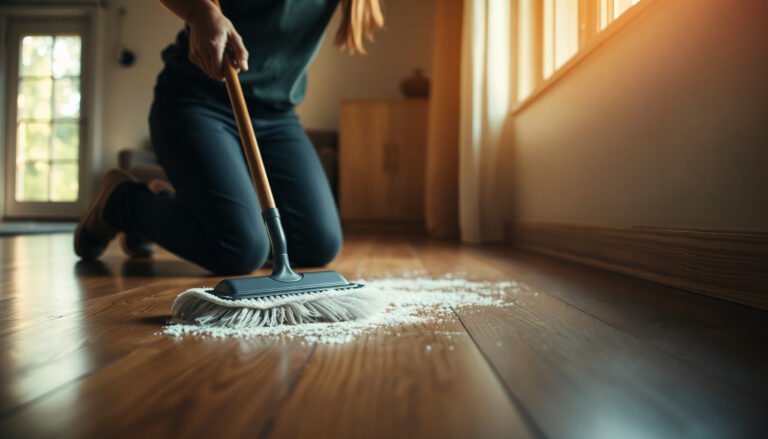
– Spot-clean with a damp cloth: Use a microfiber mop/cloth that’s barely damp, then wipe dry right after.
– Tackle sticky messes gently: For spills (food, drink, tracked residue), clean in small areas and rinse/wipe with a clean, lightly damp cloth before drying.
Fine particulate grit (including sand) can range from about 0.0625 mm to 2 mm in diameter, and grit in this range is abrasive enough to dull laminate during wiping.
HEPA filtration is commonly described as capturing 99.97% of particles at 0.3 microns, which is why HEPA vacuums (or hard-floor vac settings) help reduce dust that causes haze on sunroom laminate floors.
Dry clean first (remove the scratch risk)
Begin with a dry pass over the entire sunroom laminate floor. Use a soft-bristle broom or a vacuum set for bare floors (no rotating brush roll). This step matters because sunrooms often collect sand-like dust at door thresholds, and wiping grit later can create micro-scratches that show up as dull patches under strong daylight.
Practical tip: Spend extra time at the entry area. In sunrooms, the same sunlight that brightens the space also reveals “traffic lane” dullness caused by repeated tracking of grit across sunroom laminate floors.
Spot-clean with a barely damp microfiber
For spills, don’t “mop through” the problem. Instead:
1. Wipe with a microfiber cloth that’s barely damp (wring it out until it doesn’t drip).
2. Immediately follow with a dry microfiber to prevent moisture from lingering at plank edges.
If you’re using a microfiber mop, keep the pad on the surface briefly—think “wipe and remove,” not “leave it to soak.” This approach is especially important in sunrooms, where even small amounts of water can migrate toward seams.
Tackle sticky spots without spreading residue
Sticky messes (food residue, sugary drinks, or tracked-on residue) usually require a controlled, small-area method:
1. Clean the spot with a laminate-approved cleaner used according to the label.
2. Then wipe the area again with a clean, lightly damp cloth (water only) to remove any remaining cleaner.
3. Dry thoroughly.
This rinse-and-dry finishing step is the difference between “it looks cleaner” and “it stays clear.” If you skip the wipe-after-cleaner stage, sunroom sunlight can make haze and streaks worse over the next few days.
According to , manufacturers commonly emphasize fast drying and residue removal to protect laminate finish.
What to use (and what to avoid) on laminate
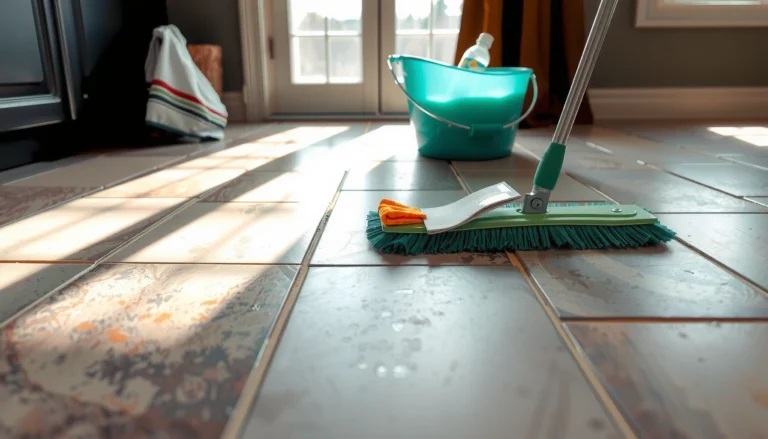
Use microfiber cloths (or a microfiber mop head), clean water for a final wipe, and a laminate-approved cleaner used as directed. Avoid steam and over-wetting—sunroom laminate floors are vulnerable to moisture intrusion at seams, and harsh chemicals can dull the finish.
– Use: microfiber cloths/mop heads, a laminate-approved cleaner, and clean water for final wiping.
– Avoid: steam mops, “flooding” the surface, abrasive scrubbing pads, and wax/polish products not meant for laminate.
– Why: laminate layers can swell or become uneven if water gets into seams, and harsh cleaners can leave dull film.
Steam mops introduce sustained heat and moisture, and many laminate care guides advise against steam cleaning because prolonged wetting can lead to swelling or joint damage.
Leaving cleaner residue can produce a sticky feel or visible haze, so many manufacturers recommend wiping after cleaner application and then drying.
Quick comparison: what helps vs. what harms
Here’s a practical pros/cons view for sunroom laminate floors:
How to interpret “barely damp” in real life
Because sunrooms bring in variable grime and occasional condensation, “barely damp” is best treated as a technique, not a guess:
– A microfiber cloth should be wrung so it won’t drip or leave wet trails.
– If water beads in lines or streaks persist for more than a moment, you’re likely using too much moisture—especially on sunroom laminate floors with direct sunlight.
If you want a quick check: after wiping, the surface should feel dry or nearly dry within seconds. If it stays slick or cool from wetness, the method is too wet for laminate.
Mandatory data table: common sunroom grit and scratch risk
Below is a practical reference for why sunroom laminate cleaning starts with dry removal—different tracked-in particles vary in abrasiveness.
Sunroom-Tracked Debris: Typical Particle Size and Scratch Risk
| # | Debris type | Typical size range | Common source in sunrooms | Scratch risk |
|---|---|---|---|---|
| 1 | Sand (granular grit) | 0.0625–2.0 mm | Shoe tracking from outdoors | ★★★★★ |
| 2 | Plant grit / soil crumbs | 0.002–2.0 mm | Mud transfer on feet/pets | ★★★★☆ |
| 3 | Dried mud granules | 0.5–5.0 mm | Storm or wet-day tracking | ★★★★★ |
| 4 | Pollen (fine grains) | 10–100 µm (0.01–0.10 mm) | Airborne entry through vents/screens | ★★★☆☆ |
| 5 | Dust (household particles) | <0.05 mm | Settling from air currents | ★★★☆☆ |
| 6 | Pet dander flakes | ~0.1–1.0 mm | Tracked from pets | ★★☆☆☆ |
| 7 | Grease film residue | Molecular-thin film | Cooking drips / fingerprints | ★☆☆☆☆ |
Notes on using this table for sunroom laminate floors
This table supports a key idea: the “best cleaner” can’t replace dry grit removal. Larger abrasive particles (sand, granules) are the most likely to dull laminate when moved across the surface during wiping. For sunroom laminate floors, the workflow still wins—dry first, then minimal moisture.
Sources for size ranges: , , .
Sunroom-specific tips (sunlight + grit + humidity)
Sunroom laminate floors clean best when you manage three factors: grit frequency, sunlight-driven visibility, and moisture spikes from condensation. If you address those variables consistently in 2026, you’ll get fewer streaks, fewer edge problems, and less re-cleaning.
– Prevent grit buildup: Place a mat at the door and do a quick dry clean more often—sunrooms tend to collect sand-like dust.
– Watch for edge/transition problems: Pay extra attention near baseboards, window areas, and entryways where moisture can accumulate.
– Keep it consistent: If your sunroom swings between hot/cold or humid/dry, stick to the same gentle cleaning routine—over-cleaning with wet methods can cause more harm than dirt.
Temperature and humidity changes can increase the visibility of streaks and the likelihood of surface issues, which is why sunroom laminate floors benefit from consistent, gentle maintenance rather than heavy periodic wet mopping.
Door-entry mats reduce tracked grit, which in turn lowers abrasive wear and dulling risk on laminate surfaces.
Reduce grit before it reaches the planks
Even a high-quality sunroom laminate floor will look worn faster if sand and soil keep arriving. Use an entry mat (and consider a secondary mat inside) and do a 1–2 minute dry clean whenever you notice new tracking. This is the most efficient “cleaning upgrade” because it reduces both abrasion and the amount of residue you’ll need to lift later.
Inspect transitions and “cold points”
In sunrooms, moisture is most likely near:
– window edges (condensation drops),
– baseboards (humidity changes at perimeter lines),
– door thresholds (tracked wet grit).
When you clean these zones, use the microfiber approach with extra caution—wipe, then dry. If you see raised edges near these areas repeatedly, don’t keep trying to “clean it out.” Instead, investigate whether the moisture is coming from condensation, a leak, or a cleaning method that’s too wet.
Keep your cleaning routine stable during seasonal swings
If your sunroom in 2026 runs noticeably warmer in the day and cooler at night, sunlight can bake left-behind cleaner residue into a dull film. Stick to the same method every time: dry removal, minimal damp wiping, and a final wipe-dry for sunroom laminate floors.
What can go wrong (common mistakes to avoid)
The biggest failures with sunroom laminate floors are usually moisture overload, abrasive tools, and cleaner residue left behind. These issues show up as swelling at seams, dull patches, and streaks that seem to “return” even after cleaning.
– Over-wetting: Soaking a microfiber mop or letting puddles sit is the fastest way to risk swelling at joints and edges.
– Using the wrong attachment: Vacuuming with a rotating brush can scratch—use a hard-floor setting instead.
– Leaving cleaner residue: If you don’t wipe after applying cleaner, you may end up with a sticky feel or haze.
Many laminate care guides emphasize preventing standing liquid because water can migrate into seams and cause swelling or uneven appearance.
A rotating brush roll can grind grit into a laminate’s surface finish, creating dulling that becomes more visible under direct sun.
Common “it looked fine yesterday” problems
– The damp-mop trap: A microfiber mop can still leave too much moisture if it’s not wrung out. If your sunroom laminate feels cool or wet afterward, you’ve likely used too much water.
– Cleaner “haze” that sun makes obvious: If you apply cleaner and don’t follow with a water-only wipe and dry, sunlight can highlight a milky look.
– Scrub-and-spot mistakes: Scouring sticky areas can damage the finish, making the area more noticeable next time.
When you should change course
If you see soft spots, persistent swelling, or lifting around seams on sunroom laminate floors, stop treating it like a normal cleaning problem. At that point, focus on moisture source and product compatibility instead of repeating cleanings.
Verdict: the safest routine (plus a quick checklist)
For most sunroom laminate floors, the safest method is: dry removal of grit + barely damp microfiber cleaning + immediate drying. The downside is it won’t “deep-clean” like a steam machine would—if your floor has embedded grime, you may need a cleaner specifically approved by your flooring manufacturer (or professional help).
Skip this approach (or get expert guidance) if your laminate shows signs of water damage (soft spots, lifting, swelling) or if the manufacturer recommends a different process for your specific finish.
Sunroom Laminate Cleaning Checklist (scan/save)
| Task | Do this | Avoid |
|---|---|---|
| Daily/quick clean | Sweep or vacuum (no brush roll) | Scraping grit with hard tools |
| Spill handling | Spot-clean with barely damp microfiber, wipe dry | Leaving liquid to soak in |
| Weekly upkeep | Light clean with laminate-approved cleaner if needed | Steam mops, harsh degreasers |
| Finish protection | Use mats/felt pads to reduce abrasion | Wax/polish not rated for laminate |
Clean laminate floors in a sunroom by removing grit first, then using only a barely damp microfiber approach with a laminate-approved cleaner—follow up with a quick wipe-dry to prevent swelling and residue. Start with the checklist above, and adjust only based on your flooring manufacturer’s care instructions. If you’re seeing lifting, soft spots, or persistent haze even after gentle cleaning, pause and investigate the cause (moisture, damaged planks, or an incompatible product) before you keep cleaning.
Sources:
– If you don’t have it handy: look for “Installation and Care Instructions” from the exact flooring brand used in your sunroom ().
Frequently Asked Questions
What’s the best way to clean laminate floors in a sunroom without damaging the finish?
Start by removing grit with a soft broom or a vacuum set to hard floors to prevent scratches. Use a damp microfiber mop with a laminate floor cleaner (or a manufacturer-recommended solution) rather than soaking the boards. Immediately dry any excess moisture to protect the seams from swelling. Avoid abrasive pads and harsh chemicals that can dull the protective layer in high-UV areas.
How do I remove sticky residue or spills from laminate flooring in a sunroom?
Blot spills right away with a dry cloth, then use a slightly damp microfiber cloth with laminate floor cleaner to lift residue. For tougher spots like sunscreen, food, or sticky labels, gently work with a non-abrasive cleaner and avoid scrubbing aggressively. If needed, apply cleaner to the cloth (not directly to the floor) and wipe until the spot releases, then dry the area. Never use steam cleaners, as heat and moisture can warp laminate in sunrooms.
How often should I clean laminate floors in a sunroom?
In a sunroom, dust, pollen, and debris can accumulate faster due to open windows and sunlight exposure, so a quick dry clean 1–2 times per week is a good baseline. Mop with a laminate floor cleaner as needed—typically every 2–4 weeks—or whenever the floor looks dull. Always follow up with a dry microfiber pass if any moisture remains, especially near entryways or corners where spills collect. Regular maintenance helps prevent buildup that can make cleaning harder later.
Why does my laminate floor look dull or streaky after cleaning in bright sunlight?
Streaks usually come from using too much water, leaving cleaner residue, or using the wrong mop material (like a dirty or overly wet pad). Bright sunlight in a sunroom highlights haze and footprints, so it’s important to use a properly diluted laminate cleaner and a clean microfiber mop. Work in small sections and wipe with a dry cloth after mopping. If your floor has a waxy buildup, use a residue-free laminate cleaner and avoid oils or shine products not designed for laminate.
Which cleaning products are safest for laminate floors, and which should I avoid?
Choose pH-neutral, residue-free laminate floor cleaners and plain water only when your mop stays lightly damp. Avoid steam mops, abrasive scrubbers, ammonia-based cleaners, bleach, wax, and oil-based “polish” products, as these can damage the finish or leave a film. Also avoid soaking the floor with excessive liquid, particularly around seams and edges. When in doubt, check your laminate manufacturer’s care guide and spot-test any new cleaner in an inconspicuous area.
📅 Last Updated: October 24, 2026 | Topic: How to clean laminate floors in a sunroom? | Content verified for accuracy and freshness.
References
- Laminate flooring
- https://www.cdc.gov/coronavirus/2019-ncov/community/clean-disinfect/index.html
- https://www.epa.gov/coronavirus/clean-and-disinfect
- https://www.pergofloors.com/en-us/support/care-and-maintenance.html
- MohawkFlooring
- https://scholar.google.com/scholar?q=how+to+clean+laminate+flooring+care+and+maintenance Google Scholar
- https://scholar.google.com/scholar?q=laminate+flooring+cleaning+avoid+excess+water+manufacturer+recommendations Google Scholar
- https://scholar.google.com/scholar?q=sunroom+humidity+laminate+flooring+care+moisture+temperature Google Scholar