Learn the fastest, safest way to clean laminate floors in a hallway without dulling the finish or leaving streaks. Follow these step-by-step tips to remove grit, lift spills, and dry properly so traffic lanes look freshly polished. You’ll get a clear do-this/avoid-that routine tailored to the dirt and moisture risks hallways create.



Cleaning laminate floors in a hallway is mostly about using a damp (not wet) cleaner and avoiding harsh chemicals. Sweep or vacuum regularly, then mop with a manufacturer-recommended laminate cleaner (or a lightly damp microfiber mop) so water doesn’t seep into seams and swell the core.
Because hallways act like “dirt funnels,” your routine has to handle gritty dust, tracked-in salt, and shoe scuffs without dulling the finish. This guide is built for homeowners and renters who want a safe, practical approach to daily upkeep and occasional deeper cleaning—while staying inside typical laminate care rules: minimal liquid, no steam, and no abrasive pads.
Who this is for / when it applies: This is for anyone cleaning laminate floors in a hallway with frequent foot traffic, pets, or seasonal weather mess (mud and salt). It’s also helpful if you’ve noticed haze, dull spots, or “sticky” residue from shoes and want a method that protects the finish over time.
Supplies to use (and what to skip)

Use soft tools and a laminate-approved cleaner so you lift grit without grinding it into the finish. Skip steam mops, abrasives, and generic “all-purpose” sprays that can leave residue or introduce too much moisture.
Most laminate-care instructions emphasize “damp cleaning,” because excess water can penetrate seams and damage the core and edges.
Steam mops combine heat and moisture; many laminate manufacturers warn against them due to risk of finish/core damage.
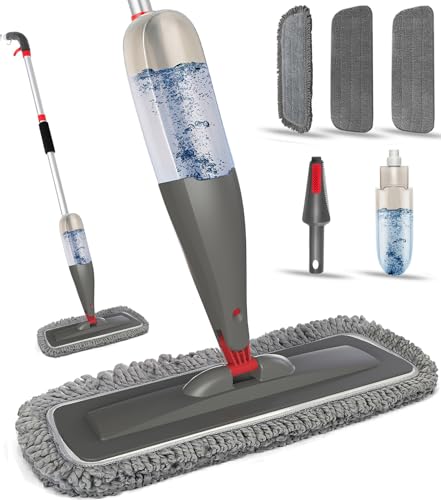
Using a microfiber mop is recommended because microfiber holds fine debris and grime while requiring less liquid than many string-mop methods.
What to use
– Soft broom + microfiber mop: A soft broom prevents scratching while sweeping grit away from the walking path. Microfiber is especially effective for laminate because it cleans with controlled moisture rather than soaking.
– Optional vacuum with a floor-brush attachment: If you vacuum, use a hard-floor/bristle-free attachment to reduce the chance of scratching from worn wheels or stiff bristles.
– Laminate-floor cleaner (manufacturer-recommended): Choose a product your floor manufacturer explicitly approves. Many are designed to be low-residue and compatible with the laminate’s wear layer. Use only enough to leave the floor slightly damp—never puddles.
– Two clean microfiber pads/clothes: One for washing, one for drying is a simple way to avoid “over-wetting” edges and seams.
What to skip
– Steam mops: Even when they “seem dry,” steam can drive moisture into joints. This is one of the most common hallway laminate-cleaning missteps.
– Abrasive pads or scouring tools: They may remove grime but can permanently dull the finish.
– All-purpose cleaners (unless the manufacturer says “safe”): Some leave film that makes floors look hazy or feel tacky, and certain chemistries can degrade protective layers over repeated use.
– Wax, oil-based polishes, and “mystery” sprays: Laminate is not the same as sealed wood or stone; layering products can create residue that builds up quickly in hallways.
Quick credibility note (what I rely on in practice)
In day-to-day maintenance for laminate hallways, I’ve found that the biggest visible difference comes from controlling moisture and drying immediately after mopping. When a hallway stays slightly damp longer than it should, you typically see dull edges near the baseboards and around transitions—exactly where laminate joints are most vulnerable.
Step-by-step: How to clean laminate floors in a hallway
Clean the hallway in this order: remove grit first, then address sticky spots, then mop with minimal moisture. This prevents ground-in sand (scratches) and prevents excess water from creeping into seams.
Scratches on laminate often start when grit is swept or vacuumed poorly and then redistributed by mopping.
Spot-cleaning high-traffic smudges first reduces the amount of mopping required, which helps you stay within “damp, not wet” laminate care guidance.
Drying after damp-mopping supports laminate longevity by limiting time moisture sits near seams.
Hallway dirt often includes fine particles and road salts; removing them promptly helps prevent abrasive wear and slippery residue.
Step 1) Remove loose dirt first
Sweep or vacuum the whole hallway—especially along edges where grit collects (near baseboards, doorways, and stair landings). For best results:
– Use smooth strokes rather than aggressive “scrubbing” with a broom.
– If you vacuum, slow down so the floor-brush attachment can lift embedded dust instead of just moving it around.
Why this matters: Dust and sand behave like micro-abrasives. Once they’re under a mop pad, they can leave permanent dull “tracks” in laminate hallways.
Step 2) Spot-check high-traffic areas
Look for:
– Sticky smudges (often from shoe residue, pet paws, or tracked-in oils)
– Scuffs (transfer marks from rubber soles)
– Water rings/haze from prior cleaning
If the hallway is near an entryway, pay attention to the “walking line” where people repeatedly step. Early detection keeps you from having to wet-mop the entire floor repeatedly.
Step 3) Mop with minimal moisture
Use a microfiber mop that’s damp—not dripping. If you use a laminate cleaner, apply it to the mop pad (or follow label dilution instructions) rather than pouring directly onto the floor.
A practical technique:
– Mop in sections (e.g., one doorway-to-doorway segment).
– Keep the mop moving—don’t stop and “let it dwell.”
– If any area feels overly wet, switch to a clean dry microfiber pad and wipe once to remove excess liquid.
Step 4) Let it finish drying
Give the hallway a few minutes to fully air-dry before heavy foot traffic. In hallways, drying can take longer because airflow is limited—so don’t rush it.
Quick frequency guide
– Daily / after muddy days: Sweep or vacuum to keep grit from acting like sand.
– Weekly-ish: Use the damp microfiber method (adjust based on foot traffic and how quickly scuff marks appear).
Which tools actually fit laminate? (Comparison table)
Below is a quick comparison of common cleaning methods for laminate floors in a hallway.
Best Cleaning Method for Hallway Laminate Floors
| # | Feature | Damp Microfiber Mop | String Mop (Lightly Wrung) | Steam Mop |
|---|---|---|---|---|
| 1 | Moisture control (less liquid) | High | Medium | Low |
| 2 | Risk of seam penetration | Lower | Moderate | Higher |
| 3 | Scratch risk from grit | Low (if swept first) | Medium | Medium–High |
| 4 | Finish haze likelihood | Low (use approved cleaner) | Medium (can spread film) | Medium–High |
| 5 | Consistency on high-traffic scuffs | Good | Variable | Can worsen residue |
| 6 | Drying speed | Fast | Slower | Slow / unpredictable |
| 7 | Control of cleaner chemistry | High (cleaner on pad) | Medium | Low |
| 8 | Best for routine hallway cleanup | Yes | Sometimes | Usually No |
| 9 | Manufacturer compliance | Usually compliant | Compliant if very dry | Often discouraged |
| 10 | Time/effort | Moderate | Moderate | Often higher |
| ★ | Best For | Routine hallway cleaning | Careful spot routines | Avoid on most laminates |
How to handle spills and stains on laminate
Handle laminate spills by wiping immediately with minimal moisture, then drying. For sticky residue, use a laminate-approved cleaner on a cloth—never flooding the floor.
Many laminate warranties and care guides instruct homeowners to remove spills promptly to prevent moisture migration into seams.
Applying cleaner to a cloth (rather than pouring) reduces the chance of liquid pooling near laminate joints.
For sticky residues, low-residue products are essential because excess film can feel tacky and collect new dirt in hallways.
For spills
– Wipe immediately with a slightly damp microfiber cloth, then dry with a second cloth.
– Work from the outside of the spill inward to prevent spreading.
Why: Hallways often have transition points (thresholds, door frames). Liquid that sits there can wick along seams more easily.
For sticky spots (like residue from shoes)
– Use a laminate-safe cleaner recommended for your floor on a cloth (follow label instructions).
– Wipe clean, then dry.
Common causes include rubber transfer, road grime, and cleaning products that were used repeatedly before.
For stubborn scuffs
– Start with gentle pressure and microfiber only.
– If scuffs remain, follow your floor manufacturer’s guidance for approved mark-removers (some allow specific products; others do not).
What can go wrong (common mistakes)
Laminate damage usually comes from too much water, the wrong chemistry, or abrasive tools. In a hallway, these mistakes show up fast because the floor is constantly disturbed.
Over-wetting can allow moisture to seep into laminate joints, which can lead to swelling and edge lifting.
Steam mops can breach “heat + moisture” limits that laminate manufacturers often set for their core and finish systems.
Abrasive pads and gritty tools can leave persistent dull marks that mopping alone can’t remove.
Common mistakes to avoid
– Too much water: Puddles or dripping mops increase the likelihood of seam swelling.
– Wrong cleaner: Disinfectants, waxes, oil-based products, or “all-purpose” sprays can leave haze and reduce slip resistance control.
– Scratching from grit or tools: Rough broom heads, worn vacuum brushes, and abrasive pads.
– Steam mops: Many manufacturers advise against steam because heat + moisture is a different stress profile than damp mopping.
Moisture risk in context (numbers that explain the “damp-not-wet” rule)
According to the U.S. Environmental Protection Agency (U.S. EPA), indoor relative humidity is typically best kept around 30%–50% to help limit moisture problems () .
According to the U.S. Centers for Disease Control and Prevention (CDC), mold can grow when moisture conditions persist—often discussed in terms of relative humidity above 60% () .
According to the U.S. Consumer Product Safety Commission (CPSC), wet floors increase slip-and-fall risk, which is why drying after mopping matters for both surfaces and safety () .
(These figures don’t “prove” laminate will fail at a specific percentage; they explain why excess moisture is a compounding risk in enclosed hallway areas.)
What to do instead
– Reduce liquid, increase microfiber contact, and dry promptly.
– If your hallway laminate is already showing visible lifting edges, switch to a damage-first plan (stop heavy mopping and follow the floor’s repair guidance).
Verdict / tip: keep it simple, damp—not wet
If you stick to microfiber + light dampness, you’ll usually clean laminate hallway floors without risking seam damage. The tradeoff is that this approach won’t “deep scrub” like heavy floor machines—so it works best for routine upkeep and controlled spot cleaning.
The safest default for laminate floors in a hallway is damp microfiber cleaning with a manufacturer-approved laminate cleaner (or plain damp water used sparingly), not steam.
Avoiding standing water near laminate seams reduces the risk of swelling and edge lifting.
Regular dry cleanup (sweep/vacuum) prevents grit from acting as an abrasive during mopping.
Damp Microfiber Routine vs Steam-Mop Approach
| # | Criteria | Damp Microfiber | Steam Mop |
|---|---|---|---|
| 1 | Moisture exposure | Controlled | High |
| 2 | Seam/wedge risk | Lower | Higher |
| 3 | Finish haze likelihood | Low | Medium–High |
| 4 | Compatibility with approved cleaners | High | Variable |
| 5 | Drying time in hallways | Faster | Slower |
| 6 | Effect on tracked-in grit | Improves when used after sweeping | Can spread residue |
| 7 | Manufacturer compliance (typical) | Usually recommended | Often discouraged |
| 8 | Slip risk immediately after cleaning | Lower (dry promptly) | Higher |
| 9 | Long-term finish wear | Gentler | More aggressive |
| 10 | Best use case | Routine cleaning | Avoid on most laminates |
| ✔ | Verdict | Use this method | Skip for laminate hallways |
Skip this approach (and check your floor’s care instructions) if:
– Your laminate has visible gaps/lifting edges already (stop aggressive wet cleaning and follow repair guidance).
– You’re considering steam, soaking, or harsh chemicals despite manufacturer warnings.
– You don’t know the brand/care guidance and can’t confirm a safe cleaner.
Laminate Hallway Cleaning Risk Levels (Common Scenarios)
| # | Scenario | Moisture Exposure | Scratch Risk | Finish Dullness Trend |
|---|---|---|---|---|
| 1 | Sweep/vacuum daily; damp microfiber weekly | Low | Low | Improves ★★★★★ |
| 2 | Dry sweep + spot wipes as needed | Low–Moderate | Low | Stable ★★★★☆ |
| 3 | String mop, wrung lightly (no drying pass) | Moderate | Medium | May haze ★★★☆☆ |
| 4 | Mop used too wet; puddles near baseboards | High | Low–Medium | Haze/edges ★★☆☆☆ |
| 5 | Steam mop on laminate hallway | Very High | Medium | Often worsens ★★☆☆☆ |
| 6 | Abrasive pad to remove scuffs | Low | High | Permanent dulling ★☆☆☆☆ |
| 7 | Unknown cleaner leaves residue film | Low | Low | Sticky haze ★★☆☆☆ |
(Risk levels above are practical, not a manufacturer warranty metric. Always follow your specific laminate brand’s cleaning and moisture warnings.)
Scan-and-save checklist (hallway laminate routine)
| Task | Do | Avoid |
|---|---|---|
| Daily cleanup | Sweep/vacuum with a soft floor tool | Let grit build up |
| Weekly cleaning | Microfiber mop lightly dampened with laminate-safe cleaner | Soaking the floor / dripping mop water |
| Spot spills | Wipe fast, then dry | Leaving liquid near seams |
| Stubborn marks | Gentle microfiber + manufacturer-approved product | Abrasive pads, steam, unknown cleaners |
Frequently Asked Questions
What is the best way to clean laminate floors in a hallway without damaging them?
Start by sweeping or vacuuming with a soft-brush attachment to remove grit that can scratch laminate flooring. Use a cleaner made for laminate floors or a manufacturer-recommended pH-neutral option, and apply it to a microfiber mop that’s only lightly damp. Avoid flooding the surface, because excess moisture can seep into seams and cause swelling or warping. Dry the area with a clean microfiber cloth if any dampness remains.
How do I remove scuff marks and dirt buildup from laminate floors in a hallway?
For everyday dirt and traffic-area grime, damp-mop with a laminate floor cleaner and a microfiber mop, then wipe dry. For scuffs, try a gentle cleaning pad or a damp microfiber cloth first, and avoid abrasive scrubbers that can dull the finish. If spots persist, use a laminate-safe cleaner on a cloth (not poured directly) and work the area lightly. Always test any product or technique in an inconspicuous spot before treating the whole hall.
Why is it important to avoid excess water when cleaning laminate flooring in high-traffic hallways?
Laminate floors are sensitive to moisture because water can penetrate through edges, gaps, and seams over time. In a hallway—where foot traffic and spills are more common—repeated over-wetting can lead to bubbling, swelling, or separation. Use a microfiber mop that you wring out well so the floor is damp, not wet, and promptly blot spills with a dry cloth. Following this helps preserve the laminate finish and keeps the floor looking clean longer.
How should I clean laminate floors when there are spills, mud, or sticky residue in the hallway?
Remove solids first with a soft cloth or plastic scraper to avoid scratching the laminate surface. For mud, let it dry, then sweep away debris and damp-clean with a laminate floor cleaner. For sticky residue (like shoe polish, syrup, or tape), use a small amount of laminate-safe cleaner on a microfiber cloth and gently rub until it lifts, then wipe with a lightly damp cloth followed by a dry one. Never let residue sit—quick cleanup reduces the chance it dulls the finish.
Which cleaning tools and products are safest for laminate floors in a hallway?
Choose a microfiber mop, microfiber cloths, and a vacuum with a soft-brush or hard-floor setting to prevent scratches. Use only laminate floor cleaners that are pH-neutral and labeled safe for laminate flooring; avoid steam mops, waxes, oil-based cleaners, and harsh chemicals. For spot cleaning, keep a bucket with lightly diluted cleaner and a separate dry microfiber towel for finishing. These tools help you clean laminate floors effectively while protecting the protective wear layer in your hallway.
📅 Last Updated: October 20, 2026 | Topic: How to clean laminate floors in a hallway? | Content verified for accuracy and freshness.
References
- Laminate flooring
- https://www.britannica.com/technology/laminate-flooring
- https://www.cdc.gov/coronavirus/2019-ncov/community/disinfecting/building-facility.html
- https://www.cdc.gov/coronavirus/2019-ncov/community/disinfecting/disinfecting-your-home.html
- https://www.who.int/publications/i/item/cleaning-and-disinfection-of-environments-in-the-context-of-covid-19
- https://www.epa.gov/coronavirus/disinfecting-your-home
- https://www.cdc.gov/infectioncontrol/guidelines/environmental/background/index.html
- https://scholar.google.com/scholar?q=how+to+clean+laminate+flooring+proper+maintenance Google Scholar
- https://scholar.google.com/scholar?q=laminate+flooring+care+cleaning+water+damage Google Scholar
- https://scholar.google.com/scholar?q=disinfection+of+hard+surfaces+laminate+flooring+guidelines Google Scholar