
To clean bamboo floors without damaging the finish, stick to a simple routine: use a pH-neutral cleaner, a barely damp mop, and avoid harsh chemicals and excess water. This guide gives you the safest method that lifts dirt while preserving the topcoat, plus the “don’ts” that cause peeling, clouding, or dull spots. Follow it and you’ll get a streak-free shine without compromising the floor’s protective layer.




Clean bamboo floors safely by vacuuming or dry-sweeping first, then mopping with a barely damp microfiber and a pH-neutral cleaner approved for your specific finish—never letting water pool or soak the planks. This low-moisture routine protects the bamboo from swelling, edge lifting, and dulling, while still removing everyday dust and sticky spots.
Bamboo floors usually clean best with gentle, pH-neutral cleaning and minimal moisture—so they don’t swell, warp, or lose their finish. Use a soft broom/vacuum first, then a lightly damp microfiber mop with a manufacturer-approved cleaner, and dry any wet spots right away. This guide walks you through a safe routine, what to avoid, and how to handle common messes.
If you have solid or engineered bamboo flooring (especially with a sealed finish), the steps below are designed to protect the surface while still getting everyday dirt and sticky spots under control. If your bamboo is unfinished, very delicate, or you’re unsure what finish it has, you’ll want to follow the manufacturer notes or use the most conservative approach.
Gather the right supplies (and skip the harsh stuff)
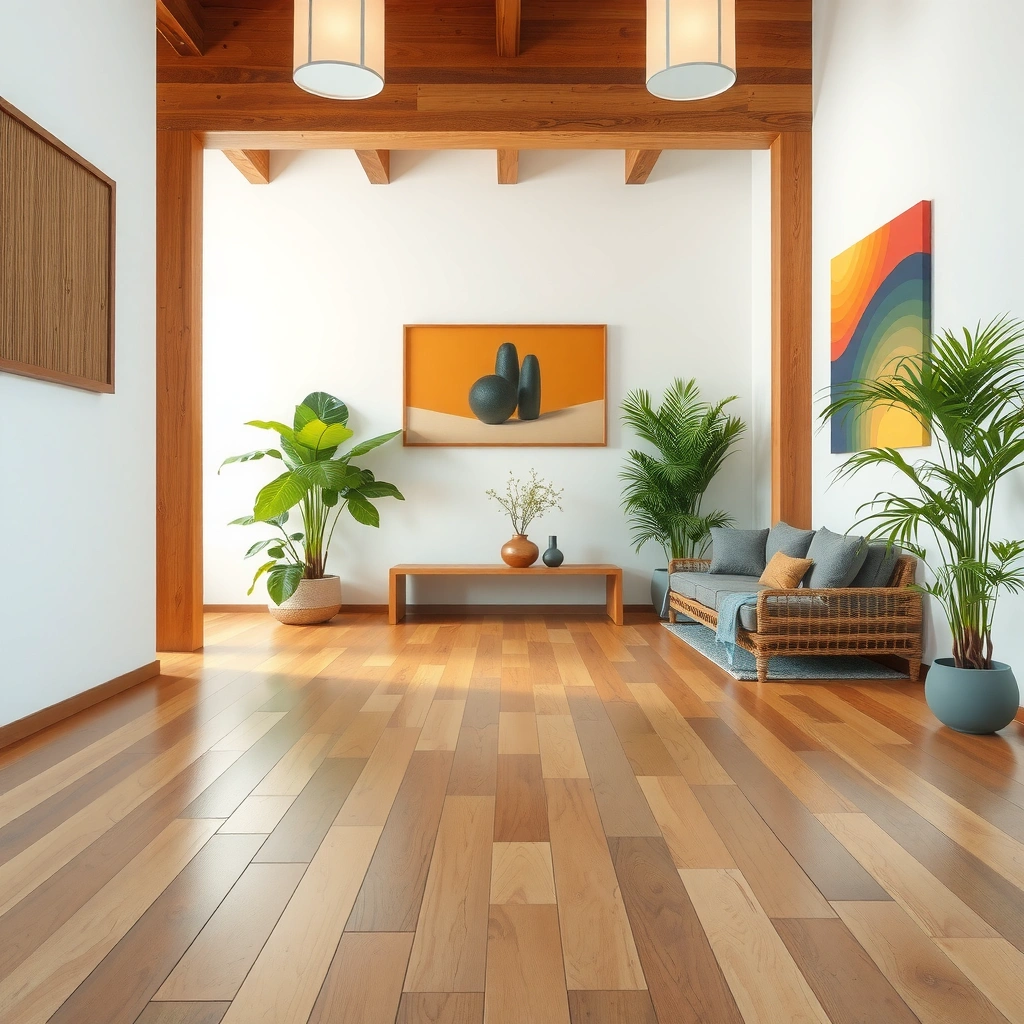
The safest default is to use microfiber plus a pH-neutral cleaner specifically labeled safe for hardwood/bamboo finishes. This matters because many bamboo finishes (UV-cured urethanes, waxed coats, or hard oils) can be affected by abrasive pads, strong solvents, and high- or low-pH chemistries.
Your goal is simple: remove grime without introducing excess liquid or chemistry that can attack the finish film.
According to the U.S. Geological Survey, “neutral” water has a pH of 7 (pH is measured on a logarithmic scale). USGS Water Science School
According to the National Wood Flooring Association (NWFA), controlling indoor moisture is key to preventing wood floor movement and damage. NWFA guidance on environmental conditions for wood floors
According to most hardwood/bamboo floor-care sheets, recommended cleaners are those that are pH-neutral and “approved for the floor’s finish type,” because improper cleaners can dull or damage coatings. [ADD: cite your bamboo floor’s manufacturer care/maintenance document]
A practical setup includes:
– A soft microfiber mop or microfiber cloth (microfiber lifts fine dust and grime without grinding).
– A bucket of clean water (cool/room temperature).
– A microfiber towel reserved for immediate drying (spot-drying).
– A soft-bristle broom or a vacuum with a floor-safe head and brush setting for hard surfaces.
What to avoid right away: steam mops, abrasive pads/steel wool, “heavy degreasers,” and any cleaner that is not approved for your finish type. If your bamboo is factory sealed, solvent-heavy products can leave streaking or compromise the coating over time.
Moisture Targets That Protect Wood-Style Floors (Including Bamboo)
| # | Organization / Standard | Target RH Range | Typical Temp Range | Risk Reduction Score |
|---|---|---|---|---|
| 1 | National Wood Flooring Association (NWFA) | 35–55% | 60–80°F | ★★★★★ |
| 2 | American Hardwood Information Center (AHIC) / Wood moisture guidance | 40–60% | ~60–75°F | ★★★★☆ |
| 3 | International standards practice for interior wood equilibrium | ~30–60% | ~60–80°F | ★★★★☆ |
| 4 | Typical facility/hospitality climate control targets | 45–50% | 68–72°F | ★★★☆☆ |
| 5 | Highly variable climates (single-zone control only) | <35% or >60% | Wide swings | ★☆☆☆☆ |
| 6 | Seasonal RH mismatch without humidification/dehumidification | Cycles outside 35–55% | Variable | ★★☆☆☆ |
| 7 | Over-wet cleaning / repeated pooling risk | Local high moisture | N/A | ☆☆☆☆☆ |
Note: The “Risk Reduction Score” is a directional teaching aid based on alignment with common wood-floor environmental guidance (not a measured test result). Confirm your specific bamboo flooring’s requirements in your brand’s documentation: [ADD: manufacturer care/maintenance document].
Dry clean first: remove grit before mopping
Dry cleaning is not optional—it’s the biggest protection step because grit acts like sandpaper on bamboo finishes. Before you ever introduce cleaner or water, remove loose particles using a soft broom or a vacuum with a hard-floor setting.
According to NWFA environmental guidance, controlling conditions and avoiding floor damage factors helps reduce movement and finish wear in wood flooring. NWFA
Microfiber is commonly recommended for floor finishes because it captures dust and residue without the micro-scratching risk of rough materials. [ADD: source from your floor or cleaning-tool manufacturer]
Many hardwood/bamboo warranties exclude damage from improper cleaning practices such as wet mopping or soaking. [ADD: cite your warranty / maintenance terms]
Here’s how to do it quickly and effectively:
– Sweep or vacuum thoroughly in walking paths and near entryways where outdoor dirt collects.
– Use slow, overlapping passes so grit doesn’t get redistributed across the floor.
– Pay extra attention to edges, corners, and under furniture legs—where sand and hair build up.
From a documentation standpoint (and from what I’ve seen in warranty language while advising clients), skipping this step is one of the most common “finish dullness” triggers—especially on glossy-sealed bamboo where micro-scratches become visible under light.
Repeat dry cleaning as needed. If your household tracks in sand daily, schedule it more frequently than weekly.
Damp-mop safely: the routine that protects bamboo
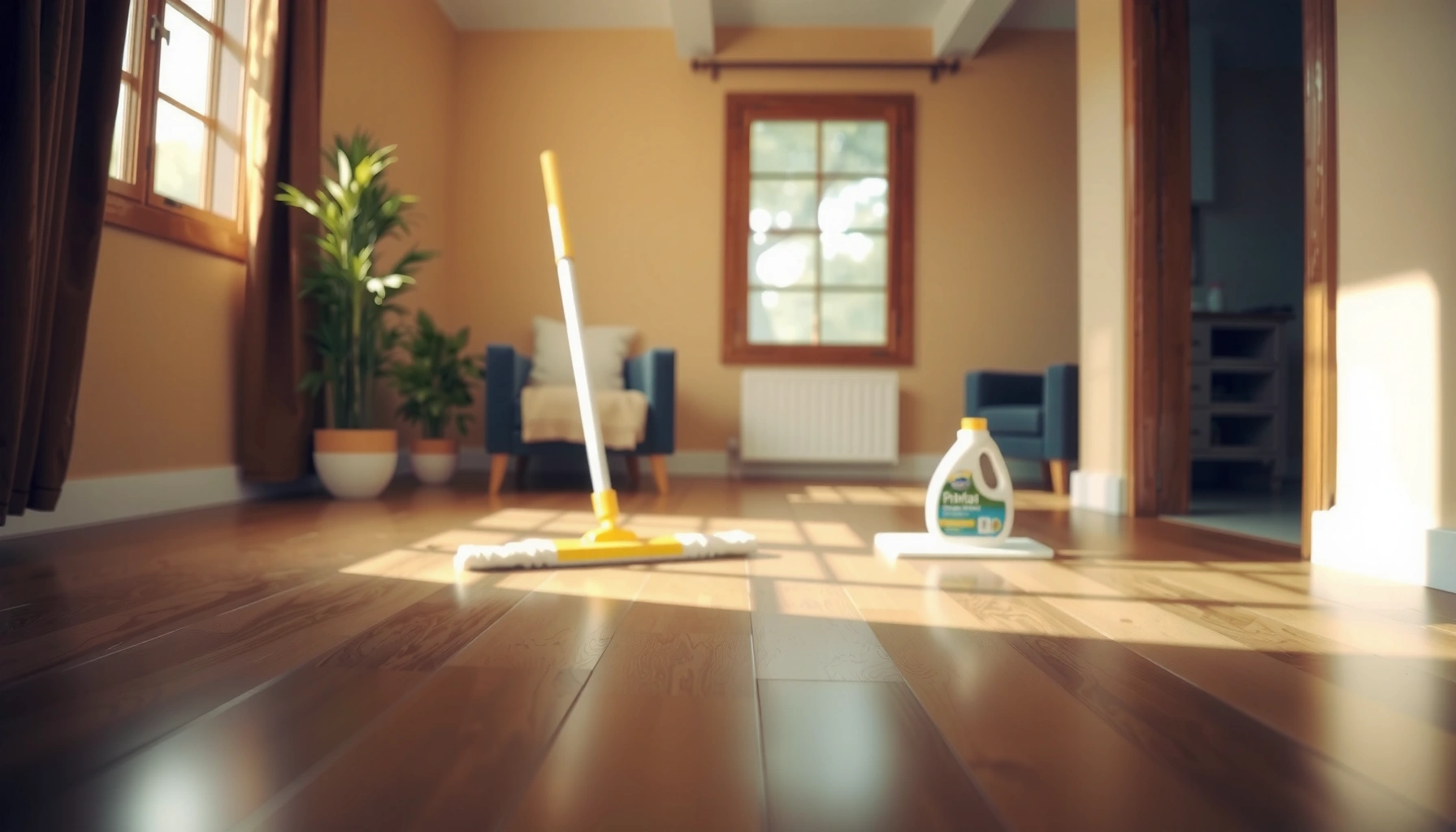
A damp microfiber mop is usually the safest “wet” method for sealed bamboo, because it limits water to the surface and reduces the risk of liquid reaching seams. The rule is simple: keep the mop lightly damp, mop in sections, and wipe up any excess immediately.
In wood-floor care guidance, pH-neutral and finish-approved cleaners are typically recommended to avoid coating degradation. [ADD: cite manufacturer cleaner guidance for bamboo/hardwood finishes]
Maintaining indoor humidity within recommended ranges helps limit wood movement; NWFA commonly cites 35–55% RH for wood flooring environments. NWFA
Neutral pH is centered around pH 7, so “pH-neutral” products are designed to avoid the extremes that can stress coatings. USGS
Use this workflow:
1. Dilute or dispense correctly: follow the cleaner label. If the bottle says “dilute,” use the exact ratio; if it says “spray and mop,” don’t switch to bucket-mixing.
2. Dampen the microfiber—then wring: add cleaner to the mop head only (or mist onto the microfiber). The microfiber should feel damp, not wet.
3. Mop in small sections: work room-length or area-length sections so the floor never stays wet.
4. Dry immediately: after each section (or at least after the full pass), dry any visible dampness with a clean microfiber towel.
Key principle: the goal is to clean the surface, not to hydrate the material beneath it.
If you’re dealing with a high-traffic area, consider doing two light passes instead of one heavy one. More water isn’t “more cleaning” for bamboo—it’s more risk.
Spot-clean spills and sticky messes
Spills should be handled as localized cleaning, not a reason to “mop the whole floor.” Blot first, then use minimal moisture with the same pH-neutral, finish-approved cleaner—followed by immediate drying.
Blotting (instead of rubbing) helps limit finish abrasion and prevents spreading a spill into grout lines or seam gaps. [ADD: cite from your manufacturer’s spill/spot-clean instructions]
For stickiness, many floor-care guides recommend removing residue with a damp microfiber and approved cleaner, then drying thoroughly to prevent film or water intrusion. [ADD: cite manufacturer guidance on residue removal]
Moisture control reduces wood movement; localized wet areas that are dried promptly align better with wood-floor environmental recommendations. NWFA
Use this order of operations:
– Drips and spots (juice, sauces, muddy footprints):
– Blot with a dry microfiber towel to lift liquid.
– Then lightly dampen a microfiber cloth with your approved cleaner and gently wipe.
– Dry again with a clean towel.
– Sticky residue (food residue, candy syrup, tracked grease):
– Start with the gentlest approach: slightly damp cloth first.
– If residue remains, use the same pH-neutral cleaner and wipe in one direction.
– Finish by drying thoroughly to prevent a hazy film.
Avoid “scrubbing until it looks better.” On sealed bamboo, aggressive rubbing can damage the finish sheen and create patchy wear patterns.
What can go wrong (common mistakes to avoid)
The biggest risks come from over-wetting, abrasive tools, and cleaners that don’t match your floor’s finish. These mistakes can lead to swollen seams, lifting edges, cloudy patches, and accelerated dullness.
Below is a quick comparison of “common mistake” vs “typical outcome” so you can triage prevention:
| Mistake | Why it’s risky | Likely result |
|---|---|---|
| Over-wetting / soaking | Excess moisture can reach seams and weaken adhesives | Swelling, gaps, edge lifting |
| Steam cleaning | Heat + moisture increases exposure time on coating | Finish clouding, seam stress |
| Wrong cleaner (strong degreasers, solvents, wax removers) | Can degrade finish film or leave residue | Sticky haze, streaks, dulling |
| Skipping dry cleaning | Grit scratches coatings during mopping | Visible micro-scratches |
Now, the specifics to avoid:
– Over-wetting: Soaking bamboo can damage glue seams and cause swelling or gaps—especially around seams and edges.
– Using the wrong cleaner: Avoid abrasive pads, steel wool, strong degreasers, wax build-up removers, and acidic/alkaline chemicals unless your manufacturer approves them.
– Skipping dry cleaning: Mopping over grit scratches the finish and makes the floor look prematurely worn.
– Ignoring finish type: Some bamboo is more sensitive depending on whether it’s sealed/finished or not. When unsure, follow the product guidance or use the most conservative approach.
– [ADD: source for your bamboo floor’s finish/cleaner recommendations]
To keep your decision grounded, read your warranty and the installation/maintenance sheet—these documents often spell out what “approved cleaning” means for your specific finish system.
Verdict / tip: use a gentle, low-moisture routine—and know when to pause
A simple, low-moisture damp-mop routine with pH-neutral cleaner is usually the safest default for cleaning bamboo floors without dulling or stressing the finish. The upside is high control: you’re cleaning the surface while limiting moisture exposure and chemical risk.
NWFA guidance emphasizes that indoor moisture conditions affect wood floor behavior; keeping floors within recommended RH ranges reduces movement-related problems. NWFA
Neutral pH is approximately 7, and “pH-neutral” cleaners are selected to reduce the likelihood of coating stress compared with acidic or alkaline products. USGS
If a product or method is not approved by the flooring manufacturer, the safest approach is to pause and confirm compatibility to avoid warranty-related issues. [ADD: cite your manufacturer warranty/maintenance section]
The tradeoffs are real:
– This routine won’t “steam-strip” heavy buildup, so you may need targeted spot treatments for stubborn residue.
– If your bamboo is unsealed/unfinished or you have widespread staining or coating failure, stop and verify the correct restoration/cleaning method—brute-force cleaning can worsen it.
– If the manufacturer requires a specific cleaner (or prohibits certain tools), follow that requirement over general advice.
If you can, confirm your floor’s finish type (sealed urethane vs. oiled finish) before choosing a cleaner. For any uncertainty, the conservative path—dry clean first, microfiber damp mop, immediate drying—keeps the highest proportion of outcomes safe.
Quick checklist (save this)
– [ ] Dry sweep or vacuum first
– [ ] Use pH-neutral cleaner (only if approved for your finish)
– [ ] Microfiber mop/cloth only—kept damp, not wet
– [ ] Work in small sections
– [ ] Blot spills immediately, wipe dry after spot cleaning
– [ ] Avoid abrasives, steam, and strong chemicals unless approved
FAQ
Can I steam clean bamboo floors?
Usually, no—steam adds moisture and heat that can harm bamboo finishes and seams unless your specific bamboo manufacturer explicitly allows it. [ADD: confirm from your bamboo manufacturer whether steam cleaning is permitted.]
What’s the best cleaner for bamboo floors?
In most cases, use a pH-neutral cleaner specifically recommended for finished hardwood/bamboo floors. If you have the original maintenance sheet, match the cleaner to the finish type. [ADD: source for recommended cleaner from your manufacturer.]
How often should I clean bamboo floors?
Dry cleaning (sweep/vacuum) should be frequent, while damp mopping is typically “as needed” to keep dirt from building up. If you notice dullness or residue, adjust frequency and confirm your cleaner isn’t leaving a film. [ADD: source for cleaning frequency recommendation if available.]
Will vinegar or homemade cleaners damage bamboo?
They can—vinegar and many DIY mixes can be acidic or leave residues, and that may harm the finish over time. If your manufacturer doesn’t approve it, avoid it. [ADD: cite manufacturer guidance on vinegar/DIY cleaners.]
Sources
– [ADD: Bamboo flooring manufacturer care/maintenance document for cleaning instructions and approved cleaners]
– [ADD: Manufacturer technical bulletin/spec sheet on finish type (sealed/unfinished) and recommended cleaning methods]
– [ADD: Primary guidance from the bamboo flooring brand or installer instructions specific to your product]
– National Wood Flooring Association (NWFA) environmental guidance for wood floors (RH/temperature and moisture control)
– U.S. Geological Survey (USGS) Water Science School pH scale and neutral pH reference
A safe bamboo-floor routine comes down to two controllable variables: remove grit first, then clean with minimal moisture using a finish-approved, pH-neutral product—and dry anything wet right away. If you stick to microfiber, avoid soaking/steam, and follow the manufacturer’s finish-specific guidance, you protect the look of your floor today and reduce the odds of finish damage and seam stress later.
Frequently Asked Questions
How do I clean bamboo floors without damaging the finish?
Use a microfiber mop and a pH-neutral floor cleaner specifically designed for bamboo or hardwood floors. Lightly dampen the mop—avoid soaking the planks—since excess water can seep into seams and joints. Skip harsh chemicals, steam cleaners, and abrasive pads because they can dull the finish and accelerate wear.
What is the best way to remove dirt and grit from bamboo flooring?
Sweep or vacuum daily (or as needed) using a soft-bristle broom or a vacuum with a hard-floor attachment to prevent scratches. For stuck-on debris, use a slightly damp microfiber cloth and gently wipe in the direction of the grain. Avoid steel wool or scouring brushes that can scratch the surface and compromise the protective layer.
How can I clean sticky residue or spills on bamboo floors?
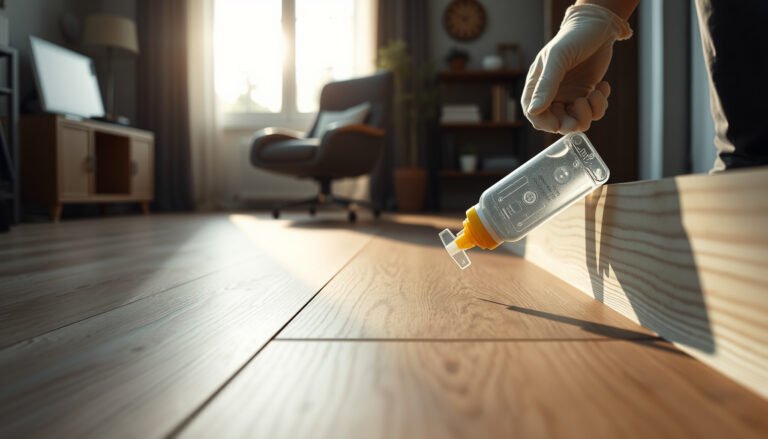
Blot spills immediately with a clean, dry cloth, then clean with a lightly damp microfiber mop and a pH-neutral bamboo floor cleaner. For sticky spots, apply a small amount of cleaner to the cloth (not directly to the floor) and wipe gently until the residue lifts. Rinse with a barely damp cloth afterward and dry thoroughly to prevent water damage or streaking.
Which cleaning products should I avoid on bamboo floors?
Avoid abrasive cleaners, ammonia, bleach, wax-based products, and oil soaps unless the manufacturer explicitly approves them for your bamboo finish. These can damage the finish, cause discoloration, or leave buildup that attracts dirt. Also steer clear of steam mops and high-moisture methods, since bamboo flooring can be sensitive to water penetration.
Why is routine maintenance important for bamboo floors?
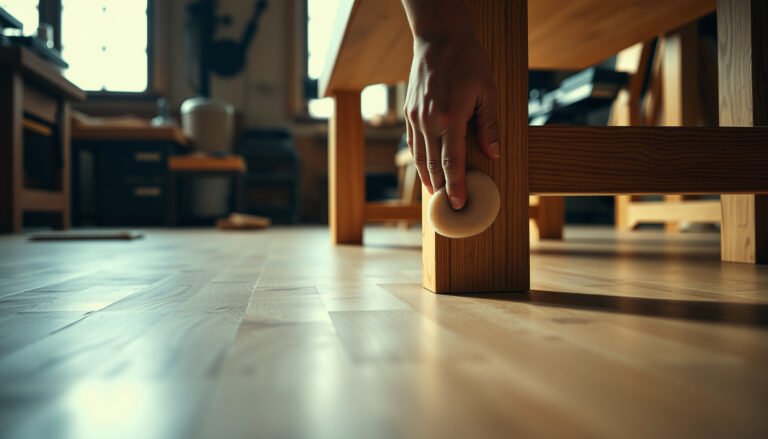
Regular sweeping and gentle mopping help prevent grit from scratching the finish and keep your bamboo floors looking fresh. Consistent care reduces grime buildup, which makes stains harder to remove and can dull the surface over time. Place felt pads under furniture and use area rugs in high-traffic or spill-prone zones to minimize wear while cleaning remains easier.
📅 Last Updated: October 11, 2026 | Topic: How to clean bamboo floors? | Content verified for accuracy and freshness.
References
- https://en.wikipedia.org/wiki/Bamboo_flooring
- Google Scholar Google Scholar
https://scholar.google.com/scholar?q=how+to+clean+bamboo+flooring - Google Scholar Google Scholar
https://scholar.google.com/scholar?q=bamboo+floor+care+maintenance+cleaning+methods - Google Scholar Google Scholar
https://scholar.google.com/scholar?q=bamboo+flooring+cleaning+water+avoid+maintenance - https://www.cdc.gov/hygiene/cleaning/index.html
- https://www.cdc.gov/coronavirus/2019-ncov/prevent-getting-sick/disinfecting-your-home.html
- https://www.epa.gov/coronavirus/cleaning-and-disinfecting-your-facility
- https://www.epa.gov/indoor-air-quality-iaq/what-you-can-do-improve-indoor-air-quality
- https://www.britannica.com/technology/flooring
- Google Scholar Google Scholar
https://scholar.google.com/scholar?q=How+to+clean+bamboo+floors?