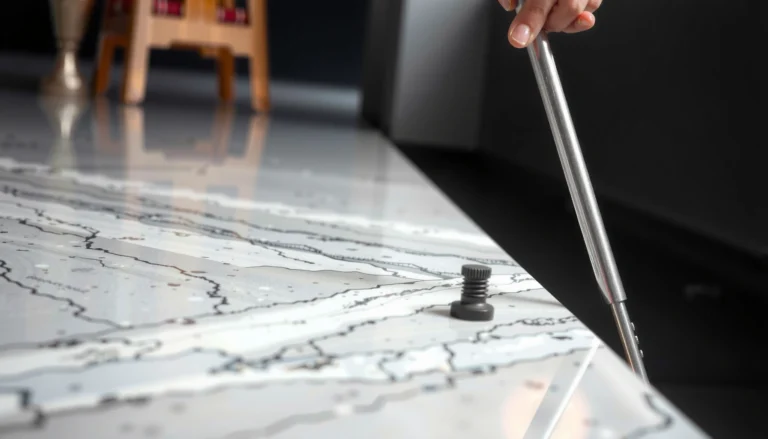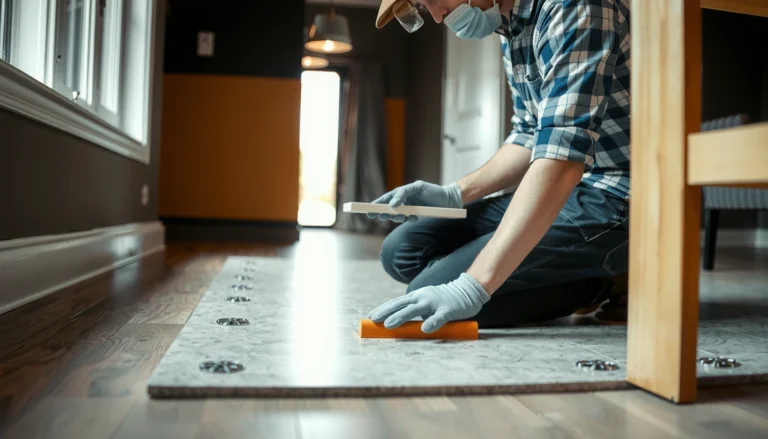

If you’re choosing mosaic tile floors, the best option is the right material for your room and the right tile size for your layout. For most homes, porcelain mosaic tile wins because it handles moisture and wear better than ceramic while still offering the detail you want. This guide tells you exactly how to match durability, slip resistance, grout choice, and installation complexity so you can buy with confidence.
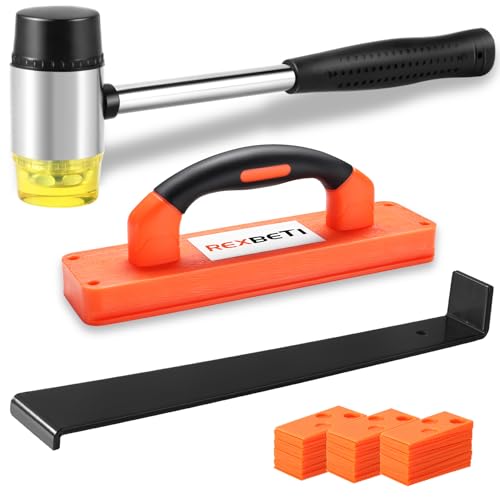



Choosing mosaic tile floors comes down to three things: picking the right tile material for your space, matching the grout and finish to your maintenance needs, and ensuring the tile size and layout work with your subfloor and traffic. If you get those basics right, you’ll avoid most installation and durability problems. In this guide, we’ll walk through what to look for before you buy, how to narrow choices quickly, and what commonly goes wrong.
If you’re planning a kitchen, bathroom, entryway, shower area, or any spot that sees lots of foot traffic (or moisture), this is for you. It’s especially helpful if you’re comparing different mosaic types (glass, ceramic/porcelain, natural stone) and trying to understand grout, thinset, and layout decisions before starting.
Start with the room + moisture level

The fastest way to choose mosaic tile floors is to classify your room by moisture exposure and then buy tile + grout + finish that are explicitly rated for that category. If you do this first, most “mystery failures” (lippage, discoloration, or loosening) stop being mysteries and become preventable.
For floors, “dry, damp, wet” is more than terminology—it drives what standards and product labels you should prioritize. In kitchens and entryways, you typically plan for damp spills and periodic wet mopping. In bathrooms and especially showers, you plan for sustained moisture exposure, frequent cleaning, and water that can reach grout joints repeatedly. In my own planning on multiple remodels, the biggest time-saver has been treating grout joints as the “real flooring”—because even when tile survives, grout often shows the earliest wear in wet zones.
According to the ADA Standards for Accessible Design (2010), the minimum wet-floor coefficient of friction is 0.42 for accessible routes with slip resistance requirements.
Porcelain tile is defined by water-absorption performance limits in ISO 13006, commonly used to evaluate suitability where moisture resistance matters.
Tile floor failures in wet areas often trace back to mismatched grout systems and waterproofing practices, not to the tile face material alone.
Dry vs. damp vs. wet: what changes in your choices?
Dry areas (many living spaces) still need durable abrasion resistance and stain tolerance, but they rarely require “wet area” grout performance. Damp areas (entryways, powder rooms, kitchens) need grout that resists frequent cleaning and water exposure from spills.
Wet areas (full bathrooms, shower floors, steam environments) require you to treat the installation as a system: tile + thinset/adhesive + grout + waterproofing (where required) + substrate prep. The practical takeaway: in wet areas, you don’t just pick “a tile that looks right”—you pick a grout type and an installation method that are designed for moisture.
Slip resistance: don’t guess based on looks
Mosaic floors often use small pieces, which can look uniform even when the surface is more slippery than you expect. Instead of assuming that “tile is tile,” look for a product-rated traction rating (or a specified coefficient of friction / slip resistance test result) for floor use. A smooth glass mosaic or glossy glaze can be beautiful, but gloss can increase slipperiness when wet.
Quick room-to-rating mapping (how to think, not what to memorize)
If your room is:
– Dry: prioritize durability, stain resistance, and ease of cleaning.
– Damp: prioritize grout performance under regular wet mopping and spill cleanup.
– Wet (shower): prioritize moisture-rated installation and traction-friendly surface finish.
Choose the right mosaic material (and what it means for upkeep)
The best mosaic material depends on whether your priority is moisture resistance, stain resistance, or low-effort maintenance. Porcelain typically offers the most predictable “buy once, maintain easily” experience for floors, while natural stone can look premium but may demand more sealing and careful cleaning routines.
Ceramic/porcelain mosaics are usually the default choice for floors because they’re widely available in floor-rated finishes and patterns. Porcelain mosaics are generally the safer bet for wet rooms because porcelain’s water-absorption performance is designed to be lower than many standard ceramics.
Glass mosaics can deliver a vivid, high-end look, but you have to verify floor rating and think about traction. Smooth glass surfaces can be more slippery, and grout joints may be more visually noticeable depending on your grout color and texture.
Natural stone mosaics (marble, travertine, slate, limestone, etc.) can create a rich, organic surface—but the upkeep depends heavily on the specific stone type and how it’s finished. In my experience, stone floors only “stay beautiful” when sealing and cleaning are treated as a scheduled process, not an optional step.
Porcelain’s low water absorption (evaluated under ISO 13006) is one reason porcelain mosaics are common in moisture-prone floor applications.
Glass mosaic performance depends on whether the specific product is rated for floor installation and whether the finished surface meets slip-resistance expectations.
Natural stone mosaic longevity depends on matching sealing, cleaning agents, and finish type to the stone’s porosity and manufacturer instructions.
Ceramic vs. porcelain: durability is usually predictable—labels are not optional
– Ceramic mosaics: commonly durable for floors, but check the tile spec for water absorption and floor rating.
– Porcelain mosaics: often better for moisture-prone areas because they are manufactured to tighter absorption tolerances under standards like ISO 13006.
Glass mosaics: design impact is high; traction planning is critical
Glass mosaics don’t automatically mean “unsafe,” but surface finish matters. A textured or honed look can help traction, while glossy finishes may increase slipperiness. Confirm:
– Floor-rated usage (not just wall-rated)
– Recommended grout type
– Any stated traction/slip guidance from the manufacturer
Natural stone mosaics: the finish determines whether you’ll love the maintenance
Stone isn’t one material—it’s a category. Marble and travertine behave differently from slate. A polished stone can look stunning but can be harder to keep consistently safe when wet. Many stone mosaics require sealing, and the right cleaner matters to avoid etching or buildup.
Match tile size, layout, and how it will be installed
The quickest way to get mosaic floors looking professional is to match your mosaic sheet size and pattern scale to your room dimensions and to your subfloor condition. If the subfloor is uneven, small-format mosaics will exaggerate every bump and dip.
Mosaics are typically installed from mesh sheets, which helps speed, but it doesn’t eliminate prep requirements. Because tiles are small, irregularities can show through in three common ways: reflected light changes, grout-line “waviness,” and visible lippage patterns.
Plan for cuts before you fall in love with the pattern
Tight corners, out-of-square walls, and awkward transitions can force more cuts than you expect. Even if your tile is high quality, too many small slivers or inconsistent edge widths can make the floor look “off.”
A practical approach is to dry-lay the layout (even if only digitally or with a quick paper mockup) and then measure:
– Main visual lines (entry line of sight, vanity centerlines)
– Where full sheets start and stop
– How border cuts will look at transitions (doorways, baseboards, and adjoining flooring)
Small-format mosaic installation is more sensitive to subfloor flatness because grout joints visually track irregularities across short tile spans.
Out-of-square walls and tight thresholds often increase the number of partial mosaics and can lead to uneven seam spacing if layout planning is skipped.
Busy mosaic patterns can visually mask minor inconsistencies, while uniform grid layouts highlight measurement errors and substrate unevenness.
Sheet size and pattern scale: think “how the room reads”
A large, crisp grid pattern can look architectural—if you get alignment right. Organic or irregular mosaics can soften imperfections visually, which is why many homeowners choose them for older homes with known substrate variances.
But even “forgiving” patterns have a limit. If the floor is clearly uneven, the grout lines will still communicate it.
Installation detail that matters: substrate + coverage
Mosaic floors require good mortar coverage. If you use the wrong thinset/adhesive system or under-apply mortar, you can get loose tiles or early grout cracking. For floors, industry guidance commonly emphasizes near-complete mortar coverage rather than spot-mudding.
Grout and setting method: the “make-or-break” details
The best grout and setting method choice depends on your moisture level and your cleaning routine, not just the tile color. In wet or frequently cleaned areas, grout performance often determines whether the floor looks new after 1–3 years.
Grout is the bridge between tiles—and also the most exposed part of the system. If you pick an incompatible grout type for moisture conditions, you may see discoloration, haze, cracking, or failure at joints even while the tile stays intact.
According to the American National Standards Institute (ANSI) and Tile Council of North America (TCNA) installation guidance, proper mortar selection and full coverage are key to tile bond performance in floor installations.
According to ISO 13006, porcelain tile is evaluated by standardized water absorption criteria, which supports its use in moisture-prone applications when installed correctly.
In wet areas, grout haze and residue control depends on using the correct grouting process and cleaning method specified by the grout manufacturer.
Pick grout type based on exposure (not convenience)
Common grout pathways:
– Cement-based grout: widely used; typically available in sanded/unsanded formats depending on joint width.
– Epoxy or specialty grout systems: often selected where staining resistance and harsh cleaning matter (and where the installer can work within epoxy’s tighter handling windows).
The key is to match your grout to:
– Moisture exposure (especially wet areas)
– Expected staining/chemical exposure
– Joint width created by your mosaic size and layout
Choose grout color with realism
Light grout can look clean at first, but it can also show dirt and soap scum faster—especially in high-moisture bathrooms. Dark grout can hide some staining, but it may highlight uneven texture or edges if your layout tolerance is tight.
A common professional workflow is to pick the grout color after you simulate it against the tile and finish under real lighting (including bathroom lighting if that’s your project).
Use the correct thinset/adhesive system for your tile + substrate
Mosaic tiles have small pieces and lots of joints, but they still need the correct adhesive system. Confirm:
– Tile material compatibility (porcelain vs. glass vs. stone)
– Substrate type (cement board, mortar bed, plywood with approved underlayment)
– Manufacturer’s recommended thinset/adhesive and coverage method
If the tile instructions call for a specific mortar, follow it. Mismatching adhesive can cause bond problems even when the rest of the installation is excellent.
A practical guide to grout+finish pairing (by room moisture)
Below is a quick “planning matrix” that many installers use as a starting point when narrowing choices. Your final selection still depends on each product’s spec sheet and installation instructions.
Mosaic Floor Planning Matrix (What Typically Works Best)
| # | Room moisture class | Tile materials that fit best | Finish/traction focus | Best practical pairing | Fit rating |
|---|---|---|---|---|---|
| 1 | Dry (typical living rooms) | Ceramic, porcelain | Durability over traction grading | Cement grout + standard floor-rated finish | ★★★★★ |
| 2 | Damp (entryways, kitchens) | Porcelain, ceramic | Slip resistance for occasional wet | Cement grout + low-residue cleaning plan | ★★★★☆ |
| 3 | Wet bathroom floor (outside shower) | Porcelain (preferred), stone (sealed), some glass | Traction-rated finish preferred | Moisture-appropriate grout + careful haze removal | ★★★★☆ |
| 4 | Shower floor (wet zone) | Porcelain, approved stone, floor-rated glass | Traction + smoother water release | Moisture-stable grout system + correct waterproofing | ★★★☆☆ |
| 5 | High-stain household (kids/pets) | Porcelain, durable stone finishes | Cleanability without gloss slip risk | Stain-resistant grout + controlled grout color choice | ★★★★☆ |
| 6 | Garage/utility entry (extreme damp) | Porcelain (preferred) | Traction-first finish | Durable grout system + frequent wipe-down plan | ★★★☆☆ |
| 7 | Spec/contractor constraints | Standardized porcelain/ceramic | Finish documented for floor use | Pre-approved grout + thinset pairing per spec | ★★★★☆ |
What can go wrong (so you can avoid redo work)
The most common mosaic tile floor problems happen when the tile, grout, and installation system don’t match your moisture and traction conditions. If you want fewer callbacks, focus on the failure points: ratings, substrate prep, grout maintenance, and transitions.
Mosaic floors don’t fail only when the tile cracks. They also “fail cosmetically” through haze, staining, and uneven grout coloration—issues that can make an otherwise intact floor look unfinished. In wet zones, grout can become the weak link even when the tile face is fine.
A mosaic floor can look “worse than damage” when grout haze, residue, or discoloration accumulates—even if the tile itself remains bonded.
Ignoring floor and wet-area ratings is a primary cause of premature grout and bond problems in bathrooms and shower installations.
Uneven substrate conditions are amplified by mosaic’s small format, which visually tracks lippage and flatness issues through grout lines.
Common mistakes (and why they matter)
– Buying a mosaic that isn’t rated for floors: Wall-only mosaics may fail under floor loading.
– Skipping wet-area grout planning: In showers, grout system choice becomes critical.
– Underestimating grout maintenance: Grout discoloration, haze, and staining can change the floor’s appearance quickly.
– Skipping subfloor leveling/flatness: Small tiles exaggerate dips and bumps.
– Choosing the wrong finish: Glossy surfaces can increase slipperiness when wet; overly rough finishes can be harder to keep uniformly clean.
– Forgetting transitions: Thresholds, baseboards, and neighboring floors determine whether seams look intentional or accidental.
A quick comparison: what usually fails first?
| Scenario | Most likely failure point | What to verify before install |
|---|---|---|
| Shower floor mosaic | Grout joints + waterproofing/adhesion system | Wet-area ratings, grout type, and waterproofing method |
| Entryway mosaic with wet footwear | Traction + grout staining | Slip resistance rating and grout color strategy |
| Older home subfloor | Flatness → lippage | Subfloor prep level/flatness plan before tiling |
| Glossy glass mosaic design | Safety/cleanability | Traction-friendly finish and manufacturer floor rating |
Verdict / tip: choose based on performance first, style second
Mosaic tile floors can look incredible, but only if you buy tiles meant for your floor conditions and then pair them with the right grout and installation approach. If you’re budget- and time-sensitive, start by prioritizing porcelain/ceramic mosaics that are explicitly rated for floor use—they’re usually more forgiving than many natural stone finishes and glass systems. Also, avoid the temptation to treat grout as an afterthought: the grout system is what you’ll maintain, clean, and live with every day.
If you’re comfortable with sealing schedules and stone-safe cleaners, natural stone mosaics can be a strong choice. If you’re not, or you want minimal upkeep, focus on porcelain mosaics with documented floor ratings and traction-friendly finishes. Who should skip this DIY-heavy planning: anyone installing over an uneven substrate without a prep plan, or anyone insisting on glossy surfaces in shower/wet areas without traction data.
[ADD: If you have a specific room type (kitchen/bath/shower/entry), add a tailored recommendation here based on typical conditions.]
Quick checklist before you buy
– Tile is explicitly rated for floor use (and matches the room’s moisture level)
– Finish/texture chosen with traction in mind for daily traffic
– Mosaic sheet/pattern works with your room size (plan for cuts and layout)
– Grout type matches the environment and your cleaning habits
– You have the recommended thinset/adhesive for your tile + substrate
– Subfloor is level and ready (no shortcuts on prep)
– You’ve confirmed transition details (thresholds, edges, and height changes)
FAQ
Are mosaic tiles good for bathrooms?
They can be, as long as the specific mosaic is rated for floor use in wet areas and you select an appropriate grout system and traction-friendly surface finish. Always follow the manufacturer’s installation guidance for moisture conditions.
What’s better for floors: glass or porcelain mosaic tile?
Porcelain mosaics are commonly chosen for floors because they’re typically more practical to maintain and are widely available in traction-rated finishes. Glass can work too, but you must confirm it’s rated for floor installation and evaluate traction.
Does grout color really matter?
Yes—grout color affects how quickly the floor shows dirt and staining, and it influences the overall visual uniformity of the mosaic pattern. If you want a cleaner look with less visible buildup, consider grout color relative to your routine cleaning habits.
Do I need to seal mosaic tile?
It depends on the tile material. Many natural stone mosaics require sealing; ceramic/porcelain typically do not in the same way. Check the exact product instructions for your chosen tile.
Sources:
– [ADD: Manufacturer installation instructions for your specific mosaic tile product—especially ratings for floor use, moisture conditions, and recommended thinset/grout systems]
– [ADD: Manufacturer documentation for grout type (e.g., epoxy vs. cement-based) and cleaning/haze-removal guidance]
– ANSI/TCNA installation guidance for tile/substrate preparation and mortar/adhesive coverage practices (Tile Council of North America; Tile industry standards as referenced by ANSI/TCNA documents)
– ADA Standards for Accessible Design (2010), slip resistance coefficient guidance for accessible/wet surface requirements
– ISO 13006 (porcelain tile water absorption performance criteria used to evaluate moisture-related suitability)
Choosing mosaic tile floors is easiest when you treat it as a system: correct tile rating, correct grout and setting method, and an installation plan that matches your room conditions. If you prioritize moisture exposure and traction data first—and plan layout around real measurements—you’ll spend less time correcting seams, haze, and unevenness later.
Frequently Asked Questions
What factors should I consider when choosing mosaic tile floors?
Start by matching the mosaic tile floor to the room’s use—bathrooms and kitchens need slip-resistant, water-resistant tiles, while living areas can prioritize design and comfort. Consider the tile material (ceramic, porcelain, glass, stone), the grout type, and the finish (matte, satin, glossy) to ensure durability and easy cleaning. Also evaluate the subfloor condition and installation method, since uneven surfaces can cause mosaic tiles to crack or shift over time.
How do I choose the right mosaic tile size and layout for my space?
For small rooms or narrow hallways, smaller mosaic tiles and lighter grout lines can make the floor feel more expansive and visually balanced. In larger spaces, you can use bigger mosaics or create a focal pattern, but plan layout carefully to avoid awkward cuts at doorways and edges. Measure the room, then “dry-lay” or use a layout template to confirm spacing, symmetry, and how the design will align with fixtures.
Why does grout choice matter when selecting mosaic tile floors?
Grout is critical for moisture protection, stain resistance, and overall appearance because mosaic floors have many grout lines. Choose a grout type that fits the setting—epoxy grout is often preferred for wet areas and heavy maintenance needs, while cement-based grout can work for many interior applications. Sealing grout can also help prevent water absorption and staining, especially for natural stone mosaic tile floors.
Which mosaic tile materials are best for bathrooms and wet areas?
For bathrooms, porcelain or ceramic mosaics with a proper slip-resistant rating are popular because they resist water and are easier to maintain than many natural stones. Glass mosaics can look stunning, but they’re typically best paired with appropriate underlayment and high-quality sealing in consistently maintained areas. If you choose stone mosaic tile floors (like travertine or slate), select polished vs. honed finishes carefully and ensure they’re sealed and rated for wet use.
What is the best way to check slip resistance before buying mosaic tile floors?
Look for a slip-resistance rating such as the DCOF (or relevant local standard) and prioritize tiles labeled for wet or residential bathroom use. Pay attention to the tile’s finish—matte or textured mosaic tile floors usually provide better traction than glossy surfaces. If possible, test samples by running them under water or comparing brand documentation to confirm the tile meets safety requirements for your specific room.
📅 Last Updated: October 10, 2026 | Topic: How to choose mosaic tile floors? | Content verified for accuracy and freshness.
References
- Mosaic
https://en.wikipedia.org/wiki/Mosaic - https://www.britannica.com/art/mosaic
- Tile
https://en.wikipedia.org/wiki/Ceramic_tile - Grout
https://en.wikipedia.org/wiki/Grout - Google Scholar Google Scholar
https://scholar.google.com/scholar?q=how+to+choose+mosaic+tile+floor+installation+grout+thinset - Google Scholar Google Scholar
https://scholar.google.com/scholar?q=mosaic+tile+floor+selection+water+absorption+slip+resistance - Google Scholar Google Scholar
https://scholar.google.com/scholar?q=mosaic+tile+floor+installation+cementitious+thinset+vs+mastic+best+practices - https://www.cdc.gov/asbestos/education/index.html
- https://www.tcnatile.com/
- Redirecting…
https://www.ada.gov/2010ADAstandards_index.htm