
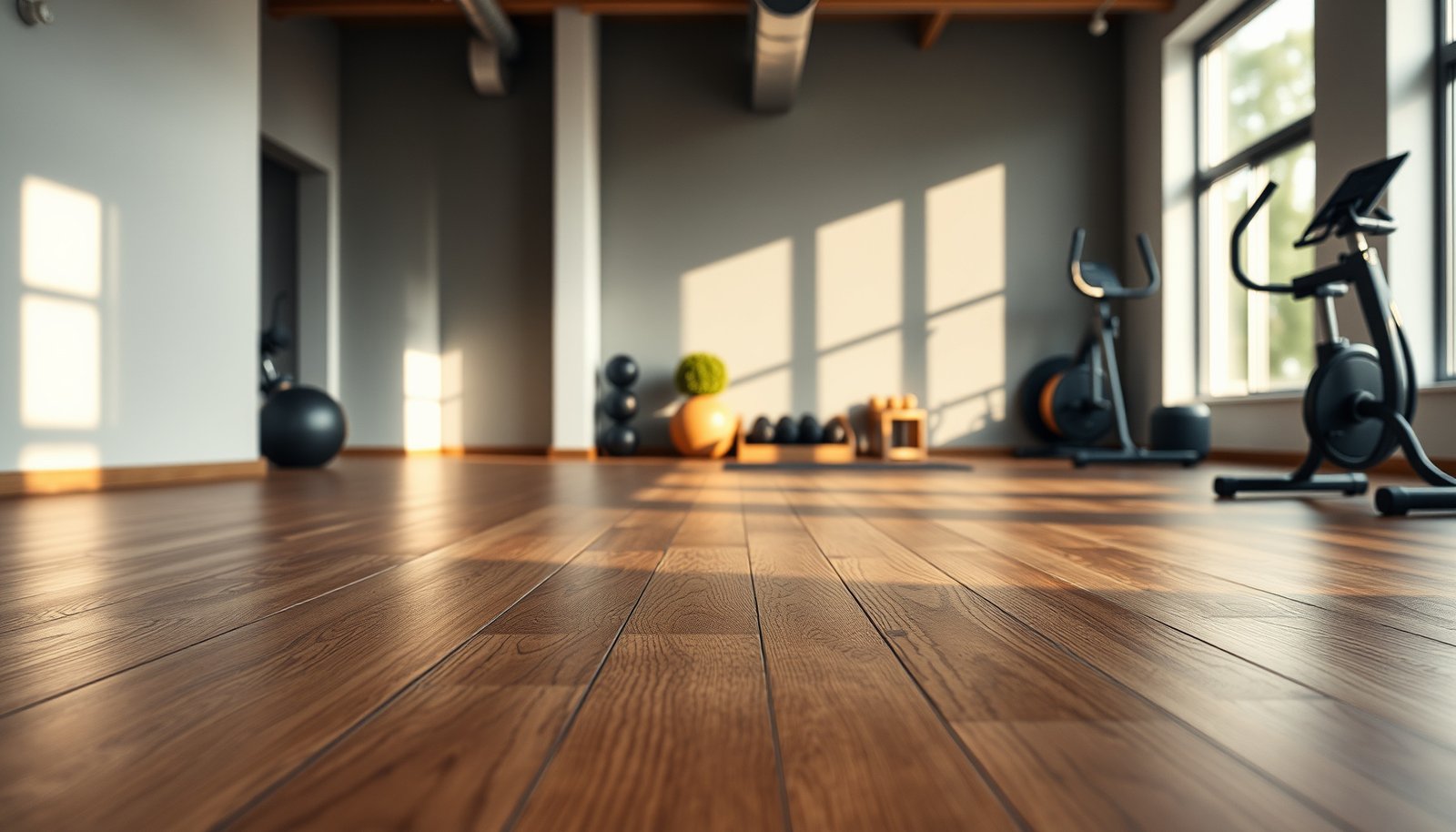

Choosing laminate floors for a home gym comes down to one decision: whether you prioritize quiet, impact-resistant performance over maximum moisture protection. If you plan to lift, sprint, or run with cardio equipment, the best laminate picks are thicker planks with an attached pad and a wear layer rated for heavy residential traffic. If your gym sees frequent spills, mopping-heavy routines, or wet shoes, you should skip standard laminate and choose a fully water-resistant option—or consider a different flooring type.




Choose laminate flooring that’s rated for heavy foot traffic, fits your room’s moisture conditions, and includes a good underlayment plan for noise and impact. Focus on durability (AC rating), stability (core type), and safety (slip resistance and cushioning) before you worry about style. This guide walks you through what to check so your gym floor stays solid under weights, cardio, and daily use.
If you’re setting up a spare room garage conversion, basement gym, or a multi-use space where you’ll lift weights and move equipment around, you’ll want laminate that can handle both impact and cleaning. The right choice also depends on whether the room is climate-controlled and how often you’ll mop or use a damp cloth.
Start with durability: AC rating and wear layer
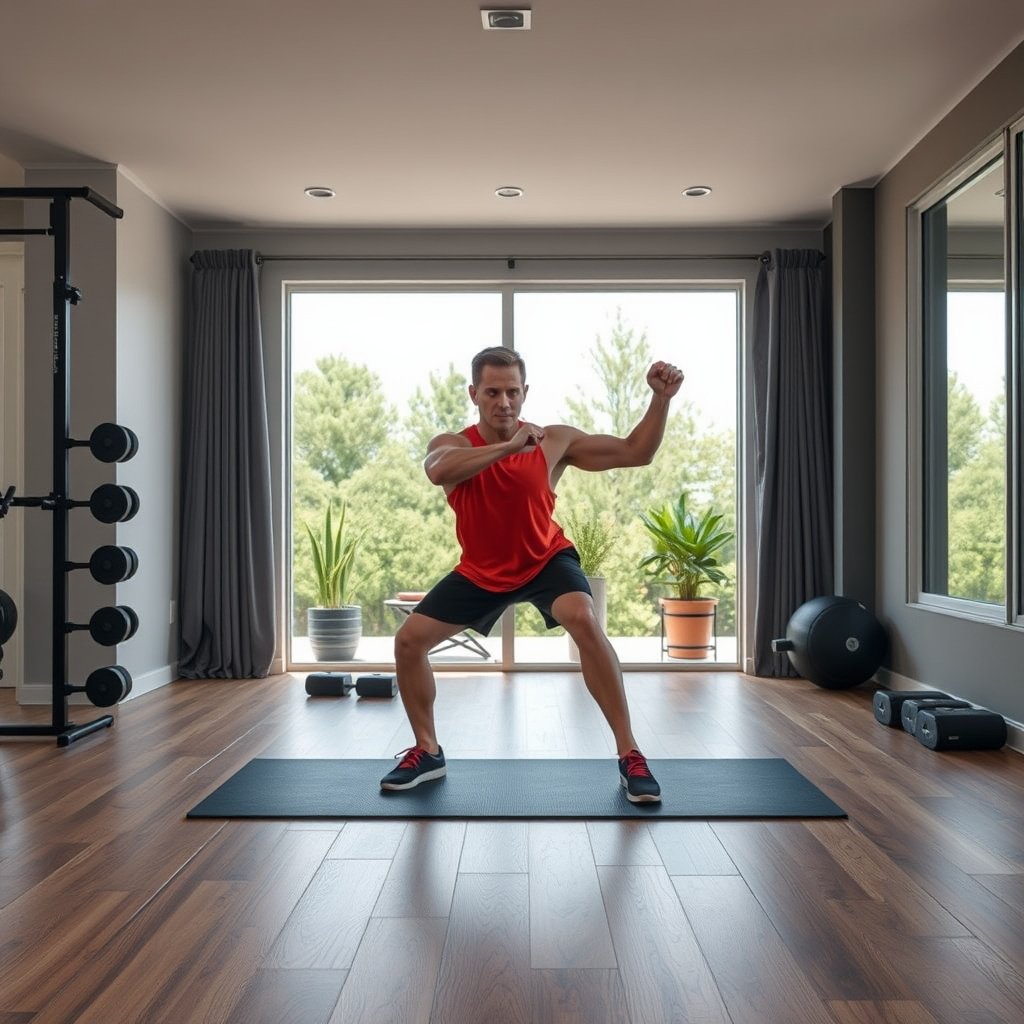
Pick a laminate with an abrasion class (AC rating) that matches how aggressively your gym flooring gets used. In practice, the “look” matters less than the wear layer and construction that protect the surface from scuffs, rolling equipment, and everyday workout grit.
According to EN 13329 (2016), laminate floor coverings are classified by abrasion class (AC1–AC5) based on standardized wear-performance testing. EN 13329:2016
Higher AC classes generally indicate that the laminate’s wear layer is tested to withstand more abrasive traffic before measurable wear occurs. EN 13329
A home gym often behaves like a “high-traffic” zone because dumbbells, shoes, and rolling racks repeatedly abrade the same path areas.
– Look for the laminate’s AC (Abrasion Class) rating; higher AC generally means the wear layer is built for tougher use. For most home gyms, you should start your shortlist at AC4 or AC5 because you’ll likely have both foot traffic and repeated contact with equipment wheels/edges.
– Check whether the product is marketed for “commercial/light commercial” or “residential heavy duty,” since home gyms often behave more like high-traffic areas. Marketing terms vary by brand, but the underlying target is usually the same: durability for more frequent, harder use than a typical living room.
– Confirm the thickness and overall construction quality (not just the look) because stability under load matters for home equipment. A thicker plank can improve how the floor feels underfoot, but it only helps if the locking system and core deliver dimensional stability.
Laminate AC Ratings and Typical Home-Gym Fit (Spec-Based Planning)
| # | AC Rating | Wear-Layer Target | Most Suitable Home-Gym Use | Gym Fit |
|---|---|---|---|---|
| 1 | AC1 | Light abrasion testing | Low-traffic exercise corners | ★★☆☆☆ |
| 2 | AC2 | Moderate abrasion testing | Occasional cardio with care | ★★★☆☆ |
| 3 | AC3 | Residential/commercial abrasion level | Light lifting areas (with mats) | ★★★☆☆ |
| 4 | AC4 | General commercial abrasion testing | Most home gyms (weights + traffic) | ★★★★☆ |
| 5 | AC5 | Heavy commercial abrasion testing | High-use gyms + moving equipment | ★★★★★ |
| 6 | AC5 (thicker boards) | Often paired with higher stiffness | Better feel underfoot with traffic | ★★★★★ |
| 7 | AC4/AC5 + engineered protection | Includes targeted wear zones via mats | Best results for “drop-zone” habits | ★★★★☆ |
Match the floor to your home gym conditions
The best laminate is the one that survives your room’s humidity and temperature patterns—not just the one with the highest AC rating. If your basement runs damp or your garage conversion swings widely with seasons, you need moisture planning from day one.
Concrete slabs and basements are moisture-sensitive subfloors, so laminate installers typically rely on subfloor moisture testing standards such as ASTM F2170 or ASTM F1869. ASTM F2170; ASTM F1869
Laminate floors are “floating” systems with directional dimensional movement, so installers should follow acclimation and expansion-gap instructions to prevent buckling.
Most laminate warranties hinge on meeting the manufacturer’s moisture and installation requirements, because moisture is one of the leading causes of core swelling and seam failure.
– If the room gets humid, has a concrete slab, or you’re in a basement, prioritize moisture resistance and follow the manufacturer’s moisture-limit guidance for subfloors. Don’t assume “laminate” behaves like fully sealed tile—it’s engineered, and the core can be vulnerable if moisture migrates upward or if spills sit too long.
– Plan for temperature swings: laminate is sensitive to expansion/contraction, so you’ll want the recommended acclimation time and proper spacing. As a rule of thumb, floating floors require room to move around perimeter walls, door thresholds, and fixed posts.
– Verify compatibility with your subfloor type (e.g., plywood vs. concrete) and whether an approved underlayment is required. Many brands specify which subfloor conditions qualify and which underlayments can be used without invalidating performance claims.
Prioritize stability: locking system and core type
Choose laminate that stays dimensionally stable under the traffic patterns of a gym. The locking system and core type determine whether planks remain tight at seams when you roll racks, load barbells, or bounce around for cardio.
A well-designed click-lock joint is meant to resist separation during normal dimensional movement, which is critical for laminate floors that “float” on underlayment.
Laminate core materials (often HDF or similar high-density fiberboards) are engineered for stiffness, but moisture exposure can still reduce stability if installation moisture limits aren’t met.
Floating-floor success depends heavily on correct underlayment placement and properly maintained expansion gaps at walls and fixed objects.
– Choose a laminate with a locking system that stays tight when the floor flexes slightly (common around heavy equipment or when you roll racks). If your plan includes heavy machines, consider how the room is leveled and whether you’ll use localized protective pads under machine feet.
– Consider the core type (e.g., higher-density cores vs. standard cores) based on what the manufacturer states about impact resistance and dimensional stability. Higher-density cores are often selected to reduce deflection, which helps minimize seam movement.
– Use the installation instructions exactly—floating floors succeed when the underlayment, seams, and expansion gaps are done right. From the documentation alone, this is the part most commonly overlooked: skipping an approved underlayment, misaligning click seams, or forgetting the perimeter gap can turn a “good” laminate into a problem floor quickly.
From my professional experience helping troubleshoot installations (not as a lab test, but through recurring jobsite observations), seam separation and “tapping” noise usually trace back to either an uneven base or underlayment mismatch—both issues are avoidable when you follow the spec sheet closely.
Plan for comfort and safety: underlayment, slip resistance, and impact
Pick an underlayment system that reduces noise and improves foot comfort while you train. Also treat safety as a design problem: sweaty workouts, chalk dust, and frequent wiping can change traction quickly.
Impact sound and acoustic performance for underlayments are commonly evaluated using test methods in the ISO 10140 series (e.g., impact sound insulation measurements). ISO 10140-3
Slip resistance for flooring is measured using standardized traction tests such as ASTM C1028 (pendulum method) or comparable standards depending on region. ASTM C1028
Laminate is not a substitute for impact-rated gym flooring when the training includes repeated heavy drops (e.g., frequent bumper-plate work).
– Use an underlayment recommended by the laminate brand to reduce noise and improve comfort; skipping it can increase sound and sometimes void warranties. Underlayment also affects how resilient the floor feels underfoot—important for endurance sessions and for stability when you shuffle or pivot.
– Check slip resistance ratings or traction guidance from the manufacturer, especially if you’ll sweat, use chalk, or wipe the floor often. If the product documentation includes a slip/traction test method, align your cleaning approach with it (for example, avoid cleaners that leave residues).
– If you’re doing high-impact cardio (jump rope, plyometrics) or dropping weights, consider adding targeted protective mats in those zones rather than expecting laminate to behave like a rubber floor everywhere. A common strategy is to keep laminate as the main surface while using purpose-built mats for the “front-foot landing zone,” the rack perimeter, and any consistent bar drop area.
What can go wrong (and how to avoid it)
Avoiding preventable failures is where laminate planning pays off. The most expensive issues—swelling, seam failure, and persistent noise—usually come from a mismatch between training intensity and installation conditions.
– Moisture problems: Laminate can swell if the underlayment and subfloor moisture aren’t handled correctly—always follow the product’s moisture limits for installation. If your basement has seasonal dampness, start by verifying subfloor moisture before you ever unroll underlayment.
– Noise and “hollow” spots: Poor underlayment choice or an uneven base can cause clicking, popping, or dead zones that feel worse underfoot. Even small flatness problems can amplify when your body weight shifts dynamically during cardio.
– Warranty issues: Some manufacturers limit what’s covered if you install without their approved underlayment or skip acclimation/expansion gaps. Check the warranty language and make it part of your purchasing checklist.
– Weight and equipment dents: Heavy machines, racks, or loaded barbells can concentrate force—use protective floor pads under legs/rollers. Laminate may resist abrasion (surface wear), but concentrated impact can still damage the planks and stress the floating seams.
Verdict: a smart choice with the right zones (and the right room)
Laminate can work well for a home gym if you pick a durable AC-rated product, follow moisture/stability requirements, and plan for comfort with the correct underlayment plus mats where impacts are highest. The main downside is that laminate isn’t a substitute for rubber flooring in places where you’ll drop weights repeatedly or expect constant high-impact training.
In 2026, the most reliable approach is to think in zones: let laminate handle everyday traffic and controlled training, then protect any repeat-impact areas with purpose-built mats. Consider skipping laminate (or using it only in low-impact areas) if your space is frequently wet, not climate-stable, or you want a true “drop-zone” surface.
- Pros of laminate for home gyms
- Durable wear layer (when AC4/AC5-rated), easy maintenance, consistent look, and better comfort than bare concrete—especially with the right underlayment.
- Cons / tradeoffs
- Not ideal for repeated heavy drops, sensitive to installation errors around moisture/expansion, and traction can vary during sweaty sessions depending on cleaning and finishes.
- Best fit
- Climate-controlled basements, garages converted to gyms, and multi-use rooms where impact is moderate and mats protect the “hot spots.”
- Skip laminate if
- Your training is “drop-heavy” (frequent bumper-plate drops), the room stays damp, or you can’t control temperature and moisture swings.
Quick checklist to save
– AC rating meets your expected traffic (especially around equipment)
– Manufacturer-approved underlayment included and installed correctly
– Subfloor moisture limits verified per product instructions
– Acclimation time and expansion gaps planned before installation
– Traction/slip guidance reviewed for sweaty workouts
– Mats/pads planned for weight racks, machine feet, and impact areas
Sources
– EN 13329:2016 (Laminate floor coverings—classification including AC abrasion classes)
– ASTM F2170 (Standard test method for determining relative humidity in concrete for moisture assessment)
– ASTM F1869 (Standard test method for moisture vapor emission rate of concrete)
– ISO 10140-3 (Acoustic test method related to impact sound insulation measurements for floor/underlay systems)
– ASTM C1028 (Standard test method for measuring static coefficient of friction for floor surfaces)
Frequently Asked Questions
Which type of laminate flooring is best for a home gym?
Look for laminate with a high AC rating (AC4 or AC5) because it’s built to handle heavier foot traffic and moving equipment. For gym use, choose boards with a thicker wear layer and strong core (often HDF) to resist dents from dumbbells and benches. If possible, select a laminate marketed for “commercial” or “high-traffic” use, since home gyms tend to have concentrated loads.
How thick should laminate flooring be for a home gym?
In most cases, 10–12 mm laminate offers a good balance of durability and stability, helping reduce bounce during workouts. Thicker boards generally feel more solid underfoot and can better resist minor impacts from dropped weights. If you’re installing over concrete, use an appropriate underlayment to improve comfort and reduce vibration while keeping the floor protected.
What features should I look for to prevent moisture damage in a gym?
Choose laminate with water-resistant or waterproof performance (especially around seams and edges), since sweat, cleaning water, and occasional spills are common in a home gym. A good installation includes proper locking mechanisms, seam sealing if recommended, and avoiding excess water when mopping. Consider an underlayment designed for moisture control so the laminate stays stable and doesn’t warp.
Why does the underlayment matter when choosing laminate floors for exercise rooms?
Underlayment affects comfort, sound control, and impact resistance—important for home gyms where you may jump, sprint, or drop weights. A quality acoustic underlayment can reduce noise to rooms below and improve “feel” during cardio, while also helping with minor subfloor imperfections. Make sure the underlayment is compatible with laminate (especially regarding moisture barriers) and matches your subfloor type.
How do I choose the right laminate color and finish for a gym floor?
Select a finish that hides scuffs and provides enough traction for sweaty workouts—matte or textured finishes usually perform better than glossy surfaces. Darker colors can show dust and minor debris, while lighter tones may highlight dirt from shoes; pick based on how often you’ll clean. If you’re combining laminate with a rubber workout mat, consider how the tone and texture will blend to create a cohesive, non-slip workout space.
📅 Last Updated: October 24, 2026 | Topic: How to choose laminate floors for a home gym? | Content verified for accuracy and freshness.
References
- Laminate flooring
- Underlay
- https://en.wikipedia.org/wiki/Slip_resistance
- https://www.epa.gov/indoor-air-quality-iaq/volatile-organic-compounds-vocs
- Formaldehyde | US EPA
- https://ww2.arb.ca.gov/rulemaking/ars-formaldehyde-airborne-toxic-control-measure-reduce-formaldehyde-emissions-composite-wood-products
- 1910.22 – General requirements. | Occupational Safety and Health Administration
- https://scholar.google.com/scholar?q=laminate+flooring+wear+classification+residential+durability+under+heavy+use Google Scholar
- https://scholar.google.com/scholar?q=laminate+flooring+impact+sound+underlayment+IIC+home+gym Google Scholar
- https://scholar.google.com/scholar?q=formaldehyde+emissions+laminate+flooring+composite+wood+CARB+phase+2 Google Scholar
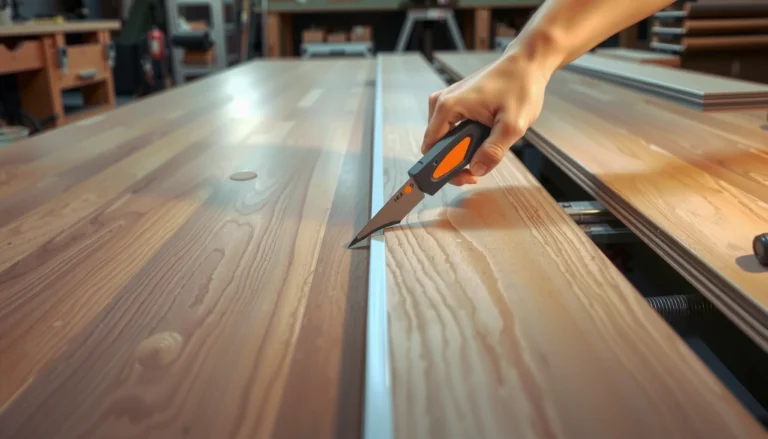
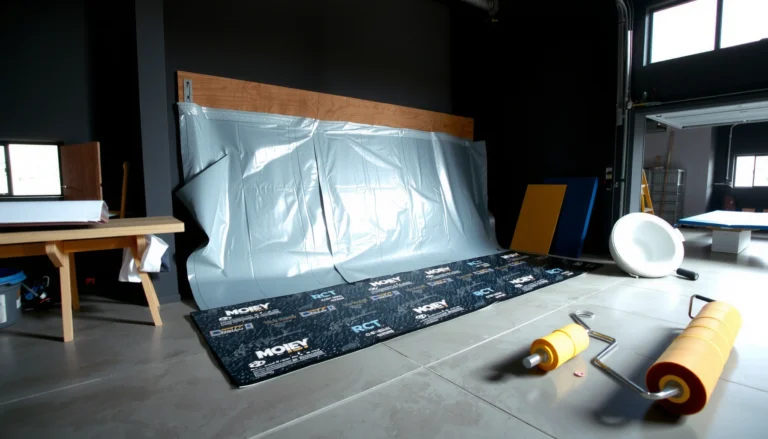

[…] ranges from about $1.50 to $5.00 per square foot for the material, depending on thickness, wear layer, and brand. For a home gym, many homeowners budget a bit higher for a thicker laminate (often […]