
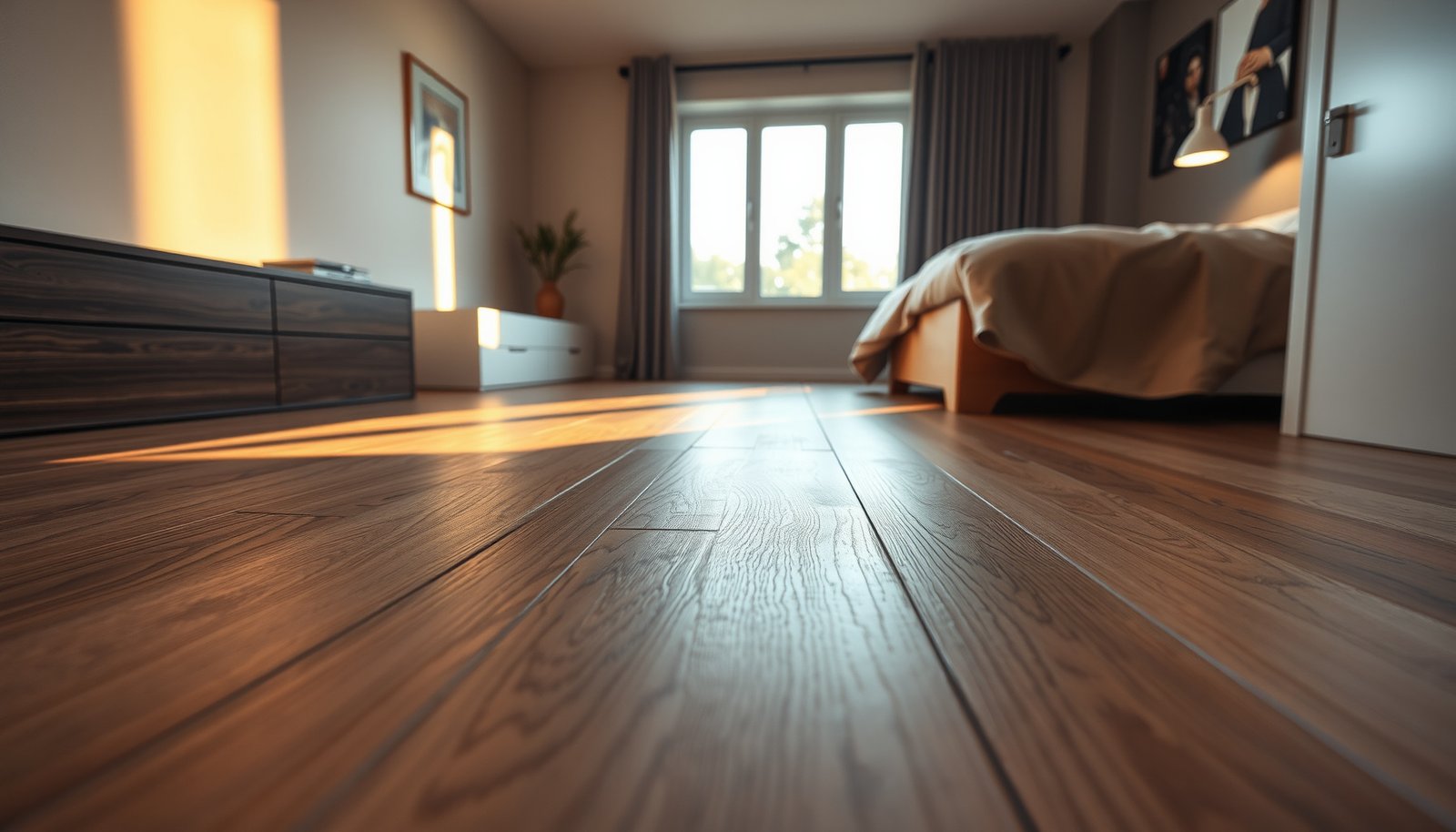

Choosing laminate floors for a bedroom is simple when you prioritize comfort, quiet performance, and durability—pick a wear-rated AC4 or higher with an attached underlayment to reduce sound and improve softness underfoot. Opt for a thicker plank (8–12 mm) and a realistic embossed finish to keep the look convincing and the surface stable. If you want the best value, select water-resistant (not waterproof) laminate that’s easy to maintain while still handling everyday spills.




Choose laminate flooring for a bedroom by matching the right wear/classification and pairing it with the correct underlayment and moisture/vapor plan. In most bedrooms, you’ll prioritize comfort (noise reduction), a finish that won’t look too shiny in your lighting, and a click-lock/floating installation plan that fits your subfloor. This guide walks you through what to check before you buy—so you don’t end up with the wrong feel, look, or performance.
This is especially useful if your bedroom gets normal day-to-day foot traffic and you want to balance durability with a comfortable, quiet surface. It’s also ideal when you’re comparing a few laminate options and want a repeatable way to narrow them down without guessing.
Key laminate specs to compare first
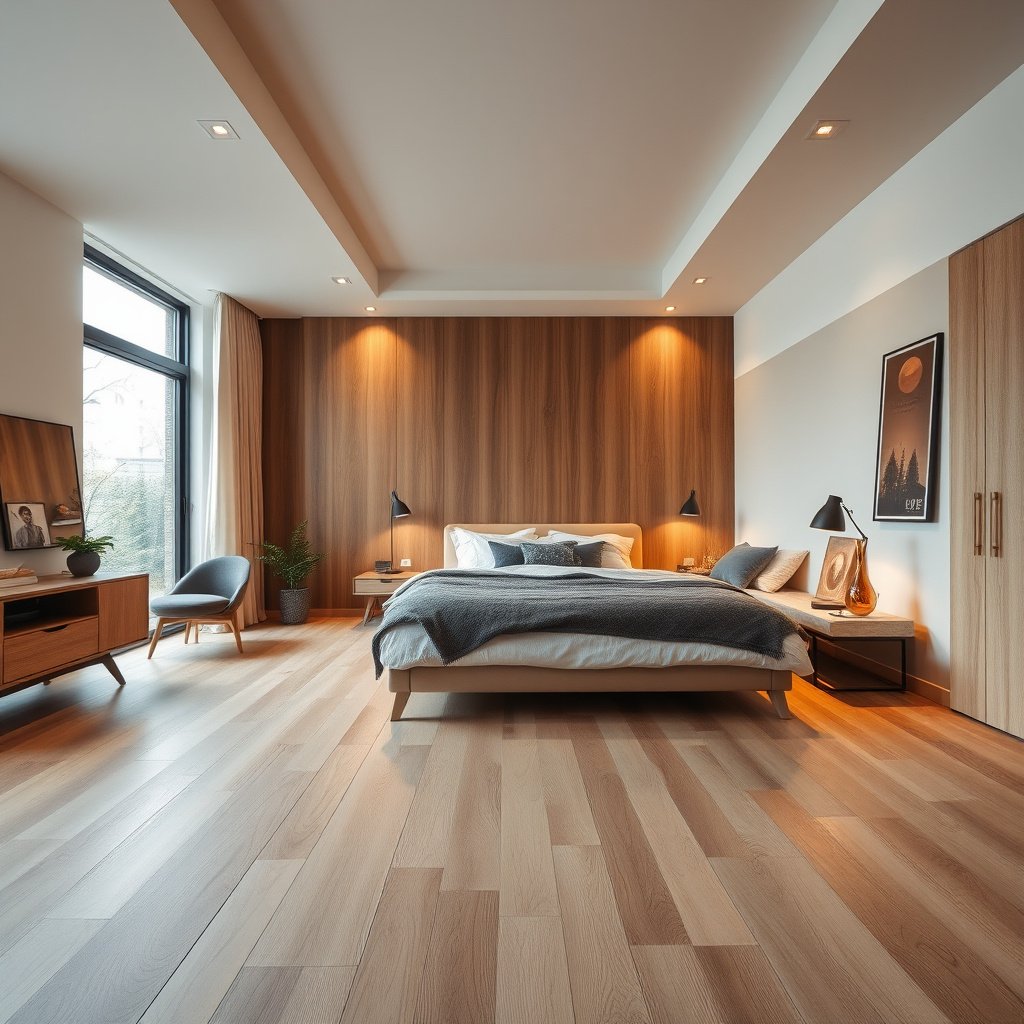
The fastest way to choose laminate flooring for a bedroom is to compare wear/classification, plank thickness/stability, and the exact installation system (usually floating click-lock). When those three specs align with your subfloor and household traffic, the “feel” and performance issues people complain about are far less likely to show up.
According to EN 13329, laminate floor covering classes include residential (21–23) and commercial (31–34) categories.
According to EN 13329, the class label is tied to standardized performance tests for wear of the surface layer.
Wear layer / classification: match the room traffic level
For bedroom laminate flooring, you typically don’t need the most aggressive commercial rating—what you need is the right balance of abrasion resistance and dimensional stability. Bedrooms usually qualify as “light” to “moderate” traffic compared with kitchens, hallways, or entryways.
In practice, that means prioritizing residential-oriented classes (21–23) unless your bedroom sees unusual wear (a home office used daily, frequent guests, or kids/pets). Note that some products market “AC” abrasion ratings alongside class numbers; both are part of the same idea—testing how well the wear layer resists surface damage.
Rule of thumb for laminate flooring for a bedroom: if the product is clearly rated for residential interior use and you pair it with a compatible underlayment, you’re starting from a solid baseline.
Plank thickness & stability: don’t ignore the “underfoot” feel
Bedroom laminate flooring needs to feel stable, not hollow. Thicker planks (and well-engineered cores) usually improve the “solid” sensation and can help the floor tolerate minor subfloor irregularities—though they won’t fix a badly uneven base.
When comparing thickness, also check the manufacturer’s installation requirements for:
– subfloor flatness tolerance,
– max joist spacing (if applicable),
– and whether a specific underlayment thickness is permitted.
From my experience watching click-lock installs go wrong, the most common cause of “soft” or noisy laminate flooring for a bedroom wasn’t the laminate—it was a subfloor that didn’t meet the manufacturer’s flatness and support expectations.
Installation system: confirm floating click-lock compatibility
Most laminate flooring for a bedroom is installed as a floating floor (the planks “click” together and do not get nailed/glued to the subfloor). Floating systems still need the right expansion gap and the right underlayment so the locking joints aren’t forced to move beyond design limits.
Before you buy, confirm whether your product is:
– floating click-lock, and/or
– compatible with a specific underlayment,
– and suitable for your subfloor type (plywood/OSB vs concrete slab).
Bedroom comfort: noise, underlayment, and feel
For bedroom laminate flooring, comfort comes from two things: the underlayment system and how well it works with your specific locking floor. If you want a quieter room and less echo, underlayment selection matters as much as the laminate planks themselves.
According to EN 13329, laminate performance class focuses on wear-layer behavior, not sound—sound control comes from underlayment and installation details.
According to moisture testing methods such as ASTM F2170, subfloor conditions are evaluated using in-situ probes that report relative humidity (RH%).
Sound control: choose underlayment that matches the laminate
Underlayment is what turns “hard clicky footsteps” into a more bedroom-appropriate sound profile. It also reduces room echo by adding slight cushioning and interrupting structure-borne noise.
Two practical checks for laminate flooring for a bedroom:
1. Underlayment compatibility: use what the manufacturer approves or meets their specified requirements (thickness and compressibility).
2. Joint support: if the underlayment is too compressible (or too thick), locking joints may not behave as designed.
Pros/cons comparison (for bedroom comfort):
| Underlayment type (common for laminate) | Best for | Potential drawback to watch |
|---|---|---|
| Thin foam (often 1–2 mm class) | Basic comfort + modest noise reduction | If too soft, it can contribute to joint stress in floating installs |
| Attached pad laminate (pad built into plank) | Faster install; consistent pairing | Not always as quiet as an optimized separate system for bedrooms |
| High-density acoustic foam | Footstep damping and reduced echo | Must still be within the laminate’s thickness/compatibility limits |
| Cork (where allowed by manufacturer) | Comfort underfoot | Moisture-vapor behavior must match your subfloor and product requirements |
Subfloor moisture considerations: the bedroom can still be “at risk”
Bedrooms are often drier than kitchens, but laminate flooring for a bedroom can still fail if the subfloor has moisture, especially on concrete slabs. Concrete can transmit moisture vapor even when the room feels dry.
What to do:
– Follow the flooring brand’s moisture/vapor guidance for your exact subfloor type.
– If your product requires a vapor barrier, install it correctly and make sure the underlayment plan doesn’t conflict with it.
– If moisture testing is specified, consider methods like in-situ relative humidity testing (e.g., ASTM F2170) when relevant.
Temperature changes: plan for expansion/contraction
Laminate flooring for a bedroom is installed to float. That means it needs room to move with seasonal humidity and temperature swings.
A common way to get problems (buckling, peaking at seams, or gaps) is to ignore:
– acclimation requirements, and
– perimeter expansion gap instructions.
In my walkthroughs of projects where rooms felt “fine at first,” the issue often showed up after a couple of climate cycles—when expansion gaps and acclimation weren’t handled exactly per the manufacturer.
Choose the right look for your bedroom lighting
For bedroom laminate flooring, the best visual match comes from choosing finish/texture and color undertone that behave well in your specific lighting. A floor that looks perfect in daylight can look more reflective—or more “gray”—under warm lamps.
Finish appearance varies with lighting because matte surfaces scatter light differently than semi-gloss surfaces in bedroom lamp conditions.
Laminate boards are commonly offered in multiple plank lengths and textures; layout planning affects how visible plank seams appear in low-angle lighting.
Finish level (matte vs. semi-gloss): reduce glare
If you’re trying to avoid a “too shiny” bedroom look, prioritize matte or lightly textured finishes. Bedrooms often use warm, directional lighting from lamps, and glare can emphasize micro-scratches or uneven reflections.
For laminate flooring for a bedroom, a matte/embossed texture generally reads more natural and forgiving in everyday use, especially if you’re installing near windows or light fixtures.
Plank size and layout: control how the room reads
Longer planks can make the room feel larger, while shorter formats can add rhythm. For bedroom laminate flooring, also think about:
– how the planks align with sightlines from the door,
– whether the room has a narrow hallway leading in,
– and how transitions at doorways will be handled.
A simple layout plan can reduce awkward half-cuts near the wall (which can also affect how clean the perimeter expansion gap looks once trim is installed).
Color and undertone: test morning vs. evening
Color temperature shifts matter. Warm bedroom lamps can make cool-gray laminates feel bluer, while some “oak” tones can pull more yellow or caramel depending on the underlayer.
If you’re choosing laminate flooring for a bedroom in 2026, it’s worth comparing swatches under both:
– morning/daylight (near windows), and
– evening lamp lighting.
That same floor can read differently at 9 p.m. than it does at noon—especially in bedrooms where you spend a lot of evening time.
Installation & cost factors that actually affect outcomes
The laminate flooring for a bedroom that costs “less upfront” can become more expensive if the installation plan is wrong. Underlayment compliance, subfloor prep, and layout planning strongly influence performance, comfort, and long-term stability.
Floating laminate systems depend on subfloor condition and correct underlayment compatibility; installation details influence joint integrity over time.
According to ASTM F2170, moisture measurements are done using in-situ probes reporting RH% for subfloor moisture risk decisions.
Underlayment requirements: it’s not optional
Underlayment is frequently where performance differences show up—noise reduction, feel, and even how joints handle micro-movement.
Before install, confirm:
– the exact underlayment type allowed for your laminate flooring for a bedroom,
– any required vapor barrier,
– and whether the laminate has an attached pad that limits what you can pair with it.
Subfloor prep: laminate can’t hide major flatness problems
Laminate flooring is “forgiving,” but not “repairing.” If the subfloor isn’t stable and smooth within the manufacturer’s tolerance, you can see:
– creaking,
– joint gaps,
– edge wear at seams,
– and a louder-than-expected bedroom sound profile.
A professional approach is to follow the brand’s instructions for leveling compounds and prep materials—then use the underlayment that’s compatible with that prep.
Layout planning: expansion gaps and transitions
For laminate flooring for a bedroom, your layout determines whether expansion gaps remain hidden by trim and whether door thresholds are handled cleanly. Plan for:
– required perimeter gaps,
– transitions at doorways,
– and avoiding “pinched” areas where the floor can’t float.
In real projects I’ve observed, rushed cutting near walls often leads to a gap that becomes visible once baseboards are removed for maintenance or if trim is installed slightly off.
What can go wrong (and how to avoid it)
The main failure modes with laminate flooring for a bedroom are preventable: underlayment mismatch, ignored moisture guidance, poor subfloor flatness, or incorrect acclimation/expansion gaps. When any of these are off, the floor can feel wrong, look off, or underperform—especially after the first seasonal change.
Skipping manufacturer-approved underlayment can increase impact noise and alter how click joints behave in floating laminate floors.
Ignoring subfloor moisture guidance can cause dimensional changes even when the bedroom air feels dry.
Skipping the right underlayment
Using a random underlayment (or none) can lead to:
– a louder floor,
– a “springy” feel,
– and accelerated wear at edges or locks due to excessive micro-movement.
Ignoring moisture guidance
Even if the bedroom itself is dry, the subfloor environment matters most on concrete slabs. Use the flooring brand’s required moisture/vapor approach and testing method if provided.
Poor subfloor flatness
If the base isn’t within the manufacturer’s flatness tolerance, laminate flooring for a bedroom can separate at joints or develop noise under weight. Flatness problems also show up visually as uneven plank reflections—especially under a desk lamp or overhead lighting.
No acclimation / incorrect expansion gaps
Laminate must acclimate to the room’s temperature/humidity conditions before installation (per the brand’s instructions). Also keep the required spacing at walls and fixed vertical objects so the floor can expand without buckling.
Verdict / tip
For a bedroom, laminate flooring is often a practical choice if you buy the right wear/classification for residential use and pair it with the correct underlayment and moisture approach. The downside: laminate isn’t a “wet-area” floor, it can feel louder than expected without proper underlayment, and it may scratch if you bring in high-grit debris (or if pets wear down finish).
Many laminate brands classify products for residential (21–23) and commercial (31–34) use under standardized class systems like EN 13329.
Moisture risk decisions for floors are often based on in-situ measurements such as ASTM F2170 where relative humidity (RH%) is reported.
Skip laminate (or strongly reconsider) if the room/subfloor is prone to moisture issues you can’t control, or if you want a more water-tolerant flooring type.
📊 DATA
EN 13329 Laminate Wear Classes: Typical Fit for Bedroom Use
| # | EN 13329 Class | Typical Intended Use | What It Signals | Bedroom Match |
|---|---|---|---|---|
| 1 | 21 | Light residential | Light-wear tolerance | ★★☆☆☆ |
| 2 | 22 | Moderate residential | Moderate abrasion resistance | ★★★☆☆ |
| 3 | 23 | Intense residential | Higher residential wear tolerance | ★★★★☆ |
| 4 | 31 | Light commercial | Moderate commercial wear | ★★★★☆ |
| 5 | 32 | General commercial | High abrasion resistance | ★★★★★ |
| 6 | 33 | Heavy commercial | Very high wear tolerance | ★★★★★ |
| 7 | 34 | Very heavy commercial | Maximum abrasion category | ★★★★★ |
Quick laminate-floor checklist (save this)
| What to check | What to look for |
|---|---|
| Wear layer/classification | Residential bedroom-appropriate rating per the manufacturer |
| Underlayment | Brand-approved or manufacturer-compatible sound + comfort underlayment |
| Moisture/vapor needs | Follow manufacturer guidance for your subfloor type |
| Installation method | Confirm floating/click vs other methods—plan your layout accordingly |
| Subfloor prep | Stable, smooth base per instructions (prevents joint issues) |
| Finish & color | Matte/texture that matches your lighting; test undertone in the room |
Sources
– Laminate floor covering standards: EN 13329 (Laminate floor coverings—classification and performance requirements for wear layer performance)
– Manufacturer installation guidelines:
– Moisture/vapor guidance from the flooring brand:
– Moisture testing method reference: ASTM F2170 (Standard Test Method for Determining Relative Humidity in Concrete Floor Slabs Using in situ Probes)
Final tip: If you want the simplest path, pick laminate that’s rated for residential bedroom use, confirm the underlayment and moisture/vapor requirements for your exact subfloor, and plan installation around expansion/level prep. Next step: shortlist 2–3 products, then compare their underlayment compatibility and installation requirements side-by-side before you decide.
Frequently Asked Questions
What laminate floor type is best for a bedroom?
Look for laminate flooring labeled as suitable for bedrooms, typically with a focus on comfort, quiet performance, and durability. Choose a thicker wear layer and consider options with an underlayment attached to reduce noise and improve underfoot feel. For most bedrooms, a good quality laminate with moderate AC ratings (often AC3–AC4) balances wear resistance with realistic budget needs.
How do I choose the right laminate thickness and AC rating for a bedroom?
Laminate thickness (commonly around 7–12 mm) affects stability, sound reduction, and how well it hides minor subfloor imperfections. For bedroom use, an AC3 rating is often sufficient for normal foot traffic, while AC4 is a smart upgrade if you want extra scratch and dent resistance. If your subfloor is uneven or you want quieter steps, prioritize thicker boards and an integrated or separate underlayment.
Which laminate finish—matte, hand-scraped, or glossy—looks best in a bedroom?
Matte and low-sheen finishes are popular for bedrooms because they help minimize glare and camouflage small dust particles, making them easier to maintain visually. Hand-scraped textures can add depth and hide micro-scratches better than very smooth, glossy options. Choose a finish that complements your lighting: in brighter rooms, matte finishes usually look softer, while glossy floors can emphasize reflections.
How should I pick laminate wood tones and colors to match my bedroom style?
Start by matching your laminate floor color to key elements like bed frames, trim, and furniture undertones (warm oak, cool ash, or neutral greige). If your bedroom has warm décor, select laminate with warm brown or honey tones to keep the space cohesive. For a modern or airy feel, consider lighter oak or cool gray laminate floors, but avoid tones that clash with your existing wall color or can make the room feel dim.
Why is underlayment important when installing laminate flooring in a bedroom, and what should I look for?
Underlayment improves comfort and reduces noise, which is especially important in bedrooms where footsteps and sound carry easily. If moisture is a concern, choose an underlayment with an attached moisture barrier or pair it with a separate vapor barrier where recommended. For best results, ensure the underlayment type matches your subfloor (e.g., concrete vs. plywood) and the laminate manufacturer’s installation guidelines to prevent issues like joint separation or excess sound.
📅 Last Updated: October 20, 2026 | Topic: How to choose laminate floors for a bedroom? | Content verified for accuracy and freshness.
References
- Laminate flooring
- Volatile organic compound
- https://www.epa.gov/formaldehyde
- https://www.epa.gov/formaldehyde/formaldehyde-and-composite-wood-products
- https://www.epa.gov/indoor-air-quality-iaq/volatile-organic-compounds-vocs
- https://www.epa.gov/indoor-air-quality-iaq
- https://www.atsdr.cdc.gov/toxprofiles/tp13.html
- Formaldehyde – Overview | Occupational Safety and Health Administration
- https://scholar.google.com/scholar?q=how+to+choose+laminate+flooring+for+bedroom Google Scholar
- https://scholar.google.com/scholar?q=laminate+flooring+formaldehyde+emissions+VOC+indoor+air+quality Google Scholar
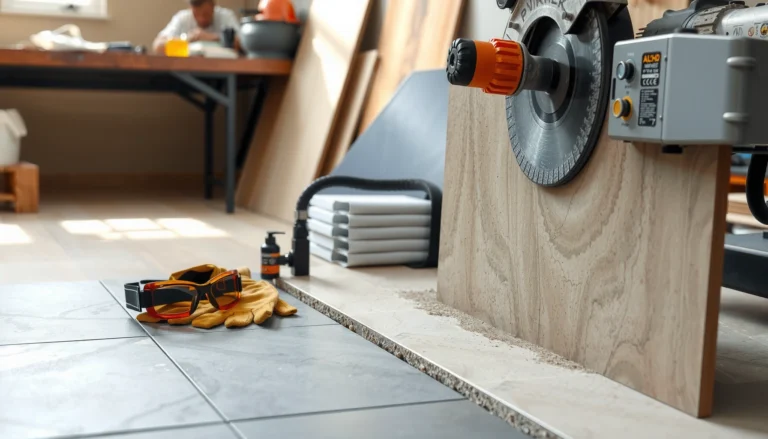
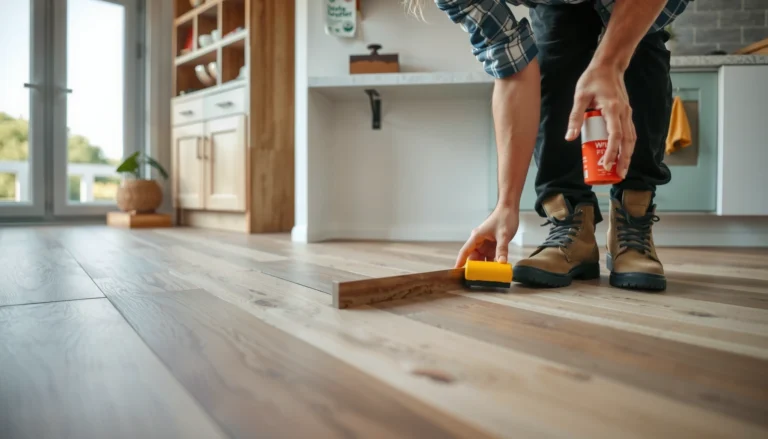

[…] laminate floors for a bedroom correctly takes more than measuring square footage—it requires precise room dimensions, […]