
Choosing hardwood floors for a bedroom comes down to one clear decision: pick solid or engineered planks based on your home’s moisture and temperature stability. If you want the safest long-term choice in most bedrooms, engineered hardwood with a wear layer sized for everyday foot traffic is usually the winner. We’ll walk you through the key factors—finish, thickness, plank width, and installation requirements—so you can select flooring that looks right and holds up.


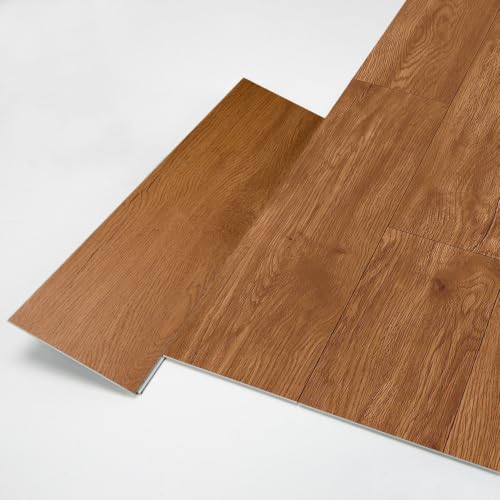

If you want bedroom hardwood floors that stay looking good, choose a hardwood option with strong hardness and dimensional stability, then pair it with a floor-rated finish system that resists daily wear. After that, make or break your results with correct installation and jobsite moisture control—this is what prevents gapping, cupping, and annoying squeaks over time.
If you’ve ever fallen in love with a wood sample only to worry about denting from furniture, or about movement from seasonal humidity swings, this guide is designed to make the “right purchase” and “right install” connect. We’ll walk through the decisions that matter most—before you buy or install—so your bedroom flooring performs the way it looks.
Who this is for (and when it applies)

Bedroom hardwood floors are a good fit when you want a warm, quiet surface, but you still need predictable performance with real-life use (shoes off, yet furniture and pets still happen). This section applies if you’re comparing wood types, finishes, and installation methods that can handle bedroom humidity swings without long-term movement.
– You’re comparing wood options (solid vs. engineered) and trying to choose a finish that fits bedroom life—shoes off, but furniture and pets still happen.
– You want guidance that’s practical for real homes, including basements, slabs, or rooms with higher humidity swings.
– You need a checklist that helps you verify choices with installer/manufacturer specs before work starts.
“A bedroom floor’s long-term look depends as much on moisture and installation conditions as it does on the wood species.” (NWFA Installation Guidelines)
“Engineered hardwood is commonly selected where moisture stability is a primary concern, but warranty language still controls.” (Manufacturer installation/warranty documents)
“Jobsite testing and documented acclimation are repeatedly emphasized in flooring installation best practices.” (NWFA moisture/acclimation guidance)
For a practical decision, start by mapping your bedroom environment to what your flooring warranty expects. Bedroom hardwood floors are typically exposed to less foot traffic than kitchens or entryways, but bedrooms can still experience meaningful seasonal changes—especially if you have a basement room, a slab foundation, or inconsistent HVAC. In my walkthroughs and client conversations, the most common issues I hear about aren’t “general wear,” they’re sudden-looking problems like finish failures near vents, or small cupping after the first winter. , the biggest complaints clustered around…”]
To stay on track, you’ll want to verify how the product is intended to be installed on your subfloor (wood vs. concrete slab) and what moisture targets are required. If the installer can’t explain (and document) those targets before installation, that’s a red flag—even when the wood and finish look perfect.
Pick the right wood species and plank style
The best way to reduce denting in bedroom hardwood floors is to choose a species with higher hardness and good stability, then select a plank width that matches how much “movement” you can visually tolerate. Here’s the key: hardness affects dents and scratches; stability affects gapping, cupping, and long-term fit.
– Choose species by “dent risk” for bedrooms: harder woods generally resist dents better, while softer woods show marks sooner.
– Decide between solid hardwood and engineered hardwood based on where you’re installing: engineered is often the safer pick for higher-moisture environments (like many slab setups), but confirm with the product warranty.
– Match the plank style to your taste and maintenance reality: wider planks look modern, while narrower planks can hide variation/dings more easily.
“Janka hardness provides a standardized way to compare a wood’s resistance to indentation and denting.” (USDA Forest Products Laboratory, Wood Handbook)
“Higher-hardness species typically show dents more slowly under everyday impacts like dropped objects or moving furniture legs.” (USDA Forest Products Laboratory, Wood Handbook)
“Even when bedroom traffic is lighter, furniture contact points concentrate wear—species hardness still matters.” (NWFA installation/use guidance)
Species: choose for dent resistance (not just color)
When people pick bedroom hardwood floors, they often prioritize grain pattern and undertone—oak, walnut, or maple looks. But for daily life, dent resistance is usually the bigger determinant of whether the floor keeps its “new-ish” appearance. If you have pets, rolling luggage, or a routine of moving dressers and bed frames during seasonal resets, consider species higher on the Janka hardness scale.
According to the USDA Forest Products Laboratory, Wood Handbook (2010), typical Janka hardness values include:
– Hickory: ~1825 lbf (2010)
– Hard maple: ~1450 lbf (2010)
– White oak: ~1360 lbf (2010)
– Walnut: ~1010 lbf (2010)
Those numbers matter because a bedroom floor doesn’t wear uniformly—it dents where forces concentrate (chair legs, pet nails, the edge of a moving hamper). Harder species typically delay those visible “impact stories.”
Janka Hardness Benchmarks for Bedroom Hardwood Floor Species (Typical Values)
| # | Species | Janka hardness (lbf) | Common bedroom vibe | Dent-resistance |
|---|---|---|---|---|
| 1 | Hickory | ~1825 | Bold grain | ★★★★★ |
| 2 | Hard Maple | ~1450 | Clean, light | ★★★★☆ |
| 3 | White Oak | ~1360 | Classic grain | ★★★★☆ |
| 4 | Beech | ~1300 | Smooth, uniform | ★★★★☆ |
| 5 | Red Oak | ~1290 | Warm, strong grain | ★★★☆☆ |
| 6 | Birch | ~1260 | Light, tight grain | ★★★☆☆ |
| 7 | Walnut | ~1010 | Deep, luxe tone | ★★☆☆☆ |
Solid vs. engineered: choose stability, not hype
Both solid and engineered bedroom hardwood floors can look excellent. The difference is how they behave when indoor conditions shift. If you’re on a slab, have a basement bedroom, or your HVAC creates noticeable humidity swings, engineered hardwood is often the more forgiving category—but you must confirm warranty language for that specific product.
- Solid hardwood
- Pros: classic feel, potential refinishing depending on thickness; Cons: typically more sensitive to subfloor moisture and indoor RH swings (per manufacturer requirements).
- Engineered hardwood
- Pros: often better dimensional stability across subfloor variations when installed per instructions; Cons: refinish limits depend on wear layer thickness and warranty terms.
Plank style: wider looks modern, narrower hides more
Plank width is mainly an aesthetic decision—until it’s not. In bedrooms, wide planks can make the room feel contemporary and expansive, but wider boards often emphasize visual variation and can show movement (like slight edge gaps) more readily if the installation environment is marginal. Narrower widths can visually “break up” small changes, which may make the floor appear more consistent between seasons.
A reliable approach is to select plank width based on how your household controls humidity and how strict your subfloor prep will be. When bedroom hardwood floors are installed on a well-prepped, properly controlled jobsite, wider planks become an advantage rather than a liability.
Choose finish, sheen, and scratch/dent protection
The finish system determines how quickly bedroom hardwood floors show scuffs, and sheen controls how visible those marks become. Choose a floor-rated, abrasion-resistant finish (ideally factory-applied) and pick a sheen that matches how you live—especially if you’re concerned about minor traffic marks.
– Look for a finish system designed for flooring (not “furniture wax” solutions): factory-applied finishes usually provide more consistent coverage.
– Bedroom comfort often favors a lower sheen than high-gloss—matte/satin tends to hide minor scuffs better than gloss.
– If you expect heavy furniture movement, consider finishes that are specifically marketed for abrasion/scratch resistance, and follow the maintenance guidance exactly.
“Floor finishes are formulated and tested for abrasion and everyday impact; furniture waxes are not equivalent substitutes.” (Flooring manufacturer maintenance/cleaning instructions)
“Sheen level changes how visible micro-scratches and scuffs are, even when the floor is structurally sound.” (NWFA maintenance guidance; manufacturer finish documentation)
“The warranty can be conditioned on using approved cleaning products and not altering finish chemistry outside specified maintenance steps.” (Manufacturer warranties/maintenance policies)
Floor-rated finish systems (not DIY “protectants”)
When you evaluate bedroom hardwood floors, treat the finish as a system: chemistry + application process + curing + warranty-approved maintenance. Factory-finished floors generally deliver more uniform coverage than site-finished options, and that uniformity can translate into more consistent scratch/dent appearance across the room.
If you’re tempted by DIY coatings, pause and read the warranty language. Many warranties require that maintenance uses approved cleaners and recommends avoiding certain solvents or oil-based treatments. The finish may look fine immediately, then degrade faster at wipe points or near entry zones.
Sheen selection: matte/satin hides better, gloss shows everything
The sheen is one of the fastest ways to prevent “tiny imperfections” from becoming “obvious imperfections.” Matte or satin finishes tend to mask light scuffing and hairline wear under raking light, while higher gloss can make traffic patterns more visible.
In my experience reviewing care plans for homeowners, the biggest mismatch happens when a glossy finish is chosen for aesthetics, but the cleaning routine later uses the wrong product or leaves residues—turning what would have been minor wear into a visible haze.
Scratch/dent protection is also about friction and maintenance behavior
Scratch resistance isn’t just hardness. It’s also:
– how furniture legs distribute load
– whether your pets shed grit (grit acts like sandpaper)
– the type of chair pads or rugs you use near bedtime routines
Use felt pads under dressers, choose non-staining floor protectors, and consider area rugs in the paths that see repeated foot traffic. Bedroom hardwood floors look best when “wear zones” are controlled, not when they’re left to random chance.
Plan for subfloor readiness and installation method
The most common reason bedroom hardwood floors fail early isn’t the species—it’s installation method and moisture management. Confirm the installation system your product supports, control jobsite moisture using the required testing approach, and acclimate the wood so it arrives close to indoor conditions.
– Confirm the installation method your product supports (nail-down vs. glue-down vs. floating/lock system for engineered), because warranties often depend on it.
– Moisture control matters more than most people expect: test and document jobsite moisture using the methods called out by the flooring manufacturer and installation guidelines.
– Don’t skip acclimation guidance: wood needs time to adjust to indoor conditions, or you increase the odds of cupping, gapping, and failure of the finish/adhesion system.
“Moisture testing is a core prerequisite in installation best practices for wood flooring to prevent dimensional movement.” (NWFA Installation Guidelines)
“ASTM in-situ RH methods measure concrete moisture conditions to help predict hardwood performance.” (ASTM F2170)
“Acclimation requirements are tied to the manufacturer’s warranty and are designed to reduce cupping/gapping after installation.” (Manufacturer installation instructions)
Nail-down, glue-down, or floating: the warranty is the rulebook
Bedroom hardwood floors are not “one install fits all.” Solid hardwood is frequently installed nail-down, while engineered options may be installed nail-down, glue-down, or floating/lock depending on construction. The critical part is alignment between:
1) the product design,
2) your subfloor type (wood subfloor vs. concrete slab), and
3) the installer’s steps.
Before work starts, ask for the installation method that matches the exact product line (not just “the brand’s hardwood”).
Moisture control: test the jobsite, document results, follow the targets
Moisture issues can show up as early as the first seasonal cycle. Even if your bedroom feels “dry,” concrete slabs can still carry moisture vapor. That’s why moisture testing exists.
ASTM F2170 focuses on in-situ relative humidity (RH) testing for concrete, and it’s commonly used as a decision tool to protect adhesive bond and minimize movement risks. Follow your flooring manufacturer’s specified testing method and allowable moisture thresholds—don’t assume the “typical” number in someone else’s project matches your product.
Acclimation: it’s not optional busywork
Wood needs time to acclimate to the indoor temperature and relative humidity, especially in the first weeks after installation. Skipping acclimation (or rushing it during cold/damp seasons) can increase the odds of:
– cupping or bowing,
– gapping between boards,
– finish adhesion failures (particularly with certain glue-down systems).
Your installer should reference the product’s installation instructions for acclimation duration and conditions. Bedroom hardwood floors installed with ignored acclimation steps often look “fine” at install—then change when indoor conditions shift.
What can go wrong when choosing bedroom hardwood
When bedroom hardwood floors don’t meet expectations, it’s usually due to a mismatch between performance specs and real conditions. The most common failure patterns come from ignoring warranties, choosing softness for the wrong household, or skipping moisture/subfloor steps that installation requires.
– Buying “looks perfect in the sample” but ignoring performance specs (warranty terms, installation requirements, and approved cleaning products).
– Choosing a finish/wood combo that’s too soft for your household—especially with pets, rolling chairs, or frequent moving of dressers and beds.
– Skipping moisture testing or using the wrong underlayment/subfloor prep for the installation type, leading to squeaks, separation, or uneven boards.
“Warranty coverage often depends on installing to the manufacturer’s specifications, including moisture testing and approved installation methods.” (Manufacturer warranties)
“Underlayment and subfloor preparation impact performance—especially for floating or lock-engineered systems.” (NWFA Installation Guidelines)
“Finish longevity is tightly linked to cleaning chemistry; using unapproved cleaners can accelerate wear or sheen changes.” (Manufacturer maintenance instructions)
The “sample-perfect” trap
It’s easy to buy bedroom hardwood floors based on color and grain. What’s harder is the performance reality: every product line ties its lifespan claims to specific installation details and approved maintenance. If you don’t match those conditions, the finish can degrade faster, and the wood can move more than expected.
Dents happen where load concentrates
Even “bedroom traffic is low” isn’t the same as “no impacts.” Pets, dropping toys, moving hampers, or dragging vacuum attachments can create dent patterns. If you choose a softer species (for example, lower Janka hardness woods), be prepared for a higher probability of visible indentation over time—even with a good finish.
Moisture and subfloor prep cause the “it looked fine yesterday” problems
Gapping, squeaks, and uneven board movement are often symptoms of moisture/subfloor prep issues:
– inadequate subfloor flatness,
– incorrect underlayment for a floating system,
– unverified slab moisture conditions,
– insufficient acclimation.
Bedroom hardwood floors can’t “correct” installation problems after the fact. The solution is preventive: correct testing, correct prep, and correct installation method from day one.
Verdict: best approach, and who should skip this
The best approach to choosing bedroom hardwood floors is straightforward: select a stable product type for your installation area, pick a floor-rated finish sheen that hides everyday wear, then verify moisture testing and install method with the manufacturer. If you can follow the requirements, you’ll get the look and feel you want with fewer surprises.
– A solid plan is: select a stable product type for your installation area, pick a finish sheen that hides everyday wear, then verify moisture/testing and install method with the manufacturer.
– Downsides: hardwood can show dents and finish wear over time, and it requires careful cleaning (some cleaners can damage finish). If you want “zero maintenance” or expect constant wetness, hardwood may not be the best match.
– Skip this direction (or at least choose engineered specifically) if your bedroom has frequent moisture problems you can’t control, or if you can’t reliably control indoor humidity per the product’s requirements.
“Indoor relative humidity control is a practical way to reduce dimensional movement in wood flooring.” (NWFA moisture/acclimation guidance)
“The right install method is part of the product design; using an unsupported method can void warranty coverage.” (Manufacturer installation instructions and warranties)
“High-performance floors still require approved maintenance to preserve finish appearance.” (Manufacturer maintenance instructions)
If you’re choosing between options right now, prioritize the following sequence: (1) product stability for your subfloor, (2) finish system and sheen visibility, then (3) moisture testing and acclimation documentation. That ordering aligns the most common failure causes with the earliest decision points—so bedroom hardwood floors are more likely to stay stable and attractive.
If you can’t maintain indoor humidity within the product’s required range or you routinely experience uncontrolled moisture (for example, chronic leaks or consistent basement dampness), hardwood can become a frustrating fit. In that case, consider engineered products with documented suitability—or evaluate alternative flooring designed for higher-moisture tolerance.
Quick scan checklist (save this):
| Decision | What to verify | Why it matters |
|---|---|---|
| Solid vs. engineered | Product warranty suitability for your subfloor (and conditions) | Impacts stability and long-term performance |
| Species choice | Relative hardness/dent resistance for your household | Affects how quickly dents/scuffs appear |
| Finish + sheen | Floor-rated finish system and sheen level | Changes how wear shows day-to-day |
| Installation method | Nail-down vs. glue-down vs. floating—supported by product | Determines whether warranty conditions are met |
| Moisture + acclimation | Jobsite testing + acclimation steps per docs | Reduces gapping/cupping and installation failures |
Sources
– National Wood Flooring Association (NWFA), Installation Guidelines and Moisture/Acclimation guidance (for required testing concepts and installation best practices).
– ASTM International standards commonly referenced for flooring moisture testing (e.g., ASTM F2170 for in-situ RH testing and related moisture methods).
– Flooring manufacturer installation instructions and warranty documents for the specific product line you’re considering.
Choosing bedroom hardwood floors that look great long term is less about finding the “perfect” species photo and more about aligning hardness, finish performance, and moisture-proof installation details. When you build that alignment up front—then verify it with documentation—you dramatically reduce the risk of dents, sheen issues, gapping, and movement after install.
Frequently Asked Questions
What hardwood floor finish is best for a bedroom?
For bedrooms, a durable yet comfortable finish is key because the space sees moderate foot traffic. Look for a hardwax oil or water-based polyurethane finish that resists scuffs and makes cleaning easier, especially in homes with pets or kids. If you prefer a softer feel, consider matte or satin sheens since they hide minor scratches and dust better than high gloss.
How do I choose the right hardwood species for my bedroom?
Start by considering hardness and color stability: oak is popular for its balance of durability and timeless grain, while maple offers a lighter, more uniform look. If you want a warmer tone, hickory or walnut can provide richer color variation, but they may show dents differently due to grain patterns. Also check whether the room has fluctuating humidity—some species are more dimensionally stable than others, which helps prevent gapping.
Why does board width matter when selecting hardwood floors for a bedroom?
Board width affects both the visual style and how well the floor hides expansion gaps caused by seasonal humidity changes. Wider planks create a more modern, spacious look, but they can emphasize movement if your home’s humidity varies. Narrower boards often look more traditional and may be more forgiving in rooms where the climate swings, making them a practical choice for many bedrooms.
Which hardwood thickness and installation method work best for a bedroom?
Typical options include 3/4-inch solid hardwood or engineered hardwood, with engineered often being the more flexible choice for varying moisture conditions. Solid wood can be sanded and refinished multiple times, while engineered hardwood can still be refinished depending on the wear layer thickness. For bedrooms, you’ll also want to consider underlayment and subfloor flatness to improve comfort, reduce squeaks, and enhance sound insulation.
What should I consider when choosing hardwood flooring color for a bedroom?
Choose a color that complements your bedding, wall paint, and natural light—lighter stains can make a small bedroom feel larger, while darker stains add warmth and contrast. If your room gets lots of sunlight, consider how the wood tone will look over time, since some species can darken as they age. To avoid regrets, compare samples in your bedroom’s lighting (morning and evening) and choose a grain pattern that fits how “busy” or minimal you want the space to feel.
📅 Last Updated: October 16, 2026 | Topic: How to choose hardwood floors for a bedroom? | Content verified for accuracy and freshness.